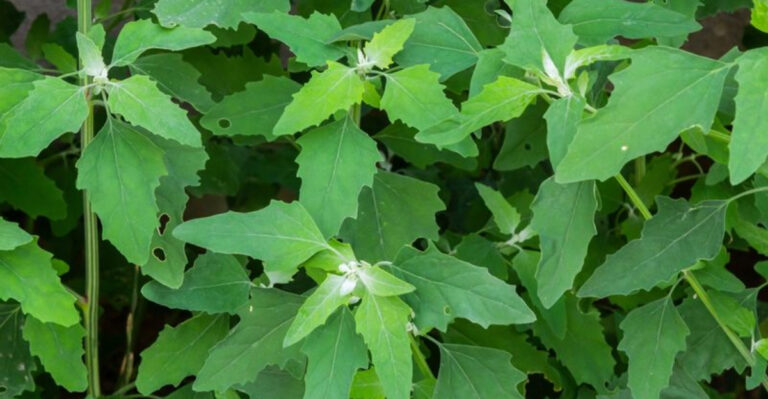
Why Monarch Butterflies May Be Missing From Georgia Gardens This Fall
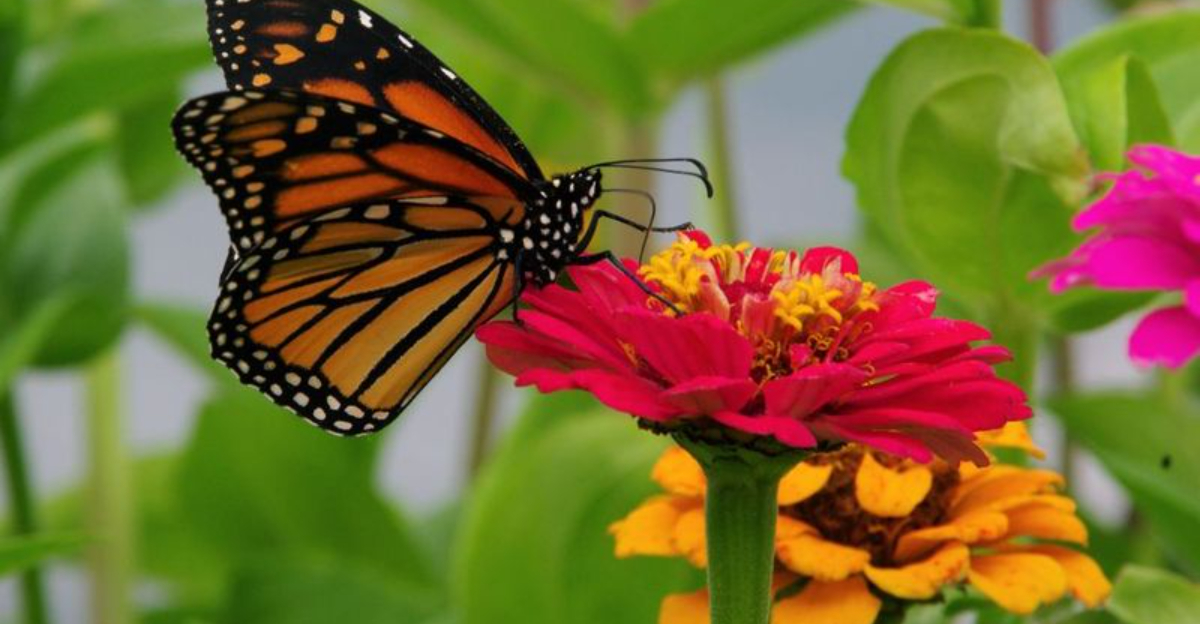
Your garden can be full of flowers and still feel strangely quiet when the monarchs you expected never appear. That absence becomes especially noticeable once fall migration gets underway.
Before blaming your plants, remember that monarch movement can vary greatly from one season to another.
These butterflies travel through Georgia on their long journey south, and many factors influence where they stop along the way. Some gardens may see several visitors while others see very few.
That uneven pattern does not always mean something is wrong with your yard.
Still, the flowers available during migration can affect whether passing monarchs stop to refuel. Look closely at what is blooming instead of judging your garden by butterfly numbers alone.
Understanding their journey can explain why this fall may feel quieter than you expected.
1. Missing Monarchs Can Have More Than One Cause
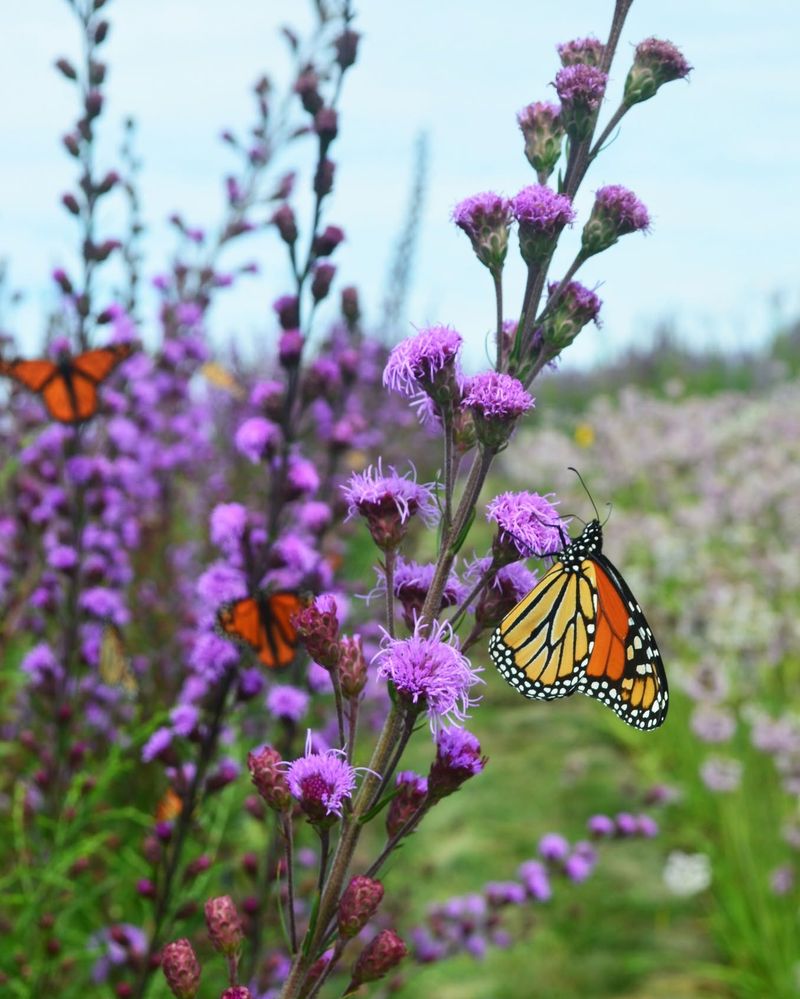
Empty milkweed leaves rarely point to just one problem.
Monarch numbers swing from season to season. Weather, bloom timing, and habitat all tug at the same population.
A cool snap in the Midwest can shift when butterflies drift south through Georgia.
Storms along the route matter too. Heavy rain and strong wind can push migrating monarchs off their usual path.
Your yard might also be competing with a neighbor’s fresh patch of goldenrod.
Gardeners often blame themselves first. Most of the time, local gardens are only a small piece of a much wider picture.
Drought can shrink blooms across the region, which means fewer fuel stops along the way.
Roadside mowing plays a role as well. Cut ditches lose the wildflowers monarchs lean on in October.
Nearby construction can erase a nectar patch you never even noticed.
Keeping a simple weekly tally of sightings tells you more than memory ever will.
Write down dates, weather, and which flowers were open. Patterns show up after a couple of seasons.
Some fall seasons simply run quieter than others, even in well planted yards.
Give it time before rushing to replant everything. Watching for a full season usually reveals what your yard is actually missing.
Steady habitat still pays off. Nectar, milkweed, and shelter give passing monarchs a reason to stop when they do come through.
2. Fall Migration Changes When Monarchs Reach Your Yard
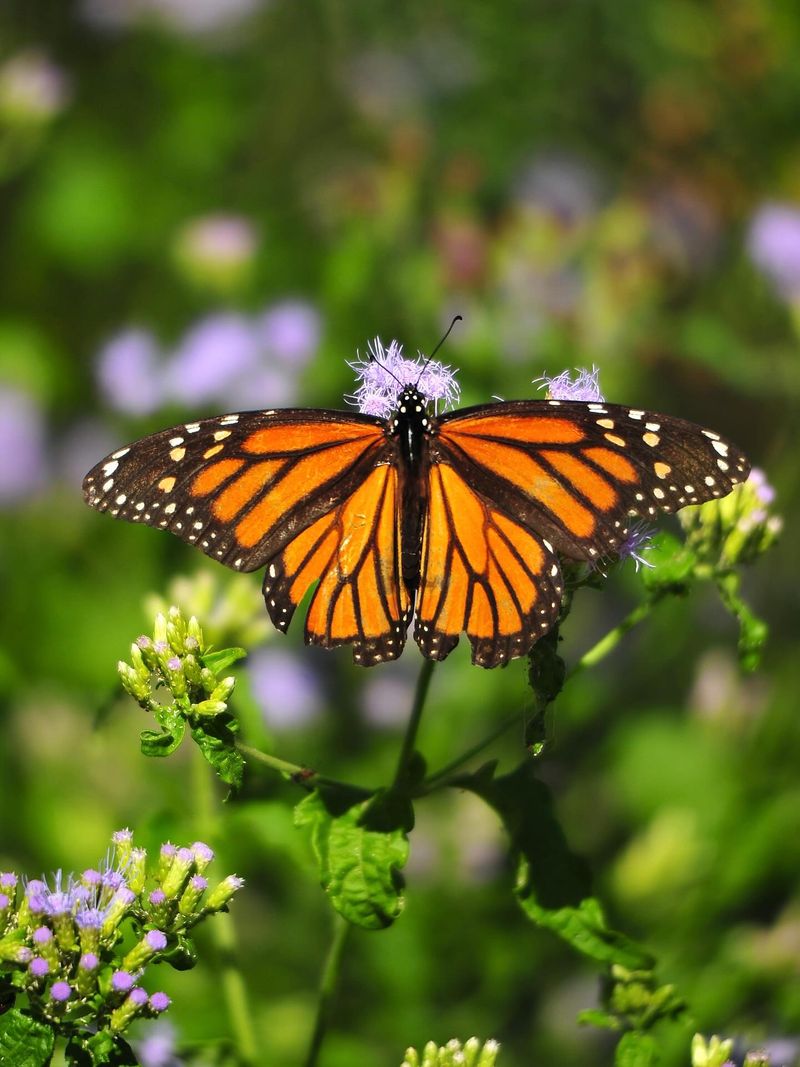
Timing shapes almost everything about monarch sightings in fall.
Monarchs head toward central Mexico as days shorten. Most move through the Southeast between late September and early November.
Peak dates shift each year, and Georgia gardeners often notice the heaviest traffic during October.
Cold fronts act like a nudge. Butterflies ride the north wind and can cover long stretches in a single day.
Watch the coastline if you get the chance, since monarchs frequently follow barrier islands south.
Checking your yard only in August can be misleading. Summer breeding numbers look nothing like the fall parade.
Rainy stretches tend to keep them low and out of sight.
Mornings after a front often bring the best views. Look near open, sunny flowers between mid morning and late afternoon.
Your Georgia Garden Changes Every Week. Your Plan Should Too.
Gardening in Georgia changes quickly throughout the season. Every Friday you’ll receive a simple weekly plan showing exactly what to plant, prune, fertilize, harvest, and protect so you never miss the right timing.
A single warm spell can stall movement for days at a stretch.
Nights spent roosting in pines or oaks are easy to miss from a porch chair.
Late arrivals happen too. Some monarchs drift through in early November when the weather stays mild.
Patience beats worry during a slow week, because migration rarely runs on a tidy schedule.
Mark your calendar next year. A few dated notes will tell you when your own yard tends to fill up.
3. Fewer Fall Flowers Mean Less Nectar For Monarchs
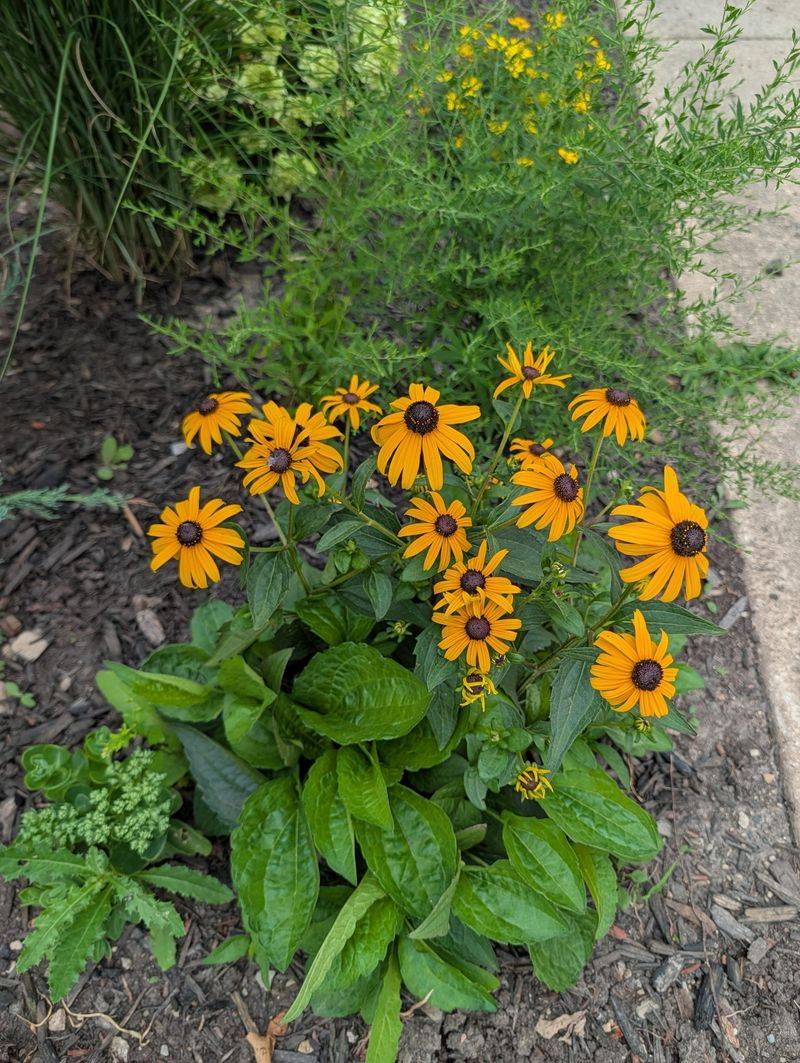
Fuel matters more than anything else once migration starts.
Adult monarchs run on nectar. Long flights burn energy they have to replace along the way.
Late summer heat can leave gardens across Georgia looking tired by mid October.
Petunias and zinnias fade after a hot stretch. Without new blooms, a yard offers little reason to stop.
Trimming spent blossoms on zinnias and salvia often pushes out another round of flowers.
Water counts too during dry autumns. Blooms shrink fast when soil stays parched for weeks.
Group flowers in clusters instead of scattering single plants around the property.
Big patches are easier to spot from above. Butterflies find them quicker than a lone bloom by the fence.
Sunny, sheltered spots usually draw more visits than shady beds.
Skip double flowered varieties when you can. Fancy petals often block access to nectar.
Container plants help fill gaps, though they dry out faster and need checking most days.
Mums sold in fall are hit or miss for nectar, since many are bred mainly for looks.
Herbs left to bloom, like basil and oregano, quietly feed passing butterflies.
Aim for something open from September into November, weather permitting.
Results vary with soil and rainfall. Even a small, well watered bed can pull in more monarchs than a large dry one.
4. Milkweed Still Matters As The Season Changes
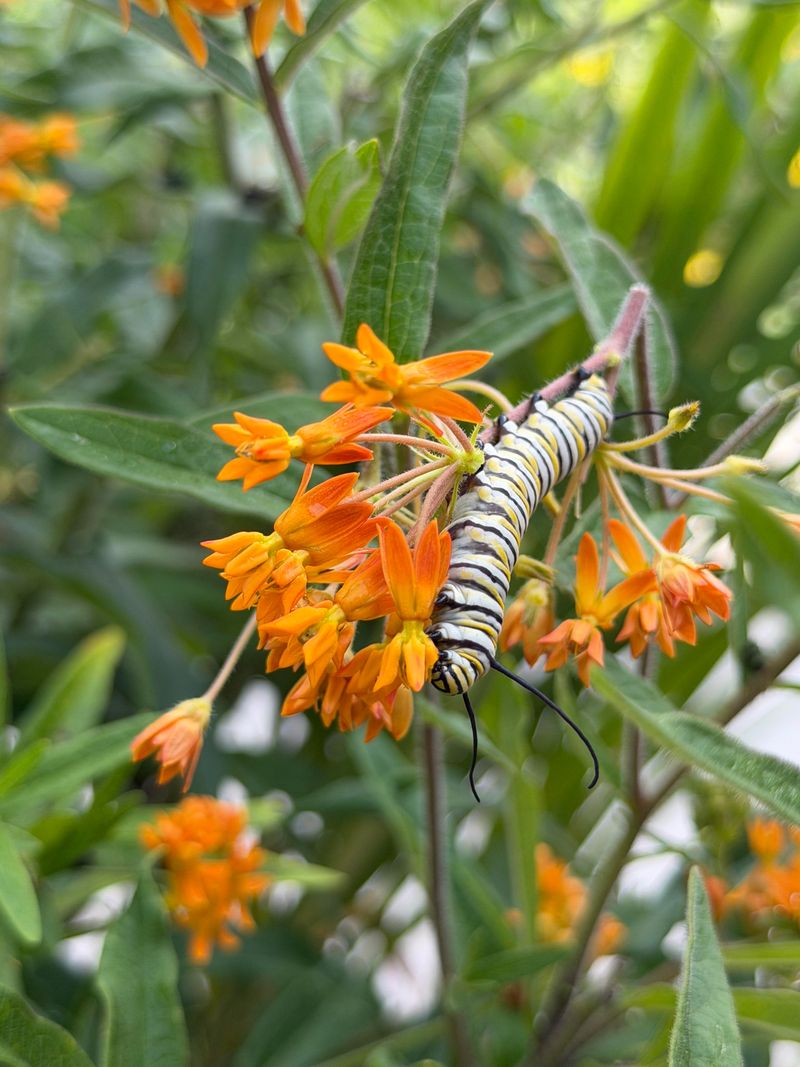
Milkweed does not clock out when September arrives.
Caterpillars feed on milkweed and nothing else. Native species suit local conditions best.
Butterfly weed and swamp milkweed both handle Georgia summers well in the right spot.
Tropical milkweed is a trickier choice. Warm winters let it keep growing, which can encourage monarchs to breed instead of moving south.
Cutting tropical milkweed back in fall is common advice across the South.
Old leaves can also build up a parasite known as OE. Fresh growth after a trim tends to be cleaner.
Plant native milkweed in fall or early spring for the strongest root growth.
Seeds need a cold period to sprout well. Nursery plants save you a season of waiting.
Space several plants a few feet apart so caterpillars have backup food nearby.
Aphids show up on almost every patch, and a firm spray of water handles most of them.
Leave chewed stems alone. Ragged milkweed usually means caterpillars are doing exactly what you hoped.
Skip rich, heavily fertilized soil, since milkweed does fine in lean ground.
Late eggs may not finish before cold weather arrives, especially up in the mountains.
Mark the spot before winter. Native milkweed disappears above ground and is easy to dig up by mistake.
5. Pesticides Can Make Gardens Less Friendly To Monarchs
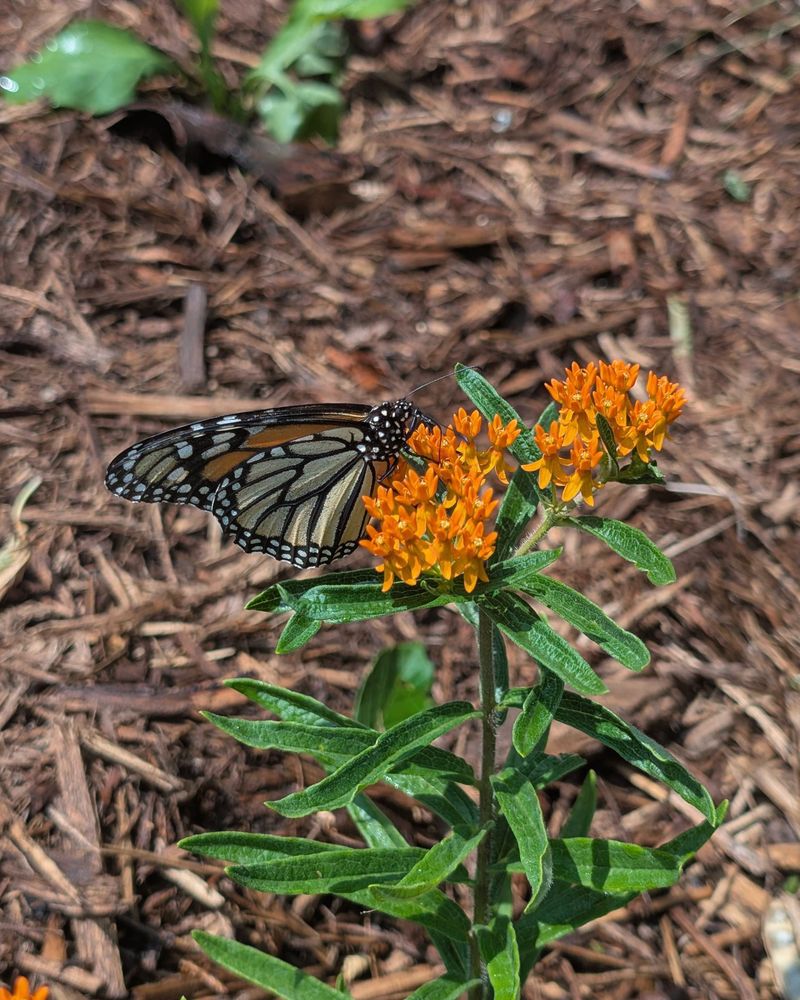
One careless spray can undo months of planting.
Insecticides do not sort good bugs from bad. Caterpillars are especially sensitive to broad sprays.
Mosquito yard treatments deserve a second look before you book one in Georgia.
Fog and mist drift. Nearby flower beds pick up residue even when the sprayer stays aimed at the lawn.
Systemic products are the sneakier problem, since the chemical moves inside the plant itself.
Ask your nursery how plants were treated. Some growers label neonicotinoid free stock, and others will check for you.
Read labels closely, since plant safe wording says nothing about butterflies.
Hand picking pests takes minutes and protects everything else living in the bed.
Soapy water works on aphids. Rinse the leaves afterward so residue does not linger.
Bt products sold for caterpillar control can affect monarch larvae too.
Timing helps when you must treat something. Early morning and evening applications reduce contact with active pollinators.
Talk with neighbors if their spraying carries over your fence line.
Herbicide use matters as well. Losing roadside milkweed and asters removes food monarchs count on.
Results are slow in a spray free bed. Beneficial insects need a few weeks to build up and take over pest control.
6. Habitat Loss Is Affecting Monarchs Beyond Your Yard
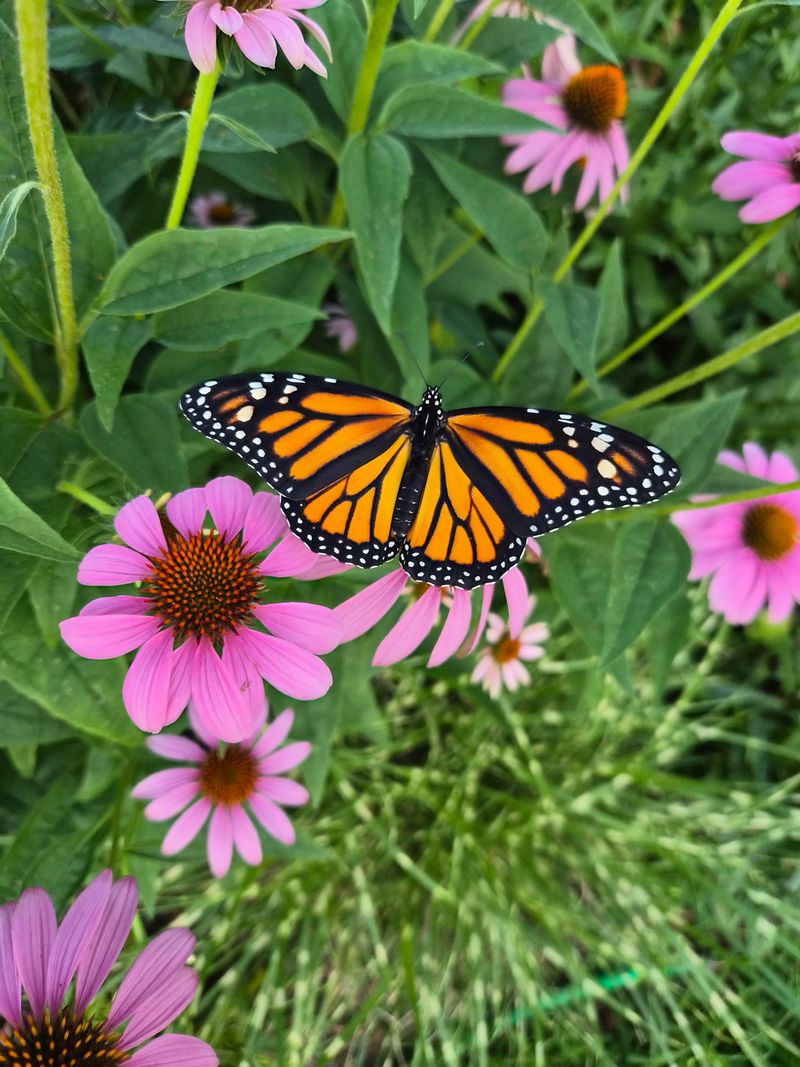
Your garden is one small stop on a trip that spans thousands of miles.
Monarchs depend on breeding ground far to the north. Milkweed there has thinned as land use changed.
Wintering sites in central Mexico sit on a few mountain slopes covered in fir forest.
Trouble in those forests shows up everywhere else. Fewer butterflies leave in spring, so fewer arrive here in autumn.
Roadsides and utility corridors once held wide ribbons of wildflowers across Georgia.
Mowing schedules decide a lot. Cutting in late summer removes bloom right when migrants need it most.
Development around Atlanta has traded open fields for rooftops and pavement.
County offices sometimes adjust mowing dates when residents ask politely and keep asking.
School and church grounds are easy wins too. A sunny corner planted with natives adds up across a neighborhood.
Vacant lots often hold more nectar than manicured lawns, at least until they get cleared.
Native plant sales run by local groups are a solid source of regional seed.
Small yards still count when they connect to others nearby.
Progress is slow and uneven. Habitat rebuilds over years, not in a single season.
7. Late Blooming Flowers Can Help Monarchs Passing Through
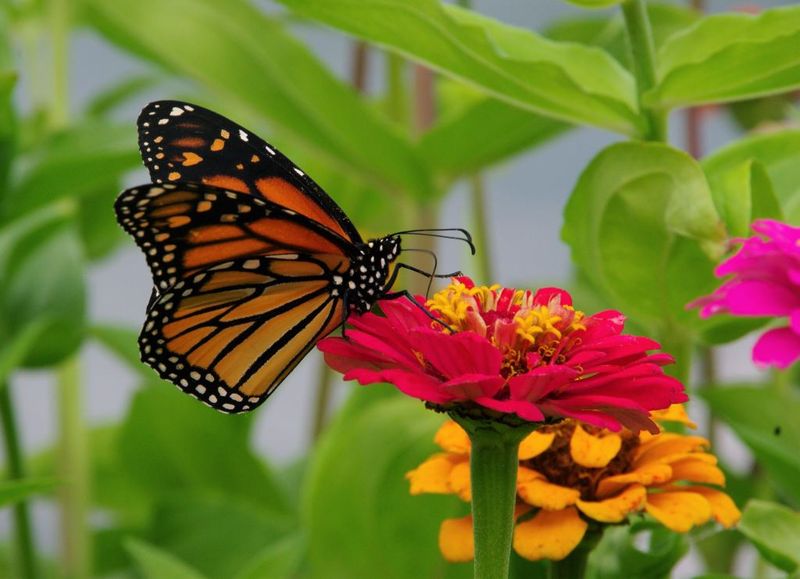
October bloom carries the whole show.
Goldenrod and asters open right as monarchs move through. Both handle heat and poor soil without much fuss.
Blue mistflower spreads quickly, so give it room or a spot you do not mind sharing.
Mexican sunflower grows tall and blooms until frost. Seeds started in late spring reach full size by September.
Frostweed, ironweed, and boneset round out a strong native lineup for Georgia yards.
Lantana and salvia hold up well in containers. Both keep flowering through mild autumn weeks.
Plant in full sun whenever possible, since shaded blooms tend to attract fewer visitors.
Water new plantings through the first dry spell. Roots need a steady start before winter sets in.
Grouping three or five of the same plant makes a stronger target than singles.
Mixed bloom dates beat one big burst. Stagger species so something stays open from September into November.
Leave some stems standing after bloom to shelter overwintering insects.
Skip the urge to tidy every bed in October, because late flowers feed travelers.
A shallow dish of wet sand gives butterflies a place to sip minerals.
Frost timing varies widely, from early in the mountains to late near the coast.
Nothing in gardening runs on schedule. Rain, heat, and cold snaps shift results from year to year.