Are You Waiting Too Long To Seed Your North Carolina Fescue Lawn This Fall
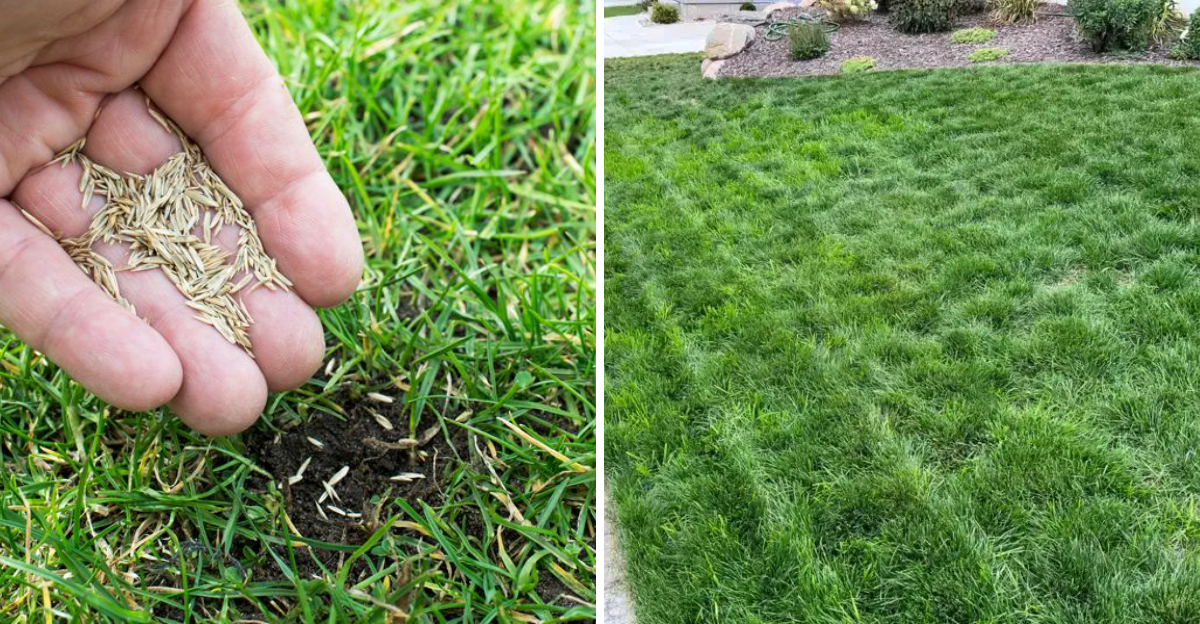
Fall is widely considered the best time to seed fescue lawns in North Carolina, but that opportunity comes with a surprisingly narrow window.
Fescue needs enough time to germinate and establish strong roots before winter arrives, and pushing seeding too late can leave grass vulnerable before it’s ready.
Many homeowners underestimate how quickly this window closes, especially as fall temperatures shift and daylight hours shorten.
Seed put down too late may sprout unevenly or fail to develop the root strength needed to survive winter, leading to a thin, patchy lawn by spring.
Timing here matters more than most people realize. Here’s how to tell whether you’re cutting it close on your North Carolina fescue seeding, and what waiting too long could mean for your lawn’s health next year.
1. Fescue Needs Time To Establish Roots
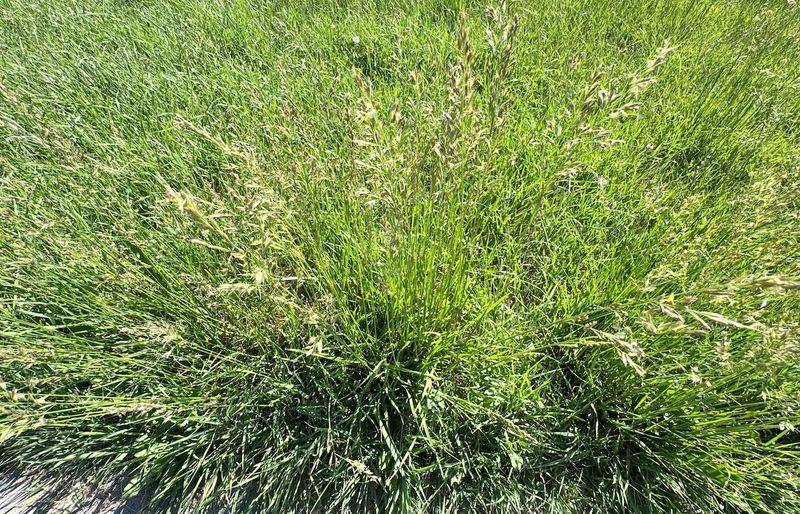
Grass may look like it grows from the top down, but the real magic happens underground.
When you seed tall fescue, the tiny plants spend their first weeks pushing roots deep into the soil. Those roots are what keep the lawn alive through winter and thriving into spring.
Roots take time to form. A fescue seedling needs several weeks of steady growth to build a system strong enough to pull water and food from the ground.
If you plant early in the fall window, your grass gets all those cozy weeks of warm soil and cool air working in its favor.
Wait too long, and the soil starts to cool down fast. Cold ground slows root growth to a crawl, so the seedlings never get the chance to dig in properly. A shallow root system leaves the lawn weak and easy to harm.
Think of it like building a house. You cannot skip the foundation and expect the walls to stand. Strong roots are the foundation of a healthy fescue lawn, and they only form when the plant has enough calendar time.
The lesson is simple. Give your grass a head start by seeding early in your region’s fall window. That extra time lets the roots grow deep and sturdy before the season changes.
A lawn with solid roots will bounce back quicker, stay greener longer, and need less babying in the years to come. Patience up front pays off big later.
2. Late Seeding Raises Winter Injury Risk
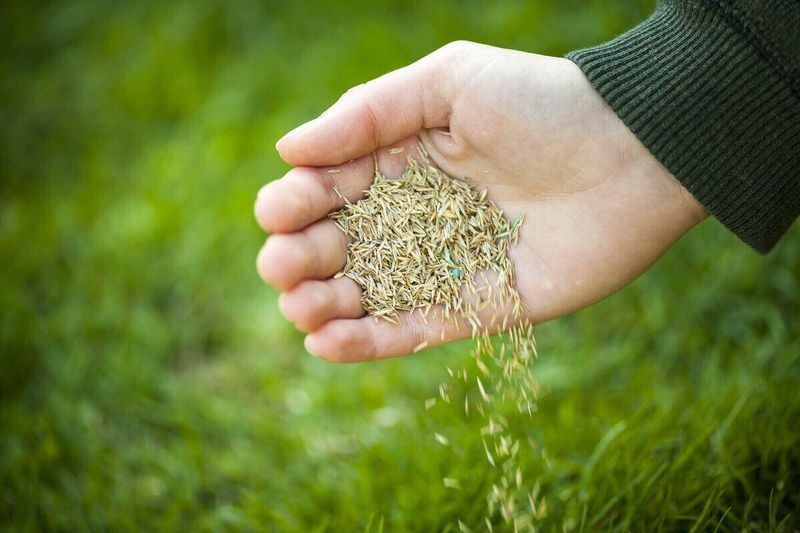
NC State experts have a clear warning for lawn lovers. Planting cool-season grasses past the recommended fall window bumps up the chance that your seeding will not work out. The main culprit is winter injury.
When seeds go in too late, the young plants simply do not have enough time to toughen up. Cold snaps arrive before the grass is ready, and tender seedlings take the hit hard. What looked like a promising green fuzz in October can thin out badly by January.
Fescue that gets settled early handles the cold with ease. It has grown enough leaves and roots to store energy and shrug off frosty nights. Late plantings miss that buffer, so a single harsh cold spell can wipe out weeks of effort.
Your North Carolina Garden Changes Every Week. Your Plan Should Too.
Gardening in North Carolina changes quickly throughout the season. Every Friday you’ll receive a simple weekly plan showing exactly what to plant, prune, fertilize, harvest, and protect so you never miss the right timing.
Here is the tricky part. You might not see the trouble right away. The seedlings sprout, the lawn looks fine, and then winter reveals the weak spots once the cold really sets in.
That is why following the recommended dates matters so much. Those windows are not random. They come from years of research on when fescue can establish safely before winter turns rough.
Skipping the guesswork is easy. Check the calendar, note your region’s cutoff, and plant with time to spare. A little planning saves you from patchy results and the cost of reseeding next year.
Your future self will thank you when spring arrives and the lawn is full, thick, and green instead of spotty and bare.
3. Young Seedlings Need Several Weeks Before Freezing Weather
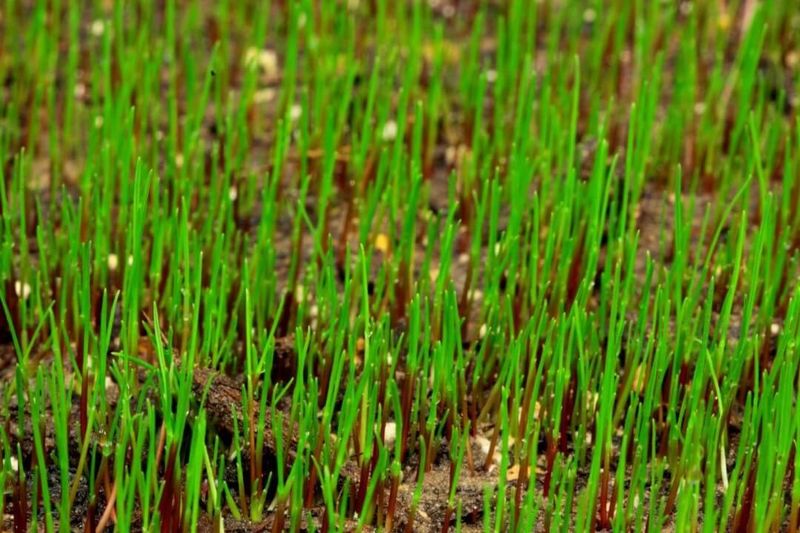
Baby grass is delicate, and it needs a real chance to grow up before the first hard freeze. Fescue seedlings should have enough time to push out several leaves and settle into the soil before freezing weather becomes a regular thing.
Why does leaf count matter? Each leaf helps the plant soak up sunlight and make food. More leaves mean more energy stored, and stored energy is exactly what a seedling uses to survive the cold months ahead.
A plant with only one or two tiny blades is not ready for frost. It has barely started living, and a freeze can knock it flat before it ever gets strong. Give it a few extra weeks, though, and it grows into a sturdy little clump that can handle chilly nights.
Timing your seeding is the easiest way to make this happen. Plant early enough and nature gives your grass the warm days and cool nights it loves for fast, healthy growth.
Rushing at the last minute leaves no room for error. If a cold front shows up sooner than expected, late seedlings have nothing to fall back on.
Think of those first several weeks as training time. The grass builds strength, stores fuel, and gets ready for the challenge of winter. Skip that training, and the plants show up to the game unprepared.
Plan for at least six weeks of good growing weather after seeding. That cushion turns fragile sprouts into a resilient lawn that greets spring with confidence.
4. Fall Gives Fescue Its Best Growing Conditions
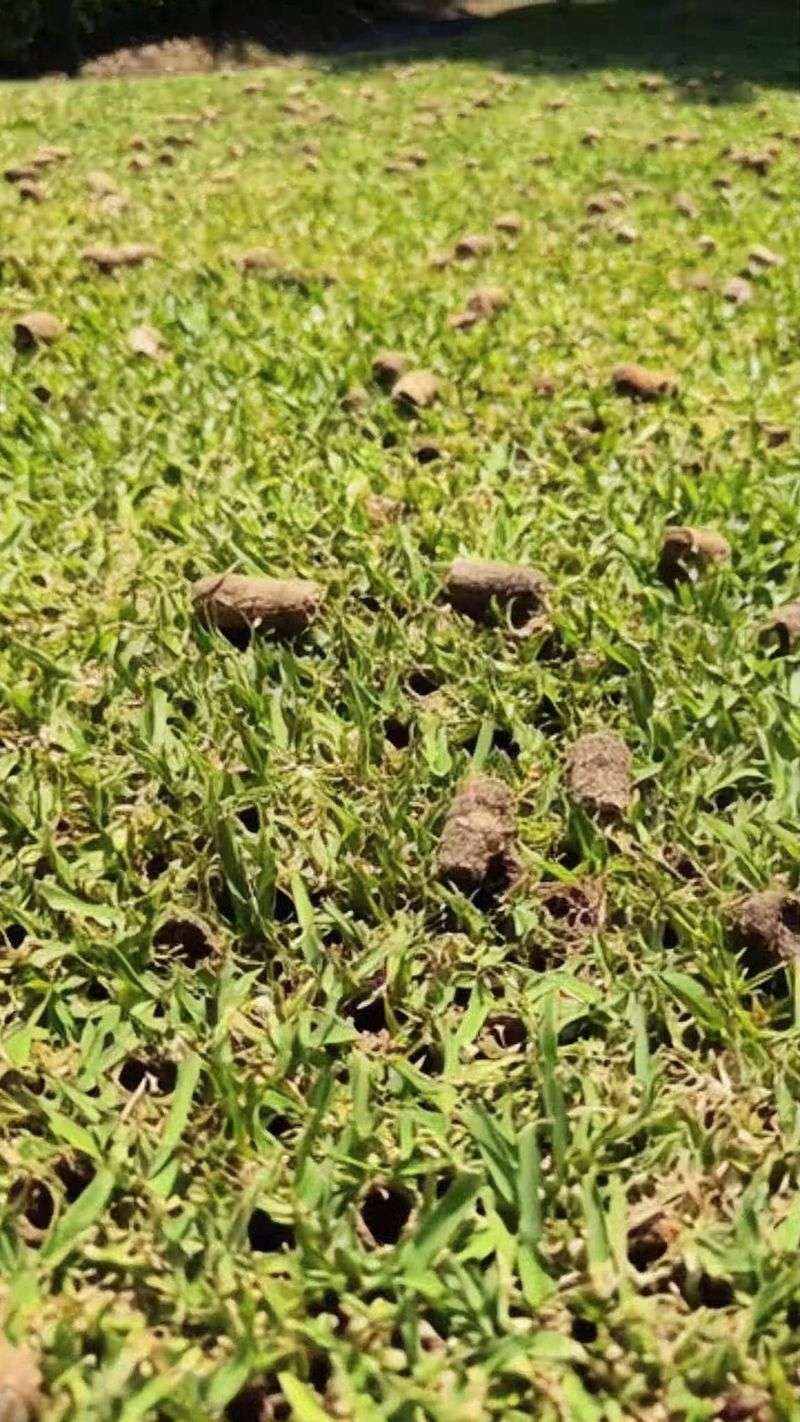
Tall fescue is a cool-season grass, which means it comes alive when the weather turns mild. In North Carolina, the sweet spots for growth are the cooler stretches of fall and spring. Summer heat stresses fescue, but autumn treats it like royalty.
Cool air and warm soil make a winning combo. During fall, the ground still holds summer warmth while the air turns crisp. Seeds love these conditions and sprout quickly, then race to build roots and leaves.
Weeds also take a break in fall. Many of the pesky plants that steal water and nutrients in summer slow down as temperatures drop. That gives your new fescue less competition and more room to spread out.
Rain tends to fall more steadily in autumn too, which keeps the soil nicely moist for germination. Less scorching sun means the ground does not dry out as fast, so your seedlings stay happy.
All of this only helps if you plant while the good weather lasts. The window of cool days and warm soil does not stay open forever. Wait too long and you trade those perfect conditions for a cold, unfriendly start.
Getting seed down early lets your lawn ride the wave of ideal growing weather. The grass takes full advantage of every warm afternoon and cool evening.
Nature basically hands fescue a golden opportunity each fall. Your job is simply to show up on time and let the season do the heavy lifting for a thick, healthy lawn.
5. Late Seedlings Face More Winter Stress
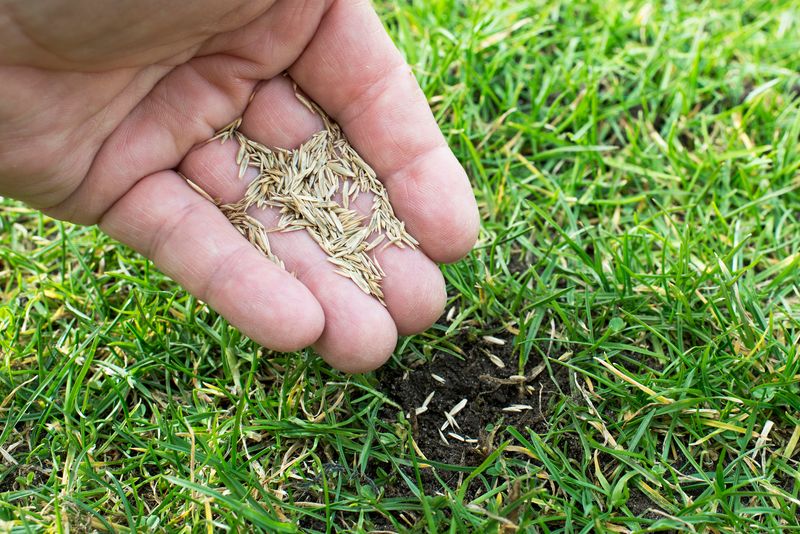
Grass that pops up right before freezing weather has a rough road ahead. With so little time to settle, those late seedlings meet winter while still fragile and unprepared. The result is far more stress on the plants.
One big trouble is called heaving. When soil freezes and thaws over and over, it shifts and pushes upward. Shallow-rooted seedlings can get lifted right out of the ground, breaking their tender roots in the process.
Older, well-rooted fescue anchors itself firmly and rides out these freeze-thaw cycles. Late seedlings, on the other hand, have barely gripped the soil. They are the first to suffer when the ground starts moving.
Cold winds and dry winter air add even more pressure. A young plant with few leaves cannot protect itself well, so it loses moisture and energy it cannot spare.
The pattern is easy to see. The later you plant, the less time your grass has to prepare, and the harder winter hits it. Every week you wait raises the odds of thin, patchy spots.
Early seeding flips the script. Grass that has had time to grow strong roots and plenty of leaves handles winter like a champ. It stays put through the freeze-thaw dance and greens up fast in spring.
So resist the urge to squeeze in a last-minute lawn project. Giving your fescue an early start is the surest way to help it stand tall through the toughest months and come back beautiful.
6. Do Not Compensate With Too Much Seed

It is tempting to think that dumping extra seed will fix a late planting. Just pour on more and hope for the best, right? Unfortunately, that plan backfires more often than it helps.
Piling on seed does nothing to add time to the calendar. The real problem with late planting is a lack of growing weeks, and no amount of seed can create more warm days. The season stays the same no matter how full your spreader is.
Too much seed causes its own headaches. When seedlings sprout too close together, they fight each other for water, sunlight, and nutrients. Instead of a lush lawn, you get a crowd of small, weak plants.
Those crowded seedlings tend to grow skinny roots because there is not enough room or resources to go around. Weak roots mean a weak lawn, which is exactly the opposite of what you want heading into winter.
Overseeding can also invite disease. Grass packed tightly together traps moisture and blocks airflow, creating the perfect setup for fungal problems that thin out your turf.
The smarter move is to use the recommended seeding rate and plant at the right time. Proper spacing gives each plant enough room to grow strong and healthy.
Quality beats quantity every time with fescue. A correctly timed lawn seeded at the right rate will outperform a late, overcrowded one without contest. Save your seed, mind the calendar, and let good spacing do the work for a thick, sturdy lawn.
7. Keep The Seedbed Moist During Germination
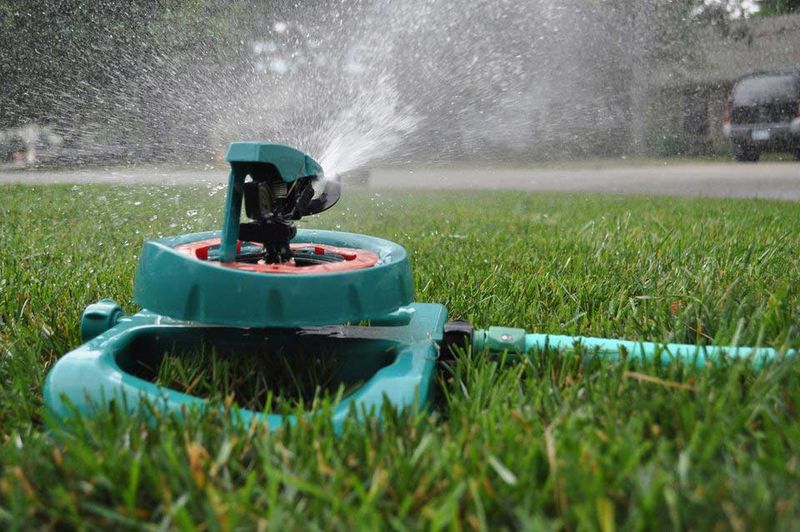
Water is the secret ingredient for turning seeds into a lawn. Newly seeded fescue depends on steady moisture to sprout and grow. Let the seedbed dry out even once, and you can lose a whole batch of germinating seeds.
NC State suggests light, frequent watering while the seedlings are getting started. The idea is to keep the top layer of soil damp without soaking it into mud. Short waterings a few times a day work far better than one heavy soak.
Seeds sitting in dry soil simply pause and wait. If they dry out after starting to sprout, the tiny plants cannot recover. Consistent moisture keeps the whole process moving smoothly.
Once seedlings appear, they still need gentle care. Their roots are shallow and cannot reach deep water yet, so the surface must stay moist until they grow stronger. Slacking off too soon undoes your hard work.
As the grass matures, you can water less often but more deeply. Deeper watering encourages roots to grow down, which builds a tougher lawn over time.
Timing your planting helps with watering too. Fall usually brings cooler air and steadier rain, so the soil holds moisture longer than in the blazing heat of summer. That makes keeping the seedbed damp much easier.
Set up a simple routine and check the soil often. A little attention during these first weeks pays off with a full, green lawn. Moisture, timing, and patience together give your fescue the perfect launch into a healthy life.
8. Know Your North Carolina Planting Window
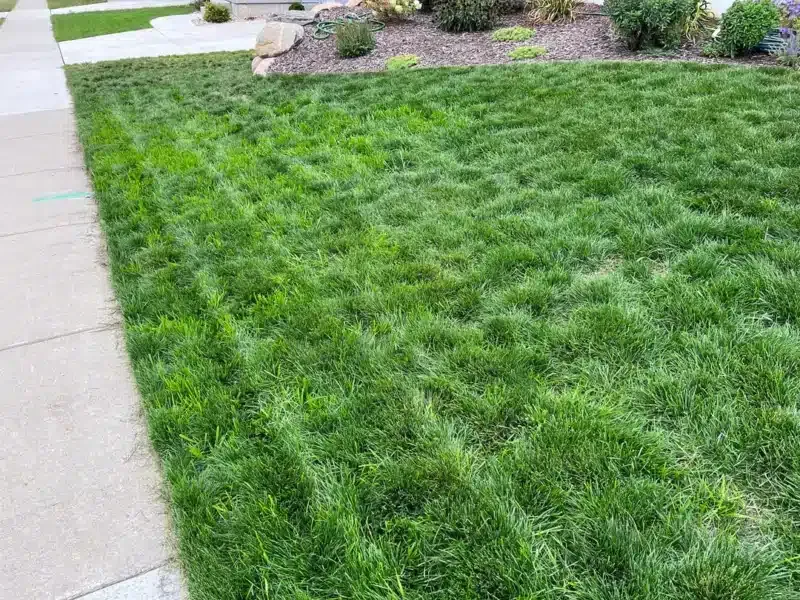
North Carolina is a big state with different climates, so there is no single seeding date that works everywhere. Your best planting window depends on which region you call home. Knowing your local timing is the key to fescue success.
Up in the mountains, cooler weather arrives early, so the sweet spot runs roughly from August 15 to September 1. Folks in the high country need to move quickly once summer starts winding down.
The Piedmont sits in the middle, both in geography and timing. There, the ideal window falls between September 1 and October 1. This central region gets a slightly later start than the mountains.
Down in the Coastal Plain, warmer weather lingers longer into fall. That pushes the best seeding dates to around September 15 through October 15, giving coastal gardeners a bit more breathing room.
Using one statewide deadline is a common mistake. What works perfectly in the Piedmont might be too late for the mountains or too early for the coast. Matching your seeding to your own region makes all the difference.
A quick way to remember it: the further east and warmer your area, the later you can plant. The mountains go first, the coast goes last, and the Piedmont lands right in between.
Mark your regional window on the calendar and aim to plant early within it. Doing so gives your fescue the time it needs to root, grow, and shine. Local timing turns good intentions into a truly great lawn.