Where Yellowjackets Are Building Underground Nests In North Carolina Right Now
Yellowjacket activity tends to spike in North Carolina during late summer and early fall, and much of it happens out of sight, underground.
As colonies reach their largest size of the year, these insects become more aggressive while searching for food, making run-ins with buried nests more common this time of year.
Underground nests can be easy to overlook until someone accidentally disturbs one, often while mowing, gardening, or walking through the yard.
Because colony numbers peak right before the season winds down, encounters tend to increase sharply in the coming weeks.
Knowing where these nests typically show up can help North Carolina homeowners avoid painful surprises. Here’s where yellowjackets are commonly building underground nests right now, and what signs to watch for in your own yard.
1. In Lawn Areas
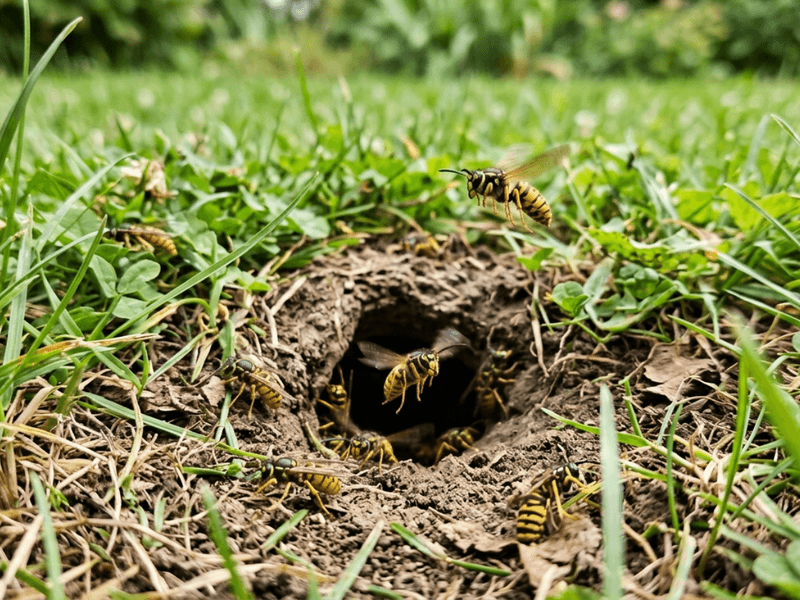
Your green, grassy yard might look calm on the surface, but underneath it could be hiding a whole busy world. Yellowjackets love lawns because the soil is soft and easy to move around.
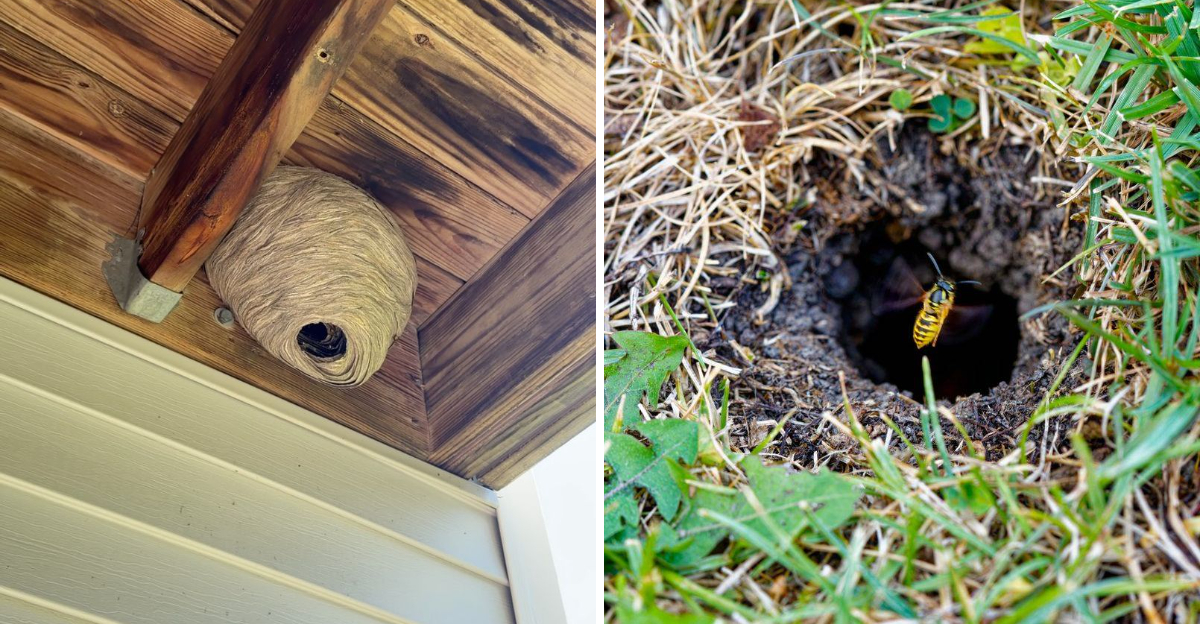
A tiny hole no bigger than a pencil can lead down to a colony packed with hundreds of workers.
What makes these nests tricky is how small the opening looks. You might walk past it every day and never notice a thing.
Then one afternoon, while mowing or raking, you disturb the ground and suddenly they pour out to defend their home.
According to NC State Extension, yellowjackets in turf areas can build surprisingly large nests below a modest entrance. The insects dig down and hollow out space, so the size of the hole tells you nothing about what waits below.
Watch for steady traffic during warm daytime hours. If you see insects coming and going from one small spot in the grass, treat that area with respect and keep your distance.
Mark the spot from far away so you and your family know to avoid it. Skip mowing that section until the nest is handled. Loud vibrations from a mower can stir them up fast.
Early morning or evening, when the air is cooler, is the calmest time to observe from a safe distance. Never poke the hole or spray water into it without a real plan. A little caution keeps everyone happy and safe.
2. In Sandy Exposed Soil
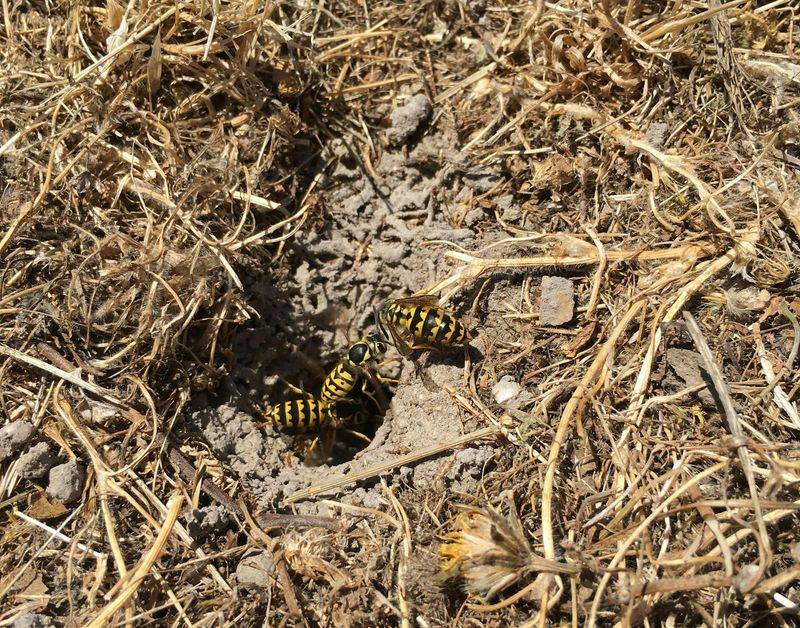
Sandy patches where the grass is thin or missing make great real estate for yellowjackets. Loose, dry soil is easy for them to shape into tunnels and rooms. If part of your yard has bare, sandy ground, keep an eye on it.
These open spots warm up quickly in the sun, which the insects seem to enjoy. Sandy areas near driveways, garden edges, or worn walking paths often become surprise nest sites. The soil drains well, so their underground home stays dry and cozy.
One clear sign of trouble is repeated traffic heading into a single small opening. When you notice insects flying the same route over and over toward one point, that steady pattern usually points to a nest below.
Your North Carolina Garden Changes Every Week. Your Plan Should Too.
Gardening in North Carolina changes quickly throughout the season. Every Friday you’ll receive a simple weekly plan showing exactly what to plant, prune, fertilize, harvest, and protect so you never miss the right timing.
Take a moment to observe from several feet back rather than leaning in for a closer look. Yellowjackets can get defensive when someone gets near their entrance, so patience keeps you safe.
Gardeners working in sandy beds should move slowly and stay alert. Sudden shovel strikes or heavy digging near a hidden nest can trigger a quick response. If you spot activity, pause your project in that zone.
Filling in bare, sandy patches with healthy grass or ground cover later in the season can make your yard less inviting. For now, though, the smartest move is simple awareness.
Note the location, warn family members, and give the area plenty of space until cooler weather calms the colony down.
3. Around The Base Of Trees
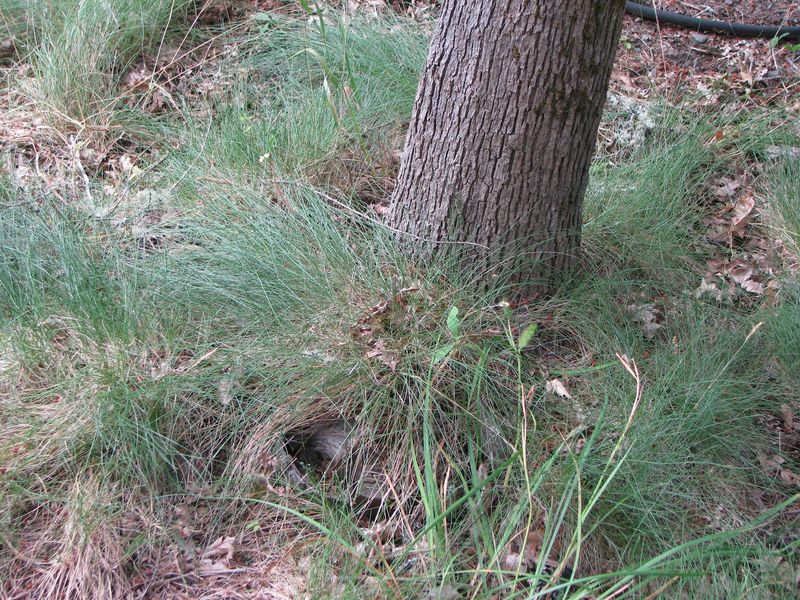
Tree bases offer shelter that yellowjackets find hard to resist. The roots create hidden pockets and small cavities in the soil, giving the colony a protected place to grow. Add a layer of fallen leaves, and the spot becomes even more appealing.
Old trees often have gaps where roots meet the ground. These natural openings save the insects a lot of work since they can move into existing spaces instead of digging from scratch. That means a nest can appear fast.
Raking leaves or trimming low branches near a trunk can put you right next to a hidden colony without warning. Because the entrance blends into shadows and bark, it is easy to miss until the insects react.
Before you start yard work under a tree, take a few seconds to watch the base for movement. Steady flying activity around one root gap is a strong clue that something lives below.
Kids love climbing and playing around big trees, so it helps to check these areas before letting them roam. A quick look can save everyone from an unpleasant surprise.
Avoid stomping, kicking roots, or blowing leaves directly at the trunk if you suspect a nest. Vibrations travel through the ground and can alarm the colony quickly.
Give the tree base a wide path until the weather turns cold and the nest quiets down. Trees themselves are not harmed by these visitors, so patience is your best tool here. A calm approach keeps both you and the tree happy through fall.
4. Around Shrub Bases
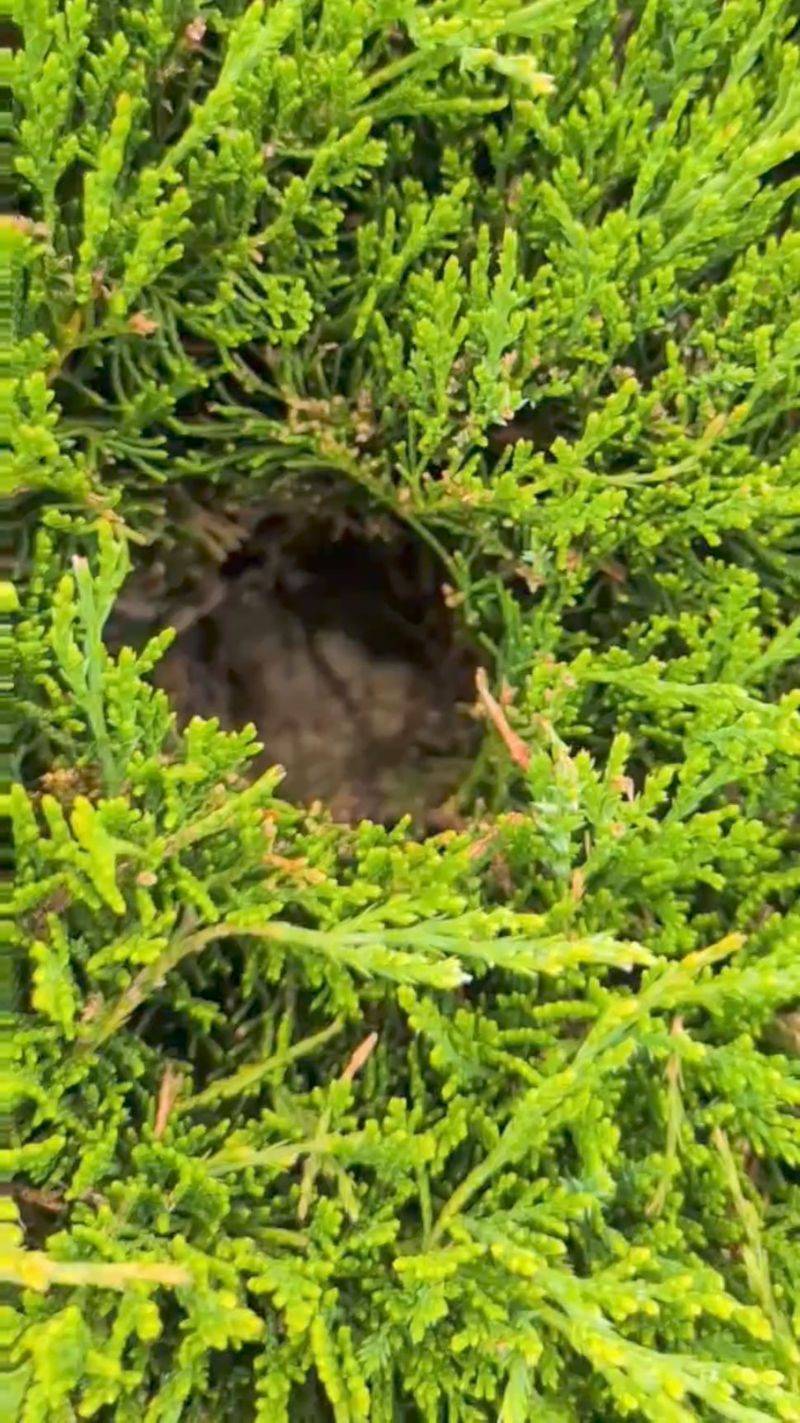
Shrubs create a leafy curtain that hides plenty of secrets, and yellowjackets take full advantage. The thick growth blocks wind and sunlight, forming a snug, sheltered space near the ground.
Underneath that greenery, a colony can settle in unnoticed. Bushes with dense branches make it tough to see what is happening at soil level. You could trim the top for weeks and never realize a nest sits quietly below.
That hidden nature is exactly why shrub bases deserve a careful eye. Pay special attention if one particular shrub seems to have more insect traffic than the others.
When you notice a steady flow of yellowjackets diving into the same leafy spot, that pattern usually means a nest is tucked inside.
Pruning is a common fall chore, but it can bring your hands right into their space. Reach in slowly and watch for flying activity before you start snipping.
Wear long sleeves when working near thick plants, just in case. Loose clothing gives you a small buffer if an insect gets curious about your movements.
Skip using loud hedge trimmers on a shrub you suspect houses a colony. The noise and vibration can rile them up in seconds.
Instead, mark that bush and finish your trimming elsewhere until the nest calms with cooler days. The plant will be perfectly fine waiting a few weeks.
A little patience protects your hands and keeps your garden work stress free through the busy season.
5. Inside Old Rodent Holes
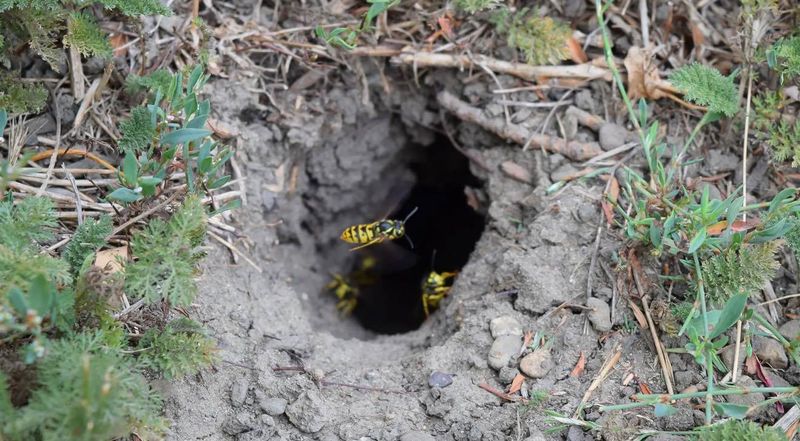
Why dig a whole new home when a perfect one already exists? Yellowjackets often move into abandoned burrows left behind by mice, voles, or other small animals. These ready-made tunnels save the colony a huge amount of effort.
An empty underground cavity gives them instant walls, rooms, and an entrance. All the insects have to do is settle in and start building their paper combs. That head start means the nest can grow larger, faster.
Fields, garden edges, and quiet corners of the yard are common spots for these old holes. Because the openings already look natural, spotting a takeover can be tricky. The difference is the buzzing traffic flowing in and out.
Keep an eye on any hole that suddenly shows lots of flying activity. An abandoned burrow that used to sit silent may now host a lively colony if yellowjackets have claimed it.
Gardeners who fill in old animal holes should check for insect movement first. Reaching down to pack soil into an occupied burrow is a fast way to upset the residents.
Walk the property now and then to notice which holes seem active. Marking the busy ones helps you plan your work around them safely.
Leave the entrance alone if you see steady traffic, and never stuff anything inside without a proper plan. These recycled homes can hold a strong colony by fall.
A little observation goes a long way toward keeping your outdoor time peaceful and free of surprises.
6. Beneath Lawn Debris And Ground Cover
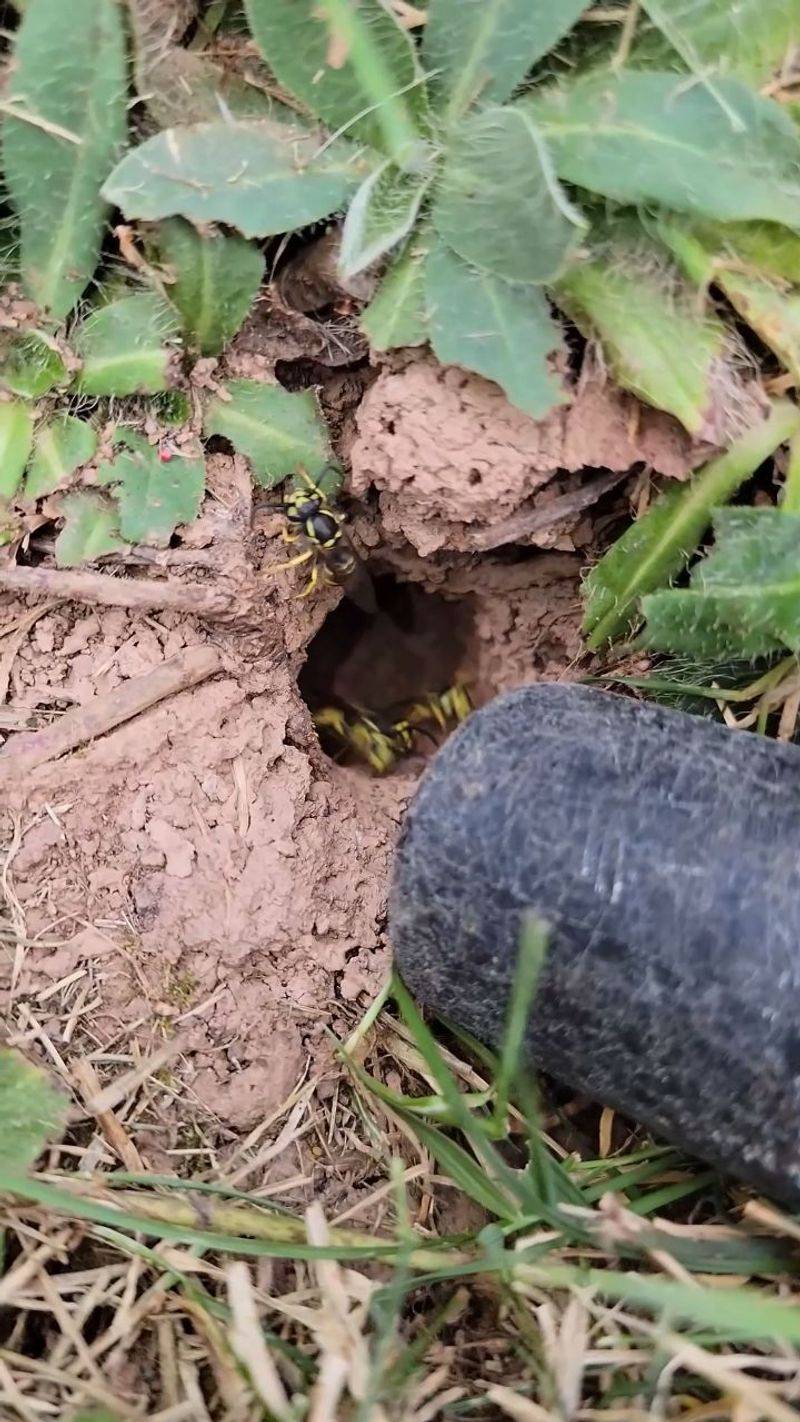
Clutter on the ground creates cozy hideaways that yellowjackets happily claim. Boards, logs, piles of brush, and old landscape scraps all trap warmth and block wind. Underneath these objects, the soil stays sheltered and calm, just how a colony likes it.
Anything flat that touches the earth can form a protected pocket below. Stack a few forgotten planks in a corner, and you may accidentally build the perfect nesting shelter without realizing it.
Thick ground cover plants do the same thing. The problem is that these hidden spots stay out of sight during normal yard care. You might lift a board one day and find far more than you expected humming underneath.
Move slowly when clearing debris, especially items that have sat undisturbed for weeks. Lift one edge and pause to watch for flying insects before flipping the whole thing over.
Thick mulch and dense ground cover deserve the same caution. Reach in carefully and look for steady traffic near the soil before you dig around.
Cleaning up loose clutter later in the season makes your yard far less inviting to future colonies. For now, though, careful handling is the safest choice.
Wear gloves and keep an escape path clear whenever you tackle a pile you have not touched in a while. If you spot activity, set the object back down gently and step away.
A neat yard with fewer hiding spots means fewer surprises, and taking your time keeps every cleanup job stress free.
7. Near Sheds And Other Structures
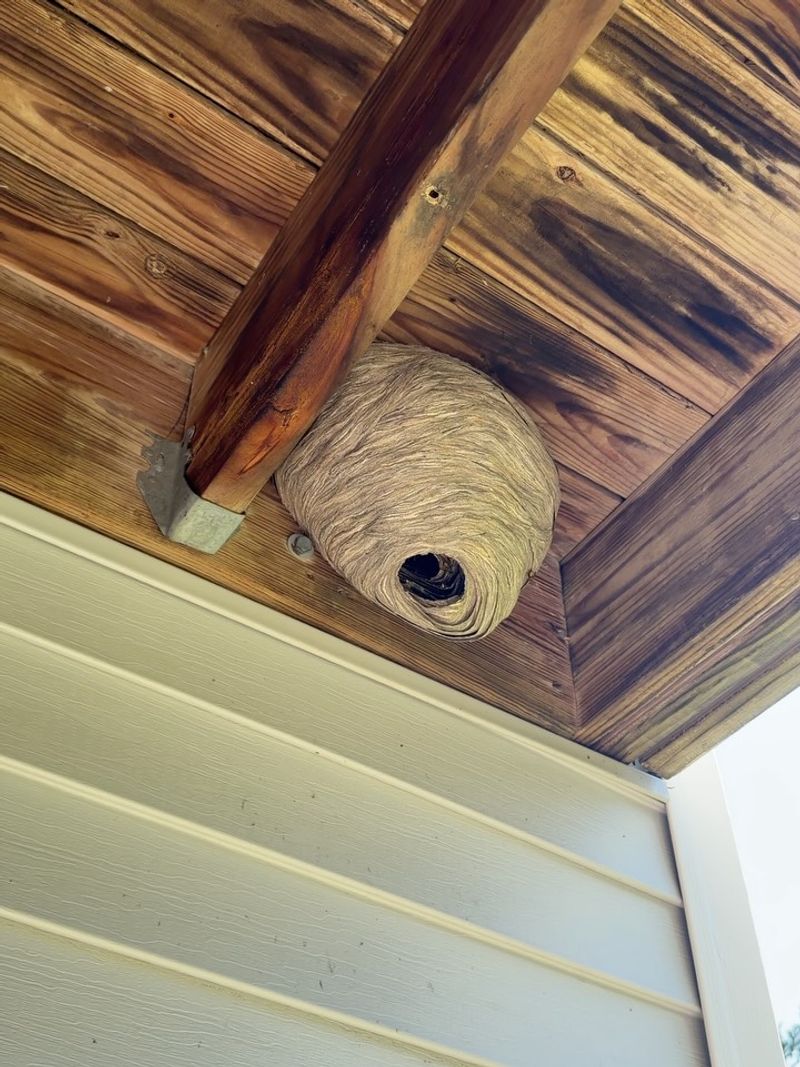
Not every yellowjacket nest hides in the ground. Some colonies choose cavities inside sheds, attics, wall gaps, and other structures around your property.
These spaces offer shelter from rain and shifting weather, making them just as appealing as a burrow.
A crack near the base of a shed or a small gap under the eaves can lead straight into a hidden colony. NC State Extension notes that these stinging insects use many kinds of protected openings, not just soil.
So how do you tell a lawn nest from a structural one? Watch where the traffic goes. If insects fly into a hole in the grass, the nest is underground. If they slip into a wall, roof gap, or shed corner, the colony lives inside the building.
This difference matters when you plan how to handle it. A nest in a wall needs a different approach than one in the yard, and knowing the type helps you stay safe.
Check the outside of sheds and outbuildings for steady insect movement, especially near seams and cracks. Morning light makes the flying paths easier to follow.
Avoid sealing any opening while insects are still active inside. Trapping them can push the colony deeper into the structure, which creates a bigger headache.
Mark the entry point and give it space until you decide on a plan. For structural nests, calling a professional is often the smartest move. Knowing exactly where they live takes the guesswork out of protecting your home.
8. Why Fall Is When You Suddenly Notice Them
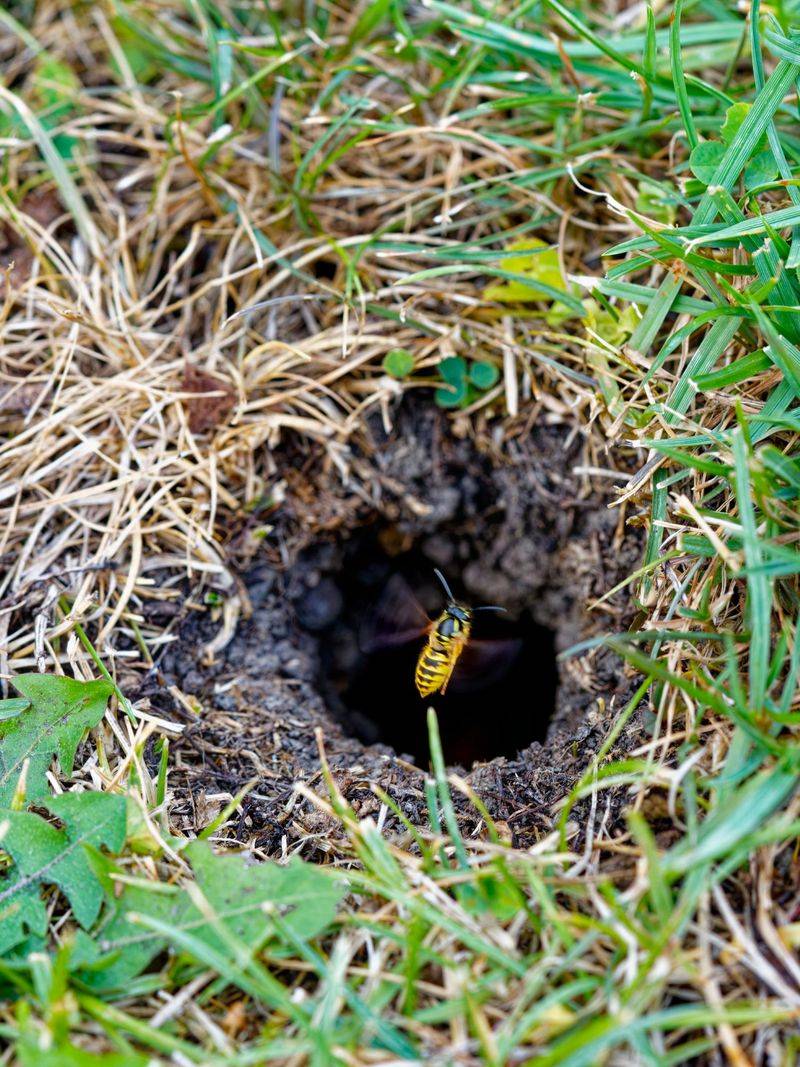
Ever wonder why yellowjackets seem to appear out of nowhere in fall? The truth is they were there all along, quietly growing since spring. What changes is the size of the colony, not its sudden arrival.
Back in spring, a single queen starts the nest with just a handful of workers. Through the warm months, the colony builds up steadily, adding more and more insects week by week. By the time fall rolls in, that same nest can hold hundreds of busy workers.
According to NC State Extension, this steady growth explains the big surprise. A nest you never noticed for months becomes impossible to ignore once the population peaks.
More workers mean more traffic, more buzzing, and more insects hunting for food. That is why you suddenly spot them around trash cans, picnics, and sweet drinks in autumn. Their food needs shift as the season changes.
The larger crowd also means a stronger reaction if the nest gets disturbed. A colony that felt harmless in June can be far more defensive in September.
Knowing this timeline helps you stay alert during fall yard work. The nests that hid all summer are now at their busiest and easiest to find.
Keep food and drinks covered during outdoor gatherings this time of year. Watch for heavy insect traffic in the same spots you walked safely all summer.
Understanding why fall brings them out gives you the upper hand, so you can enjoy the cooler days without unwanted company.