The Native Michigan Tree That Feeds Luna Moth Caterpillars And Turns Golden In Fall
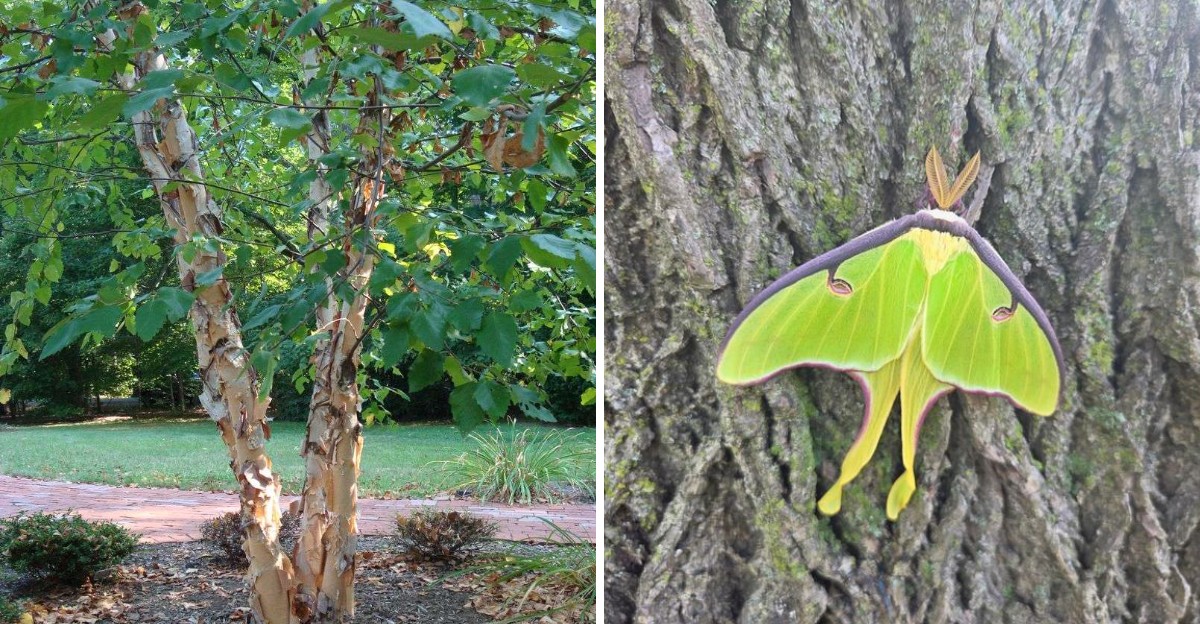
River birch is one of the most important host trees for luna moth caterpillars in Michigan, since this striking green moth’s northern populations rely heavily on birch leaves to feed and grow.
Female luna moths lay their eggs directly on the leaves, and the caterpillars spend weeks feasting there before dropping to the ground to spin cocoons hidden in fallen leaf litter.
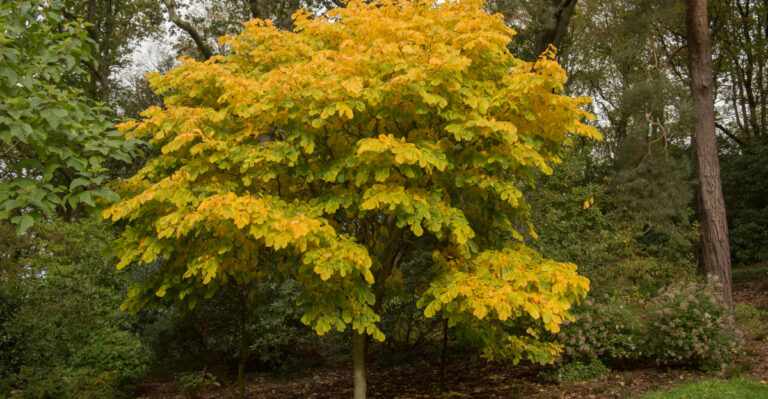
River birch also stands out for its fall color. Its narrow, textured leaves turn a warm golden yellow each autumn, right around the time luna moth caterpillars are finishing up their feeding for the season.
That timing makes river birch valuable for more than just its looks, since it plays a direct role in supporting one of Michigan’s most recognizable native moths.
For Michigan gardeners hoping to add fall color while supporting local wildlife, river birch checks both boxes.
1. River Birch Is A Luna Moth Host Plant
Picture a plump, lime-green caterpillar munching happily on a leaf, and you have a good image of what river birch offers luna moths.
The tree serves as a host plant, meaning female luna moths lay their eggs on its foliage so the young caterpillars have food the moment they hatch.
Those caterpillars depend on birch leaves to grow big and strong. Without the right leaves nearby, tiny caterpillars would have no way to feed themselves. River birch steps in as a reliable source of nourishment during this important stage.
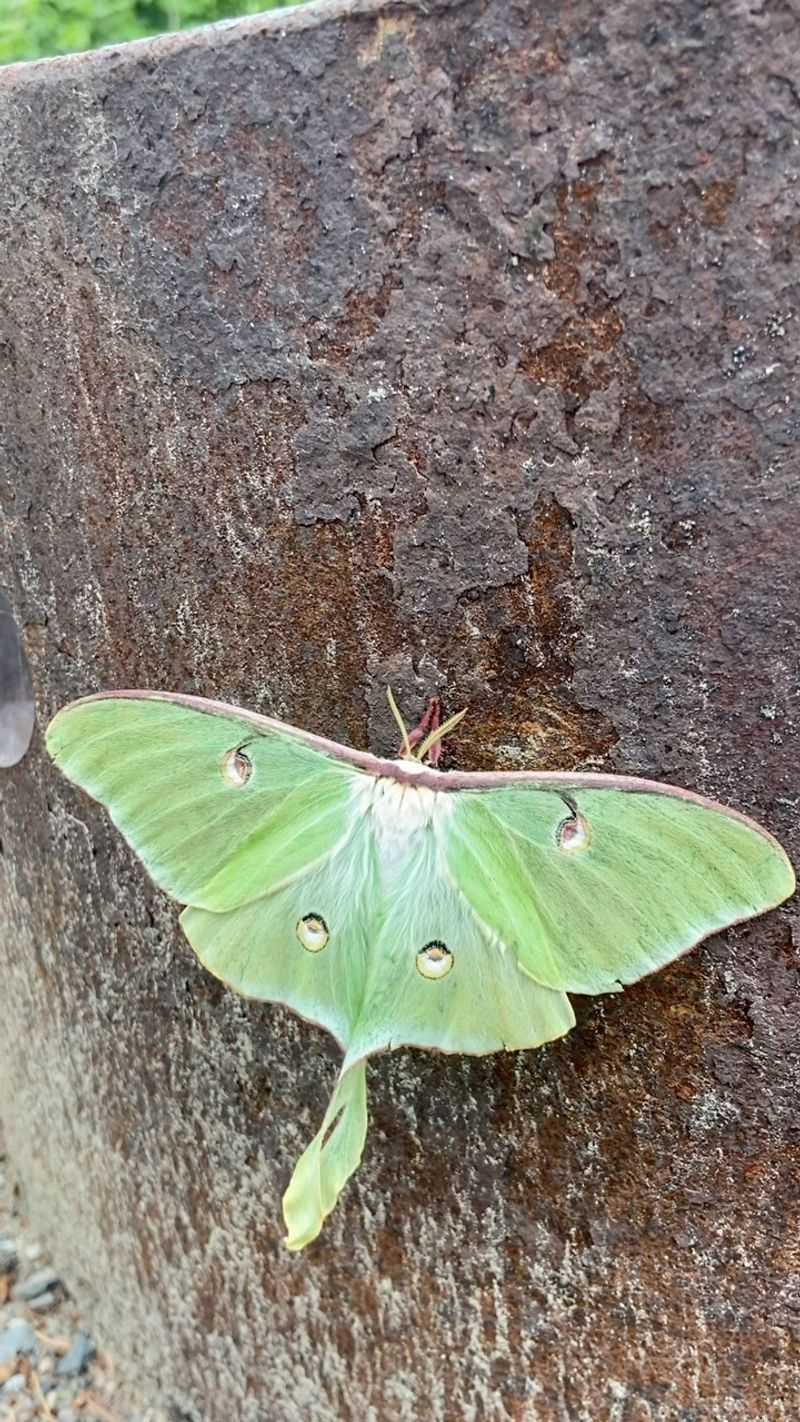
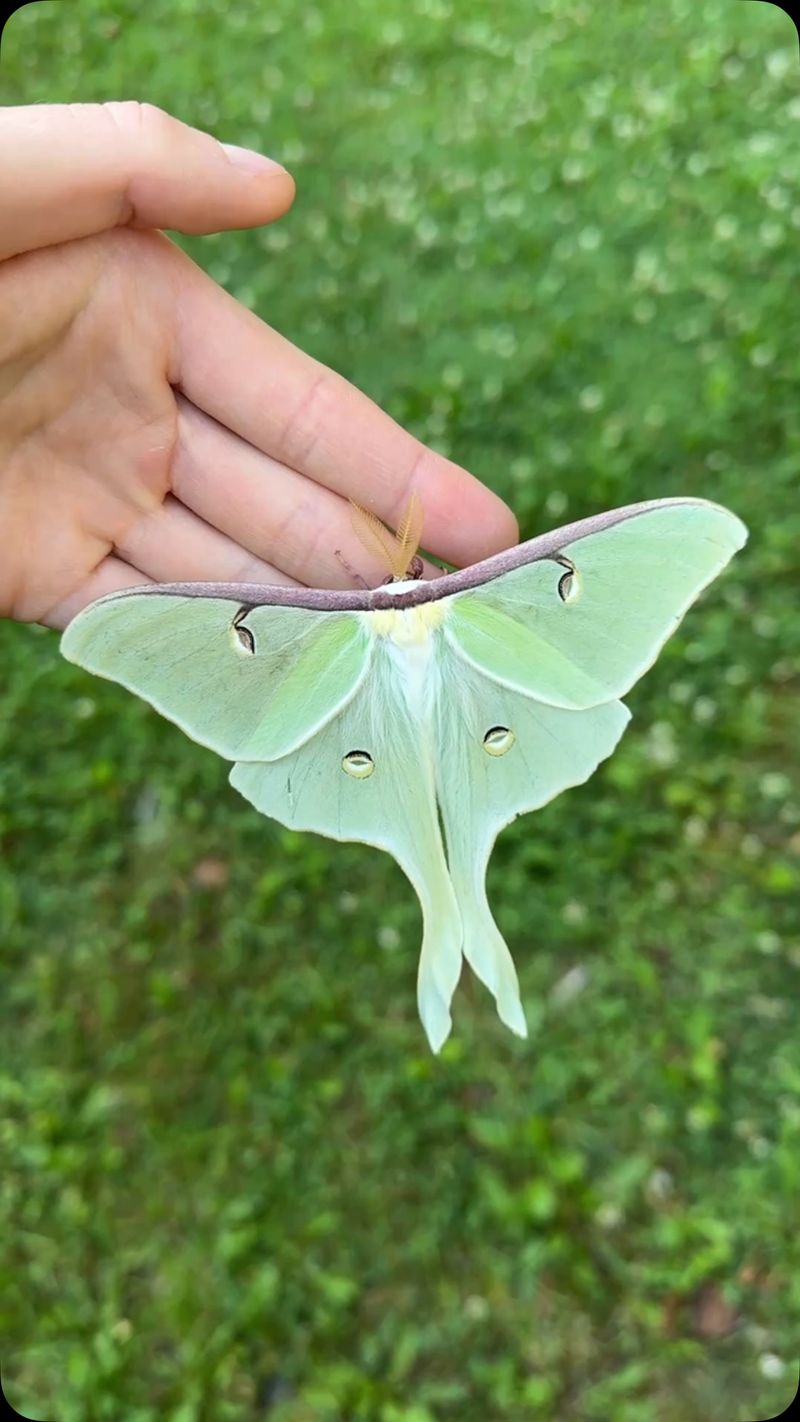
Luna moths are famous for their pale green wings and long, sweeping tails. Many people go their whole lives without spotting one, which makes supporting them feel extra special. Planting a host tree gives these gentle insects a fighting chance in your neighborhood.
As the caterpillars eat, they store up the energy they need to form cocoons and later emerge as adults. Every leaf they nibble helps build the next generation of moths fluttering through summer nights.
By welcoming river birch into your yard, you become part of a bigger story. You provide shelter and food that local wildlife truly needs, and you get a front-row seat to watch nature unfold.
Keep in mind that caterpillars do not harm a healthy tree. A little leaf nibbling is a small price for helping such a lovely creature.
Think of those chewed edges as a sign your yard is alive and buzzing with purpose, welcoming visitors both large and small throughout the warmer months.
2. The Leaves Turn Yellow In Fall
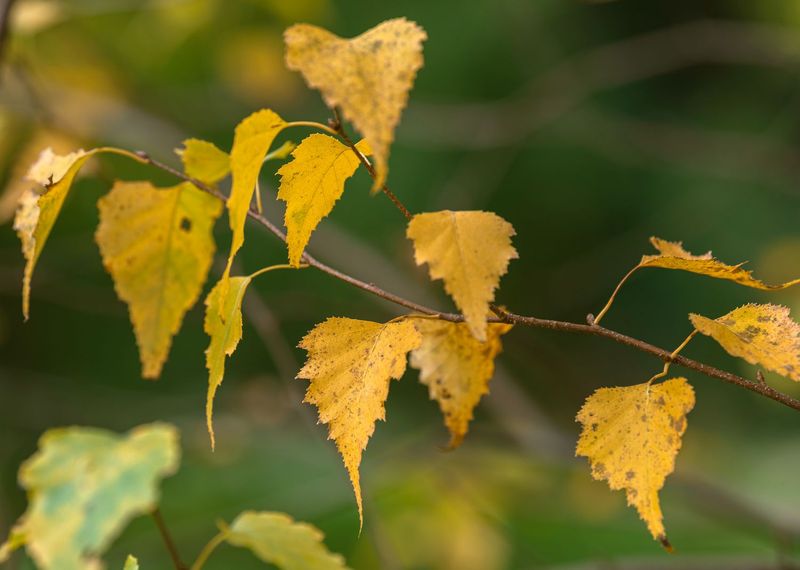
When cool weather rolls in, river birch puts on a cheerful show. Its green summer leaves shift to a warm, glowing yellow that lights up the yard on gray autumn days.
The color change happens because the tree stops making the green pigment that fills its leaves all summer. Once that green fades, hidden yellow tones finally get their moment to shine. It is a natural process that signals winter is on the way.
Before long, those golden leaves drift to the ground, leaving the branches bare for the colder months. This is normal and healthy. Shedding leaves helps the tree save energy and moisture until spring returns.
Your Michigan Garden Changes Every Week. Your Plan Should Too.
Gardening in Michigan changes quickly throughout the season. Every Friday you’ll receive a simple weekly plan showing exactly what to plant, prune, fertilize, harvest, and protect so you never miss the right timing.
What makes river birch extra fun is the bark. Even after the leaves fall, the peeling, papery bark in shades of tan, cream, and cinnamon keeps the tree interesting all winter long. You get beauty in every season, not just autumn.
If you want to enjoy the yellow display at its best, plant your river birch where you can see it from a window or a favorite seat outdoors. A spot with open sky behind it lets the golden leaves really pop.
Raking up fallen leaves is simple, and you can add them to a compost pile or use them as mulch around garden beds. Nothing goes to waste.
Season after season, this tree rewards you with changing colors and textures. That mix of yellow leaves and striking bark makes river birch a standout choice for anyone who loves watching their landscape shift throughout the year.
3. Luna Moth Caterpillars Need Host Plants
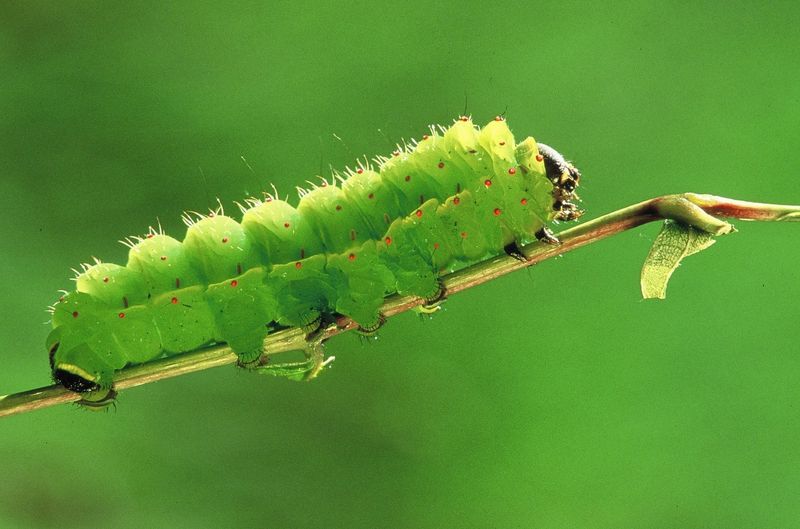
Here is something many gardeners mix up: host plants and nectar plants are not the same thing. Knowing the difference can completely change how you plan a wildlife-friendly yard.
A nectar plant is a flower that adult insects visit for a quick sugary drink. Think of it like a roadside snack bar.
A host plant, on the other hand, is where insects lay eggs and where their young actually grow up eating leaves.
Luna moth caterpillars care about host plants above all else. They cannot survive on flower nectar because they need leaves to chew, digest, and turn into body-building fuel. River birch fits this role perfectly.
Adult luna moths make this even more interesting. They do not eat at all once they have wings, so they rely completely on the energy stored during their caterpillar days. That means the leaves those caterpillars eat matter enormously.
If you only plant flowers, you might attract butterflies passing through, but you will not support the full life cycle of moths and many other insects. Host trees like river birch fill that missing piece.
Adding both nectar sources and host plants creates a balanced habitat. Flowers feed the grown-ups that can eat, while leafy trees feed the young.
When you understand this, planting becomes more purposeful. You are not just decorating; you are building a home base for an entire generation of wildlife.
That small shift in thinking turns an ordinary garden into a place where caterpillars hatch, grow, and eventually take flight as beautiful adults.
4. River Birch Handles Wet Soil
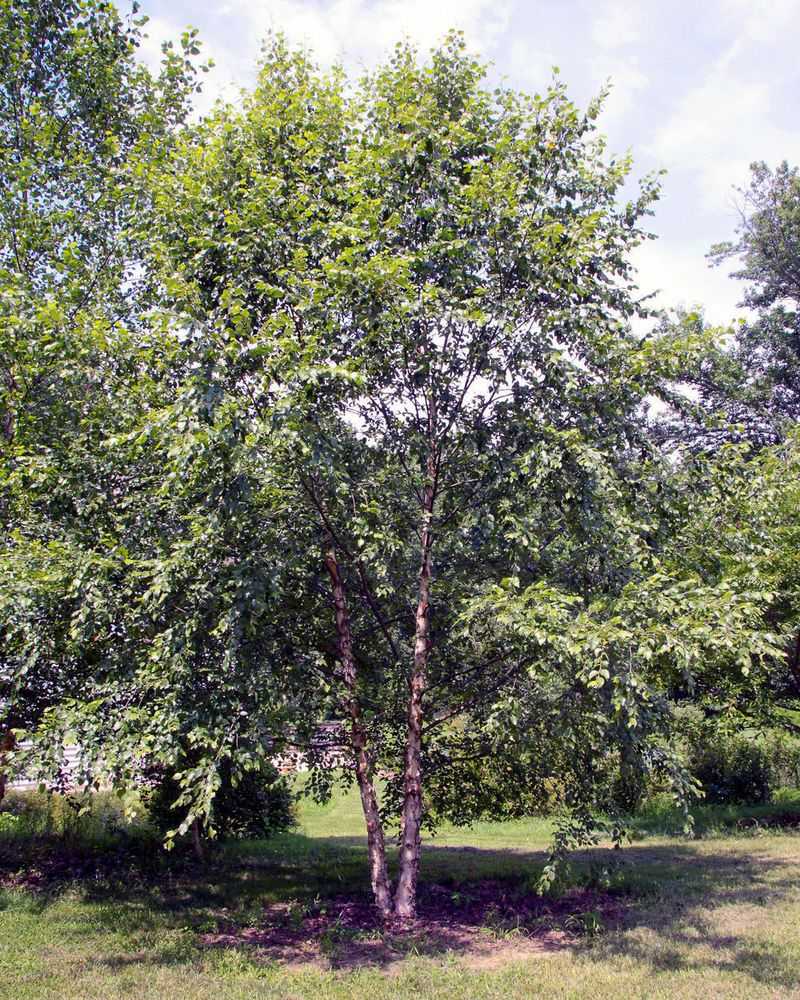
Got a soggy corner in your yard where puddles hang around after every rain? River birch might be the perfect answer. This tree loves moisture and shrugs off wet conditions that would trouble many other trees.
In the wild, river birch naturally grows along streams, riverbanks, and low areas that flood now and then. Its roots are built to handle damp, heavy soil, so it feels right at home where the ground stays moist.
That makes it a smart pick for rain gardens or spots near downspouts. Instead of fighting a wet area, you can plant something that actually thrives there. The tree even helps soak up extra water and hold soil in place.
Many popular trees prefer dry, well-drained ground and will sulk in wet soil. River birch flips that expectation, giving gardeners a reliable option for tricky, damp spaces.
Keep in mind that while it enjoys moisture, it can also handle average garden soil once it settles in. Young trees still appreciate regular watering during their first couple of years as their roots spread out.
If your soil tends to dry out completely in summer, you may need to water during long dry spells. The tree can show stress, like early leaf drop, when it gets too thirsty.
Matching a plant to your yard’s natural conditions always saves work and worry. By placing river birch in the moist areas it prefers, you set it up to grow strong, look great, and support wildlife for many years to come.
5. Give The Tree Enough Room To Grow
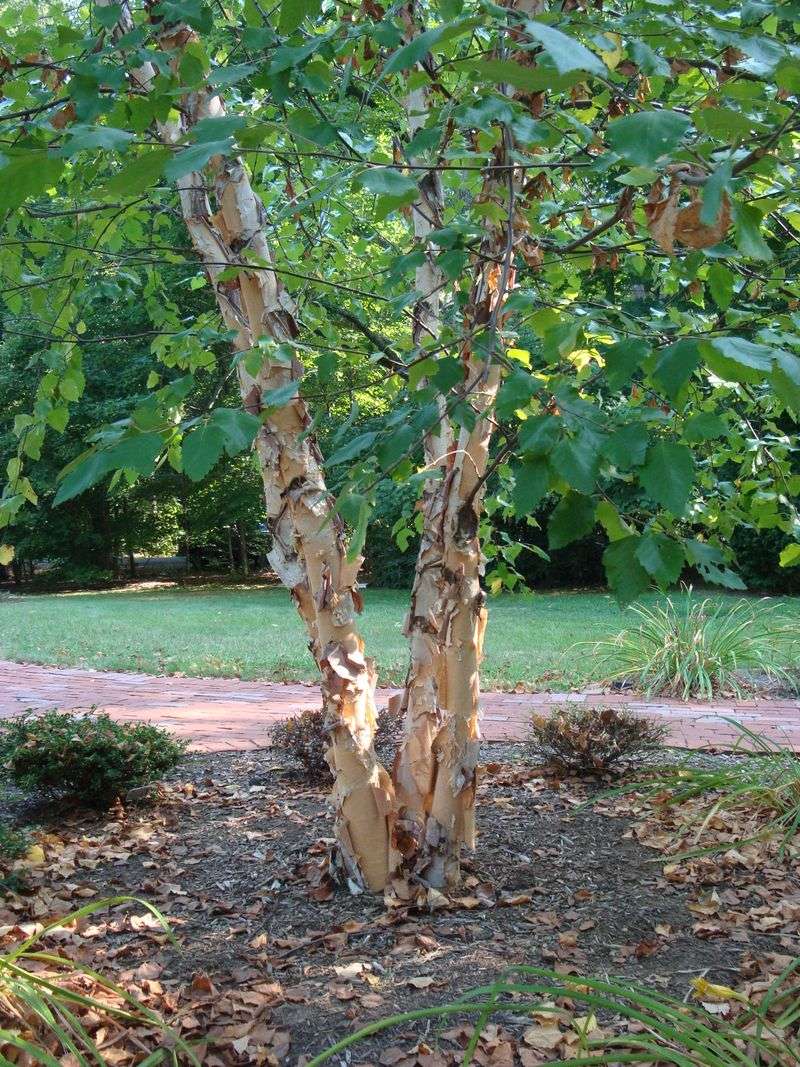
Do not let the cute nursery pot fool you. River birch starts small but grows into a substantial tree, often with several trunks rising from the base like a natural sculpture.
Many river birches are sold as multi-stemmed trees, which means they have two, three, or more trunks instead of one. This look is beautiful, but it also spreads wide, so the tree needs plenty of elbow room.
Before you dig, think about the full-grown size. A mature river birch can reach impressive heights and stretch its branches far in every direction. Crowding it against a house or fence leads to headaches later.
Look up, too. Overhead power lines and rooflines can clash with a tall canopy, so choose a spot with open sky above. Planning ahead now saves you from tricky pruning down the road.
Roots deserve a thought as well. River birch roots search for moisture, so keep the tree a safe distance from driveways, sidewalks, and underground pipes to avoid future trouble.
A good rule is to picture the tree at its biggest and give it space to fill out naturally. That way it can develop a graceful shape without constant trimming.
Spacing also improves air flow around the branches, which keeps the tree healthier and happier. Plus, a tree with room to spread simply looks more impressive in the landscape.
Taking a few minutes to measure your space before planting pays off for decades. A well-placed river birch becomes a stunning centerpiece rather than a crowded problem you wish you had planned for.
6. Do Not Plant It Just For Luna Moths
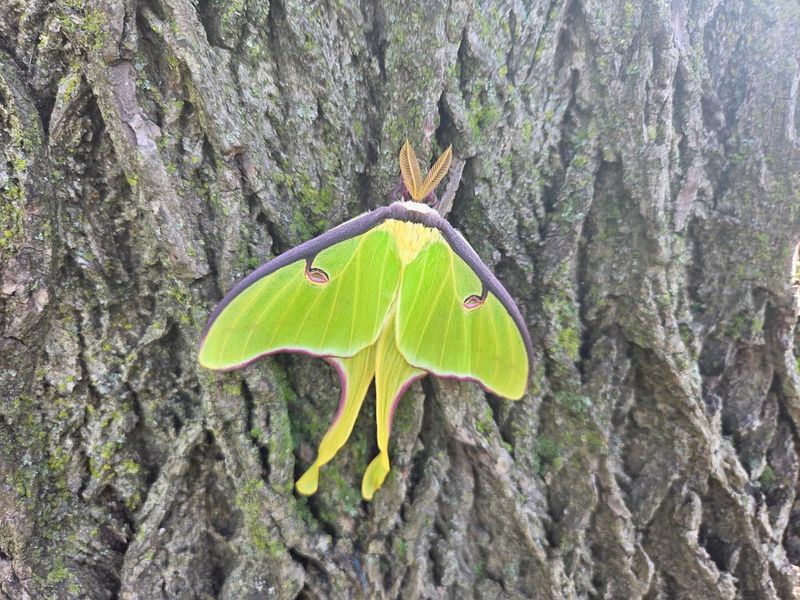
It is tempting to imagine that planting one river birch will fill your yard with glowing green luna moths overnight. Sadly, nature does not work quite that simply.
Luna moth numbers depend on many things beyond a single tree. Regional habitat, the presence of other host plants, local weather, and natural predators all play a part in whether these moths show up.
Think of your river birch as an open invitation rather than a guarantee. You are offering food and shelter, but the moths still have to find your yard and survive the many challenges of their life cycle.
Some years you might spot caterpillars or even an adult moth, and other years you may see none at all. That ups and downs pattern is completely normal in the wild.
Because of this, it helps to plant river birch for all the reasons it shines. Enjoy its golden fall color, its lovely peeling bark, and its ability to handle wet soil. Any luna moth visits become a happy bonus.
Setting realistic expectations keeps gardening fun instead of frustrating. You are supporting the possibility of moths, and that effort matters even when you cannot see the results directly.
Every host tree in a neighborhood adds up. When many gardeners plant them, the whole area becomes friendlier to moths and other insects over time.
So plant with hope and patience. By valuing the tree for everything it offers, you win no matter what, and you quietly help build a healthier home for wildlife across your community.
7. Michigan Gardeners Should Check Their Site First
Smart planting starts with a little detective work in your own backyard. Before bringing home a river birch, take time to study the spot where you want it to live.
Notice how much sun the area gets. River birch enjoys full sun to part shade, so a bright location helps it grow full and healthy. Deep shade all day is not ideal.
Check the soil next. Since this tree loves moisture, a spot that stays somewhat damp works beautifully. If your ground is bone dry and compacted, the tree will likely struggle and show stress.
Compacted soil is a common problem near new construction or high-traffic areas. Roots have a hard time spreading through packed dirt, so loosening the soil before planting makes a real difference.
Space matters too, as we mentioned earlier. Measure the area and picture the tree fully grown so you avoid crowding buildings, wires, or walkways.
Forcing a moisture-loving tree into a hot, dry corner rarely ends well. The tree may drop leaves early, grow slowly, or become weak and prone to trouble.
Matching the plant to the place is one of the kindest things you can do for any tree. When the conditions fit, river birch practically takes care of itself.
Michigan yards vary a lot, from sandy soils to clay-heavy spots, so knowing your own conditions is key. A quick check now prevents disappointment later.
Give this tree the moisture, light, and room it craves, and you will be rewarded with a strong, beautiful addition that thrives for many seasons.
8. Its Wildlife Value Extends Beyond Luna Moths
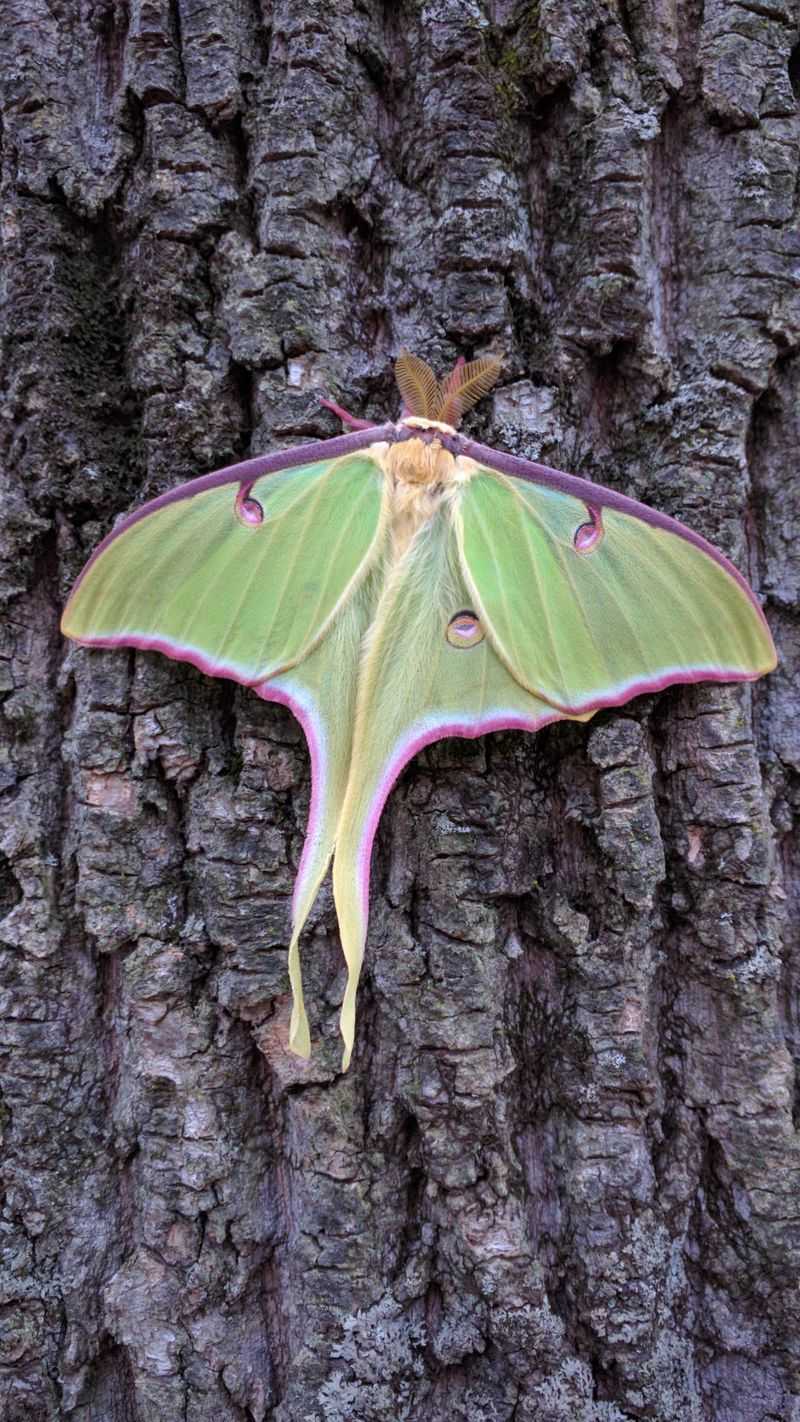
Luna moths grab the spotlight, but river birch quietly supports a whole crew of other creatures too. This tree is a busy hub of activity from top to bottom.
Many kinds of insects feed on its leaves and shelter in its bark. Those insects, in turn, become food for hungry birds, creating a natural chain of life right in your yard.
Birds especially love river birch. The tree produces small seeds inside dangling catkins, and finches and other songbirds happily snack on them, adding movement and cheerful sounds to your garden.
Its branches also offer safe perches and nesting spots. A leafy river birch gives birds a place to rest, hide from weather, and raise their young.
Native and regionally suited trees like this one tend to support far more wildlife than trees brought in from faraway places. Local insects and animals already recognize them as food and shelter.
If your main goal is boosting Michigan biodiversity, choosing trees that belong in the area is a powerful step. Every native tree adds another building block to a healthy local habitat.
The more variety of plants you offer, the more variety of wildlife you attract. River birch fits neatly into that mix and pulls its weight beautifully.
So while dreaming of luna moths is wonderful, remember the bigger picture. You are creating a lively space where countless creatures find what they need.
Planting river birch is a gift that keeps giving, feeding pollinators, birds, and insects season after season while making your own little corner of Michigan buzz with natural energy.