The Florida Patio Plants You Should Move Before The First Real Cold Front
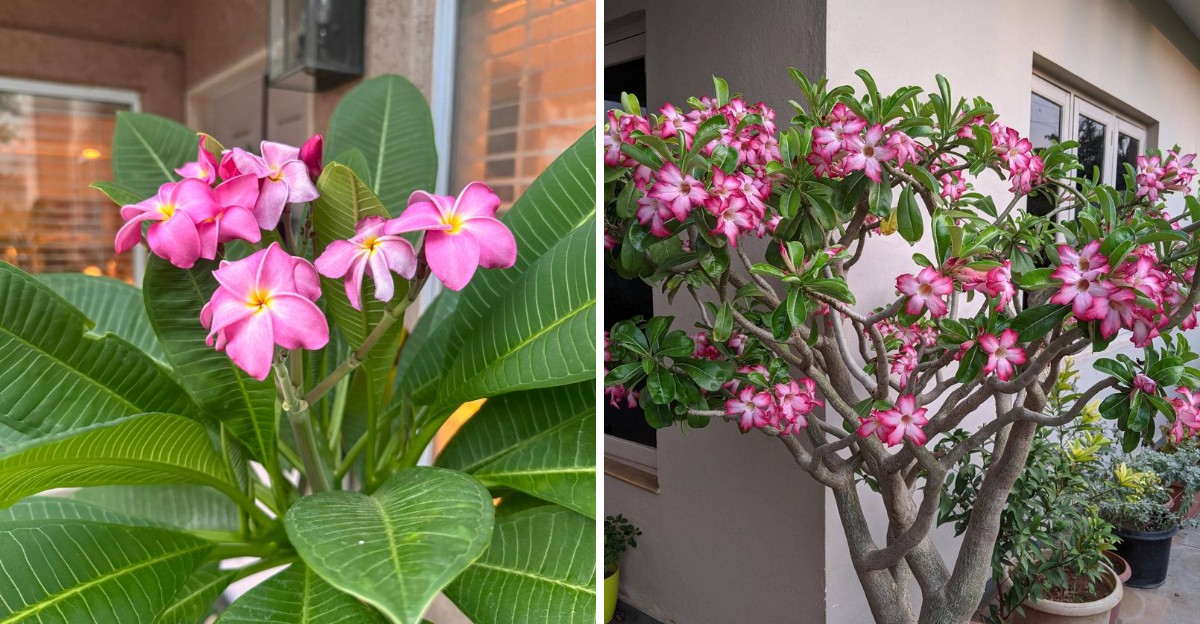
One Florida cold front can turn a comfortable patio into a frantic plant rescue before breakfast.
The afternoon still feels warm. Pots sit where they always do. Flowers look happy, leaves look glossy, and winter seems several states away.
Then the forecast changes.
A number in the 40s appears. Wind joins the picture. One colder pocket near dawn suddenly matters much more than yesterday’s sunshine.
Which pots deserve the first trip toward shelter?
That choice is not as simple as a rush to shelter every tropical pot. Some patio favorites complain long before frost arrives. Others tolerate a cool night but struggle once temperatures approach 32 degrees. Pot size, wind, moisture, and the length of the cold spell can change the outcome too.
You rarely need a greenhouse. A garage, enclosed porch, bright room, or protected corner can make a major difference.
A small head start can save plenty of regret.
Before the thermometer drops, learn which patio favorites should get priority when Florida finally decides to act like winter.
1. Hibiscus
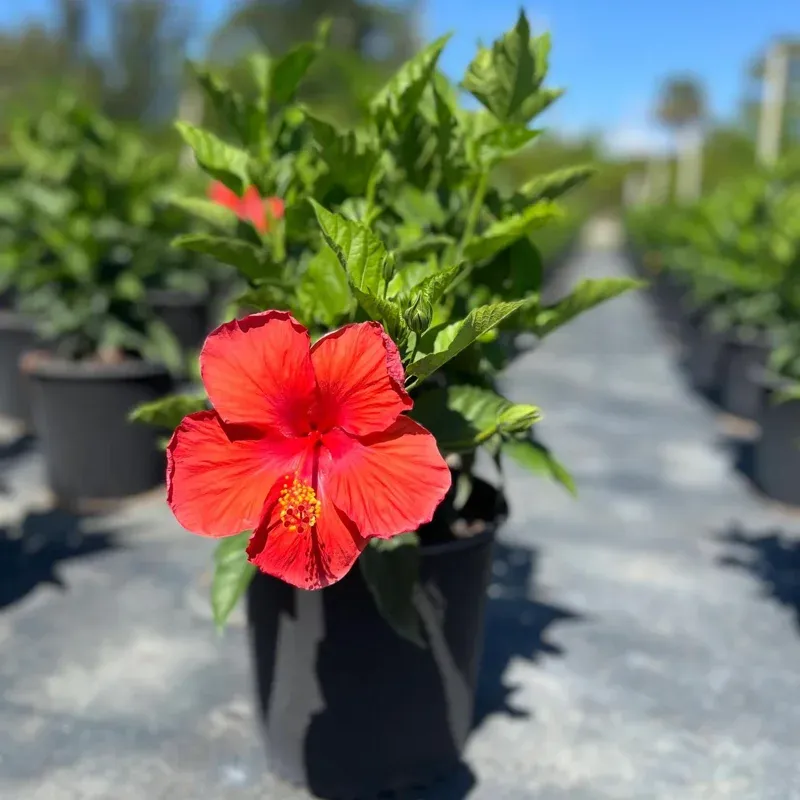
A bright patio can look perfectly normal the afternoon before a cold front.
By the next day, tropical hibiscus may tell a very different story.
Cool nights can slow growth and trigger bud or leaf drop before frost ever enters the forecast. Once temperatures get close to 32 degrees, tender stems and foliage face a much greater risk of injury.
Container plants deserve extra attention because their roots have less insulation than hibiscus planted in the ground.
Move the pot toward shelter when the forecast starts dropping into the mid 40s, especially when wind comes with the front. A garage, enclosed porch, or bright room can work for a short cold spell.
Give the soil a drink earlier in the day when it feels dry. Moist soil changes temperature more slowly than bone-dry mix, but the pot should never sit waterlogged.
This is also a good time to ignore the fertilizer bag.
A late push of soft growth gives cold weather more tender tissue to bother. Save the feeding for warmer conditions.
Leave the pruners alone after the front too. Damaged tips can wait until spring, when fresh buds make the healthy sections easier to identify.
Hibiscus already brings enough drama with flowers the size of saucers.
There is no need to let one chilly night write the season finale.
2. Bougainvillea
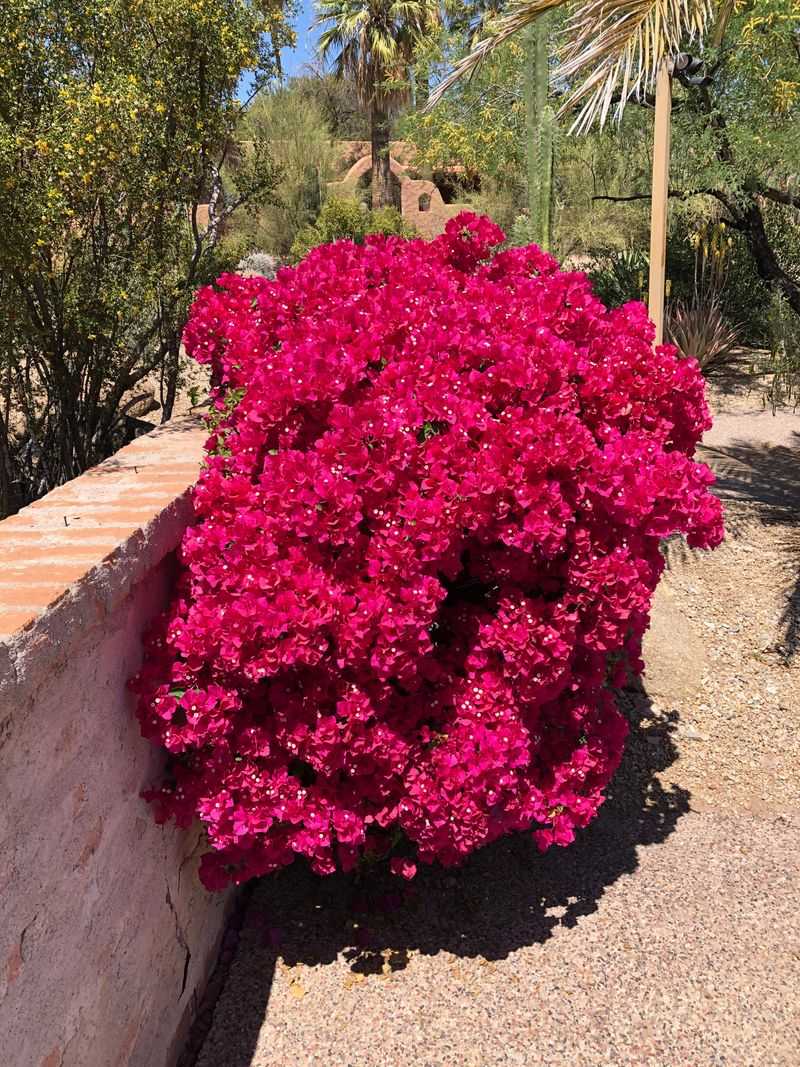
Few patio plants make a cold front feel more inconvenient than a large bougainvillea.
The flowers look delicate, the branches look unruly, and the thorns seem to know exactly when you are in a hurry.
Chilly nights can bring rapid leaf drop, even without frost. Temperatures near freezing raise the risk for tender green stems, especially on younger container plants.
Give this pot an early exit from exposed patios when a strong front arrives.
A garage or enclosed porch works well for a short stay. The plant can tolerate reduced light for a few days, and some leaf drop indoors is not a reason to panic.
Your Florida Garden Changes Every Week. Your Plan Should Too.
Gardening in Florida changes quickly throughout the season. Every Friday you’ll receive a simple weekly plan showing exactly what to plant, prune, fertilize, harvest, and protect so you never miss the right timing.
The real challenge is getting it there.
Wear thick gloves and long sleeves. Tie wandering canes loosely with soft plant tape before you move the container. A rolling plant caddy makes the job much easier for large specimens.
Keep watering light during a cool indoor spell. Wet soil plus low light can create a different headache around the roots.
Skip a fall haircut as well.
Fresh shoots after pruning are softer and more vulnerable to the next cold snap. Let the plant stay a little wild until warmer weather returns.
Bougainvillea does not need perfect winter manners to come back beautifully.
Move the pot, protect your sleeves, and let the thorny diva spend the cold front somewhere with better accommodations.
3. Croton
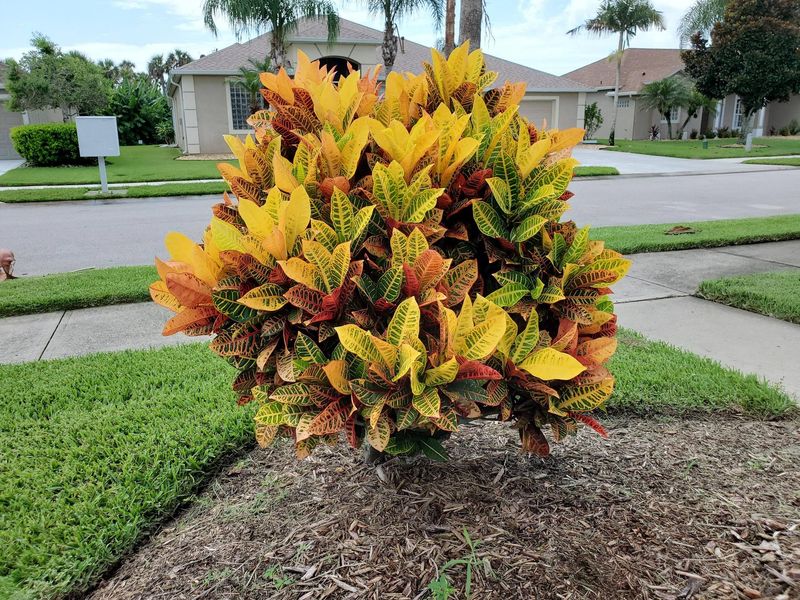
That glossy burst of red, orange, yellow, and green can disappear surprisingly fast after a chilly night.
Crotons are tropical foliage plants, and cold stress often shows first in the very leaves that make them worth growing.
Nights in the 40s can leave the plant unhappy, while temperatures near freezing can injure soft tips and foliage. Small container plants usually react faster than large, established specimens.
Wind can make the problem worse.
Broad leaves lose moisture quickly during a dry front, so a breezy patio may feel harsher than the thermometer suggests.
Move crotons to a garage, enclosed porch, or bright indoor spot once the forecast starts sliding toward the mid 40s. A window nearby helps when the plant needs to stay inside for more than a couple of days.
Some leaf drop may follow the move.
That does not mean the plant is finished. Keep the soil lightly moist, avoid fertilizer, and give it time to adjust.
You may feel tempted to cut away every ugly leaf after the cold passes. Leave that cleanup for later.
Older damaged foliage can offer some protection to buds and stems through the rest of winter. Spring growth will show you what truly needs trimming.
Crotons are basically the patio peacocks of Florida.
They can handle a little attitude. What they do not appreciate is an overnight costume change from tropical to tundra.
4. Plumeria
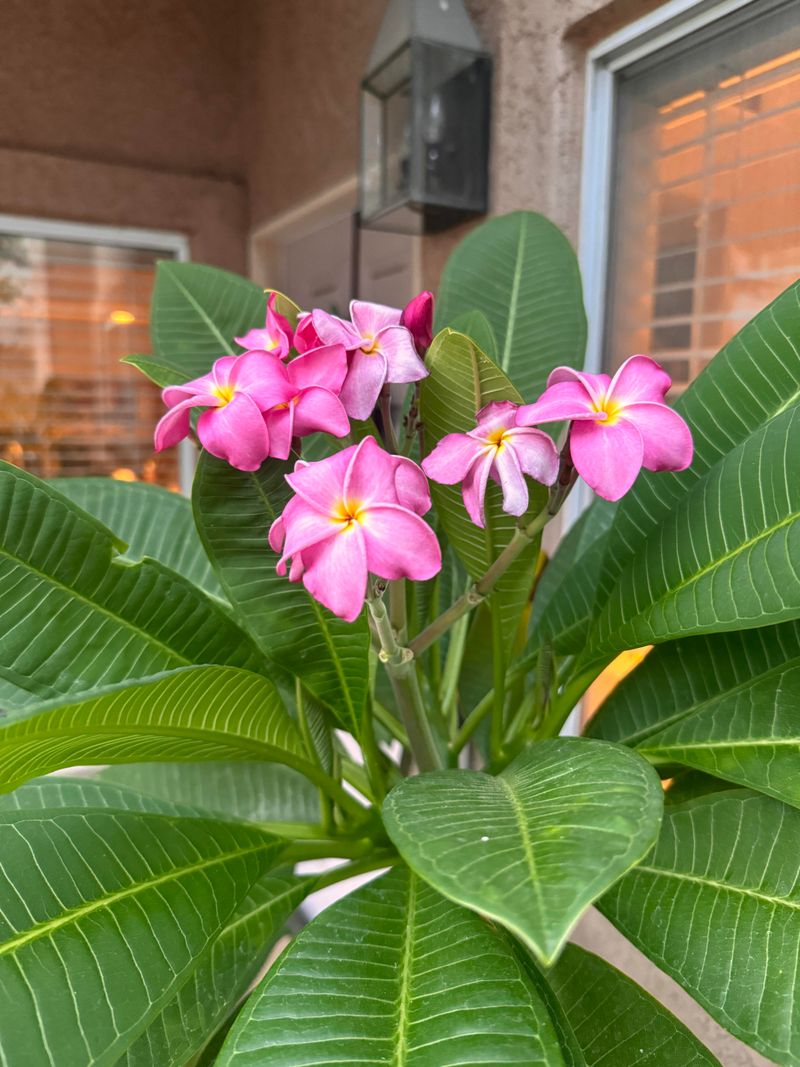
A bare plumeria in November can look alarming even when everything is going exactly as planned.
Shorter days and cooler nights often trigger normal leaf drop. That seasonal rest is very different from cold injury.
The stems tell the better story.
Healthy branches stay firm. Cold-damaged tissue may turn soft, dark, or mushy after temperatures get too close to freezing.
Potted plumerias deserve shelter before a hard freeze arrives. A garage, shed, or spare room works well because dormant plants can manage with very little light for short stretches.
Do not compensate with extra water.
Once the leaves drop and growth slows, the plant uses far less moisture. Cold, soggy soil can create problems around the roots and lower stem. Let the mix dry more between drinks.
This is one of those plants that benefits from a gardener doing less.
Skip fertilizer through the cool season. Leave major pruning for warm weather, when cuts dry and seal more quickly.
A thick branch may look tough enough to shrug off winter, but the water stored inside can make true freeze exposure especially rough.
Move the pot before that gamble becomes necessary.
A leafless plumeria may look like a collection of expensive sticks for a while.
That is normal winter minimalism. Give it shelter, keep it on the dry side, and let spring handle the makeover.
5. Orchids
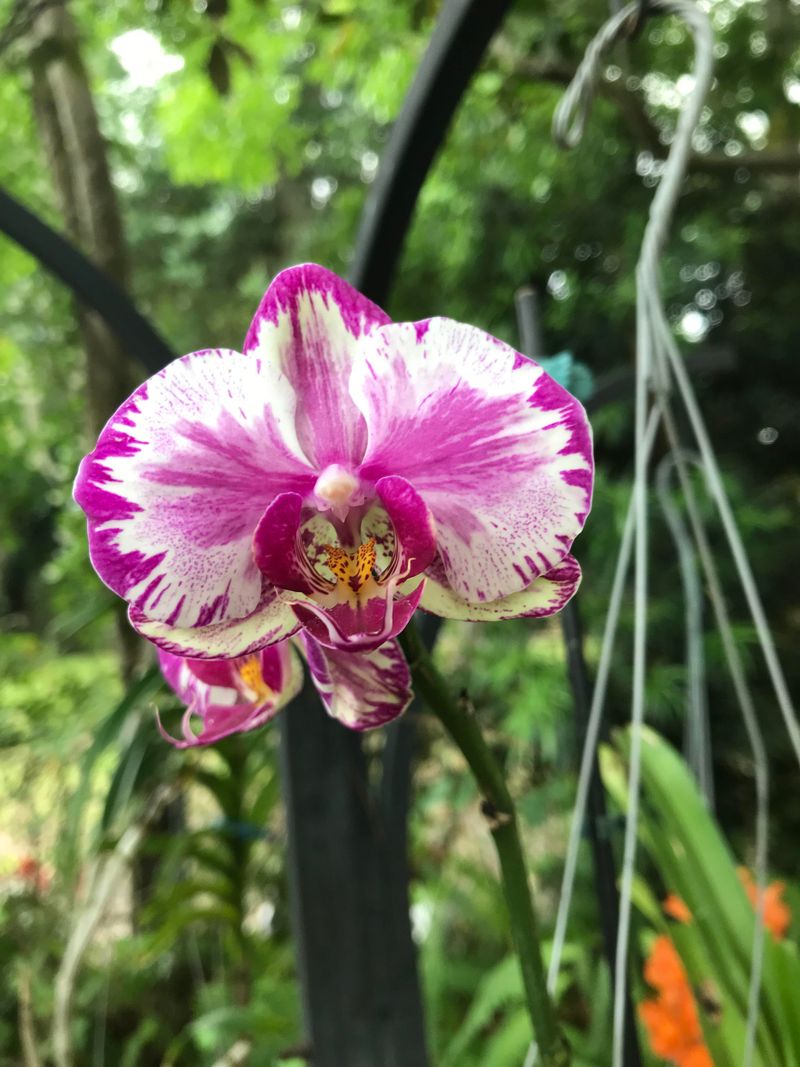
The hanging baskets usually need attention before the big patio pots do.
Orchid roots sit exposed to moving air, so a cold front can reach them quickly. That makes many tropical orchids less forgiving than their delicate flowers suggest.
Type matters here.
Phalaenopsis and many vandas prefer protection once nights approach the 50s. Cattleyas and some dendrobiums can tolerate cooler conditions, and certain types even benefit from a seasonal temperature drop.
Check the label or plant tag before you treat every orchid exactly the same.
For the more tender group, move hanging baskets and mounted plants first. A bright bathroom, sunroom, enclosed porch, or garage with supplemental light can handle a short cold spell.
Water early in the day before a front rather than late at night.
Dry leaves and crowns are especially helpful when temperatures fall. Water trapped around a phalaenopsis crown during chilly weather can create trouble you did not bargain for.
Watch for delayed damage after the plants come back outside. Sunken or water-soaked patches may show up later, and flower buds can drop after a stressful cold spell.
Hold fertilizer until active growth returns.
Your orchids already spend enough of the year testing your patience with roots, spikes, and mysterious pauses.
Give them the easy win. Move the tender ones before the cold front turns the patio into an accidental refrigerator.
6. Desert Rose
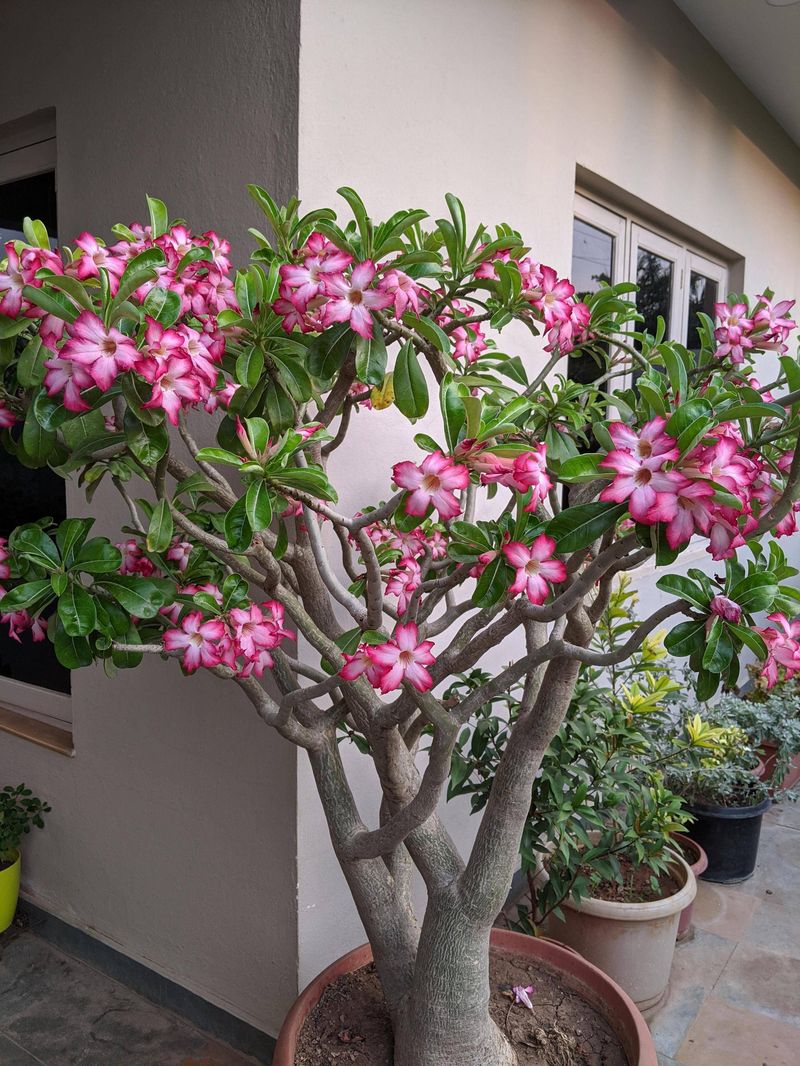
That swollen trunk looks tough enough to handle almost anything.
Cold weather is where desert rose proves otherwise.
The caudex stores water, which helps the plant through dry conditions but makes true cold exposure more serious. Growth slows as nights cool into the 50s, and temperatures in the 40s can stress tender growth.
Do not wait for frost to start planning the move.
A garage, enclosed porch, or protected indoor spot gives a potted desert rose a much safer place to spend a sharp front. North and Central Florida gardeners may need that routine more often than gardeners farther south.
Once the plant slows down, water becomes the bigger concern.
Let the potting mix dry well between drinks. A cold, wet root zone is a poor combination for a plant built to store moisture.
Check the caudex occasionally with a gentle squeeze. Firm tissue is what you want. Soft or spongy areas deserve attention.
Skip fertilizer during the cool stretch. Fresh shoots pushed by a late feeding are more vulnerable than mature growth.
Pruning can wait too.
Warm weather gives cuts a better chance to dry quickly and lets the plant respond with stronger new growth.
Desert rose may come from a hot, dry climate, but it does not need a Florida cold front to prove its toughness.
Move it early and let the caudex keep its drama strictly architectural.
7. Boston Fern
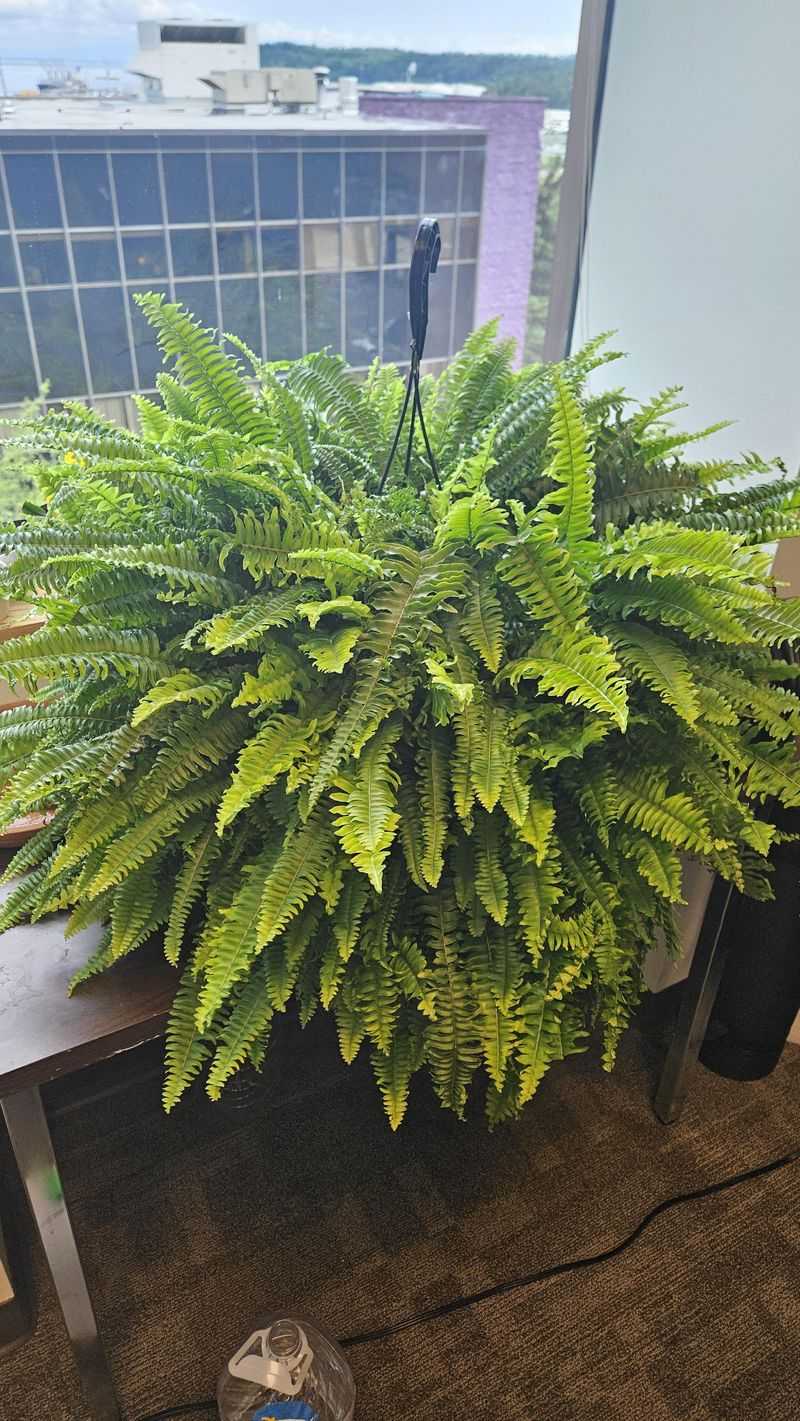
A basket hanging in open air can cool down much faster than a pot tucked beside the house.
That is why Boston ferns deserve attention before a chilly Florida night.
Their roots have little insulation in a hanging container, and wind moves through the fronds from every direction. Sustained temperatures in the 40s can leave tips brown and dry, while frost can flatten tender foliage quickly.
Protection does not always require a full indoor move.
On a marginal night, shift the basket under a covered lanai, deep roof overhang, or protected wall. That small change can reduce wind exposure and hold a little more warmth around the plant.
A freeze warning calls for better shelter.
Garages, laundry rooms, and enclosed porches work well for a short stay. Put the basket on a towel or tray because older fronds tend to shed once indoor conditions change.
Keep an eye on soil moisture rather than following the usual watering schedule.
Cooler conditions slow water use. The mix should stay lightly moist, not soaked.
Leave browned fronds alone through the coldest stretch unless they become a mess. Extra foliage can help shield the crown until warmer weather returns.
Save fertilizer for spring growth.
Boston ferns are famous for making a patio look lush.
They are also famous for dropping tiny leaflets everywhere, so consider the indoor confetti part of the winter admission price.
8. Bird Of Paradise
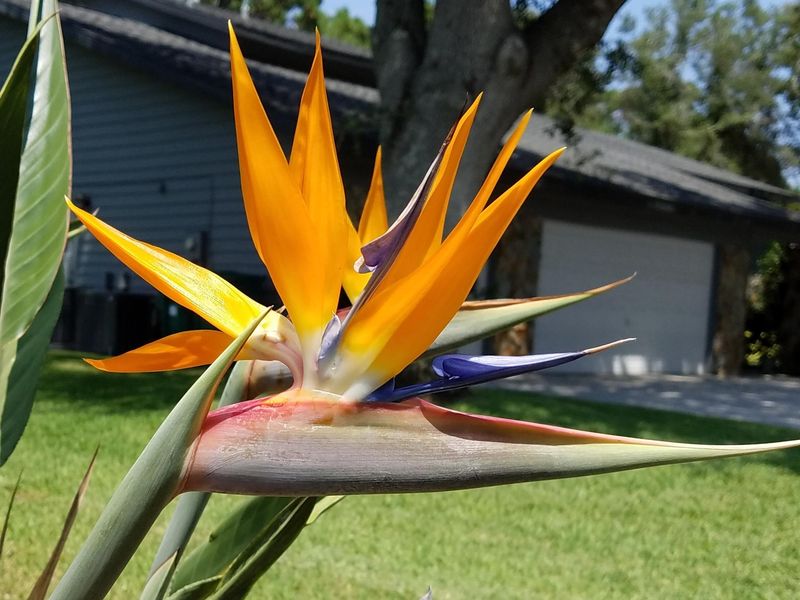
Size can make this last patio rescue look deceptively low priority.
A large bird of paradise may seem sturdy enough to stay put, but a container changes the cold equation.
Roots in a pot sit closer to cold air than roots protected by garden soil. Young plants and smaller containers can lose heat faster, even when an established landscape clump nearby comes through the same night with only minor leaf damage.
Watch the forecast once temperatures start approaching freezing.
Move manageable pots against a protected south-facing wall, into an enclosed porch, or into a garage before the coldest part of the front arrives. Grouping containers together can add a little extra insulation on borderline nights.
Some specimens are simply too heavy to move.
Use frost cloth rather than plastic for those plants. Drape the cover down toward the ground so warmth from the soil stays trapped around the foliage, then remove it after temperatures rise.
Do not rush to cut ragged leaves the next morning.
Damaged foliage can help shelter the center through another cold spell. Wait for spring growth before you decide which leaves or stems need to go.
A light mulch layer over the potting surface can also help moderate root temperatures. Keep mulch away from the base.
Bird of paradise already looks like it belongs on vacation.
When winter visits Florida, give the potted one a temporary upgrade to the indoor lounge.