What It Means When You Find Snake Tracks In Florida Garden Mulch
An S-shaped groove pressed into your Florida mulch isn’t just a leftover from last night’s visitor. Read it right, and it tells you a lot more than “a snake was here.”
Width, depth, and curve all shift depending on species and size, so two trails sitting a few feet apart might belong to completely different animals. Most people glance down, shrug, and move on without catching any of that.
Direction gives away even more. A trail heading toward deeper cover reads differently than one circling the same bed over and over, and that difference separates a snake passing through from one that’s settled in for good.
Next time you spot a track, slow down and actually look at it. The mulch might be holding a better clue than anything you’d catch by watching the yard itself.
1. Most Snakes In Florida Yards Are Harmless
Picture Florida as a giant reptile neighborhood with roughly 45 to 50 native snake species. Only six of them are venomous, which means the odds are strongly in your favor.
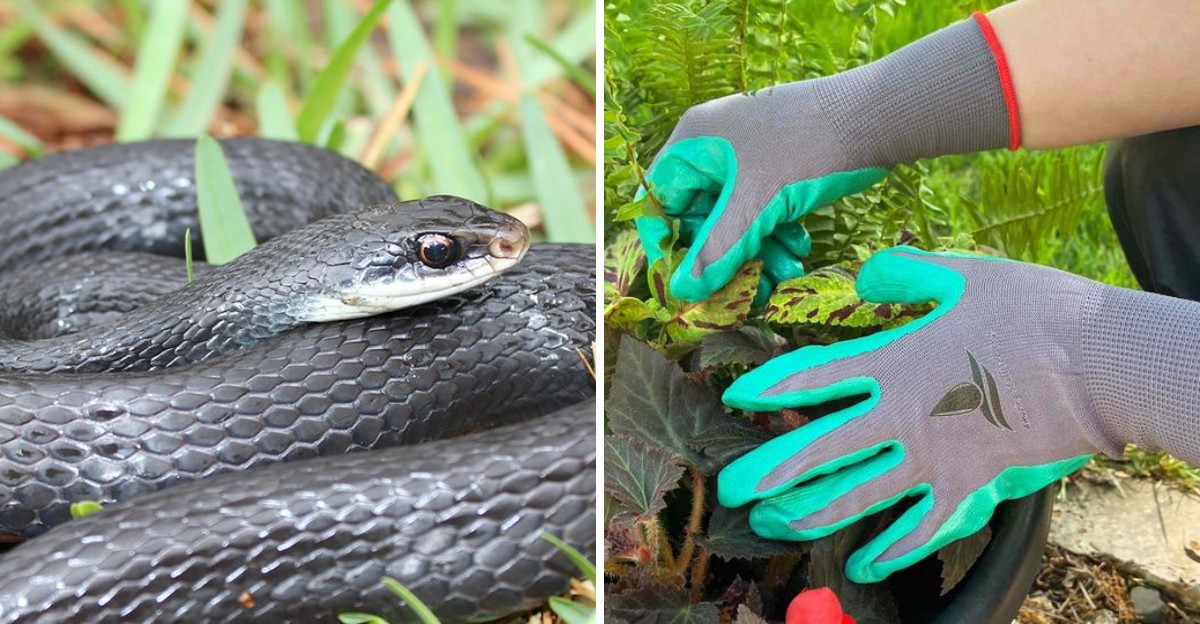
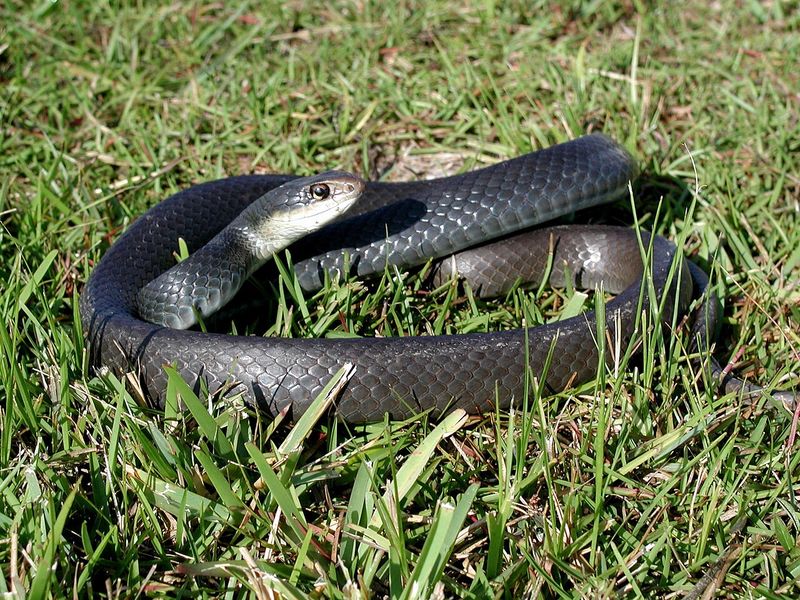
The snake that slid through your mulch was most likely a harmless local. Black racers, rat snakes like the colorful corn snake, garter snakes, and southern ring-necked snakes show up in yards all the time.
Many of these reptiles are actually helpful garden partners. They munch on rodents, slugs, and insects that would otherwise chew on your plants or sneak into your shed.
Think of them as a free pest control crew that works the night shift. You do not have to pay them, feed them, or even see them to enjoy their hard work.
Of course, it still makes sense to learn what the venomous species look like. Our state has rattlesnakes, cottonmouths, copperheads, and the coral snake, so a quick look at photos from the Florida Fish and Wildlife Conservation Commission is a smart move.
If you do spot a snake and feel unsure, simply give it space and let it move along. Most snakes want nothing to do with people and will slip away quietly.
Knowing these facts can turn fear into curiosity. Next time you see a trail, you might even feel a little proud that your garden supports such a lively ecosystem.
2. Ring-Necked Snakes Often Hide In Mulch
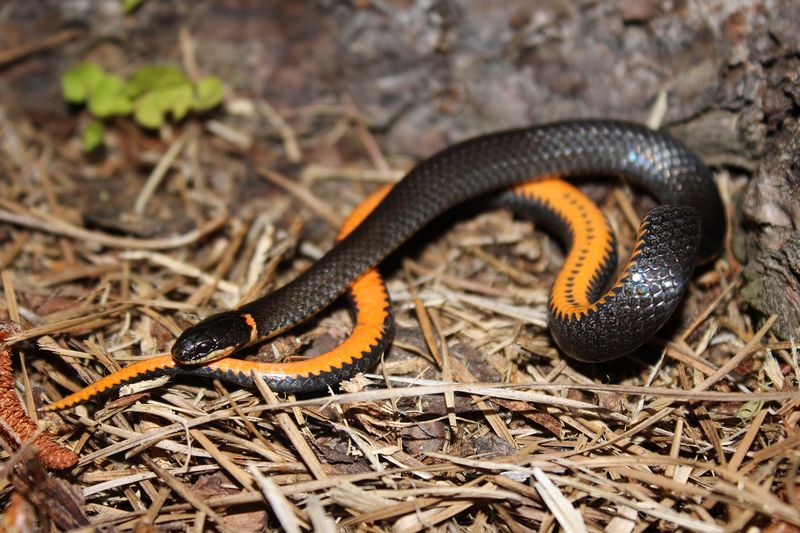
Lift a corner of mulch on a cool morning, and you might uncover a tiny surprise wearing a golden necklace. The southern ring-necked snake is one of the shyest guests in any garden.
These little reptiles usually measure only 8 to 14 inches long. Their bodies are black or slate gray, with a yellowish ring around the neck that can sometimes be broken or missing.
Mulch suits them perfectly because it stays moist and offers plenty of places to tuck away. They also hide under logs, rocks, and piles of leaves, where food is easy to find.
Speaking of food, their menu includes earthworms, slugs, salamanders, small lizards, and even tiny snakes. That makes them a handy helper for anyone tired of slugs nibbling their lettuce.
Your Florida Garden Changes Every Week. Your Plan Should Too.
Gardening in Florida changes quickly throughout the season. Every Friday you’ll receive a simple weekly plan showing exactly what to plant, prune, fertilize, harvest, and protect so you never miss the right timing.
Here is a fun fact to share with friends. When a ring-necked snake feels nervous, it may curl its tail to flash a bright orange or red underside.
It might also release a stinky scent, but biting is rare. Their defense plan is more about looking strange and smelling bad than fighting back.
If you find one, just let it be or gently cover it back up with mulch. A pencil-thin trail through your flower bed could easily belong to this tiny, polite visitor.
3. Tiny Blind Snakes Burrow In Flower Beds
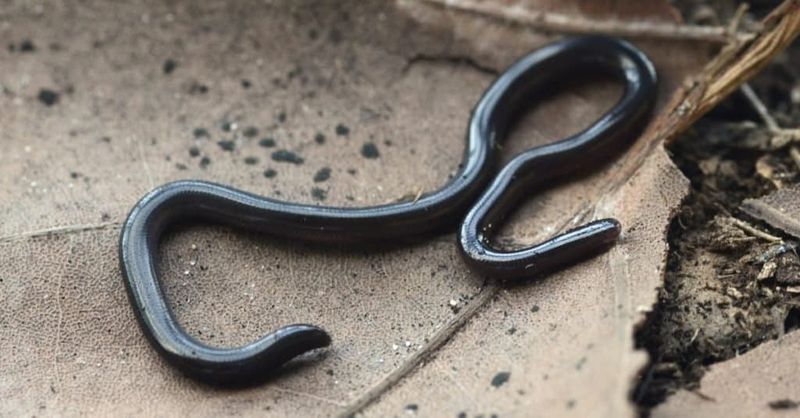
Ever pulled what you thought was an earthworm out of a flowerpot, only to watch it flick a tiny tongue at you? Congratulations, you probably met a Brahminy blindsnake.
Gardeners often call it the flowerpot snake, and the nickname fits. This non-native species likely arrived in the state tucked inside potted plants shipped from overseas.
Brahminy blindsnakes are usually just 4 to 6 inches long and about as thick as a spaghetti noodle. Their bodies are shiny, smooth, and dark brown or purplish gray.
Unlike earthworms, they do not have rings around their bodies, and they move with a quick wiggle. Their eyes are tiny dots under scales, so they mostly sense the world through touch and smell.
These snakes spend most of their lives underground. Loose soil, leaf litter, mulch, sawdust piles, and the spaces under rocks make ideal homes for them.
Their diet is surprisingly useful for homeowners. They feast on the eggs, larvae, and pupae of ants and termites, which few people will complain about.
Here is a wild bit of trivia. Every Brahminy blindsnake found so far is female, and they can reproduce without a mate.
So if you see faint, thread-thin trails in loose mulch, a blindsnake might be the artist. They are harmless and cannot bite people.
4. Brownsnakes Hunt Slugs In Suburban Gardens
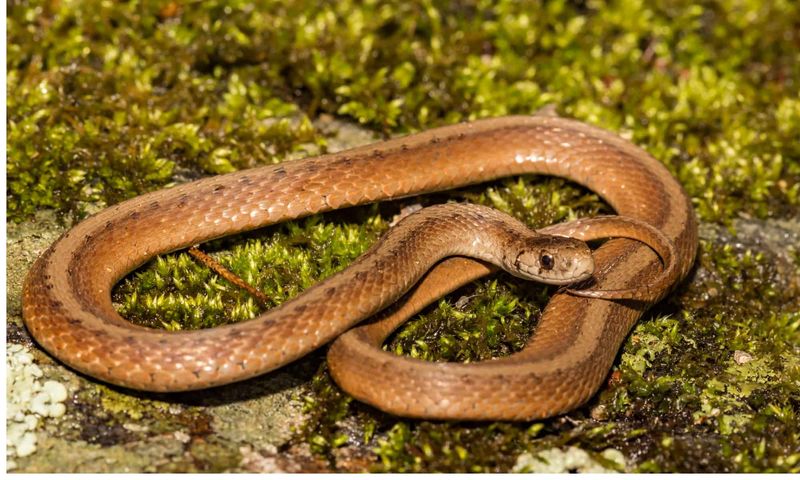
Slugs, beware, because a small brown hunter is on patrol after sunset. The Florida brownsnake is a quiet worker that loves suburban neighborhoods just as much as people do.
Most of these snakes grow only 7 to 10 inches long. They have a brown back and a whitish belly that often shows little dark spots.
You could walk past one every day and not notice it. Brownsnakes hide beneath leaf litter, logs, rocks, boards, and other cover, including thick layers of mulch.
They tend to be active in the early evening and at night. That timing explains why you might find fresh tracks in the morning without ever seeing the snake itself.
Their favorite meals are slugs and earthworms, with an occasional insect for variety. For gardeners growing hostas, lettuce, or strawberries, that slug habit is great news.
Brownsnakes are known for being mild-mannered. They rarely bite, even when picked up, though they may squirm and release a smelly musk to say, please put me down.
If you want to welcome these helpers, skip harsh slug pellets that could harm them. A little leaf litter in a back corner can give them a cozy place to stay.
Spotting their small trails is a sign your garden is balanced and full of life.
5. A Snake Trail Can Point To Nearby Prey
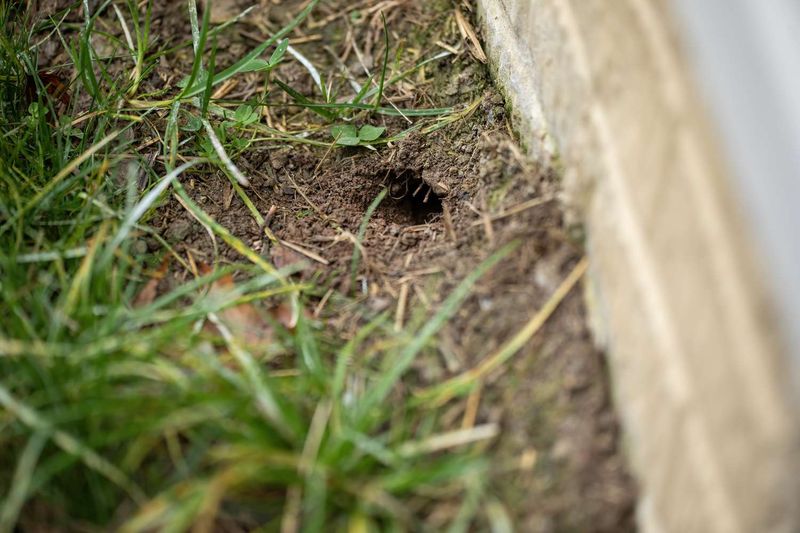
Think of yourself as a backyard detective for a moment. A snake trail is a clue, and it can tell you more than you might expect.
Start by checking the width of the track. Pencil-thin lines usually belong to small snakes, such as ring-necked snakes or young rat snakes.
Wider grooves suggest a bigger snake, though soft mulch can blur the edges. Fresh tracks look crisp, while older ones get softened by rain, wind, and sprinklers.
Next, notice whether the same path appears again and again. Repeated tracks along one route may mean a snake is using it regularly and possibly resting somewhere close by.
Now for the most interesting clue of all. Snakes go where the food is, so a trail often signals that small prey animals live nearby.
Those prey animals could be mice, frogs, lizards, insects, or slugs. If you have been seeing more anoles on your fence or mice near the bird feeder, the snake is simply following the buffet.
This information is useful if you want fewer snake visits. Cleaning up spilled birdseed, securing trash cans, and reducing rodent hiding spots can shrink the snack supply.
On the other hand, if you enjoy natural pest control, the trail is proof that your garden food chain is working.
6. The Snake Is Probably Just Passing Through
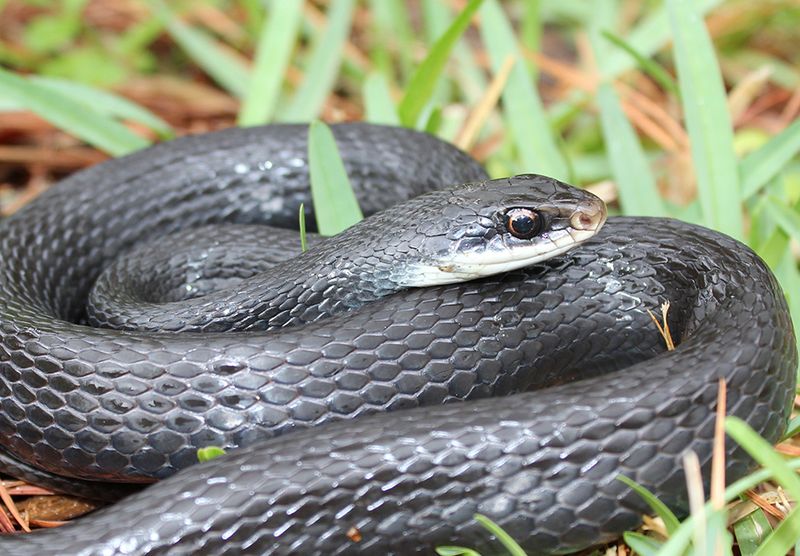
Imagine a traveler cutting across a parking lot to reach the store on the other side. That is pretty much what a single snake track across your yard means.
Snakes wander into gardens for three main reasons. They are looking for food, shelter, or a comfortable temperature.
Florida weather swings from hot afternoons to cool nights, so snakes move around to stay just right. Your sun-warmed mulch or a shady shrub might be a quick rest stop along the way.
One lonely trail usually means the snake was hunting and kept on going. By the time you notice the marks, it may already be several yards away or even in your neighbor’s garden.
Many snake species do not settle well in busy neighborhoods anyway. Lawn mowers, barking dogs, kids playing, and car noise make yards less appealing as a permanent home.
Snakes are also secretive by nature and prefer to stay out of sight. Most will slither away fast the moment they feel footsteps or sense a person nearby.
So before you panic, take a deep breath and look around calmly. Unless you see repeated tracks or the snake itself returning, there is a good chance your visitor has moved on.
Consider it a quick hello rather than a long stay.
7. Wear Gloves When Working In Flower Beds
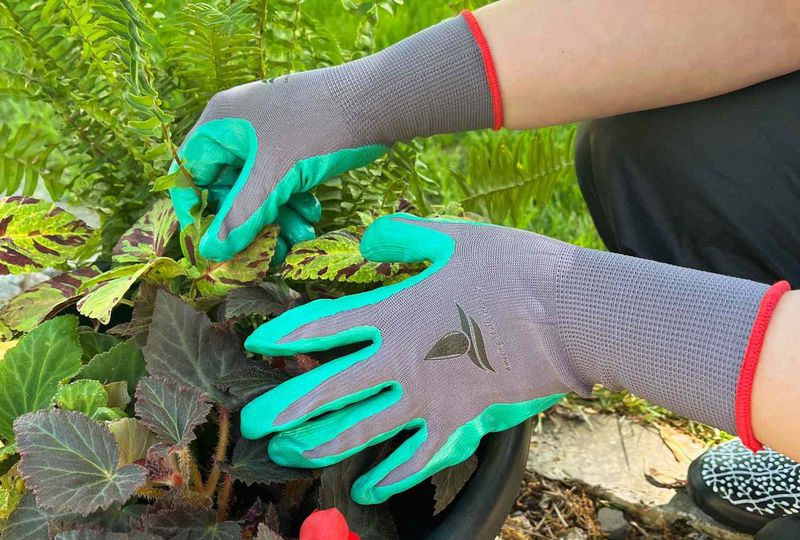
My neighbor Linda swears by her thick leather gloves, and not just for thorny roses. After finding a little snake curled under a pot, she decided her hands deserved better protection.
Her habit is a smart one for every Florida gardener. Thick gloves and sturdy boots create a simple barrier between you and anything hiding in the greenery.
Snakes like dense plants, leaf piles, mulch, and the spaces under rocks and logs. Those are also the exact places where we reach in to pull weeds or move things around.
Most snakes actively avoid people. They strike only when they feel cornered or surprised, like when a hand suddenly lands on top of them.
A few easy habits can lower that risk even more. Use a rake or stick to stir mulch before reaching in, and lift boards or pots by tipping them away from you.
Look before you grab, especially in the early morning or evening when many snakes are moving. A flashlight helps if you garden near sunset.
Choose gloves that cover your wrists and are made of thick leather or heavy canvas. Rubber boots or tall work boots protect your ankles while you step through beds.
With the right gear, you can garden with confidence and enjoy your plants without jumpy nerves.
8. Keep Brush And Wood Piles Away From The House
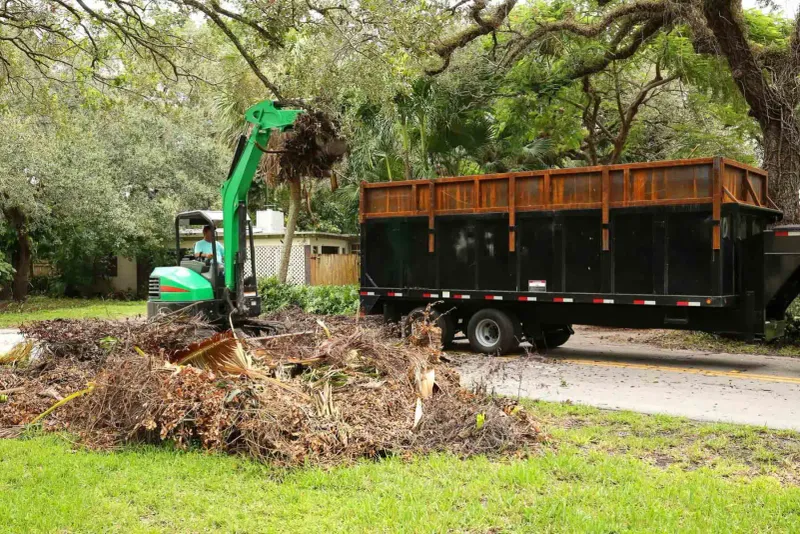
A messy woodpile is basically a five-star hotel for wildlife. It offers shade, shelter, and a steady room service of mice and insects.
If you would rather not have snakes lounging near your back door, tidiness is your best tool. Removing hiding spots and food sources makes your yard far less inviting.
Start with the grass. Keeping it mowed short means snakes have fewer places to hide while crossing, and you can spot them more easily.
Next, trim shrubs and tree branches so they do not touch the house. Overgrown plants against walls create a shady highway right up to your foundation.
Brush piles, yard debris, and stacks of lumber should sit well away from buildings and play areas. Store firewood neatly on a rack that lifts it off the ground.
Rodents are the other half of the puzzle. Seal gaps around doors and vents, keep trash cans tightly closed, and avoid leaving pet food or spilled birdseed outside.
Fewer mice means fewer reasons for a hungry snake to hang around. It also protects your home from chewed wires and other rodent trouble.
You do not need a bare, lifeless yard to make this work. Just keep the cozy wild corners at the edges of your property, far from where people spend time.
9. Skip The Snake Repellents
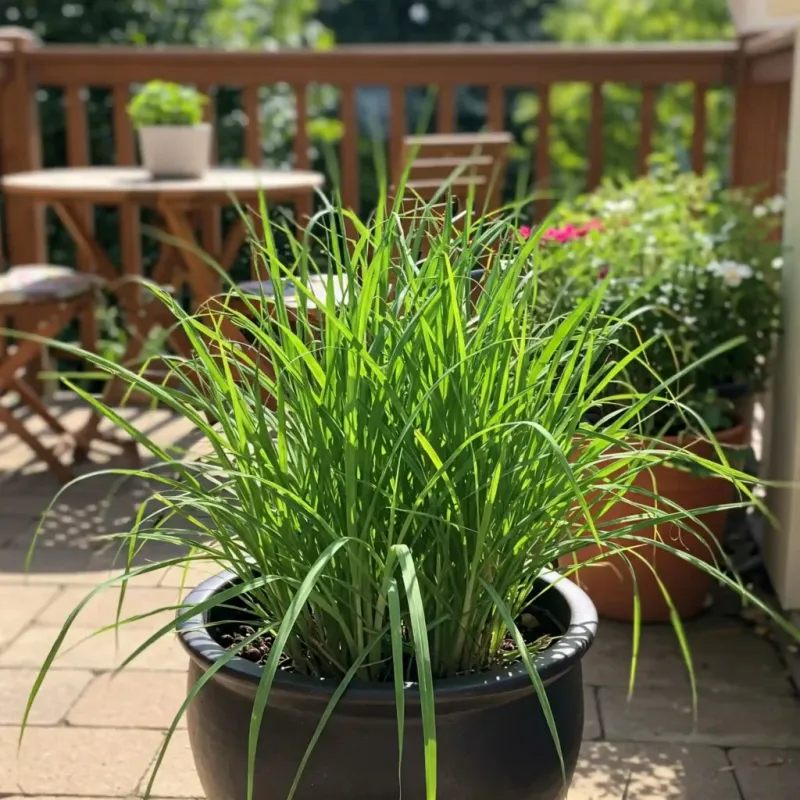
Walk down any garden store aisle, and you will see bottles and gadgets promising a snake-free yard. Sadly, those bold labels tend to promise much more than they deliver.
Experts at the University of Florida point out that advertised snake repellents generally do not work well. Scientific evidence backing them up is very limited.
That includes popular home remedies, too. Vinegar, citrus sprays, eucalyptus oil, and mothballs show up in online tips, but research does not support them as reliable fixes.
Mothballs can even cause harm to pets, kids, and the soil. Using them outdoors in ways not shown on the label is also against the rules.
Sonic devices that buzz or vibrate are another letdown. Snakes do not seem bothered enough by them to change their habits for long.
So where should your money and energy go instead? The most effective plan is to remove what attracts snakes in the first place.
Clear debris piles, reduce rodent nests, and cut off easy food sources like spilled seed. Pair that with neat landscaping, and your yard becomes a less tempting stop.
Think of it as changing the menu instead of putting up a sign. When there is nothing tasty or cozy to find, most snakes simply keep traveling past your garden.