Why You Might See More Rattlesnakes Moving Around Florida In Early Fall
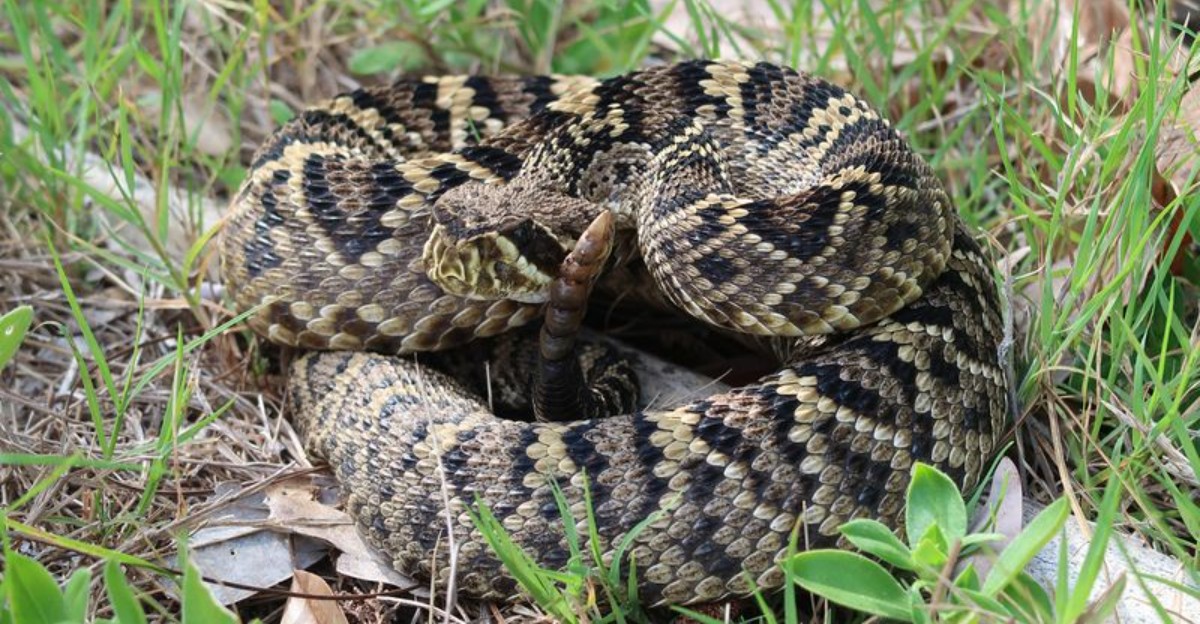
You step outside, glance toward the edge of the lawn, and there it is: a rattlesnake in a place you have never seen one before. Then another sighting happens down the road.
Maybe you start wondering if something has changed around your property. In a way, it has.
The shift from Florida’s relentless summer conditions into early fall can change where rattlesnakes spend their time, what they hunt, and how often people cross paths with them. That does not mean they suddenly want to live near your house.
Their movements follow conditions you may barely notice. Temperature, rainfall, prey, and shelter all play a part, but the biggest clue can be the timing of the sightings themselves.
If rattlesnakes seem to be turning up more often right now, the calendar may have more to do with it than your yard does. And one seasonal change matters more than the rest.
1. Cooler Temperatures Wake Them Up
Something surprising happens to rattlesnakes once summer’s blazing heat begins to fade. Instead of hiding to stay cool, they come out more, because early fall gives them the comfortable warmth they love.
Rattlesnakes are ectotherms, which is a fancy word meaning they rely on outside heat to warm their bodies. They can’t create their own heat like people or dogs do.
During the hottest parts of summer, snakes often stay tucked away in shady spots or underground to avoid overheating. The scorching sun can actually be dangerous for them.
When fall arrives, daytime temperatures settle into a range that feels just right. As temperatures become milder in early fall, rattlesnakes may spend more time moving and basking in the open.
Because the weather is so pleasant, you may notice snakes stretched out on warm trails, driveways, or rocks soaking up the sun. They are simply enjoying the ideal conditions.
This is a good time of year to watch where you step, especially in sunny, open areas. Keep your eyes on the ground during walks and hikes.
Understanding that snakes are just chasing comfortable warmth makes their fall behavior easier to predict and respect.
2. Breeding Season Sends Males Wandering
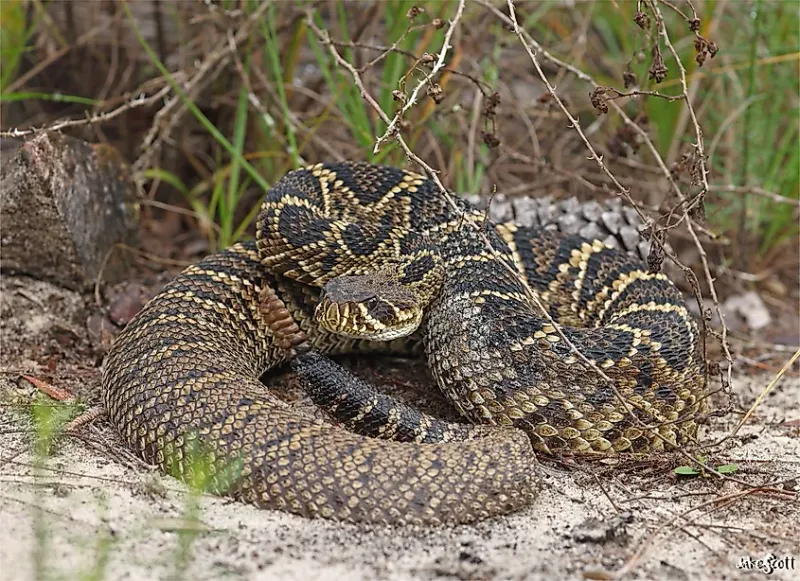
Fall is like dating season for Florida rattlesnakes, and it changes how they behave in a big way. Male snakes become travelers, roaming far and wide to find mates.
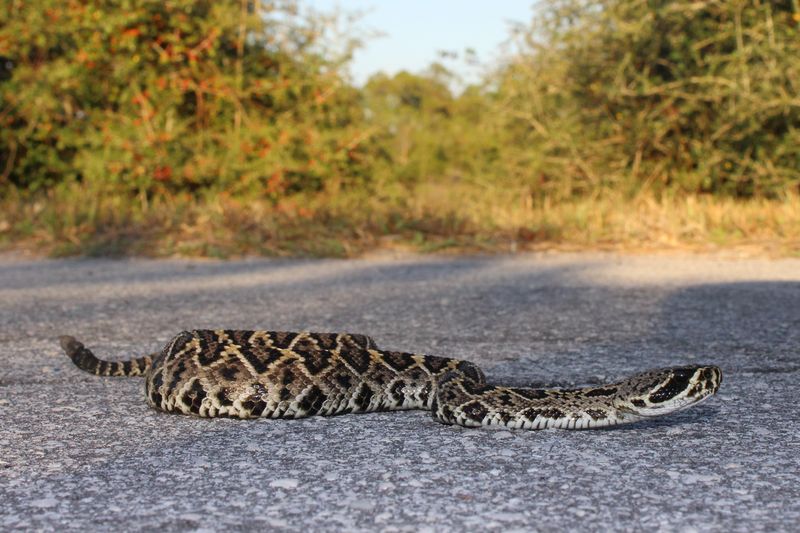
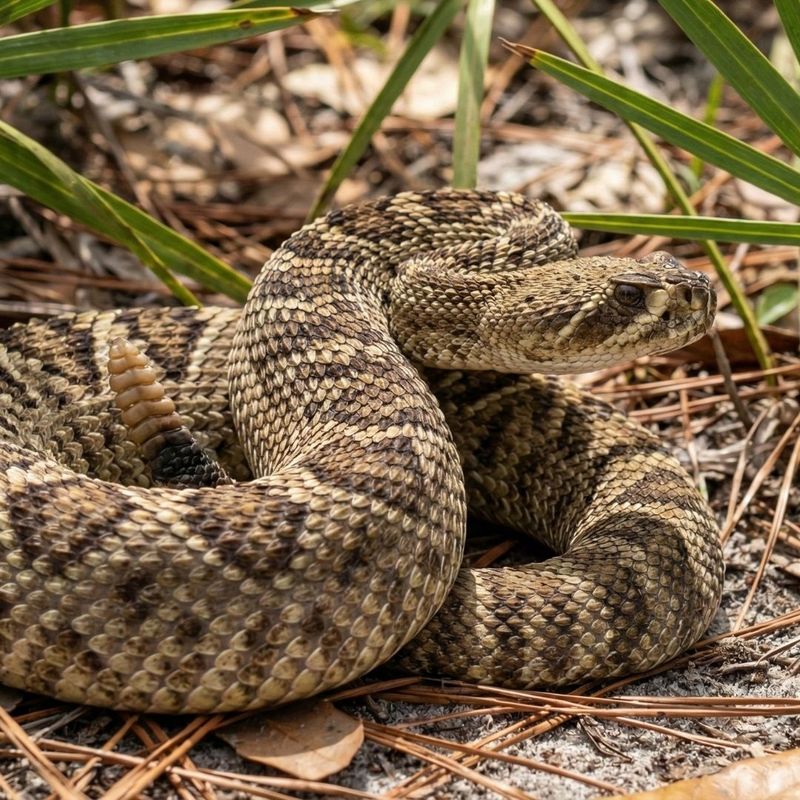
Eastern Diamondback rattlesnakes reach their peak mating time in late summer and fall. In southern Florida, this activity can stretch all the way into December.
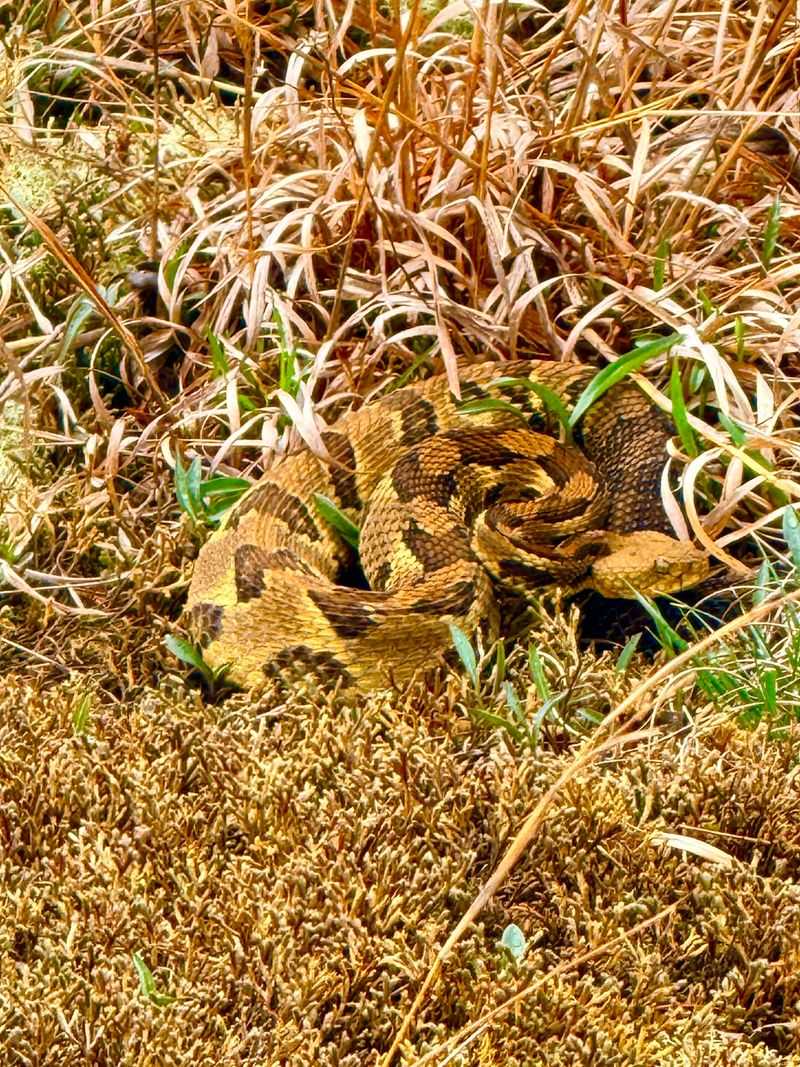
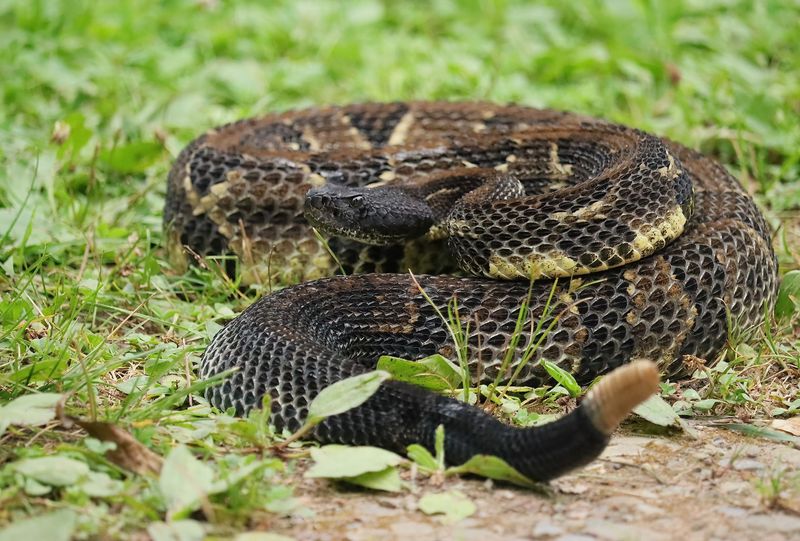
Timber, or Canebrake, rattlesnakes also breed during the fall months. That means several of our native species are on the move at once.
During this season, hormones push male snakes to cover long distances searching for females. A snake that would normally stay hidden might suddenly cross wide open spaces.
This drive can make males bolder than usual. They may wander into yards, gardens, or other places they would typically avoid.
Because they are focused on finding mates, these snakes travel during daylight and cover ground they don’t normally explore. That’s a big reason sightings jump up.
Your Florida Garden Changes Every Week. Your Plan Should Too.
Gardening in Florida changes quickly throughout the season. Every Friday you’ll receive a simple weekly plan showing exactly what to plant, prune, fertilize, harvest, and protect so you never miss the right timing.
If you live near woods or fields, you might notice more snake activity around your property this time of year. Stay alert near brush piles and tall grass.
Knowing that breeding drives this movement helps explain why fall feels like peak rattlesnake season across much of the state.
3. Baby Rattlesnakes Enter The World
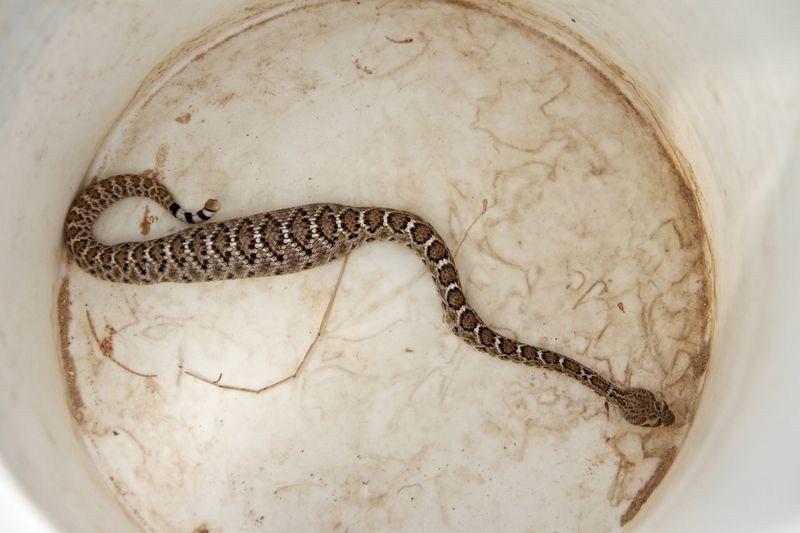
Late summer and early fall bring a wave of new life to Florida’s snake population. Baby rattlesnakes are born during this time, and they immediately begin exploring.
Unlike some reptiles, rattlesnakes give birth to live young rather than laying eggs. These newborns arrive ready to fend for themselves.
Right after birth, the little snakes set out in search of their very first meals. Their hunger sends them slithering into all kinds of places.
Because there are suddenly more snakes around, your chances of spotting one naturally go up. More snakes simply means more sightings.
Baby rattlesnakes may be small, but they still carry venom and should be treated with the same caution as adults. Never assume a tiny snake is harmless.
These youngsters often show up in gardens, under logs, or near piles of leaves where insects and small prey gather. Keep your yard tidy to make it less inviting.
If you have children or pets, teach them to look but never touch any snake, no matter how small. A safe distance keeps everyone protected.
The arrival of these newborns is a natural part of the season, adding to the busy rattlesnake activity that fall brings across the state.
4. Hunting For Food Before Winter
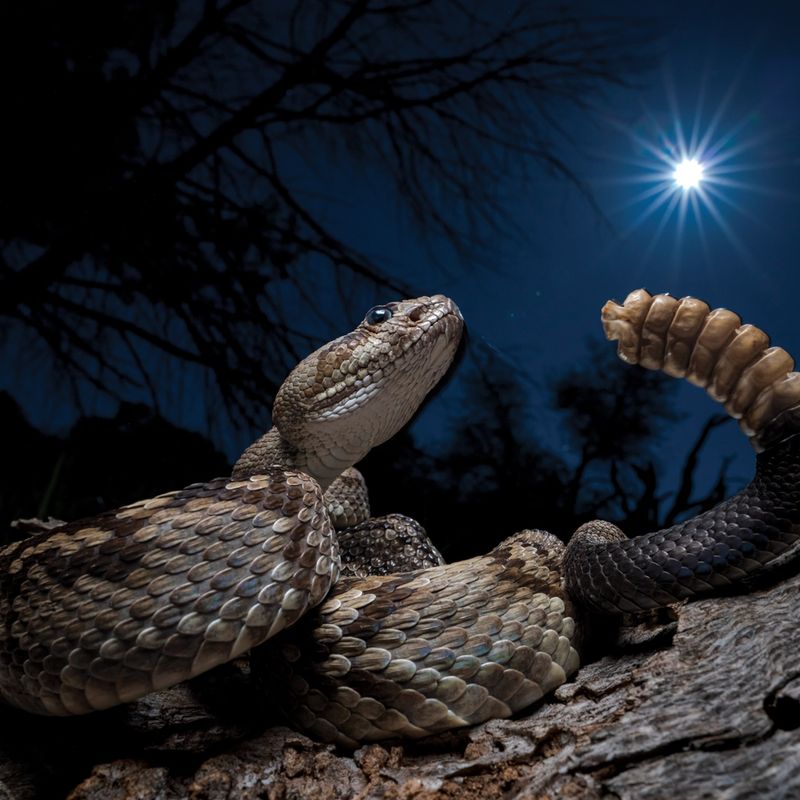
As the days grow shorter, rattlesnakes shift into full hunting mode. Fall brings plenty of hunting opportunities, and rattlesnakes take advantage of favorable temperatures and available prey.
Storing energy helps them get through periods when meals become harder to find.
To do this, rattlesnakes become more active during daylight hours, searching for prey like mice, rats, and other small animals. Sunny days give them the warmth they need to hunt.
This daytime foraging is one reason people bump into snakes more often in autumn. When snakes hunt while we’re outside, paths naturally cross.
A hungry rattlesnake may follow the scent of rodents into unexpected places, including sheds, garages, and yards. Where the food goes, the snake follows.
Keeping your property free of rodents can lower the chance of attracting snakes. Seal food sources and clear away clutter that mice might use for shelter.
Remember that snakes hunting for food are not looking for trouble with people. They simply want to eat and prepare for the season ahead.
Giving them plenty of space lets them do their job as helpful predators while keeping you safe during this hungry, busy stretch of fall.
5. Searching For Winter Shelter
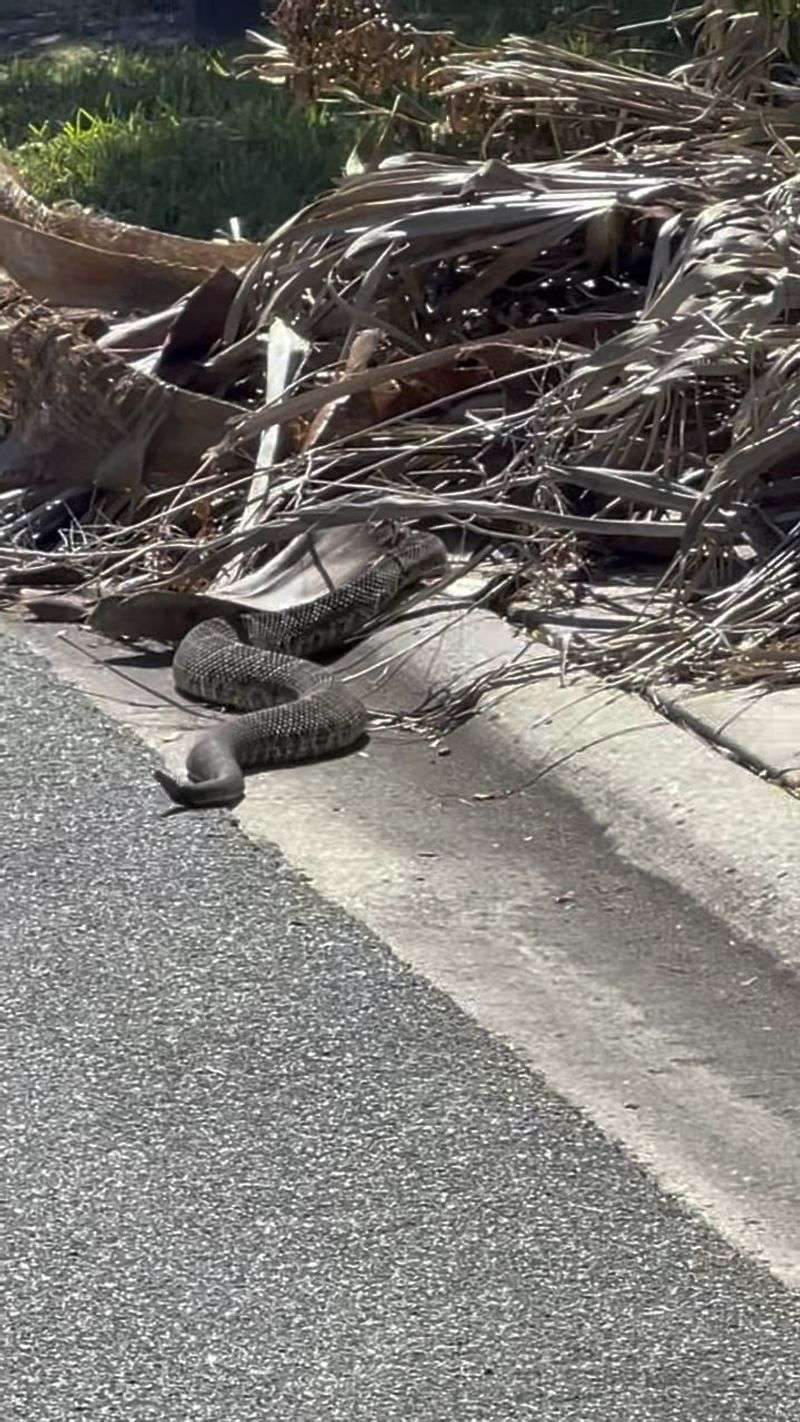
Rattlesnakes use sheltered places such as burrows, stump holes, and other protected spaces when temperatures or weather conditions make surface activity less comfortable. Part of that preparation means finding the right place to rest.
Snakes enter a state called brumation, which is similar to hibernation. During brumation, they slow way down and stay mostly still until warmer days return.
Before settling in, rattlesnakes travel around looking for cozy shelters like burrows, rock piles, hollow logs, and thick brush.
All this searching means you might see snakes crossing yards or trails as they scout out safe hideaways. They are basically house hunting for winter.
Sometimes their search leads them toward buildings, especially when prey like rodents have already moved indoors. Following food can bring snakes closer to homes.
To keep snakes from choosing your property, close gaps under doors, seal foundation cracks, and remove piles of wood or debris. Fewer hiding spots means fewer visitors.
Checking around your home for cozy nooks a snake might like is a smart fall habit. Small repairs can make a big difference.
Knowing that snakes are simply looking for a safe winter resting place helps you understand their extra movement during this transitional time of year.
6. Rainfall Pushes Snakes To Higher Ground
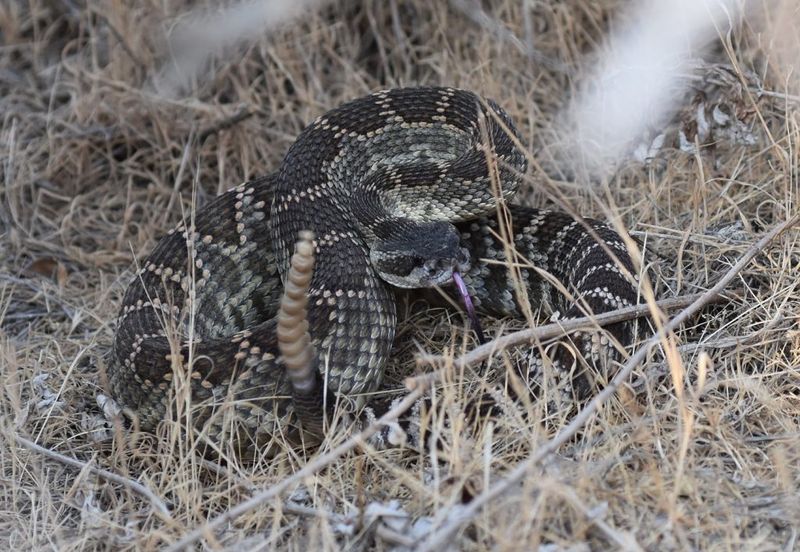
Florida’s fall weather often comes with plenty of rain, and that moisture affects where snakes go. Wet ground can send them searching for drier spots.
When heavy rains soak the landscape, low areas and burrows can flood. Snakes don’t want to stay in soggy, waterlogged homes.
Heavy rain and flooding can temporarily displace snakes, prompting them to seek drier shelter and potentially bringing them into areas they do not normally use. This shift can bring them into new areas, including neighborhoods.
You might notice a snake near your home or along raised paths after a big storm. They are simply trying to stay above the flooding.
Rain does more than push snakes around, though. It also boosts the activity of their prey, like frogs, toads, and rodents.
With more food moving about, snakes follow, hunting where the action is. Rainy stretches can turn into busy feeding times.
After a strong storm, it’s wise to watch your step in the yard and along trails. Snakes may be temporarily displaced and looking for shelter.
Keep an eye on porches, garages, and other dry areas that might tempt a snake seeking refuge. Check before reaching into shadowy corners.
Understanding how rain shifts snake movement helps you stay alert during wetter fall days, when sightings can suddenly increase.
7. Three Native Species On The Move
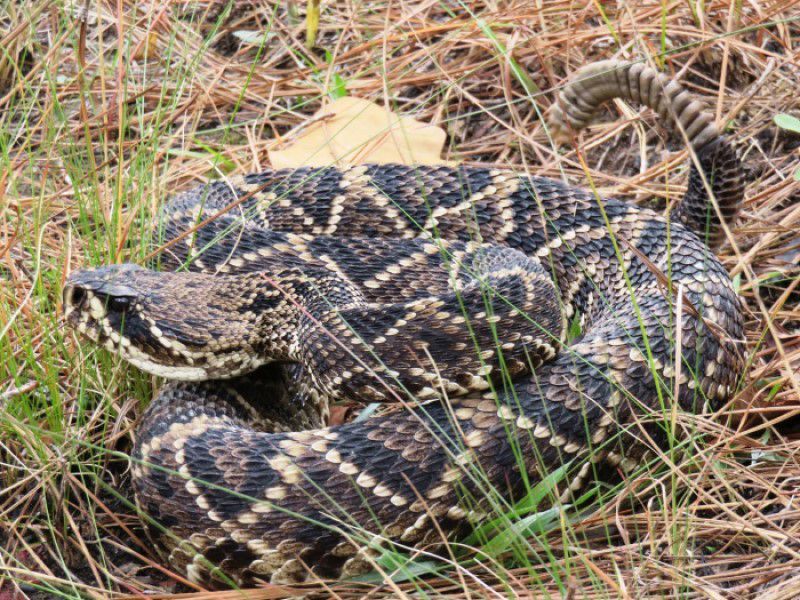
Florida is home to not one but three kinds of native rattlesnakes, and each adds to the fall activity. More species means more snakes out and about.
The Eastern Diamondback is the largest and most famous, found across much of the state. Its diamond-shaped markings make it easy to recognize.
The Pygmy rattlesnake is much smaller but lives in many of the same regions. Despite its tiny size, it still packs venom and deserves respect.
The Timber rattlesnake, also called the Canebrake, mostly lives in northern Florida. This species prefers wooded areas and river bottoms.
Their ranges and habits differ, but fall breeding activity can make rattlesnakes more noticeable in areas where these species occur. Different habitats across the state each have their own residents.
Depending on where you live and the habitat nearby, you may encounter a rattlesnake during autumn. No region is completely snake-free.
Learning to identify these three snakes can help you know what you’re looking at from a safe distance. Never get close to make an ID.
Each species plays an important role in nature by controlling rodent populations. They deserve appreciation, not fear.
Recognizing that three types are all busy in fall explains why Florida feels especially lively with snakes this time of year.
8. Warm Roads Become Snake Hangouts
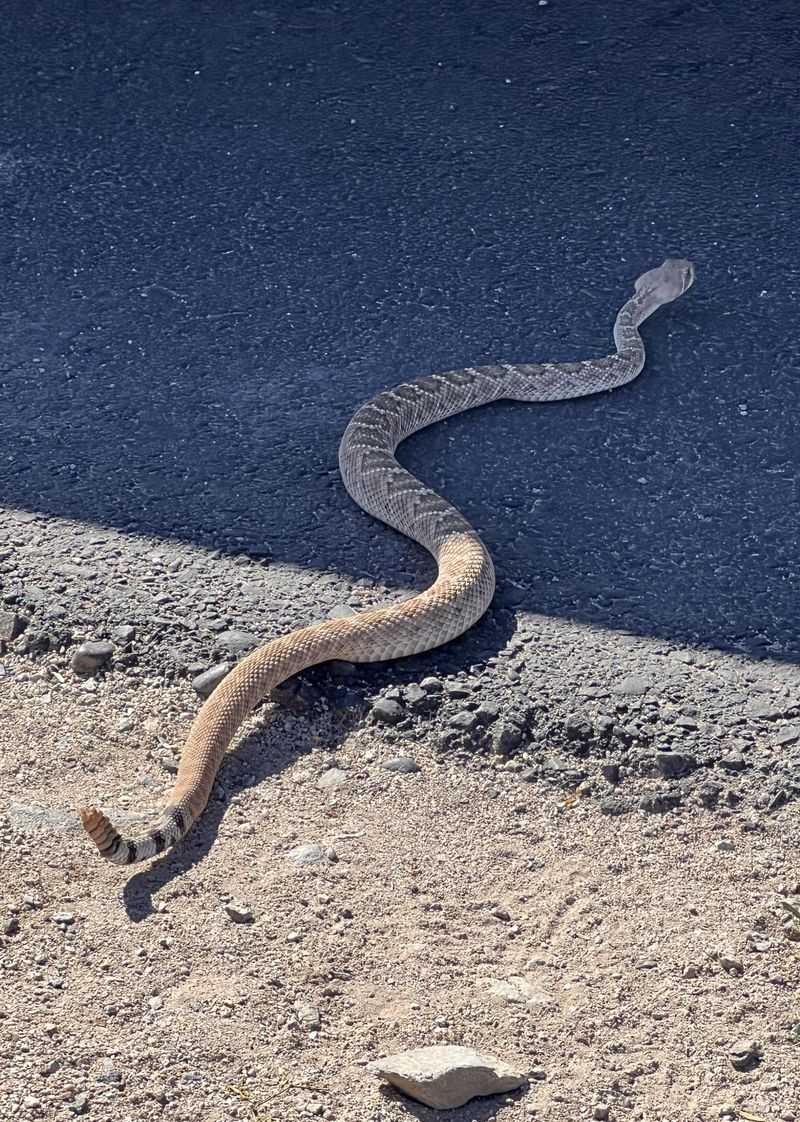
Have you ever noticed snakes on roads in the evening? Warm pavement can attract snakes because they use external heat to regulate their body temperature, particularly when surrounding temperatures are cooler.
Roads and driveways soak up heat from the sun all day long. Even after sunset, that warmth lingers in the asphalt.
Since snakes rely on outside heat to stay warm, a toasty road feels like a cozy heating pad. They stretch out to soak up every bit of warmth.
As fall nights turn cooler, these warm surfaces become even more appealing. A snake will happily rest on a road that holds the day’s heat.
This behavior means drivers and walkers often spot rattlesnakes on roads during autumn evenings. Rural areas see this especially often.
If you drive in the countryside at dusk, keep an eye out for snakes stretched across the pavement. Slowing down protects both you and them.
When walking near roads at night, use a flashlight and stay aware of your surroundings. A snake blending into the pavement can be hard to see.
Never try to move a snake off the road yourself, as this can lead to a dangerous bite. Let it move on its own.
Understanding why roads attract snakes helps you stay watchful and avoid surprise encounters during Florida’s cooler fall nights.
9. Daytime Activity Increases
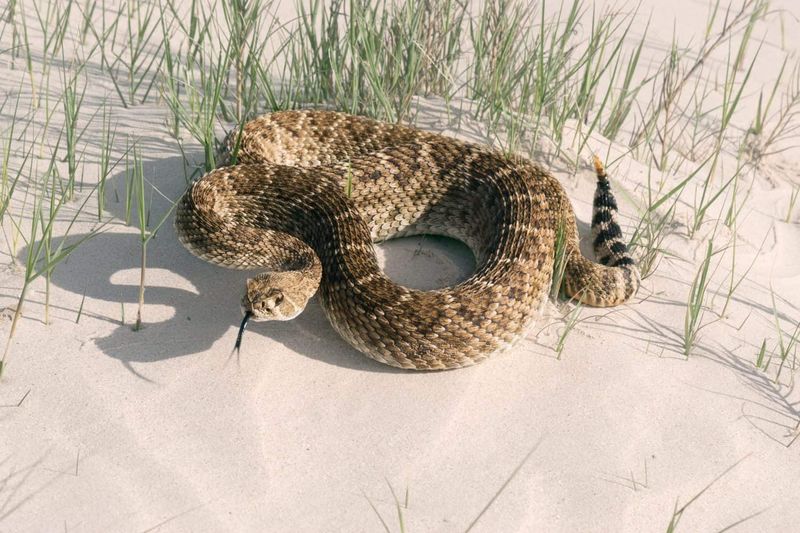
Eastern diamondbacks are primarily active during the day, although extreme summer heat can influence when they move. As fall brings more comfortable temperatures, daytime encounters can become easier to notice.
Once temperatures cool to a comfortable level, rattlesnakes switch to being active during the day. The daytime warmth is finally just right for them.
They use these sunny hours to hunt, travel, and soak up heat. Being out in daylight helps them prepare for the colder season ahead.
Because people are also outside during the day, this overlap leads to more encounters. Both humans and snakes share the same sunny hours.
You might spot a rattlesnake during a morning walk, an afternoon hike, or while working in the yard. Daytime is now prime snake time.
This shift is completely natural and simply reflects the snakes chasing ideal temperatures. They are not being aggressive, just comfortable.
To stay safe, keep watch on the ground during daytime outdoor activities. Wear closed shoes and long pants when exploring grassy or wooded spots.
Give any snake you see plenty of room, and it will usually go about its business without bothering you. Many bites occur when people approach, handle, or otherwise disturb a snake.
Knowing that fall snakes are daytime creatures helps you stay alert during the very hours you’re most likely to be outdoors enjoying the season.
10. Prey Animals Are Also Busy
Rattlesnakes aren’t the only creatures active in fall, and that matters a lot. Their favorite meals are hustling around too.
Rodents like mice and rats become busy gathering food and finding shelter as cooler weather approaches. Frogs and toads also stay active in the damp conditions.
When prey animals move around more, snakes follow right behind them. A rattlesnake goes wherever the easy meals lead.
This connection means that busy prey equals busy predators. More rodents on the move creates more chances for snakes to hunt.
Sometimes rodents head toward homes and buildings seeking warmth and food, and snakes trail after them. That’s how a snake can end up near your house.
Keeping rodents away from your property is one of the smartest ways to keep snakes away too. Remove pet food, birdseed spills, and open trash.
Sealing cracks and gaps stops mice from getting inside, which also removes a snake’s reason to follow. Fewer rodents means fewer slithering visitors.
Trimming tall grass and clearing brush takes away hiding spots for both prey and predators. A tidy yard is a less inviting yard.
Understanding the link between prey and snakes shows that controlling one helps control the other. Managing rodents is your best tool for a snake-free space this fall.
11. Snakes Following Prey Into Homes
Nobody wants to find a rattlesnake near their house, yet fall makes this more likely. The reason comes down to following food and warmth.
As temperatures drop, rodents often seek shelter inside garages, sheds, and homes. Where the rodents go, hungry snakes may follow.
A snake following prey or seeking shelter can sometimes find its way close to a home through an opening. Snakes fit through surprisingly tiny gaps.
They may also be searching for a warm, safe spot to spend the cooler months. Your cozy home can look like the perfect winter hideout.
To keep snakes out, seal cracks around your foundation, doors, and windows. Even a small gap can be an open invitation.
Check that garage doors close tightly and that vents are properly screened. Blocking entry points is your strongest defense.
Removing clutter, wood piles, and debris near your home takes away hiding places that attract snakes. A clean perimeter discourages visitors.
If you ever find a snake inside, stay calm, keep your distance, and call a professional to remove it safely. Never try to grab it yourself.
Being aware that snakes may follow prey indoors during fall helps you take steps early. A little prevention keeps your home comfortable for people, not reptiles.
12. How To Stay Safe During Fall
With rattlesnakes so active in fall, a few simple habits can keep you and your family safe. A little awareness goes a long way.
Watch where you step and place your hands when hiking, gardening, or exploring outdoors. Snakes often rest in spots we don’t think to check.
Wearing closed-toe shoes and long pants adds a layer of protection during outdoor adventures. Boots are especially smart in tall grass.
Stick to clear trails and avoid stepping over logs or reaching into thick brush where snakes might hide. Go around obstacles instead.
If you spot a rattlesnake, freeze, then slowly back away and give it plenty of space. Most snakes want nothing to do with people.
Never try to catch, harm, or move a wild rattlesnake, since that’s when most bites happen. Respect its space and let it leave.
Teach children to admire snakes from far away and to tell an adult if they see one. Curiosity is fine, but touching is not.
Keep your yard tidy by trimming grass and removing debris to make it less appealing. A neat space discourages snakes from settling in.
If someone is bitten, stay calm and get medical help right away. Quick action makes a big difference for a good recovery.