The Pennsylvania Lawn Job That Gets Harder After The Third Week Of September
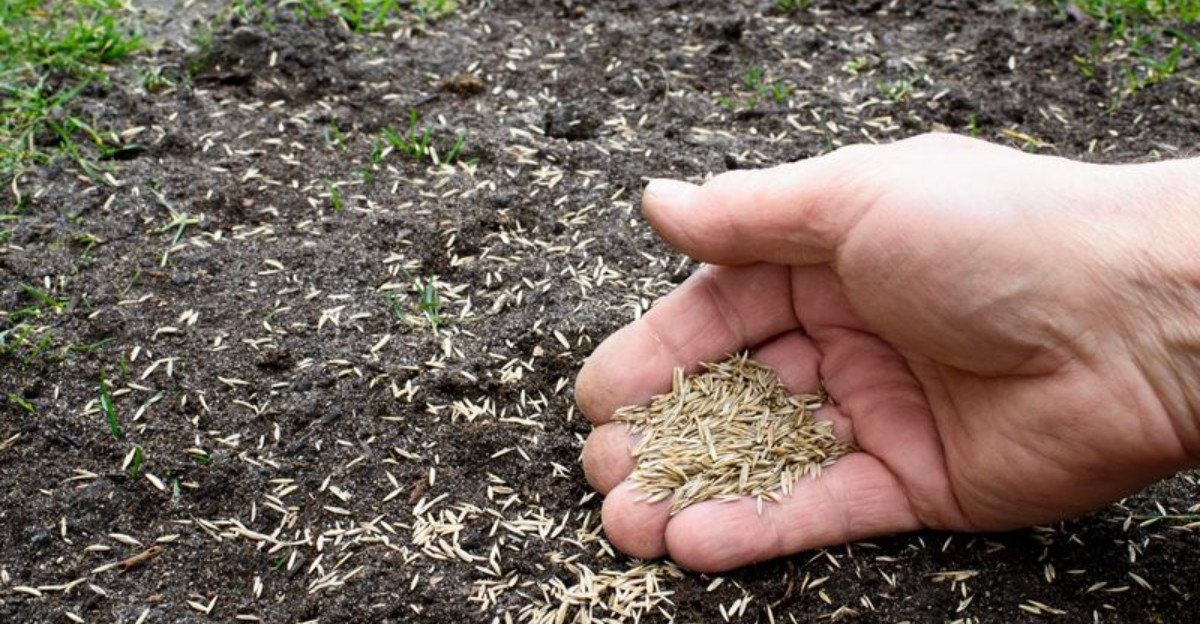
There is a certain period in September when a Pennsylvania lawn still looks fixable. The air smells like cut grass and woodsmoke, and those thin spots along the driveway seem like a simple weekend problem.
Then the calendar flips a few pages, and the exact same effort quietly stops paying off. Nothing looks different out the window, but the ground underfoot has other plans.
Pennsylvania homeowners run into this every autumn without knowing why the rules changed. They put in the effort and buy the bag, then watch the yard shrug it off for weeks, if it responds at all.
One common fall chore in Pennsylvania runs on a clock instead of on the weather app. Learn where that cutoff sits, and you get a thicker yard next June for the same afternoon of sweat.
Seeding Cool Season Grass Has A Hard Calendar Cutoff In Pennsylvania
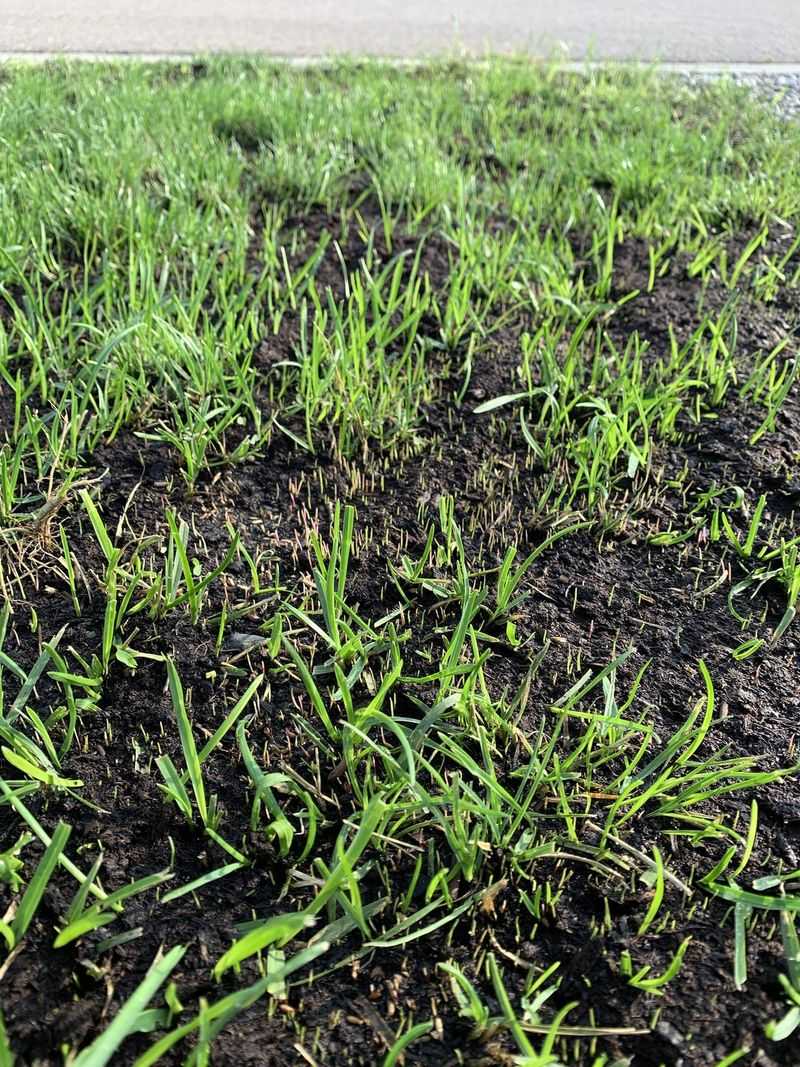
Across Pennsylvania, spreading seed works beautifully in late August and early September, then gets noticeably harder after the third week, though a slower window stays open into October.
The reason is simple. Seed needs warm soil to sprout and several weeks of decent growing weather afterward to build roots strong enough to handle winter.
Around September 20, the state’s soil starts cooling in a hurry. Germination slows from five days to two weeks or more, and seedlings that do appear stay small and shallow.
Homeowners often blame the seed brand, the sprinkler, or the squirrels. In reality, the calendar did most of the deciding before the bag was ever opened.
Penn State turf specialists have pointed to late summer through early fall as the sweet spot for cool season lawns in this region, with most guidance allowing right up to mid-October in a pinch.
Think of it like planting tomatoes in July. The plant may sprout, but it runs out of runway before the harvest.
Lawn seed works the same way, quietly and without drama. A seedling that reaches only an inch tall by Halloween has little root mass to hold moisture or resist frost heaving.
Knowing the cutoff changes how you plan your whole fall. Aeration, fertilizer, and cleanup can wait for October, but seed can’t wait the way the rest of the list can.
If you only get one lawn project done this month, make it the one with the calendar attached.
Soil Temperature And Daylight Behind The September Shutdown
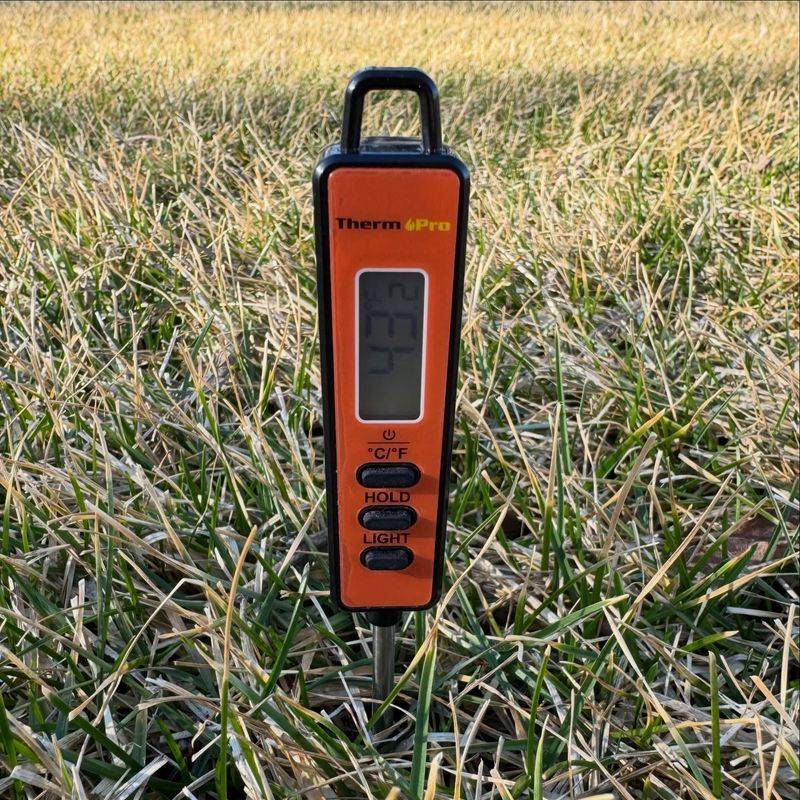
Seeds do not read calendars, they read warmth and light. Kentucky bluegrass, fescue, and ryegrass sprout best when soil sits between 55 and 70 degrees, measured about two inches down.
Pennsylvania soil hangs in that comfortable range through mid September. By the last week of the month, especially north and west, those readings slide into the 40s overnight and stay chilly.
Cold soil does not stop germination outright. It just stretches the timeline, and a seedling that takes three weeks to appear has lost the weeks it needed for root building.
Daylight matters just as much, and most people forget it. Every day after the equinox trims a couple of minutes of sunlight, which means less energy for a plant trying to grow from scratch.
Your Pennsylvania Garden Changes Every Week. Your Plan Should Too.
Gardening in Pennsylvania changes quickly throughout the season. Every Friday you’ll receive a simple weekly plan showing exactly what to plant, prune, fertilize, harvest, and protect so you never miss the right timing.
Grass also shifts its priorities in fall. Established lawns push energy downward into roots and crowns, storing food for winter, while brand new seedlings have no reserves to draw on.
Add the first frost, typically arriving in the Poconos by early October and near Philadelphia by late October, and tiny plants face stress they are not built to handle.
A cheap soil thermometer removes the guesswork entirely. Stick it in a sunny section of the lawn at mid morning, check it for three straight days, and you will know whether your window is open or closing.
Reading soil instead of guessing turns lawn care into something closer to cooking with a thermometer. You stop hoping, start knowing, and spend your seed money at the right moment.
The Third Week Of September Across Pennsylvania Regions
Pennsylvania stretches nearly 300 miles wide, so one date cannot fit every backyard. Still, the third week of September makes a useful statewide alarm bell, with a little sliding either direction.
Up in the northern tier, places like Bradford, Coudersport, and Wellsboro cool early. Gardeners there do better treating September 10 through 15 as their real finish line.
Around Pittsburgh, State College, and much of the central ridge and valley country, the middle of the month is prime time. Seed spread by September 20 usually has enough warm days left to catch up.
Southeastern lawns get the longest leash. Between Philadelphia, Reading, and Lancaster, warmer soil and city heat can push a workable window to roughly September 25.
Elevation shifts things more than mileage does. A lawn at 2,000 feet in Somerset County behaves like a lawn 150 miles north, cooling weeks ahead of the river valleys.
Small details on your own property matter too. South facing slopes and open sunny yards stay warmer, while shaded strips under maples and north facing banks run cool and slow.
Local knowledge beats any map. Ask a neighbor who has lived on the block for twenty years when they seed, or call the county extension office and ask about typical first frost.
Once you pin down your own regional date, write it on the kitchen calendar. Autumn gets busy with school, football, and firewood, and a lawn cutoff slips away easily. A sticky note on the mower handle works even better.
The Waiting Game That Costs Homeowners An Entire Season
Here is the trap that catches careful people. September in Pennsylvania often turns hot and dry, so homeowners wait for cooler, wetter weather before spreading seed, and by the time it feels right the soil has gone cold.
Others wait for the leaves to drop so they can rake once and seed after. Raking in November feels tidy, but the seed sits there doing nothing until April.
Then there is the bargain hunter’s mistake. Seed and fertilizer go on clearance in October, right after the useful window shuts, which makes cheap bags an expensive lesson.
Scheduling trouble adds to it. Weekend rain, travel soccer, and a broken spreader push the project back one week at a time until the month is gone.
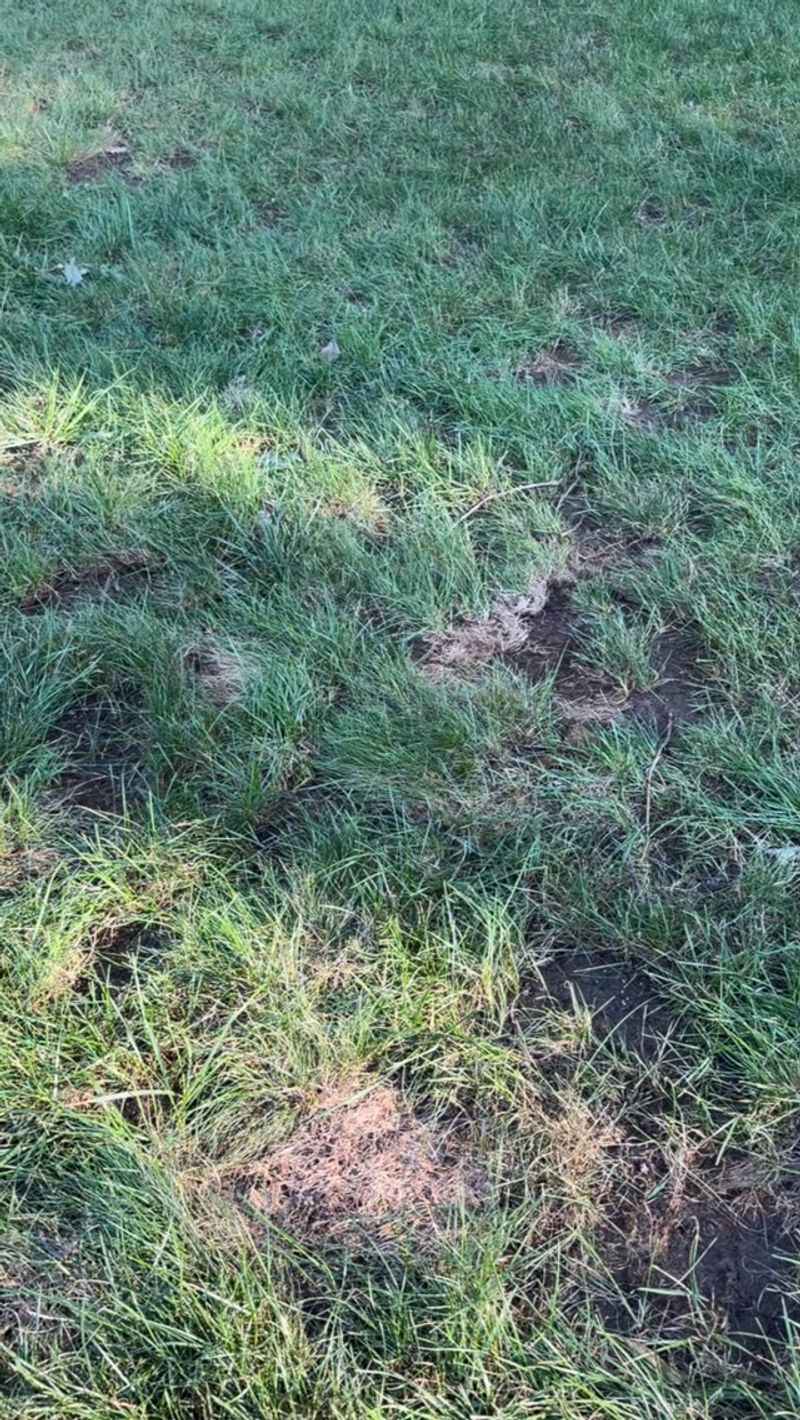
Skipping the window has a real cost beyond looks. Bare soil invites winter weeds, and by March those thin patches fill with chickweed, henbit, and early crabgrass instead of turf.
Spring seeding rarely fixes it either. New grass planted in April faces summer heat before its roots are ready, and crabgrass preventer cannot be used without harming the seedlings.
So one missed weekend in September can turn into a full year of patchy lawn. That is a long time to look at a thin strip along the driveway.
The fix is unglamorous. Pick a date, buy the seed early, and treat that Saturday like a dentist appointment you cannot reschedule. Everything else in the yard can wait a week, but the seed has far less patience.
A Practical Plan For Seeding Before The Window Shuts
Two weekends of decent effort beat a month of good intentions. Start by mowing shorter than usual, around two inches, and bagging the clippings so seed can reach actual soil.
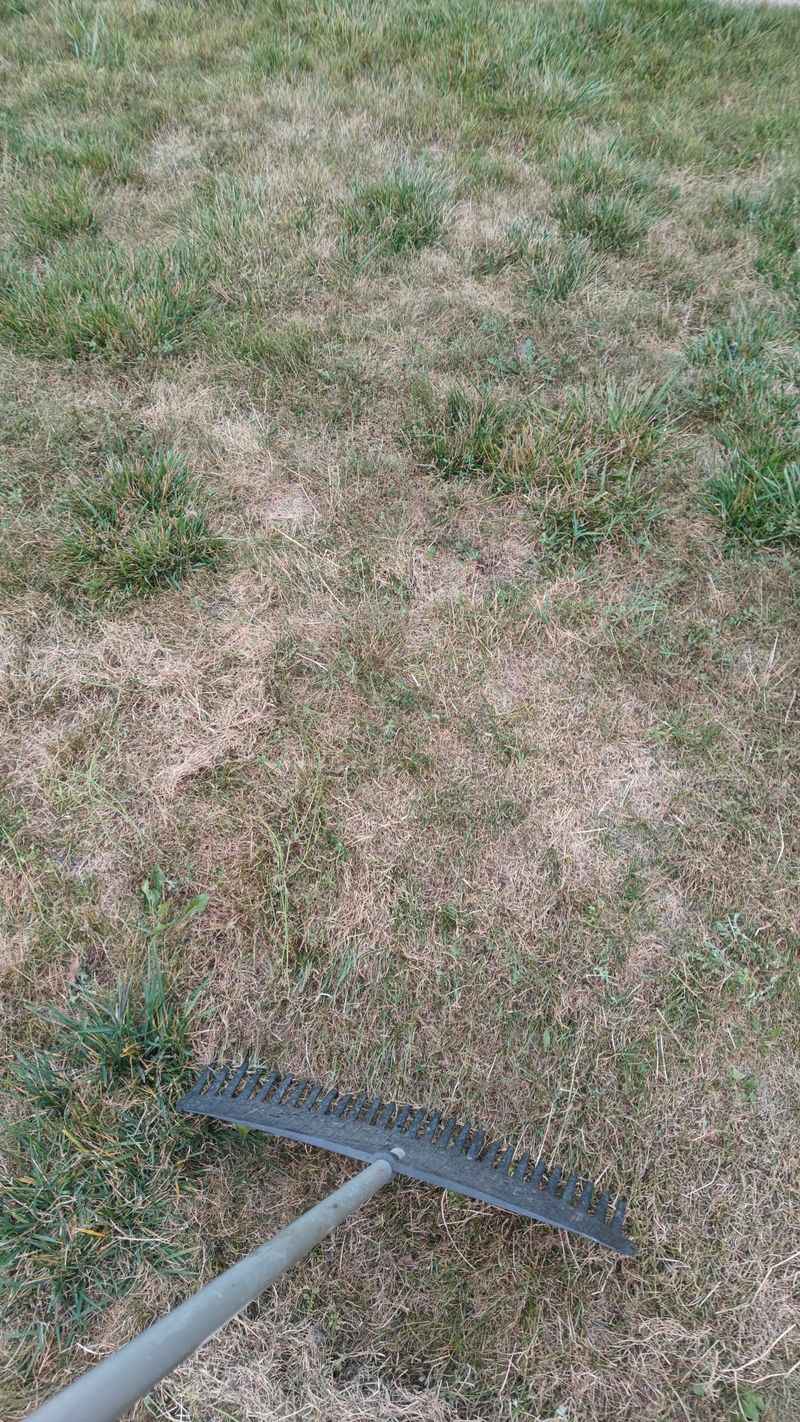
Rake or dethatch the thin areas until you see dirt. Seed needs contact with soil, and a bag scattered across matted thatch mostly feeds birds.
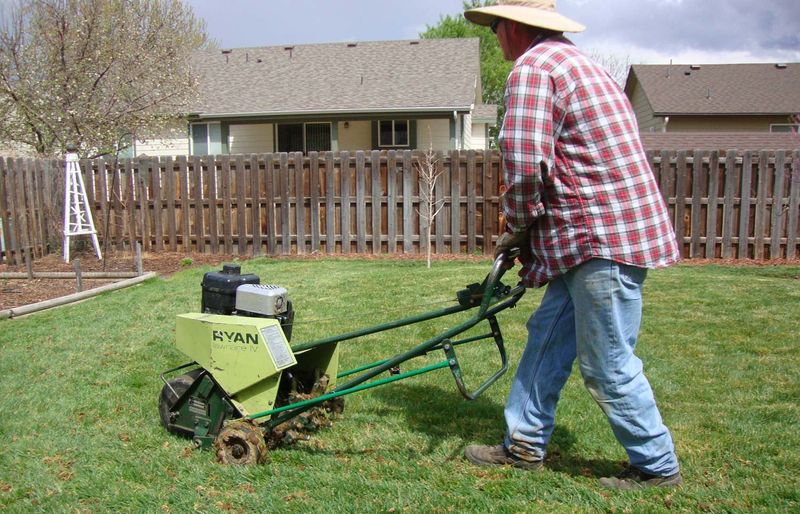
Core aeration helps compacted Pennsylvania clay more than almost anything else. Pull plugs, leave them on the surface, then spread seed right into the open holes.
Choose the right mix for your yard. Tall fescue handles heat and shade well in the southeast, bluegrass blends knit together nicely in sunny northern lawns, and perennial ryegrass sprouts fast when time is short.
Rates matter as much as timing. Roughly six to eight pounds of tall fescue per thousand square feet works for overseeding, and doubling that on bare ground is reasonable.
Add a starter fertilizer high in phosphorus at seeding time. Skip weed control products entirely, because most of them stall new grass for weeks.
Water lightly and often, not deeply and rarely. Ten minutes twice a day keeps the top half inch damp, which is exactly where seedlings live during their first two weeks.
None of this takes special equipment. A rented aerator, a borrowed spreader, and one determined afternoon cover most Pennsylvania yards.
Keep foot traffic and the dog off the area while things fill in. Mow again once the new grass hits three inches, using a sharp blade and a light touch.
Dormant Seeding, Spring Patching, And The Long Game Payoff
Missing the window is not the end of the story. Once soil temperature drops below about 45 degrees, usually mid to late November in most of the state, dormant seeding becomes an option.
The idea is old and a bit strange. Spread seed on frozen or nearly frozen ground, let winter freezing and thawing work it into the soil, and wait for it to sprout on its own in March.
Results run about half as reliable as fall seeding. Still, on a bare slope or a salt damaged strip near the sidewalk, half a result beats none.
Spring patching works for small trouble spots. Seed in early April, water carefully through May, and accept that summer heat will test those young plants hard.
Whatever route you take, protect the soil in the meantime. A thin layer of straw or a light compost topdressing holds moisture and slows erosion through the wet months.
Meanwhile, mark next year’s calendar with a smarter plan. Aim for the last week of August, which gives seedlings a full extra month of warm soil and steady growth.
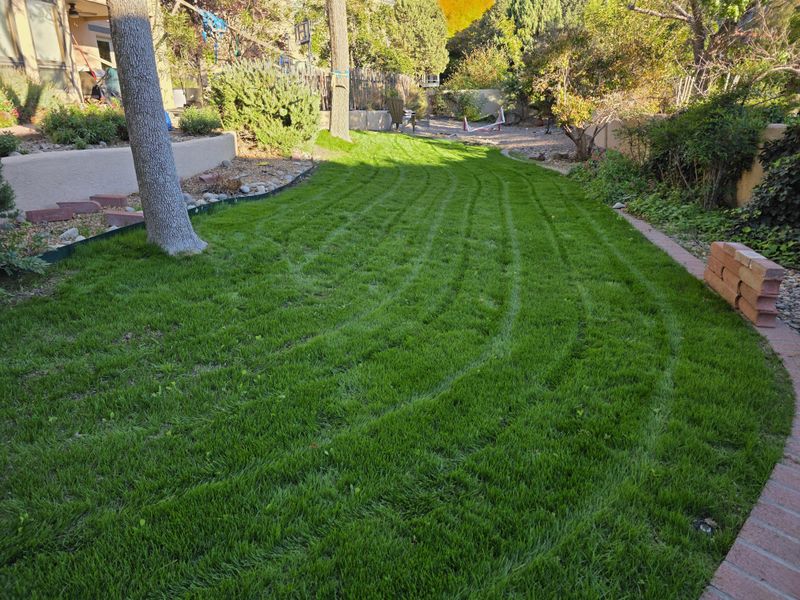
Lawns seeded on time show it by the following June. Thicker turf shades out crabgrass, holds up to backyard baseball, and needs less water during a dry July.
That is the quiet payoff of respecting one September cutoff. A single well timed weekend does more for a Pennsylvania yard than a whole spring of catching up. Your future self, standing barefoot in thick grass, will approve.