Something Small And Sharp-Toothed Is Slipping Into Alabama’s Ponds Right Now
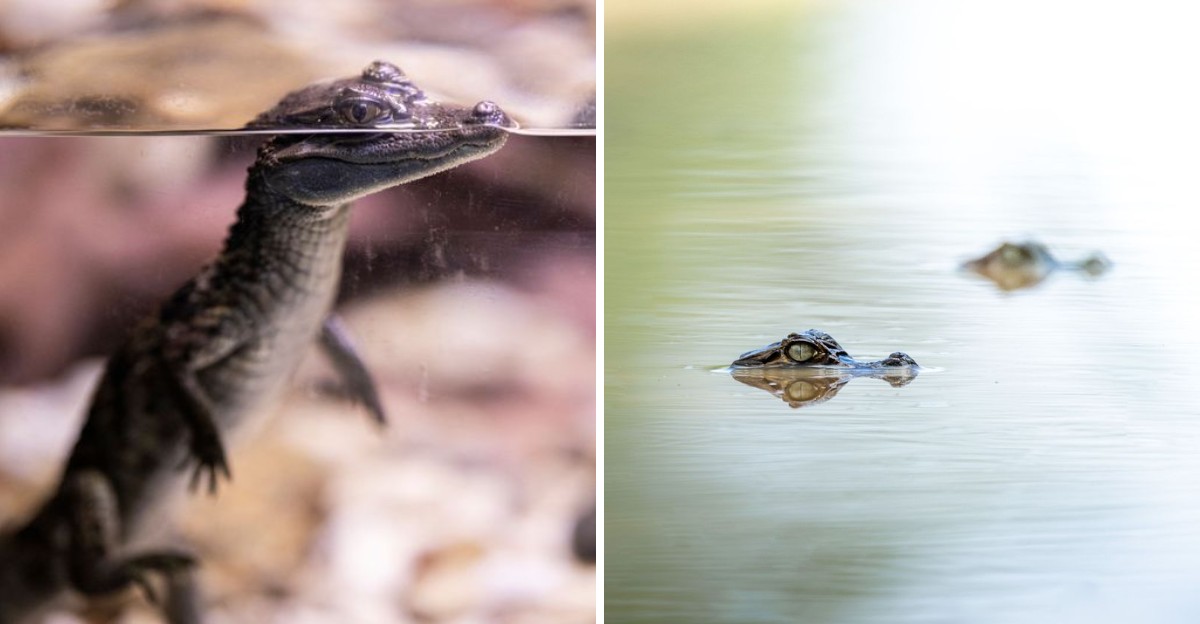
You hear a croaky yelp rising from the cattails as September settles over Alabama. A flashlight beam catches glowing eyes staring back from the shallows. You hear a croaky yelp rising from the cattails.
Alabama’s ponds turn restless once September settles in. Warm, weedy water hides fresh arrivals along muddy banks. Striped bodies slip into shallow water without a splash.
These newcomers hatched weeks ago and now they’re hunting fast. Farm ponds and neighborhood lakes suit them just fine. Locals across Alabama are noticing them more this month.
Their presence near your dock should not alarm you. Calm coexistence is possible once you understand their habits. Movement along the bank signals they’re already on patrol.
Small jaws snap fast at minnows drifting too close tonight. Patience defines the hunt long before the strike lands. Curiosity pulls you closer while caution holds you steady.
Watching from a safe distance teaches you more than fear ever could. What arrived this season won’t wait for your curiosity.
Late Summer Hatchlings Are Announcing Themselves
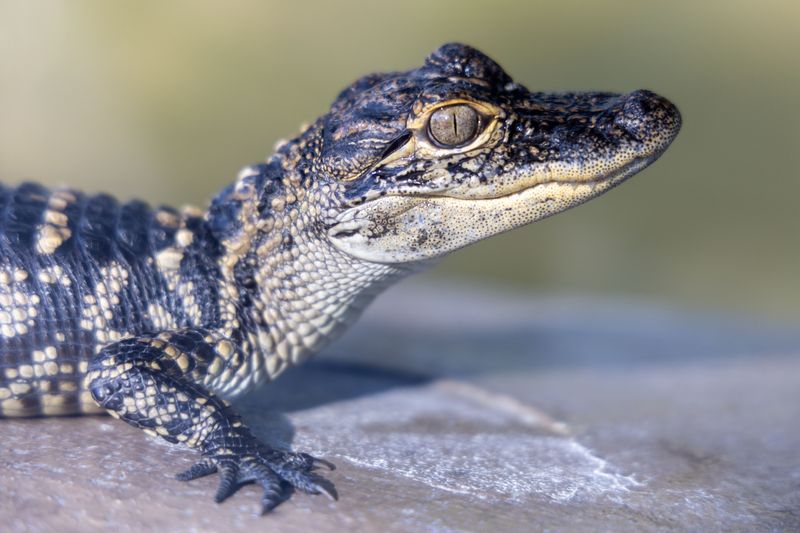
That odd chirping from the reeds is not a bird. Baby alligators hatch in Alabama from roughly mid-August into September, and they call to each other constantly.
The sound is often described as a squeaky grunt, halfway between a duck and a puppy. Biologists call it a distress or contact call, and it keeps the whole batch of siblings together in one loose cluster.
A nest usually holds 20 to 50 eggs, tucked inside a mound of piled vegetation the female built back in June or July. Heat from the rotting plants does the incubating, and warmer spots in the mound tend to produce males while cooler spots produce females.
When the little ones are ready, they grunt from inside the shell. Mom hears it, digs the mound open, and sometimes carries hatchlings to water in her mouth.
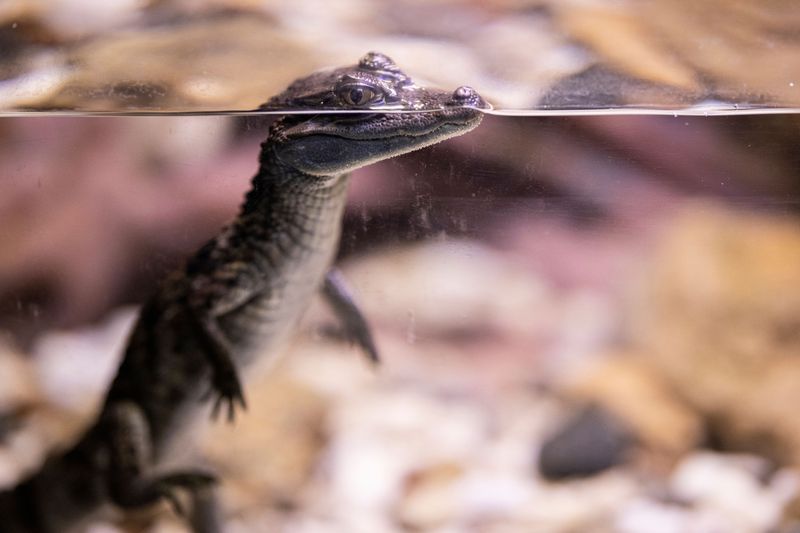
Newly hatched gators measure about 8 to 10 inches and weigh less than a stick of butter. Their tails look almost too long for their bodies, and their eyes seem oversized for their heads.
Because so many hatch at once, September is the month when people suddenly notice them everywhere. They were there all summer as eggs, just hidden in a grassy hump nobody looked twice at.
If you hear that chirping, take it as a clue rather than a scare. It simply means a nest was nearby and the new class has moved into the shallows.
Yellow Racing Stripes Make Them Easy To Spot
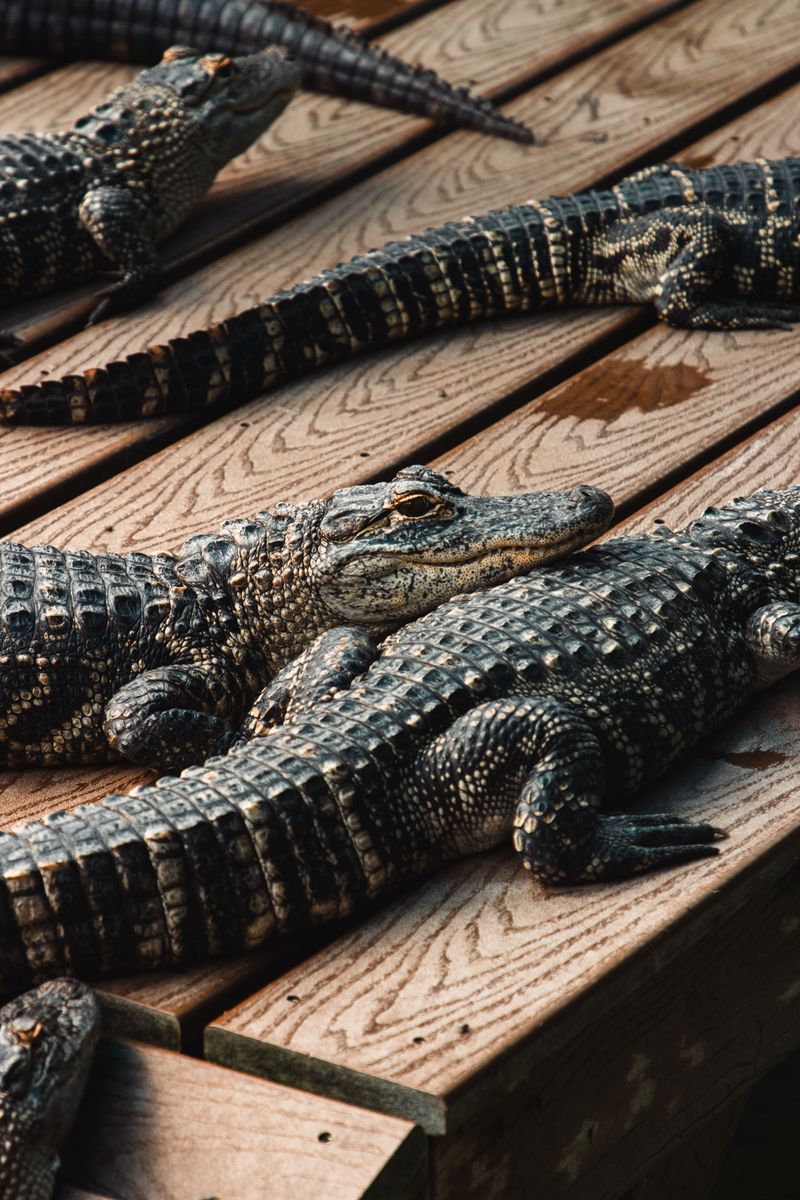
Nature gave these babies a paint job that looks like something off a school bus. Bright yellow or cream bands cross a dark, almost black body from neck to tail tip.
The pattern is not for show. Broken up against duckweed, shadows, and pond scum, those bands scramble the outline of a tiny reptile so herons and raccoons have a harder time picking it out.
Adults lose the stripes as they grow, fading into that familiar muddy gray-green. So if you see banding, you are looking at a youngster, probably under two feet long and likely hatched within the last year or two.
Your Alabama Garden Changes Every Week. Your Plan Should Too.
Gardening in Alabama changes quickly throughout the season. Every Friday you’ll receive a simple weekly plan showing exactly what to plant, prune, fertilize, harvest, and protect so you never miss the right timing.
Their heads offer another clue. A hatchling snout is short and blunt compared to the long, broad shovel of a grown adult, and the eyes sit high with a coppery shine when a light hits them at night.
Flashlight surveys are how researchers count them. Eyeshine from a baby glows a small pinprick of orange-red, while an adult’s eyes look like two burning coals spaced several inches apart.
Here is a handy trick anglers use. Measure the distance in inches between the eye bumps and the snout tip, and that number roughly equals the animal’s total length in feet.
On a hatchling that gap is barely an inch. Which tells you plenty about how small the newcomer really is, no matter how bold it looks.
Mom Is Closer Than You Think
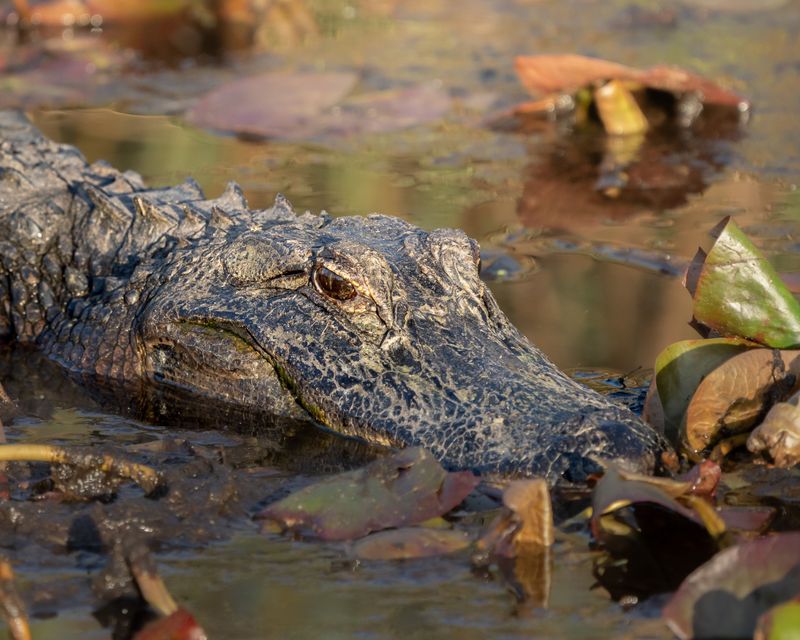
Reptiles get a bad rap as careless parents. Alligators break that stereotype in a big way. A female guards her nest through incubation, opens it when the babies grunt, and then stays with them for months.
Some broods hang around their mother for a year or longer, and she may respond to their calls by charging straight toward the sound.
Which is exactly why hatchlings deserve a wide berth. Picking one up, poking at it, or letting a dog investigate can trigger a fast response from an adult you had not noticed six feet away in the grass.
She is usually watching from the water with only her nostrils and eyes above the surface. Cattails, lily pads, and overhanging willow branches hide a nine-foot animal remarkably well.
You will also see hatchlings piled on her head and back like passengers. It looks adorable in photos, and it also means the whole family is together in one small area.
Practical move: back away quietly and give the shoreline a day or two before returning. Keep pets leashed near pond edges through early fall, since dogs are often what triggers a defensive response from a nearby adult.
Groups of babies are called pods, and siblings often stay together even after leaving mom. Seeing five or six little striped shapes in one cove is normal rather than alarming. Respect the distance and the whole scene stays peaceful.
Bugs, Snails, And Minnows Fill The Menu
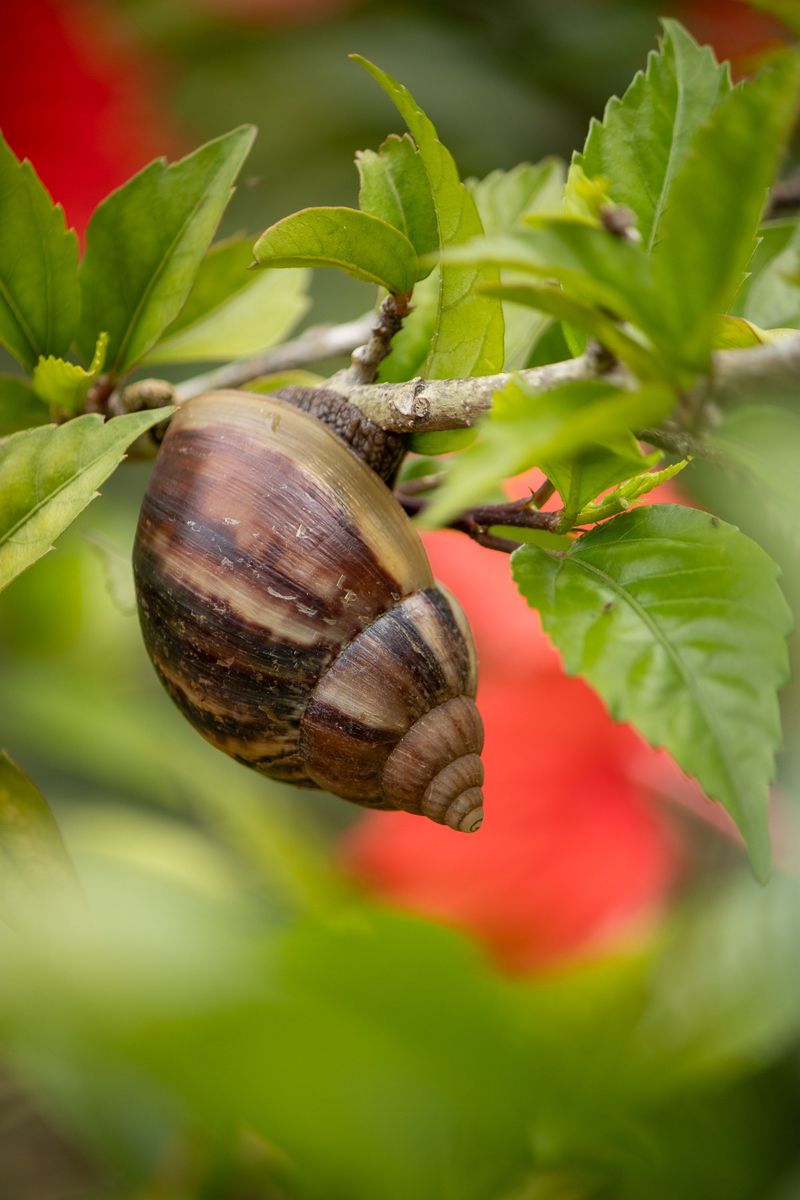
Those needle-sharp teeth are built for crunching, not for anything dramatic. A hatchling’s dinner list reads more like a frog’s diet than anything else.
Insects come first. Dragonfly nymphs, water beetles, grasshoppers that tumble off the bank, and spiders make up a huge share of what young gators eat during their first months.
Snails, crawfish, tadpoles, and small minnows round things out. As they grow past a foot and a half, they graduate to bigger fish, frogs, and the occasional small turtle.
Pond owners sometimes worry about their bass and bream population. Research on farm ponds suggests small gators actually target slow, easy prey, and a single juvenile has little measurable effect on a healthy fishery.
Their hunting style is patience with a sudden ending. A baby will float motionless for long stretches, then snap sideways at anything that swims within a couple of inches of its jaws.
“Cool trick: adult alligators sometimes balance twigs on their snouts near bird rookeries during nesting season, luring wading birds close enough to snatch. It’s one of the few documented cases of what researchers call tool-assisted hunting in a reptile.
Feeding them by hand is the one thing to avoid entirely. Handouts teach a gator to link people with food, and that learned habit is what turns a harmless little reptile into a problem animal three years down the road. Let them chase bugs on their own.
Where In Alabama They Turn Up
Ask a Gulf Coast angler and they will shrug. Baldwin and Mobile counties have had alligators since long before there were counties.
The state’s strongest populations sit in the Mobile-Tensaw Delta, the lower Alabama River system, and the coastal marshes. Numbers thin out heading north, but they do not disappear.
Lake Eufaula, the Tombigbee and Black Warrior corridors, and even parts of the Tennessee River near Wheeler National Wildlife Refuge host established groups.
Wheeler’s population traces back to a small stocking effort in the late 1970s and has quietly held on ever since.
Farm ponds are the wildcard. A young gator can travel overland during wet weather, crossing pastures and ditches to reach new water, which is how one shows up in a pond that had none last spring.
Shallow, weedy edges with plenty of cover attract them. Cattails, lily pads, buttonbush, and soft muddy banks give hatchlings the hiding spots they need to survive their first fall.
Alabama estimates tens of thousands of alligators statewide, and the population has grown steadily since protections began in the 1930s. Regulated hunts now run in specific zones each August under a limited tag lottery.
For pond owners, the takeaway is simple. Seeing a striped youngster does not mean your property is overrun, it usually means your water has good cover and a healthy bug and frog supply. That is a compliment, oddly enough.
Growing Up Is Hard For A Ten-Inch Reptile
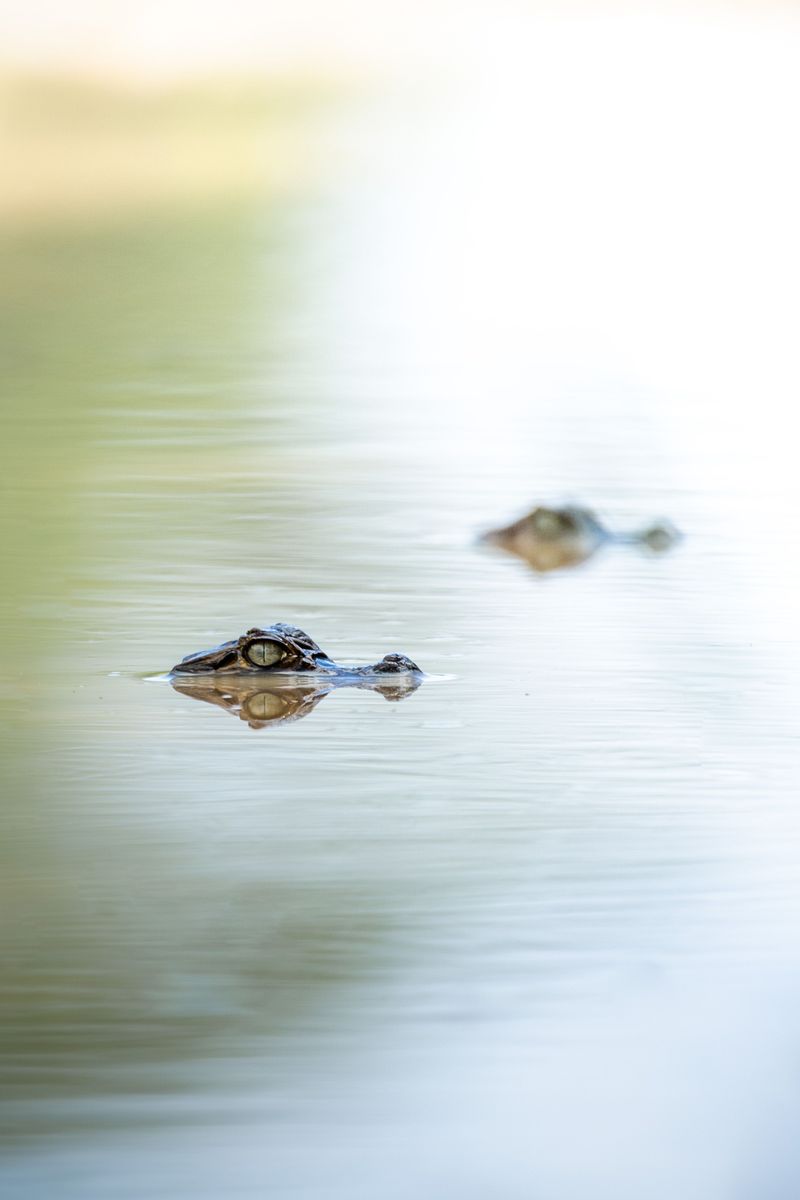
Statistically, the odds are stacked against the little ones. Many hatchlings don’t survive their first year, with predation from herons, raccoons, and larger gators taking the heaviest toll.
Herons, egrets, raccoons, otters, large bass, snapping turtles, and wading birds all treat a ten-inch gator as a snack. Bigger alligators are on that list too, which is why babies stick to thick vegetation.
Cold snaps add pressure. Alabama winters are mild, but a hard freeze in a shallow pond is tough on animals with almost no body fat.
Growth is slow at first, roughly a foot per year for the first few seasons. A hatchling from this September might reach three feet by 2028 and will not be sexually mature until around six feet, which can take a decade or more.
That slow pace explains why the animals need protection. Populations recover over decades, not seasons, which is what made the species’ comeback from near-extinction in the mid-1900s so remarkable.
For homeowners, the practical piece is patience. Small gators often move on by themselves as they get older and look for territory, and Alabama law protects them, so relocating or harming one without authorization is illegal.
If a gator becomes bold or shows up somewhere genuinely unsafe, the Alabama Division of Wildlife and Freshwater Fisheries handles nuisance reports. Call rather than handle it yourself.
Otherwise, enjoy the show from the porch. Few states offer this close a view of alligator life in an ordinary backyard pond