Smells Oregon Moles Dislike (And Whether They Actually Keep Them Away)
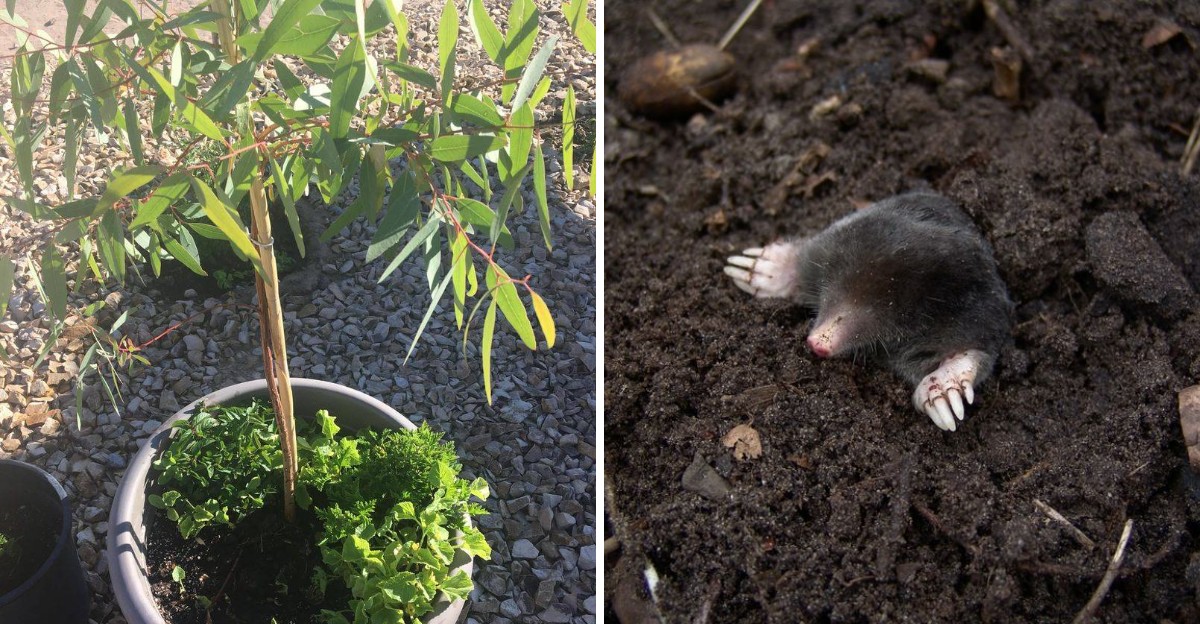
Fresh molehills can make an Oregon lawn feel like somebody opened a tiny underground construction company overnight.
You smooth one ridge. Another appears beside it. By evening, the search for a quick fix begins, and the kitchen cabinet suddenly looks full of possibilities.
Peppermint smells strong. Coffee smells stronger. Castor oil sounds unpleasant enough to convince almost anything to move.
But does a mole care? That is where garden folklore gets messy.
Some scents may irritate or redirect a mole for a while. Others have little evidence behind them, no matter how confidently the internet recommends them.
Oregon’s wet soil adds another complication because rain can dilute whatever you put down.
The bigger surprise comes after the smell fades.
A mole may simply shift tunnels, return later, or ignore the treatment completely.
Before you sacrifice the coffee grounds or empty an essential oil bottle into the lawn, it helps to know which smells have evidence, which mostly have stories, and when a different solution makes more sense for your yard.
1. Castor Oil Has Some Evidence, But Oregon Is The Catch
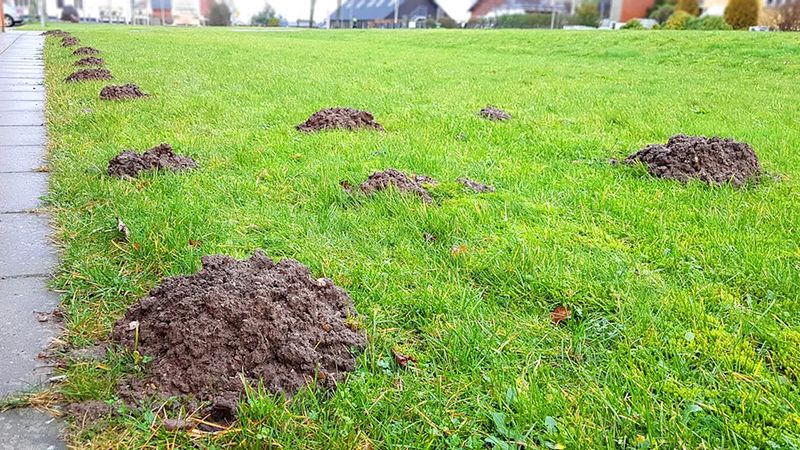
Among all the bottles sold for mole problems, castor oil has the strongest reputation.
There is a reason, but the fine print matters.
Research has shown some repellent effect on eastern moles. Oregon’s common problem species belong to a different western group, and that same success has not been clearly demonstrated on them.
That changes the promise quite a bit.
A castor-oil lawn treatment may still be worth a cautious trial when the damage is small and you want a nonlethal first step. Just do not treat the label like a guarantee.
Products usually need water to carry the material into the upper soil where active tunnels and food sources sit. A quick spray across dry grass may never reach the places that matter.
Follow the product directions rather than making the mixture stronger. More oil does not automatically create more persuasion, and oversaturated soil is not exactly a lawn upgrade.
Then watch fresh activity, not old mounds.
Flatten a few recent ridges and note where new ones appear over the next several days. That gives you a better read on whether the treatment changed anything.
Castor oil deserves more credit than peppermint or coffee grounds, but Oregon adds an important asterisk.
The mole may notice the scent. It just never signed a contract promising to move.
2. Rain Can Wash Away A Scent Before It Does Much
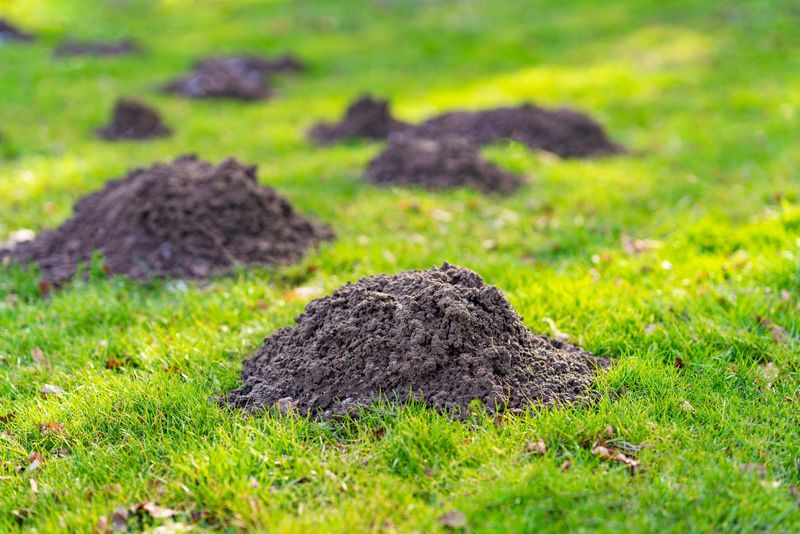
Oregon weather can ruin a repellent experiment faster than the mole does.
A treatment goes down on Saturday. Rain arrives Sunday. By Tuesday, fresh ridges show up beside the driveway again.
Scent-based products depend on staying present in the soil long enough to affect where the animal feeds or tunnels. Frequent rain and irrigation can dilute or move that material, which makes results harder to judge.
Western Oregon makes that especially frustrating during the wetter months.
Timing gives you a better chance. Pick a dry stretch when possible, apply the product according to its label, and use only the amount of water needed to move it into the soil.
Your Oregon Garden Changes Every Week. Your Plan Should Too.
Gardening in Oregon changes quickly throughout the season. Every Friday you’ll receive a simple weekly plan showing exactly what to plant, prune, fertilize, harvest, and protect so you never miss the right timing.
Then stop adding extra irrigation just because you want the smell deeper.
Too much water can work against the whole idea.
Keep track of new mole activity after treatment. A few quiet days do not prove success because moles naturally shift where they feed as soil moisture and earthworm activity change.
You are looking for a pattern that lasts.
Repeated applications can also turn a cheap experiment into an expensive routine. Once you find yourself treating the same lawn every few weeks with little change, the message is fairly clear.
The scent may not fit your conditions.
Oregon rain already has a full schedule. It does not need another job as your mole-repellent removal service.
3. Peppermint And Eucalyptus Smell Stronger To You Than To The Evidence
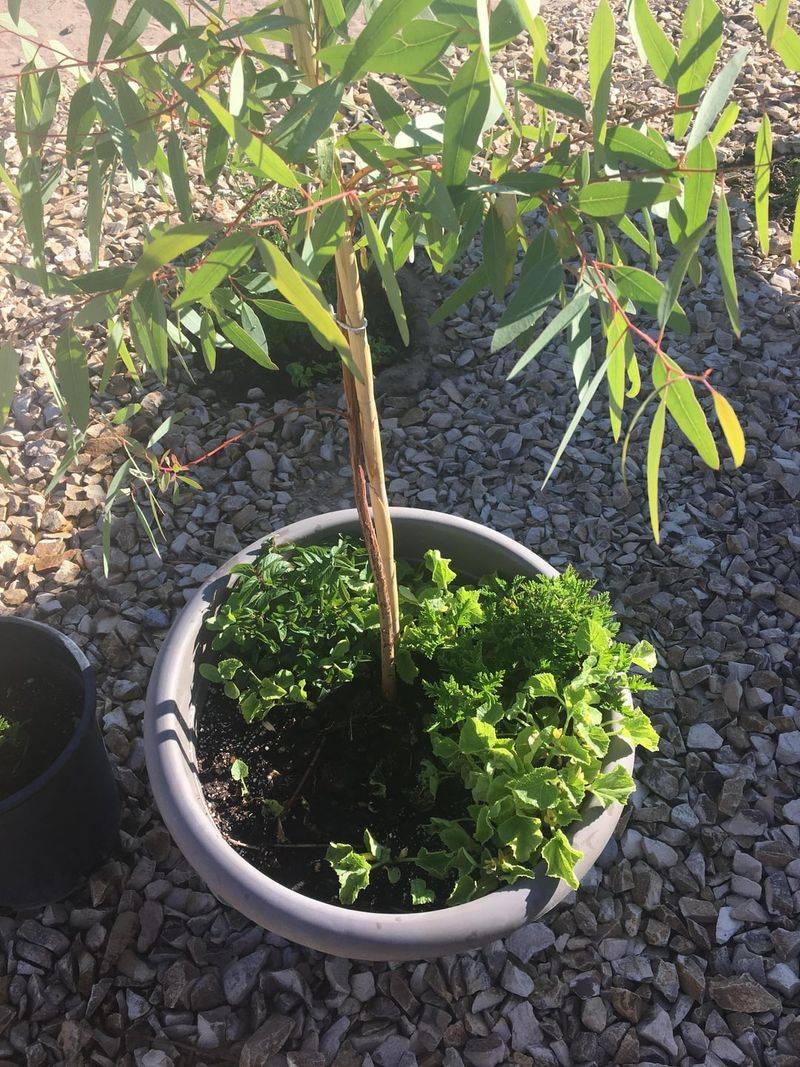
A cotton ball soaked in peppermint oil feels like it should send anything underground packing.
The scent hits you from across the room.
Research support is another story.
University guidance on mole control does not give peppermint or eucalyptus oil the same credibility that internet tip lists often do. Strong aroma alone does not prove a treatment changes mole behavior in a yard.
Essential oils also fade quickly.
Warm soil, moisture, and open tunnel air can reduce the scent long before you know whether the mole cared in the first place.
That makes the classic cotton-ball trick hard to judge. Activity may stop near one tunnel because the mole moved to another feeding run, not because mint finally won the argument.
You can try a small experiment when you already own the oil, but keep expectations modest.
Do not pour concentrated essential oils across the lawn or around pets and wildlife. A homemade mixture can create a different problem when plants or animals come into contact with too much of it.
The better test is simple.
Mark active runs first. Add nothing to some areas and treat others. Then compare fresh activity for several days instead of relying on one quiet morning.
Peppermint can make the yard smell impressively fresh.
So far, the mole-control résumé is much less impressive than the fragrance.
4. Coffee Grounds Belong In Compost, Not Mole Tunnels
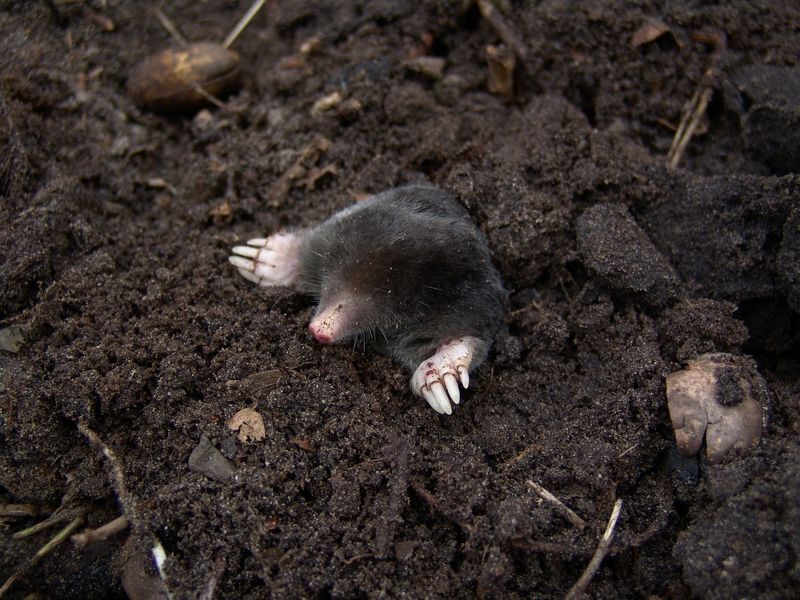
The appeal of this remedy is obvious.
You already made the coffee. The grounds are free. The mole problem is sitting ten steps from the kitchen.
Unfortunately, convenience is doing most of the work here.
Reliable research does not show used coffee grounds as an effective mole repellent. The roasted smell fades quickly once the grounds mix with damp soil, and a mole can simply continue through another part of its tunnel system.
There is another reason to rethink the idea.
Coffee grounds add organic material to soil and can become part of a healthy compost system. That is a much better use than stuffing handfuls into every fresh mound you find.
Do not confuse timing with proof either.
Moles regularly change feeding areas as soil conditions shift. A quiet lawn two days after you scattered coffee may feel like a victory, then a new ridge appears near the flower bed and ruins the celebration.
Track fresh tunnels before and after any experiment.
That keeps one lucky week from turning into a garden legend you repeat for the next ten years.
Used grounds are not useless. Add them to compost with other materials, or use them according to sensible soil-building practices.
Your morning coffee already has one important job.
There is no need to give the leftovers a second career in underground negotiations.
5. Repellents May Shift Moles Instead Of Removing Them
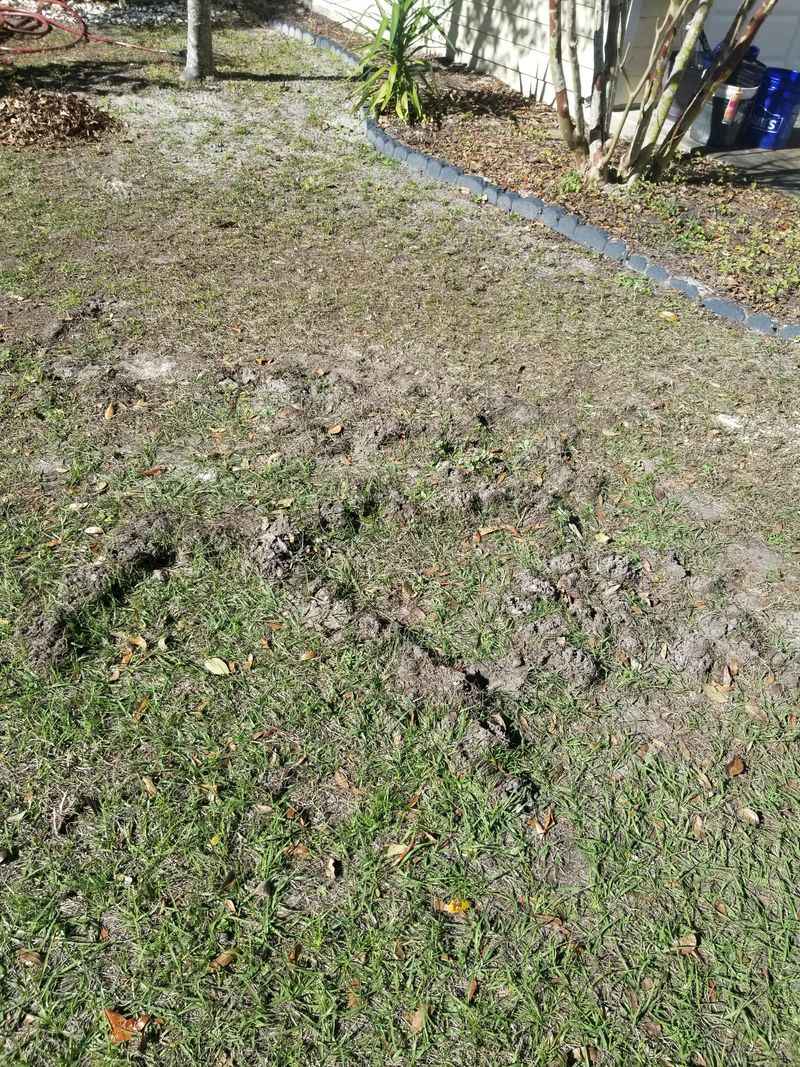
A quiet front lawn can feel like proof that the treatment worked.
Then a fresh mound appears beside the vegetable bed.
That is the weakness built into repellents. Success can mean displacement rather than removal.
A mole that dislikes one treated patch may shift its feeding activity into untreated soil nearby. The animal still has tunnels, food, and plenty of motivation to keep exploring.
That matters in Oregon yards with rich, moist soil.
Earthworms and other soil animals can be available across lawns, beds, and borders, so moving a short distance may be easier than leaving the property altogether.
Watch the whole yard after a scent treatment.
Do not judge results only by the exact patch that received the product. New ridges along fences, beds, or side lawns may show that the activity simply changed addresses.
Treating larger areas can become expensive, especially when rain shortens the life of the repellent.
That is why expectations matter from the beginning.
A temporary shift may be enough when you only need to protect one small section. It is much less satisfying when the goal is to stop mole activity throughout the property.
Repellents can sometimes change traffic.
They do not necessarily close the underground highway.
Your front lawn may look peaceful, but the mole could simply be enjoying a very short commute to the backyard.
6. Mothballs Are Strong-Smelling, But Keep Them Out Of The Yard
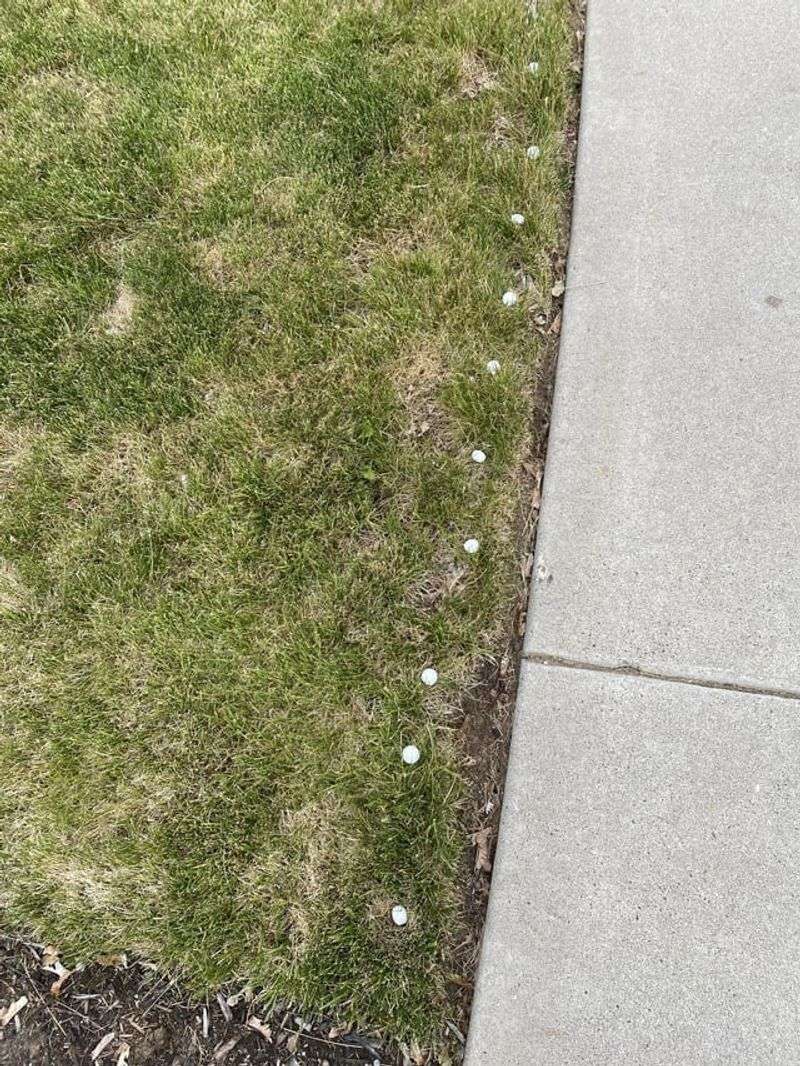
Few household products smell more determined than a box of mothballs.
That probably explains why the idea keeps appearing in mole-control advice.
Drop a few into a tunnel, cover the opening, and supposedly the odor sends the mole looking for a new neighborhood.
The problem is bigger than questionable effectiveness.
Mothballs are pesticides designed for specific labeled uses, typically enclosed spaces where their vapors control clothes moths. They are not general-purpose wildlife repellents for lawns, garden beds, or underground tunnels.
That means the mole mound is not the place for them.
Putting mothballs outdoors can also expose children, pets, and other wildlife to chemicals that were never meant to be scattered around the yard.
Rain creates another headache.
A wet Oregon season does not magically turn mothballs into a safer repellent. It simply adds more uncertainty about where the product and its chemicals end up.
Skip homemade substitutes such as gasoline, bleach, or other harsh-smelling liquids too. A terrible smell does not become good pest control just because nobody wants to stand near it.
Keep the response boring and practical.
Find active tunnels, decide how much damage actually needs control, and use methods intended for that purpose.
Mothballs belong where their label says they belong.
Your lawn does not need to smell like grandma’s sweater chest just because a mole started renovating underneath it.
7. Grub Control Rarely Solves A Mole Problem By Itself
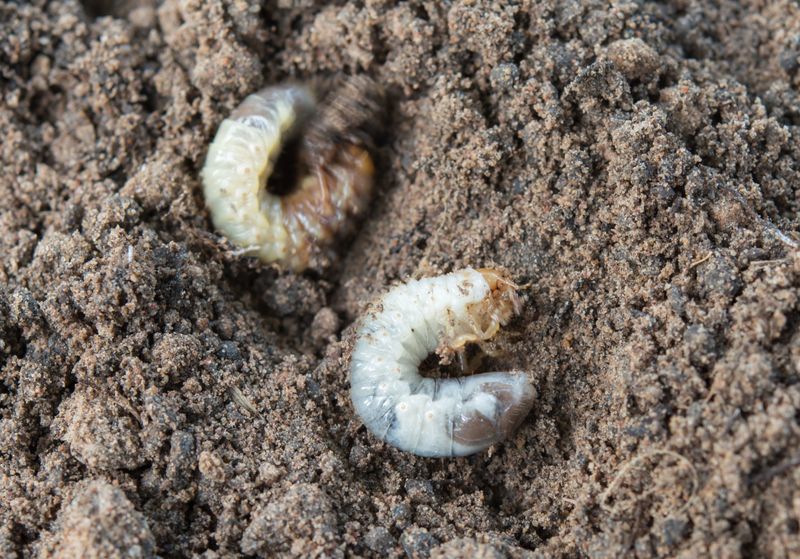
The sales pitch sounds wonderfully simple.
Remove the grubs, remove the moles.
The problem is that a mole’s menu contains much more than lawn grubs. Earthworms and other soil animals make up an important part of the diet, so a yard can lose plenty of grubs and still offer a full underground buffet.
Oregon soil can make that especially obvious.
Moist lawns and garden beds often support plenty of worms, which means a mole may have little reason to leave after one insect food source disappears.
Treat grubs when the turf actually has a grub problem.
Look for thinning or damaged grass and confirm the pest before reaching for an insecticide. A treatment aimed only at making the yard less attractive to moles can waste money and affect other soil life without solving the tunnel problem.
Keep the two goals separate.
Grub management protects grass from grubs. Mole management deals with the animal that happens to eat some of them.
That distinction saves a lot of frustration.
A lawn can become nearly grub-free and still wake up with a fresh mound after a rainy night.
So do not tear through the soil food web just to make one burrowing visitor hungry.
The mole may simply look around, find the earthworm section still open, and continue dinner as usual.
8. Active-Tunnel Control Is More Reliable Than A Smell
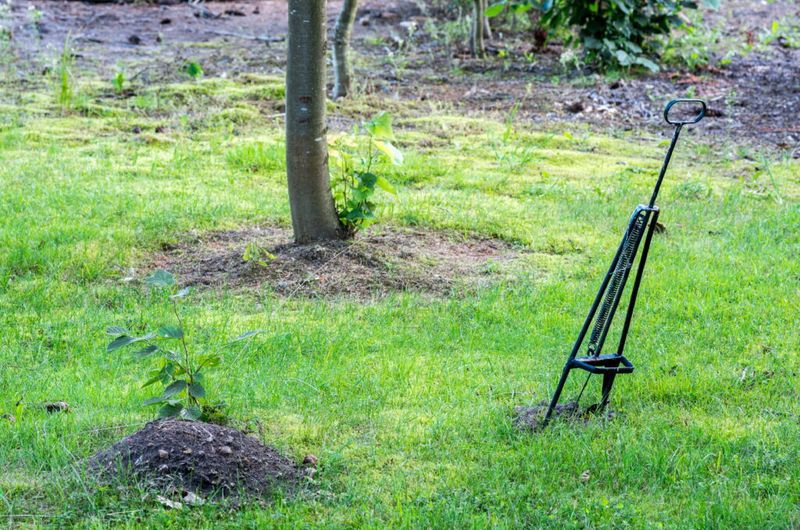
At some point, another bottle stops being an experiment and starts becoming a collection.
That is usually the moment to switch strategies.
For Oregon mole problems that justify control, research-based guidance points toward locating active tunnels rather than chasing the animal with household smells.
Fresh mounds help you narrow the search, but the useful target is an active run.
Press down a short section of a raised tunnel and check it later. A mole that repairs the passage has given you a much better clue about where it still travels.
From there, Oregon guidance recommends appropriate mole traps for active tunnels. Local rules matter, so check current state requirements and product directions before setting anything.
Placement matters more than the number of devices.
A trap in an abandoned feeding tunnel can sit untouched while the mole works ten feet away.
Some homeowners would rather hire someone than handle this themselves. That is a perfectly practical choice when repeated lawn damage has become more trouble than the do-it-yourself project is worth.
Also decide how much damage actually bothers you.
A few seasonal mounds may not justify a major campaign at all.
That is the part repellent ads rarely mention.
Sometimes the smartest mole-control purchase is not another scent. It is knowing which tunnel is active, what Oregon allows, and when the lawn can simply live with a little underground remodeling.