The Real Culprit Behind New Jersey’s Goldenrod Allergy Myth
Blame gets handed out wrong across New Jersey, and you feel it. Goldenrod gets accused, yet it plays only a truly minor role. Ragweed works quietly, releasing invisible pollen while you sneeze each afternoon.
Nobody points at this plain green plant, though you rarely notice. Meanwhile roadsides across New Jersey glow gold, catching your attention instead. Your body reacts to microscopic clouds, not those flashy blossoms.
Farmers have known this trick for years, and so can you. Understanding this distinction changes how you experience September mornings. Gardens benefit once you stop targeting the wrong culprit each fall.
Science backs this distinction, and you can rely on the data. Symptoms worsen quickly when you misidentify your actual trigger. Clarity arrives the moment you separate showy plants from quiet offenders.
Recognizing pollen sources takes patience, but you gain sharp eyes fast. You will not look at roadside color the same way again.
Bright Yellow Blooms Take The Blame
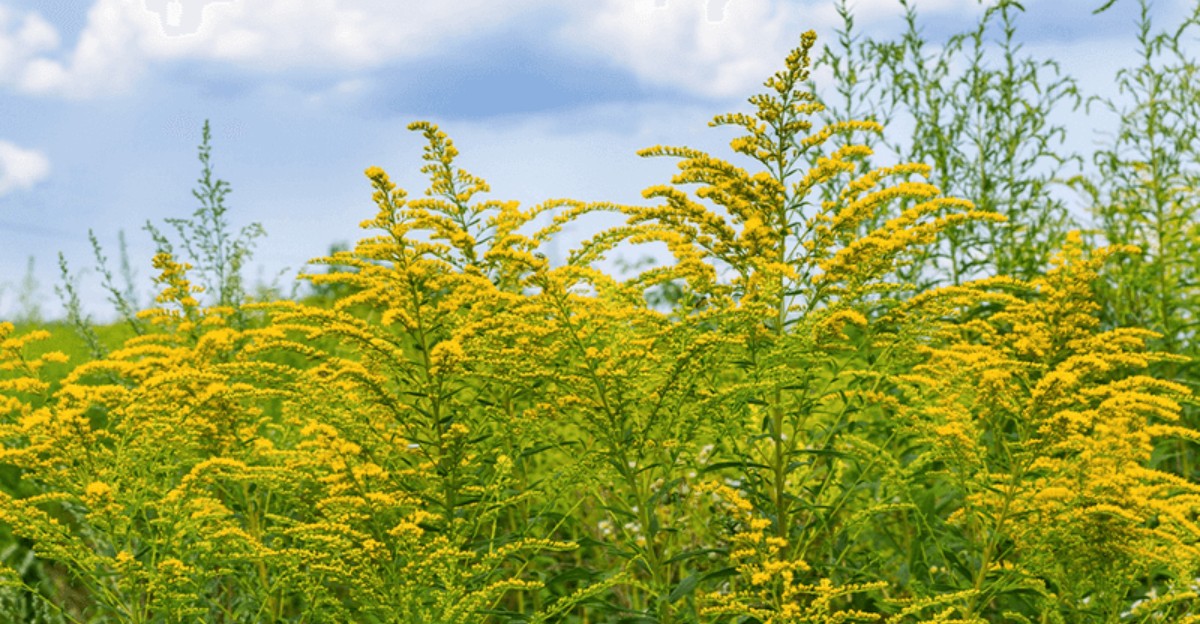
Picture a roadside in Monmouth County in early September, glowing with yellow plumes that seem to wave at passing cars. Someone sneezes, glances at those flowers, and an old rumor picks up another year of momentum.
Blame tends to land on whatever is easiest to see, and few plants are as showy as this one. It blooms right when itchy eyes and stuffy noses arrive across the state, so the connection feels obvious.
Visibility, though, is not evidence. Allergy doctors have studied this plant’s pollen for decades and found that it rarely reaches enough noses to matter.
The flowers you notice are built to attract insects, not to broadcast pollen into the wind. Their bright color is basically a billboard for bees, and billboards do not travel.
Meanwhile, a plain green plant grows a few feet away with no petals worth photographing. It releases clouds of tiny grains that ride the breeze for miles, and it hardly gets mentioned at backyard barbecues.
New Jersey allergy clinics see a jump in appointments from mid August through the first frost. Patients often arrive convinced the yellow blooms are the trouble, then leave with skin test results pointing somewhere else.
Clearing up the mix-up matters for gardeners too. Folks have yanked out valuable pollinator plants based on a misunderstanding, trading habitat for relief they were unlikely to feel.
So enjoy the golden roadsides this month. Snap a photo, let the bees work, and save your suspicion for the greener suspect standing quietly behind them.
Heavy, Sticky Pollen Changes Everything
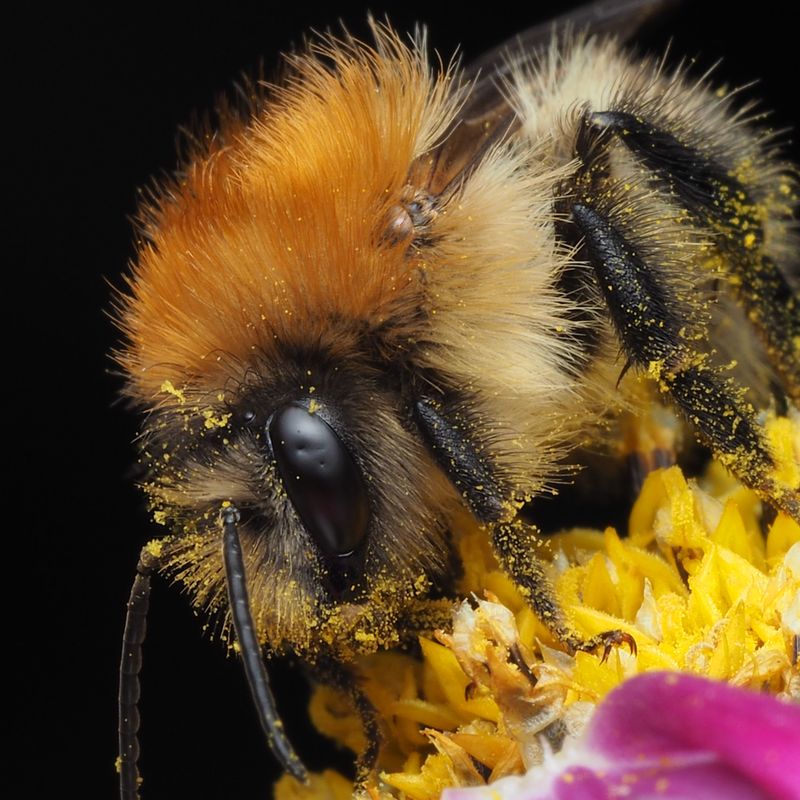
Grab a stem of it, shake it over a dark sleeve, and notice how little falls off. The grains are large, sticky, and coated in a waxy film that helps them cling to fuzzy insect legs.
Wind-pollinated plants play a totally different game. Their pollen is light, dry, and small enough to float for miles, which is exactly what makes it a headache for human sinuses.
Scientists measured this difference back in the 1940s and 50s. Pollen traps placed near stands of these yellow flowers collected surprisingly small amounts, while traps near ragweed filled up fast.
Your New Jersey Garden Changes Every Week. Your Plan Should Too.
Gardening in New Jersey changes quickly throughout the season. Every Friday you’ll receive a simple weekly plan showing exactly what to plant, prune, fertilize, harvest, and protect so you never miss the right timing.
Size matters more than people expect. A grain roughly twenty microns wide with a tacky surface tends to drop within a few feet of the plant that produced it.
That explains why standing beside a blooming patch near Cape May causes no reaction for many people with seasonal allergies. The pollen simply is not airborne in meaningful quantities.
Florists figured this out years ago. Cut stems show up in late summer bouquets without much complaint from customers, which would be odd if the pollen were as aggressive as its reputation suggests.
There is one fair exception worth mentioning. Somebody weeding for hours directly among the blooms, face inches from the flower heads, might pick up enough to feel itchy for a while.
For the rest of us, a stroll past a golden field is harmless. Nature designed those grains for insect delivery, not air mail.
The Quiet Neighbor Behind Your Sneezes
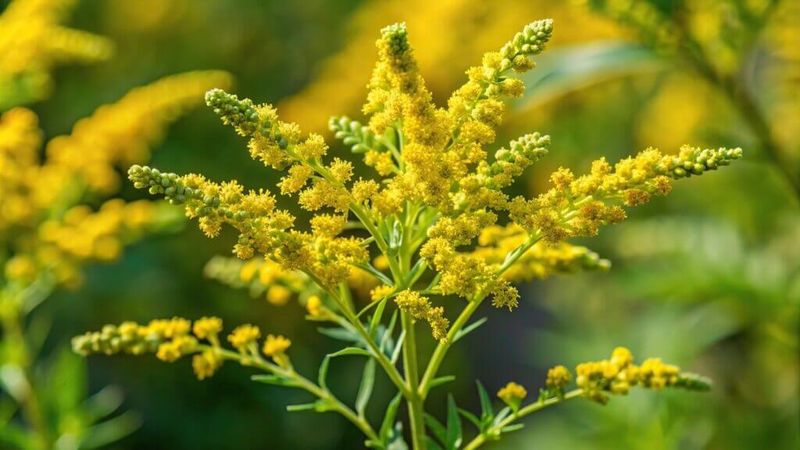
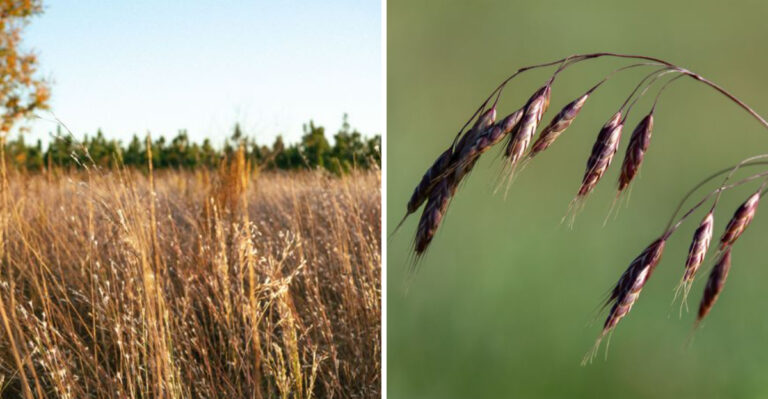
Say hello to the actual troublemaker. Common ragweed is a scruffy green plant with lacy, fern-like leaves and flower spikes so plain that hardly anyone notices them.
A single mature ragweed plant can release an enormous number of pollen grains, commonly cited at close to a billion, across one season. Those grains catch the wind and travel for hundreds of miles, meaning your sneeze might originate two towns away.
Estimates suggest ragweed affects roughly 15 to 20 percent of Americans with seasonal allergies, though figures vary by source.
In New Jersey, it grows happily in vacant lots, construction sites, farm edges, ball field fences, and cracked sidewalks from Newark down to Vineland.
Disturbed soil is its favorite address. Anywhere a bulldozer, mower, or plow has recently worked, ragweed seedlings tend to appear within weeks.
Its pollen is released mainly in the morning hours, peaking between about 6 a.m. and 10 a.m. on warm, dry, breezy days. Damp mornings knock the grains down and offer a short break.
Doctors also link ragweed to something called oral allergy syndrome. Some people who react to it get an itchy mouth after eating bananas, melons, cucumbers, or zucchini, since the proteins look similar to the immune system.
Two species dominate the region. Common ragweed stays knee to waist high, while giant ragweed can shoot up past a basketball hoop along riverbanks and floodplains.
Learning its shape is genuinely useful. Once you spot ragweed, you stop cursing the flowers and start pulling the plant that earns its bad name.
Spotting The Difference In A Jersey Field
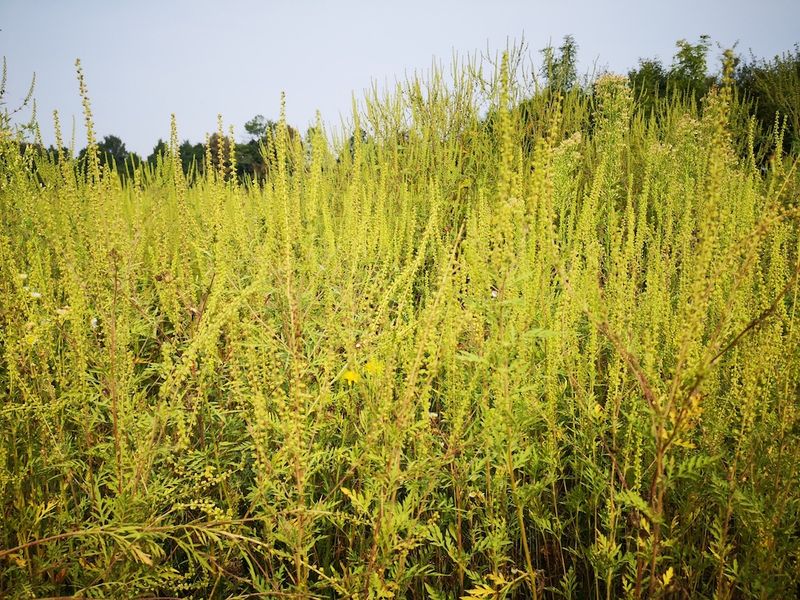
Field identification is easier than it sounds, and September is the ideal month to practice. Color does much of the work for you.
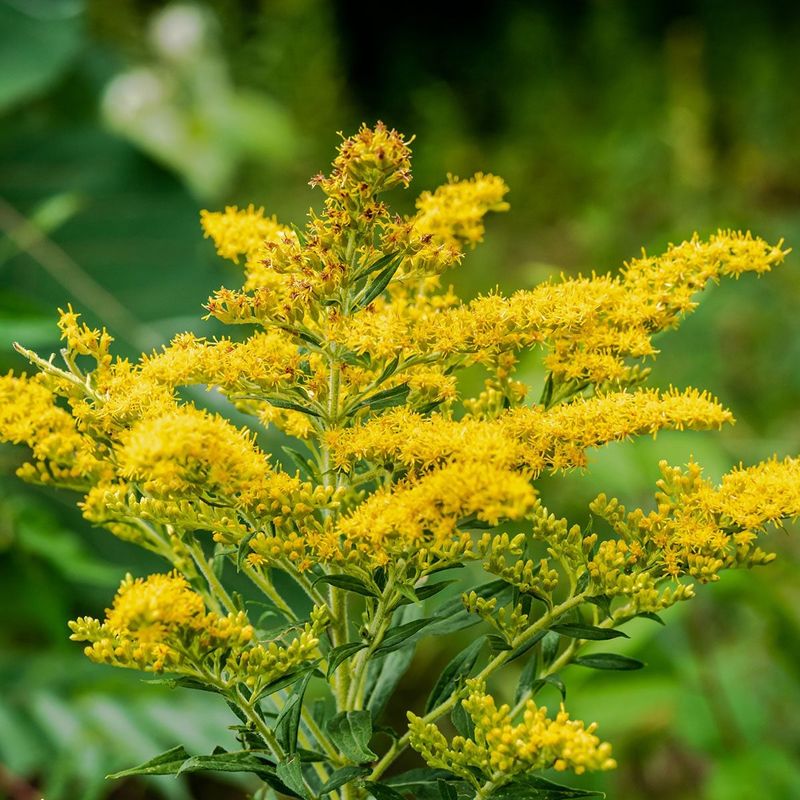
Goldenrod carries dense sprays of tiny yellow flowers, often arranged like a plume, a flat cluster, or an arching wand at the top of the stem. Its leaves are simple, narrow, and toothed, running up a single unbranched stalk.
Ragweed offers no yellow show whatsoever. Its leaves are deeply cut and almost fern-like, and its flowers form slim green spikes that resemble tiny bottle brushes.
Height gives another clue. Common ragweed usually stops between one and four feet, while goldenrod in New Jersey meadows regularly reaches five feet or more.
Texture helps as well. Rub a goldenrod leaf and it feels slightly rough and firm, while ragweed foliage tends to be softer with a grayish-green cast underneath.
Look at what is visiting the plant. Bees, wasps, soldier beetles, and butterflies swarm goldenrod blooms, whereas ragweed spikes sit undisturbed because they offer no nectar reward.
New Jersey is home to a wide range of goldenrod species, commonly cited at around twenty or more, from seaside goldenrod along the barrier islands to tall goldenrod in Piedmont fields. Each shares that unmistakable golden glow.
Try this on your next walk through the Great Swamp or a local park. Once your eyes learn the pattern, ragweed pops out of the background and the yellow flowers finally get some overdue credit.
Why The Calendar Fuels The Confusion
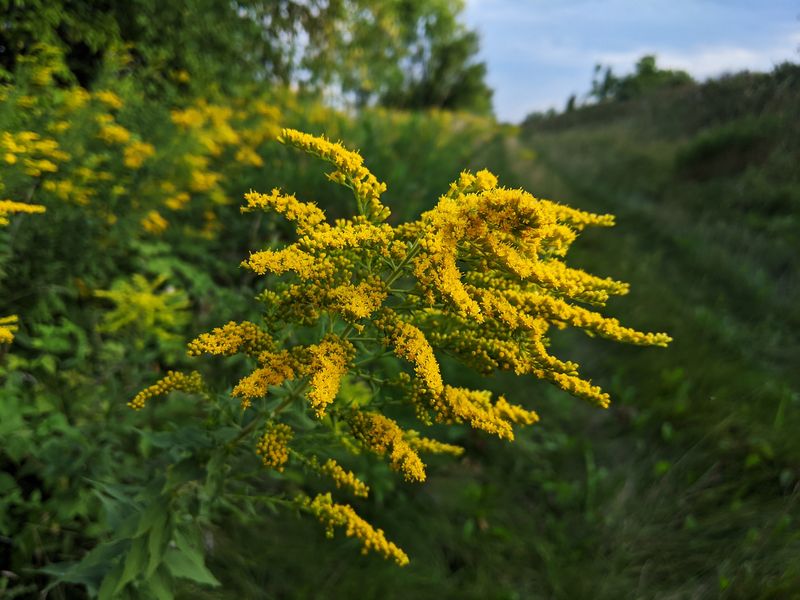
Timing is the sneaky reason this myth refuses to fade. Both plants hit their stride at the same moment on the New Jersey calendar.
Ragweed pollen typically starts drifting around the second week of August. Counts climb through late August, peak in the first half of September, and taper off after the first hard frost in October.
Goldenrod happens to bloom on nearly the identical schedule, roughly from late July into mid October depending on the species and location. One plant is loud and visible while the other works invisibly.
Human brains love pairing what we see with what we feel. Yellow flowers plus a scratchy throat equals an easy, tidy, and incorrect explanation.
Warmer autumns have stretched the ragweed season in the Northeast. Some climate research suggests the pollen period in parts of the region has lengthened somewhat since the 1990s, as frost tends to arrive later, though exact figures vary by study.
Coastal towns like Asbury Park sometimes catch a small break when onshore breezes push inland pollen away. Inland valleys, on the other hand, can trap pollen on still mornings.
Grass and mold spores pile onto the season too. Damp piles of leaves and mulch in late September release mold that mimics pollen symptoms almost exactly.
Understanding the calendar lets you plan ahead. Start treatment in early August, and September in the Garden State gets considerably more pleasant.
Bees, Monarchs, And A Late-Season Food Source
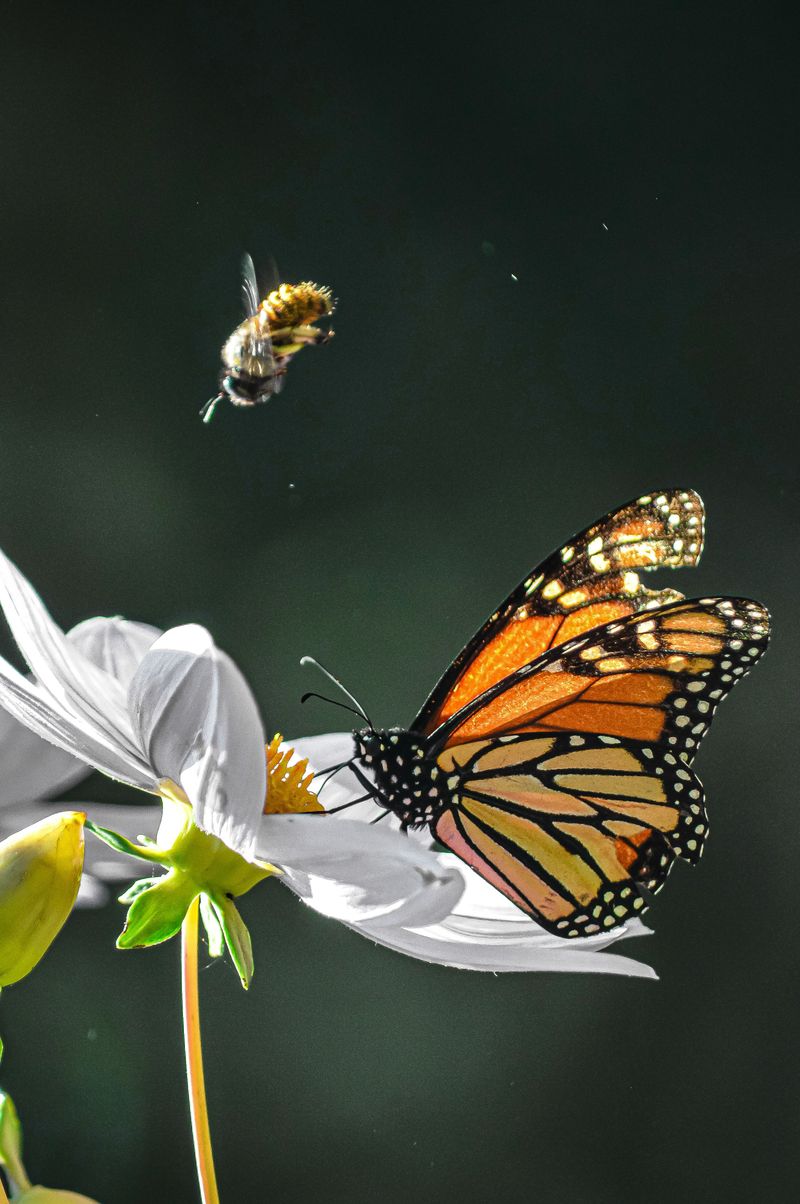
Stand near a blooming clump on a warm afternoon and the buzzing is almost musical. Honeybees, bumblebees, tiny sweat bees, wasps, hoverflies, and beetles all pile onto the same golden landing pad.
By September, nectar sources across New Jersey are winding down. Goldenrod steps in as one of the last big meals before frost, which makes it enormously valuable to insects preparing for the cold months.
Honeybee keepers in South Jersey count on that late flow. Hives fill combs with dark, spicy goldenrod honey that helps colonies survive the winter, and the harvest has a distinct funky aroma while it cures.
Monarch butterflies traveling the Atlantic Flyway make it a fuel stop. At Cape May Point, thousands of migrating monarchs refuel on seaside goldenrod each fall before crossing the Delaware Bay.
Entomologists estimate that goldenrods support a large number of insect species, often cited at well over a hundred. Songbirds then pick through the stems for those insects and for seeds.
Removing the plant from a yard costs wildlife a lot and returns no allergy benefit. Habitat shrinks while your symptoms stay exactly where they were.
Native plant nurseries around the state sell well-behaved varieties for garden beds. Wreath goldenrod and showy goldenrod stay tidy instead of spreading across the whole border.
Leaving a patch standing is a small, easy kindness. Your local pollinators will rely on it as a reliable late-season food source.
Practical Ways To Breathe Easier This Month

Relief comes down to a handful of habits rather than one magic fix. Small adjustments stack up quickly during ragweed season.
Check the daily pollen forecast before outdoor plans, and shift yard work to late afternoon or right after rain. Morning hours carry the heaviest ragweed load.
Wear an N95 mask, glasses, and gloves while weeding or mowing. Pollen clings to hair and clothing, so shower and change before flopping onto the couch.
Keep car and bedroom windows shut on breezy days, and run air conditioning with a clean filter. A HEPA purifier in the bedroom helps light sleepers considerably.
Rinsing your nose with a saline spray or neti pot flushes out grains that settled during the day. Many allergists recommend it as a simple add-on to medication.
Over-the-counter antihistamines and steroid nasal sprays work far better when started two weeks before symptoms usually begin. Waiting until you feel awful puts you behind.
Pull young ragweed from your property in June and July, before flower spikes form. Mowing edges and mulching bare soil discourages new seedlings from settling in.
If autumn disrupts your sleep or triggers asthma flares, ask a New Jersey allergist about skin testing. Results often surprise people who blamed the wrong plant for years.
Immunotherapy shots or under-the-tongue tablets can retrain the immune system over a few seasons. Plenty of people with long-term allergies finally get their favorite month back.