This Is The Last Mowing Height Your New Jersey Lawn Needs Before Winter
A pink, cottony fungus can wake up under melting snow and paint your lawn with crusty, matted circles by March. I learned that the hard way one spring, staring at patches that looked like someone spilled bleach.
Turns out the culprit was not the weather alone. It was the length of grass I left behind in November.
In New Jersey, most lawns grow cool-season grasses that keep working well into fall. They store sugars in their crowns and roots while the air cools, and that stored energy fuels the spring green-up.
You might notice some yards bounce back fast while others stay thin and tired, and New Jersey’s freeze-thaw winters make that gap even wider.
After I tested a few heights over several seasons, the difference surprised me. Too short and the turf shivered.
Too long and it flopped into a soggy mess. The right number exists, and getting there takes a few smart cuts, not one drastic chop.
Your Final Lawn Mower Pass Has a Sweet Spot
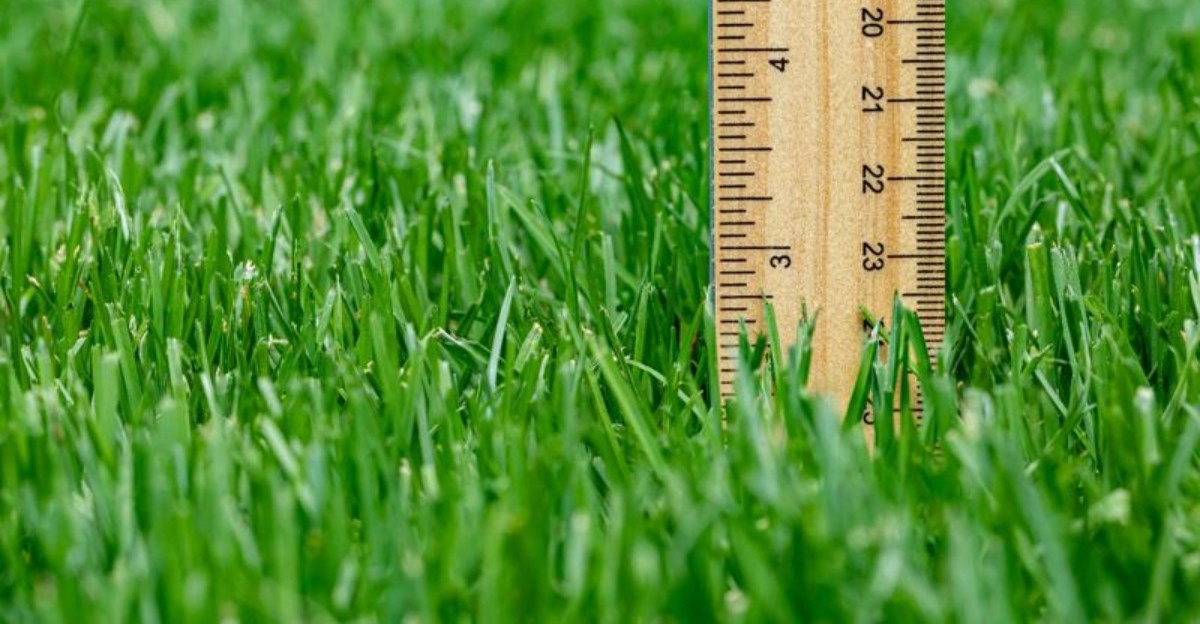
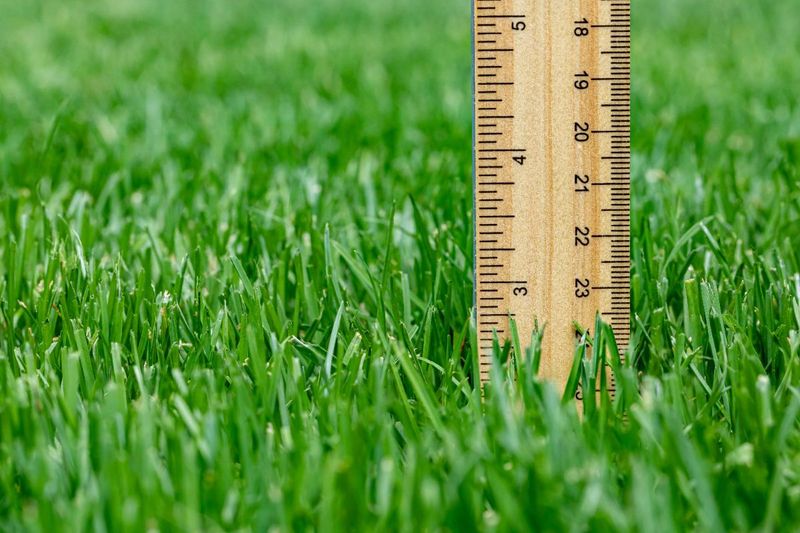
Grab a ruler on your next fall mow and you might be surprised by what you measure. Many of us guess, and guessing tends to leave grass either scalped or shaggy. For most lawns in New Jersey, the last cut of the season should land around 2.5 to 3 inches.
Rutgers Cooperative Extension generally recommends keeping cool-season turf in the 2.5 to 3.5 inch range during the growing season, and many turf pros suggest finishing at the lower end of that range before winter.
Some homeowners go as low as 2 inches, but that works best on dense, healthy Kentucky bluegrass rather than tall fescue.
Why does that narrow window matter so much? A blade at this length still holds enough leaf to keep making food on mild fall days.
It also stands short enough to resist flopping over under snow and soaking rains, which are both common in a New Jersey winter.
Think of it as a balance between insulation and airflow. The crown, which sits right at the soil line, stays shaded and buffered from harsh temperature swings.
Meanwhile, the canopy stays open enough that moisture can dry out between storms, a real advantage when New Jersey weather swings from thaw to freeze and back again.
Write that number down and tape it to your mower handle. Your spring lawn will thank you.
Scalped Grass Blades Leave the Crown Exposed to Cold
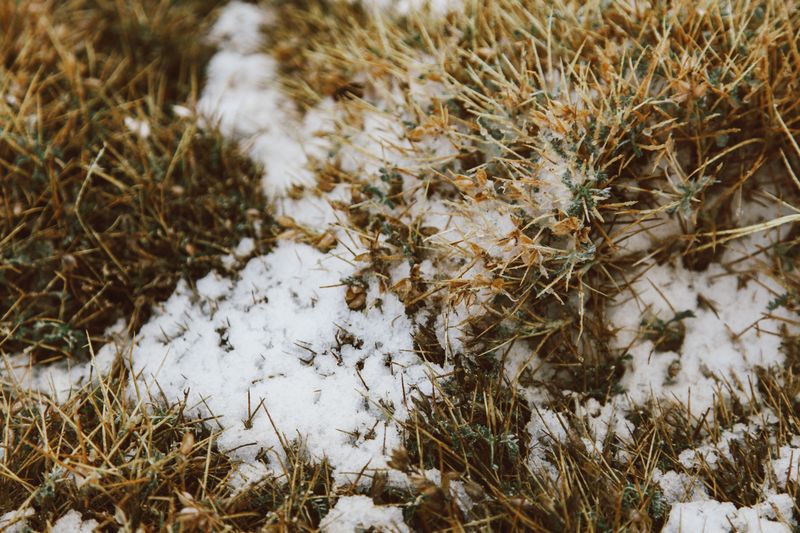
I once dropped my mower deck to its lowest notch in November, thinking I could skip a spring mow. That shortcut gave me a lawn full of thin spots and crabgrass by June.
Cutting below about 2 inches strips away the leafy part of the plant that makes and stores energy. Grass leans on those reserves all winter long. When the tank runs low, the turf greens up slowly and struggles to fill in.
Short turf also leaves the crown more exposed. That small growing point near the soil is the heart of each grass plant.
Bare soil around it heats and cools quickly, and freeze-thaw cycles can heave shallow roots or dry out tissue on windy days.
There is another hidden cost. Thin, scalped lawns let more sunlight reach the soil surface in spring. Weed seeds like crabgrass sprout eagerly in those warm, open spots.
If you already scalped a section this year, do not panic. Leave it alone for the rest of the season and plan to overseed next September, when soil is warm and air is cool. Raising the deck back up next year usually helps the turf recover nicely.
Long Matted Grass Under Snow Invites Snow Mold
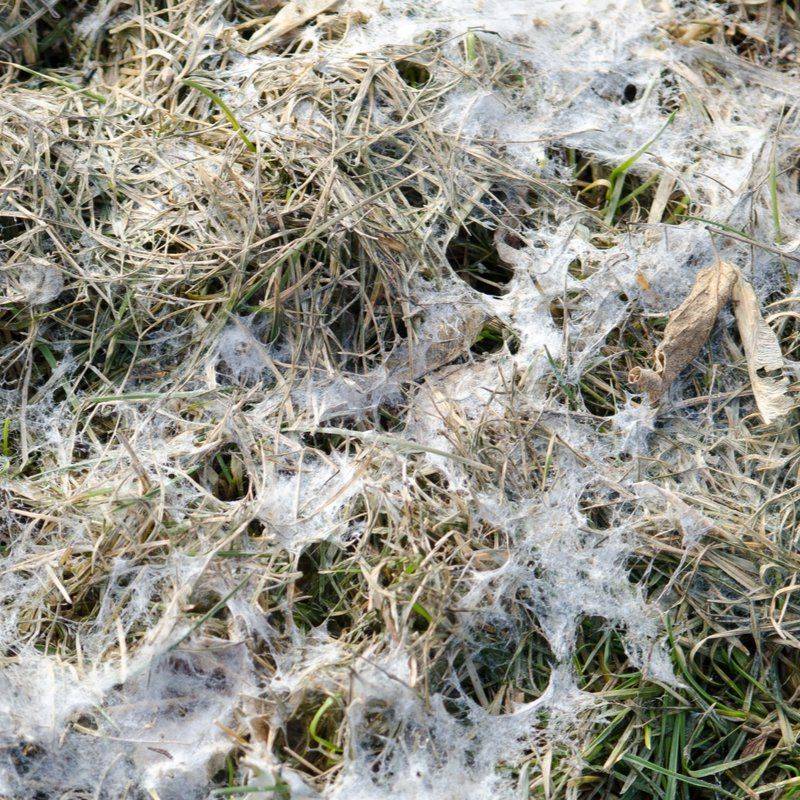
Gray or pinkish circles showing up after the snow melts is a classic sign that winter got under your turf. Those crusty patches are often snow mold, a group of fungal diseases that thrive in cold, damp, matted grass.
Penn State and Rutgers turf specialists both point to tall, floppy fall grass as a common risk factor. When blades over about 3.5 inches lie down under wet snow or leaves, they form a soggy mat. Air cannot move through it, and fungi move right in.
Gray snow mold usually needs long snow cover, so it shows up more in northern parts of the state like Sussex and Warren counties.
Pink snow mold, also called Microdochium patch, can appear even without snow during cool, wet stretches. That means South Jersey lawns are not off the hook.
Most snow mold damage is cosmetic and limited to the leaf blades. A gentle raking in spring fluffs up the matted grass and helps it dry. New growth usually fills in within a few weeks.
Shaggy turf can also give voles cozy cover for tunneling through winter. Keeping your last cut tidy helps reduce both problems at once.
Watch Your Grass Growth Slow Before Parking the Mower
Calendars are handy, but grass does not read them. The real cue for your last mow comes from the lawn slowing down on its own.
Cool-season grasses grow best when air temperatures sit between roughly 60 and 75 degrees. As daytime highs settle into the 40s and low 50s, growth slows to a crawl. Across most of the state, that shift happens between late October and late November.
Timing varies by region. Northern and higher-elevation towns often wrap up mowing a couple of weeks earlier than coastal and southern areas.
Shore communities, warmed by the ocean, may need a trim into early December during a mild fall. A simple trick helps here. Check the lawn a week after mowing. If it barely looks different, you are close to done.
Keep mowing as long as the grass keeps growing, even if the neighbors have already stored their mowers. Grass that heads into winter several inches taller than planned can mat down just like an unmowed field.
Once growth stalls and a hard frost arrives, make that final pass on a dry day. Wet, frosty blades bruise easily, so wait until afternoon.
Lower That Mower Deck a Notch at a Time

Slow and steady really does win here. Dropping your mower from 3.5 inches to 2 inches in a single afternoon shocks grass more than most people realize.
Turf experts follow the one-third rule. Remove no more than one-third of the blade height in one mowing. So if your grass stands 4 inches tall, take it down to about 2.7 inches, not lower.
The easiest approach spreads the change over your last two or three mows. Lower the deck one notch each time until you reach your target of around 2.5 to 3 inches. Each small step lets the plant adjust without losing too much leaf at once.
Sharp blades make a bigger difference than you might expect. A dull blade tears grass tips, leaving ragged, browned ends that lose moisture and open the door to disease. Sharpening once before fall is a smart habit.
One more tip from my own yard: measure the actual cut height with a ruler. Mower settings often do not match the true height, especially on bumpy ground. Checking takes a minute and saves a lot of guesswork.
Tall Fescue and Kentucky Bluegrass Play by Different Rules
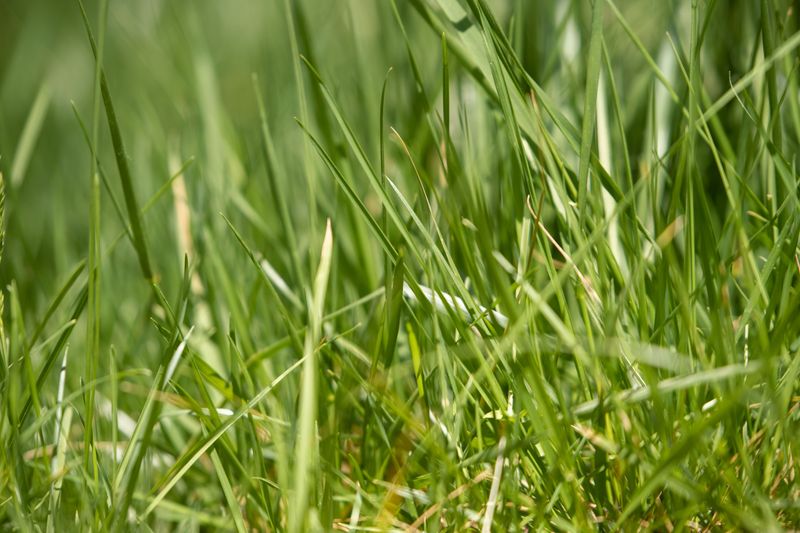
Walk barefoot across a few New Jersey lawns and you can almost feel the difference. Kentucky bluegrass feels soft and fine, while tall fescue has wider, coarser blades.
Most lawns here mix cool-season grasses like Kentucky bluegrass, tall fescue, perennial ryegrass, and fine fescues. Each one has its own comfort zone for height.
Tall fescue is a bunch-type grass that prefers staying a bit taller, generally around 3 inches, and can thin out when cut short.
Kentucky bluegrass spreads by underground stems called rhizomes, so it handles lower cuts and heals bare spots on its own. A final height near 2.5 inches suits it nicely.
Perennial ryegrass falls somewhere in between. Not sure what you have? Pull a few blades and look closely.
Bluegrass tips are shaped like the bow of a boat, and tall fescue blades have noticeable ridges on top.
Fun fact: Kentucky bluegrass is not actually native to Kentucky. It arrived from Europe and spread widely across North America.
Matching your final height to your main grass type gives your lawn the best shot at a strong spring start.
Clear the Fallen Leaves Off Your Lawn After That Last Cut
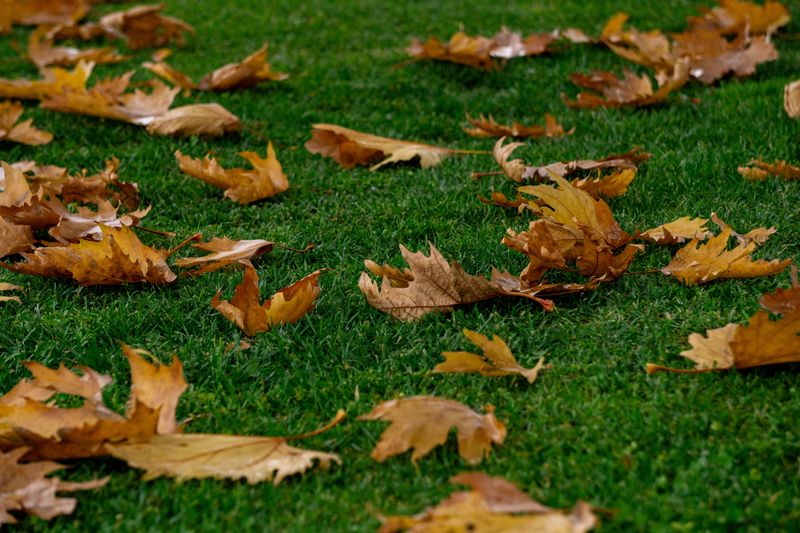
Perfect mowing height means little if a soggy blanket of oak leaves sits on top all winter. Leaves trap moisture and block light much like overgrown grass does.
Rutgers turf experts suggest mulching leaves with your mower when the layer is light. Chopped leaves break down quickly and return nutrients to the soil. When leaves pile up thick, rake or bag the extra and add it to your compost or garden beds.
Late fall is also prime time for one last feeding. Many New Jersey homeowners apply fertilizer in late October or early November to help roots store energy.
Keep in mind that state law prohibits applying fertilizer to turf between December 1 and March 1, and between November 15 and March 1 for professionals.
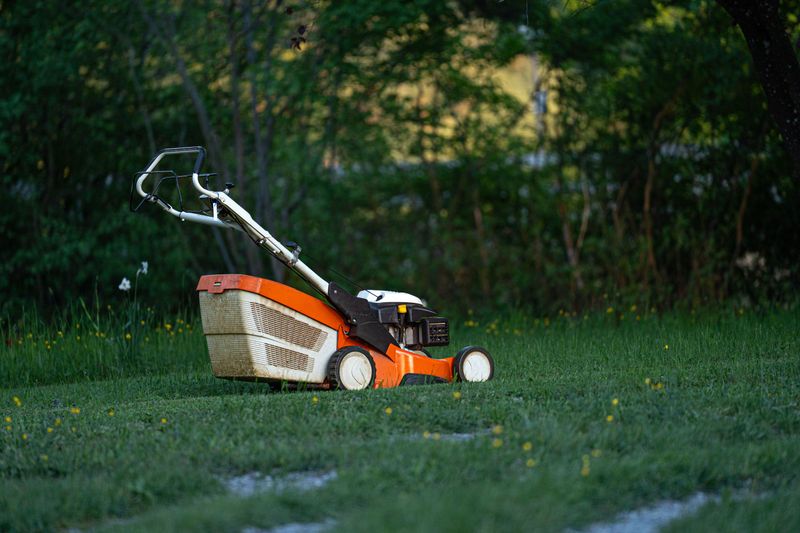
Before storing the mower, clean the deck, sharpen the blade, and handle fuel the way the manufacturer recommends. That small effort gets you rolling faster in April.
My favorite takeaway is simple. Finish around 2.5 to 3 inches, clear the leaves, and let the lawn rest.
A tidy, breathable lawn going into winter usually means fewer patches and an earlier green-up when spring arrives.