The September Yard Swap Florida Homeowners Can Make Instead Of Planting Another Generic Shrub
Another row of the same store-bought shrubs can make a Florida yard feel finished, but not necessarily alive. The plants fill space, create a green wall, and blend into the background, yet they often add little beyond appearance.
There is another way to use those empty spots, especially when the growing season still gives new plantings time to settle in.
Replacing one predictable choice with a plant that supports birds, butterflies, and the natural rhythm of Florida’s landscape can completely change how your yard feels.
The difference is not always dramatic on planting day. It shows up later, when the space starts attracting movement, color, and activity that a basic hedge never brought.
A small change along a fence, walkway, or foundation bed can turn a quiet corner into one of the most interesting parts of your property. Before you buy the next shrub you see lined up at the nursery, consider what your yard could be doing instead.
1. Florida Anise (Illicium Floridanum)
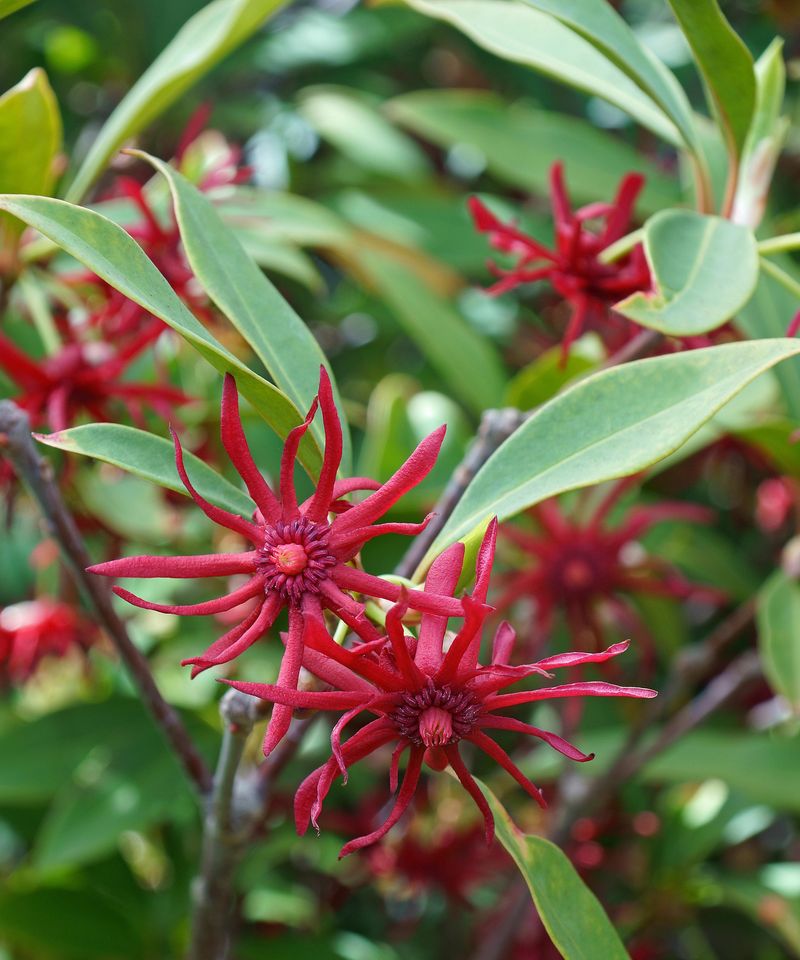
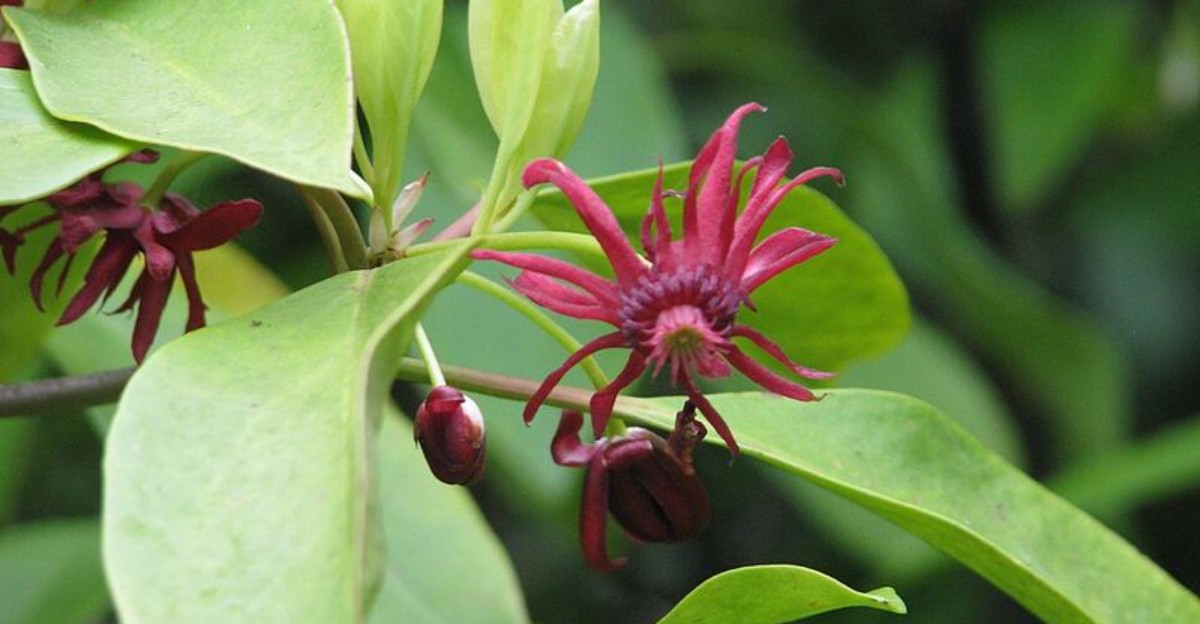
Picture a shrub that handles many common landscape challenges while still putting on a show of star-shaped red blooms. That is Florida Anise, and it is one of the easiest natives you can plant this month.
What makes it stand out is how well it performs in partial shade and moist areas where many flowering shrubs struggle. Its dense, dark green leaves create a thick wall of foliage, so it works great as a hedge or a natural privacy barrier along a fence line.
The blossoms show up in spring and add a splash of color you will not get from a plain green boxwood. The leaves even give off a mild licorice scent when crushed, which surprises a lot of first-time growers.
Because it likes moist spots, this shrub is a good fit for those low areas of your yard that stay damp after summer rains. It rarely needs spraying or fussing, which means less work for you.
Swapping a generic shrub for Florida Anise gives your landscape structure and native charm at the same time. Plant it in September while the soil is still warm, keep it watered as it settles in, and you will have a hardy, handsome shrub for years.
2. Yaupon Holly (Ilex Vomitoria)
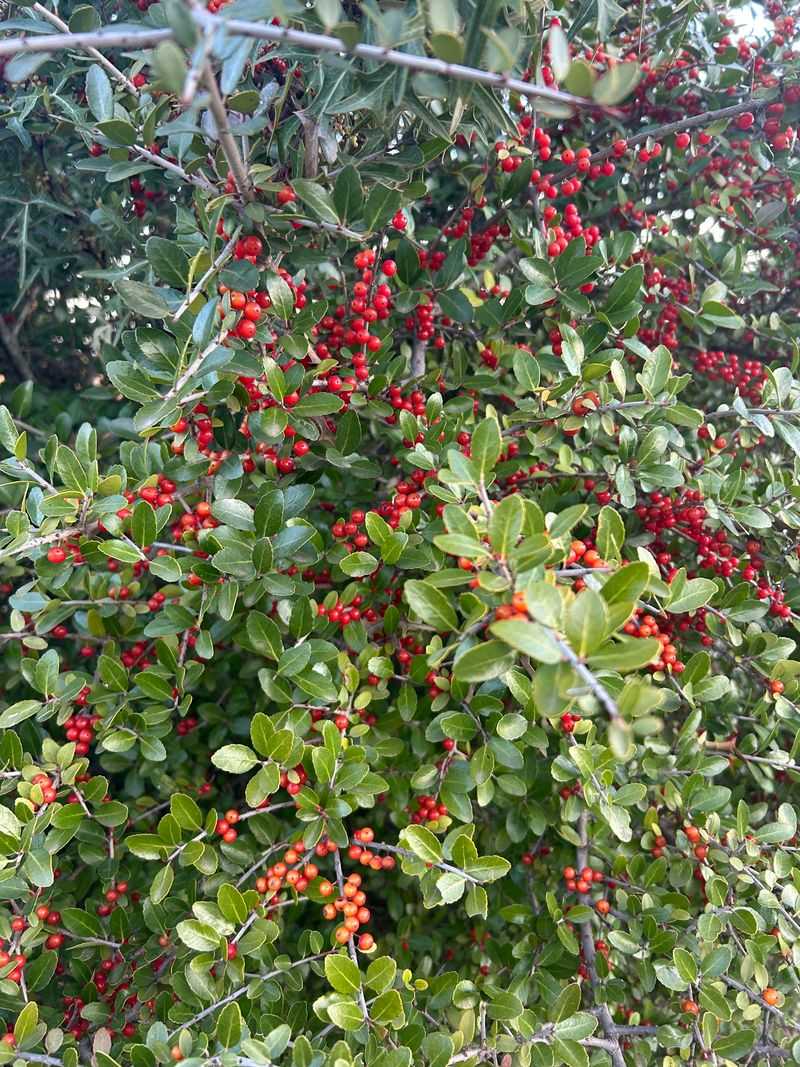
If boxwood is the plant everyone reaches for, Yaupon Holly can deliver the same tidy evergreen look while adding benefits that many traditional landscape shrubs lack.. Tough as nails, this evergreen barely blinks at drought, salt spray, or poor soil.
Birds love the bright red berries that pop up in winter, giving your yard color and life during the cooler months. That makes it a favorite for anyone who enjoys watching wildlife right outside the window.
The ‘Schillings Dwarf’ variety stays tidy and compact, so it clips into neat shapes without constant trimming. If you want that clean, formal look but hate high maintenance, this is your plant.
Fun fact: Yaupon Holly leaves were once brewed into a caffeinated tea by Native Americans, making it the only naturally caffeinated plant native to the United States.
Your Florida Garden Changes Every Week. Your Plan Should Too.
Gardening in Florida changes quickly throughout the season. Every Friday you’ll receive a simple weekly plan showing exactly what to plant, prune, fertilize, harvest, and protect so you never miss the right timing.
It grows happily in full or partial sun, so most spots in your yard will suit it just fine. September planting lets the roots grow strong before winter arrives.
Trading a thirsty generic shrub for this adaptable holly means less watering and fewer worries during dry spells. You get year-round greenery, winter berries, and a plant that practically takes care of itself once it is established.
3. Turk’s Cap Mallow (Malvaviscus Arboreus)
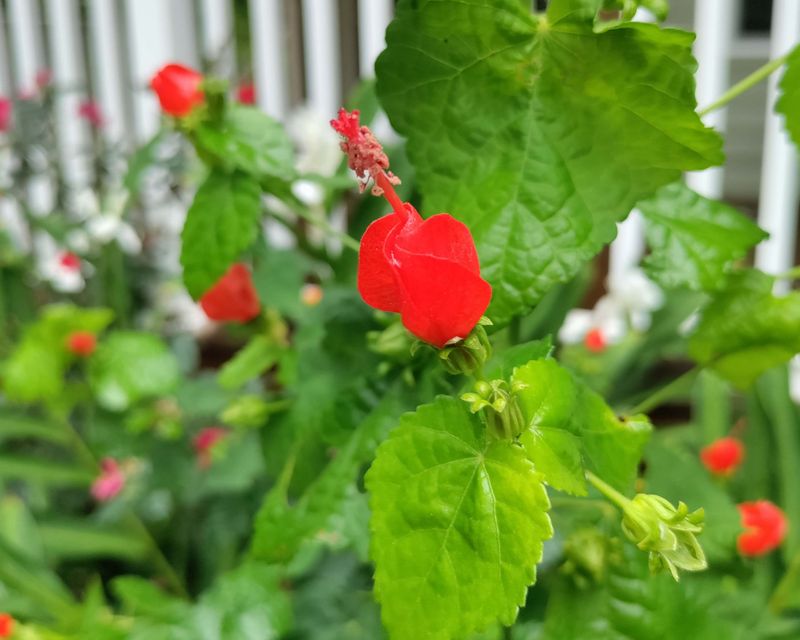
Hummingbirds cannot resist the twisted red flowers of Turk’s Cap Mallow, blooms that look like tiny hibiscus that forgot to open all the way. This quirky shrub brings movement and color to shady corners where other plants sulk.
Related to hibiscus, it shares that tropical vibe but handles our conditions with far less drama. It thrives in partial shade and well-drained soil, and it grows well in many Florida landscapes, especially where it receives the shade and moisture it prefers.
The flowers keep coming through much of the year, so pollinators always have a reason to visit. Butterflies join the hummingbirds, turning your yard into a busy little pit stop.
One nice thing about this plant is its relaxed growth habit. You can let it spread naturally as a loose, cheerful mass, or trim it back to keep it neater near a patio or walkway.
It does not demand rich soil or constant feeding, which fits the Florida-Friendly idea of putting the right plant in the right place. Plant it in September and it will settle in nicely before the cooler weather.
Swap out a plain shrub for Turk’s Cap and you trade boring green for a nonstop nectar bar. Your local hummingbirds will thank you all season long.
4. Coontie (Zamia Floridana)
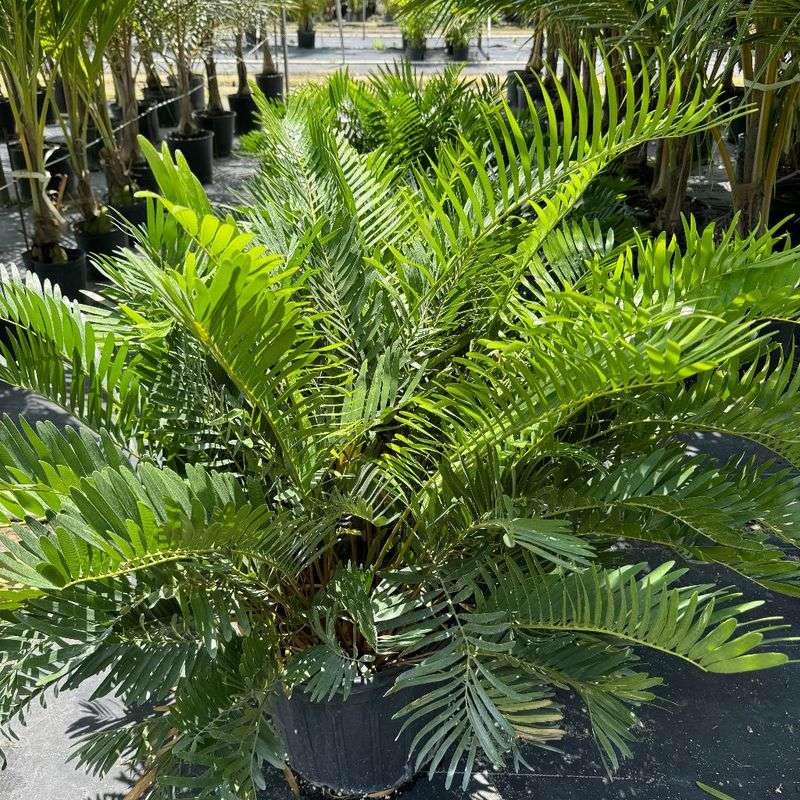
Meet the dinosaur of Florida yards. Coontie is an ancient cycad that has been around for millions of years, and it still looks like it belongs in a prehistoric jungle.
Despite that wild look, this plant is incredibly practical. It stays low and compact, handles drought like a champ, and loves the sandy soils that give other plants trouble.
Its stiff, feathery fronds give a tropical feel without the sprawl of a palm. That makes it perfect for tucking along foundations, borders, or rock gardens where you want texture but not a mess.
Coontie is the primary host plant for the rare Atala butterfly, so growing it can help bring this once-endangered beauty back to your neighborhood.
Because it is so tough, it needs almost no care once it takes root. Skip the heavy watering and fertilizing that generic shrubs demand, and this plant will just keep going.
September’s warm soil helps it establish before winter, giving the roots time to anchor in. It grows slowly, so buy a decent-sized one if you want an instant look.
Choosing Coontie over another ordinary shrub means less upkeep and a piece of living history in your yard. It is rugged, striking, and truly Floridian.
5. Dwarf Walter’s Viburnum (Mrs. Schiller’s Delight)
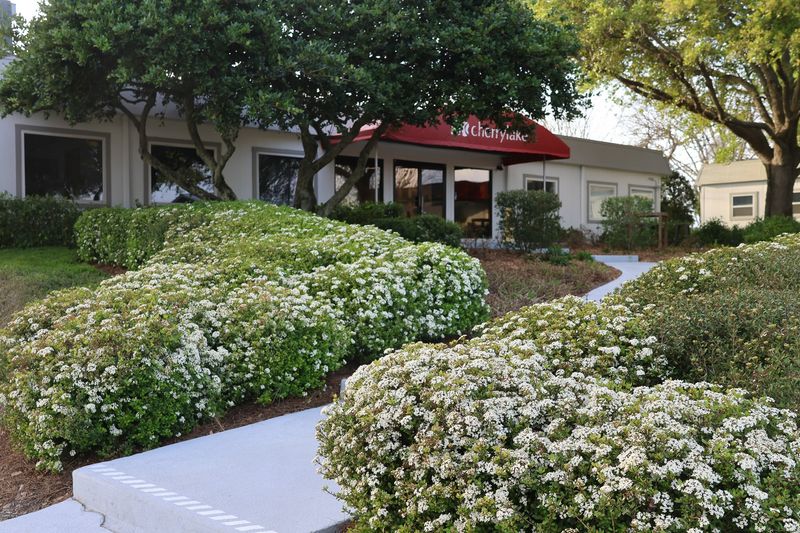
For anyone who loves a crisp, clipped hedge but wants a native plant instead, Dwarf Walter’s Viburnum is the answer. The variety called ‘Mrs. Schiller’s Delight’ stays small and full without any effort.
Tiny, dense leaves give it a fine texture that looks great sheared into a formal shape. You can also let it grow naturally into a soft mound, so it fits both tidy and relaxed garden styles.
In spring, clusters of little white flowers cover the plant, drawing bees and adding a fresh, clean look. It is a lovely swap for those overused foundation shrubs that never bloom.
This viburnum is cold hardy and adapts to different light levels, from bright sun to lighter shade. That flexibility makes it easy to place almost anywhere in the yard.
It takes shearing well, so if you enjoy shaping plants, this one rewards you with neat, dense growth. If you would rather leave it alone, it still looks great.
Plant it in September so the roots can grow strong before the season shifts. Once settled, it needs little water and even less fuss.
Trading a plain hedge shrub for this compact native gives you structure, spring flowers, and buzzing pollinators, all in one hardworking little plant.
6. Muhly Grass (Muhlenbergia Capillaris)
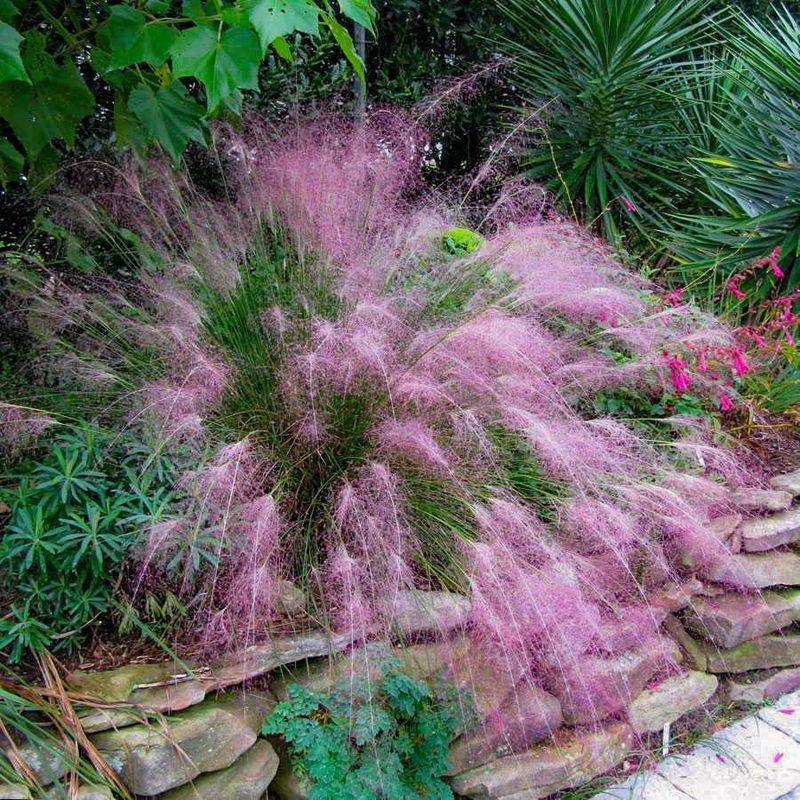
Every fall, Muhly Grass turns into a pink cloud that seems to float above the ground. It is one of the most jaw-dropping sights in a Florida yard, and it happens right around this planting season.
Those airy pink blooms catch the late afternoon light in a way that stops people in their tracks. The rest of the year, the fine green blades sway gently and add soft movement to the garden.
This native grass asks for almost nothing. It shrugs off drought, tolerates poor soil, and rarely needs trimming beyond a quick cutback in late winter.
Its dense growth can provide some cover for small wildlife while adding year-round texture. So it is not just pretty, it pulls its weight for wildlife too.
Muhly Grass works well planted in a mass, where several clumps together create that famous pink haze. It also shines as a single specimen near a walkway or driveway.
Since it loves warmth, September is a great time to get it in the ground and let it root before its show-stopping fall display next year. Give it full sun for the best blooms.
Swapping a dull shrub for this grass adds seasonal drama and easy care that keeps giving year after year.
7. Blue Porterweed (Stachytarpheta Jamaicensis)
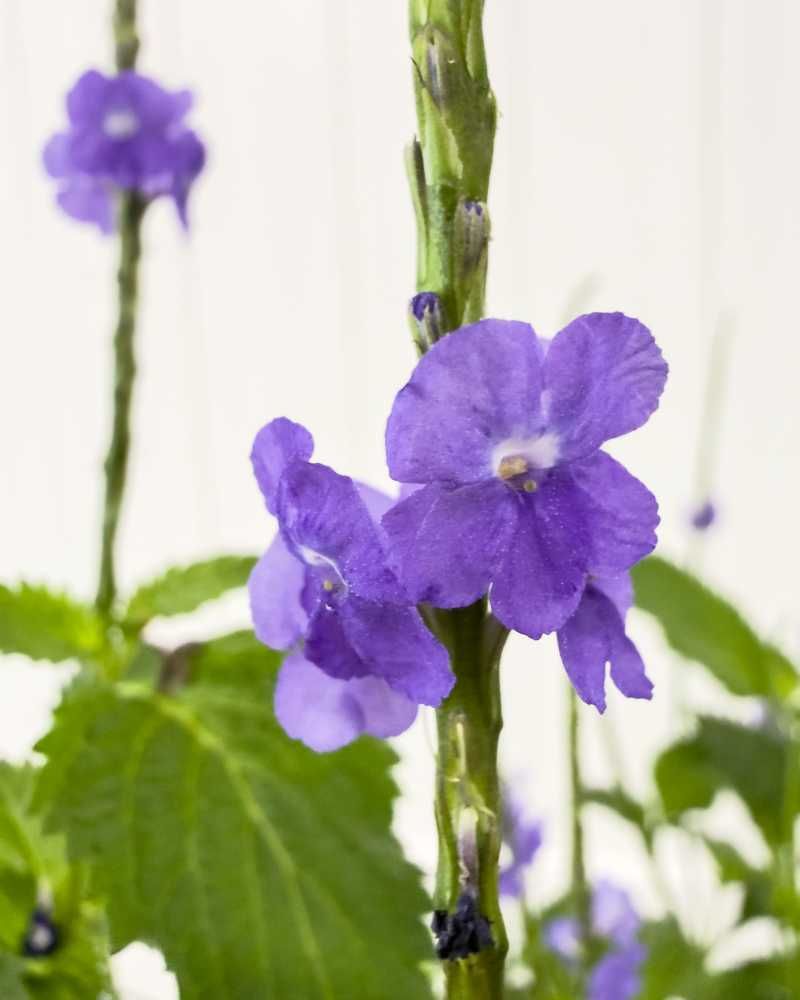
Butterflies treat Blue Porterweed like an open buffet. The slender spikes of purple-blue flowers open a few at a time, giving pollinators a steady food source all season long.
This low, spreading plant is a workhorse for anyone building a pollinator garden. Skippers, swallowtails, and even bees flock to it, turning your yard into a fluttering, buzzing hotspot.
It grows fast and keeps blooming through the warm months, so you get color and activity without much waiting. The sprawling shape fills gaps nicely along borders and beds.
Blue Porterweed is not picky about soil and handles Florida heat without complaint. Give it plenty of sun and it will reward you with wave after wave of tiny flowers.
Because it can reseed, you may find new little plants popping up nearby, which is handy if you want more of them. If not, it is easy to pull the extras.
Plant it in September while the weather is still warm and it will get established quickly. Water it as it settles, then step back and let it do its thing.
Choosing this lively bloomer over a plain green shrub instantly makes your yard more alive. It is proof that a low-key native can bring a ton of movement and color.
Choose the native Blue Porterweed (Stachytarpheta jamaicensis) rather than nonnative porterweed species often sold in nurseries
8. Wild Coffee (Psychotria Nervosa)
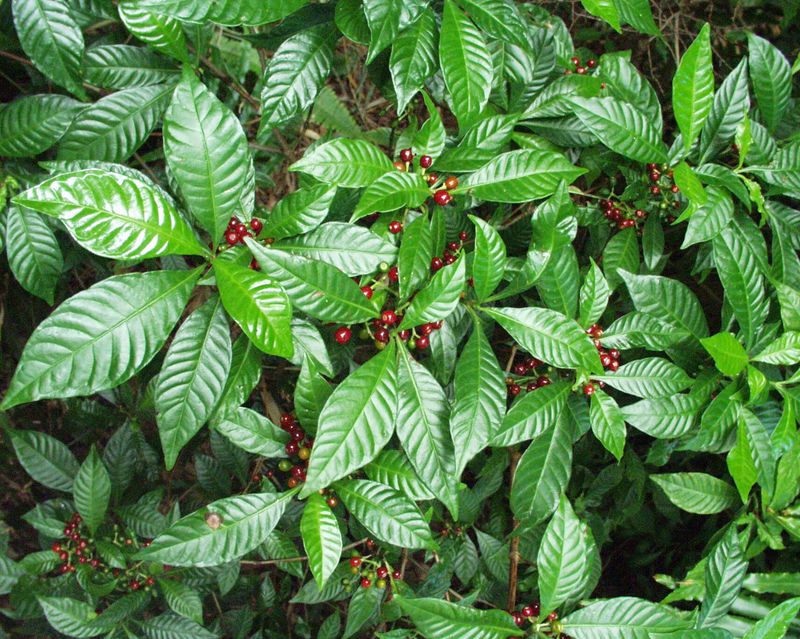
The shiny, deeply grooved leaves of Wild Coffee almost look like they have been polished by hand. That glossy foliage alone makes it worth a spot in your yard, no matter the season.
It handles a range of light, from full sun to fairly deep shade, which makes it a lifesaver for those tricky spots under trees. Few shrubs stay this attractive in low light.
Small white flowers appear and later turn into red berries that birds gobble up. So while you enjoy the leaves, the wildlife enjoys a snack.
And yes, it is related to the coffee plant, though you will not be brewing your morning cup from it. The name comes from that family connection, not a caffeine kick.
Wild Coffee is a native that supports pollinators and birds while staying neat and manageable. It stays manageable with occasional pruning and fits well into shaded landscapes.
In shadier gardens where most flowering shrubs give up, this one keeps its rich green shine going strong. That reliability is a big reason gardeners love it.
September planting gives the roots time to grow before cooler weather. Keep it watered while young, then enjoy an easygoing shrub that brightens shade and feeds the neighborhood birds for years to come.
9. Simpson’s Stopper (Myrcianthes fragrans)
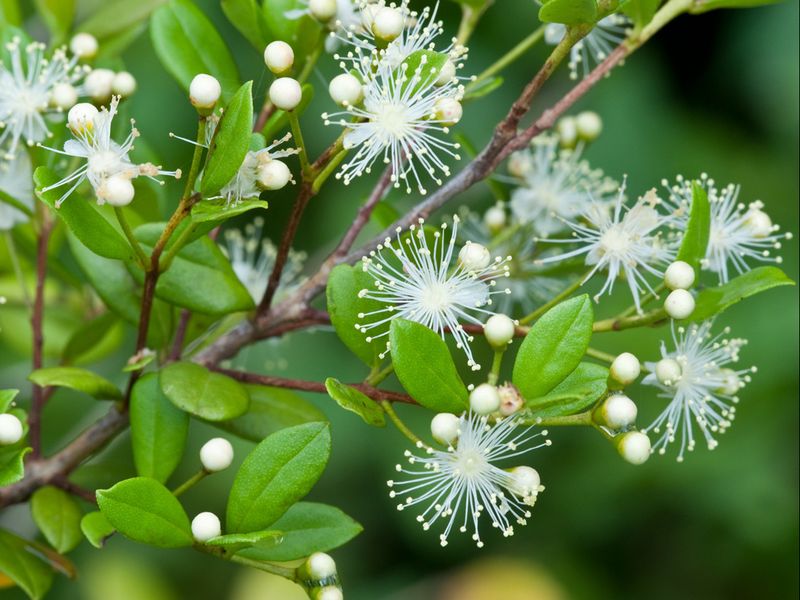
Tired of high-maintenance hedges that struggle with pests and conditions? Simpson’s Stopper is the native swap that gives you a dense green screen without the drama.
This shrub can grow as a tall bush or small tree, forming a thick wall of foliage that blocks views and softens property lines. In full sun it fills in beautifully.
Its peeling, reddish bark adds surprising character up close, almost like the trunk is showing off. Add fragrant white flowers and cheerful red-orange fruits, and you have a plant with something interesting all year.
Birds happily feast on those berries, so your privacy hedge doubles as a wildlife diner. That is a lot of value from one low-maintenance plant.
Unlike thirsty exotic hedges, Simpson’s Stopper is built for Florida’s climate. It handles heat, sandy soil, and dry stretches without falling apart.
The sweet-smelling blooms are a bonus you will notice every time you walk past. Pollinators appreciate them too.
September is a fine time to plant it, letting the roots dig in before the cooler months. Give it room to grow and it will reward you with a lush, living fence.
Choosing this native over a fussy ficus means less upkeep, more wildlife, and a hedge that actually belongs here.
10. Beautyberry (Callicarpa Americana)
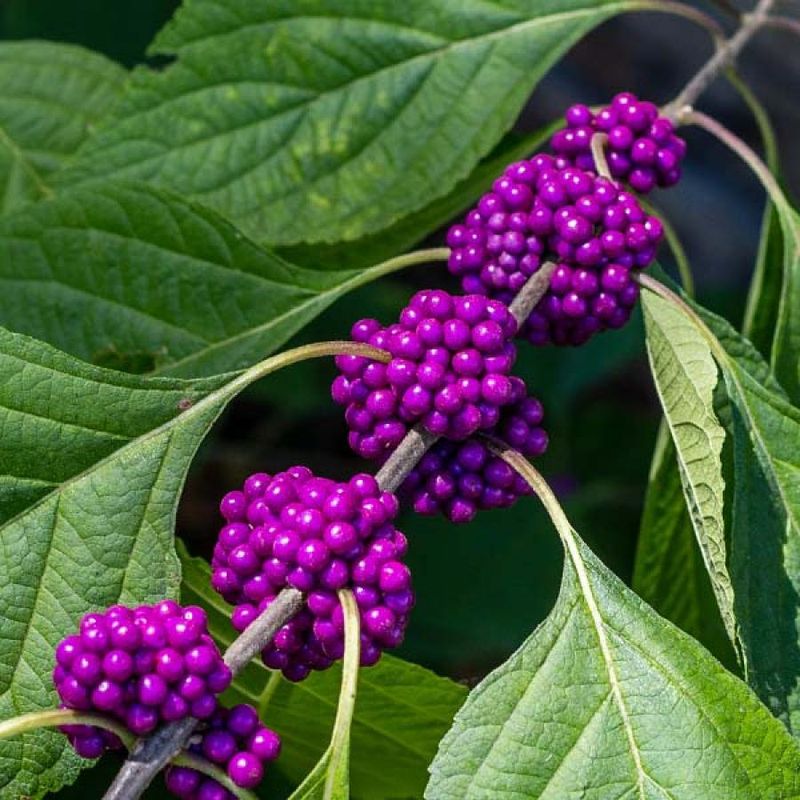
Come late summer and fall, Beautyberry practically explodes with clusters of electric purple fruit. The color is so bold it looks almost fake, and it never fails to grab attention.
This fast-growing native is a favorite of birds, who strip the branches clean once the berries ripen. Watching them feast is half the fun of growing it.
Earlier in the season, small flowers draw in bees, so the plant helps pollinators before it feeds the birds. It is generous from spring straight through fall.
Old-timers even rubbed the crushed leaves on their skin as a homemade bug repellent, a trick that scientists later found actually has some merit.
Beautyberry has a loose, arching shape that looks best when allowed to grow naturally. It fills space quickly, making it great for a wilder corner or a wildlife garden.
It is not fussy about soil and handles both sun and light shade. Once established, it needs little water, which keeps your yard care simple.
Plant it this September and it will settle in fast thanks to its speedy growth. A light cutback in late winter keeps it full and tidy.
Trading a plain green shrub for Beautyberry brings a burst of unforgettable color and a steady stream of hungry, happy birds.
11. Blackbead (Pithecellobium Keyense)
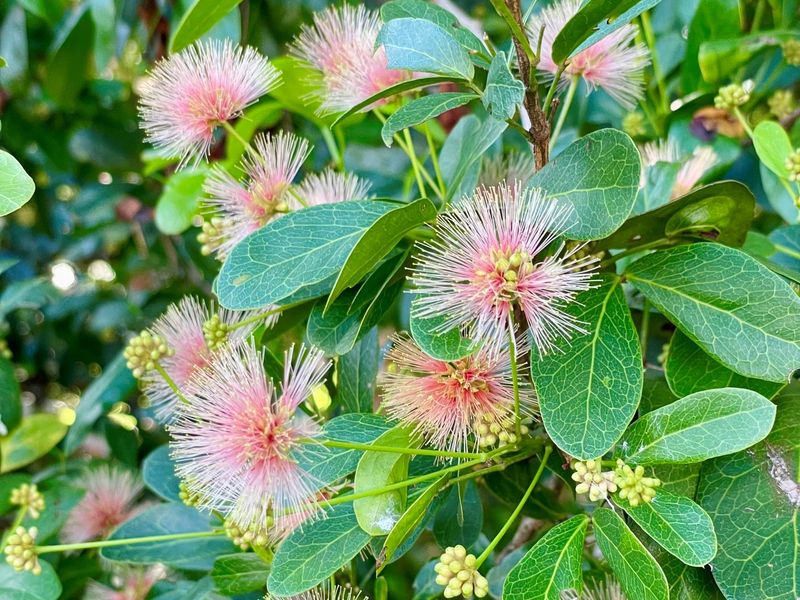
Along Florida’s coast, Blackbead thrives where salty wind and sandy soil send other plants running. This tough native is built for the beach life, yet it looks anything but rough.
Its fluffy flowers range from white to soft pink, giving off a light, pleasant fragrance. After the blooms fade, curly coiled pods appear, adding a fun, twisty shape you will not see on ordinary shrubs.
Butterflies count on Blackbead as a host plant, meaning caterpillars grow up on its leaves. Birds swing by later to grab the seeds, so it keeps wildlife busy in more ways than one.
For coastal homeowners, this shrub is a dream. It laughs off salt spray and drought, two things that usually spell disaster for pretty plants near the water.
The dense growth can form a natural barrier or screen, and it handles sun without wilting. That makes it useful and good-looking at the same time.
September planting lets the roots grab hold before winter, giving you a strong start. Water it while young, then let it toughen up on its own.
Picking Blackbead over a generic shrub means fewer struggles with salty, sandy conditions and a lot more butterflies flitting through your coastal yard. It is a smart, scenery-friendly choice.
12. Lignum Vitae (Guaiacum Sanctum)
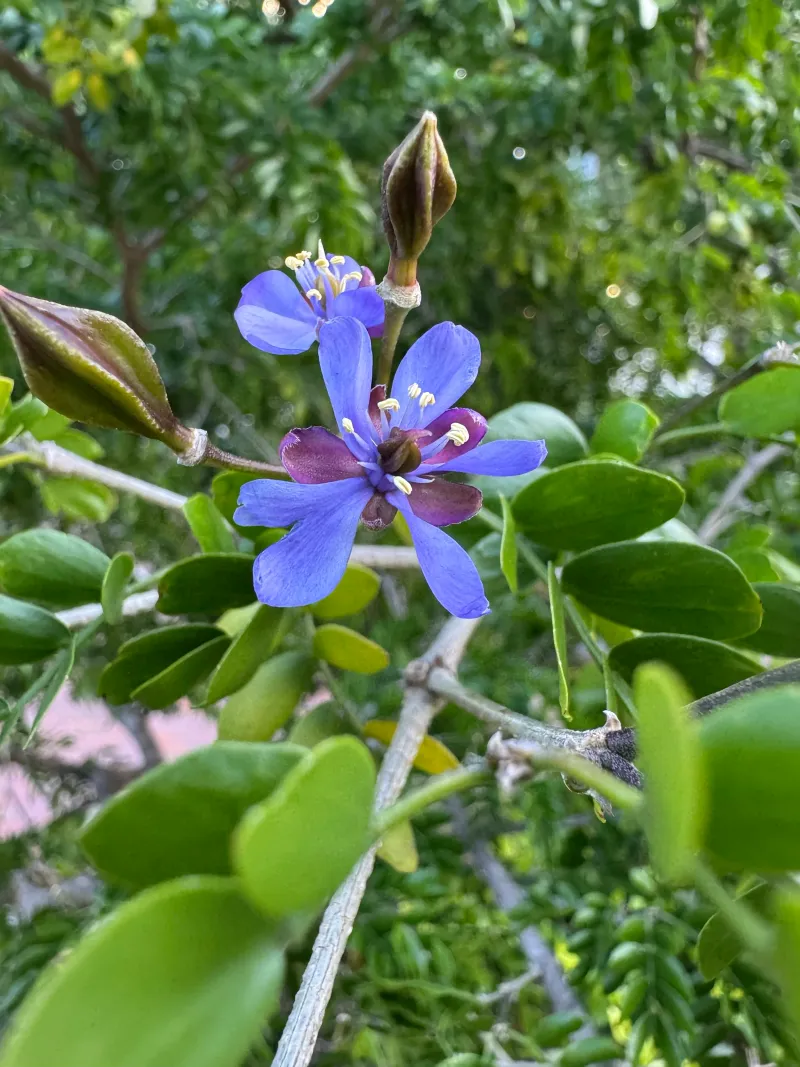
Rare, slow, and absolutely worth the wait, Lignum Vitae is the crown jewel swap for gardeners who want something special. Its violet-blue flowers are unlike anything else in a typical yard.
This native shrub or small tree also produces bright yellow-orange fruits that add a second pop of color. Together, the blooms and fruit make it a true showpiece.
The name means “wood of life,” and for good reason. Its wood is one of the hardest and densest in the world, once prized for ship parts and tools because it barely wears down.
Despite its exotic looks, it handles Florida conditions well, tolerating both drought and salt. It grows happily in full or partial sun, making it flexible for many yards.
Because it grows slowly, patience is part of the deal. But that slow pace also means it stays a manageable size and rarely needs heavy pruning.
It is not the easiest plant to find, so grabbing one when you can is a treat for any collector of unusual natives. Plant it in September to give it a gentle start.
Swapping a forgettable shrub for Lignum Vitae rewards you with dazzling blue flowers, historic charm, and a rugged plant that quietly becomes the star of the garden.