7 Pennsylvania Flowers That Deer Walk Right Past Even In A Hungry Fall
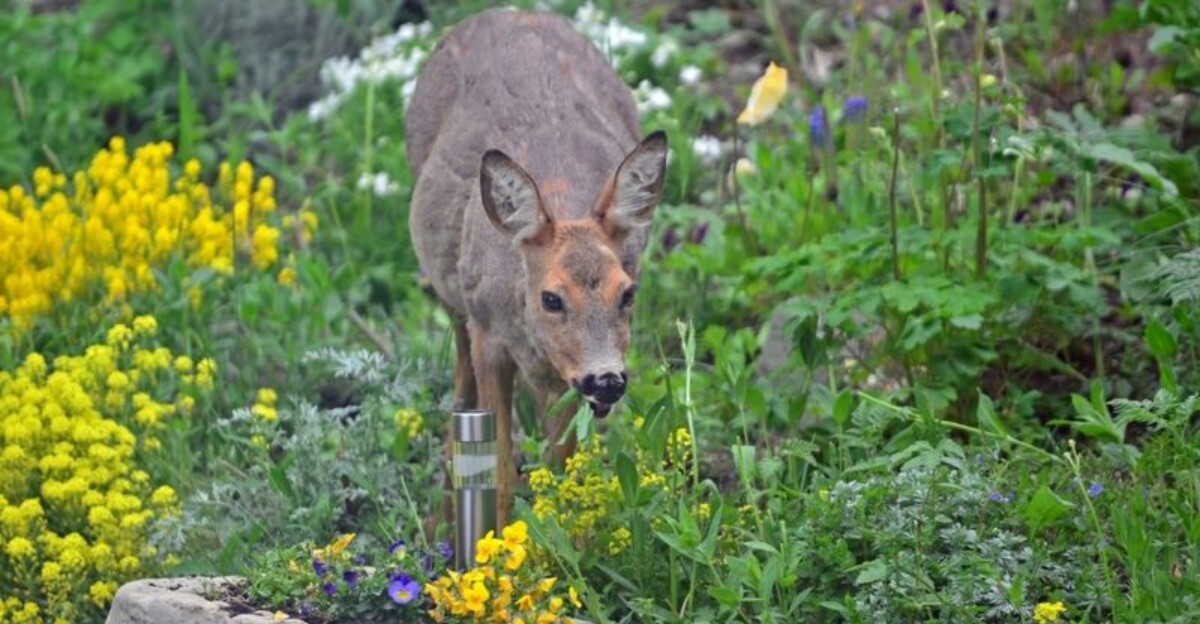
Fall deer pressure in Pennsylvania is a different challenge from what most gardeners deal with in spring and summer.
As natural food sources diminish and deer begin ranging more widely through residential areas, even plants that were left alone all season can suddenly become targets.
The boldness that comes with autumn hunger makes deer a more serious garden problem in fall than at almost any other point in the year. But certain flowers they simply walk past. Every time.
These are not plants that deer avoid occasionally or under specific conditions. They’re flowers that deer consistently ignore even when food is scarce and their tolerance for unfamiliar plants is at its lowest.
The combination of scent, texture, or compounds these flowers produce puts them reliably off the deer menu regardless of the season or how hungry the local population happens to be.
For Pennsylvania gardeners who have lost too many fall plantings to overnight browsing, this list is worth knowing and worth planting from.
1. Russian Sage
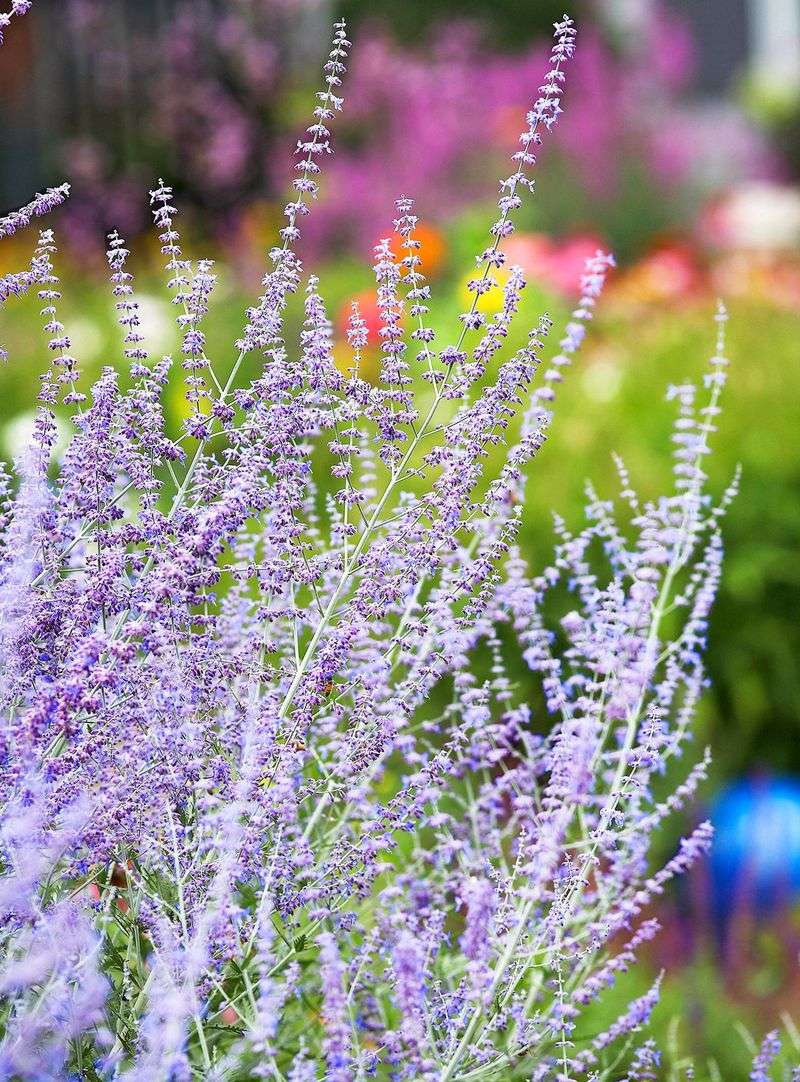
Silvery stems topped with a haze of purple-blue blooms make Russian sage look like a cloud floating in the garden. Deer take one whiff and keep on walking.
The secret is in the smell. Russian sage gives off a sharp, herb-like scent that deer find unpleasant.
To them, it smells more like a spice cabinet than a meal. That strong aroma is exactly why gardeners love pairing it with plants deer usually love.
This plant thrives in Pennsylvania’s fall weather. It loves full sun and dry, well-drained soil, so you don’t need to fuss over it much.
Once it settles in, it handles heat, drought, and cool nights without complaint.
Russian sage grows tall, sometimes reaching four feet, which adds nice height to a flower bed. The airy purple flowers keep showing color long after many summer blooms fade.
Bees and butterflies visit often, so your yard stays lively even as the season winds down.
Caring for it is simple. Cut it back in early spring, and it comes back stronger each year.
It rarely needs extra water once established, making it a smart pick for busy gardeners.
Fun fact: despite its name, Russian sage isn’t a true sage and doesn’t come from Russia. It actually grows wild across parts of Central Asia.
If you want a flower that shrugs off deer and still puts on a show, this one belongs in your fall garden. Plant it near a walkway so you can enjoy the scent that deer can’t stand.
2. Bee Balm
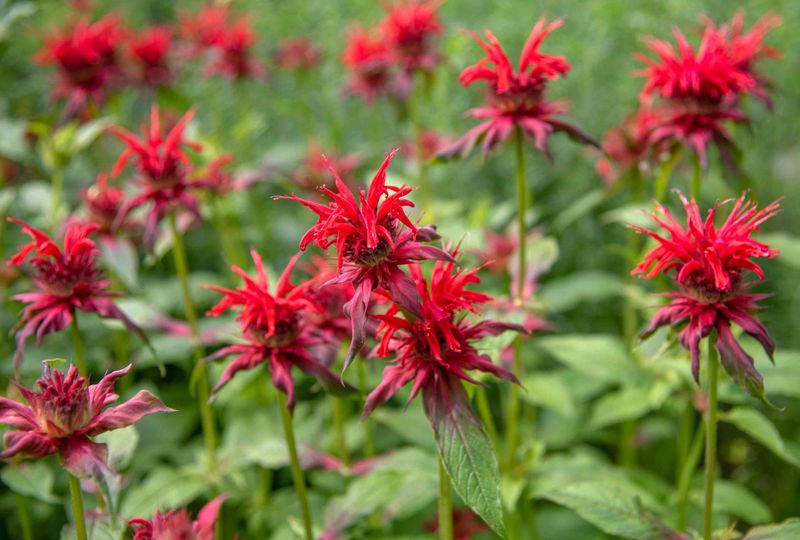
With shaggy, firework-shaped blooms in red, pink, and purple, bee balm looks wild in the best way. Deer, however, want nothing to do with it.
The leaves carry a minty, spicy scent that deer find off-putting. Rub a leaf between your fingers and you’ll notice a smell close to oregano.
That same fragrance that draws bees and hummingbirds keeps hungry deer at a safe distance.
Pennsylvania gardeners appreciate how tough bee balm is. It handles cool fall nights and keeps blooming when other flowers slow down.
Your Pennsylvania Garden Changes Every Week. Your Plan Should Too.
Gardening in Pennsylvania changes quickly throughout the season. Every Friday you’ll receive a simple weekly plan showing exactly what to plant, prune, fertilize, harvest, and protect so you never miss the right timing.
Give it full sun to partial shade, and it rewards you with color for weeks.
Good air flow matters with this plant. Space it out so the leaves stay dry, which helps prevent powdery mildew.
Choosing mildew-resistant varieties also keeps it looking fresh.
Native to North America, bee balm has a long history. Native Americans and early settlers brewed its leaves into a soothing tea, which is how it earned the nickname Oswego tea.
Beyond keeping deer away, this flower is a pollinator magnet. Hummingbirds hover around the tubular blooms, and bees crowd the petals all day long.
Watching the activity is half the fun of growing it.
Cut back spent flowers to encourage more blooms. In spring, divide crowded clumps to keep the plant healthy and spread it to new spots.
For a garden that buzzes with life but stays untouched by deer, bee balm delivers. Its bold color and strong scent make it a reliable favorite for fall beds across the state.
3. Lavender
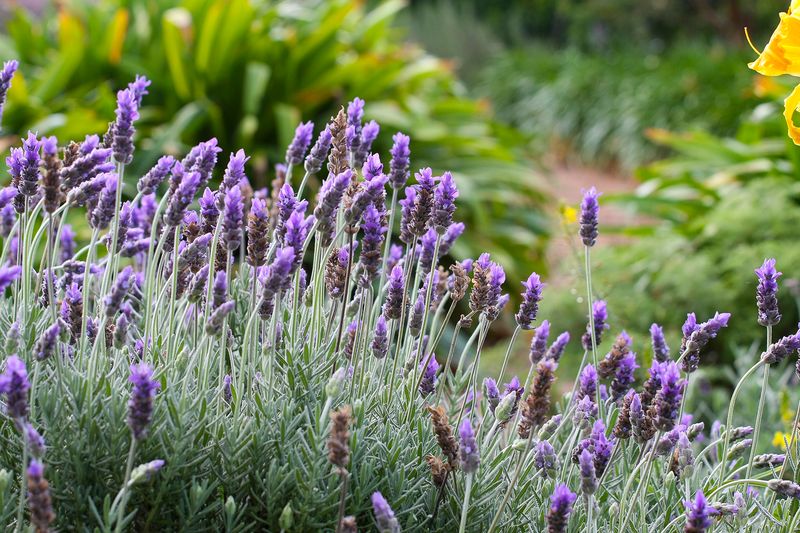
Few flowers smell as calming to people as lavender, yet that same scent sends deer running the other way. It’s a win-win for your senses and your garden.
The strong oils in lavender’s leaves and flowers are the reason deer avoid it. What smells like a spa day to us feels overwhelming to a deer’s sensitive nose.
Planting it along the edges of a bed can even help protect nearby plants.
Lavender loves the same conditions Russian sage does. It wants full sun and sandy, well-drained soil.
Soggy roots are its biggest enemy, so avoid overwatering and heavy clay spots.
In Pennsylvania, English lavender varieties tend to handle winters best. They bounce back each year and fill the air with fragrance from summer into early fall.
The silvery-green leaves stay attractive even after the blooms fade.
Beyond the garden, lavender earns its keep. You can snip the stems and dry them for sachets, teas, or simple bouquets.
The dried flowers hold their scent for months.
Bees adore lavender too, so your yard stays busy with helpful pollinators. Butterflies often stop by for a sip as well.
Keep it tidy by trimming after flowering. This encourages a rounded shape and prevents the plant from getting woody and sparse in the middle.
Did you know lavender has been used for thousands of years? Ancient Romans added it to their baths, which is where the name comes from, tied to the Latin word for washing.
For a fragrant, deer-proof border that looks and smells wonderful, lavender is hard to beat.
4. Yarrow
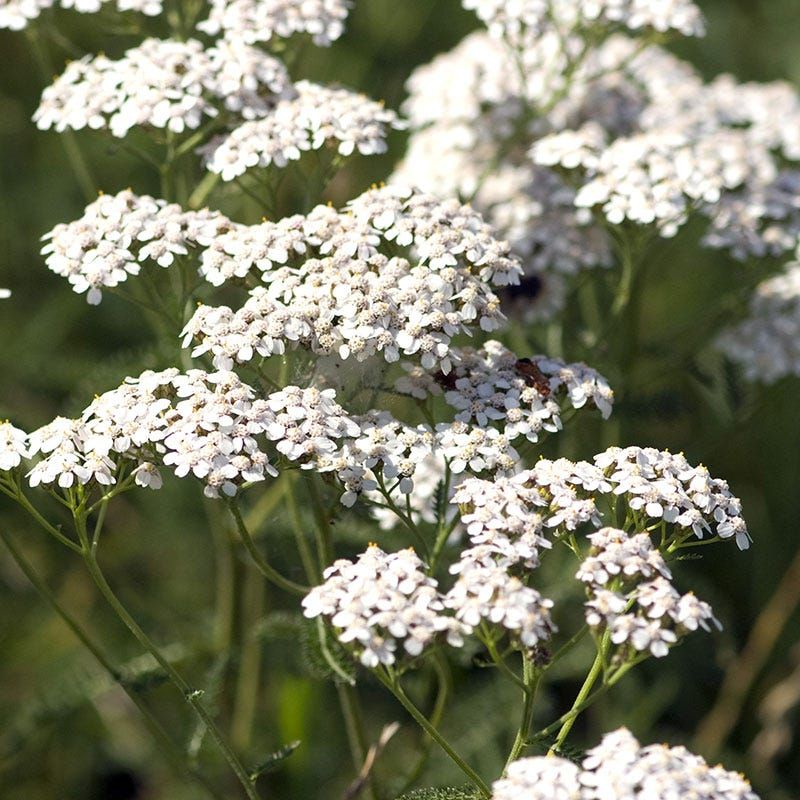
Flat-topped clusters of tiny flowers give yarrow a fern-like, feathery look that stands out in any bed. Deer usually leave it completely alone.
The feathery leaves have a bitter taste and a strong herbal smell. That combination makes yarrow unappealing to deer, even when food is scarce in fall.
They’d rather graze elsewhere than deal with the flavor.
Yarrow is one of the toughest flowers you can plant. It handles poor soil, drought, and heat without slowing down.
Once it takes root, it needs almost no extra care to keep blooming.
Colors range from bright yellow to soft pink, red, and creamy white. The blooms sit on sturdy stems that hold up well in wind and rain.
This makes yarrow great for cutting and drying too.
In Pennsylvania gardens, yarrow keeps flowering into the cooler months. It fills gaps where summer flowers have faded and adds texture with its lacy foliage.
Pollinators flock to the wide flower heads. Butterflies, bees, and ladybugs all use it as a landing pad, which helps the whole garden stay healthy.
This plant has a fascinating past. Its scientific name, Achillea, comes from the Greek hero Achilles, who legend says used it to treat soldiers’ wounds on the battlefield.
To keep yarrow looking neat, remove faded blooms and divide clumps every few years. It spreads easily, so give it room or plant it where it can fill in naturally.
For a low-effort, deer-resistant flower that thrives on neglect, yarrow is a dependable choice that rewards you all season.
5. Autumn Joy Sedum
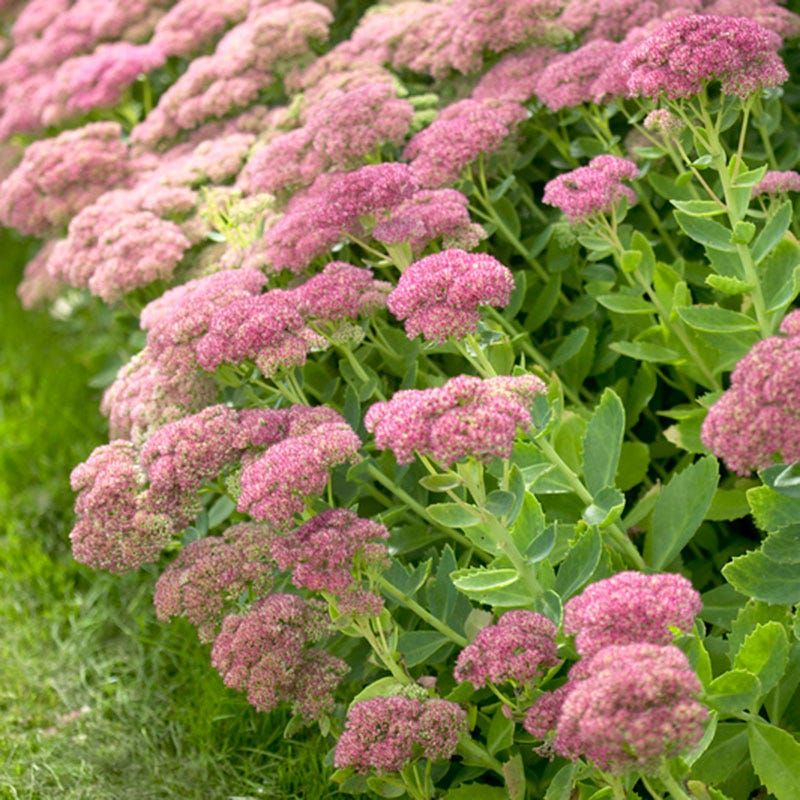
Right when the garden starts to look tired, Autumn Joy sedum steps up with big rosy blooms that shift to deep rust as fall settles in. Deer barely glance at it.
The thick, waxy leaves are the reason deer skip this plant. The texture feels unpleasant in their mouths, so they move along to easier snacks.
That built-in defense makes sedum a stress-free choice.
Timing is what makes this flower special. While many plants fade by September, Autumn Joy is just hitting its stride.
The blooms start pink and slowly turn coppery red, giving you weeks of changing color.
Sedum handles Pennsylvania fall weather like a champ. It loves full sun and dry soil, storing water in its plump leaves so it never wilts in a dry spell.
Overwatering is the only real mistake to avoid.
Bees and butterflies swarm the flower heads before winter arrives. Watching them gather nectar on a crisp afternoon is one of the joys of growing this plant.
Even after the blooms fade, sedum keeps giving. The dried seed heads stand tall through winter, adding shape to the garden and catching frost and snow beautifully.
Caring for it couldn’t be simpler. Cut the old stems back in early spring, and the plant returns fuller each year.
Dividing crowded clumps keeps it strong.
Little tip: pinch the stems back in early summer if you want a bushier, sturdier plant that won’t flop over when the blooms get heavy.
For late-season color that deer ignore, Autumn Joy sedum truly earns its spot.
6. Black-Eyed Susan
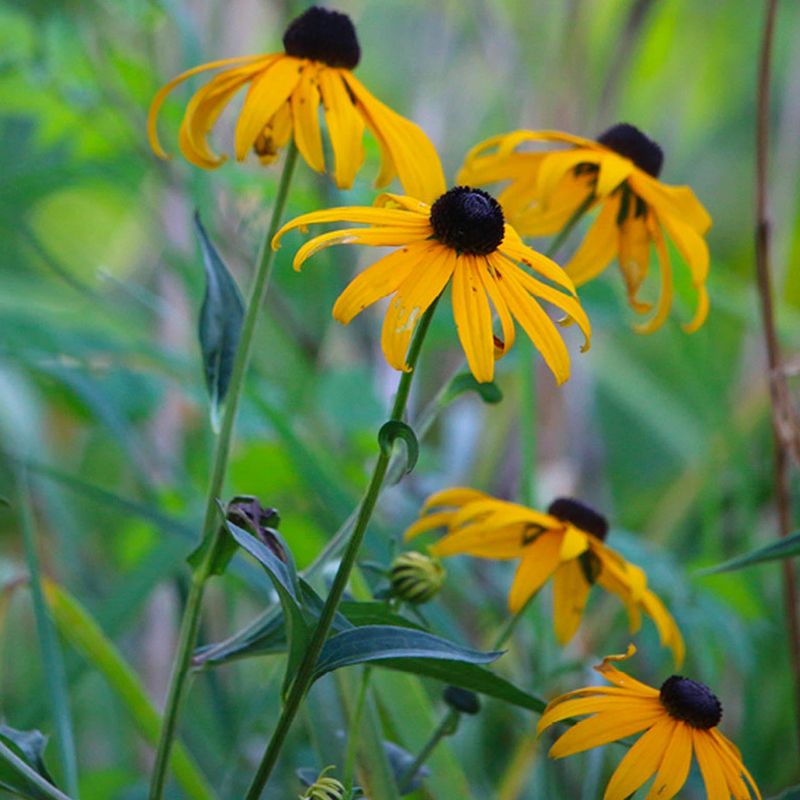
Cheerful golden petals wrapped around a dark brown center make black-eyed Susan look like sunshine on a stem. Deer tend to pass it by, leaving the cheerful blooms for you.
The leaves and stems of this plant are covered in tiny rough hairs. That scratchy texture bothers deer, so they usually choose softer plants instead.
It’s a simple defense that works well.
Black-eyed Susan is a Pennsylvania favorite for good reason. It’s native to the region, so it feels right at home in local soil and weather.
That means less work for you and a healthier plant.
These flowers bloom from midsummer straight into fall. Their bright yellow color pops against fading leaves and adds warmth to the garden as the days grow shorter.
Full sun keeps them happiest, though they tolerate a bit of shade. They aren’t picky about soil and handle dry spells without complaint, which makes them easy for beginners.
Birds love this plant later in the season. Goldfinches and other songbirds feast on the seeds from the dried centers, so leaving the flowers standing helps feed wildlife.
Pollinators enjoy the blooms too. Bees and butterflies stop by all day, keeping the garden busy and buzzing well into autumn.
Fun bit of history: black-eyed Susan is the state flower of Maryland, but it grows happily all over the eastern United States, including right here in Pennsylvania.
Deadhead spent flowers to encourage more blooms, or leave them for the birds. Either way, this bright, deer-resistant flower brings lasting color to your fall garden.
7. Catmint
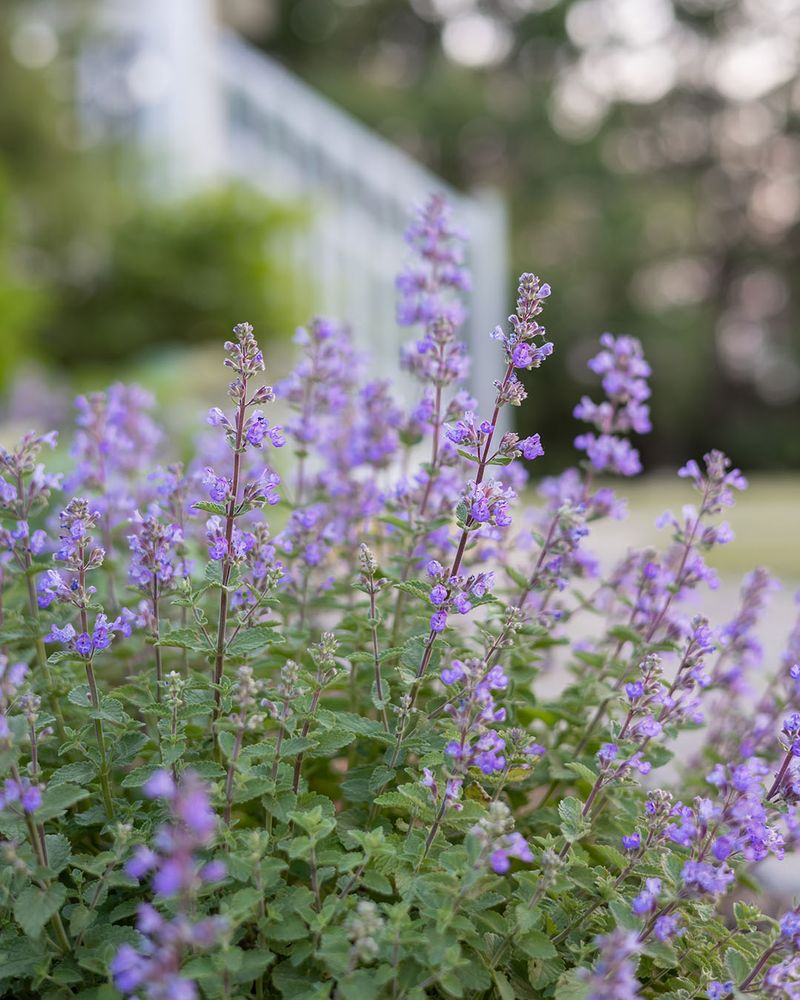
Soft mounds of purple flowers and gray-green leaves give catmint a relaxed, spilling look that softens garden edges. Deer steer clear of it every time.
The strong minty scent is what keeps deer away. Their sensitive noses find it too sharp, so they skip right over it.
Rabbits usually avoid it too, giving you double protection.
Catmint blooms for a long stretch, from late spring all the way into fall. Just when other flowers slow down, a quick trim brings on a fresh wave of purple color.
This plant loves sunshine and doesn’t mind dry soil. Once it’s established, it barely needs watering, which makes it perfect for a low-maintenance Pennsylvania garden.
The soft, fuzzy leaves add texture that lasts even when the flowers pause. Planted along a path, catmint spills over the edges in a way that looks natural and inviting.
Pollinators can’t resist it. Bees hum around the blooms all day, and butterflies stop by often, keeping your yard full of gentle motion.
Don’t confuse catmint with catnip, though they’re cousins. Catmint is grown mostly for its flowers and tidy shape, while catnip is the one that sends house cats into a happy frenzy.
Some cats still enjoy rolling in catmint too.
Keep it looking its best by shearing it back after the first bloom fades. This tidies the plant and encourages a second flush of flowers before winter.
Catmint pairs beautifully with roses and other plants deer love, acting like a fragrant guard. For an easygoing, deer-proof flower that blooms and blooms, this one is a garden hero.