This Coneflower Cutback Mistake Can Rob Your Virginia Garden Of New Plants Next Year
Put down those pruning shears for a minute. Your fall cleanup could be taking away more than you think.
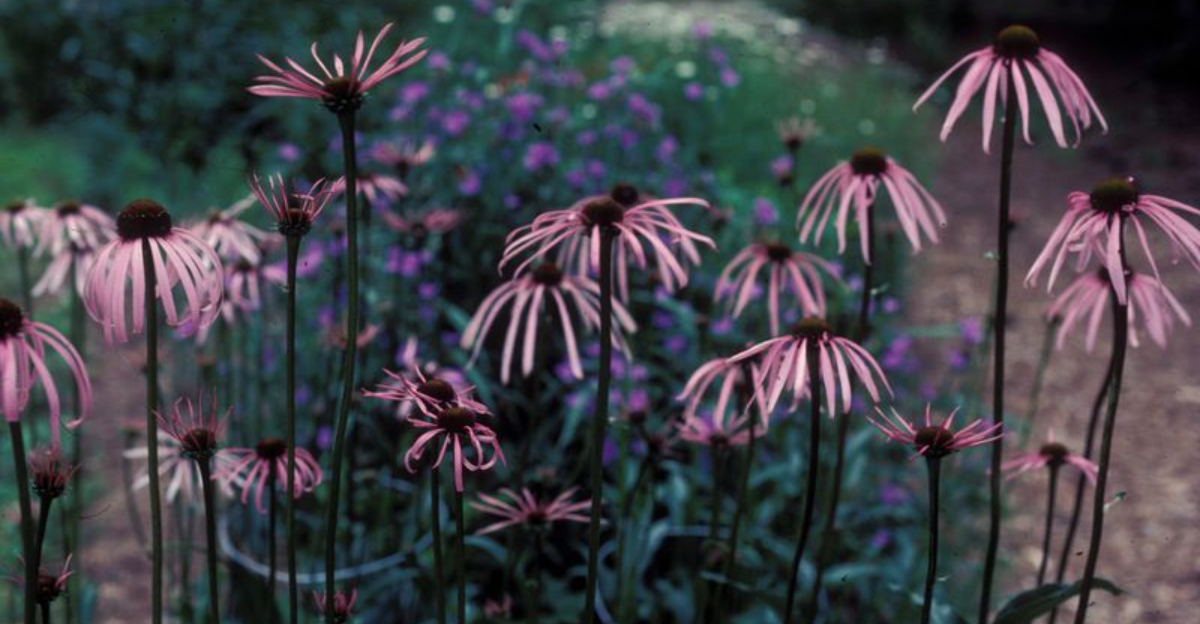
When coneflowers finish blooming, their faded flower heads may look like something that belongs in the compost pile. But those prickly little seed heads can still play an important role in the garden.
For Virginia gardeners growing smooth coneflower, leaving the plants standing a little longer can better reflect the conditions they experience in nature. There is another reason not to rush the cleanup: those dried stems can provide winter structure, while the seed heads may offer food for some seed-eating birds and shelter for small garden insects.
Even gardeners who love a neat flower bed can leave room for a little fall untidiness. Knowing what to cut, what to leave, and why it matters can help you make smarter choices before the shears come out.
And that one small decision could make a difference when next year’s garden begins to take shape.
The Fall Cutback Can Remove More Than Faded Flowers
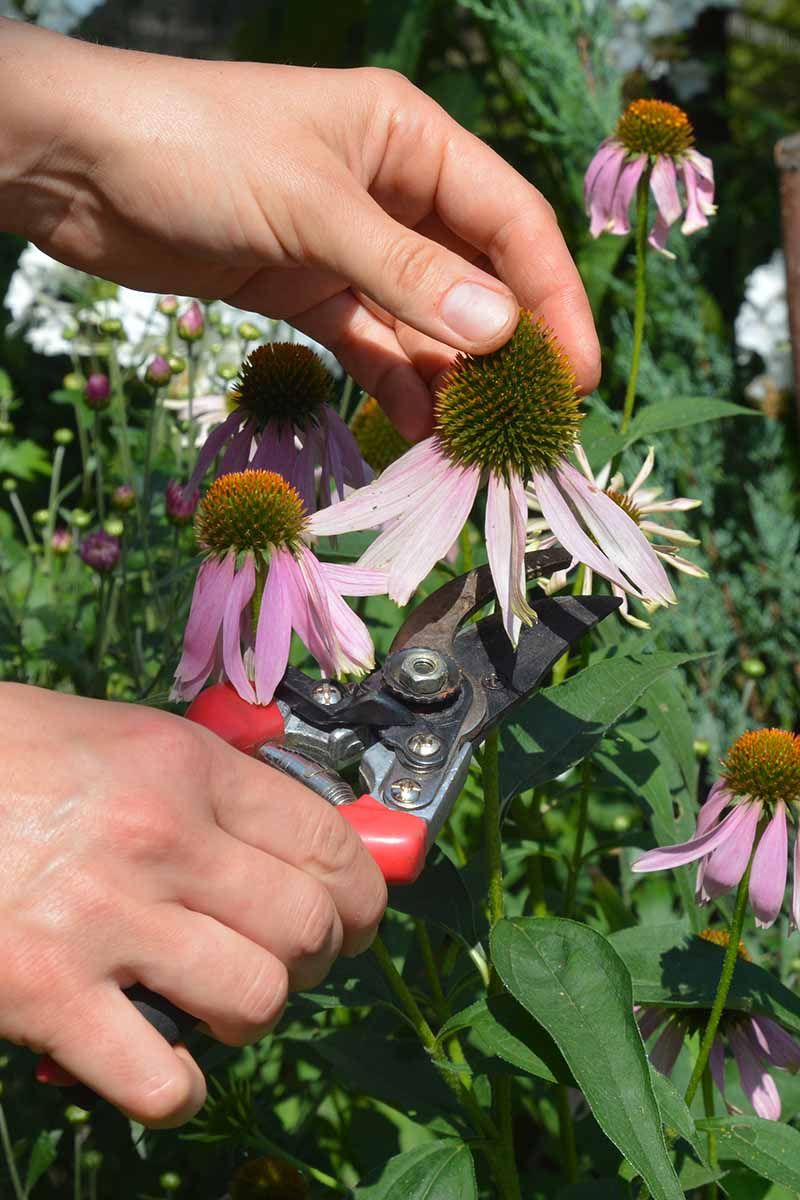
Picture yourself with shears in hand, ready to tidy the garden before winter. That instinct feels natural, but for smooth coneflower it can quietly remove next spring’s surprises.
After the pink flowers fade, the plant does not simply become a collection of dried stems. The central cone continues developing into a fruiting structure filled with achenes, the small one-seeded fruits that carry the next generation.
Smooth coneflower typically blooms from late spring into summer, but those dried flower heads can remain valuable well into fall. Removing them immediately after flowering cuts short the natural process that allows seeds to mature and disperse.
That does not mean every fall cleanup decision will ruin next year’s garden. Smooth coneflower can also spread through rhizomes, and many established plants return without relying only on seeds.
However, gardeners who want to encourage natural reproduction should avoid removing mature seed heads before they have finished their job.
The best approach is usually patience. Watch the plant transition from colorful blooms to dry fruiting structures, and let the season progress before deciding what truly needs to be removed.
A few standing stems may look different from a freshly cleaned flower bed, but they represent an important stage in the plant’s yearly cycle. Instead of seeing faded cones as something unfinished, think of them as the next chapter of the plant’s growth.
Why Leaving Seed Heads Can Help Natural Reproduction
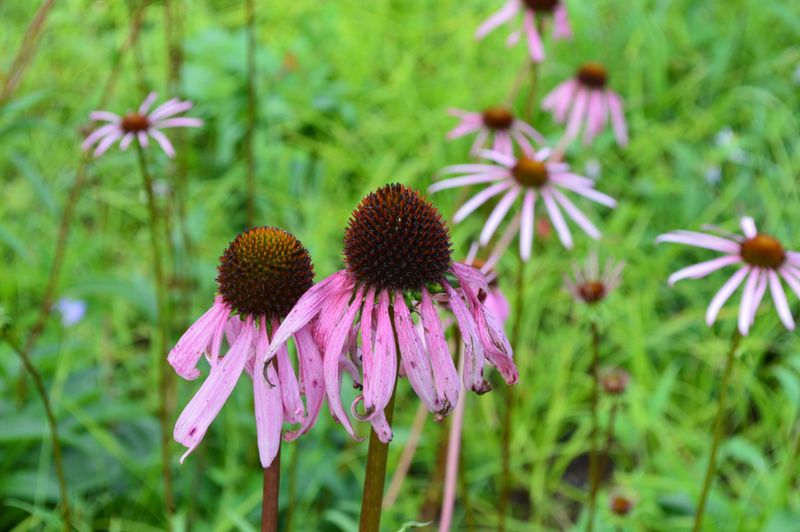
Those dried flower heads are more than leftover pieces from summer. They contain the achenes that hold smooth coneflower seeds, giving the plant a chance to spread naturally when conditions allow.
Once the flowers fade, each cone contains many small achenes that can eventually fall close to the parent plant or be moved by natural forces. If those seeds land in a suitable spot, they have the potential to produce new plants.
However, natural reproduction is not automatic. Smooth coneflower seeds generally need favorable conditions to establish, including access to suitable soil conditions and enough open space.
Your Virginia Garden Changes Every Week. Your Plan Should Too.
Gardening in Virginia changes quickly throughout the season. Every Friday you’ll receive a simple weekly plan showing exactly what to plant, prune, fertilize, harvest, and protect so you never miss the right timing.
A thick layer of mulch, heavy competition from surrounding plants, or dense ground cover can make it harder for seedlings to become established.
That is why leaving some seed heads standing is best viewed as an opportunity, not a guarantee. The plant is being allowed to complete its natural process, but the garden environment still determines whether new seedlings appear.
Leaving seed heads also creates a more natural seasonal appearance. Instead of removing every sign of summer, gardeners can allow the plant to provide structure through fall and winter while preserving the possibility of future growth.
That small change in cleanup habits can better match the way smooth coneflower reproduces in the wild.
Coneflower Has More Than One Way To Make New Plants
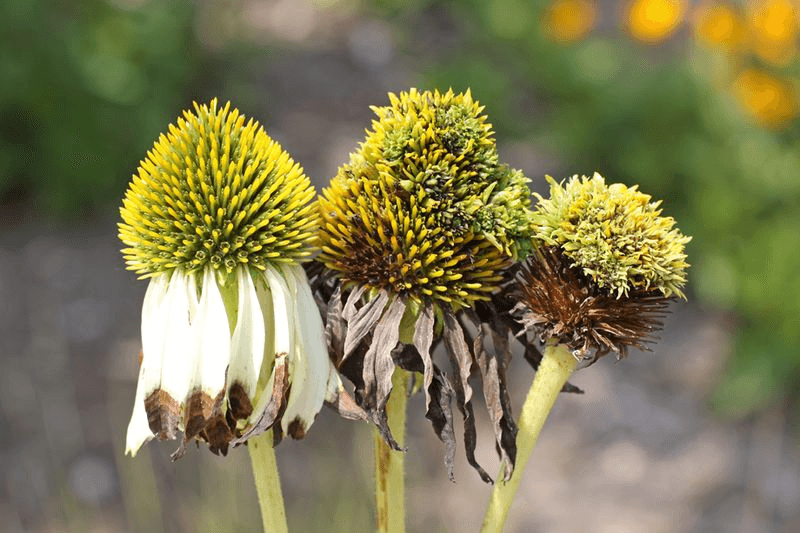
Smooth coneflower is more adaptable than many gardeners realize because it does not depend on just one method of reproduction.
One way is through seeds. After flowering, the plant produces achenes inside its dried flower heads.
These seeds allow smooth coneflower to reproduce sexually, creating new plants that may establish in different areas when conditions are right.
The plant can also produce new growth through short rhizomes, underground stems that can form additional rosettes near the parent plant. This type of growth allows an established plant to spread nearby without waiting for seeds to germinate.
These two methods serve different purposes. Seed reproduction helps the species move into new locations and maintain genetic diversity, while rhizomatous growth helps an existing plant gradually expand where it is already growing.
This distinction matters because removing seed heads does not completely stop smooth coneflower from producing new growth. An established plant with a healthy root system can still send up additional shoots through its rhizomes.
At the same time, preserving the above-ground fruiting structures gives the plant another opportunity to reproduce naturally. The seed heads and underground growth are not competing strategies.
They are two parts of the same survival system.
Understanding both methods makes fall care decisions easier. Instead of assuming that one pruning choice determines the entire future of the plant, gardeners can recognize that smooth coneflower has several ways to continue growing.
A Rare Virginia Native With A Habitat Unlike Most Garden Flowers
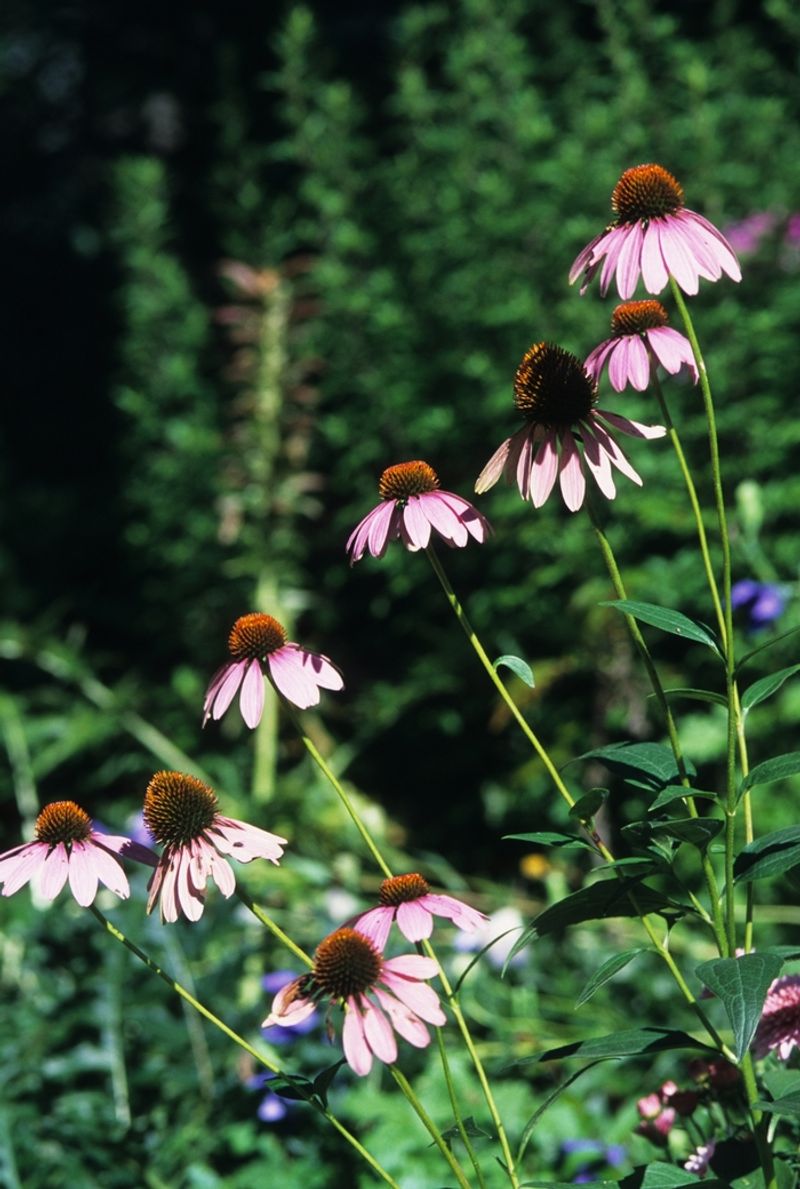
Smooth coneflower is not just another summer perennial. Known scientifically as Echinacea laevigata, this Virginia native is a rare plant with a very specific set of needs.
The species is federally listed as threatened, and its natural range is limited to parts of Virginia, North Carolina, South Carolina, and Georgia.
In the wild, it grows in open habitats such as glades, dry rocky areas, open woodlands, and other places where sunlight can reach the ground.
That preference for open spaces is one reason smooth coneflower can struggle in changing landscapes. A planting area that once provided plenty of sun may become less suitable as nearby trees, shrubs, or aggressive plants grow larger and create more shade.
The soil can matter too. Smooth coneflower is naturally associated with mineral-rich soils, including areas influenced by limestone, dolomite, and other rock formations.
However, gardeners should avoid adding amendments without first understanding their existing soil conditions. Changing the soil unnecessarily can create new problems instead of solving old ones.
Growing smooth coneflower is less about forcing it to fit a typical flower bed and more about working with what the plant naturally prefers.
A sunny location, enough space, and reduced competition from surrounding plants can help this unusual native perennial remain healthy. Paying attention to those conditions allows gardeners to support a plant that is closely connected to natural landscape.
The Wildlife Benefits Hidden In Standing Stems
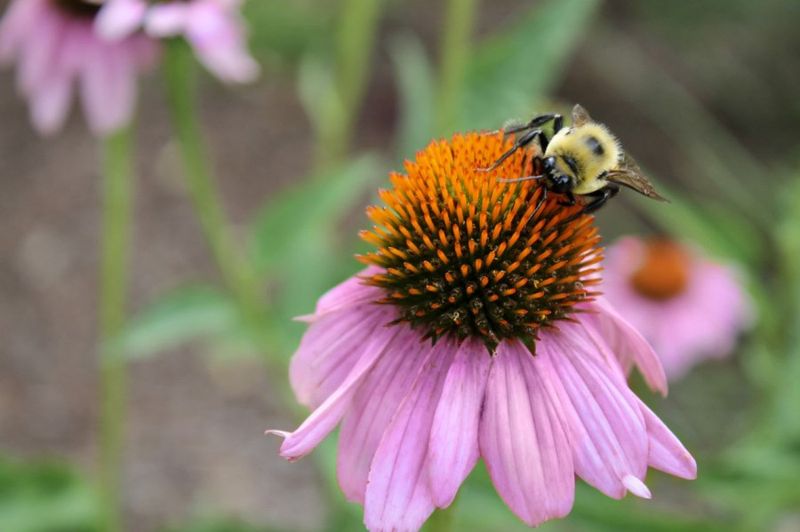
A fall garden does not need to look completely empty to be well cared for. Those dried smooth coneflower stems can continue serving a purpose long after the flowers have faded.
Standing stems and seed heads provide structure during the colder months, adding height and texture when many summer plants have disappeared.
They can also provide structure and small sheltered spaces that benefit insects and other tiny garden visitors during the colder months.
The seed heads can also provide food opportunities for birds that feed on seeds, adding another layer of activity to the winter landscape.
Leaving some plant material in place allows the garden to support more natural seasonal changes instead of removing everything at the first sign of fall.
This does not mean every stem must stay untouched. Gardeners can still remove damaged growth, clear pathways, and maintain areas that need attention.
The goal is balance: keeping useful plant material while preventing the garden from becoming overcrowded or difficult to manage.
For smooth coneflower, leaving some stems standing is especially fitting because the plant is adapted to natural environments where seasonal cleanup does not happen all at once.
A little patience in fall can create a garden that looks more natural, supports wildlife, and gives smooth coneflower a chance to complete its full seasonal cycle.
When To Leave Smooth Coneflower Alone And When To Step In
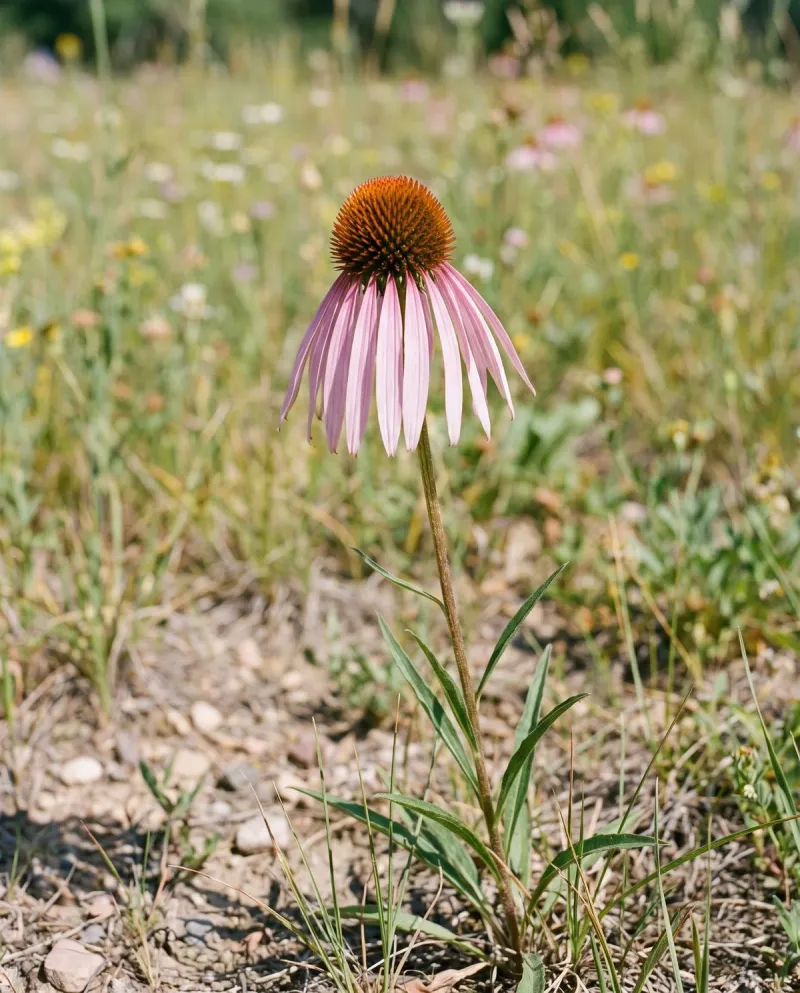
Fall care for smooth coneflower does not need to be complicated. The biggest mistake is assuming that every faded stem needs to be removed immediately.
If the plant is healthy and not blocking paths or crowding nearby flowers, leaving it standing is often the simplest choice. The dried stems can continue providing structure while the plant moves through its natural dormant period.
Selective cleanup is usually the better approach. Remove stems that are damaged, leaning into walkways, or causing a specific problem, but avoid cutting the entire plant down just because the summer blooms are finished.
The same idea applies to nearby plants. Smooth coneflower prefers open conditions, so watch for aggressive neighbors that begin shading it out or competing heavily for space.
A small adjustment may help more than a complete seasonal cutback.
When you eventually decide to prune, there is no need to treat smooth coneflower like a plant that must be perfectly cleared away. Leaving some growth in place can benefit the garden while reducing unnecessary work.
The goal is not a completely bare flower bed. It is a healthy planting area where smooth coneflower has room to follow its natural rhythm.
For gardeners in Virginia, that often means doing less, observing more, and stepping in only when the plant actually needs help. A few dried stems are not a sign of neglect.
They are simply part of the plant’s seasonal story.
A Simple Fall Routine For Healthier Smooth Coneflower
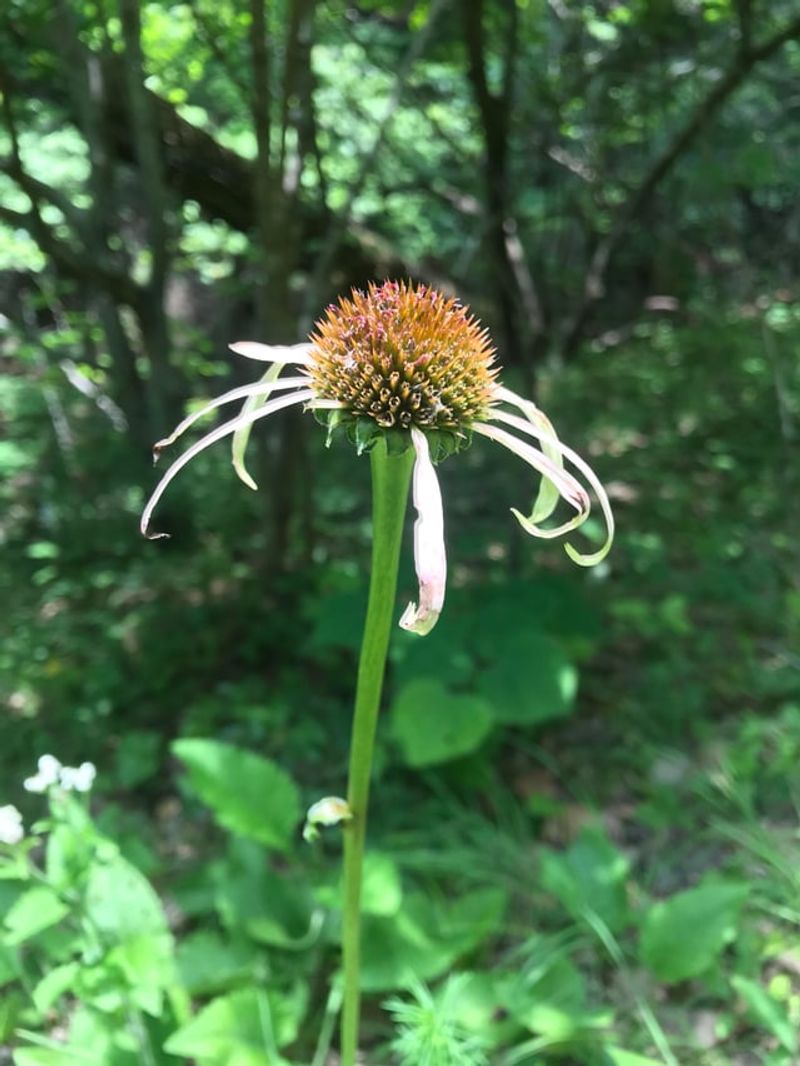
Once smooth coneflower has finished flowering, fall care becomes less about cutting and more about paying attention.
Start by looking over the planting area. Check whether the plant is still receiving enough sunlight, especially if nearby trees or shrubs have grown larger during the season.
A location that slowly becomes shaded may not provide the open conditions smooth coneflower prefers.
It is also a good time to remove problems around the plant without disturbing it unnecessarily. Pull aggressive weeds, clear away unwanted growth from nearby plants, and make sure the coneflower is not being crowded by stronger neighbors.
Avoid making major soil changes unless you know the planting area needs them. Smooth coneflower naturally grows in specific soil conditions, and adding fertilizers or amendments without testing can create an imbalance.
Fall is also a good opportunity to simply observe. Notice how the plant holds its stems, where seeds fall, and how the surrounding garden changes as temperatures drop.
Those details can help you make better decisions in future seasons.
If the plant has been growing well, there is often no need for dramatic action. A healthy smooth coneflower often requires less intervention than many gardeners expect.
The biggest lesson is simple: this rare Virginia native does not need a perfect fall cleanup. It needs a gardener who understands its natural habits.
By leaving useful stems, protecting its growing conditions, and stepping in only when necessary, you give smooth coneflower the best chance to return strong when the next growing season begins.