The Best Native Trees Pennsylvania Homeowners Are Planting In September
Pennsylvania homeowners who plant trees in September are making one of the smartest landscape decisions of the entire year.
Fall planted trees establish root systems through the cooler weeks ahead, sidestep the transplant stress that affects a significant percentage of spring plantings, and arrive the following summer already rooted in and ready to handle the season.
The challenge is knowing which trees are worth planting. Pennsylvania’s specific combination of clay soils in many areas, variable rainfall, cold winters, and hot humid summers narrows the field considerably.
Trees that perform well in other regions can struggle here. Native trees, the ones that evolved in this landscape over thousands of years, are almost always the better long term investment.
They’re tougher, longer lived, more resistant to the pests and diseases that affect non-native species, and ecologically valuable in ways that imported ornamentals simply cannot replicate.
1. Red Maple
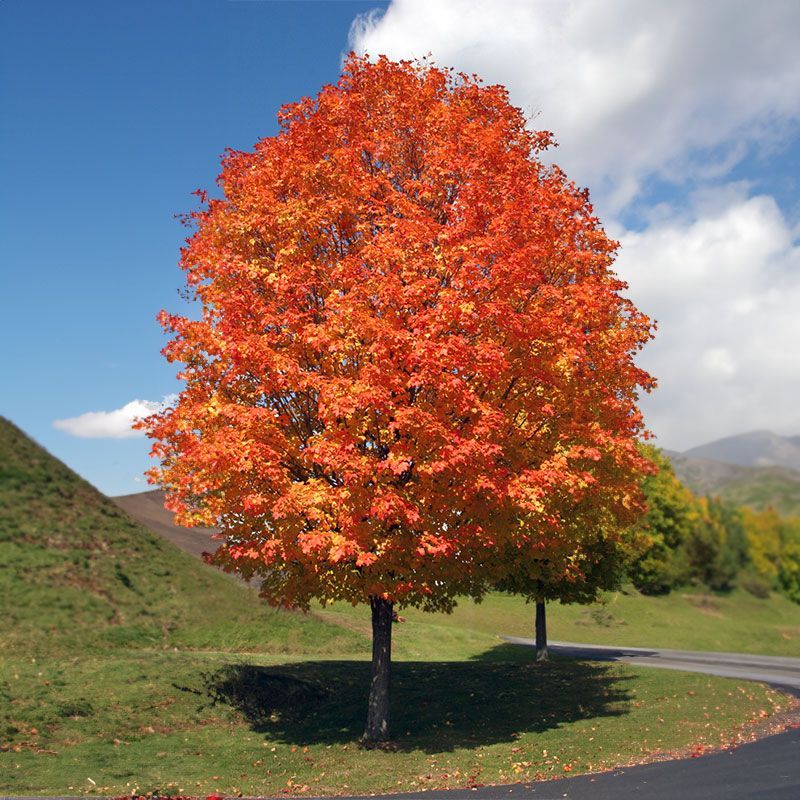
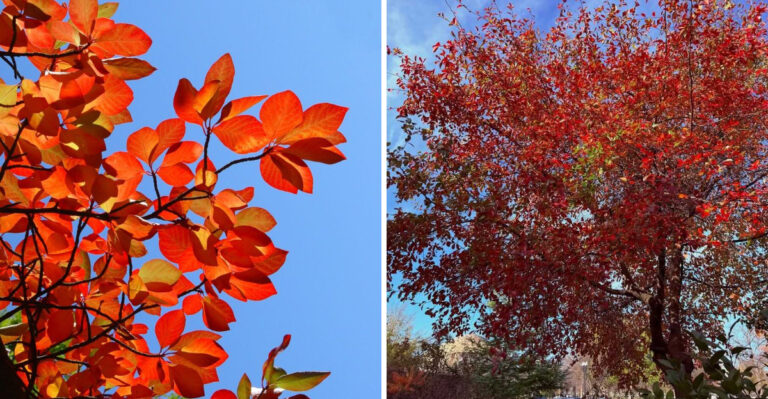
Few trees put on a show quite like the red maple in autumn. Its leaves burst into fiery shades of red and orange, lighting up yards across Pennsylvania.
Homeowners love this tree because it grows fast and adapts to almost any spot. It handles wet soil, dry soil, sun, and partial shade without much fuss.
In September, the ground is still warm, which helps the red maple settle its roots quickly. Give it a hole twice as wide as the root ball and water it deeply once a week.
Fun fact: the red maple shows a little red in every season. Spring brings red flower buds, summer has red leaf stems, and fall delivers that famous crimson glow.
Birds and small animals enjoy the seeds, and the flowers give early food to hungry bees. That makes this tree a busy little diner for local wildlife.
A mature red maple can reach 40 to 60 feet tall, so plant it away from your house and power lines. It offers plenty of shade to cool your home in summer.
Keep the soil moist during the first two years while the tree gets comfortable. A ring of mulch around the base locks in water and keeps weeds away.
Because it is native, the red maple rarely needs sprays or extra care once established. It simply grows strong and dependable year after year.
If you want a tree that grabs attention every October, this one is hard to beat. Plant it now and enjoy decades of color and shade.
2. Eastern Redbud
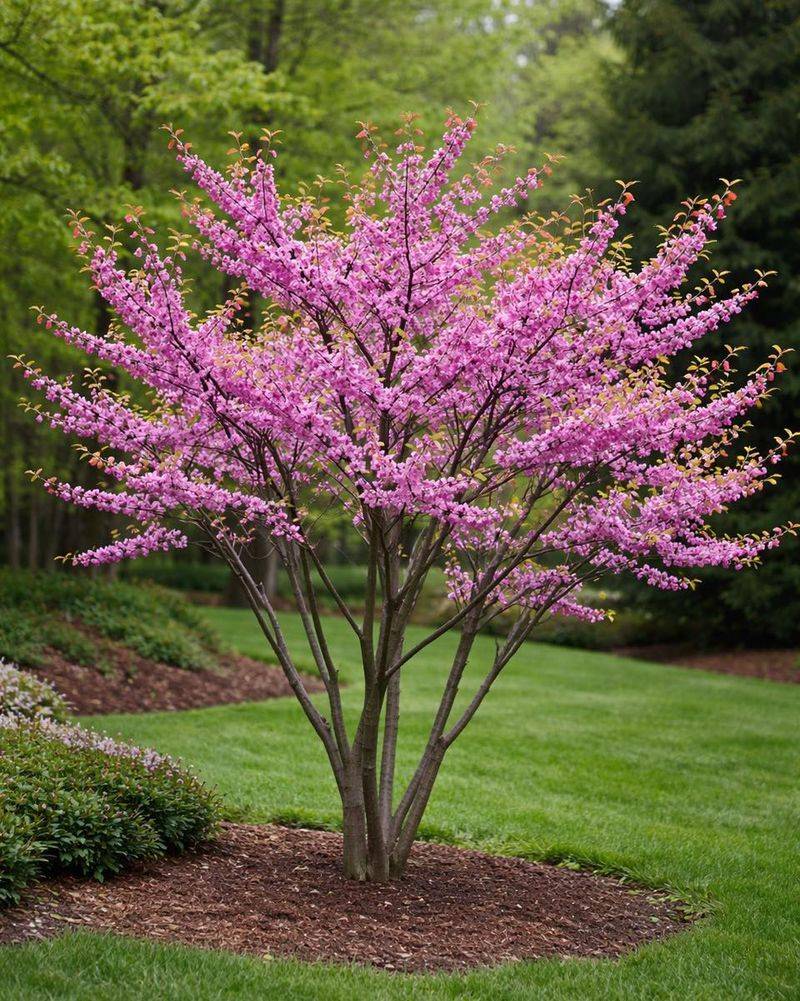
Imagine a tree that wears a coat of pink-purple flowers in early spring, before its leaves even appear. That is the eastern redbud, and it is a total charmer.
This little tree stays small, usually 20 to 30 feet tall, which makes it perfect for tighter yards. You can tuck it near a patio or along a fence with ease.
Planting in September gives the redbud time to grow roots while the weather is mild. Water it well and add mulch to help the soil hold moisture.
Its heart-shaped leaves are a big reason people fall for this tree. They start green in summer and turn a soft golden yellow when fall arrives.
Your Pennsylvania Garden Changes Every Week. Your Plan Should Too.
Gardening in Pennsylvania changes quickly throughout the season. Every Friday you’ll receive a simple weekly plan showing exactly what to plant, prune, fertilize, harvest, and protect so you never miss the right timing.
Bees adore the spring blossoms, and the flowers are actually edible. Some folks toss them into salads for a splash of color and a mild, sweet taste.
The eastern redbud likes a spot with morning sun and a bit of afternoon shade. It does not enjoy soggy ground, so pick a place that drains well.
Because it grows in the wild across Pennsylvania, it fits right in with local soil and weather. That means less work for you and a happier tree.
Prune lightly after it blooms if you want to shape the branches. Otherwise, let it spread its graceful, arching form naturally.
A redbud brings early color when the rest of the yard is still waking up. If you crave that first burst of spring beauty, plant one this September and wait for the magic.
3. White Oak
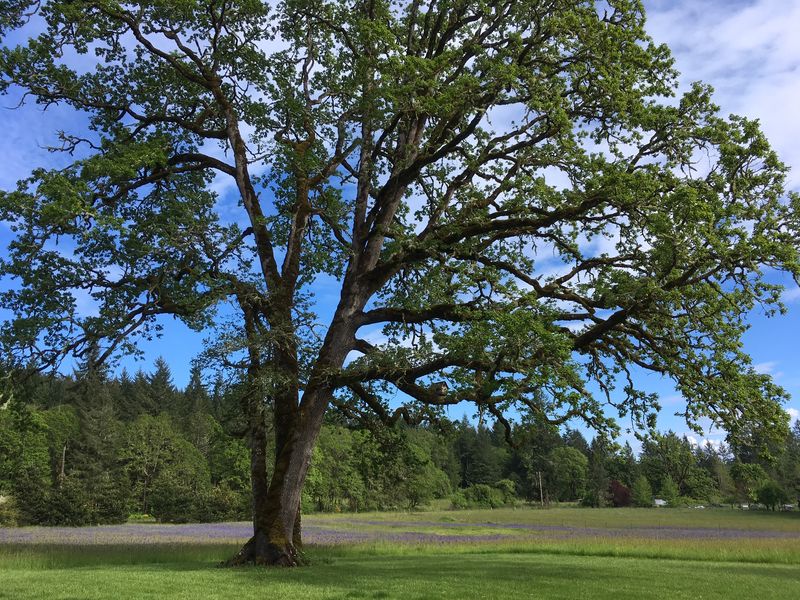
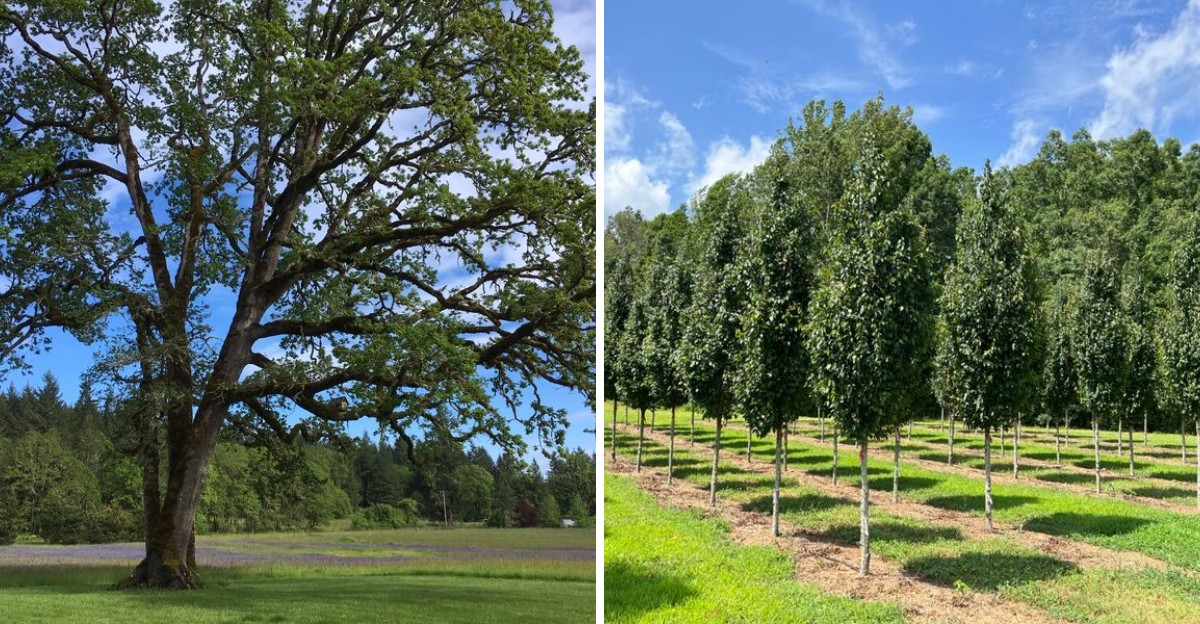
The white oak is one of Pennsylvania’s most important native forest trees., standing tall and proud in yards and parks alike.
This mighty tree can live for hundreds of years and grow over 80 feet tall. Planting one is a gift to your grandchildren as much as yourself.
September planting works well because the warm soil encourages steady root growth. Choose a wide-open space so the branches have room to stretch.
White oaks produce acorns that feed squirrels, deer, turkeys, and many songbirds. Your yard becomes a lively hub for wildlife all season long.
The leaves turn a rich reddish-brown in fall and often cling to the branches into winter. That extra texture adds beauty when other trees stand bare.
Give this tree patience, since it grows slowly compared to a maple. What you get in return is strength, shade, and a truly majestic shape.
Water young white oaks regularly during their first couple of years. Once settled, they handle dry spells and tough weather like champions.
Avoid planting too close to buildings because the roots and canopy spread wide. A big lawn or the edge of a property suits this tree best.
Its wood has long been prized for barrels, furniture, and ships. Yet in your yard, its greatest value is the cool shade and quiet grandeur it provides.
Plant a white oak now and start a legacy that lasts generations.
4. Flowering Dogwood
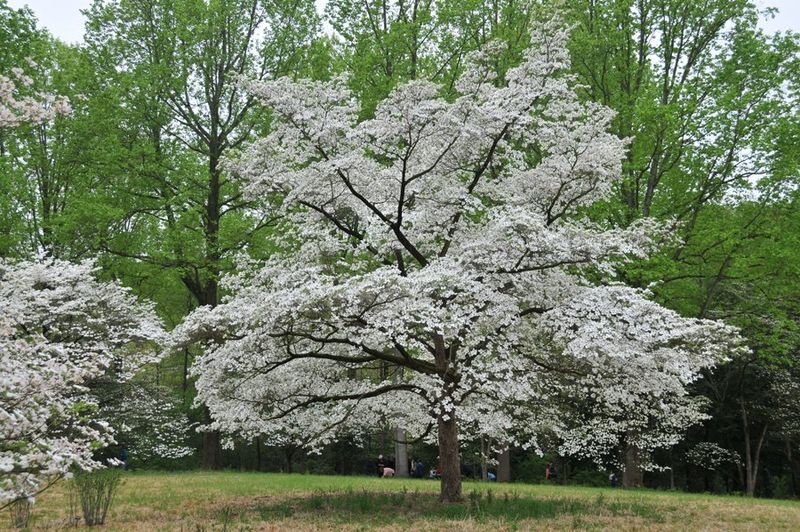
With its cloud of white blossoms in spring, the flowering dogwood looks like something out of a storybook. It is one of the most beloved small trees in Pennsylvania.
Growing only 15 to 30 feet tall, this tree fits nicely into cozy yards. It works beautifully as a centerpiece near a walkway or window.
Fall planting in September helps the dogwood build strong roots before the cold sets in. Keep the soil moist and shaded from harsh afternoon sun.
The show does not stop at spring flowers. In autumn, the leaves turn deep red and purple, and bright red berries appear along the branches.
Those berries are a favorite snack for robins, cardinals, and other birds. Watching them visit is like having a front-row seat to nature.
Dogwoods prefer a spot with dappled shade, much like the forest edges where they grow wild. Full sun can stress them, so plan the location carefully.
Rich, well-drained soil keeps this tree happy and healthy. Add compost when planting to give the roots a nutritious start.
A layer of mulch protects the shallow roots and holds in moisture. Just keep the mulch a few inches away from the trunk.
Here is a neat detail: the four white parts that look like petals are actually leaves called bracts. The tiny true flowers sit clustered in the center.
If you want a tree that dazzles in spring and glows in fall, the dogwood delivers. Plant one this September for year-round beauty.
5. American Serviceberry
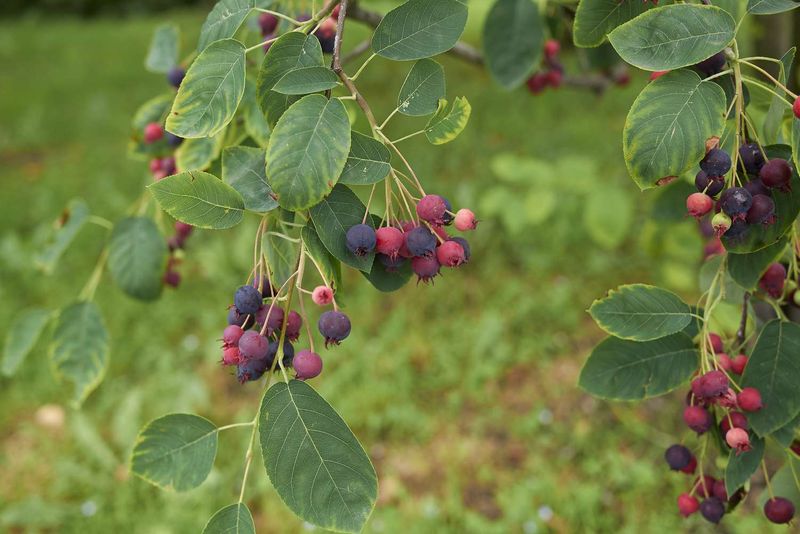
Sweet berries, pretty flowers, and blazing fall color all rolled into one tree? The American serviceberry checks every box, and it does it in a compact size.
This tree usually stays between 15 and 25 feet tall, making it easy to fit almost anywhere. It can grow as a single trunk or a bushy cluster.
September is a great time to plant serviceberry because cooler days ease the shock on young roots. Water it steadily as it settles in.
In early spring, delicate white flowers cover the branches like fresh snow. Bees and other pollinators rush in for an early meal.
By June, the tree offers small purple berries that taste a bit like blueberries. People bake them into pies, and birds gobble them up fast.
Come autumn, the leaves shift to fiery orange and red, closing out the year with a bright finish. Few small trees give so much through every season.
Serviceberry handles sun or partial shade and is not picky about soil. That flexibility makes it a stress-free pick for busy homeowners.
To enjoy the berries yourself, you may want to net the branches. Otherwise the birds will happily clean the tree in a matter of days.
Its smooth gray bark adds quiet charm even in the middle of winter. That makes it a pleasant sight all year.
Native tribes once used serviceberry fruit in a traditional food called pemmican. Plant one this fall and enjoy a tree with tasty treats and rich history.
6. River Birch
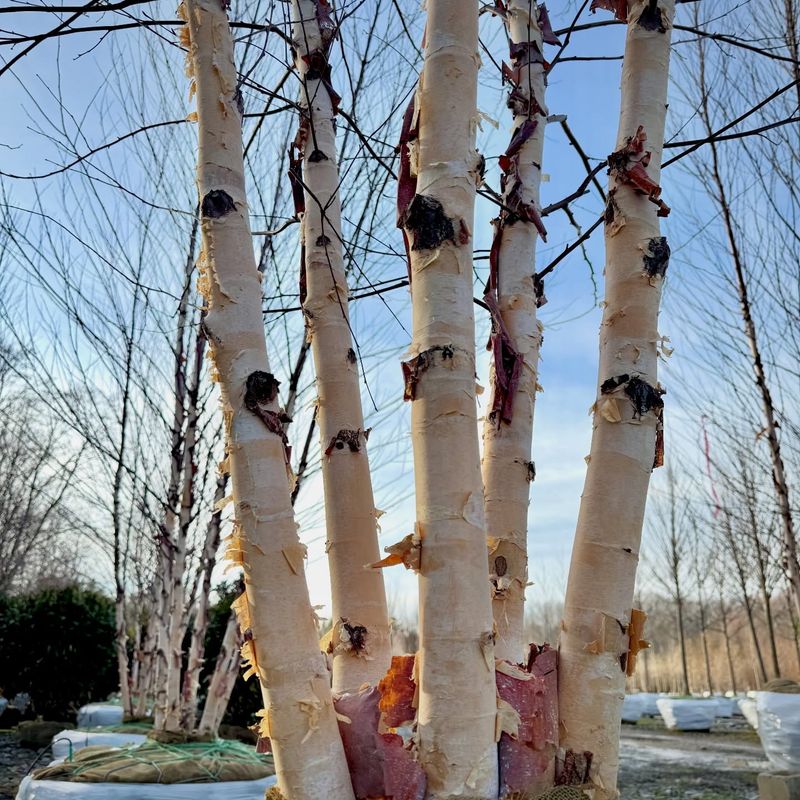
Peeling, papery bark in shades of cinnamon and cream gives the river birch a look you will not forget. It adds texture and warmth to any yard, even in winter.
Homeowners with damp or low spots love this tree because it thrives in wet soil. Areas where other trees struggle are exactly where river birch shines.
Planting in September lets the roots grab hold before the ground cools. Keep the soil moist, which is easy since this tree enjoys extra water.
Reaching 40 to 70 feet tall, the river birch grows quickly and offers generous shade. Its slender leaves flutter in the breeze and turn butter-yellow in fall.
The showstopper is the bark, which curls and peels to reveal layers of color underneath. Kids often love touching its soft, papery texture.
Birds nest in its branches, and the tree resists a common pest called the bronze birch borer. That makes it a tougher choice than many other birches.
Give it room to spread and place it where the peeling bark can be admired up close. Near a patio or path works nicely.
Water young trees deeply during dry spells for the first two years. After that, the river birch mostly takes care of itself.
A little pruning in late summer keeps the shape tidy and open. Avoid trimming in spring, when the sap runs heavily.
If you want a fast-growing tree that handles soggy ground with style, this one fits the bill. Plant a river birch this September and enjoy its beauty in every season.
7. American Hornbeam
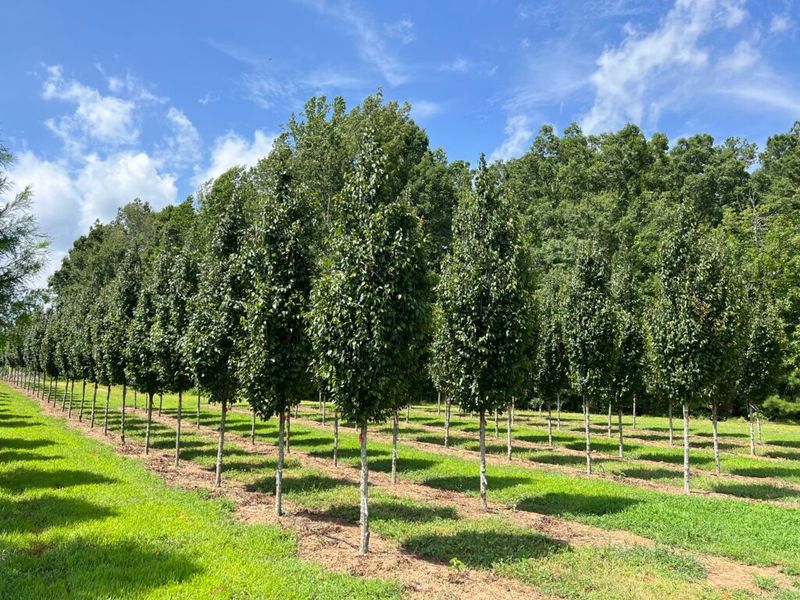
Nicknamed musclewood, the American hornbeam has smooth gray bark that ripples like flexed muscles. Run your hand along the trunk and you will understand the name right away.
This tree stays modest at 20 to 30 feet tall, making it a great fit for smaller yards. It is tough, patient, and wonderfully low maintenance.
Fall is a fine time to plant hornbeam, and September gives it a gentle head start. Water it well and mulch around the base to lock in moisture.
Shade lovers rejoice, because this tree grows happily under bigger trees. Spots that get little sun are no problem for the hardy hornbeam.
In autumn, the leaves glow in warm shades of orange, yellow, and red. The color lingers, stretching the fall display a little longer than most trees.
Small nutlets hang in leafy clusters and feed birds and squirrels through the cooler months. The tree quietly keeps wildlife fed and busy.
Its dense wood is incredibly strong, which is why old-timers used it for tool handles and wheel parts. That toughness helps the tree stand up to storms.
Hornbeam grows slowly, so plant it where you want a calm, steady presence. It rarely outgrows its space or causes trouble.
The soil should stay moist and rich, much like the woodland streambanks where it grows wild. Add compost to give it a healthy boost.
For a sturdy, shade-friendly tree with striking bark and cheerful fall color, the American hornbeam is a quiet winner. Plant one this September and enjoy its rugged charm.