Why Texas Pomegranates Split Open Just Before They Are Ready To Pick
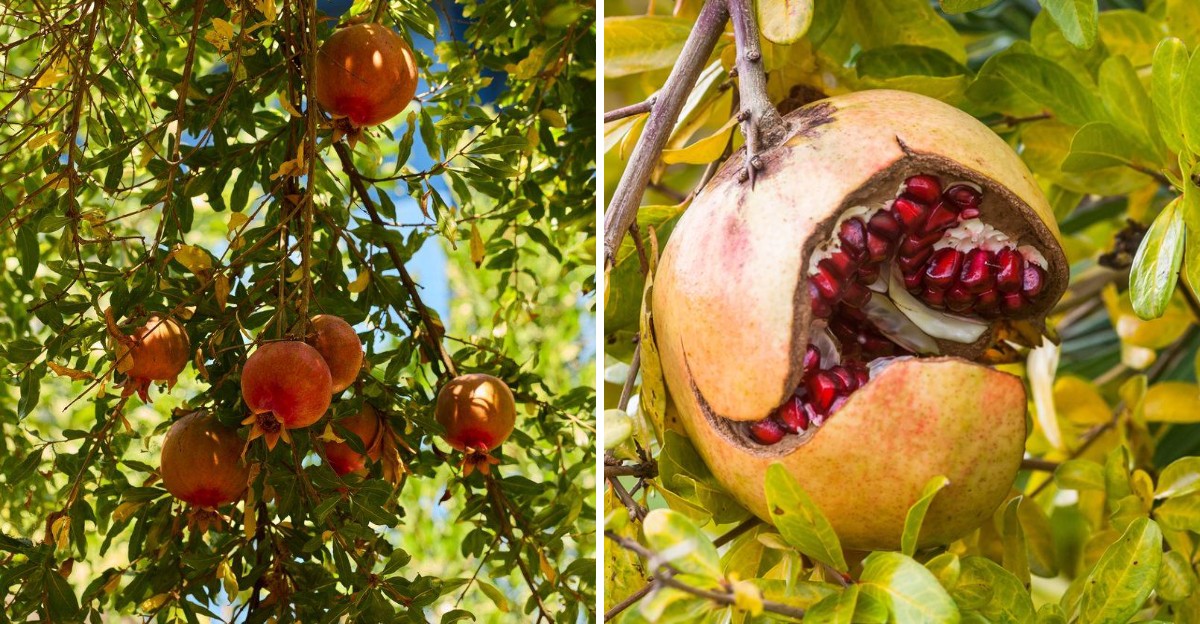
Growing pomegranates in Texas is one of the more rewarding fruit gardening experiences the state’s climate allows. The heat suits them beautifully, the drought tolerance makes them practical, and the fruit they produce is genuinely impressive in flavor and appearance.
But there is one phenomenon that catches Texas pomegranate growers off guard almost every season, sometimes just days before what looked like a perfect harvest was ready. The fruit splits open. It happens fast.
A pomegranate that looked flawless one morning can be cracked open by the following day, exposing the arils inside and starting a rapid countdown toward deterioration, pest damage, and the kind of loss that feels genuinely unfair after a full season of careful tending.
Most growers assume something went wrong. In many cases, something very specific did, and understanding what that is changes both how you respond this season and how you manage the tree going forward.
1. Sudden Heavy Rain After A Dry Spell
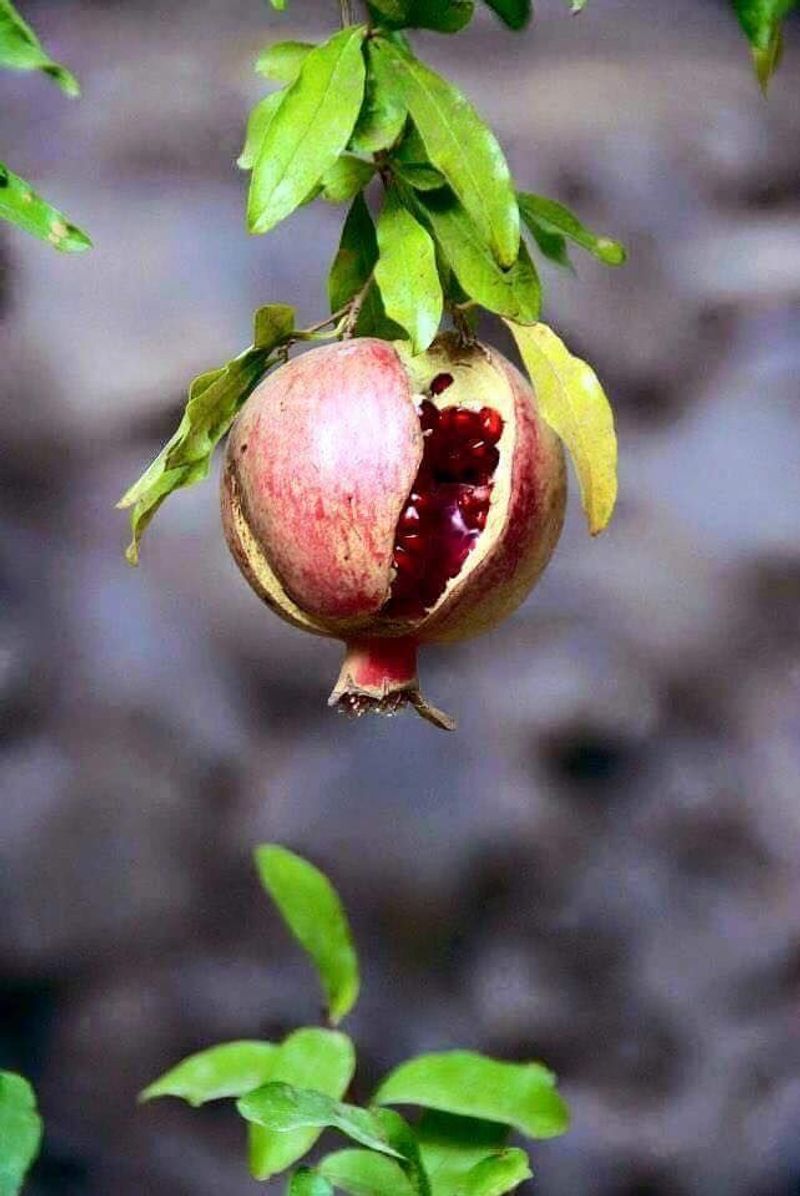
Picture a pomegranate that has gone weeks with barely any water. The tree adjusts to the dry conditions and the fruit skin gets tough and tight.
Then a big Texas thunderstorm rolls in and dumps inches of rain in one afternoon. The roots suddenly soak up huge amounts of water, and that water rushes into the fruit.
The inside swells so fast that the outer skin cannot stretch to keep up, so it splits right open.
This is one of the most common causes of splitting across the state. Texas weather loves to swing from bone dry to soaking wet without warning.
Pomegranates near ripeness are the most fragile because their skins are already stretched thin.
You can lower the risk by keeping your watering steady all season long. Instead of letting the soil dry out completely, give your tree regular deep drinks. A steady moisture level keeps the fruit from gulping water all at once.
Mulch around the base also helps a lot. A thick layer of mulch holds moisture in the soil and softens the shock when rain finally arrives. It acts like a sponge that spreads out the water supply.
If a storm is coming and your fruit is close to ripe, try to harvest what you can before the rain hits. Even slightly early pomegranates will finish ripening indoors.
Watching the forecast during harvest season is a smart habit for Texas growers. A little planning around rain can save your entire crop from cracking.
2. Uneven Watering Throughout The Season
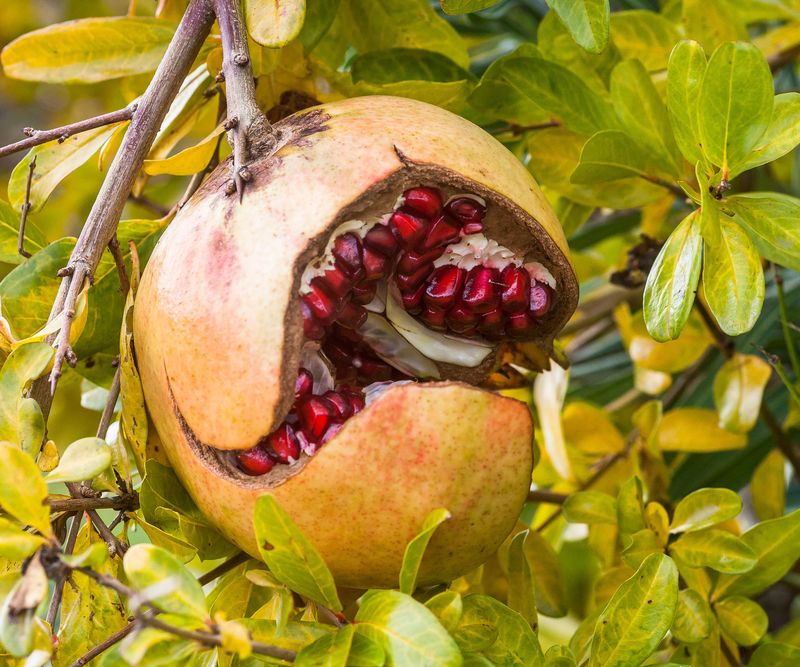
Some folks water their pomegranates only when they remember, and that habit causes real trouble. When watering jumps from too little to too much, the fruit pays the price.
Inconsistent moisture confuses the tree. During dry stretches, the fruit grows slowly and the skin firms up.
When a big soak finally comes, the fruit expands quickly and the skin cannot handle the sudden push.
Texas summers make this problem worse because the heat dries out soil fast. A tree that seemed well watered on Monday might be parched by Thursday. That back and forth stresses the developing fruit.
Your Texas Garden Changes Every Week. Your Plan Should Too.
Gardening in Texas changes quickly throughout the season. Every Friday you’ll receive a simple weekly plan showing exactly what to plant, prune, fertilize, harvest, and protect so you never miss the right timing.
The fix is a regular watering schedule you actually stick to. Deep watering once or twice a week is usually better than light sprinkles every day. Deep water reaches the roots and keeps moisture even.
A drip irrigation system takes the guesswork out completely. It delivers slow, steady water right to the root zone, which keeps the soil from swinging between wet and dry. Many Texas gardeners swear by it for crack free fruit.
Checking your soil with your finger is a simple trick. Push a finger a couple inches down, and if it feels dry, it is time to water. If it is still damp, you can wait.
Keeping notes on when you water can help you spot bad patterns. Over time, you will learn exactly what your tree needs.
Steady care leads to steady fruit, and steady fruit is far less likely to split before you get to enjoy it.
3. Waiting Too Long To Harvest
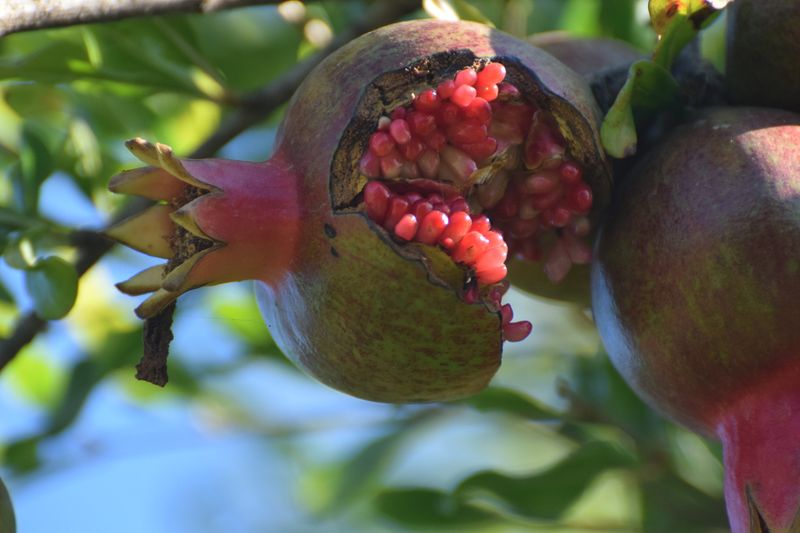
Leaving fruit on the tree because you want it a little sweeter is a tempting mistake. The longer a ripe pomegranate hangs, the more likely it is to burst.
Once a pomegranate reaches full ripeness, its skin has stretched about as far as it can go. Any small change in water or temperature after that can push it over the edge and cause a crack.
Many Texas growers wait for the deepest color or the biggest size, but that patience often backfires. Fruit that is picked at the right moment stores much better than fruit left to hang too long.
Knowing when to pick is a skill worth learning. A ripe pomegranate usually turns from round to a bit boxy or flat sided. The skin also changes from shiny to a duller, matte look.
Another clue is the sound. Tap the fruit gently, and a ripe one gives a slightly metallic, hollow ring. That sound tells you the seeds inside are plump and juicy.
The stem area can help too. When the fruit is ready, it comes off with a gentle twist or a small clip, without a hard tug.
Picking a few days early is smarter than picking a few days late. Pomegranates do not get much sweeter after harvest, but they hold their quality well in cool storage.
Keeping an eye on your fruit each day during harvest season pays off. Grab them at their peak, and you will avoid finding split fruit on the ground.
4. Big Swings Between Hot Days And Cool Nights
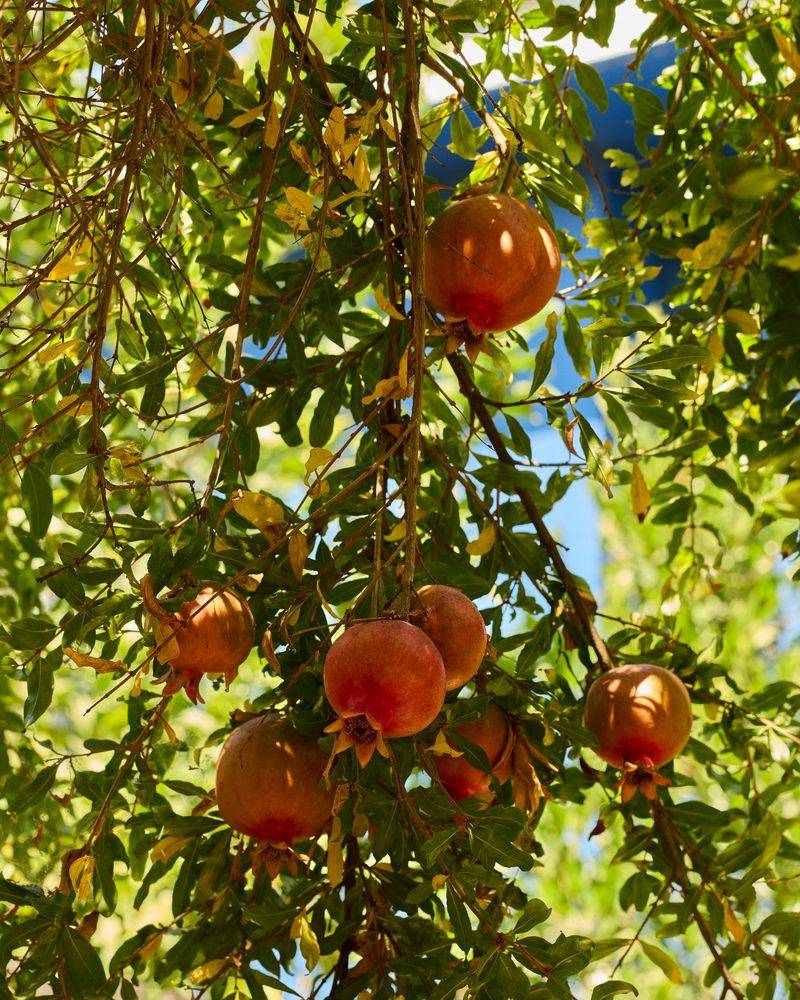
Texas fall weather can feel like summer at noon and almost like winter by midnight. Those wild temperature swings are hard on ripening pomegranates.
During hot afternoons, the fruit skin expands with the heat. When night brings a sharp drop in temperature, the skin contracts again.
This constant stretching and shrinking weakens the skin over time.
Add in the fact that ripe fruit is already tight and full, and you have a recipe for cracks. The stress from temperature alone can be enough to split a pomegranate that looked perfect the day before.
You cannot control the weather, but you can plan around it. Watch the forecast for the first big cold snap of fall, which is often when a wave of splitting happens.
If a sharp cool down is coming and your fruit is close to ripe, bring in what you can beforehand. Harvested pomegranates are safe from those temperature swings.
Planting your tree in a spot with some afternoon shade can soften the heat spikes. A little protection keeps the fruit from getting as hot during the day.
A fence, wall, or nearby larger plant can also buffer temperature changes. These windbreaks and heat sinks smooth out the extremes just enough to help.
Row covers or light cloth can shield fruit on the coldest nights. They trap a bit of warmth and reduce the shock.
Understanding your local weather rhythm gives you an edge. Texas growers who track those seasonal shifts usually rescue more of their harvest.
5. Too Much Fruit On A Single Tree
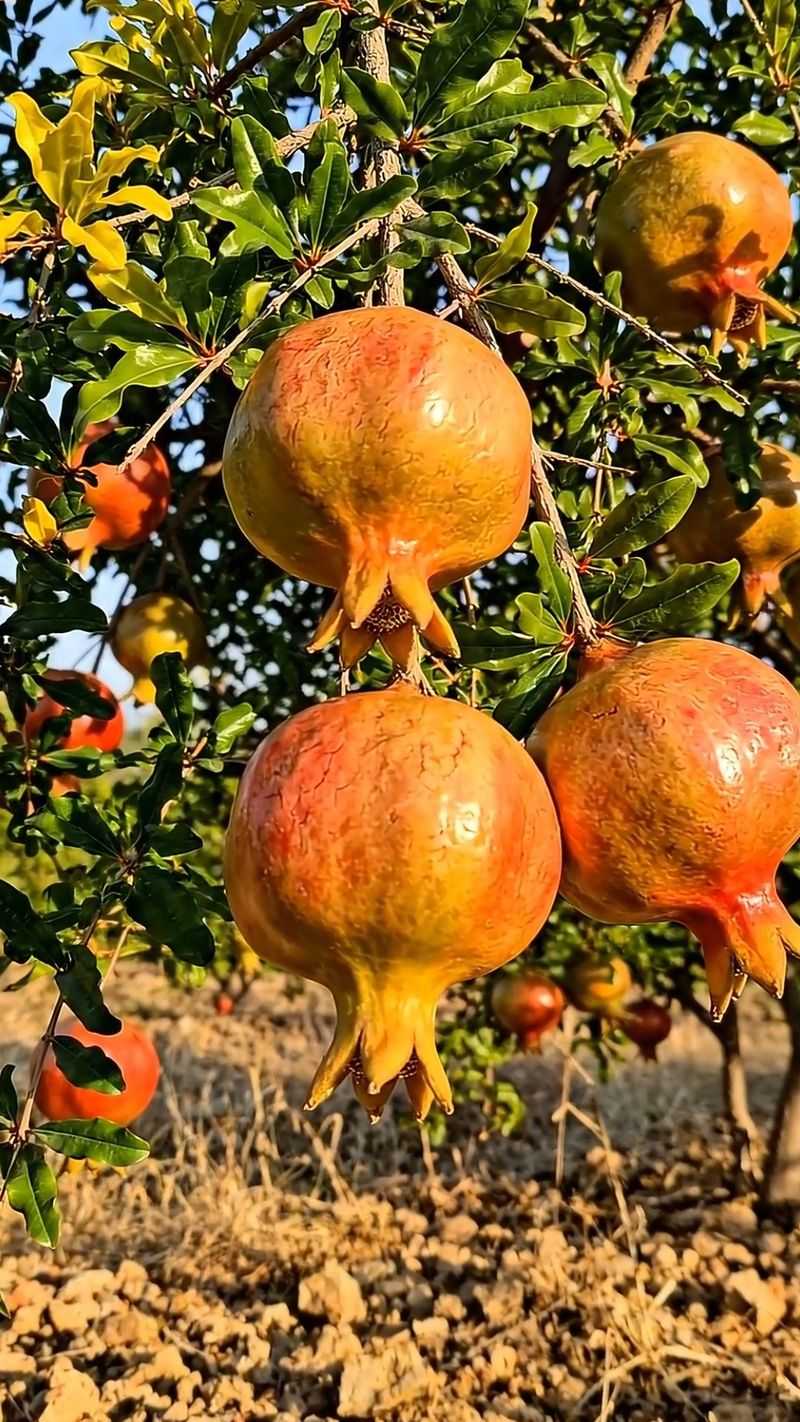
A tree loaded with dozens of pomegranates might look like a jackpot, but that heavy crop can lead to more splitting. When there is too much fruit, the tree struggles to share water and nutrients evenly.
Crowded fruit competes for resources. Some pomegranates get uneven moisture, and that unevenness makes their skins more likely to crack near harvest.
Fruit that grows pressed against other fruit or branches also gets rubbed and stressed. Those weak spots often become the exact place where a split starts.
Thinning is the answer, and it feels strange at first. Removing some young fruit early in the season seems wasteful, but it helps the ones you keep grow strong and healthy.
Aim to leave space between each fruit so air and light can reach them. Well spaced pomegranates ripen more evenly and hold up better to weather.
Thinning also lets the tree pour more energy into fewer fruits. The result is larger, tastier pomegranates with sturdier skins.
Do the thinning when the fruit is still small, usually early in the growing season. Snip off the smallest, weakest, or most crowded fruit first.
A good rule is to keep the healthiest looking fruit and remove any that are clustered too tightly. Give each keeper room to breathe.
It might hurt to trim off potential pomegranates, but the trade is worth it. Fewer cracked fruits and better quality make thinning one of the smartest moves a Texas grower can make.
6. Poor Soil That Cannot Hold Steady Moisture
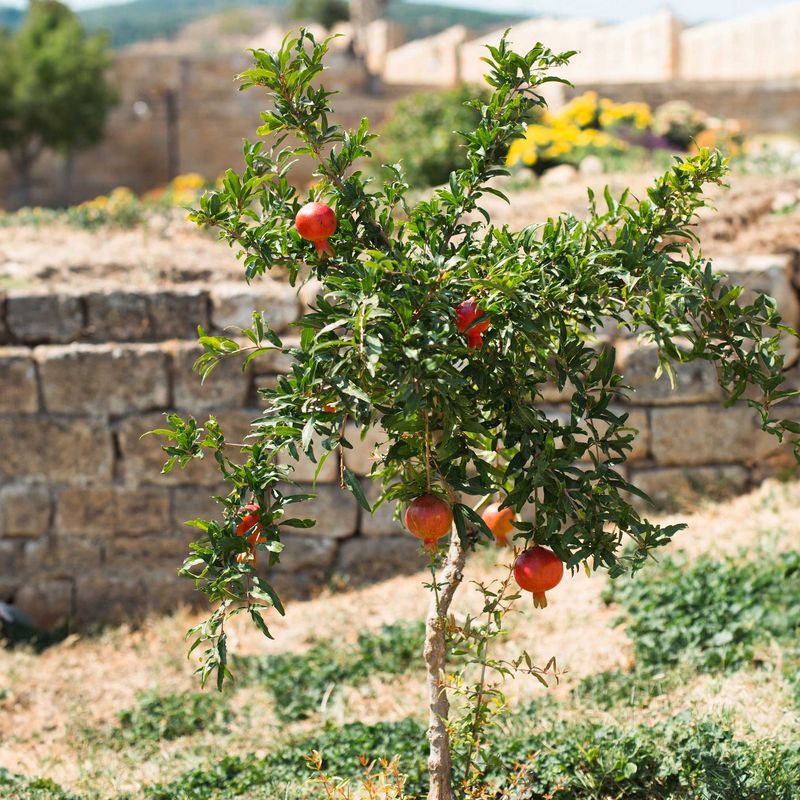
The dirt under your tree matters more than most people think. Sandy soil drains too fast, and heavy clay holds water in uneven pockets, and both can lead to splitting.
When soil dries out too quickly, the fruit goes through the same dry then flooded cycle that causes cracks. Sandy ground struggles to keep moisture around the roots.
Clay soil brings the opposite problem. It can stay soggy in some spots and bone dry in others, giving the tree an inconsistent drink that stresses the fruit.
Improving your soil is a long term fix that really works. Mixing in compost helps sandy soil hold water and helps clay soil drain better. Compost balances things out.
Rich, healthy soil acts like a steady reservoir. It keeps moisture even so the fruit grows at a calm, consistent pace instead of surging and cracking.
Adding organic matter each year feeds the soil and the tree. Over time, the ground becomes softer and better at holding just the right amount of water.
Mulch works together with good soil. A thick layer keeps moisture from escaping and protects roots from the harsh Texas sun.
Testing your soil is a smart first step. A simple test shows what your ground is missing and how to improve it.
Once your soil holds moisture steadily, many of your watering headaches fade away. Strong soil builds strong fruit, and strong fruit resists splitting far better through the whole season.
7. Choosing A Variety That Cracks Easily
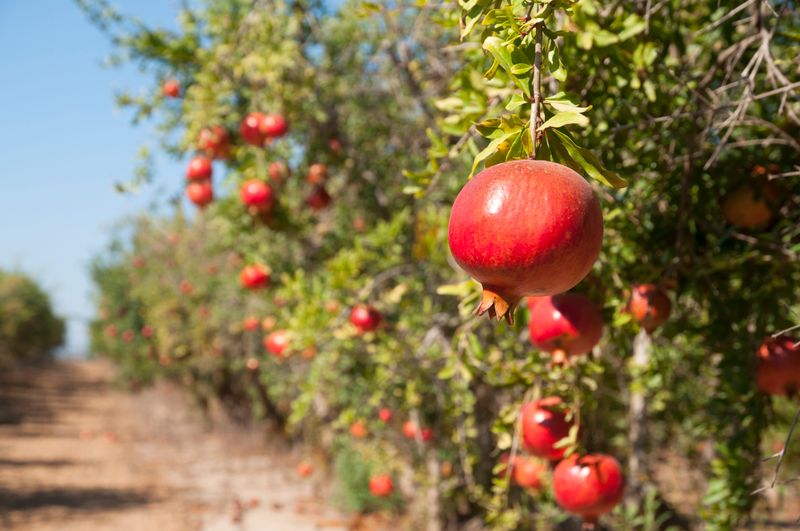
Not every pomegranate is built the same. Some varieties are famous for splitting, while others hold together like champs, and your choice at planting time makes a huge difference.
Certain popular types have thin skins and pack in tons of juice. That combination tastes amazing but cracks easily when moisture or temperature shifts.
Tougher skinned varieties handle Texas weather much better. They may not always be the sweetest, but they stay whole all the way to harvest.
If splitting has plagued your garden year after year, the variety could be the real culprit. Switching to a crack resistant type can solve the problem for good.
Ask around at local nurseries about which pomegranates do well in your area. Growers nearby have already tested what thrives in Texas conditions.
Varieties bred for hot, dry climates tend to have sturdier fruit. They are used to swings in weather and cope with them naturally.
Did you know pomegranates have been grown for thousands of years across many hot regions? Over that time, farmers developed tougher strains suited to harsh climates.
When planting a new tree, read the label or ask about splitting resistance. A little research now saves years of frustration later.
You do not always have to replace your whole tree either. Grafting or planting one new resistant tree alongside your old one gives you options.
Picking the right variety from the start is honestly the easiest fix on this whole list. The right tree makes every other step simpler.