Mid-September Turns Connecticut Skies Into A Raptor Corridor
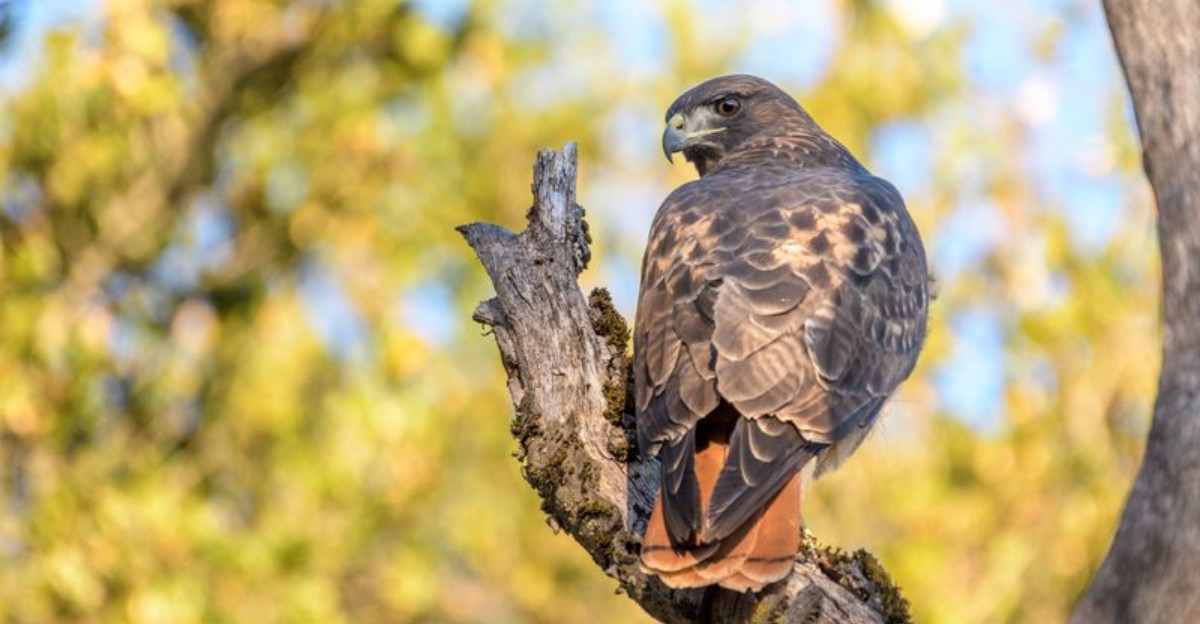
Something shifts in Connecticut around the second week of September. The air gets crisper, the light slants a little lower, and the sky starts holding secrets.
Stand in an open field on the right afternoon and you might notice specks circling high overhead. Blink and there are forty of them, spinning together like leaves caught in a slow drain.
Most people walk right past the show without looking up. Others plan their whole month around it, packing folding chairs, thermoses, and binoculars before dawn.
The timing is narrow, the weather matters enormously, and the best spots in the state rank among the finest anywhere in the Northeast. Here is what makes those few golden weeks worth clearing your calendar for.
Why Northern Winds Set The Whole Show In Motion
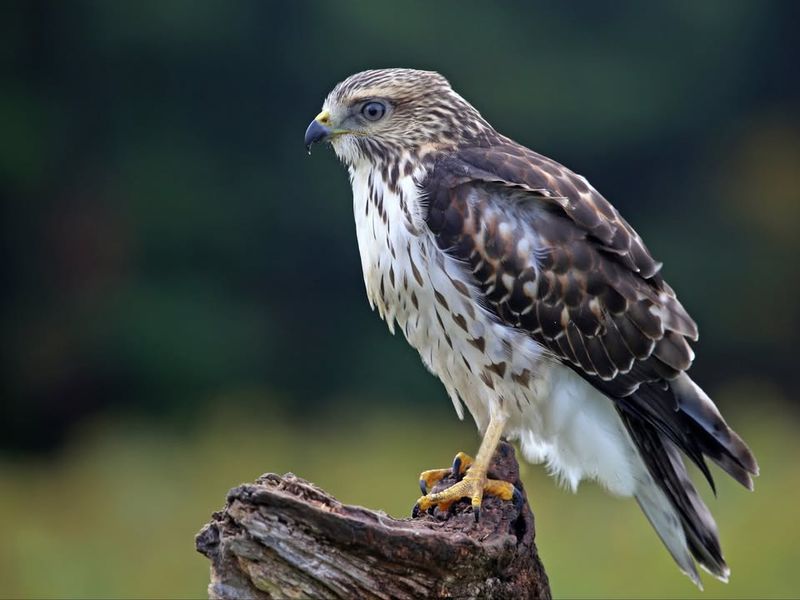
Weather is the engine behind nearly every big flight day in Connecticut. When a cold front sweeps through and the wind swings around to the north or northwest, birds that have been waiting suddenly get moving.
Here is the reason. Raptors are heavy for their wing size, and flapping across hundreds of miles burns enormous energy.
Instead, they ride. Warm air rising off sun-heated fields and hillsides forms invisible columns called thermals, and hawks spiral upward inside them without beating a wing.
At the top of the column, they peel off and glide south, slowly losing height until they find the next thermal. A tailwind out of the north stretches each glide farther, so the birds cover more ground for less effort.
That is why hawk watchers stare at forecast maps as intently as they stare at the sky. A stalled front, a southerly breeze, or a solid gray overcast can turn a promising morning into a quiet one.
Clear skies with a few puffy cumulus clouds are the ideal setup. Those clouds mark the tops of thermals, giving you a visual clue about where to point your binoculars.
Check the wind direction the night before rather than the hour before you leave. If northerly air arrived overnight behind a front, cancel your other plans.
Timing your visit to the weather instead of your weekend schedule is the single biggest change most beginners can make.
Quaker Ridge And Its Legendary Broad-Winged Days
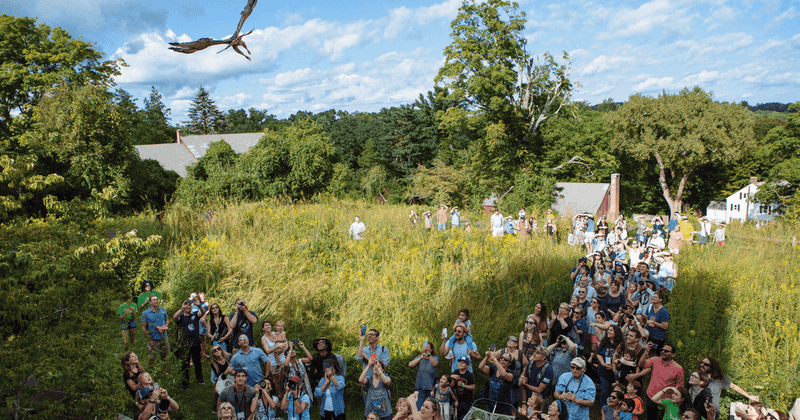
Ask longtime Connecticut birders where they want to be on September 15 and many will say the same three words: Quaker Ridge, Greenwich.
The hawk watch sits on a grassy rise at the Greenwich Audubon Center, and its geography does the heavy lifting. Ridges funnel migrating birds down the western edge of the state, and the open lawn gives observers a huge slice of sky.
Mid-September is the magic window. On the right day with north winds, counters have logged several thousand broad-winged hawks passing over a single site in a matter of hours.
The way they travel is what makes it unforgettable. Broad-wings gather in swirling groups called kettles, sometimes dozens or hundreds of birds turning in the same rising column.
When the kettle tops out, the whole mass streams off in a long ribbon toward the southwest. Watchers call that a stream, and seeing one for the first time tends to leave people speechless.
Your Connecticut Garden Changes Every Week. Your Plan Should Too.
Gardening in Connecticut changes quickly throughout the season. Every Friday you’ll receive a simple weekly plan showing exactly what to plant, prune, fertilize, harvest, and protect so you never miss the right timing.
Bring a chair with a reclining back, because your neck will thank you after two hours of looking straight up. Sunscreen matters more than you expect on an exposed hilltop.
Official counters are usually stationed there through the season and are famously willing to help newcomers. Ask them to point out a distant kettle and you will learn faster than any book can teach.
Arrive by mid-morning, since the biggest movement typically builds once thermals strengthen after 10 a.m.
Lighthouse Point And The Coastal Funnel Effect
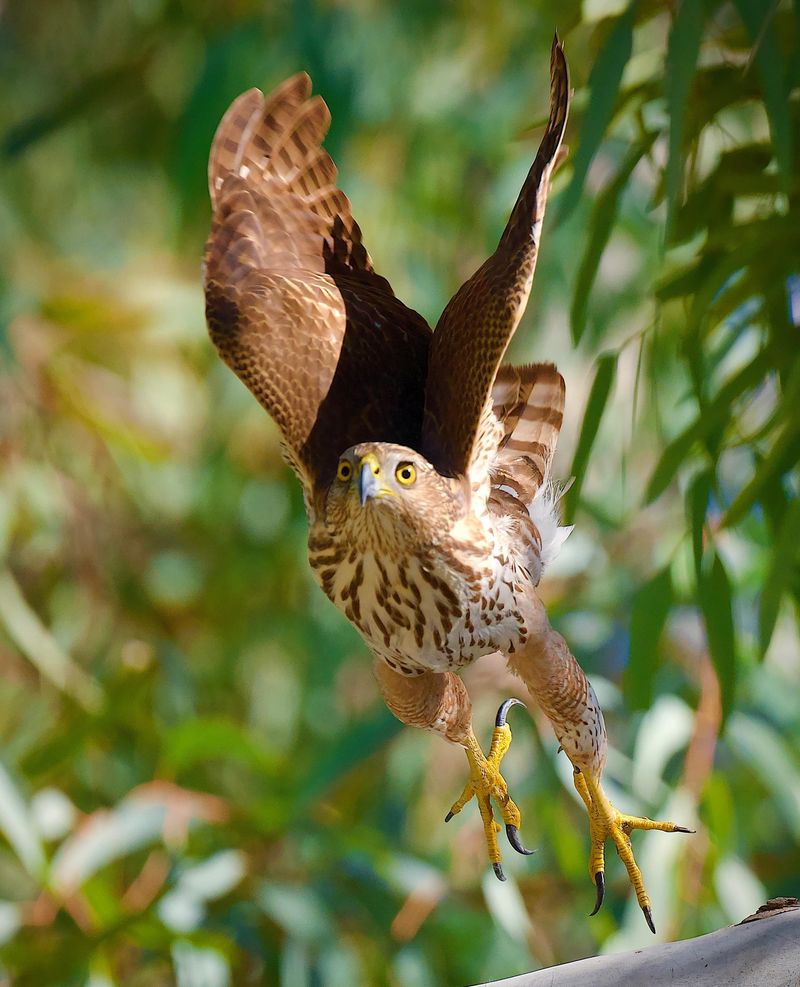
New Haven holds a title that surprises people who assume the best birding happens far from cities. Lighthouse Point Park averages more fall raptors than any watch site northeast of Cape May.
Geography explains the crowd. Birds drifting south along the Connecticut shoreline hit the open water of Long Island Sound and hesitate, because crossing big water without thermals is hard work.
So they turn and travel along the coast, concentrating into a narrow band right over the park. What would be spread across fifty miles inland gets squeezed into a few hundred yards of shoreline.
The species mix here differs from ridge sites. Falcons show up in strong numbers, including merlins that rocket past at eye level and peregrines cutting across the harbor.
Sharp-shinned hawks, ospreys, and northern harriers add to the parade, often flying low enough that you can see feather detail without a scope. Low birds make this an excellent place to learn identification.
Mornings tend to be busier than afternoons at coastal sites, especially after a cool night with northerly wind. Getting there around sunrise pays off.
Note: Lighthouse Point Park sustained storm damage in August 2026 and remains closed for repairs with no confirmed reopening date. Check the city’s park page before planning a visit.
When it reopens, expect easy parking, restrooms, and paved paths that welcome families and folks with mobility limits. Picnic areas will keep restless kids happy between flights.
Songbird migration overlaps too, so the hedgerows around the lot can be busy while you wait for the sky to fill.
Reading The Shapes You See Overhead
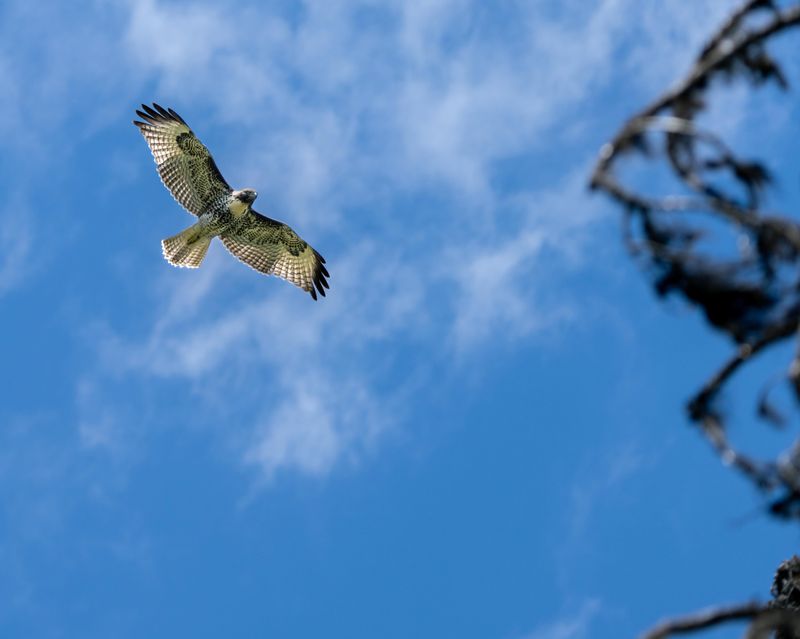
Distant hawks rarely look like the colorful paintings in field guides. Most of the time you get a dark shape against bright sky, and that is genuinely all you need.
Broad-winged hawks are compact and chunky, with wings that come to a slight point and a short tail showing bold black and white bands. In a kettle, they are the birds turning in tight, patient circles.
Sharp-shinned hawks look totally different in motion. Their signature is flap-flap-flap-glide, a nervous rhythm with short rounded wings and a long squared tail.
Ospreys are unmistakable once you learn the crook. Their long wings bend backward at the wrist, forming a shallow M, and they usually fly with steady purpose rather than circling.
Harriers hold their wings in a shallow V and rock side to side like a boat on chop. That tippy flight is visible from a very long way off.
Falcons cut through the sky in a straight line with stiff, shallow wingbeats and pointed wings shaped like a scythe. Merlins in particular seem to be late for something.
Turkey vultures fool beginners constantly, so learn them early. They soar with a strong V, wobble noticeably, and have small heads that seem barely there.
Practice on the common birds instead of chasing rarities. Once shape and flight style click, identification stops feeling like guesswork and starts feeling like recognizing a friend’s walk across a parking lot.
The Mistake That Costs Beginners Their Best Day
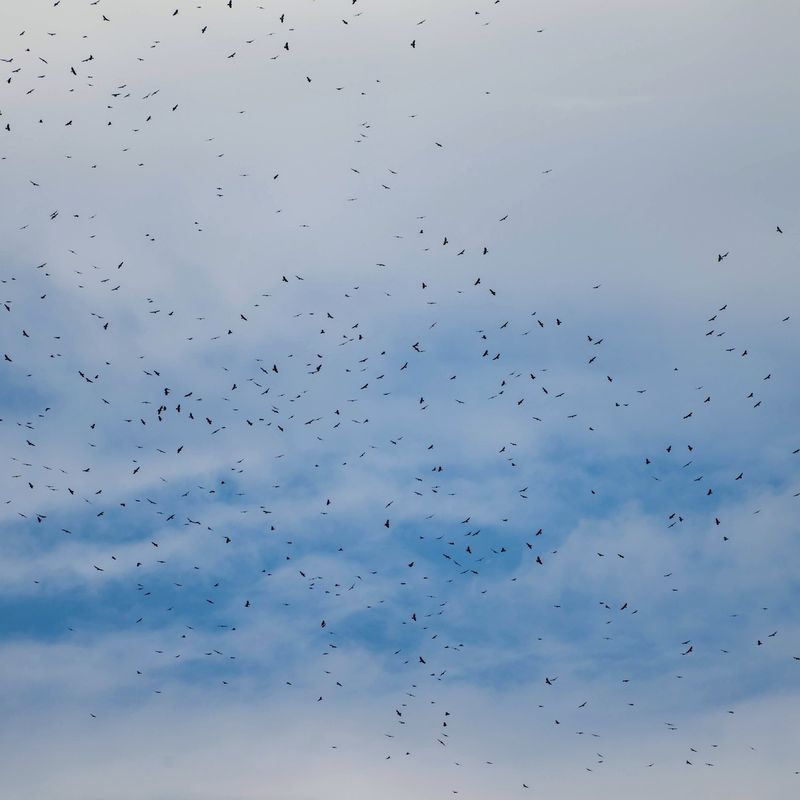
Plenty of people show up at a hawk watch, see nothing for twenty minutes, and drive home. Ten minutes later, two thousand birds pour over the hill.
Patience is the whole game. Raptor flight comes in pulses, not a steady stream, and long quiet stretches are perfectly normal even on record-breaking days.
A second common misstep is arriving at the wrong hour. Thermals need sun to build, so ridge sites often stay sleepy until late morning and then explode between 11 a.m. and 3 p.m.
Gear choices trip people up as well. Oversized, heavy binoculars get abandoned after an hour of holding them overhead, while a modest 8×42 pair stays comfortable all afternoon.
Skip the spotting scope on your first trip. Wide views help far more than magnification when birds are streaming past in scattered groups.
Another quiet error is standing alone at the far end of the field. Hawk watch regulars call out birds constantly, and standing near them means you see three times as much.
Weather gear gets underestimated too. September sun on an open hilltop is fierce, and a north wind that feels pleasant at noon turns chilly by four.
Bring more water than seems reasonable, a hat with a brim, and a snack. Comfort keeps you looking up, and looking up is what actually gets you the birds.
What Happens After The Broad-Wings Move Through
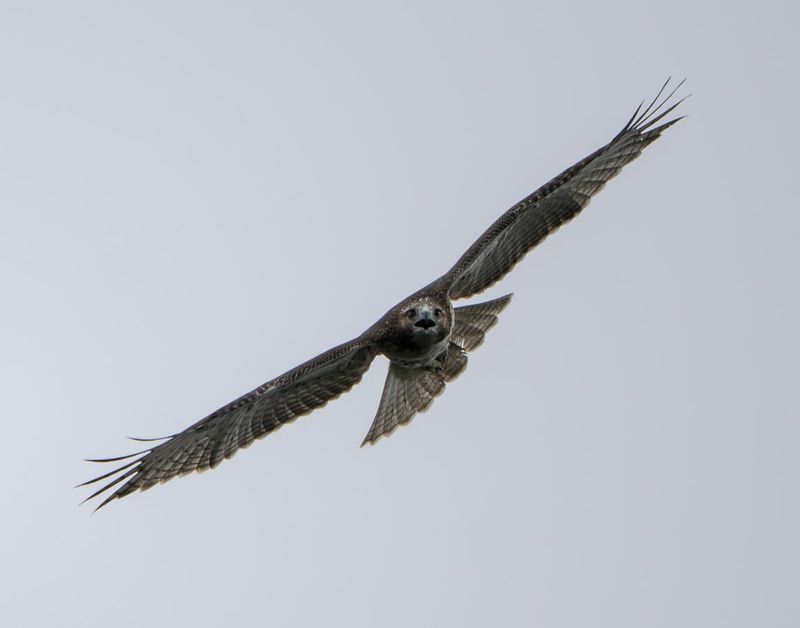
The mid-September peak feels like the finale, but it is closer to an opening act. Once the broad-wings clear out by late September, the corridor keeps working.
October brings a different cast. Sharp-shinned hawks and Cooper’s hawks dominate, along with rising numbers of red-tailed hawks and the occasional red-shouldered hawk cruising the treeline.
Peregrine falcons and merlins tend to peak around late September and early October along the coast. Watching a peregrine slice across Long Island Sound is a memory that sticks.
By November the numbers shrink but the quality climbs. Golden eagles, northern goshawks, and rough-legged hawks show up in ones and twos, and every sighting feels earned.
Late season watching demands different clothing entirely. Gloves, a warm hat, and layered jackets turn a miserable hour into a pleasant four.
There is a bigger picture worth carrying home. Counts collected at Connecticut sites feed into regional databases that scientists use to track how raptor populations shift over decades.
Those long records helped document the recovery of ospreys and peregrines after harmful pesticides were restricted. Volunteers with clickers and notebooks made that possible.
You do not need experience to contribute. Showing up, asking questions, and simply being another set of eyes helps counters catch birds they might have missed.
Mark a September date on your calendar, then go back in October. The sky rewards repeat visitors more than anyone expects.