The Fruit Tree Habit That Keeps Rats Coming Back To Pennsylvania Yards
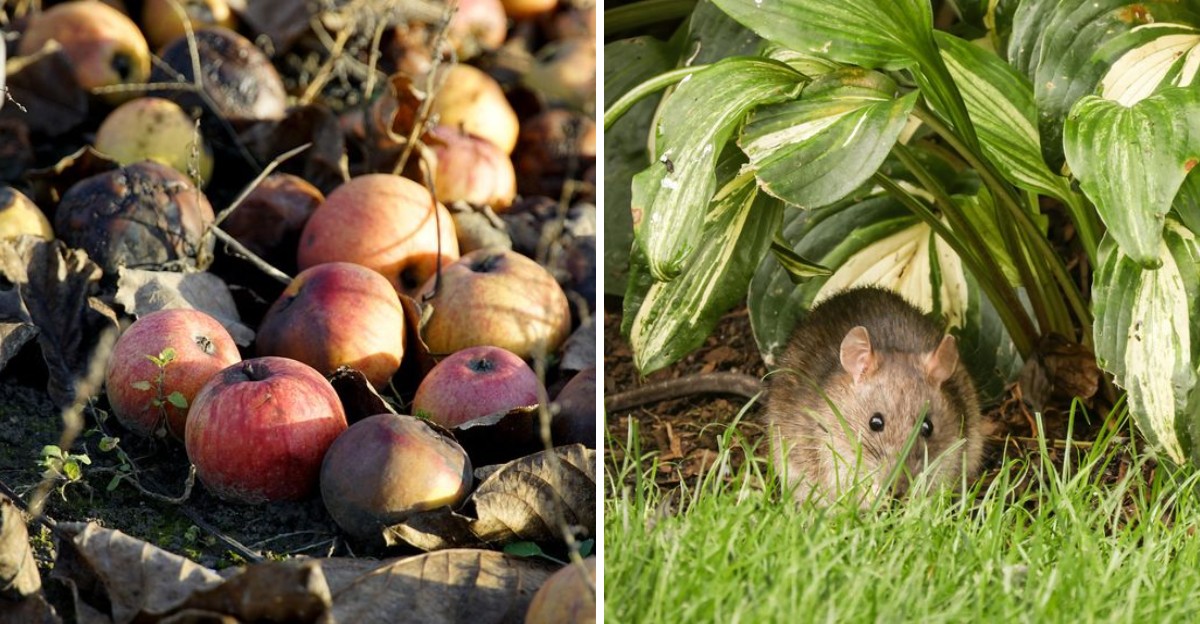
Fruit trees are one of the most rewarding additions a Pennsylvania homeowner can make to a yard. Fresh fruit, shade, wildlife habitat, and genuine seasonal beauty all in one planting.
But fruit trees also come with a habit that a significant number of Pennsylvania homeowners are managing without fully realizing they’re the ones creating the conditions that make it worse.
Rats love a fruit tree. And certain habits around fruit trees love rats right back.
One specific management habit, common, well intentioned, and practiced without much thought by a lot of fruit tree owners, is one of the most reliable ways to establish and maintain a rat presence in a Pennsylvania yard. It doesn’t look like a problem.
It feels like normal yard maintenance. But from a rat’s perspective, it’s a standing invitation that gets renewed on a regular schedule.
Knowing what that habit is and what to do instead is the most practical first step in reducing rat pressure around a Pennsylvania fruit tree without giving up the tree itself.
Leaving Ripe Fruit Hanging Keeps The Nightly Buffet Open
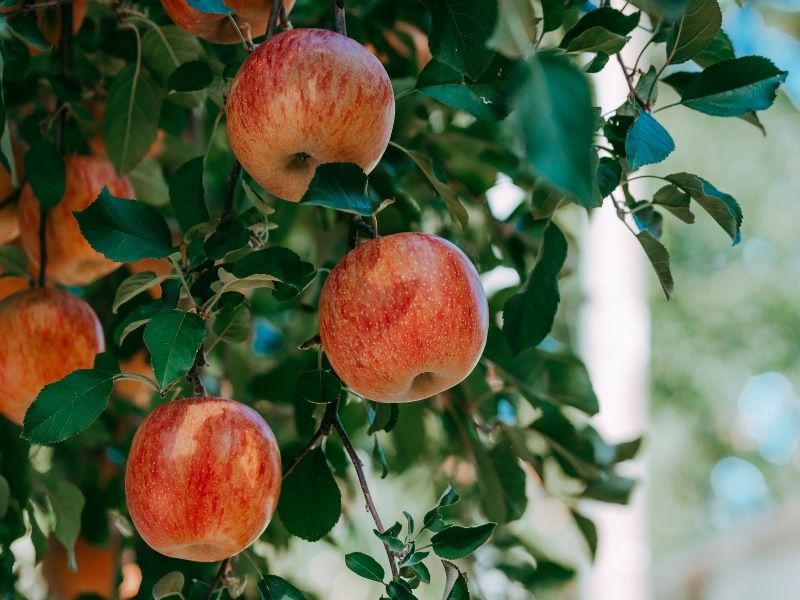
Picture a tree loaded with ripe apples glowing in the late summer sun. To you it looks beautiful.
To a rat, it looks like an all-you-can-eat restaurant that never closes.
Ripe fruit gives off a strong, sweet smell that carries across a yard. Rats have an excellent sense of smell and follow that scent straight to the source.
Once they find fruit hanging low, they climb up night after night to snack in peace.
The longer fruit stays on the tree past ripeness, the more it softens and sweetens. Soft, sugary fruit is easy for rats to bite into and easy to digest.
That steady supply keeps them coming back and even encourages them to nest nearby.
Harvest your fruit as soon as it ripens instead of letting it hang for weeks. Check trees every few days during peak season so nothing gets overripe.
Picking early also means you enjoy more of your own crop.
Focus first on the lower branches, since those are the easiest for rats to reach from the ground. If you cannot pick everything at once, at least clear the fruit within about four feet of the soil.
Share extra fruit with neighbors, friends, or a local food pantry so it does not sit and tempt pests. You can also freeze, can, or bake with the surplus.
A tree that gets picked clean sends a clear message to rodents. When the free meals stop, the visitors usually lose interest and wander off to look elsewhere.
Letting Fallen Fruit Sit Overnight Makes Dinner Too Easy
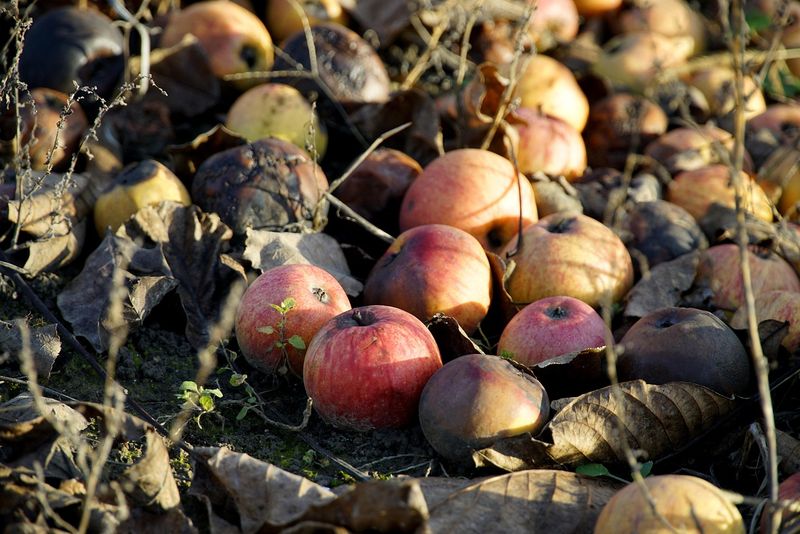
Every apple that drops and stays on the ground is basically a plate left out for the night crew. Rats do not even have to climb to grab it.
Fallen fruit is the easiest food a rat can find. It sits at ground level, softens fast, and starts to ferment.
That smell of rotting fruit acts like a dinner bell for rodents in the neighborhood.
Your Pennsylvania Garden Changes Every Week. Your Plan Should Too.
Gardening in Pennsylvania changes quickly throughout the season. Every Friday you’ll receive a simple weekly plan showing exactly what to plant, prune, fertilize, harvest, and protect so you never miss the right timing.
Once fruit lands in the grass, it also draws insects, slugs, and other small creatures. Rats happily eat those too, so a messy tree base offers more than one kind of meal.
Make a habit of walking under your trees each evening to gather what has dropped. A quick daily pickup during harvest season keeps the ground clean and boring to pests.
Use a bucket or a fruit picker roller to speed up the job. These handy tools scoop up dozens of apples in minutes without a sore back.
Do not toss the fallen fruit into a pile near the fence or shed. That just moves the buffet to a new spot.
Instead, seal it in a covered compost bin or your regular waste can.
If you compost, bury fruit scraps deep and use a lid that locks. Open compost heaps full of fruit are one of the biggest rat magnets in a yard.
Clearing drops before dark is the single most powerful step you can take. Rats feed mostly at night, so an empty ground at sunset leaves them with nothing to grab.
Consistency here really pays off fast.
Allowing Branches Near The Roof Creates An Easy Rat Bridge
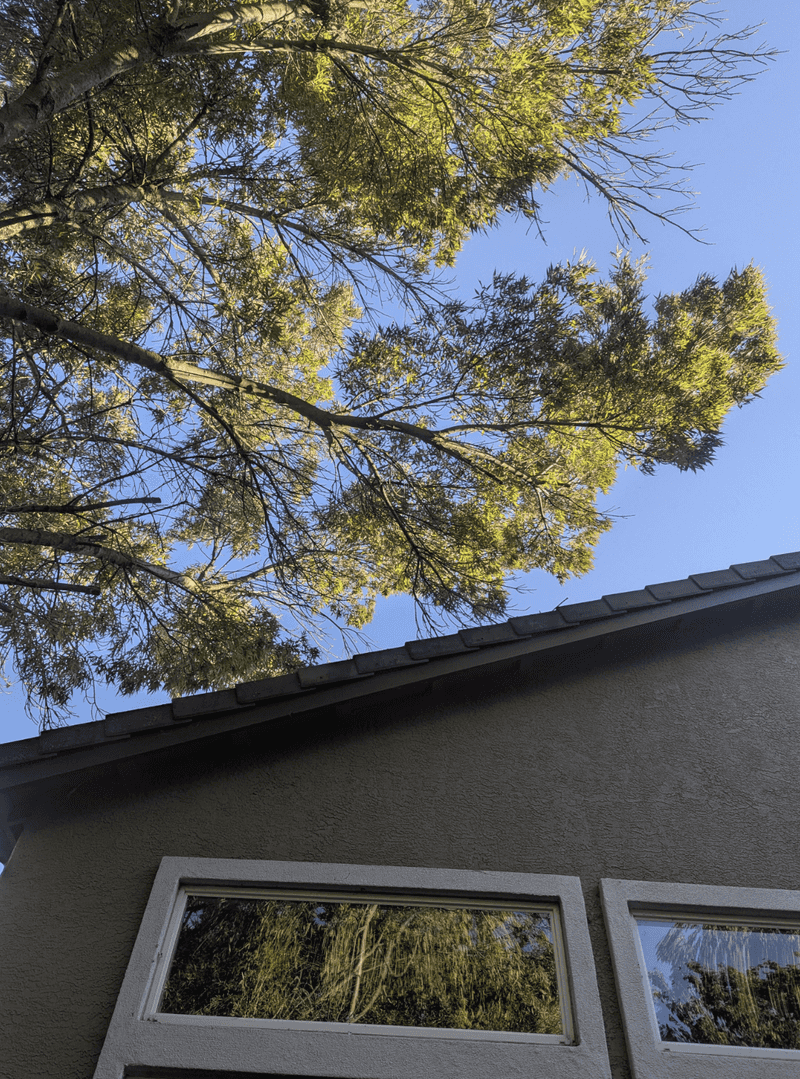
Rats are amazing climbers, and a branch touching your roof is like a bridge they cannot resist. One overhanging limb can turn a ground problem into an attic problem overnight.
When fruit tree branches stretch close to your house, rats use them to reach the roof. From there they hunt for gaps around vents, chimneys, and loose shingles to slip inside.
Once a rat gets into an attic, it finds warmth, safety, and quiet space to nest. That is a much bigger headache than a few chewed apples in the yard.
Trim any branches that come within about six feet of your roofline. Rats can leap surprising distances, so give yourself a wide safety margin when you cut.
Use clean, sharp pruning tools and cut at the right time of year for your tree type. Late winter works well for many Pennsylvania fruit trees while they rest.
Look up at your house from a few angles to spot limbs you might miss from the ground. Branches over garages and porches count too, since those connect to living spaces.
While you are trimming, check your roof edges and gutters for spots that need repair. Sealing entry points adds a second layer of protection.
Keeping a clear gap between trees and buildings does more than block rats. It also improves airflow around the tree, which helps fruit ripen evenly and lowers disease.
A little pruning each year keeps that bridge from ever forming. When the path to your roof disappears, rats stay stuck at ground level where they are far easier to control.
Keeping Fence And Vine Connections Gives Rats A Highway
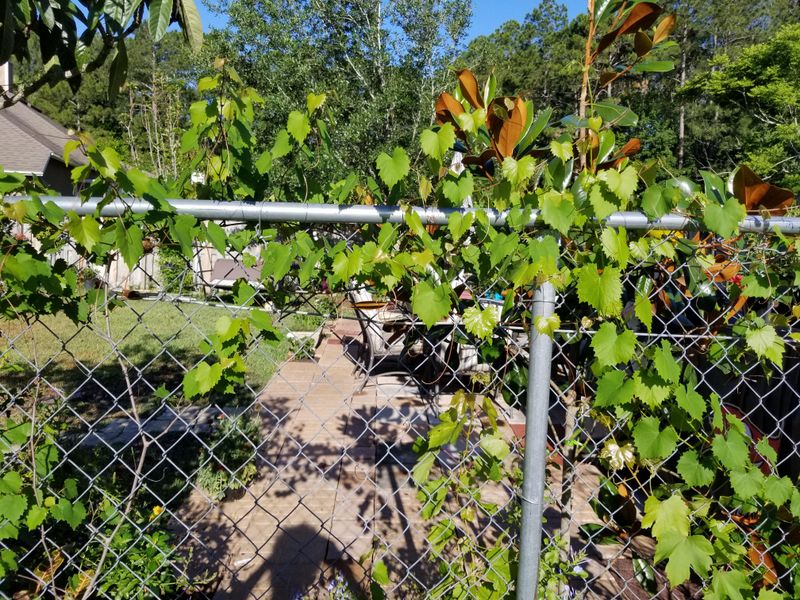
Rats love to travel along edges where they feel hidden and protected. A fence line linked to your fruit tree becomes their private highway across the yard.
Fences, trellises, and thick vines all give rats a raised path off the open ground. They can scurry along the top of a fence, hop to a vine, then reach the tree without ever touching the lawn.
Grapevines, ivy, and climbing roses are favorites because they offer both a route and a hiding spot. When these plants touch a fruit tree, they connect two food and shelter zones into one.
Take a walk around your property and notice where plants and structures meet. Look for places where a vine drapes onto a fence or a branch rests against a trellis.
Cut back growth so there is a clear gap between your fence, your vines, and your trees. Even a foot or two of open space breaks the connection rats rely on.
Keep climbing plants trimmed and tied so they do not sprawl into nearby trees. Regular pruning keeps them neat and far less useful to rodents.
Check the base of fence posts too, since rats often run along the bottom rail. Clearing weeds and clutter there removes their cover.
If you use a trellis for fruit, keep it a good distance from walls and other plants. Standalone structures are much harder for rats to link together.
Breaking these connections forces rats into the open where predators and traps work best. A yard without hidden highways feels risky to them, and risky spots are the ones they avoid.
Letting Dense Growth Build Up Gives Rats Better Cover
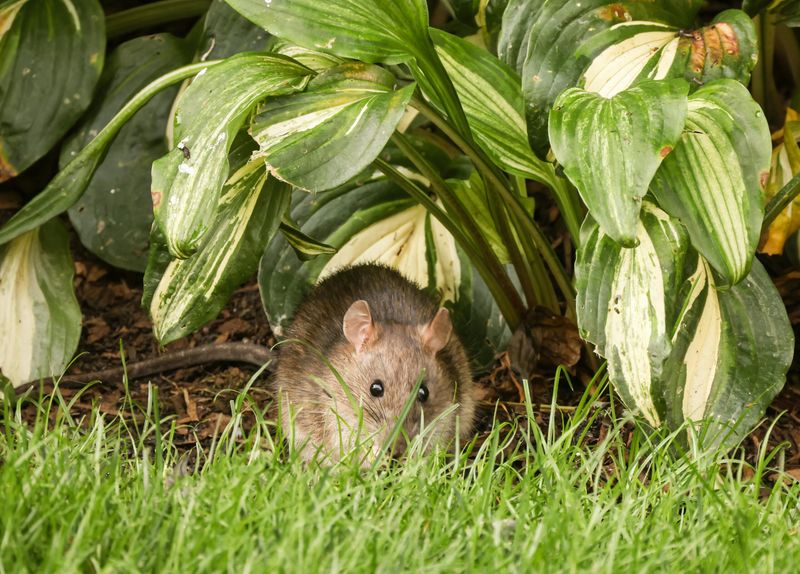
Thick, tangled growth around a fruit tree is a rat’s dream home. It offers shade, hiding spots, and a safe place to raise young just steps from a food supply.
Rats feel exposed in open spaces and nervous around movement. Dense shrubs, tall weeds, and piles of leaves give them the cover they crave to move around unseen.
When that heavy growth sits right under a fruit tree, rats barely have to travel for a meal. They can nest, feed, and stay hidden all in one small area.
Clear out weeds, brush, and low tangled plants from around the base of your trees. Aim for a tidy, open ring of ground that leaves nowhere to hide.
Rake up leaf litter, fallen twigs, and mulch that has grown too deep. A thick mulch layer can hide burrows, so keep it shallow near the trunk.
Trim the bottom branches of shrubs so you can see clearly underneath them. Being able to see the ground helps you spot rat trails and holes early.
Store items like woodpiles, pots, and old lumber well away from your trees. Clutter gives rats even more places to tuck in and hide.
Mow the grass regularly and pull weeds before they get tall and bushy. Short, neat plants make the whole area less inviting.
A yard that stays open and trimmed feels dangerous to rats because predators like hawks and cats can spot them easily. When cover disappears, rats usually decide the risk is not worth the reward and move on to somewhere messier.
Leaving Other Food Outside Keeps Rats Around After Harvest
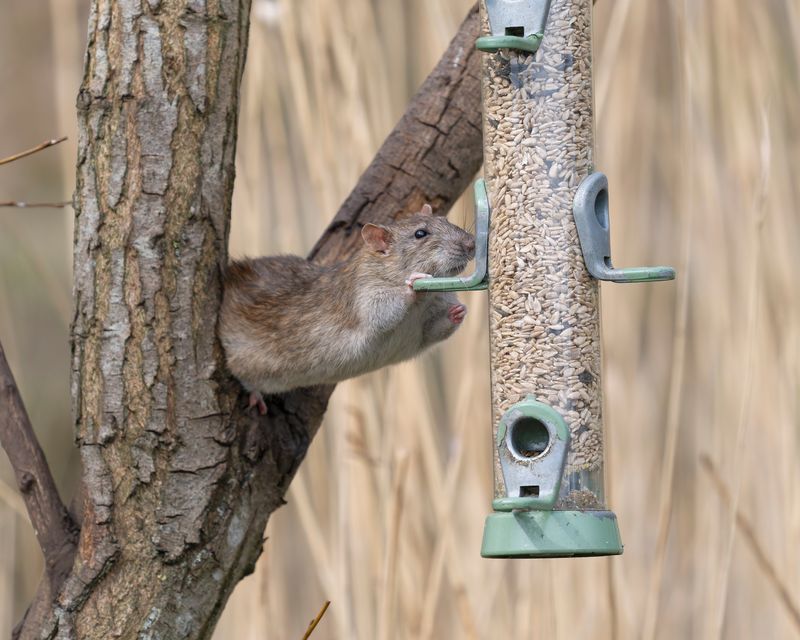
You might think the rat problem ends once the last fruit is picked, but plenty of yards keep feeding them long after harvest. Other food sources quietly hold rats in place all year.
Bird feeders that spill seed onto the ground are a huge draw. Rats scoop up the scattered seed at night when the birds are asleep.
Pet food left in bowls outside works the same way. A dish of kibble on the porch is an open invitation that never expires.
Trash cans without tight lids are another steady meal. Rats chew through bags and dig for scraps whenever a can sits loose or overflowing.
Clean up seed under bird feeders often, or switch to no-mess feed that drops fewer hulls. Hanging feeders on tall poles with baffles also helps.
Bring pet food dishes inside once your animals finish eating. Never leave a full bowl out overnight where rodents can find it.
Use metal or heavy-duty cans with lids that snap shut tight. Store them away from fences and buildings so rats cannot climb in easily.
Check your Pennsylvania yard for other hidden snacks too, like dropped garden vegetables or open compost. Even greasy grill drippings can attract them.
The whole idea is to remove every reliable food source, not just the fruit. Rats stay where meals are steady and leave when the supply dries up.
When you close off these extra buffets, your fruit tree cleanup finally sticks. A yard with no easy food, no cover, and no bridges is one rats give up on for good.