What It Means When Chipmunks Start Stockpiling Food Across Your Michigan Yard
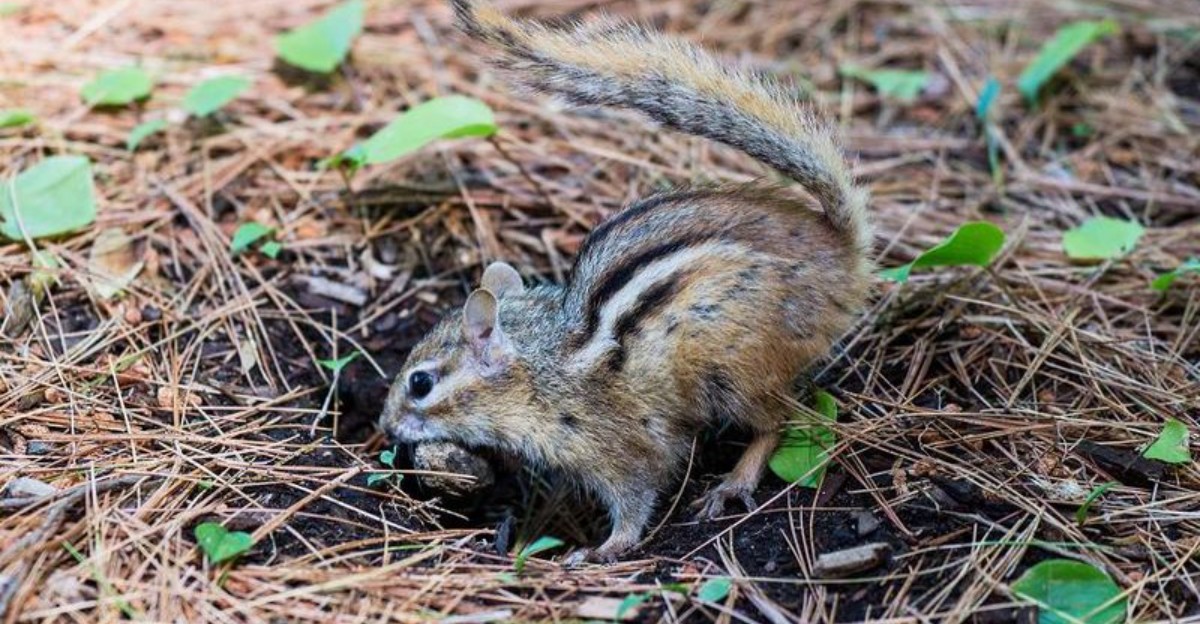
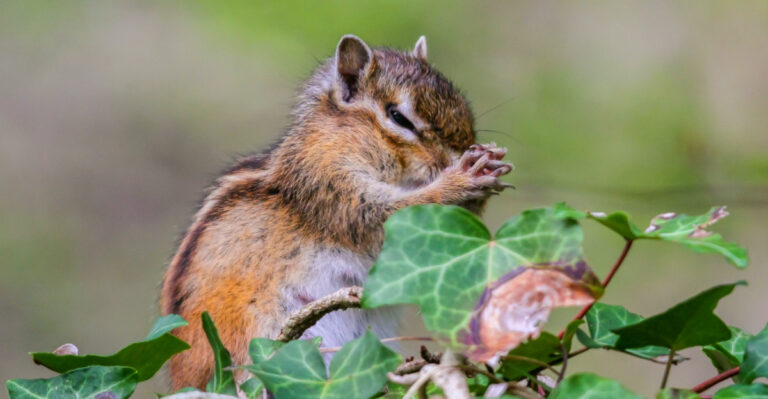
Chipmunks become noticeably busier in Michigan yards as fall approaches, darting back and forth with cheeks stuffed full of seeds, nuts, and other food.
This behavior is a natural part of their preparation for winter, since chipmunks don’t hibernate through the entire season the way some animals do and instead rely on stored food to get through periods of reduced activity underground.
Each chipmunk typically maintains an extensive burrow system with dedicated storage chambers, and a single animal can stockpile a surprising amount of food before the season is through.
Seeing this increased activity is a reliable seasonal signal that colder weather isn’t far off. Have a closer look at what’s really happening when chipmunks seem to be everywhere at once, gathering and hauling food across a Michigan yard.
1. They Are Preparing Their Winter Food Supply
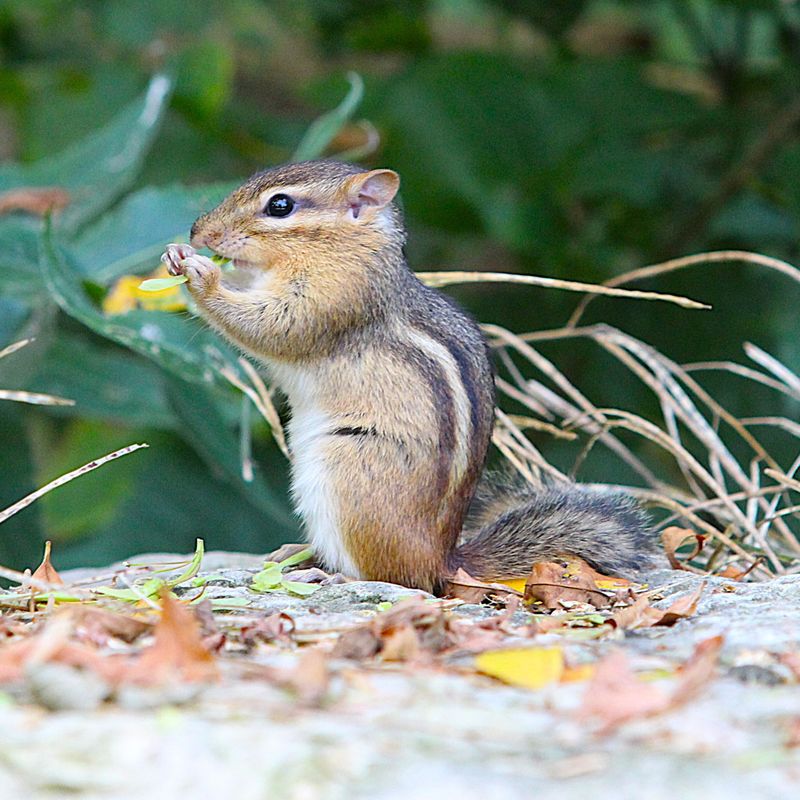
Those fast little movements you notice in fall come from a serious mission. Eastern chipmunks spend the cooler months gathering seeds, nuts, and other treats so they have plenty to eat when snow covers the ground.
Unlike some animals that fatten up before winter, chipmunks rely on stored food. They tuck away acorns, sunflower seeds, corn, and berries in underground rooms called chambers.
When cold weather arrives, they slip into a light sleep and wake up now and then to snack on their saved goodies.
Michigan winters can be long, and food gets hard to find once the ground freezes. A chipmunk that fails to build a good stash may struggle during the coldest stretches. That is why you see them working so quickly in September and October.
Their gathering also depends on what your yard offers. A yard full of oak trees or dropped seeds makes their job easier, so you will notice more traffic near those spots.
Watching this behavior can be fun and even helpful. It reminds gardeners to clean up fallen nuts and seeds if they want to keep chipmunk numbers steady.
You can also plant native shrubs that offer natural food and shelter. Fun fact: a single chipmunk can store thousands of food pieces in one season. All that effort keeps them going through months of cold.
So when you spot them dashing back and forth, they are simply following an ancient plan to make it safely to spring.
2. Your Yard May Have Become A Food-Rich Area
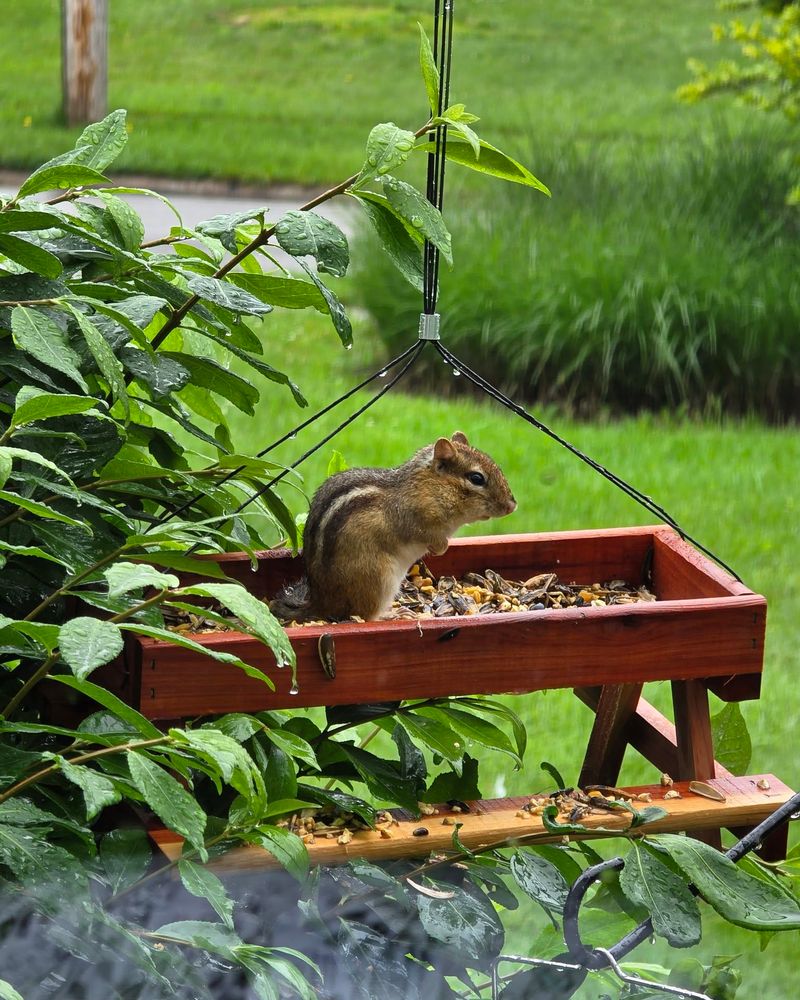
Ever wonder why chipmunks pick your yard over the one next door? The answer usually comes down to food. Yards packed with easy calories become favorite spots for these hungry gatherers.
Oak trees are a big draw because they drop acorns by the hundreds. Add a bird feeder that spills seeds, a vegetable garden, or berry plants, and you have created a chipmunk buffet.
They love spots where a meal takes little effort to find. Fallen seeds from flowers like sunflowers and coneflowers also attract them. So do fruit trees that drop apples or cherries.
Every extra food source makes your yard more appealing right before winter.
Your Michigan Garden Changes Every Week. Your Plan Should Too.
Gardening in Michigan changes quickly throughout the season. Every Friday you’ll receive a simple weekly plan showing exactly what to plant, prune, fertilize, harvest, and protect so you never miss the right timing.
This does not mean your yard has a problem. It simply means you have plants and features that support wildlife, which many gardeners enjoy. Still, if you want fewer chipmunks, reducing loose food helps.
Try cleaning up dropped nuts and fruit on a regular basis. Store birdseed in sealed containers, and sweep up spills under feeders. These small steps make your yard less of an all-you-can-eat stop.
On the other hand, if you love watching them, you might leave a few natural food sources in place. Native plants give chipmunks and other creatures a healthy option without much effort from you.
Either way, knowing what pulls them in puts you in control. A quick look at your yard often reveals exactly why your striped neighbors keep coming back day after day.
3. The Cheek Pouches Are Built For Collecting Food
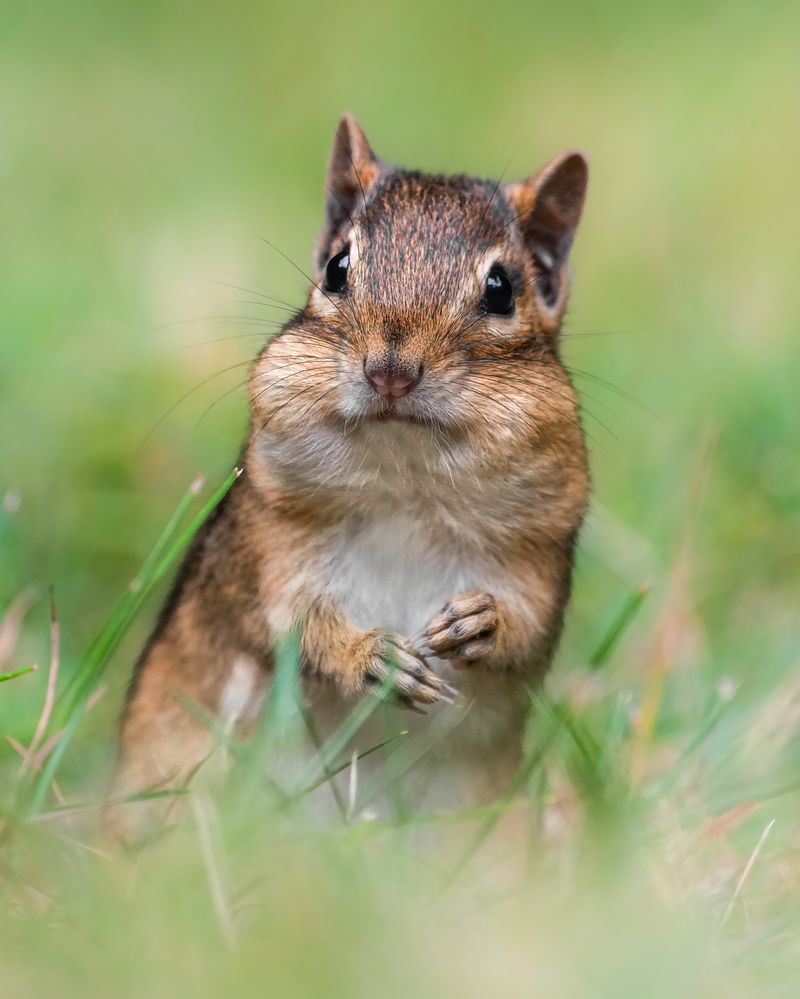
One of the cutest sights in the animal world has a very practical purpose. A chipmunk with puffy, stuffed cheeks is not just adorable; it is using a clever built-in carrying system.
Their cheek pouches stretch far beyond what you might expect. These flexible pockets let a chipmunk carry loads of food in a single trip, saving time and energy during busy gathering days.
A chipmunk can pack seeds, nuts, and grains into both cheeks until its head looks nearly twice its normal size. Some can hold dozens of sunflower seeds or several acorns at once. That is a lot of food for such a small body.
Once the pouches are full, the little gatherer heads straight for its burrow. There it empties the load into storage chambers and rushes back out for more. The whole process repeats many times each day.
The pouches stay dry inside, which keeps stored food fresh and ready to eat. This design helps chipmunks make the most of every trip during the short fall season.
Watching one fill its cheeks gives you a peek at how efficient nature can be. If you see a chipmunk with a lopsided, chunky face, it is simply hauling supplies home.
Fun fact: those pouches can stretch to about three times the width of the chipmunk’s own head. So the next time you spot those bulging cheeks, you will know exactly what is going on inside.
4. They Are Filling Underground Storage Chambers
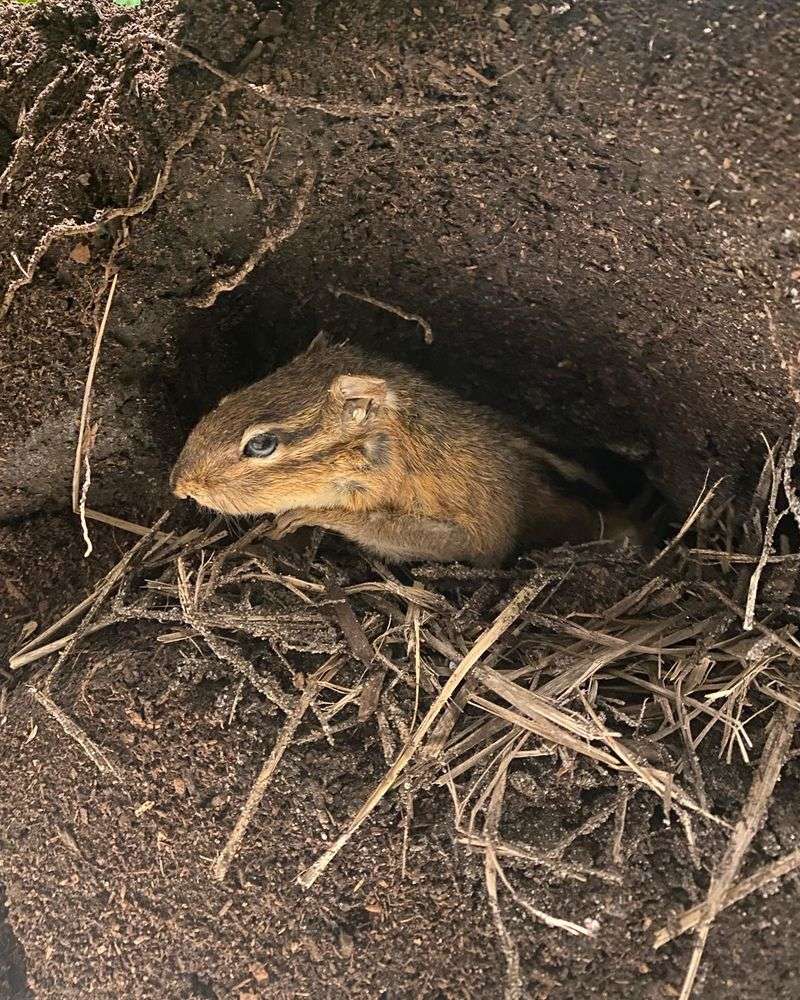
Beneath your lawn, a surprising world of tunnels may be taking shape. Chipmunks build detailed burrow systems with separate rooms, and food storage is a big part of the plan.
Their underground homes often include sleeping areas, storage chambers, and even side tunnels for safety. The food chambers hold the seeds and nuts they collect all season long, keeping everything neat and close by.
Chipmunks are surprisingly tidy about their stashes. They often sort food into groups and pack chambers tightly so nothing goes to waste.
This careful setup means they can find a meal quickly during winter.
If you notice a chipmunk making trip after trip to the same spot, you are likely watching an active gathering route. That path leads straight to a burrow entrance where the food gets stored.
These trails can appear across lawns, along fences, or near garden beds. Following the same route helps the chipmunk move fast and stay safe from watching hawks and cats.
For gardeners, spotting these routes can be useful. It shows where burrows sit and helps you decide whether the location is fine or a bit too close to structures you want to protect.
Most of the time, these tunnels cause little trouble and even help loosen soil. A busy chipmunk simply follows the same reliable path because it works.
So when you see one darting back and forth like clockwork, picture the tidy underground pantry it is filling one trip at a time.
5. More Digging Does Not Always Mean More Damage
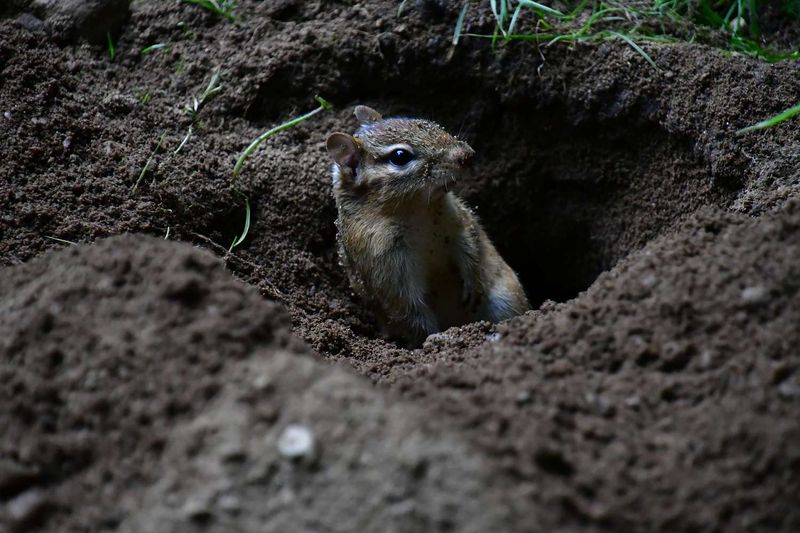
The sight of fresh holes in your yard can spark worry, but not all digging is a problem. Chipmunks dig as part of their normal daily lives, and most of it causes little harm.
Their small burrow openings are usually clean and about two inches wide, without a big mound of soil around them. This tidy digging helps air and water reach plant roots, which can actually benefit your garden.
Chipmunks also dig while searching for food or building new tunnels. During fall, this activity picks up as they prepare for winter. A few extra holes at this time of year are completely natural.
Trouble can start when burrowing happens near important structures. Tunnels dug close to foundations, patios, retaining walls, or garden steps may loosen the soil that supports them over time.
If you notice holes right against these spots, keep an eye on them. Small problems are easier to fix early than after the ground shifts. You can add gravel barriers or wire mesh to guide chipmunks elsewhere.
For open lawn and garden areas, though, there is usually no need to panic. The soil recovers quickly, and grass often grows right over old openings.
A helpful trick is to fill unwanted holes gently and watch whether they reopen. Active burrows will be dug out again, showing you where the busy diggers really live.
With a calm approach, you can tell the difference between harmless fall digging and the rare spot that needs your attention.
6. Bird Feeders Can Increase Chipmunk Activity
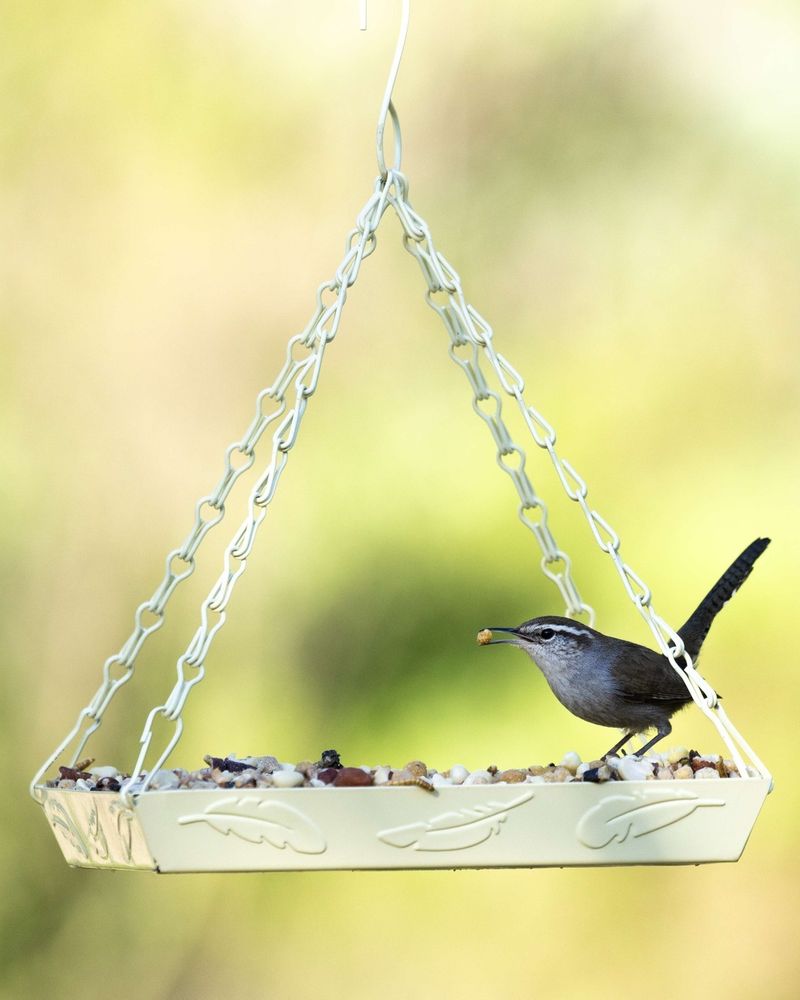
Bird lovers often notice extra visitors below their feeders, and chipmunks are usually near the top of that list. Spilled seeds create an easy meal that keeps them coming back.
Sunflower seeds are a special favorite. When birds knock them to the ground, chipmunks scoop them up and pack them into their cheeks for storage. A messy feeder can feed a whole neighborhood of them.
This steady food source can lead to more chipmunks in your yard over time. Where food is plentiful, animals tend to gather, and feeders provide a reliable supply right when they need it most.
The good news is that a few simple changes make a big difference. Placing feeders away from garden beds and structures keeps chipmunk traffic in one area rather than spread everywhere.
Regular cleanup also helps. Sweeping or raking under feeders removes the seeds that draw them in, and a seed tray can catch spills before they hit the ground.
Choosing seed types matters too. Some blends drop fewer shells and leftovers, which means less for chipmunks to collect. Feeders with catch trays reduce mess even further.
You do not have to give up feeding birds to manage this. Small tweaks let you enjoy your feathered guests while keeping ground foragers in check.
Think of the feeder as one part of your yard’s food map. Manage it well, and you naturally shape how much chipmunk activity you see nearby each day.
7. Fall Plantings May Become Part Of Their Food Search
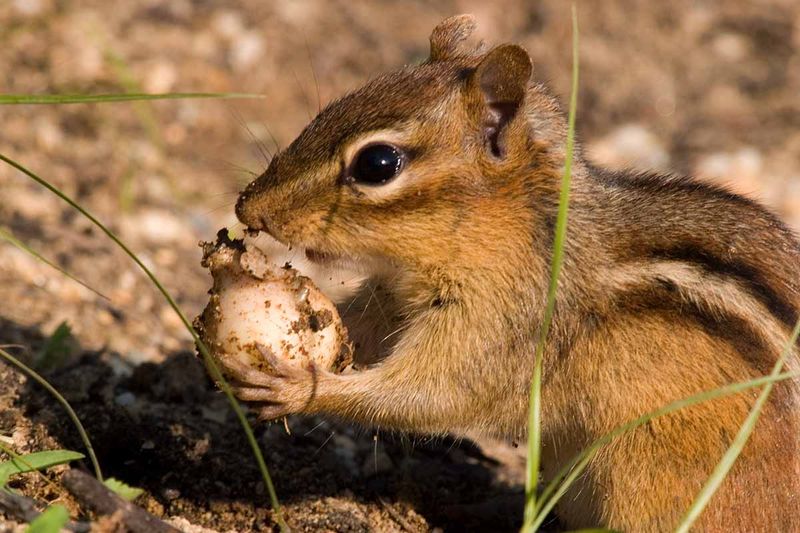
Planting season in fall brings exciting new life to the garden, but it can also catch a chipmunk’s attention. Fresh bulbs and seeds tucked into the soil look like buried treasure to a hungry forager.
Underground food holds special value before winter, so newly planted tulip bulbs, crocus bulbs, and seeds can become targets. Chipmunks may dig them up and add them to their winter stash.
Not every bulb is at risk. Chipmunks tend to favor tasty types like tulips and crocuses, while they often leave daffodils and alliums alone.
Choosing less appealing bulbs can protect your spring display. If you love the plants that chipmunks enjoy, a few tricks help. Laying wire mesh over the soil lets shoots grow through while blocking diggers from reaching the bulbs below.
Planting bulbs a little deeper can also help, since chipmunks usually dig shallow. A layer of gravel in the planting hole makes digging less inviting too.
Timing matters as well. Planting right before the ground cools gives chipmunks less time to notice the fresh soil and go exploring.
Garden crops and seeds can face the same interest, so covering seeded areas early keeps them safer. A light layer of mulch hides the scent of fresh planting.
With a bit of planning, you can enjoy both your garden and your wildlife. A few smart choices let your bulbs settle in safely while chipmunks find their food elsewhere in the yard.
8. They Are Not Predicting A Harsh Winter
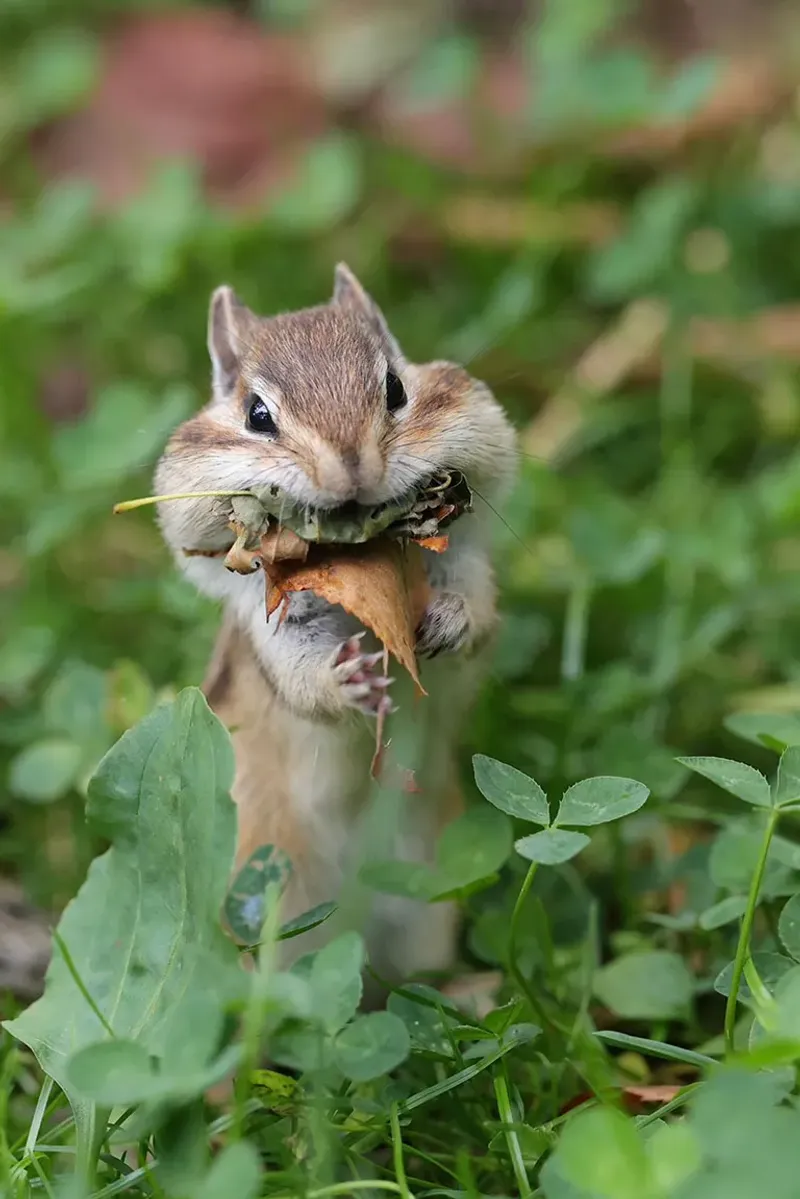
An old belief says busy chipmunks mean a rough winter is coming. It sounds fun, but the science tells a different and simpler story.
Chipmunks gather food every fall no matter what the weather will bring. Their activity follows the season and the calendar, not a secret forecast hidden in the air.
What really drives their gathering is daylight and temperature. As days grow shorter and cooler, their bodies get the signal to start stocking up. This happens like clockwork each year.
The amount of food available also shapes how busy they look. A year with plenty of acorns and seeds means more gathering trips, which can make chipmunks seem extra active.
So a yard full of scurrying chipmunks does not warn you about deep snow or bitter cold. It simply shows that food is around and the season is turning.
Weather patterns depend on huge forces like ocean currents and air systems, far beyond what a small animal could sense. Meteorologists use satellites and data to make forecasts, and even they find winter hard to predict.
Still, folklore like this is fun to share, and it makes watching wildlife more enjoyable. There is charm in old sayings, even when they are not accurate.
The real takeaway is reassuring. Extra chipmunk action is a normal, healthy sign of fall, not a signal to brace for the worst.
So relax and enjoy the show. Those busy little gatherers are just doing what they do every single autumn in Michigan.