Quiet Wetland Resident Finally Got A Name After Years Of Strange Calls In New Jersey’s Swamps
You rarely hear a frog that nobody has named. For years, biologists stood in cold marshes at night, listening to a call they could not place.
A low, strange sound drifted across the water. Every textbook said it belonged to someone else.
Researchers kept following it through swamps and meadows. New Jersey held an answer nobody expected to find.
Eventually, the frog got a name. Mocked endlessly for turnpikes, New Jersey now shares something remarkable with its neighbors. Traffic jokes aside, this state protects genuine biodiversity.
Understanding a single frog can shift how you view a marsh. A wetland beside a highway may hold more than it seems. Its quiet, cough-like call kept it hidden for generations.
Habitat loss and rising seas now threaten the places it lives. Discovery like this rewrites what you assume about home turf.
Curiosity alone will not answer what happens next. That story alone should pull you further inside.
Atlantic Coast Leopard Frog, A Hidden Neighbor
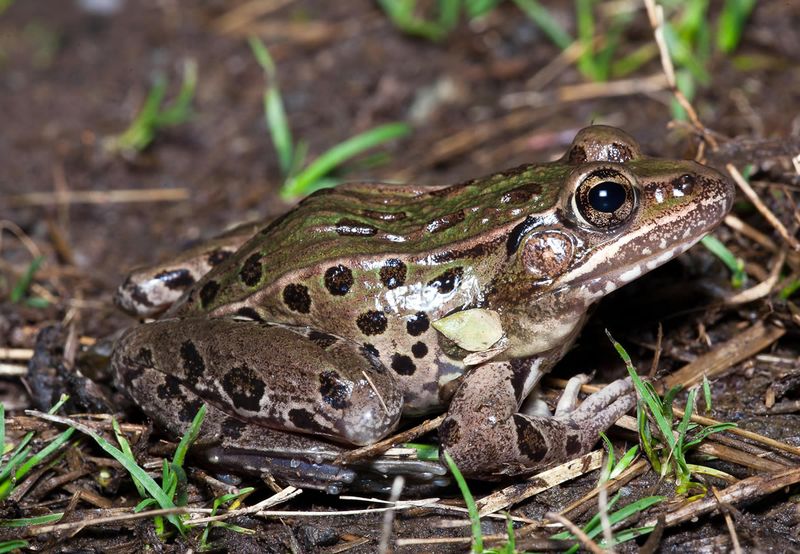
Scientists announced the Atlantic Coast leopard frog, Rana kauffeldi, in October 2014. It had spent untold years hiding behind a case of mistaken identity.
Biologists assumed the spotted frogs of the region belonged to two well-known relatives, the northern and southern leopard frogs. The mix-up makes sense. All three look alike at a glance.
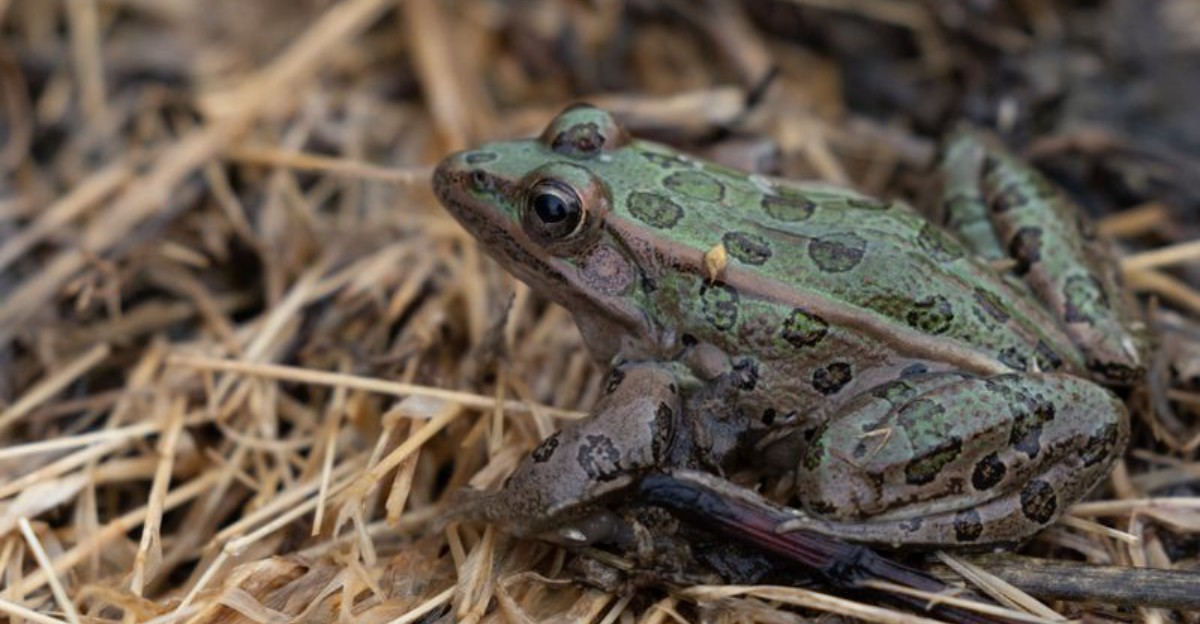
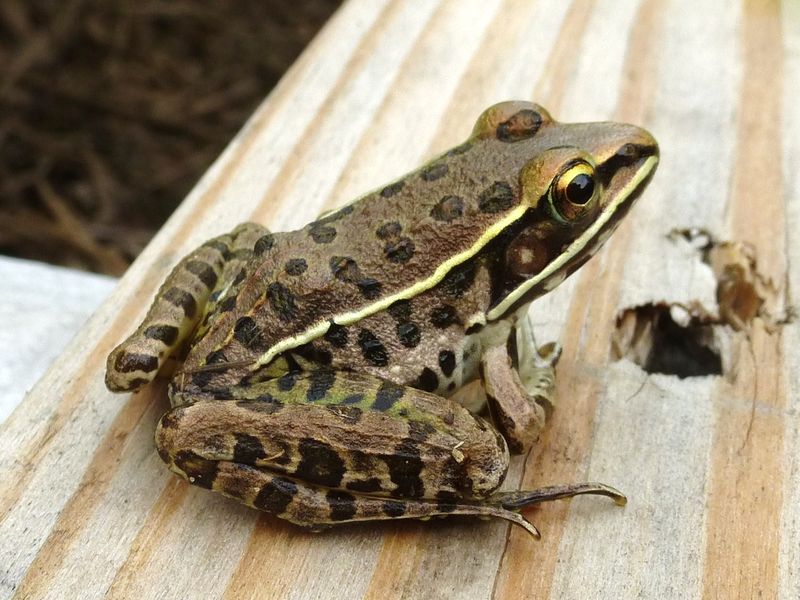
Spotted, smooth-skinned, and strongly webbed, they are slim frogs with light ridges running down the back. Colors range from mint-gray to light olive green, with medium to dark spots.
Looks were never the clue. The team led by Jeremy Feinberg of Rutgers University combined recordings of calls, genetic analysis, and careful measurements before declaring a new species.
The species name honors Carl Kauffeld, a Staten Island herpetologist. Naming an animal after a colleague is a quiet tradition in biology, a way of tipping the hat to decades of fieldwork.
The frog does not stay in New Jersey, which is a point worth making clearly. Its range runs along the coast from Connecticut to North Carolina.
Even so, New Jersey played a key role in the story. Wildlife experts in the Great Swamp National Wildlife Refuge noticed the odd call back in 2003, and New Jersey biologists helped confirm the find.
Its discovery is a reminder that new species are not found only in distant rainforests. Sometimes they turn up beside the nation’s busiest corridor, sitting in plain sight in a ditch most people drive past without a second glance.
Why New Jersey’s Wetlands Suit This Frog
Drive along the Delaware River or down toward the coast and the landscape opens up. Cattails and tall reeds crowd shallow water, and wet meadows spread out under a wide sky.
Atlantic Coast leopard frogs favor large wetland areas. Marshes, wet meadows, and slow-flowing water all suit them, especially where the water is clear and shallow.
Size matters here. The frog does best in expansive wetland complexes, where open water, thick plants, and nearby uplands sit side by side. Small, isolated puddles rarely offer enough.
Coastal does not mean salty, though. The frog is not found directly in salt marshes, though it lives in wetlands near the coast.
In New Jersey, scientists have found it along the Delaware River and bay, the Atlantic shoreline, and the Meadowlands. It also lives on Staten Island, part of New York City.
Where wetlands survive, small residents follow. A frog that eats insects, including mosquitoes and ticks, quietly earns its place in any healthy marsh.
Seasons shape its year. Breeding peaks in early spring, generally March and April, while a smaller second round can occur in the fall.
Tadpoles from that late season survive under the ice in permanent pools and finish changing the following spring.
If you visit this month, bring warm layers and sturdy boots, and stay on marked trails. November marshes look quiet, but the frogs are tucked into the mud and water, waiting out the cold.
How Sound Recordings And DNA Confirmed A New Species

The tool that made this possible costs almost nothing. A recorder, a flashlight, and patience on a cold, rainy night are enough to get started.
Frogs announce themselves by sound, and every species has its own signature. Researchers compare pitch, rhythm, and structure the way a detective compares fingerprints.
Back at the lab, the real work begins. Recordings are analyzed, tissue samples are sequenced, and body measurements are compared with museum specimens from known leopard frog species.
Genes told a clear story. The Atlantic Coast frogs formed their own branch, separate from their relatives that live nearby, and the calls backed it up.
Putting it all together took teamwork. Brian Zarate of New Jersey’s Endangered and Nongame Species Program and Brad Shaffer of UCLA were among the experts involved in the study.
Peer review followed, where other specialists checked the reasoning before publication made the name official. The paper appeared in the journal PLOS ONE. The process is slow on purpose, because a sloppy name creates confusion for generations.
Shaffer described the work as biological detective work. His advice was simple: shut down the computer, get outside, and study the plants and animals in your own backyard.
Anyone curious about frogs can begin with the same basic gear. A phone, a notebook, and a few quiet minutes at dusk turn a local wetland into genuine fieldwork, and community science projects welcome careful recordings.
A Frog That Barely Sounds Like A Frog
Ask someone to imitate a frog and you will hear a croak. This species rarely obliges. Its call is closer to a groan, or a short, cough-like quack that resembles the call of a wood frog.
That sound is the best clue to its identity. Researchers say the mating call is the most reliable way to tell it apart from its close relatives.
The call is also easy to miss. Its pitch is relatively low, which makes it harder to hear over traffic, wind, and the busier voices of other frogs.
Timing makes it trickier. The calling season is short, and it happens mostly on cold, rainy nights, when few people are outside to listen.
In some regions, a few frogs may call again in early fall, so a quiet autumn evening can still produce a surprise.
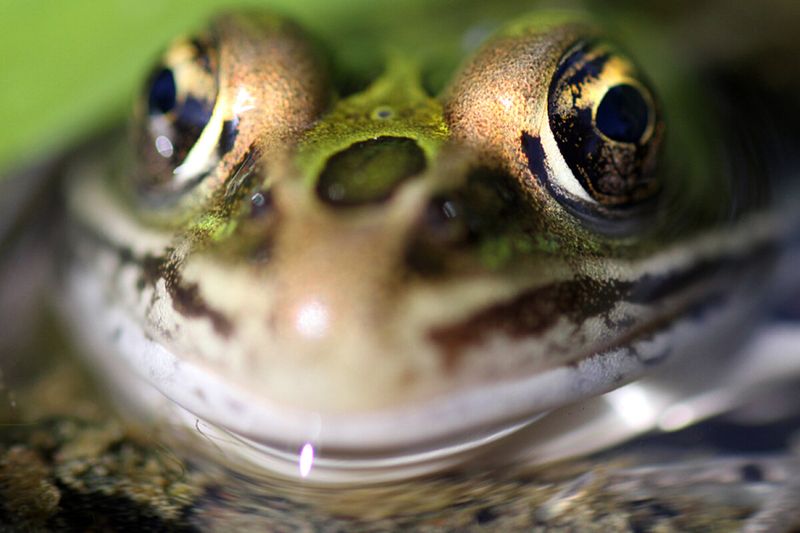
Looks offer help too. Compared with the southern leopard frog, it has a rounder snout and lacks a white dot in the eardrum. Those details matter little to a casual observer, but they matter a great deal to a biologist.
Gardeners sometimes worry when they hear about wetland wildlife moving closer to town. A frog like this has no interest in your tomatoes, and it will happily clear a few mosquitoes along the way.
Habitat is the real trade-off. A frog that depends on large, clear, freshwater wetlands has no backup plan when those wetlands shrink or turn into parking lots.
A Species Shared Along The Atlantic Coast
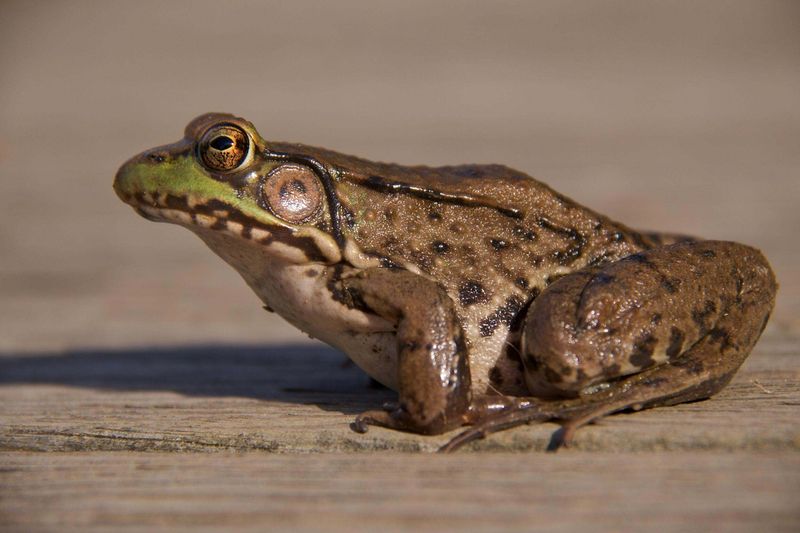
Scientists use the word endemic for a species restricted to one region. Hawaii has endemic birds, Australia has endemic mammals, and the Atlantic Coast leopard frog is endemic to the eastern seaboard of the United States.
Careful wording matters here. The frog is not unique to New Jersey, but it is unique to a narrow strip of coast, roughly a hundred kilometers wide from the ocean inward.
The distinction carries real weight for conservation. A species with a thin coastal address feels every disruption at once, from development to storm damage.
Rising seas pose a particular challenge. Because the frog lives near the ocean, it is especially vulnerable to flooding and habitat loss from major storms.
Protection varies by state. The species is listed as endangered in New York and Pennsylvania, while in other states its status is still being worked out.
Surveys are uneven, which means there is a chance that more populations are waiting. Several states along the coast have similar wetlands that few specialists have combed with a recorder.
Until then, responsibility is shared among the nine states where it lives, along with land trusts and refuges that already protect large chunks of suitable habitat, giving the species a fair shot.
Residents can help without special training. Supporting wetland preservation, keeping buffers around streams and ponds, and reporting frog calls to local wildlife programs all protect the same habitat.
Consider the local pride angle too. New Jersey scientists helped define an animal that lives in the middle of the most crowded region of the country, which is an unusual distinction for any state to hold.
What A Leopard Frog Tells Us About Bigger Things
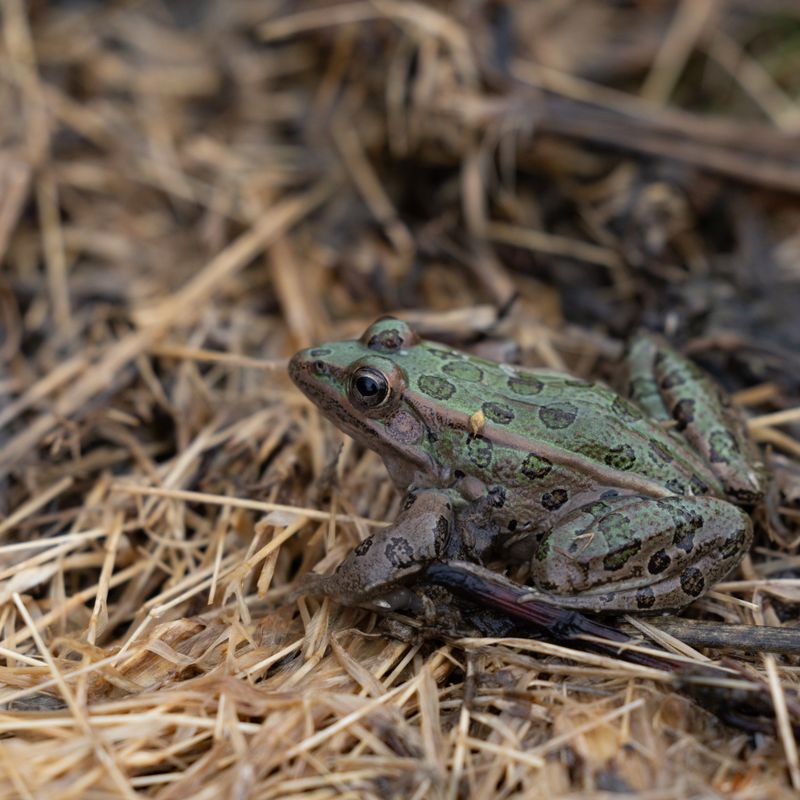
Here is what stands out most. An animal that lives in the shadow of the biggest city in America went unrecognized until researchers listened closely.
It was only the second new frog or toad found on the continental United States in nearly thirty years.
Many biologists believe much of the planet’s diversity has yet to be formally described. Beetles, flies, and wasps make up a large portion of that backlog, and some hide inside species we think we already know.
Amphibians work as environmental indicators. Their skin takes in water and air, so their presence signals that a habitat still has clean water, intact plant cover, and room to move.
Herons, snakes, and fish all depend on a steady supply of amphibians, and frogs in turn help keep insect numbers in check.
The discovery also highlights how much depends on trained specialists. Fewer universities employ taxonomists now, and each retirement takes decades of pattern recognition with it.
Community science helps close the gap. Recordings and photographs uploaded with accurate locations have led experts to populations they would otherwise have missed entirely.
November is a fine month to start paying attention. The marshes are quiet, the crowds are gone, and the stillness leaves room for thinking about what winter will bring for animals tucked beneath the ice.
Take a flashlight to a wetland edge on a cold, rainy evening next spring, and listen for two full minutes.
The odds of finding something genuinely new are slim, though the odds of hearing something you have never noticed before are excellent. Curiosity, it turns out, scales up and down beautifully.