The One Thing North Carolina Butterfly Bush Needs Before September Ends
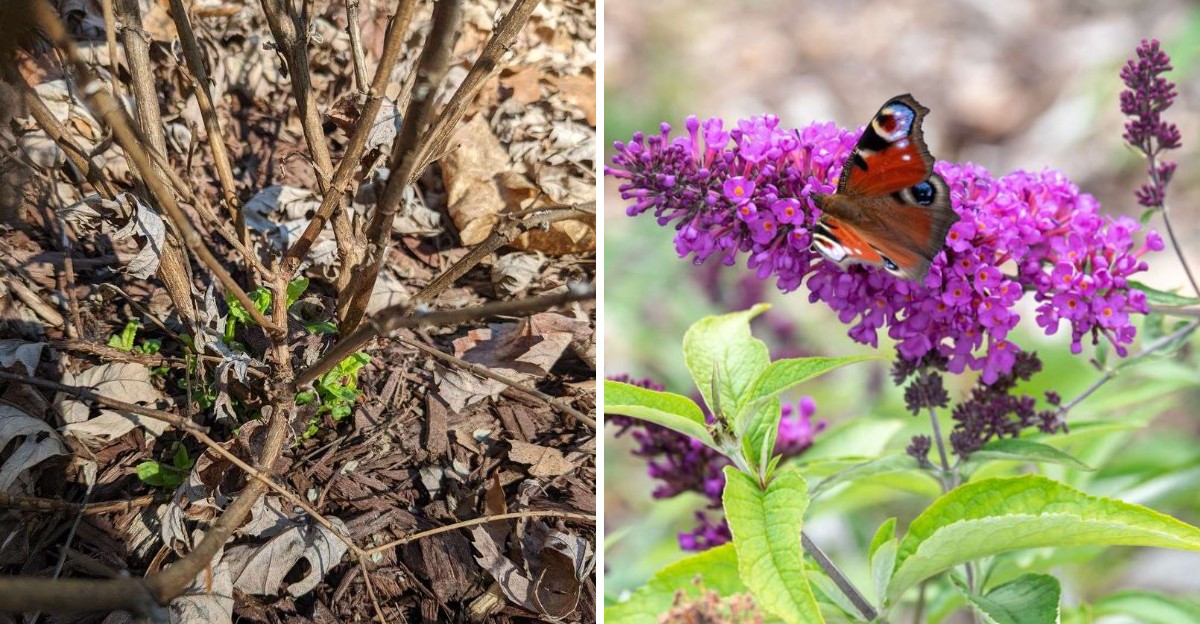
Butterfly bush is a staple in many North Carolina pollinator gardens, valued for its long bloom season and steady stream of visiting butterflies and bees.
But as September comes to a close, this plant has one key need that determines how well it transitions into fall and recovers again next spring.
Skipping this step can leave the plant more vulnerable heading into cooler weather, even after a strong summer of blooming.
Since butterfly bush pours so much energy into flowering all season long, how it’s treated right now plays a big role in whether it comes back fully next year.
For North Carolina gardeners hoping to keep their butterfly bush healthy and thriving well into next season, this end-of-month window matters more than it might seem, and getting it right could mean a fuller, more colorful bush by the time summer rolls around again.
1. Remove Faded Flower Spikes
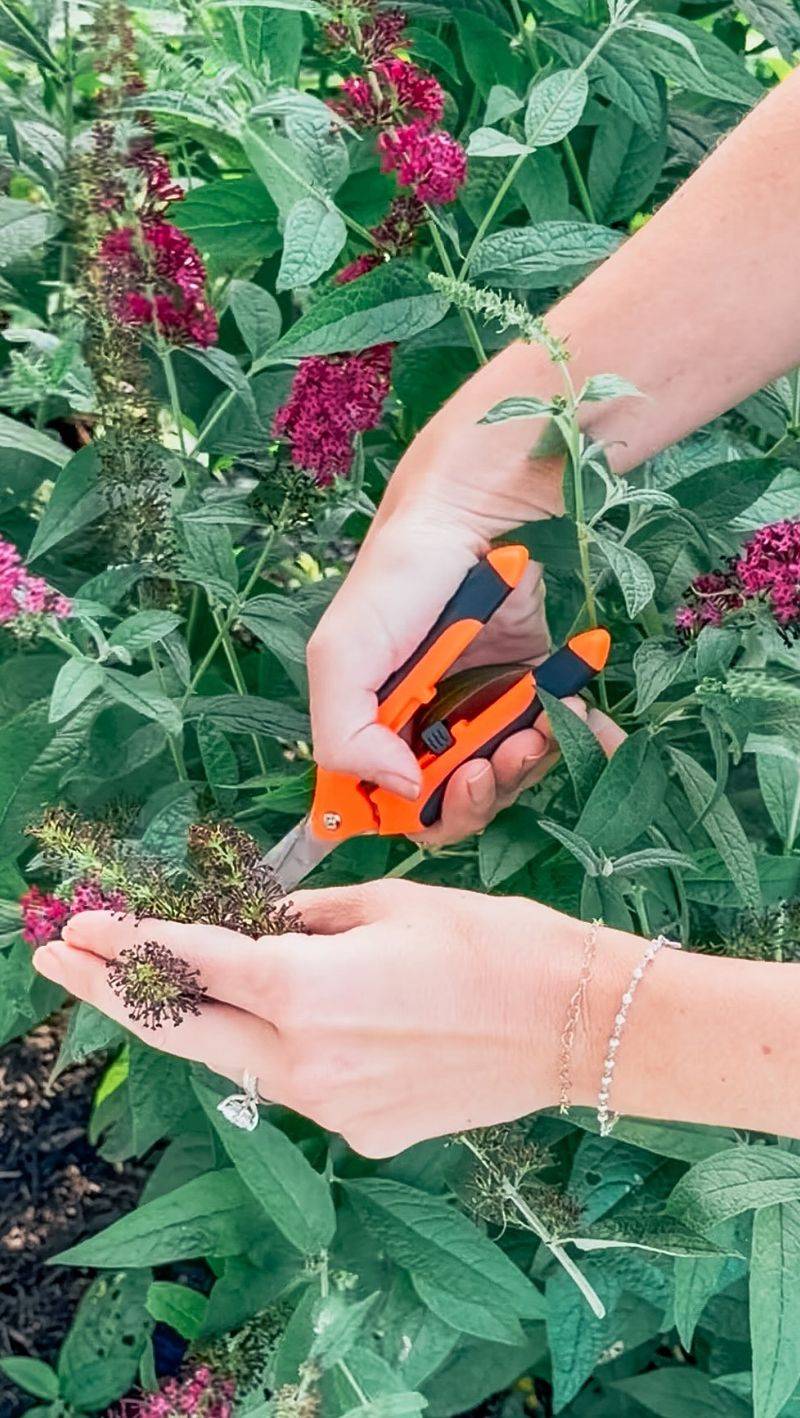
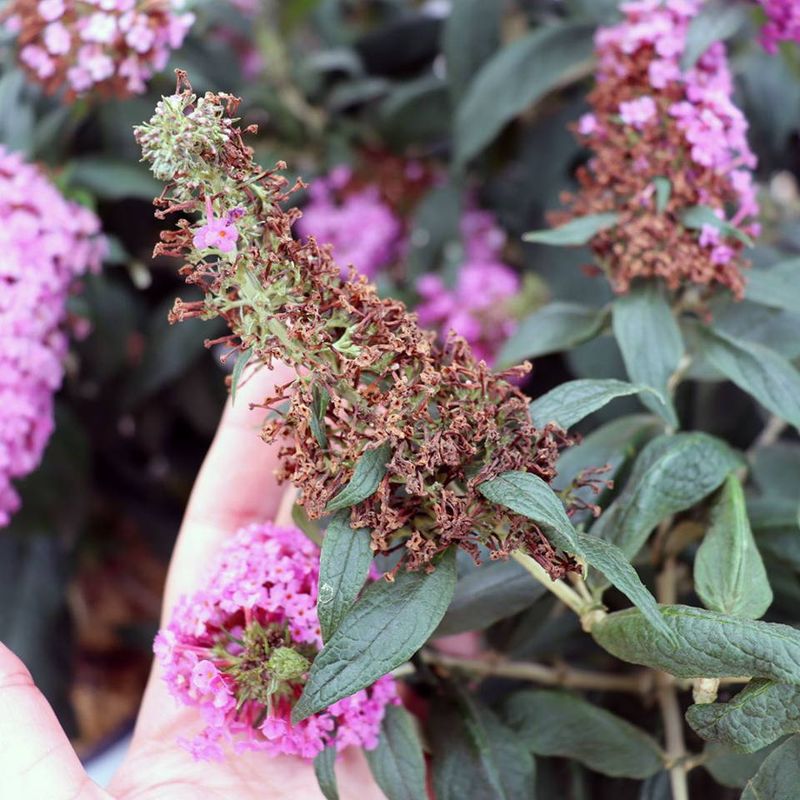
Those brown, crispy flower clusters at the tips of your butterfly bush might look harmless, but they hold your plant back. Once a bloom fades, the shrub starts putting energy into making seeds instead of new flowers.
Snipping off spent spikes flips that switch. Your butterfly bush gets the message to push out fresh buds instead. In North Carolina’s warm early fall, this small habit can reward you with weeks of extra color.
Grab a clean pair of pruners and look for the flower heads that have lost their bright purple, pink, or white shades. Follow the stem down a little and clip. It only takes a few minutes, and the difference shows up fast.
Beyond fresh blooms, tidying up faded spikes keeps the whole plant looking neat and full. A butterfly bush covered in shriveled clusters can look tired even when it is perfectly healthy underneath.
Try to make this a weekly routine while the plant is actively flowering. Little bits of attention add up, and the shrub stays vibrant instead of fading early.
Fun bit to know: butterfly bushes bloom on new growth, which is exactly why removing old flowers encourages so many fresh ones. The plant keeps working as long as you keep clipping.
By staying on top of spent spikes through September, you stretch the flowering show longer into the season. Your yard stays lively, the pollinators keep visiting, and your bush looks cared for. It really is one of the simplest wins in the garden.
2. Cut Just Above Healthy Leaf Growth
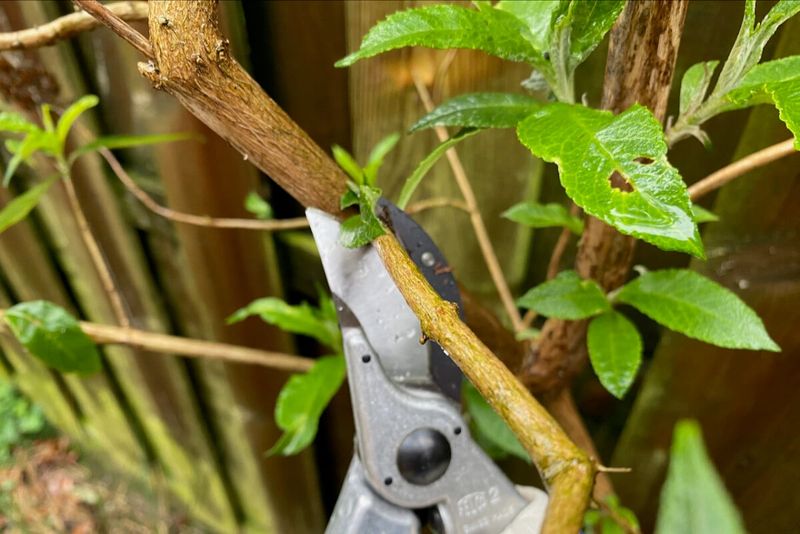
Where you make your cut matters just as much as making it. When you remove a faded flower cluster, aim to snip right above a healthy set of leaves or a pair of new shoots lower on the stem.
This spot is where the plant wants to grow next. By cutting just above it, you point the butterfly bush’s energy toward those buds, and fresh branches with new flowers follow.
Avoid slicing randomly in the middle of a bare stem. A cut left too high can leave an ugly stub that browns and looks messy. A clean cut above green growth heals better and looks tidy.
Your North Carolina Garden Changes Every Week. Your Plan Should Too.
Gardening in North Carolina changes quickly throughout the season. Every Friday you’ll receive a simple weekly plan showing exactly what to plant, prune, fertilize, harvest, and protect so you never miss the right timing.
Take a moment to look closely before you clip. You will often spot tiny leaf buds tucked into the joints where leaves meet the stem. Those little points are your target.
A sharp, clean pair of pruners makes all the difference here. Dull blades crush stems, while sharp ones slice smoothly and help the plant recover quickly.
This gentle method keeps your butterfly bush full and bushy instead of leggy and thin. Each careful cut encourages branching, so the shrub fills out with more blooms rather than fewer.
You do not need to be an expert to get this right. Once you spot one healthy leaf set, you will start seeing them everywhere on the plant.
Practicing this simple technique through September keeps your shrub shapely and blooming. It is a small skill that pays off in a fuller, happier plant heading into fall.
3. Do Not Confuse Deadheading With Heavy Pruning
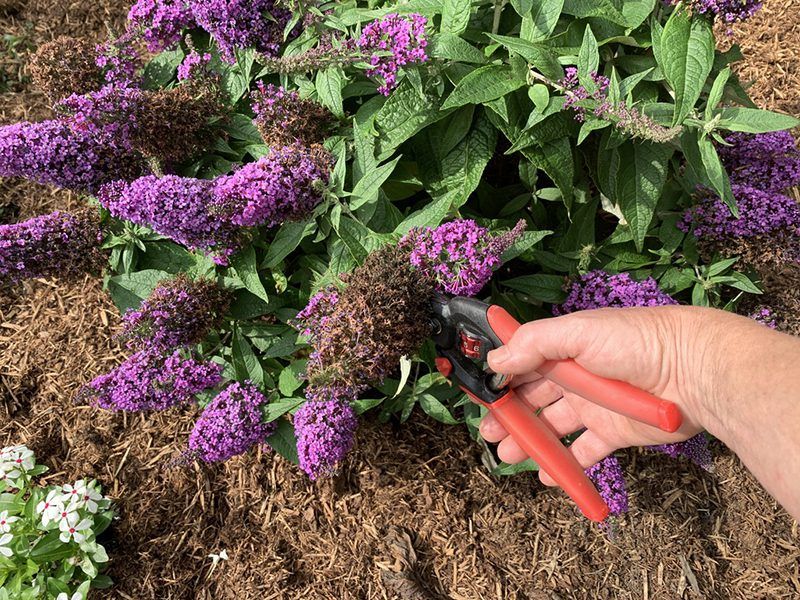
Here is a mix-up that trips up many gardeners. Snipping off old blooms and cutting your whole shrub way back are two very different jobs, and September is not the time for the big one.
Deadheading is light work. You clip small faded flower clusters to spark new blooms and keep things tidy. It barely stresses the plant at all.
Heavy pruning means chopping the butterfly bush down low, sometimes to just a foot or two above the ground. That kind of major trim belongs in late winter or early spring, when the plant is resting.
Cutting hard in early fall can backfire. It pushes out tender new growth right when temperatures start dropping, and that soft growth struggles when the cold settles in.
Think of it this way: light trims in fall, big cuts in the dormant season. Keep those two on separate calendars and your shrub stays healthy.
If your butterfly bush looks overgrown, resist the urge to grab the loppers now. Make a note to tackle the shaping later, once the plant goes dormant and can handle it.
For now, stick to gentle clipping of spent flowers only. This keeps the plant blooming without shocking its system before winter.
Knowing the difference between these two tasks saves you from a common autumn mistake. Your butterfly bush stays strong, and you avoid weak growth that never gets a chance to toughen up.
Patience with the heavy pruning truly pays off. Your reward is a robust, well-shaped shrub next spring.
4. Keep Water Consistent During Fall Blooming
Fall in North Carolina can still bring plenty of heat, and your butterfly bush feels it. Even as the calendar says autumn, warm, dry stretches can leave the soil thirsty.
When a shrub is busy pushing out new blooms, it needs steady moisture to fuel that work. Let the soil dry out completely and those flowers can wilt or slow down fast.
Aim for deep, even watering rather than quick sprinkles. A good soak reaches the roots and helps the plant handle warm afternoons without stress.
Check the soil with your finger before watering. If the top couple of inches feel dry, it is time to give the plant a drink. If it still feels moist, hold off.
Balance is the goal here. Butterfly bushes hate soggy, waterlogged soil just as much as they dislike bone-dry ground. Constantly wet roots can rot and weaken the plant.
Watering in the morning is a smart move. The plant drinks up before the heat of the day, and leaves dry off, which helps prevent problems.
A layer of mulch around the base helps hold moisture and keeps the roots cooler. Just keep the mulch a few inches away from the main stems.
Established shrubs handle short dry spells better than young ones, but no plant blooms well when parched. Steady moisture keeps the show going.
By watching your water through September’s warm days, you keep your butterfly bush flowering strong. Consistent care now means a fuller, brighter finish to the season.
5. Avoid Excess Late Fertilizer
Reaching for fertilizer to boost late blooms sounds like a good idea, but with butterfly bushes it usually is not. These shrubs are tough and rarely need extra feeding, especially once they are settled in.
Piling on fertilizer in September can cause trouble. It pushes the plant to grow soft, leafy shoots that do not have time to toughen up before cooler weather rolls in.
That tender new growth is fragile. When temperatures drop, those soft stems struggle and can be damaged by the first cold snaps of the season.
Established butterfly bushes already pull plenty of nutrients from the soil on their own. They are known for thriving in poor conditions, which is part of their easygoing charm.
If you fed your shrub earlier in spring or summer, it has what it needs. Adding more now simply encourages the wrong kind of growth at the wrong time.
Save any feeding for next spring, when new growth actually benefits from the boost. That timing lines up with the plant’s natural growing rhythm.
For now, focus your energy on watering and light deadheading instead. Those simple steps do far more for fall blooms than fertilizer ever will.
If your soil is truly poor, a little compost worked in gently is a milder choice than a heavy chemical feed. Compost releases slowly and causes fewer problems.
Skipping the September fertilizer is one of the easiest ways to help your butterfly bush prepare for winter. Sometimes the best care is doing less, not more.
6. Leave Some Flowers For Wildlife If Desired
Deadheading keeps blooms coming, but you do not have to clip every single flower. Leaving a few clusters behind can turn your garden into a little haven for wildlife.
As flowers fade and form seeds, birds and insects take notice. Those leftover heads become a snack bar and a resource just when the season starts to cool.
You can enjoy the best of both worlds. Trim most spent blooms to keep the plant flowering, and set aside a handful of clusters to feed visiting creatures.
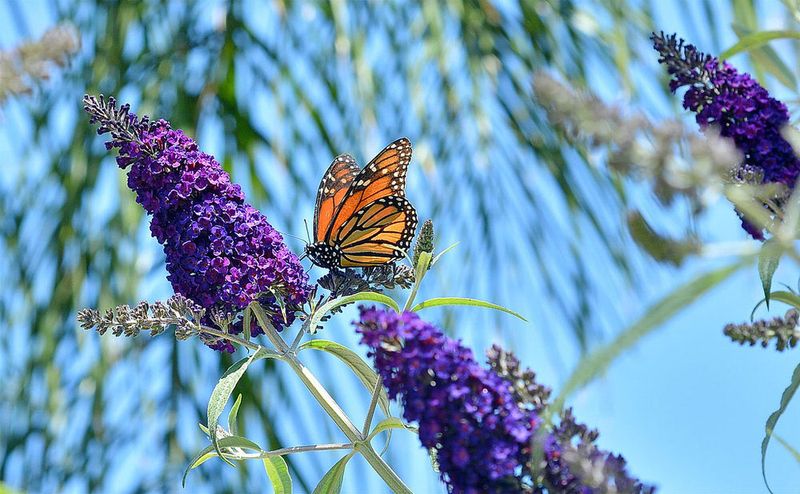
Butterflies, bees, and other pollinators love a butterfly bush in full bloom. By keeping some flowers going and letting others mature, you support them through changing weather.
Birds appreciate the seeds and the shelter the shrub offers. A slightly wilder corner of your garden can become a busy gathering spot.
Decide which stems to leave based on where you want the wildlife activity. Choose spots you can watch from a window and enjoy the show.
This approach also means a little less work for you. Not every flower needs your attention, so you can relax and let nature do its thing in places.
Balancing tidiness with a touch of wildness makes your garden feel alive. It is a friendly nod to the pollinators that give the butterfly bush its name.
By leaving a few blooms as September closes, you invite butterflies, bees, and birds to keep coming around. Your garden gives back to the very creatures that make it sparkle.
7. Check For Stress Before Winter
September is the perfect moment for a quick health checkup on your butterfly bush. A few minutes of looking closely now can catch problems before cooler weather arrives.
Start with the leaves. Yellowing, wilting, or curling can point to drought stress or thirsty roots that need more consistent watering.
Next, hunt for pests. Flip a few leaves over and look for spider mites, aphids, or chewed edges. Catching bugs early makes them much easier to handle.
Give the stems and base a glance too. Soft, mushy spots near the ground might mean the soil stays too wet, so ease up on watering if you see that.
A healthy butterfly bush should have firm stems and plenty of green growth. Take note of anything that looks off so you can act quickly.
If you spot drought stress, deep watering usually turns things around within days. Plants bounce back fast once their roots get a good drink.
For pests, a strong spray of water or a mild insecticidal soap often does the trick without harsh chemicals. Gentle solutions keep pollinators safe.
Clearing away fallen leaves and garden debris around the base also helps. It removes hiding spots for pests and keeps the area tidy.
Doing this checkup before the season shifts sets your plant up for a smoother, stronger finish. A little attention now saves headaches later.
Walking through your garden and really looking at each shrub connects you to your plants. You will notice the small changes that matter most.
8. Protect Young Plants Before Cold Weather
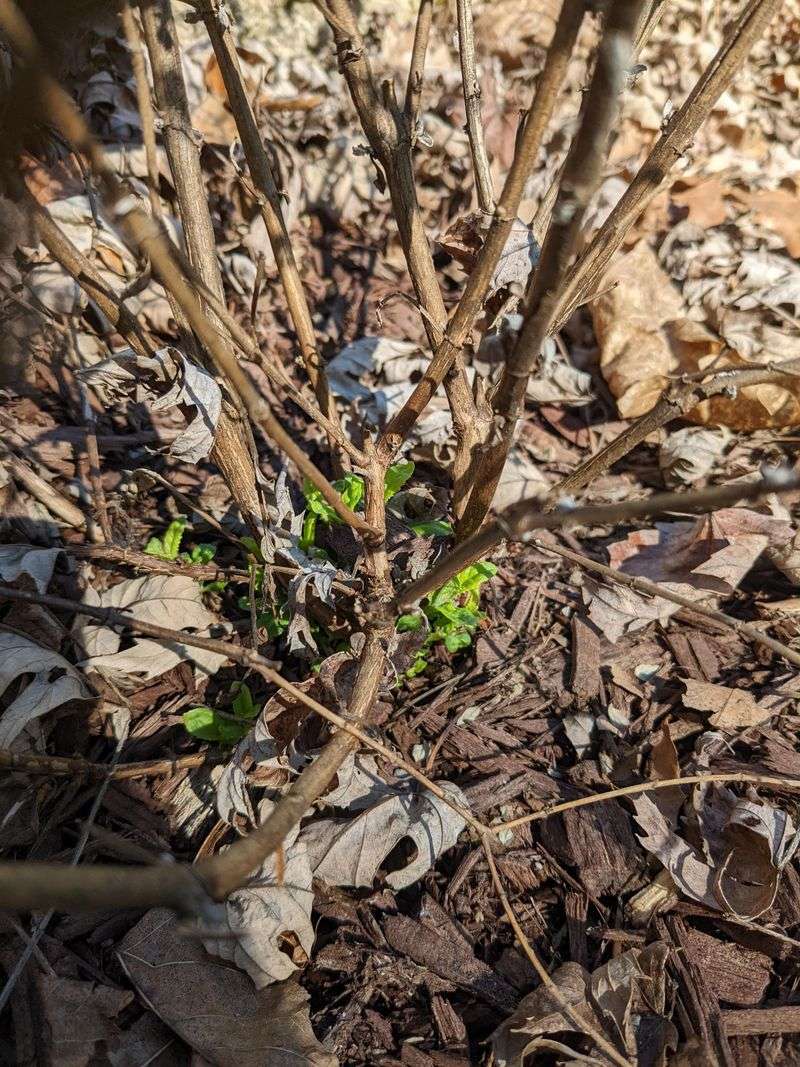
Young butterfly bushes are the ones that need your extra care right now. Unlike older, settled shrubs, a plant put in the ground this year has roots that are still small and shallow.
Those tender roots have not spread out enough to handle harsh conditions yet. Giving them a little help before cold weather makes a big difference in how well they come through winter.
Watering is your first tool. Keep the soil around new plants evenly moist through the warm fall days so the roots stay healthy and keep growing.
Mulch is your second. Spread a few inches of mulch around the base, leaving a small gap near the stems, to insulate the roots and hold in moisture.
This blanket of mulch keeps soil temperatures steadier as the weather cools. Roots protected from sudden cold snaps are far more likely to thrive.
Established butterfly bushes shrug off North Carolina winters with ease, but first-year plants appreciate the boost. A little help now pays off next spring.
Avoid heavy pruning on young plants heading into fall. Let them keep their growth so they store up strength for the months ahead.
If a hard freeze is coming, a light layer of leaves or straw over the root zone adds even more protection. Simple materials work perfectly.
By caring for your young butterfly bushes before the chill sets in, you set them up to burst back to life. Next season, they will reward your effort with fresh blooms and buzzing visitors.