The September Citrus Check California Gardeners Shouldn’t Skip
Your California garden needs a little extra attention when September arrives, especially if you grow citrus trees. Cooler nights, changing watering needs, and the start of harvest season can affect how your oranges, lemons, and mandarins perform.
A few simple checks now can help you catch problems early and keep your trees looking healthy.
Take a close look at your citrus leaves, soil, branches, and fruit before fall settles in. You might spot signs of stress, pests, or nutrient issues that are easier to fix now than later.
September is also a great time to prepare your trees for the months ahead, so you can enjoy a stronger harvest and healthier growth. Give your citrus a quick seasonal check, and your garden will thank you when those juicy fruits are ready to pick.
1. Look Closely At New Growth And Leaves
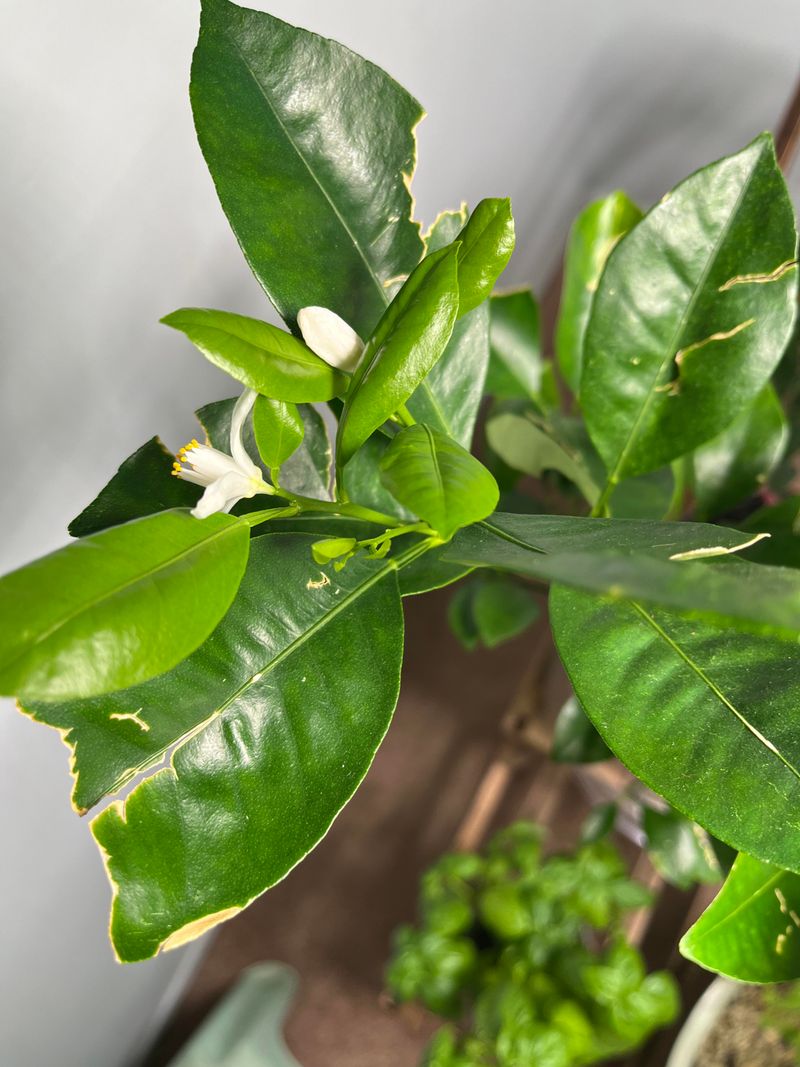
New growth on a citrus tree tells you a lot about how the tree is doing. Healthy new leaves should be bright green and firm.
If you spot yellow, curled, or twisted leaves, something may be off with the tree’s nutrition or water supply.
Yellowing between the leaf veins often points to a lack of iron or magnesium. These are common issues in citrus trees, especially when the soil pH is off.
A simple soil test can tell you what nutrients might be missing.
Look at the color and texture of leaves carefully. Pale or washed-out leaves can mean the tree is getting too much direct sun or not enough water.
Dark, spotted leaves may signal a fungal problem that needs treatment.
New growth also attracts pests like aphids and citrus leafminers. These tiny insects love soft, tender leaves.
Catching them early makes them much easier to manage without harsh chemicals.
Check the tips of new shoots too. If they look dried out or shriveled, the tree may be stressed from heat or inconsistent watering.
Healthy shoot tips should look plump and full of life.
Taking notes each time you check is a great habit. You can track changes over weeks and spot patterns that help you care for your tree better over time.
2. Check Fruit For Signs Of Problems
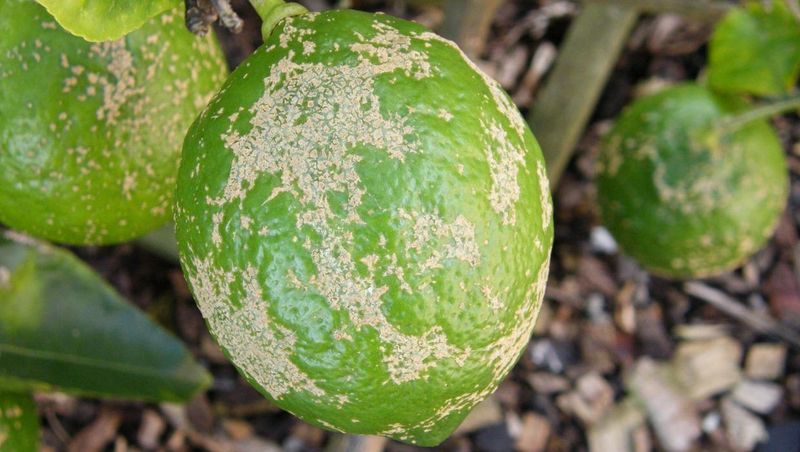
By September in California, many citrus trees are already carrying developing fruit. Taking a close look at each piece of fruit can help you spot problems early.
Look for unusual colors, soft spots, cracks, or any fruit that looks shriveled or off-shaped.
Fruit splitting is a common issue in late summer and early fall. It usually happens when trees get uneven watering.
The fruit grows too fast after a dry spell and the skin cannot keep up. Consistent watering helps prevent this problem.
Brown or sunken spots on the skin may be a sign of a fungal infection called brown rot. This tends to spread quickly in humid conditions.
Removing affected fruit right away helps stop it from spreading to healthy fruit nearby.
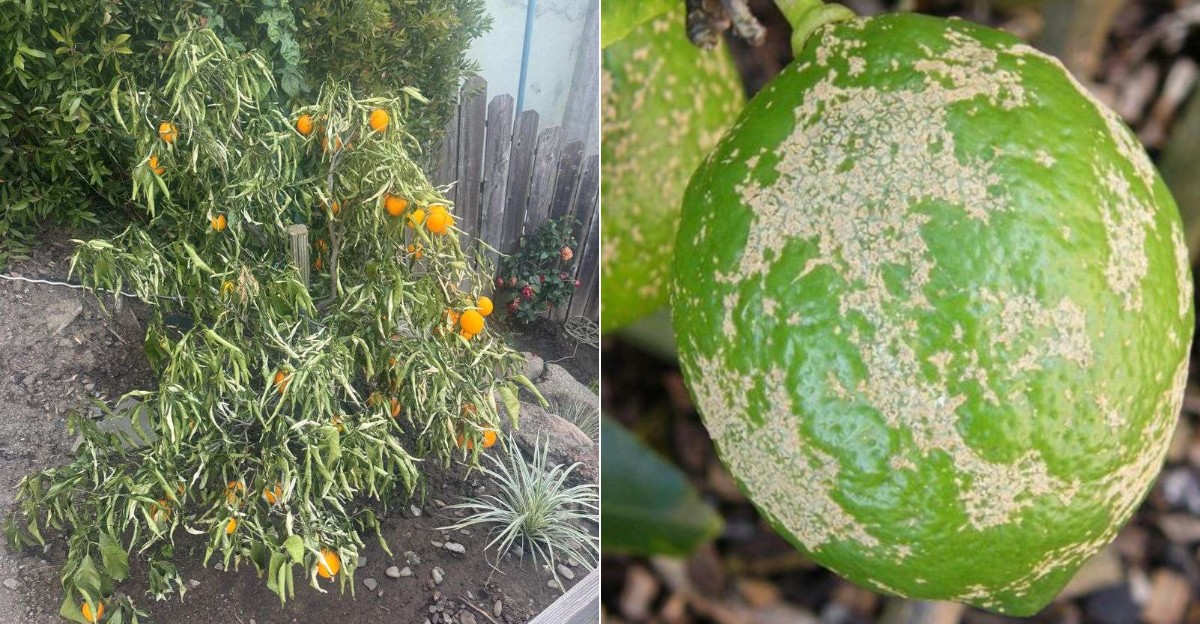
Some fruit may show small, raised bumps or rough patches on the skin. This could be citrus scab or another surface disease.
Your California Garden Changes Every Week. Your Plan Should Too.
Gardening in California changes quickly throughout the season. Every Friday you’ll receive a simple weekly plan showing exactly what to plant, prune, fertilize, harvest, and protect so you never miss the right timing.
While it usually does not affect the inside of the fruit, it can weaken the tree over time if left untreated.
Check if fruit is dropping early too. A little natural drop is normal, but heavy dropping often means the tree is under stress.
Watering issues, pest damage, or root problems can all cause early fruit drop.
Healthy fruit should feel firm and have smooth, evenly colored skin. Any fruit that looks or feels wrong should be removed and inspected more closely.
3. Inspect Under Leaves For Pests
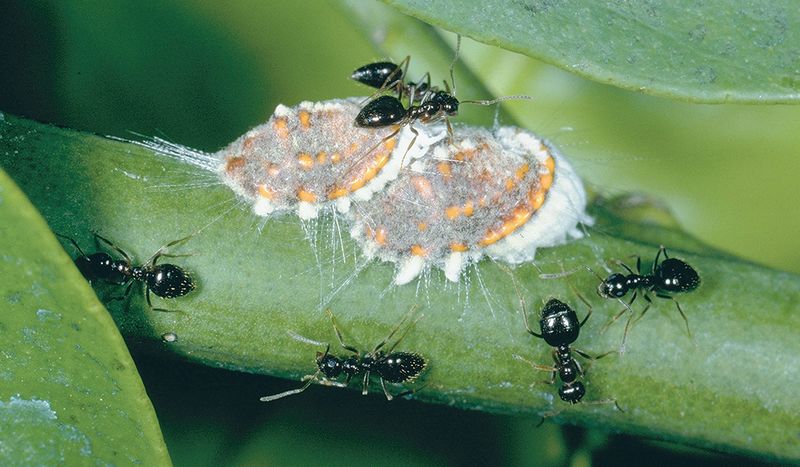
Flipping leaves over is one of the most useful things you can do during a citrus check. Many common California pests hide on the underside of leaves where they are hard to see at first glance.
Spider mites, scale insects, and whiteflies love to gather in these hidden spots.
Spider mites are incredibly tiny, but you can spot their fine webbing on leaf undersides. They thrive in hot, dry weather, which makes September a prime time to look for them.
A strong spray of water can knock them off and reduce their numbers fast.
Scale insects look like small brown or white bumps stuck to the leaf or stem. They feed by sucking sap from the tree.
Over time, a heavy infestation can weaken branches and cause leaves to drop. Rubbing alcohol on a cotton swab works well for small infestations.
Whiteflies are tiny white insects that flutter up when you shake a branch. They also feed on plant sap and can cause leaf yellowing.
They reproduce quickly, so catching them early is key to keeping their population under control.
Citrus red mites are another pest to watch for in warm months. They cause a silvery or bronzed look on leaf surfaces.
Checking regularly and acting fast makes pest management much easier and more effective over the long run.
4. Make Sure Irrigation Is Still Working
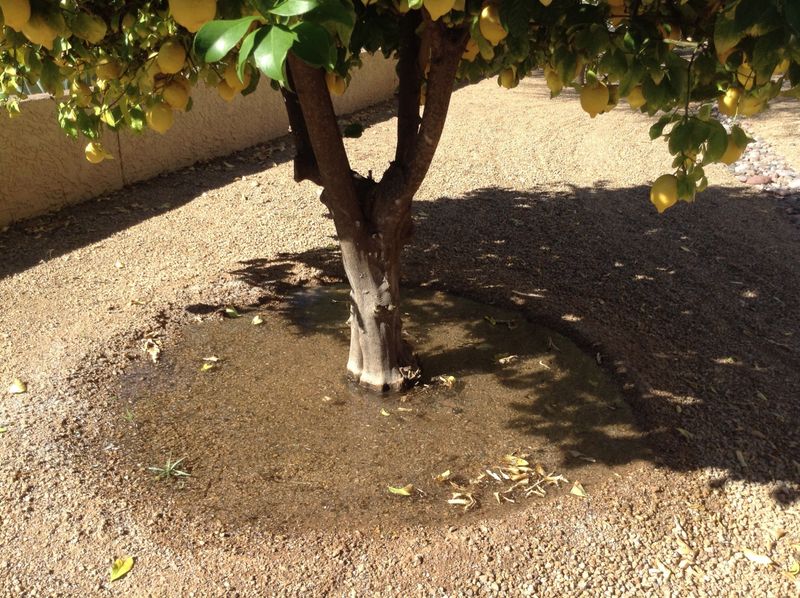
Water is one of the most critical needs for citrus trees, especially heading into California fall. September can still bring warm and dry days in many parts of the state.
Making sure your irrigation system is running correctly is a must-do task this month.
Walk around each tree and check that all drip emitters or sprinkler heads are working. Clogged or broken emitters are more common than most gardeners expect.
A single blocked emitter can leave part of the root zone dry without you even knowing.
Check the soil moisture a few inches below the surface. The soil should feel slightly moist but not soggy.
Dry, cracked soil around the base of the tree is a clear sign that water is not reaching the roots properly.
Citrus trees do best with deep, infrequent watering rather than shallow, frequent sprinkles. Deep watering encourages roots to grow down into the soil.
This makes the tree stronger and more resistant to heat and dry spells.
Look for signs of overwatering too. Soggy soil, yellowing leaves, and a sour smell near the roots can all point to too much water.
Overwatering can lead to root rot, which is very hard to fix once it sets in.
Adjusting your irrigation schedule for the changing season is smart. As temperatures drop in fall, trees need less water than they did during summer.
5. Remove Fallen Fruit Around The Tree
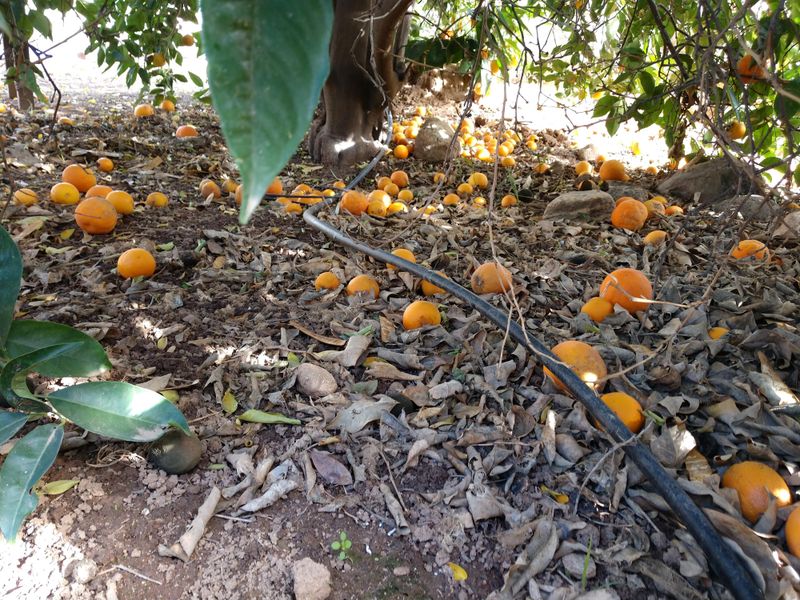
Fallen fruit might not seem like a big deal, but leaving it on the ground can cause real problems for your tree. Rotting fruit attracts pests like fruit flies, ants, and other insects that can then move up into the tree itself.
Decaying fruit also creates the perfect environment for fungal spores to grow. Those spores can splash up onto the tree during watering or rain.
Over time, this can lead to fruit rot and other diseases that affect both the tree and future crops.
Pick up any fallen fruit at least once a week during September. Do not leave it in a pile near the tree.
Bag it up and throw it in the trash rather than adding it to your compost pile, especially if it shows signs of disease or pest damage.
Rodents like rats and squirrels are also drawn to fallen fruit. Once they find an easy food source in your yard, they tend to keep coming back.
Removing fallen fruit regularly helps keep these unwanted visitors away.
After clearing the ground, take a moment to look at the soil surface. Fruit that has been sitting for a while may have left behind mold or fungi.
Raking the area lightly and adding fresh mulch can help keep the ground clean and healthy.
This simple habit takes only a few minutes but makes a big difference in keeping your tree healthy all season long.
6. Watch For Heat Stress After Summer
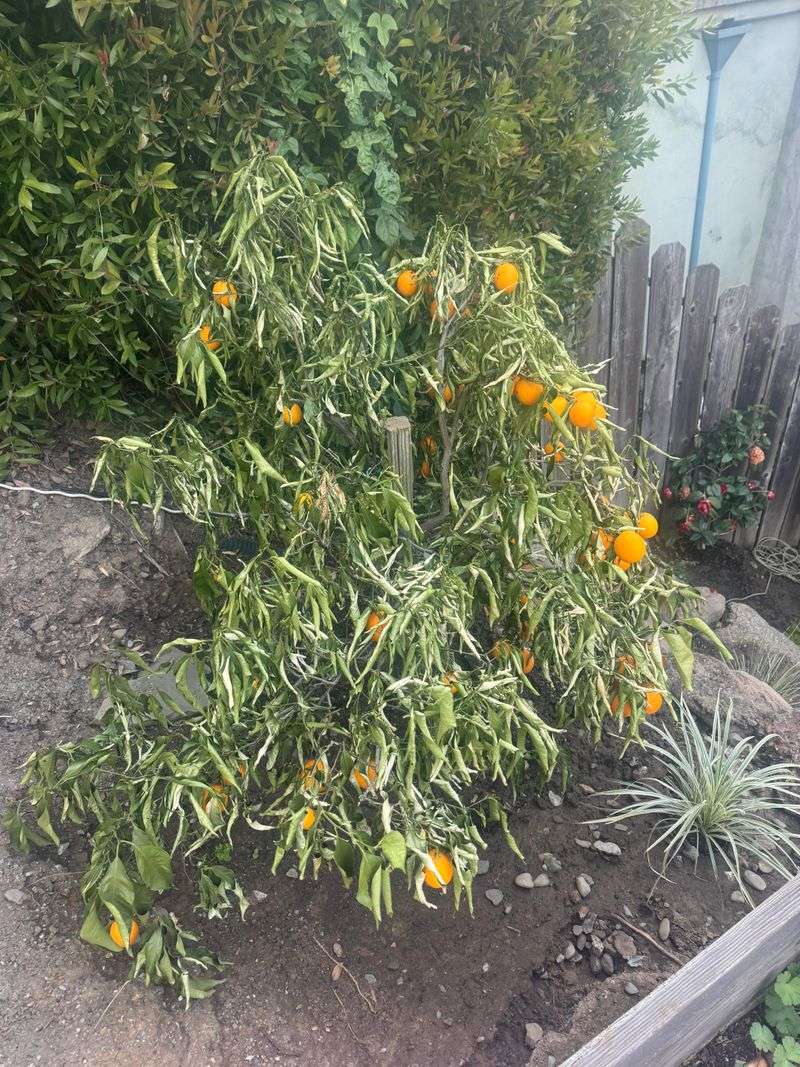
After months of intense California summer heat, citrus trees can show signs of stress that are easy to miss if you are not looking carefully. Heat stress does not always show up right away.
Sometimes the effects appear weeks after the hottest days have passed.
Sunburned patches on fruit or leaves are one of the clearest signs of heat stress. These patches usually look bleached, pale, or slightly tan.
Fruit with sunburn can still be eaten in most cases, but it may not look as appealing or keep as long after picking.
Wilting leaves during the hottest part of the day is another sign to watch for. Some wilting in the afternoon heat is normal.
But if leaves stay wilted in the morning or evening, the tree may be struggling to take in enough water through its roots.
Bark cracking or splitting on the trunk and main branches can also happen after extreme heat. This is called sunscald.
Wrapping exposed trunks with tree wrap or painting them with diluted white latex paint can help protect against this in the future.
Adding a layer of mulch around the base of the tree helps keep soil temperatures cooler and retains moisture. Keep the mulch a few inches away from the trunk to avoid moisture buildup against the bark.
Giving the tree a slow, deep watering after a heat wave helps it recover and bounce back more quickly heading into fall.
7. Check Branches Carrying Heavy Crops
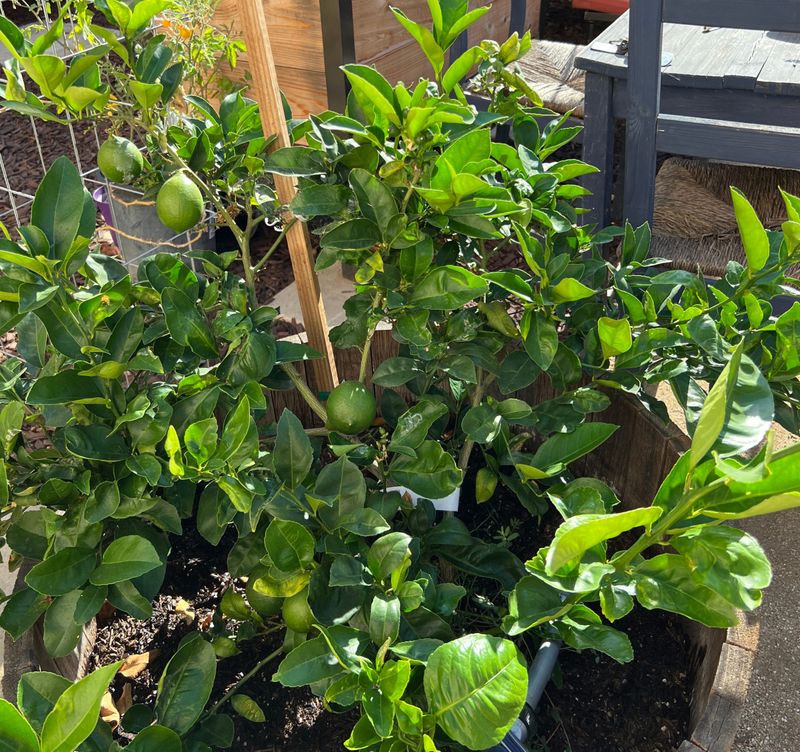
A citrus tree loaded with fruit is a wonderful sight, but heavy crops can put serious strain on branches. September is a great time to walk around each tree and look for branches that are bending or sagging under the weight of fruit.
Branches that bend too far can snap, especially if the wood is older or has any existing cracks. A broken branch not only loses its fruit but also leaves an open wound on the tree.
That wound can become an entry point for disease and insects.
Supporting heavy branches with stakes or ties is a simple fix. Use soft tree ties or strips of fabric to avoid cutting into the bark.
Position the support so the branch is held at a natural angle rather than pulled up too sharply.
Thinning some of the fruit from overloaded branches is another option. Removing a portion of the fruit allows the remaining fruit to grow larger and healthier.
It also reduces the risk of branch damage before the main harvest.
Look closely at the base of each branch where it connects to the trunk. This junction point is where breaks are most likely to happen.
If you see cracking or splitting at these spots, act quickly to reduce the weight on that branch.
Healthy branches should feel firm and spring back slightly when gently pushed. Any branch that feels loose or shows visible damage needs attention right away.