This Fast-Growing New York Native Shrub Can Start Screening Your Yard By Next Summer
Waiting for a tree to block a nosy neighbor’s view can feel like forever. But your yard does not have to stay exposed for years before it feels more private.
One fast-growing native shrub can start filling those awkward gaps much sooner.
Ninebark grows quickly, fills out with dense branches, and brings plenty of character with its flowers and peeling bark. In New York, this hardy shrub handles cold winters and adapts well to many yard conditions.
With the right planting spot and a little care, it can turn an empty border into a greener, more private, and welcoming part of your landscape.
The Native Shrub That Fills Empty Yard Edges Fast
Empty corners and bare fence lines can make a yard feel exposed. Ninebark steps in as quite a quick fix, growing tall and full while other shrubs are still getting started.
Homeowners who hate the idea of waiting a decade for privacy tend to fall in love with how fast this plant works.
Adding roughly one to two feet of height every year, ninebark can grow into a mature shrub over several years, with the final size depending on the variety and growing conditions.
Some cultivars can grow faster under ideal conditions, especially when young, but most homeowners should expect more moderate yearly growth. That steady pace helps a thin, patchy border start filling in much sooner than other shrubs.
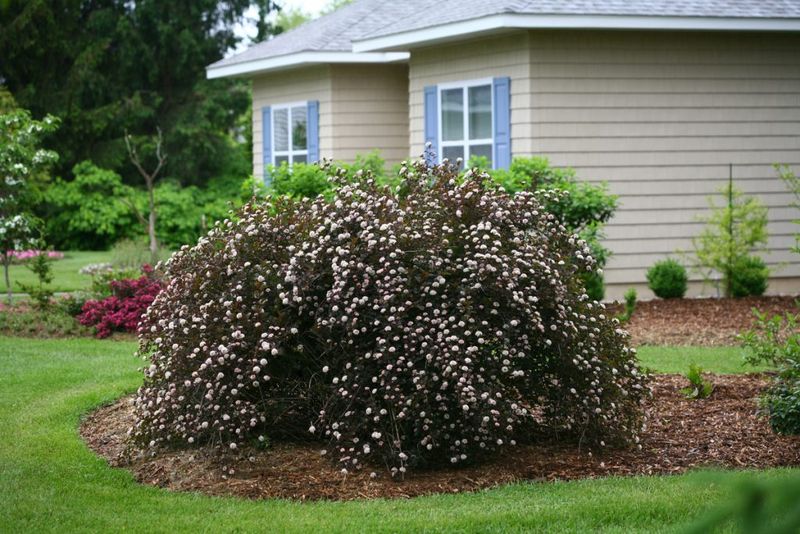
Its upright branching also helps. Instead of staying low and spreading out, ninebark reaches skyward and arches outward, creating a fuller shape that covers more space. New stems keep pushing up from the base, filling gaps as the plant matures.
Across New York, folks appreciate not having to plant a massive tree just to gain a little seclusion. A row of ninebark shrubs can create a dense lower screen without waiting for a large tree to mature.
Whether you are hiding a compost pile, softening a chain-link fence, or simply blocking a view, this native shrub delivers coverage quickly. For anyone eager to enjoy their yard without an audience, ninebark is a smart, speedy starting point.
Why New York Yards Love This Fast Grower
New York weather can be rough on plants, swinging from icy winters to sticky summers. Ninebark handles a wide range of conditions, especially when planted in the right location, which is a big reason gardeners across the state keep planting it.
This shrub thrives in USDA hardiness zones 2 through 8, so freezing temperatures are no problem at all.
Soil often gives homeowners headaches, especially in areas with heavy clay or rocky ground. Ninebark shrugs off those challenges too.
It adapts to many soil types, including clay, loam, and sandy soils, but performs best with adequate moisture and good drainage.
Once it settles in, this native shrub becomes surprisingly drought tolerant, so you will not be dragging the hose out every day. It is generally low-maintenance and rarely needs major pest management, though occasional issues can appear in stressful conditions.
Your New York Garden Changes Every Week. Your Plan Should Too.
Gardening in New York changes quickly throughout the season. Every Friday you’ll receive a simple weekly plan showing exactly what to plant, prune, fertilize, harvest, and protect so you never miss the right timing.
For busy families, that low-fuss reputation is a huge selling point.
City dwellers benefit as well. Ninebark can withstand urban pollution and salt spray, making it a solid choice for tighter lots and roadside plantings in places like Buffalo, Albany, or Rochester.
Suburban backyards and country properties alike find it dependable.
Because it originally grows wild on hillsides, stream banks, and thickets, ninebark already feels right at home here. Planting something native means it matches the local climate instead of fighting it.
That natural fit gives it a head start, helping your privacy screen grow strong and steady no matter where in the state you live.
The Growth Habit That Creates Privacy
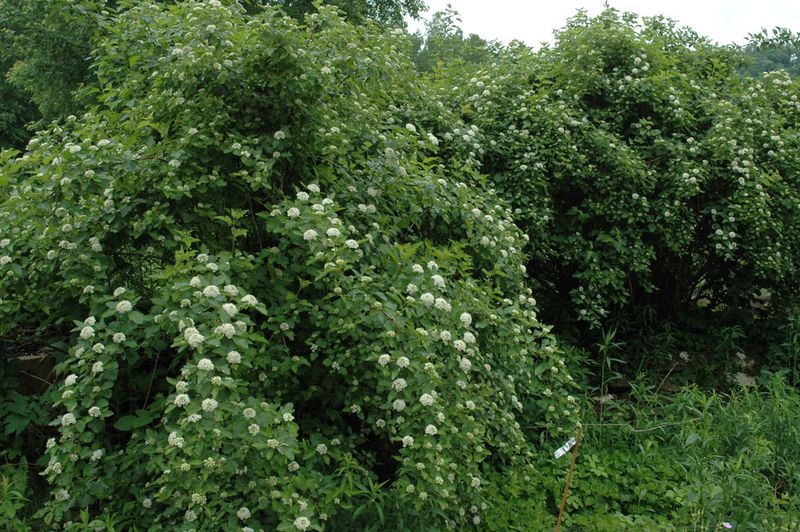
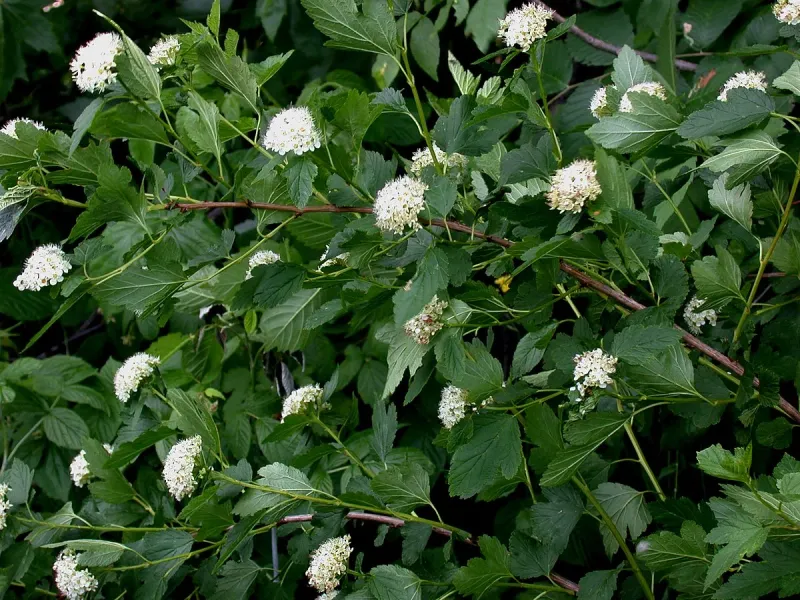
What makes ninebark such a great screen comes down to how it grows. Instead of sending up a single trunk, it produces many stems straight from the ground.
That multi-stemmed habit builds a thick, bushy plant that light and prying eyes struggle to pass through.
Picture a fountain of branches arching up and out from the center. As those stems mature, they create a full, mounded shape that covers a wide area.
The overlapping leaves and twigs weave together into a natural barrier along fences and property lines.
Gaps are the enemy of any privacy hedge, and ninebark handles them beautifully. New shoots constantly emerge from the base, filling in bare spots near the bottom where many other shrubs go thin and leggy.
That means your screen stays solid from the ground up rather than leaving open windows for neighbors to peek through.
For yards with long fence runs, planting several ninebark shrubs in a row lets those stems knit together over time. As each plant widens, the branches from neighboring shrubs begin to touch, forming one continuous green wall.
Certain cultivars grow even larger, reaching heights and widths up to ten feet, which gives serious coverage for taller screening needs. Because the plant keeps refreshing itself with new growth, the border stays dense season after season.
That steady, gap-filling nature is exactly why ninebark ranks among the best native choices for backyard privacy.
The Blooms And Bark That Make It Stand Out
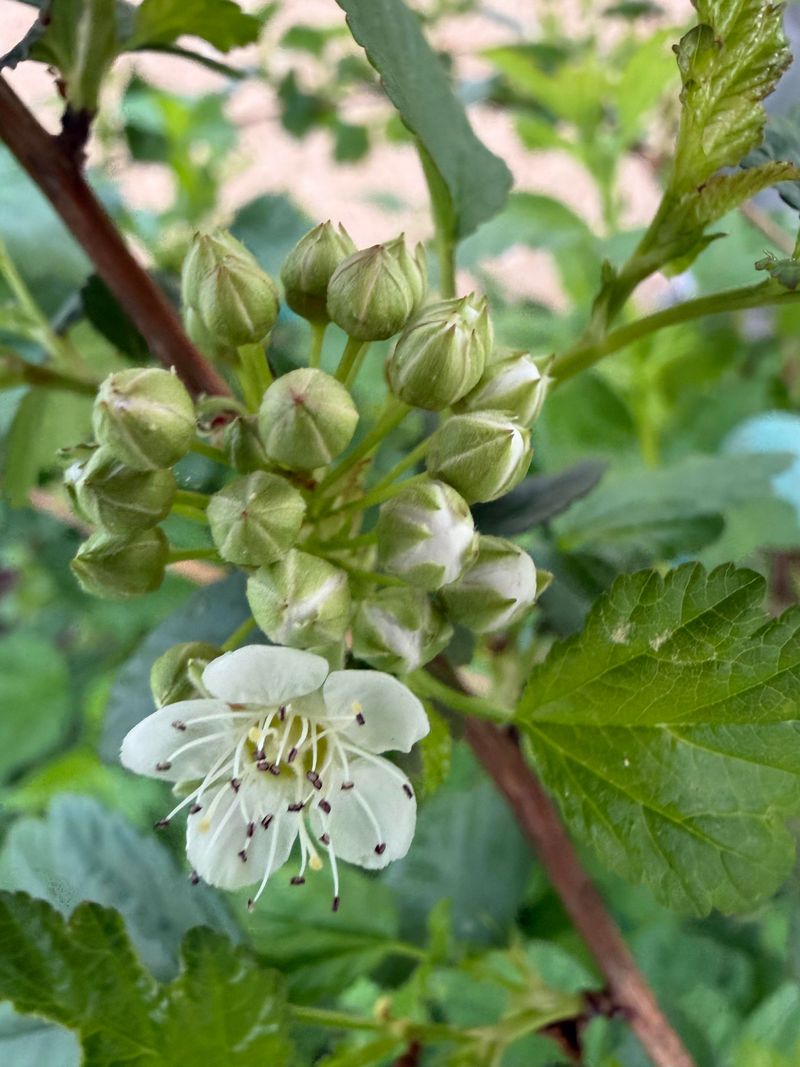
Privacy is nice, but ninebark refuses to be just a plain green wall. This shrub brings real beauty to the yard through every season, turning a functional hedge into something worth admiring.
Once you notice its features, you may plant it for looks alone.
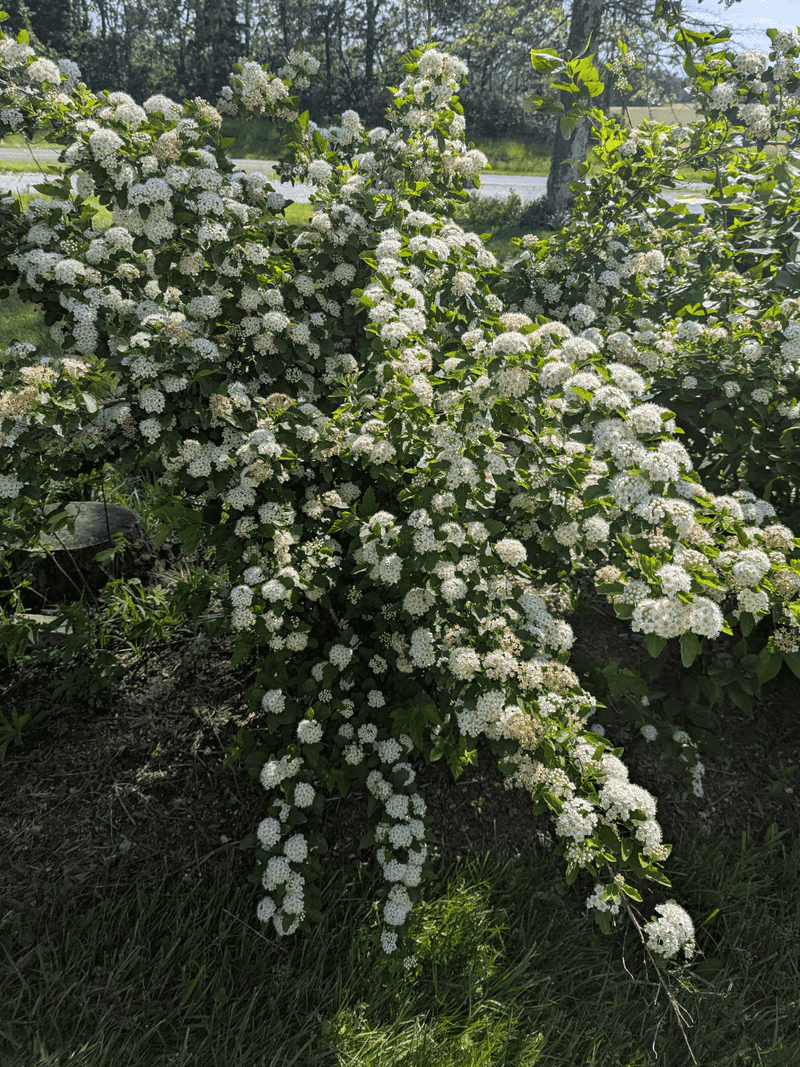
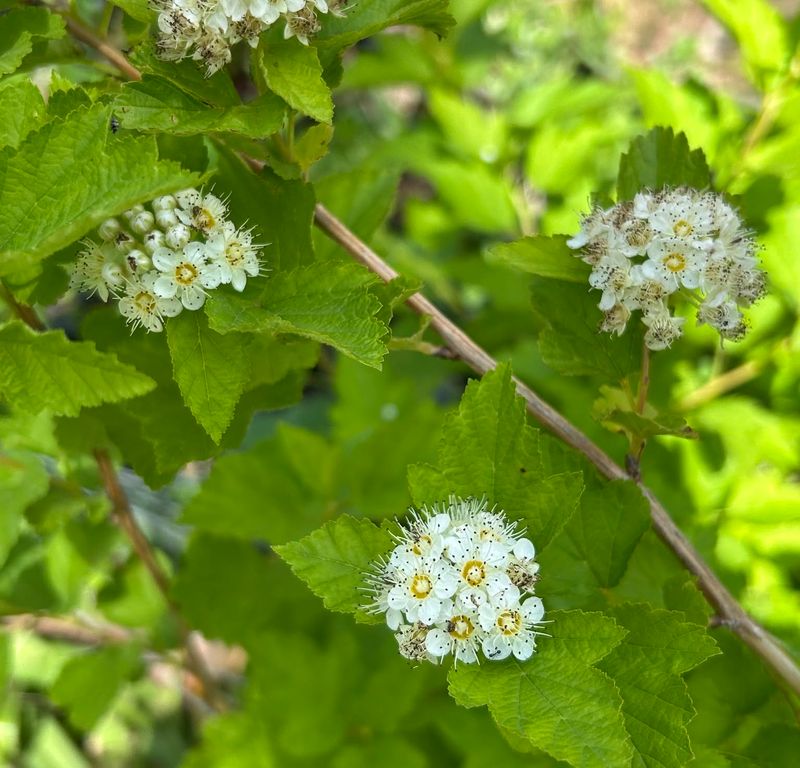
Spring kicks things off with rounded clusters of small five-petaled flowers in white and soft pink. Set against fresh green leaves, these blooms give the shrub a cheerful, garden-worthy glow.
Butterflies and bees love visiting them, adding a little extra life to the scene.
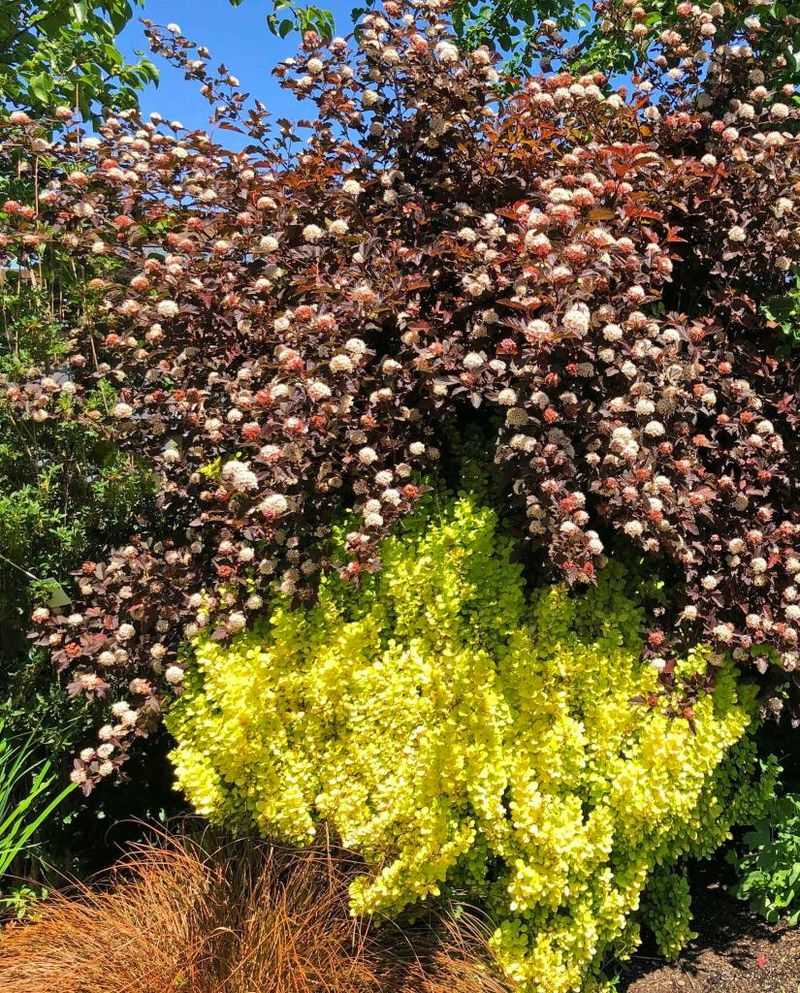
Summer keeps the color going with lush foliage, and depending on the variety, leaves may show golden, green, or bronze tones. When autumn arrives, the leaves often shift to warm yellow or bronze-yellow shades that brighten the cooler months.
The real showstopper appears in winter. Ninebark gets its name from its peeling bark, which can reveal multiple layers of texture as older stems mature.
After the leaves drop, that flaking, multi-colored bark becomes the star, adding texture and interest when most of the garden looks bare.
Because it offers something in every season, ninebark earns its spot even in decorative flower beds, not just along fences. You get privacy in summer and eye-catching structure in the colder months.
For gardeners who want a screen that pulls double duty as an ornamental feature, this shrub checks both boxes with ease and charm.
The Planting Trick For Faster Coverage
Getting quick coverage starts with smart planting, and ninebark rewards a little planning. The single biggest factor is sunlight.
Choose a spot that gets at least six hours of direct sun each day, since full sun to partial shade pushes the fastest, fullest growth.
Spacing matters just as much. When you line up several shrubs for a hedge, set standard cultivars about four to six feet apart.
For dwarf varieties or a denser wall, tighten that to roughly three to four feet. Correct spacing lets each plant fill in without crowding its neighbors too soon.
Before you dig, take a moment to prepare the soil. Ninebark is not fussy, but loosening the ground and giving roots room to spread helps them settle faster.
Always plan for the shrub’s mature width so it has enough space to reach full size comfortably.
Watering is the secret weapon during that first year. New plants need steady moisture to build a strong root system, so keep the soil damp but not soggy while they establish.
A layer of mulch around the base holds water in and keeps weeds down.
For New York gardeners, spring or early fall planting works well, giving roots time to grow before extreme weather hits. Put in healthy young shrubs, water faithfully, and give them sun, and you set the stage for rapid growth.
With these simple steps, your privacy screen can start taking shape by the very next summer.
The Care That Keeps Screens Thick
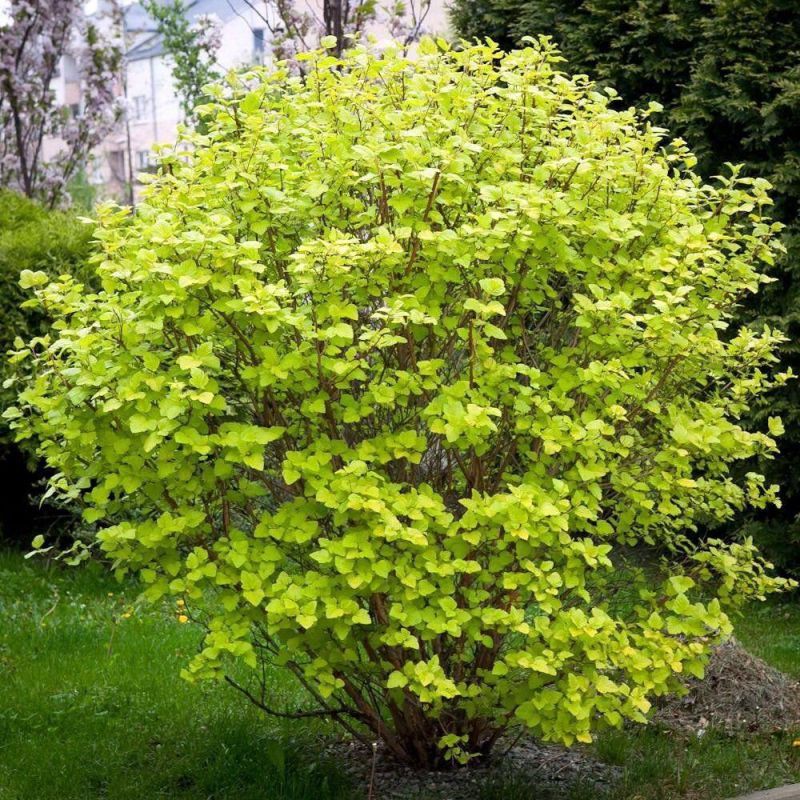
A privacy hedge stays impressive when you give it a little attention through the year. Ninebark is famously low maintenance, but a few easy habits keep it thick, healthy, and full.
None of it requires special skills or fancy tools.
Water leads the list, especially during long dry stretches. Established ninebark handles drought well, yet extra water in the hottest part of the growing season keeps it vigorous and leafy. A deep soak now and then beats frequent shallow sprinkles.
Light pruning helps too, and late winter is the ideal time. Trimming while the shrub is resting encourages denser branching and keeps the shape neat.
Resist the urge to shear it into a tight box; a gentle shaping is all it needs to look tidy and grow fuller.
Here is a tip many gardeners overlook. Every so often, cut a few of the oldest, thickest stems all the way back to the base.
This simple move, called renewal pruning, sparks fresh young growth and rejuvenates the whole plant, keeping your screen from turning woody and thin over time.
Ninebark rarely needs heavy pest control since it naturally resists many bugs and diseases. That means less spraying and more relaxing in your private yard.
Toss on a fresh layer of mulch each spring to hold moisture and feed the soil. With steady water, occasional trimming, and the odd old-stem removal, your green screen stays lush and reliable for many years.
The Mistakes That Ruin Privacy Hedges
Even an easygoing shrub like ninebark can disappoint if a few common errors sneak in. Knowing what to avoid saves you from a patchy, struggling hedge and helps your privacy plans stay on track.
Crowding is a frequent misstep. Planting shrubs too close together might seem like a shortcut to instant fullness, but it backfires.
Tight spacing chokes off air circulation and can weaken the plants, thinning the very screen you wanted to thicken.
Sunlight mistakes hurt too. Tucking ninebark into deep shade slows its growth and leaves it sparse.
This shrub truly shines with plenty of light, so a shady corner will never give you the dense wall you are hoping for.
Ignoring mature size trips up a lot of gardeners. If you forget how wide and tall ninebark gets, you may plant it too close to a house, walkway, or other shrubs and end up cramped.
Always check the expected dimensions before digging.
Pruning can be overdone as well. Light trimming is helpful, but hacking away too much shrinks the plant and thins the foliage, working against your goal of a full screen.
A gentle hand keeps things balanced.
Patience rounds out the list. Ninebark grows fast for a shrub, yet it still needs a few seasons to reach full screening height.
Expecting an instant wall the day you plant only leads to letdown. Give it time, space, and sun, and your hedge will thank you.
The Wildlife Bonus Behind The Green Screen
Choosing ninebark does more than block a view; it invites a whole cast of helpful critters into your yard. As a true New York native, this shrub connects with local wildlife in ways that imported plants simply cannot match.
That makes your privacy screen a mini nature reserve.
Spring flowers open the buffet. Their nectar draws native bees and butterflies, giving pollinators a valuable food source right when they need it most.
Watching those visitors flit around adds a peaceful, lively feel to the garden.
Birds benefit in a couple of ways. Ninebark serves as a host plant for many kinds of caterpillars, and those caterpillars become important meals for songbirds feeding their young.
Later, small fruits form and linger into winter, offering seed-eating birds a snack during the leanest months.
Native species and cultivars with natural foliage can provide valuable habitat, while some highly altered ornamental varieties may offer different benefits.
By planting a native shrub, homeowners help rebuild the food web right in their own backyards. Pollinators, caterpillars, and birds all gain from a single row of hedges.
That is a wonderful payoff for a plant you were adding for privacy anyway. Instead of a lifeless fence, you get a thriving green wall buzzing and chirping with activity, proving that a smart plant choice can help both your family and the neighborhood ecosystem flourish together.