How Late Is Too Late To Seed A Pennsylvania Lawn This Fall
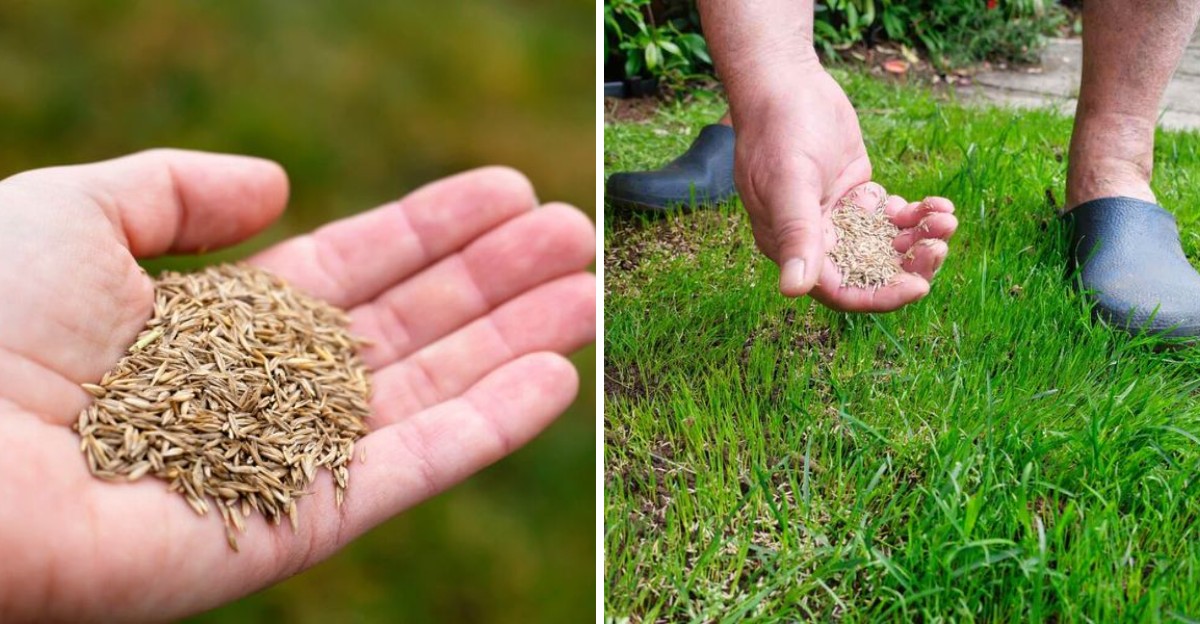
There is something genuinely satisfying about a thick, lush lawn you planted yourself, and fall is one of the best windows homeowners have for making that happen. Cool air, warm soil, and fewer competing weeds create conditions that grass seed finds very agreeable.
The catch is that fall weather has a way of feeling more generous than it actually is.
Those warm September and October afternoons can make it seem like the planting window stretches on forever, while soil temperatures are quietly doing something different underneath.
Grass seed responds to soil conditions more than the calendar, and that distinction matters a lot when you are trying to get new growth established before winter sets in.
Knowing when to plant, and when a late attempt becomes a gamble, can save Pennsylvania homeowners a lot of wasted seed and unnecessary frustration.
1. Understanding Pennsylvania’s Fall Seeding Window
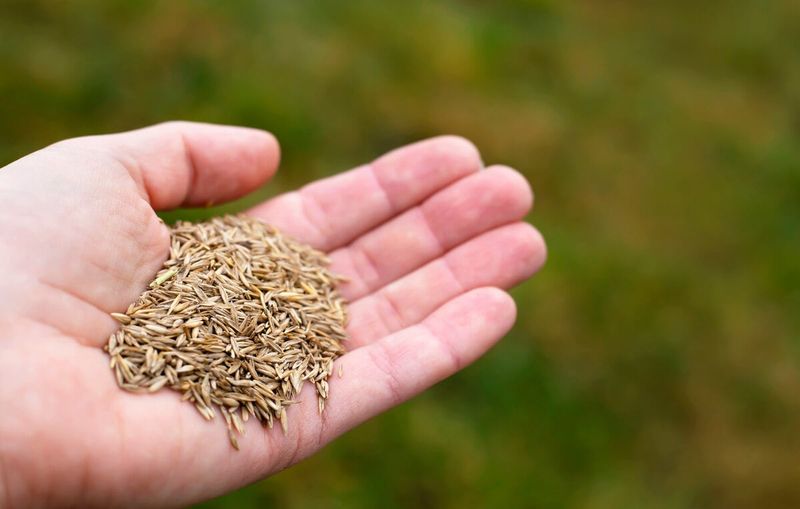
Pennsylvania is well suited for cool-season grasses, but the best time for fall seeding is limited. The state covers several climate areas, meaning a lawn in Pittsburgh may follow a different schedule than one near Philadelphia or in the higher elevations.
Cool-season grasses such as Kentucky bluegrass, tall fescue, and perennial ryegrass generally germinate best when soil temperatures are within a favorable range, often around 50 to 65 degrees Fahrenheit depending on the species and conditions.
As soil temperatures decline later in fall, germination slows and young seedlings have less time to establish before winter.
For many areas, the most reliable fall seeding period is from late summer into early fall. Late August through mid-October is a common target window, although the best timing depends on local temperatures, soil conditions, and the type of grass seed being planted.
Waiting too long does not mean seed can never grow, but the chances of strong establishment become less predictable. Seeds need enough time to develop roots before winter conditions arrive.
Planning around soil temperatures, local weather patterns, and grass type gives your lawn the strongest opportunity for successful fall establishment.
2. Soil Temperature In Pennsylvania Is The Real Green Light
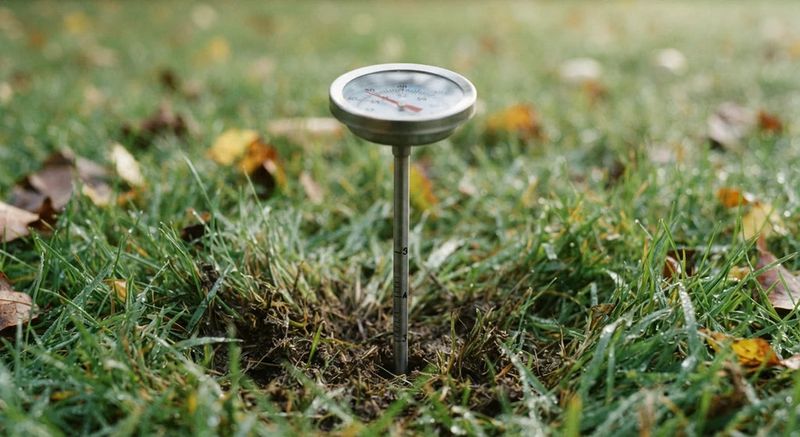
The calendar can provide a general guide, but soil temperature gives a clearer picture of whether grass seed is likely to germinate well.
Air temperatures may feel cool while the soil still holds warmth from summer, and that warmth helps seeds begin the germination process.
A soil thermometer can help you monitor conditions in your yard. Insert it a couple of inches into the soil and take readings consistently so you can watch the trend instead of relying on a single measurement.
Cool-season grasses generally perform best when soil temperatures remain in a favorable germination range. As temperatures move lower in late fall, growth slows and seedlings may not have enough time to become established before winter.
Soil temperature patterns can change quickly after stretches of cold nights or warmer-than-normal weather. Keeping track of these changes helps you make a more informed decision about when to spread seed.
Soil temperatures decline at different rates depending on location, elevation, soil type, and seasonal weather patterns. Areas farther north or at higher elevations usually cool sooner, while warmer regions may maintain suitable conditions longer.
Your Pennsylvania Garden Changes Every Week. Your Plan Should Too.
Gardening in Pennsylvania changes quickly throughout the season. Every Friday you’ll receive a simple weekly plan showing exactly what to plant, prune, fertilize, harvest, and protect so you never miss the right timing.
Checking soil temperature during September and early fall can help you decide whether seeding conditions are still favorable or whether another approach, such as dormant seeding, may make more sense.
A few simple measurements can prevent guessing and help you choose a better planting window for your lawn.
3. Pennsylvania’s Regional Differences And What They Mean For Seeding

Fall lawn seeding does not follow the exact same schedule everywhere.
Pennsylvania includes a wide range of climates, so conditions can vary between areas such as the northern mountains, western regions, central areas, and the warmer southeastern part of the state.
Cooler locations generally reach lower soil temperatures sooner, which means the window for traditional fall seeding may close earlier.
Warmer areas often have a little more flexibility, but late planting still depends on whether the seed has enough time to germinate and establish roots.
Even within the same region, yearly weather patterns can shift the ideal timing from one season to the next. Checking current conditions is often more useful than relying only on past averages.
The best approach is to pay attention to your local conditions rather than relying on one statewide date. Average first frost dates, recent weather patterns, soil temperatures, and the grass species you choose all influence how successful a late planting attempt may be.
If you are in a cooler area, aiming for earlier fall seeding often provides more time for seedlings to develop before winter.
Gardeners in warmer areas may have additional opportunities, but waiting too long can still reduce the chances of strong establishment.
Knowing your local growing conditions helps you make better decisions about when to seed and when to consider alternatives. A small adjustment in timing based on your location can make a meaningful difference in how well new grass establishes.
A little planning before spreading seed can save time and improve the results you see the following spring.
4. What Happens When Pennsylvania Seeding Goes Too Late
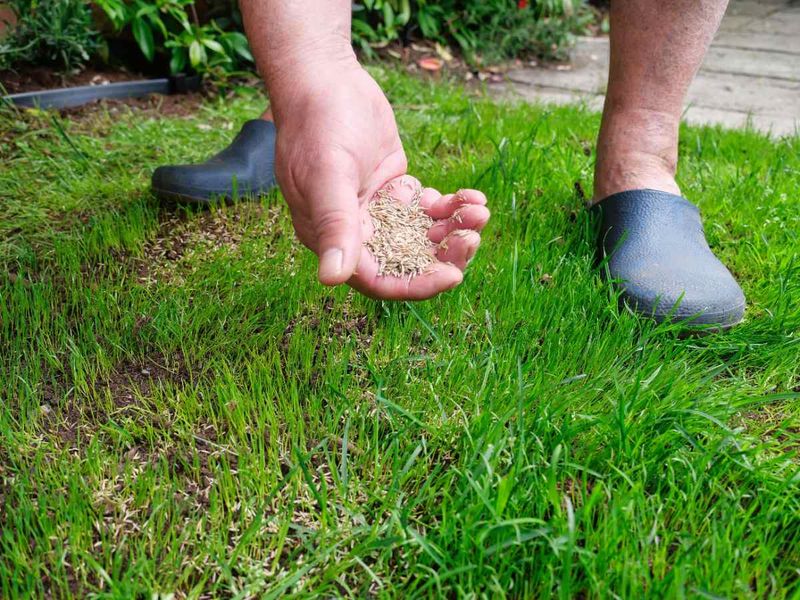
Seeding late in the season does not automatically mean failure, but the conditions become more challenging as temperatures continue dropping. Grass seed that germinates shortly before a hard freeze may have limited time to develop roots before winter arrives.
Young seedlings with small root systems can struggle through freezing temperatures, frost heaving, and changing soil conditions. Some may survive, but establishment is often less reliable compared with seed planted earlier in the fall.
Grass that enters winter with stronger root development generally has a better chance of handling seasonal stress. A slower start in fall can also mean weaker coverage when growth resumes in spring.
The result in spring can be uneven coverage, with thin areas that may need additional attention. In some cases, homeowners end up reseeding sections that did not establish well the first time.
Late seeding can also leave bare soil exposed longer than planned. Open areas may provide opportunities for weeds to appear during the growing season, especially if the lawn remains thin.
If the ideal fall window has passed, rushing to spread seed under poor conditions may not be the best choice. Waiting for a more suitable opportunity can lead to better long-term results.
A realistic assessment of weather, soil conditions, and timing can help you decide whether to seed now, try dormant seeding, or prepare for spring.
5. Dormant Seeding As A Late-Season Option
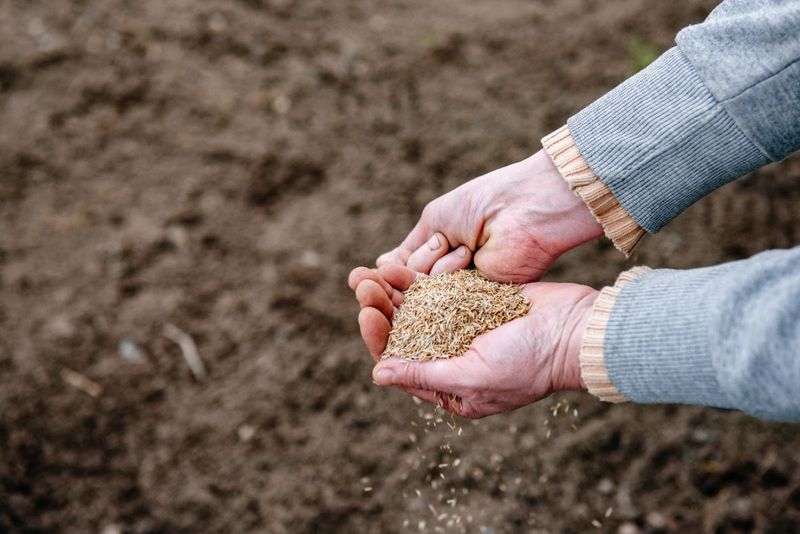
Many homeowners assume grass seed cannot be planted once temperatures become too cold for normal germination, but dormant seeding is a recognized lawn-care approach.
This method involves placing seed into the soil after temperatures are too low for immediate growth but before the ground becomes permanently frozen.
During winter, the seed remains in place and can begin growing when spring conditions become suitable. The goal is to have the seed ready in the soil before natural warming triggers germination.
Dormant seeding is typically done later in fall or early winter when the risk of the seed sprouting before freezing conditions is lower. The exact timing depends on local weather patterns and soil conditions rather than a specific calendar date.
One advantage of dormant seeding is that it allows homeowners to prepare areas that missed the traditional fall window. However, it also has challenges.
Seed can be moved by heavy rain, washed away, or eaten by wildlife before spring growth begins.
A light covering of straw may help protect seed in some situations, but it should not be applied so heavily that it prevents seedlings from emerging.
Dormant seeding can be a useful option, but it works differently from traditional fall seeding and requires realistic expectations. It is a backup strategy, not a replacement for the ideal early fall planting window.
6. Choosing The Right Pennsylvania Grass Seed For Fall Planting
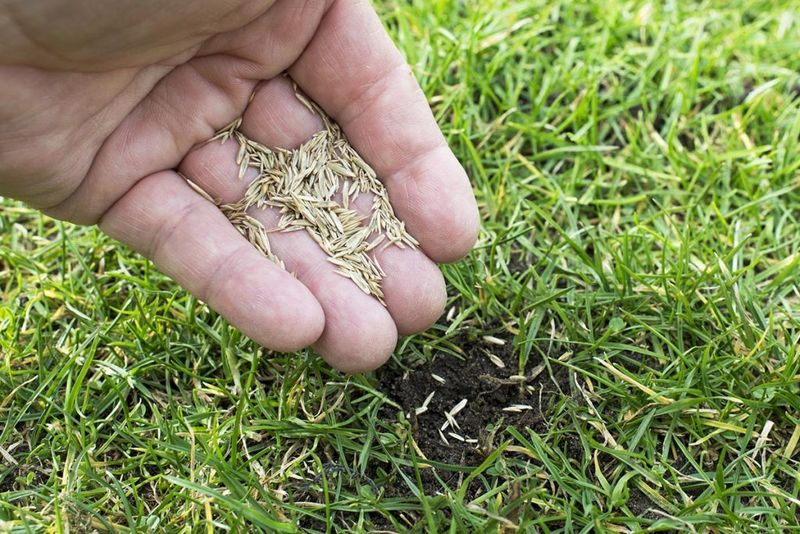
Choosing the right grass seed is just as important as choosing the right planting time.
Cool-season grasses are commonly used for lawns in Pennsylvania and similar regions, but each type has different strengths that affect how quickly it establishes and how it performs over time.
Perennial ryegrass is known for relatively fast germination, often emerging within about five to seven days when conditions are favorable.
That quicker start can be helpful when planting later in the season because seedlings may have less time to develop before colder weather arrives.
Tall fescue is another popular choice because it develops a deeper root system and can handle periods of heat and drought better than some other cool-season grasses. It generally takes longer to establish than perennial ryegrass, so timing still matters.
Kentucky bluegrass is valued for its dense growth and ability to spread, but it usually takes longer to germinate than perennial ryegrass. Because of that slower start, it may be less suitable for very late fall planting when the growing window is short.
Many homeowners choose seed blends that combine multiple grass types to balance different characteristics. A mix may provide quicker coverage from faster-germinating grasses while including species that contribute long-term durability.
Before purchasing seed, check the label carefully. Germination speed, grass type, and the conditions in your yard all influence how well a lawn establishes after fall planting.
7. Preparing Your Pennsylvania Lawn Soil Before The Late-Season Seed Drop
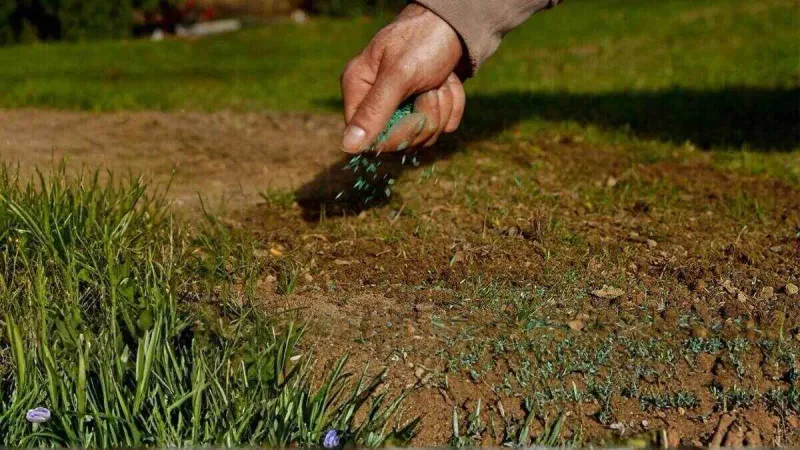
Good seed-to-soil contact is one of the most important parts of successful lawn establishment. Even high-quality seed can struggle if it lands on compacted soil, thick thatch, or a surface where roots cannot easily develop.
A well-prepared seedbed also helps keep moisture more consistent around the seed during the early stages of growth.
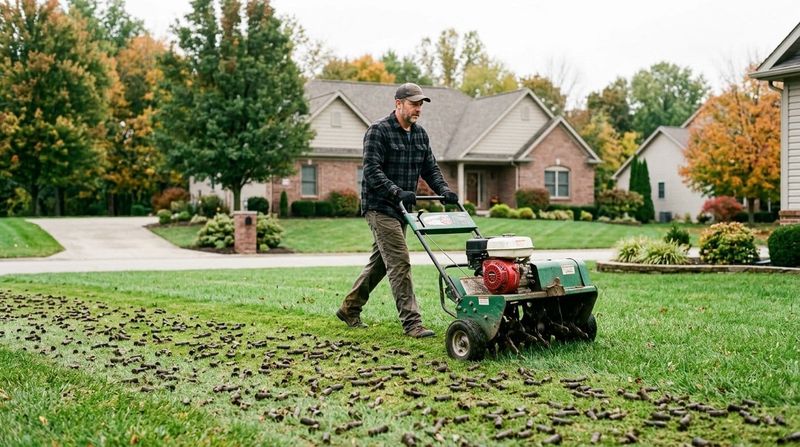
Compacted soil is common in many home lawns, especially areas with heavy foot traffic or clay-based soils. Core aeration can help by removing small plugs of soil and creating spaces where seed can settle closer to the soil surface.
Aerating before overseeding is often recommended because it improves seed placement and allows better movement of water and air through the soil. After aeration, lightly raking the area can help create a smoother surface for spreading seed.
A thin layer of compost may improve soil structure and moisture retention when applied appropriately. However, adding large amounts of topsoil or creating a new soil layer is not always necessary and can create uneven growing conditions.
Proper preparation will not change the basic temperature requirements for grass seed, but it can improve the conditions seeds need once they begin germinating.
Seed placed into loose, prepared soil generally has a better chance of establishing than seed scattered over hard, compacted ground.
Taking time to prepare the lawn before seeding can make the process more effective and help new grass develop a stronger start.
8. What Pennsylvania Homeowners Should Do If They Missed The Fall Window
Missing the ideal fall seeding period can be frustrating, but it does not mean your lawn is beyond repair. Instead of rushing seed into cold soil, consider whether waiting for better conditions will give the grass a stronger chance to establish.
If the season is already too cold for traditional fall seeding, dormant seeding may be an option in some situations. This approach places seed into the soil during the colder months so it can begin growing when spring conditions become favorable.
Another option is preparing for spring seeding. Cool-season lawns can be seeded in spring, although young grass may face more competition from weeds and increasing summer stress during establishment.
Winter is also a good time to prepare for the next planting opportunity. A soil test can reveal whether nutrients or pH adjustments are needed before new seed is planted.
Penn State Extension provides soil testing services that can help homeowners better understand their lawn conditions.
You can also identify thin areas, gather supplies, and plan the timing of your next seeding project. Taking a careful approach often produces better results than forcing seed into conditions where it has little chance to establish.
A missed fall window is a delay, not a permanent setback. With proper preparation and better timing, a healthier lawn can still be the goal when the next growing season arrives.