How To Attract Migrating Baltimore Orioles To Your Georgia Yard This Fall
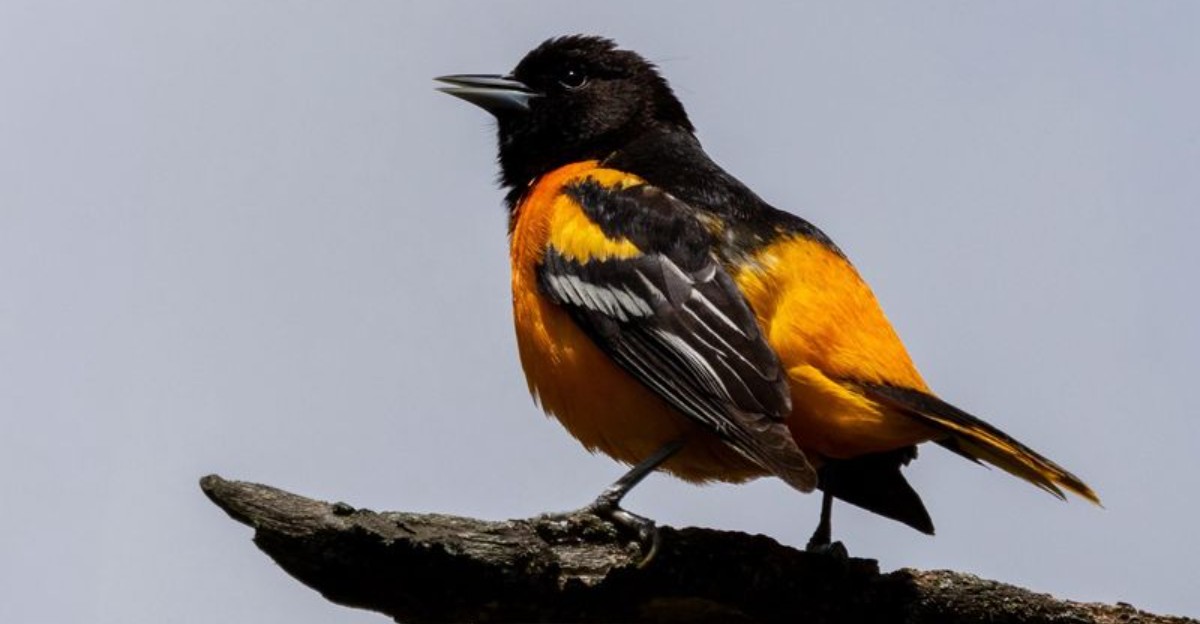
Bright orange feathers can turn an ordinary fall morning into something memorable when a Baltimore oriole stops nearby. During migration, your yard may offer exactly what a traveling bird needs.
The opportunity is brief, which makes the right setup more important than simply hoping one appears.
Baltimore orioles moving through Georgia are searching for dependable food and places to pause along their journey. Your yard can become more inviting when those needs are easy to meet.
Start preparing before migration activity has completely passed your area.
Small changes can make a stopping bird more likely to notice your space and stay longer. You do not need to transform the entire yard.
Focus on what traveling orioles are seeking this season, and your fall visitors may become much easier to spot.
1. Offer Grape Jelly Where Orioles Can Find It Easily
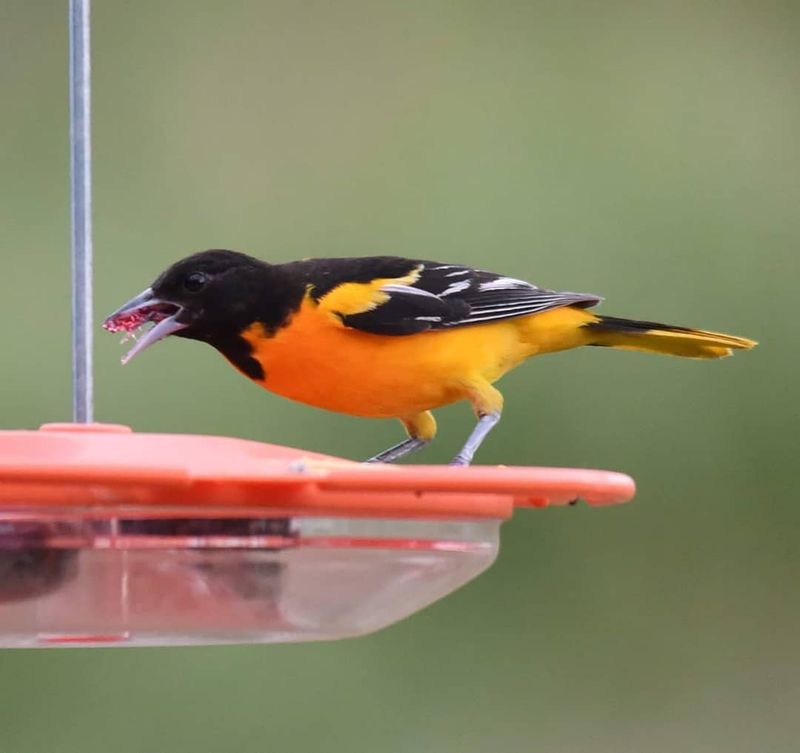
Grape jelly is the shortcut most backyard birders reach for, and orioles do seem to notice it quickly. Sugar gives migrating birds fast fuel, which matters when they are moving long distances.
Use a small dish rather than a deep bowl. A tablespoon or two at a time is plenty, and it keeps the jelly from turning into a sticky mess that could coat feathers.
Plain grape jelly works fine. Skip anything with artificial sweeteners, and refresh it often instead of letting a big batch sit out in warm weather.
Placement makes a difference. Orioles usually feed higher up than sparrows or doves, so a dish set at eye level or above near an open branch tends to get noticed faster.
Bright color helps too, since orange feeder dishes seem to catch their attention while they scan from above.
Warm afternoons in Georgia can melt jelly into a runny puddle, so shade or a covered feeder roof is worth considering. Rain will thin it out just as fast.
Ants and wasps show up eventually. A feeder with an ant moat, or simply moving the dish a few feet, usually settles the problem without any sprays.
Not every yard gets a visitor, but jelly gives passing orioles a reason to pause and look twice.
2. Set Out Orange Halves For Another Quick Food Source
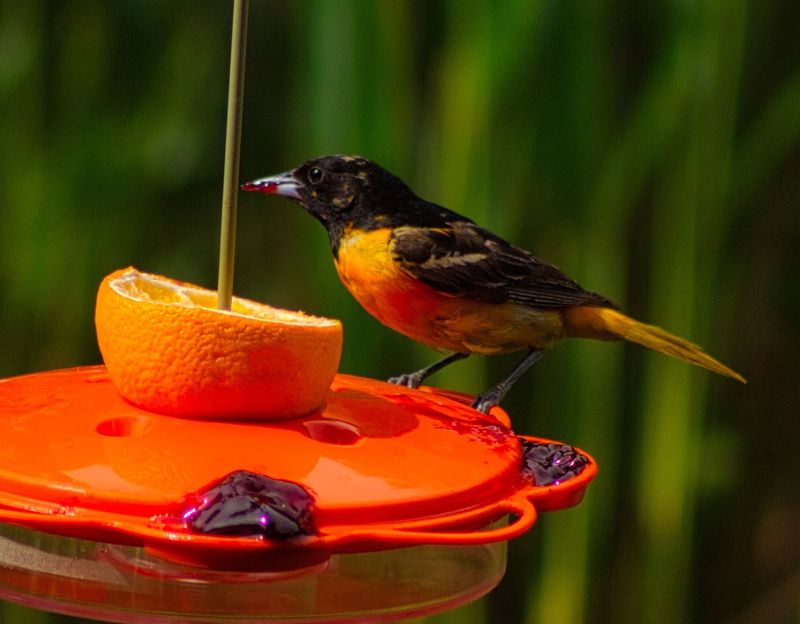
Cut an orange in half and you have an oriole feeder that costs almost nothing. Fruit sugars offer quick energy, and the bright color acts like a signal flag from above.
Skewer the halves on a nail, a dowel, or a simple fruit feeder spike. Cut side facing up keeps the juice available and gives the birds something to grip.
Two halves are usually enough for a small yard.
Freshness matters more than quantity. Fruit left out for days in humid Southern weather turns mushy and grows mold, so swapping it every day or two is the better habit.
Oranges work well next to a jelly dish, giving visiting birds two options in one spot. Some birds favor one over the other, and preferences seem to vary by individual.
Warm October afternoons across Georgia can dry fruit out quickly, leaving a hard rind nobody wants. A quick squeeze test tells you when to replace it.
Your Georgia Garden Changes Every Week. Your Plan Should Too.
Gardening in Georgia changes quickly throughout the season. Every Friday you’ll receive a simple weekly plan showing exactly what to plant, prune, fertilize, harvest, and protect so you never miss the right timing.
Expect other guests. Woodpeckers, catbirds, and even butterflies visit orange halves, which makes the feeder entertaining even on oriole-free days.
Keep the fruit near cover rather than out in the open. Birds feel safer eating when a shrub or branch sits within a short hop, and that comfort often decides whether they stay or move along.
3. Keep Fresh Water Available In A Shallow Birdbath
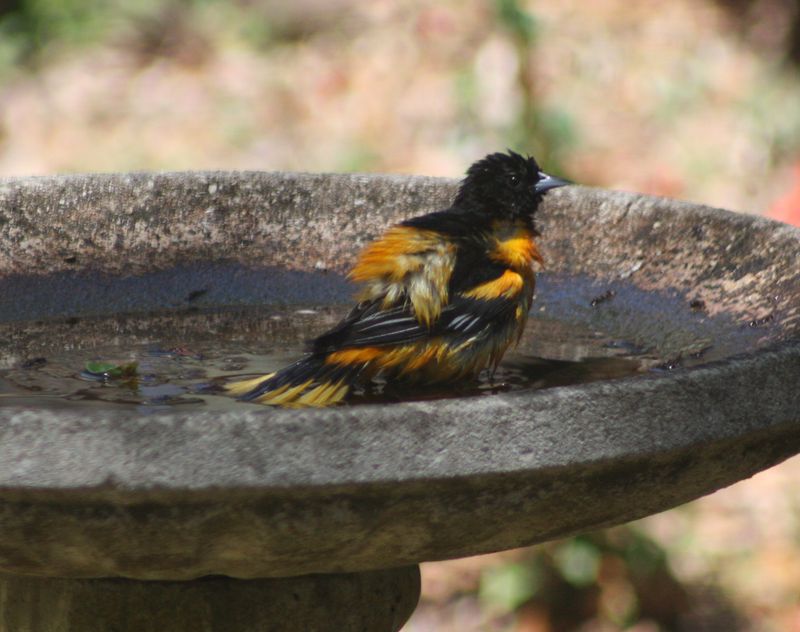
Water pulls in birds that ignore feeders entirely. Migration is thirsty work, and a clean shallow bath can matter as much as any food you put out.
Depth is the detail people get wrong. An inch or two at the edges suits songbirds best, and a few flat stones inside give smaller birds a place to stand.
Moving water gets attention faster than still water.
A simple dripper or a small solar bubbler creates ripples and sound that carry farther than you might expect. Orioles traveling overhead notice movement and shine.
Refill often during dry stretches. Late-season heat in Georgia can leave a bath empty by afternoon, and stagnant water is not much of a welcome either.
Scrub the basin every few days with a brush and rinse it well. Algae builds up quickly in warm shade, and a slick green bath tends to get skipped.
Place the bath where birds can see approaching cats, but keep a shrub or low branch within a few feet for quick escape. Balance beats perfection here.
Shade helps keep water cooler and slows evaporation, especially in open lawns.
Water also serves every other species passing through, so the effort rarely goes to waste even if orioles never show.
Checking the water again later in the day can keep the bath useful through the hottest hours.
4. Plant Native Berries For A Longer Lasting Food Supply
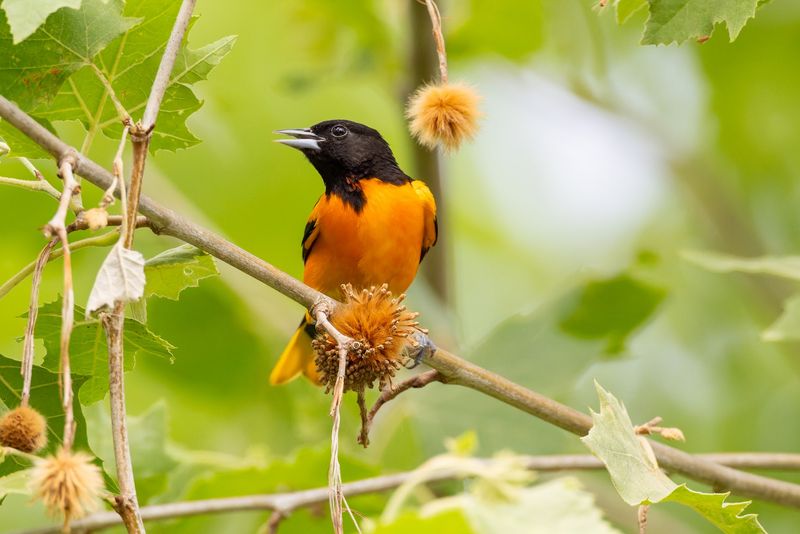
Feeders empty out, but a loaded berry shrub keeps working on its own schedule. Fruiting natives give migrating birds real calories without any daily upkeep from you.
American beautyberry is one of the easiest picks. Those purple clusters ripen in late summer and hang on well into fall, right when orioles and other travelers are moving.
Elderberry, spicebush, and wild black cherry also feed a wide range of birds.
Serviceberry fruits earlier in the season, so pairing it with a later producer spreads food across more weeks. Layering bloom and fruit times helps more than planting one species heavily.
Fall is a solid planting window across Georgia, since cooler soil and steadier rain give roots time to settle before summer stress returns. Results still depend on your soil, drainage, and watering habits.
Group shrubs instead of scattering single plants. A small thicket offers fruit and shelter at once, which appeals to birds that dislike feeding in the open.
Skip pesticides near fruiting plants. Insects living on those branches become part of the food supply too.
Berry crops vary year to year with weather, so a light season happens now and then. Even so, native shrubs remain the most dependable long-term investment for feeding migrants in your yard.
Once established, many native shrubs need less attention than feeders that require regular filling and cleaning. Their branches also create useful resting spots between feeding stops during migration.
5. Leave Some Insects Around For Natural Feeding
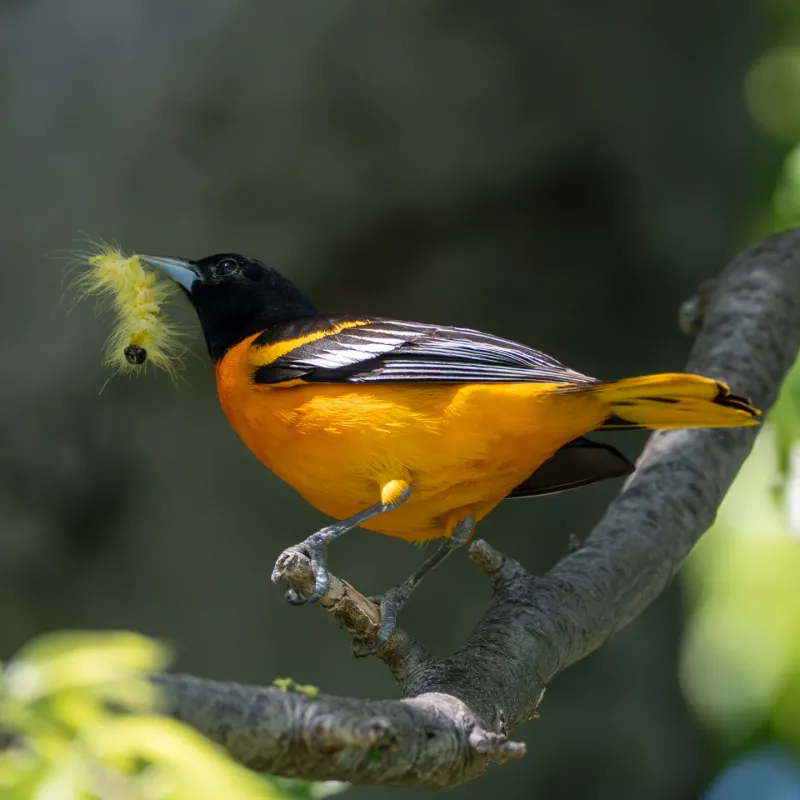
Jelly and fruit get the headlines, but insects do the heavy lifting. Orioles eat caterpillars, beetles, and spiders throughout their travels, and protein supports the muscle work of long flights.
A spotless yard offers very little. Bare mulch and clipped hedges hold few bugs, which means fewer reasons for an insect-eating bird to linger.
Native trees carry the most life. Oaks in particular host a wide variety of caterpillars, and orioles often forage in the outer branches for exactly that reason.
Cut back on broad insecticide use, especially around trees and flowering plants. Spraying for one pest usually removes the harmless species birds depend on as well.
Leaf litter under shrubs shelters beetles and spiders year-round.
Letting a corner of the yard grow a little wild pays off more than most people expect. Native asters, goldenrod, and grasses attract insects that birds pick off while passing through.
Yards in Georgia stay warm enough into October that insect activity often continues well past the first cool nights. Timing shifts with weather each year.
Chewed leaves are a sign the system is working rather than a problem to fix. A few holes rarely harm an established tree.
Give insects room, and natural foraging keeps orioles busy even between feeder visits.
That extra food source can make your yard more useful when migrating birds need frequent stops to refuel.
6. Place Feeders Near Trees With Plenty Of Cover
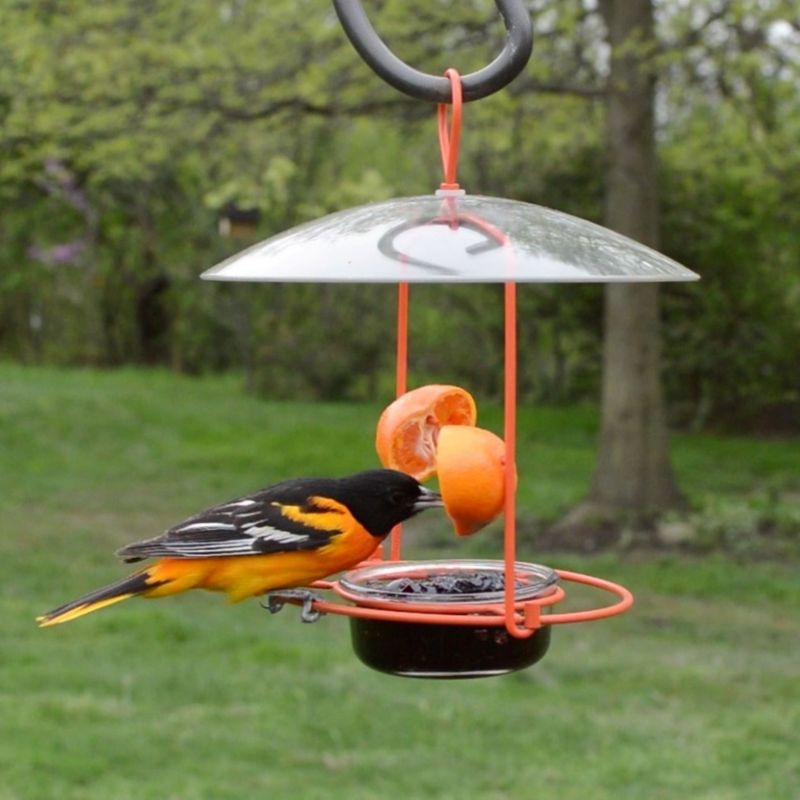
Feeder location often decides whether a bird stops or keeps flying. Orioles spend most of their time in the canopy, so a dish sitting alone in the middle of a lawn rarely gets used.
Wooded edges are the sweet spot. Set feeders where mowed yard meets trees or tall shrubs, and you match the habitat these birds already prefer.
Ten to fifteen feet from cover is a reasonable target.
Height helps as well. Hanging a feeder six feet up or higher puts it closer to where orioles naturally forage and away from ground traffic.
Filtered shade beats full sun. Jelly holds its texture longer and fruit dries out more slowly, which stretches the life of everything you set out.
Mature hardwoods make Georgia neighborhoods attractive to migrants, and older streets with big oaks and pecans tend to report more sightings. Newer subdivisions with young trees usually see fewer.
Watch for window strikes when placing feeders close to the house. Either very near the glass or well away from it reduces the risk.
Cats change everything. A feeder near dense low cover can let a predator hide, so leave a clear approach on at least one side.
Small adjustments in placement often bring quicker results than adding more feeders.
Once you find a spot birds use consistently, keep the feeder there throughout the migration period. Familiar placement also makes it easier for returning visitors to locate the same food source again.
7. Keep The Feeding Area Clean During Migration
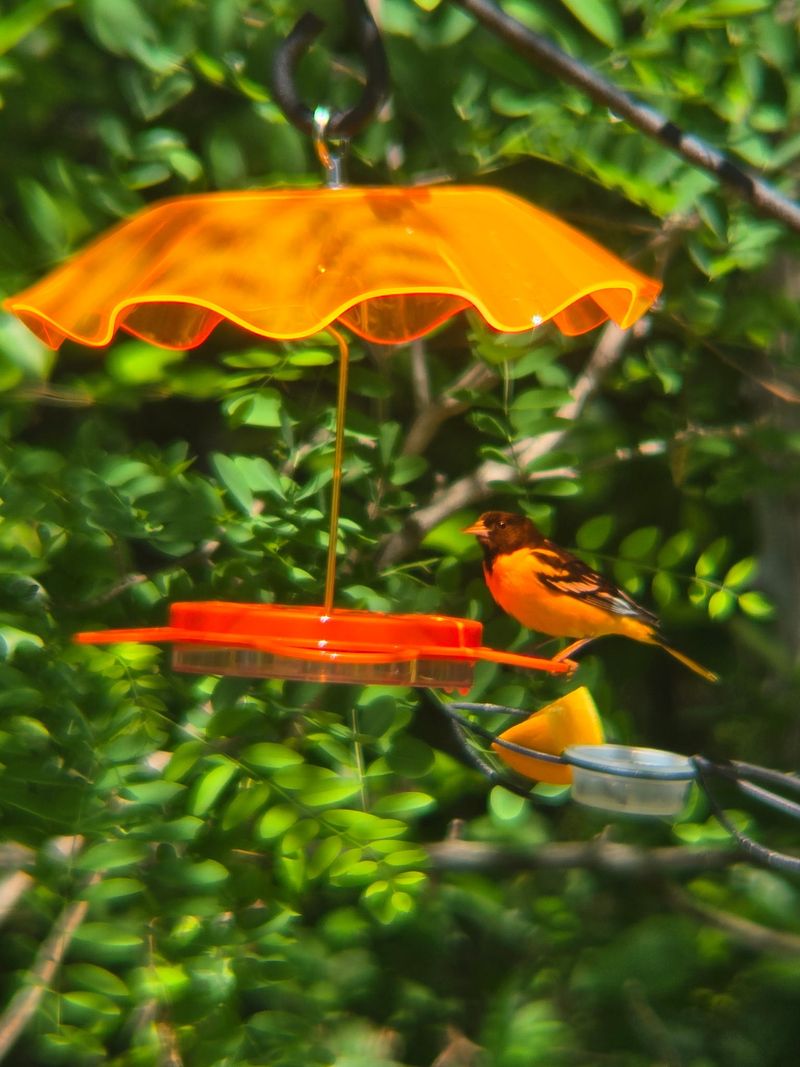
Sticky feeders turn grimy fast in humid weather. Jelly, juice, and fruit pulp ferment quickly once temperatures climb, and spoiled food does birds no favors.
Wash dishes with hot soapy water every couple of days. A bottle brush reaches corners where residue hides, and a full rinse matters as much as the scrubbing.
Toss fruit once it looks dull or fuzzy.
Ground cleanup counts too. Fallen rinds and dropped jelly attract ants, wasps, and raccoons, none of which help your chances with orioles.
Rake or sweep beneath the feeder weekly during heavy migration weeks. Clean ground also cuts down on odors that draw larger animals at night.
Humidity across Georgia keeps mold growing longer than folks expect, so cleaning schedules that work in cooler states may fall short here. Adjust based on what you see.
Small batches beat big refills. Putting out just enough for a day limits waste and keeps everything fresher.
If wasps take over completely, pause for a day and move the setup a short distance before restarting. Persistence usually wins.
Clean feeders also lower the chance of spreading illness among visiting birds, which is worth the ten minutes it takes each week.
Fresh food is more likely to keep orioles returning while they remain in the area. Regular upkeep also makes it easier to notice when a dish needs attention before residue builds up.
8. Stay Consistent While Fall Travelers Are Passing Through
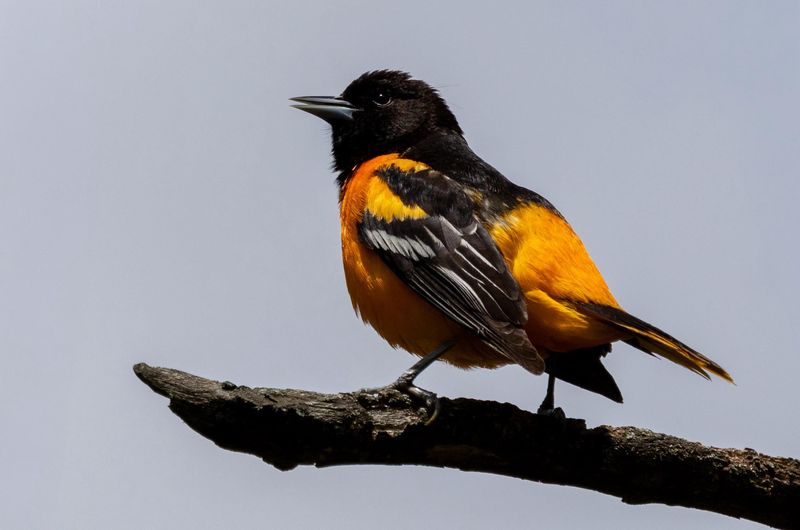
Patience does more than any single trick. Migration moves in waves, and a yard can sit empty for a week before a small group drops in overnight.
Start earlier than you think you need to. Late August is not too soon, since early travelers move through while summer weather still lingers.
Keep going into October.
Consistency builds a pattern birds can use. Feeders that appear and vanish rarely get discovered, while a steady setup gives passing flocks something reliable to find.
Weather drives the timing. Cold fronts pushing down from the north often bring a bump in activity a day or two later, though the effect varies from year to year.
Sightings in Georgia tend to cluster along river corridors, wooded suburbs, and coastal areas, but inland yards get visitors too. Reports also shift with each season.
Watch early morning and late afternoon. Orioles often feed hardest right after sunrise, when energy needs are highest.
Logging what you see helps you plan next fall. Even a note on your phone builds a useful record over a few seasons.
Some years bring nothing at all, and that is normal rather than a failure. Keep the jelly fresh, the water clean, and the shrubs growing, and the odds slowly move in your favor.
Each season gives your yard another chance to become a useful stop along their migration route.