Here’s What It Means When Blue Jays Get Loud In Your Michigan Yard
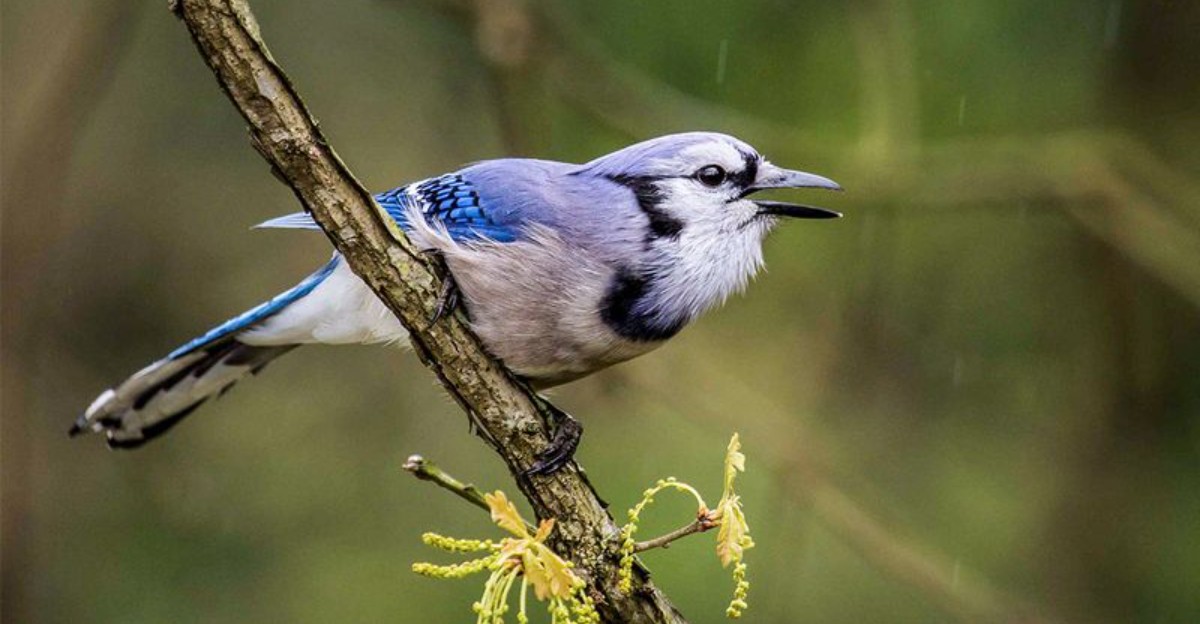
Blue jays are known for being one of the noisiest birds in a Michigan yard, and their calls tend to ramp up noticeably during certain times of year.
Much of this vocal behavior ties directly to territory, alerting other birds to their presence, or warning of nearby threats like hawks, cats, or other predators moving through the area.
Blue jays are also highly social and communicate constantly with mate and family members, using a wide range of calls beyond their familiar harsh screech.
A sudden burst of loud jay activity often signals something specific happening nearby, whether that’s a predator, a food source, or simple territorial back-and-forth with other birds.
Here’s a closer look at what it usually means when blue jays get especially loud in a Michigan yard.
1. They May Be Gathering Into Fall Flocks
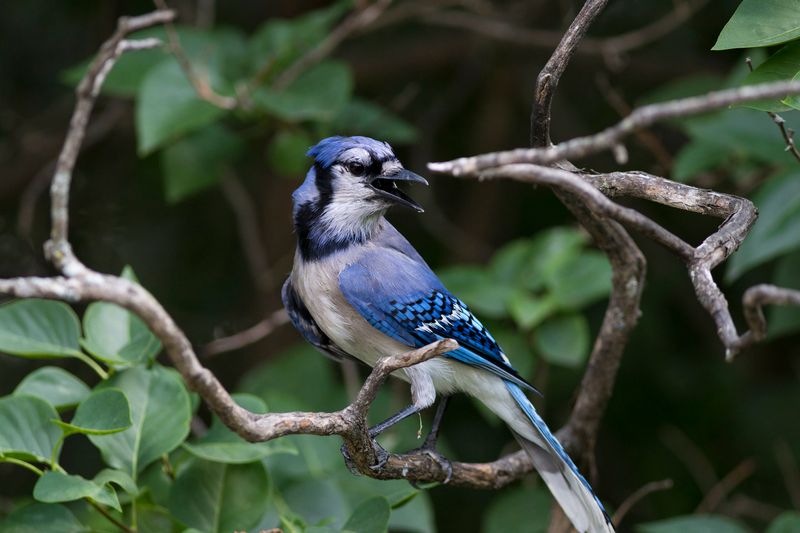
As summer slips into fall, Blue Jays turn into surprisingly social creatures. Instead of hanging around alone or in pairs, they start forming loose groups that travel together through neighborhoods.
These flocks move from yard to yard, chattering back and forth as they hunt for food. All that talking helps them stay connected and keep track of one another.
When one bird spots a good snack or a safe resting spot, the calls ripple through the group in seconds.
You might notice several jays landing in your trees at once, each one adding to the racket. That burst of noise is simply how they coordinate their travels.
Think of it like a group of friends calling out while walking together so nobody gets left behind.
Michigan yards with tall trees and open feeding spots become natural gathering points. The birds circle through, feed for a while, then move along to the next promising location. Their loud personalities make these visits impossible to miss.
If you want to enjoy the show, set out a wide, sturdy feeder that can handle a crowd. Peanuts in the shell are a favorite, and watching a whole flock work through them is a treat.
Fall flocking is one of the most cheerful reasons behind all that noise. Rather than signaling trouble, the birds are just being their bold, chatty selves.
Keep an eye out, and you may spot the same lively group returning day after day.
2. They Are Warning Other Birds About Danger
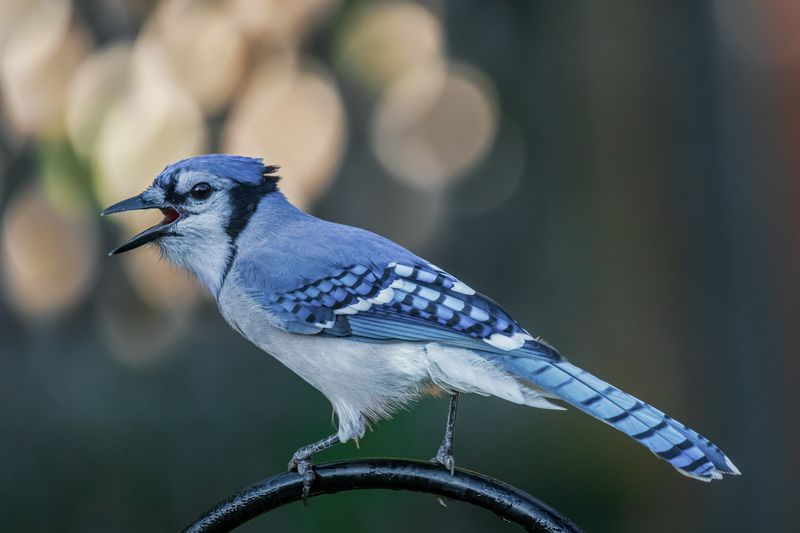
One of the most useful things a Blue Jay does is act like the neighborhood alarm system. When it spots a hawk, a cat, or another possible threat, it lets out sharp, piercing calls that carry a long way.
Those loud warnings do more than express fear. Other birds nearby listen closely and react fast, often diving for cover or freezing in place. In a way, the jay is looking out for the whole yard.
Blue Jays are especially good at copying the screech of a hawk. Sometimes they use this trick to scatter other birds and grab food for themselves, which shows just how clever they can be.
Your Michigan Garden Changes Every Week. Your Plan Should Too.
Gardening in Michigan changes quickly throughout the season. Every Friday you’ll receive a simple weekly plan showing exactly what to plant, prune, fertilize, harvest, and protect so you never miss the right timing.
If you hear a sudden burst of harsh screaming, scan the sky and treetops. You may catch a glimpse of a hawk gliding overhead or a cat creeping through the grass. The jay noticed it long before you did.
This behavior is completely normal and even helpful. It gives smaller songbirds a chance to hide, which keeps your backyard flock safer overall.
You can support this natural warning system by planting dense shrubs and bushes near your feeders. These spots give small birds a quick place to duck into when the alarm sounds.
Rather than being annoyed by the noise, try to appreciate it. That racket means a sharp-eyed guardian is watching the yard, and everyone with feathers benefits from the heads-up.
3. Your Yard May Have Valuable Food Sources
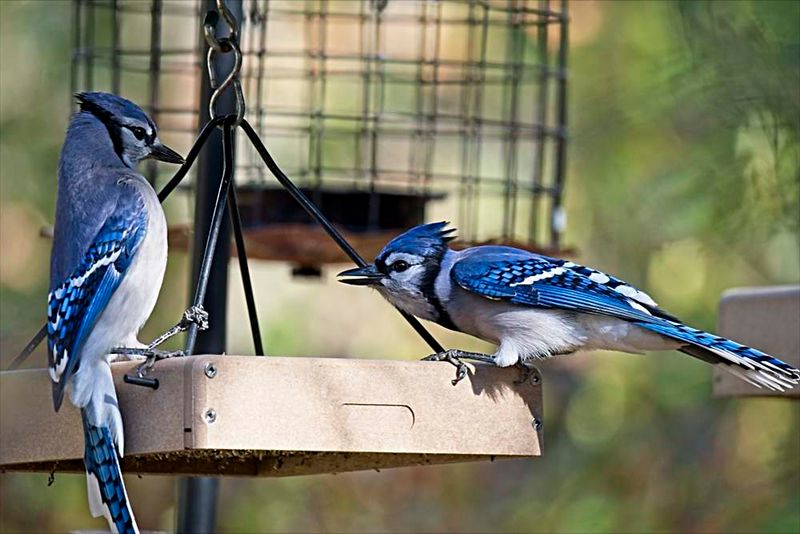
Blue Jays have a sharp eye for a good meal, and they get chatty when they find one. If your yard is full of tasty options, expect plenty of noise as the birds locate and claim their favorite spots.
Oak trees are a huge draw because of their acorns. Bird feeders packed with seeds and peanuts are another magnet, and fruiting plants like serviceberry or elderberry add even more appeal.
When a jay discovers a reliable food source, it often calls out to announce its find or to warn other birds to back off. All that vocal energy is tied to protecting a meal worth keeping.
Michigan yards with a mix of trees, shrubs, and feeders tend to host the loudest jays. The more food you offer, the more these bold birds will hang around and let everyone know about it.
You can turn this to your advantage by planting native berry bushes and keeping your feeders stocked. A steady supply of food invites repeat visits and gives you a front-row seat to their antics.
Peanuts in the shell are especially exciting to Blue Jays. Watching one grab a peanut, test its weight, and fly off is genuinely entertaining.
All that noise around your yard is really a compliment. It means you have built a spot that birds see as valuable, and the jays are simply spreading the word to their feathered neighbors.
4. They Are Searching For Acorns
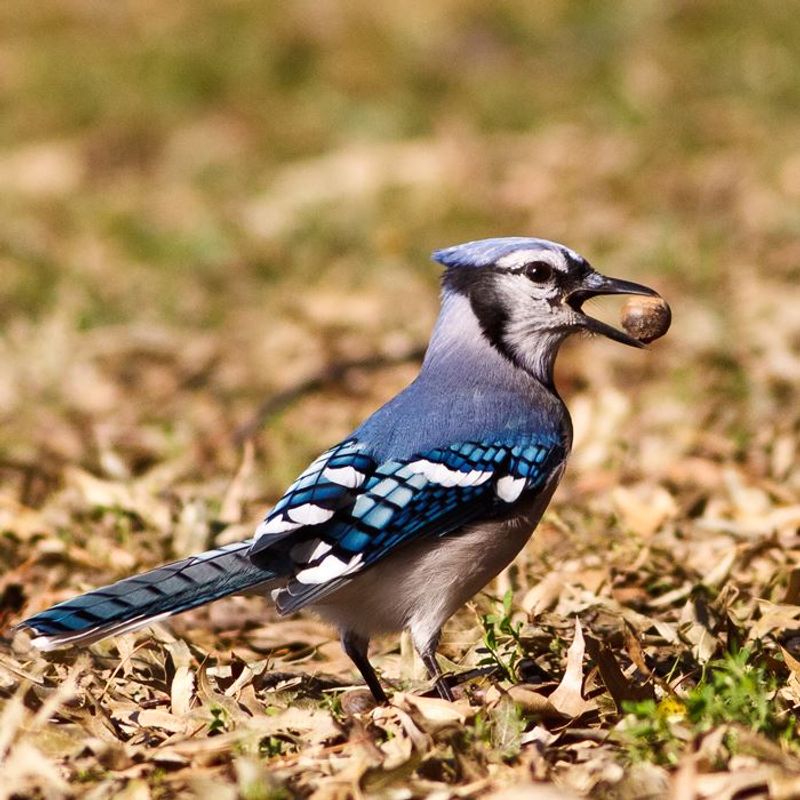
Come autumn, acorns become the star of a Blue Jay’s diet. These birds go into full harvest mode, and their busy searching often comes with a chorus of calls.
A single jay can carry several acorns at once thanks to a special pouch in its throat. It stuffs a few in, grabs another in its beak, and flies off to hide them for later.
Jays bury thousands of acorns each fall, tucking them into the ground across their territory. Amazingly, they remember many of these hiding spots and dig them up during leaner months.
Michigan yards with mature oak trees become hotspots for this activity. If you have oaks, you may see jays zipping back and forth all day, calling to one another as they work.
This acorn habit actually helps forests grow. The acorns the birds forget often sprout into new oak trees, so jays quietly plant woodlands wherever they roam.
You can watch this in action by keeping an eye on your oaks during peak acorn season. The frantic pace and constant chatter make it one of the more fun behaviors to observe.
If you lack oak trees but want to keep jays happy, offer whole peanuts as a stand-in. They love the challenge of carrying and caching them just like acorns.
So when the noise picks up under your oaks, know that a great acorn hunt is underway. The birds are stocking their pantry for the colder days ahead.
5. They Are Communicating During Migration Movements
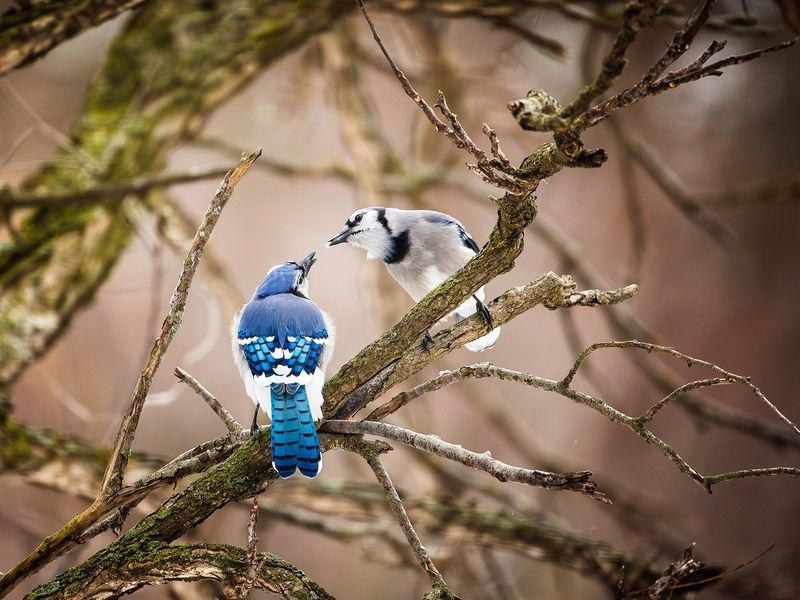
Blue Jay migration is one of nature’s puzzles. Some jays travel south through Michigan in fall, while others stay put all year, and scientists still do not fully understand why.
During these seasonal movements, the birds often grow noisier than usual. Groups on the move call back and forth to stay together and keep the flock organized as they travel.
You might notice waves of jays passing through your area in September and October. The extra calling during these times is tied to the coming and going of migrating groups.
Interestingly, the same jay does not migrate every year. A bird might travel south one fall and stick around the next, which makes their patterns tricky to predict.
Michigan sits along paths that many birds follow, so fall brings a mix of local residents and passing travelers. All that overlap adds up to more chatter in your trees.
If you enjoy tracking these movements, keep a simple journal of when jay activity spikes. Over a few seasons, you may spot patterns tied to weather and food supply.
Offering a steady food source can convince some jays to linger longer. A well-stocked feeder gives traveling birds a reason to pause and rest in your yard.
The rise in noise during migration season is a natural rhythm playing out overhead. These bold birds are simply staying in touch as they decide whether to roam or remain close to home.
6. They May Be Defending A Feeding Area
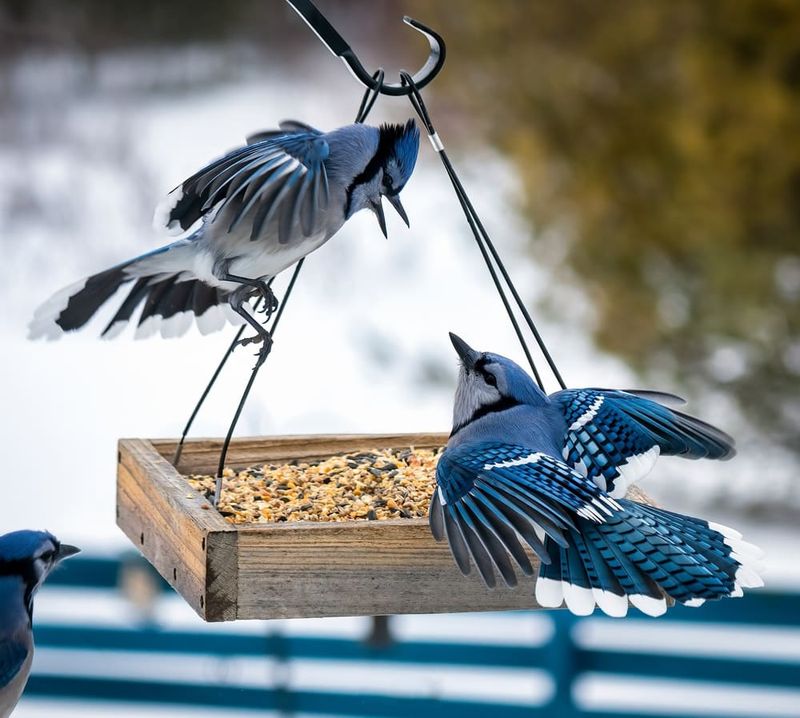
Blue Jays are not shy about protecting a good meal. When food gets harder to find, they turn up the volume and put on bold displays to keep other birds away.
You might see a jay puff up, flick its wings, and let out loud calls near a feeder. These moves send a clear message: this spot is taken.
Smaller birds often scatter when a jay arrives, and even squirrels sometimes give ground. The jay uses both noise and attitude to win the best feeding position.
This kind of competition ramps up in fall and winter when natural food becomes scarce. The birds work harder to claim reliable sources, and the arguments get louder.
Michigan yards with a single busy feeder can become the stage for these standoffs. Watching the drama unfold is like tuning into a backyard soap opera.
You can ease the tension by setting up more than one feeding station spread around the yard. Spacing them out gives everyone room and cuts down on squabbles.
Offering different foods in different spots also helps. Jays love peanuts, while finches prefer small seeds, so separating the menu keeps the peace.
Even though the bickering looks rough, it rarely leads to real harm. Most of the display is bluff and bluster meant to settle who eats first.
When your feeders get loud with jay drama, you are witnessing natural competition at work. A little planning on your end can keep the buffet fair for all your visitors.
7. They Are Not Predicting A Harsh Winter
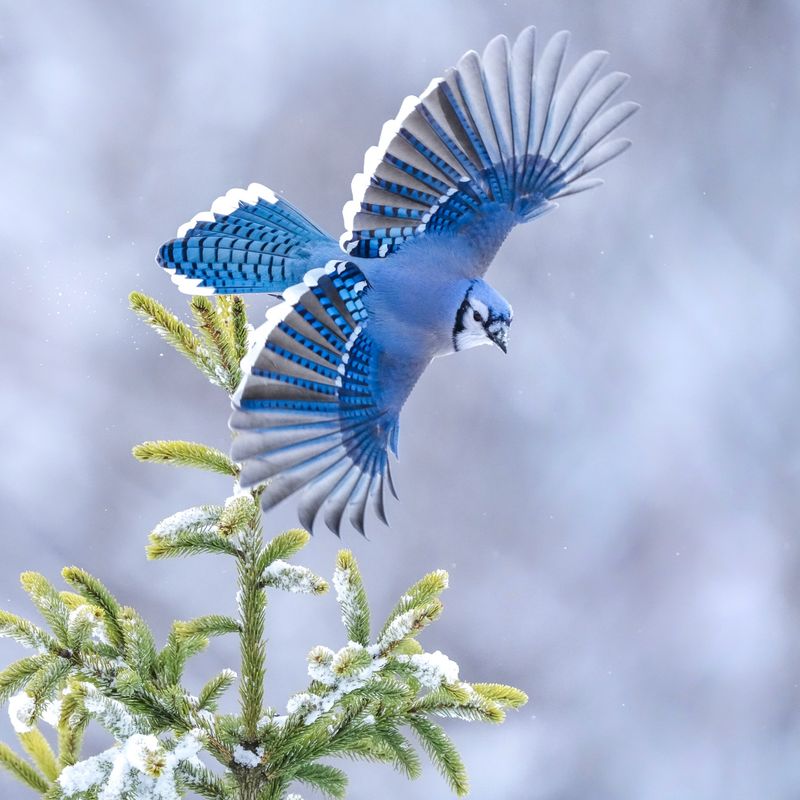
Old folktales say that noisy birds mean a rough winter is on the way. It is a fun idea, but Blue Jay behavior does not actually forecast the weather.
When jays get loud in fall, they are responding to food, flocking, and normal seasonal changes. None of that tells us anything reliable about how cold or snowy the months ahead will be.
Weather comes from big patterns in the atmosphere and ocean, not from how much a backyard bird squawks. Scientists use satellites and data, not jay calls, to make forecasts.
Michigan winters can be tricky no matter what the birds are doing. A busy, chatty fall might be followed by a mild season or a snowy one, with no connection to the noise.
It is easy to see why people made this link long ago. Jays are loud right when the seasons shift, so folks tied the two together.
Still, it helps to enjoy these tales for what they are. They add charm to birdwatching without needing to be true.
If you want to prepare for winter, trust the local forecast instead of the birds. That way you will be ready for whatever the season brings.
The jays, meanwhile, are just going about their normal business. Their volume rises and falls with food and flocking, not with some secret weather sense.
So the next time someone blames loud jays for a coming cold snap, you will know the real story behind the chatter.
8. You Can Make Your Yard More Bird-Friendly
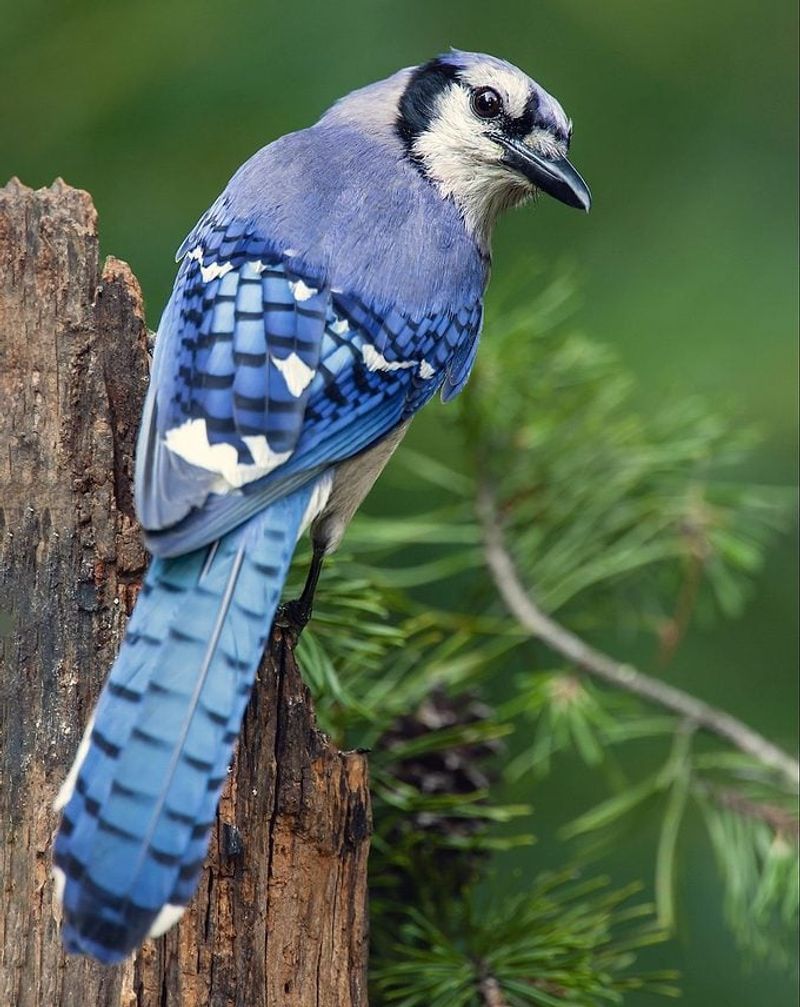
Turning your yard into a Blue Jay haven is easier than you might think. A few smart choices can invite these bold birds while helping the whole local ecosystem thrive.
Start by keeping your mature trees whenever you can. Oaks are especially valuable since they provide the acorns jays love, plus safe places to perch and nest.
Native shrubs are another great addition. Plants like dogwood, serviceberry, and viburnum offer berries and shelter that draw jays and many other birds too.
Fresh water matters just as much as food. A clean birdbath gives jays a place to drink and bathe, and it stays busy through every season.
When it comes to feeders, offer a mix of peanuts and quality seeds. Jays adore whole peanuts, and a sturdy platform feeder lets them land and grab a snack with ease.
Try not to let the birds depend on feeders alone. A yard rich in natural food keeps them healthier and encourages their wild foraging habits.
Keeping feeders clean is important too. Wiping them down regularly helps prevent illness from spreading among your visitors.
Skip the pesticides where you can, since insects are a key food source for many birds. A chemical-free yard supports the whole food web.
With native plants, clean water, and thoughtful feeding, your yard becomes a lively gathering place. Before long, those loud, colorful jays will treat your space like home, and you will have plenty of cheerful chatter to enjoy.