Why Minnesota’s Hawk Ridge Draws Birdwatchers From Around The World Every September
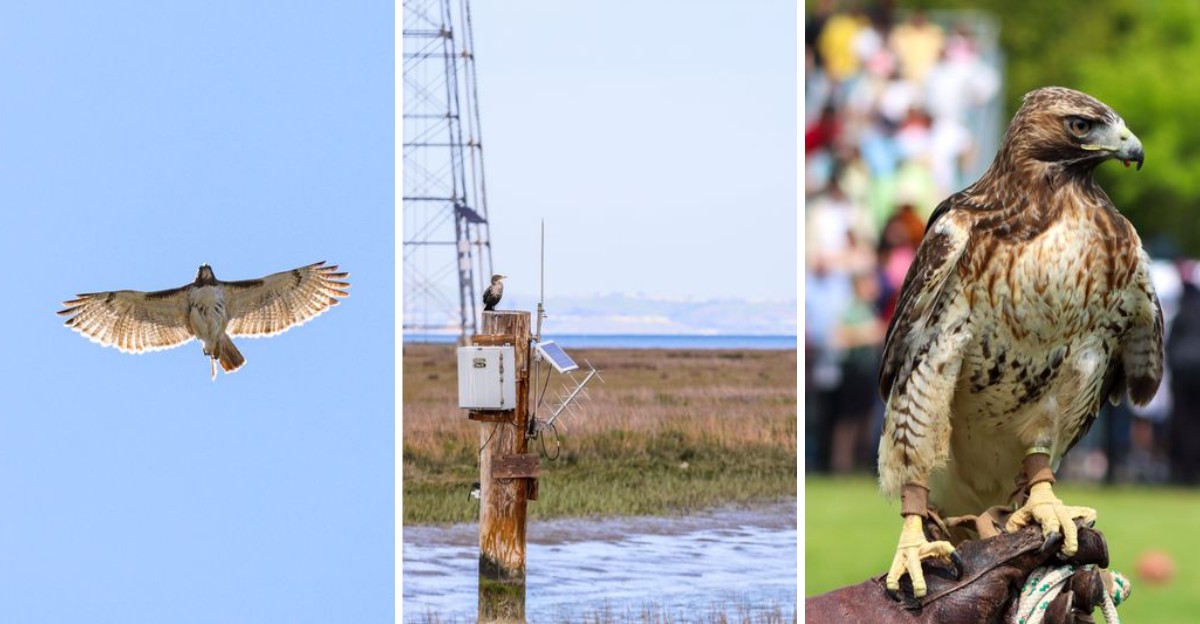
Wings pull you north long before dawn breaks. You feel it in your chest before your eyes even catch up. Raptors cross this Minnesota ridge while you stand still.
Strangers beside you whisper counts to a stranger with a clicker. Binoculars rise around you as another wave appears. Someone near you calls out a species mid breath. Wind lifts hawks past you into unseen currents.
Cold water below and warm air above meet right where you stand. Minnesota condenses this entire migration into weeks you can actually witness. Frost clings to grass while binoculars fog under warm breath.
Voices around you hush, then rise as numbers climb. Cameras click while clickers tally counts faster than you can follow. Few people near you check a phone during this surge.
Each gap in conversation fills instantly with your own count. This ridge will not let you look away, not even for a breath.
1. Lake Superior Acts Like A Giant Invisible Wall

Picture a hawk heading south in autumn, wings set, riding warm rising air like a free elevator. Then the land ends and Lake Superior spreads out ahead, enormous and cold.
Cold water does not create thermals the way sun-warmed land does. Without those rising columns of air, a soaring bird would have to flap the whole way across, burning energy it cannot spare.
So the birds turn. They follow the shoreline southwest, funneling tighter and tighter until the coast bends near Duluth and the ridge rises about 550 feet above the water.
The result is a natural bottleneck. Raptors from a huge swath of Canada and northern Minnesota get squeezed into a narrow band of sky right over people’s heads.
Geographers call this a leading line, and birders simply call it a natural funnel effect. On the right day, the funnel delivers wave after wave of hawks in tight, swirling groups.
Understanding the geography helps you plan. If the lake is doing the steering, then the closer you stand to that shoreline bend, the better your odds of overhead traffic.
It also explains why the show is so concentrated in time. Birds move when conditions favor them, and the funnel collects a whole region’s worth of travelers into a few busy hours.
Bring a folding chair and patience. The lake has been quietly directing this traffic for thousands of years, and it rarely takes a day off in September.
2. Broad-Winged Hawk Kettles Can Number In The Thousands
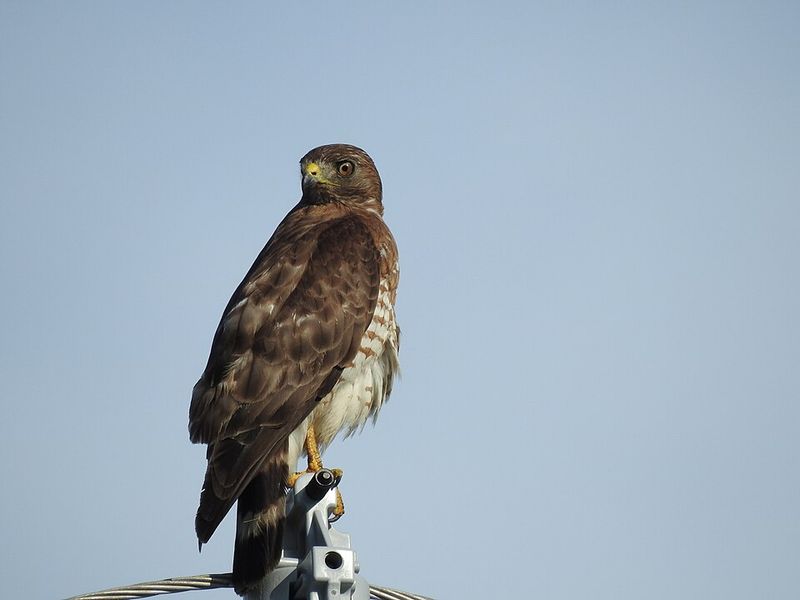
Ask a Hawk Ridge regular about their favorite sight and many will say one word: kettle. It sounds like cookware, and honestly the comparison fits.
Broad-winged Hawks spiral upward together inside a thermal, hundreds of birds turning in the same slow circle. From below they look like leaves stirred into a boiling pot.
When the group reaches the top, they peel off one by one and glide south in a long, loose stream. Birders call that a stream or a river of hawks.
Your Minnesota Garden Changes Every Week. Your Plan Should Too.
Gardening in Minnesota changes quickly throughout the season. Every Friday you’ll receive a simple weekly plan showing exactly what to plant, prune, fertilize, harvest, and protect so you never miss the right timing.
Mid-September is prime time. Daily counts of Broad-wings have topped 30,000 birds, and one record-setting day in 2003 logged more than 100,000 raptors of all kinds.
Seeing that many wings at once rearranges your sense of scale. Visitors often go quiet, then laugh, then reach for a camera they know cannot capture it.
A practical tip: scan with your naked eyes first, then raise binoculars. Kettles form high and far off, and sweeping the whole sky beats squinting through narrow glass.
Wide-angle binoculars in the 8x range work better here than heavy 12x models. You want field of view, not extreme magnification.
Timing matters too. Kettles usually build once the morning sun has warmed the hillsides, so mid-morning through early afternoon tends to be busiest.
If a big flight starts, resist the urge to leave for lunch. Those windows can close within an hour when the wind shifts.
3. Sixteen Raptor Species In A Single Season
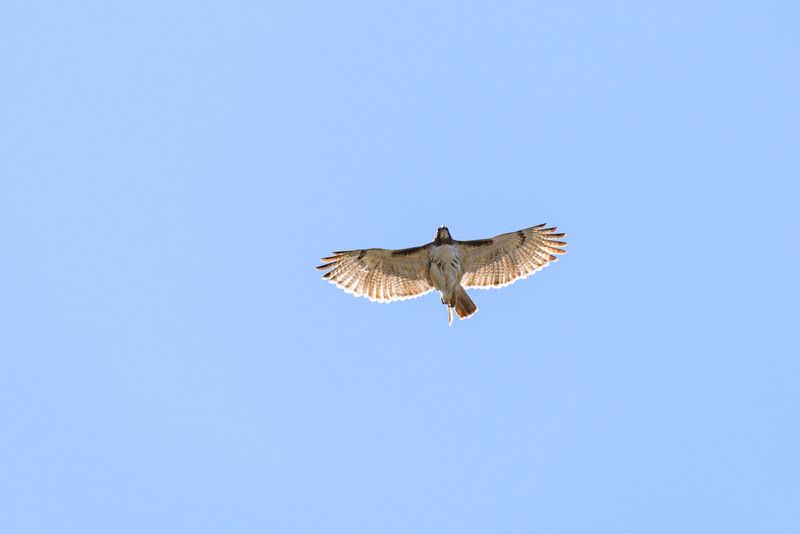
Variety is the quiet bonus at Hawk Ridge. Even on slower days, the species list keeps birders happily busy.
Roughly sixteen kinds of raptors pass through across the season. Sharp-shinned Hawks lead in sheer numbers, with tens of thousands counted in a strong autumn.
September brings American Kestrels hovering like tiny helicopters, Northern Harriers tilting low over the treetops, and Ospreys hauling south on long, kinked wings. Merlins zip past like feathered darts.
Bald Eagles and Golden Eagles show up as the weeks roll on, along with Red-tailed Hawks, Cooper’s Hawks, and the occasional Peregrine Falcon slicing through a kettle.
Northern Goshawks and Rough-legged Hawks arrive later in October, which is why many visitors plan a second trip. The lineup shifts week by week.
For newcomers, that diversity can feel overwhelming. Start by learning shapes rather than colors, since almost everything appears as a dark silhouette overhead.
Accipiters like Sharp-shinned Hawks flap and glide with quick, snappy wingbeats. Falcons show pointed wings and steady, powerful strokes. Buteos soar with broad wings and short tails.
Volunteer naturalists at the overlook call out identifications all day long, which turns the ridge into an informal teaching space. Listening to them for an hour teaches more than a whole guidebook chapter.
Keep a small notebook. Writing down what you saw, and the wind direction, sharpens your eye faster than you might expect.
4. A Bird Count That Has Run Since 1972
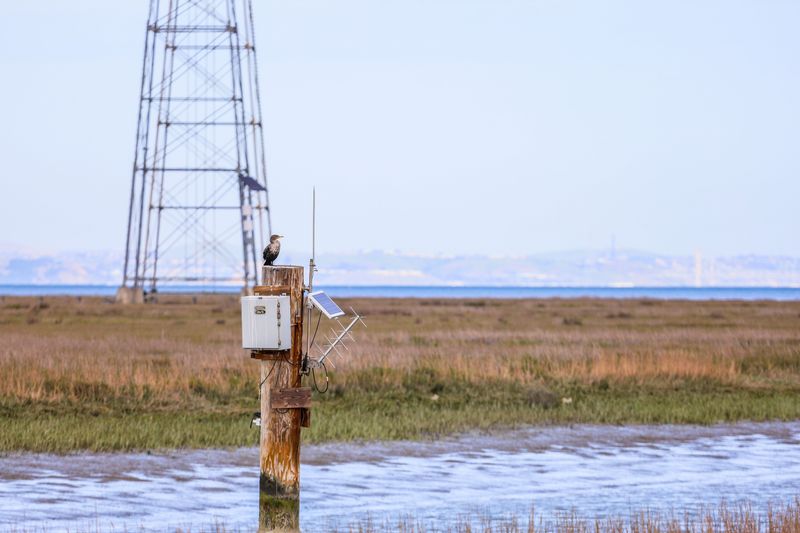
Behind the spectacle sits a mountain of paperwork, and that paperwork is the reason scientists care about this ridge.
Official counts began in 1972, and observers have tallied migrating raptors from the main overlook nearly every autumn day since. The result is one of North America’s longest continuous raptor datasets.
Each counter records species, direction, height, and weather conditions hour by hour. Over decades, those tallies reveal whether populations are holding steady, climbing, or slipping.
Numbers here helped document the recovery of Bald Eagles and Peregrine Falcons after harmful pesticides were restricted. Long-term data also flagged worrying declines in American Kestrels.
Watching a counter work is oddly hypnotic. They click a tally counter, scan the horizon in sweeping arcs, and somehow keep three species separate in their heads at once.
Visitors can follow along online, since daily totals get posted publicly. Checking the count before you drive up gives you a real sense of what is moving.
Do not be shy about asking questions between flights. Counters and naturalists genuinely enjoy explaining the system, and they will often let you peek at the data sheet.
What makes the record so valuable is consistency. Same spot, same method, same season, year after year, which lets researchers compare 1975 with 2024 fairly.
So while you are enjoying the view, you are also standing inside a working science station that happens to have a spectacular office.
5. Banding Demonstrations Put Birds Within Arm’s Reach
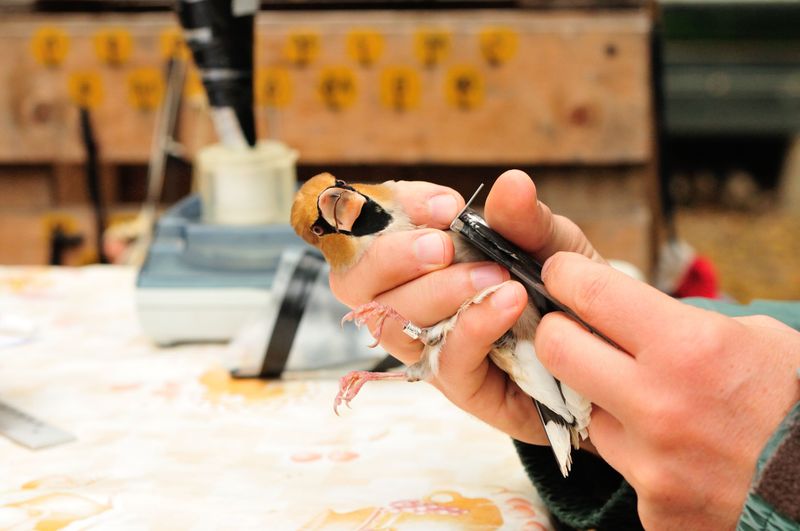
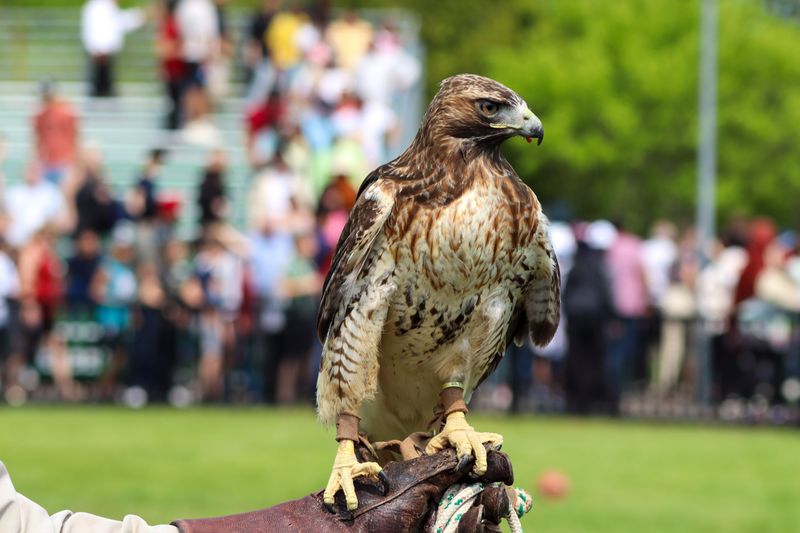
Nothing prepares you for how small a Sharp-shinned Hawk looks up close. From the ground it seems fierce and huge; in a bander’s hand it is barely bigger than a blue jay.
Trained researchers at Hawk Ridge in Minnesota safely capture a portion of passing raptors, fit each with a numbered aluminum leg band, and record measurements. Then the bird goes right back to its journey.
Banding demonstrations happen regularly during autumn weekends, and they are the highlight for many families visiting this part of Minnesota. Seeing feather patterns and those startling yellow eyes from a few feet away sticks with people.
Bands answer questions counts cannot. When a banded bird turns up elsewhere, researchers learn about routes, timing, and how long individuals survive in the wild.
Sometimes visitors get to release a bird themselves after a small donation supporting the program. Holding a hawk for three seconds, then feeling it push off your palm, is a memory people describe years later.
Owl banding runs after dark, focused on Northern Saw-whet Owls, which look like fist-sized bundles of surprise. Special evening programs offer limited spots.
A few etiquette notes help everyone. Keep voices low, skip the flash photography, and give handlers room to work calmly.
Schedules depend on weather and bird movement, so check the Hawk Ridge Bird Observatory website before you go. Rain and strong winds can pause activity for safety reasons.
Arriving early on weekend mornings improves your chances of a front-row view, no matter where in Minnesota you’re staying.
6. Northwest Winds Turn A Good Day Into A Great One
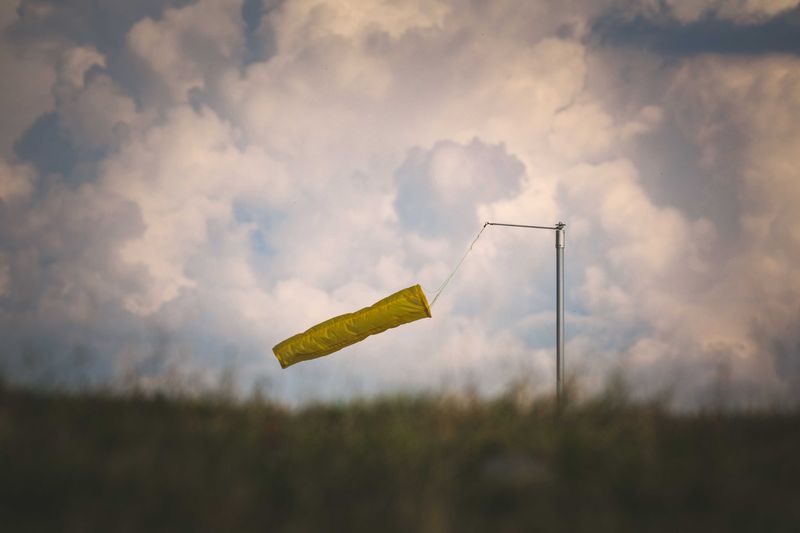
Veterans here talk about wind the way surfers talk about swell. A cold front sliding through changes everything.
Northwest winds are the ones people hope for. Following a September cold front, those winds push southbound raptors toward the lake and then along the ridge, often at eye level.
Southerly winds tend to produce quieter days, with birds flying high or scattering inland. You can still enjoy the view, but the sky may feel roomy.
Learning to read a simple weather forecast becomes part of the fun. Look for a front passing overnight, then clearing skies and a northwest breeze the next morning.
Temperature matters too. Sunny slopes generate thermals, so a chilly morning that warms quickly often produces strong mid-morning flights.
Dress in layers regardless. The overlook sits high and exposed, and a 15 mile per hour wind off Lake Superior can feel bitter even in early September.
Locals bring hats, gloves, windbreakers, and something warm to drink. Most visitors are glad they packed one.
Rainy or foggy days generally slow migration, since birds prefer clear air and reliable lift. If the forecast looks soupy, consider shifting your visit by a day.
Flexibility is the real trick. Travelers who allow three or four days in the Duluth area usually catch at least one memorable flight.
7. Hawk Weekend Turns The Ridge Into A Festival
Somewhere around the middle of September, the ridge gains tents, tables, and a happy buzz of conversation in several languages.
Hawk Weekend is the observatory’s annual festival, usually held in mid-September when Broad-winged Hawk numbers peak. Field trips, guest speakers, guided walks, and family activities fill the schedule.
Registration opens in advance, and popular sessions fill quickly. Booking lodging in Duluth early is smart, because autumn is a busy tourist season along the North Shore.
What makes the event special is the mix of people. Retired professors chat with eleven-year-olds who just got their first pair of binoculars, and both learn something.
Guides run trips to nearby hotspots too, including shoreline parks and the Sax-Zim bog country west of town. Boreal specialties like Gray Jays and Black-backed Woodpeckers tempt many visitors.
Even outside festival weekend, naturalists staff the main overlook daily through the season. Free interpretation means you are rarely left guessing about that distant speck.
Bring cash or a card for the gift shop, since sales support the nonprofit that runs research and education programs. T-shirts, patches, and field guides make decent souvenirs.
Parking along Skyline Parkway is limited during big events, and shuttles sometimes run from town. Checking logistics ahead saves frustration.
Arrive with a loose plan and an open mind. The best moments here tend to be unscheduled, arriving when a kettle suddenly boils up over the trees.
8. Songbirds, Dragonflies And Butterflies Join The Parade
Raptors get the headlines, yet plenty of smaller travelers share the same route, and September is their moment too.
Blue Jays stream past in loose flocks that can total tens of thousands in a season over Minnesota. Watching a jay migration is unusually striking, like a parade of noisy blue confetti.
Warblers pour through the shrubby edges below the overlook, mostly in drab autumn plumage that challenges even experienced Minnesota birders. Cedar Waxwings, sparrows, and finches add to the mix.
Look down and around, not only up. Monarch butterflies drift along the same shoreline corridor, headed toward central Mexico on wings thinner than paper.
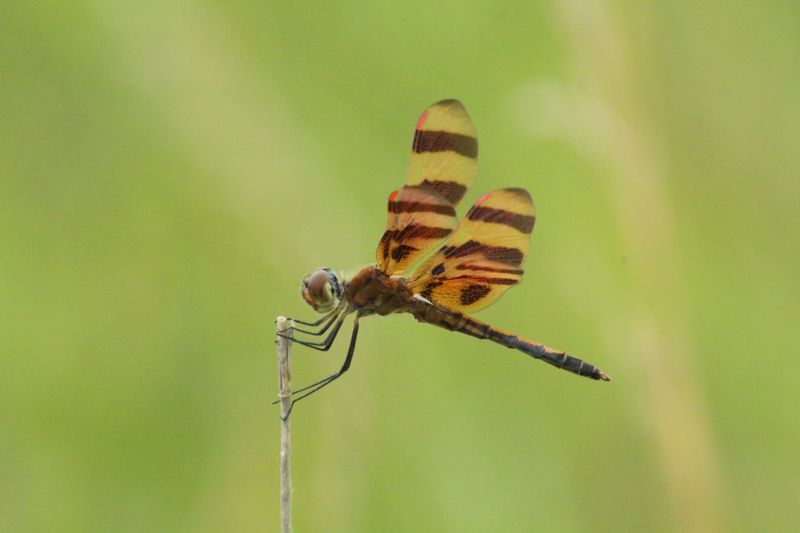
Green Darner dragonflies migrate here as well, sometimes in loose swarms that follow the ridge line. Learning that insects migrate through Minnesota surprises many first-time visitors.
Trails wind through the reserve’s 365 acres of forest, offering quieter walking when the sky goes empty. Those paths are excellent for close looks at songbirds.
A pocket field guide or a phone app helps sort the confusing autumn warblers. Merlin Bird ID, which is free, identifies songs and calls surprisingly well.
Early morning suits songbirds best, while raptors ramp up later. Combining both gives you a full day without much driving.
That layering of species is really what pulls international visitors back. One hillside above a cold lake hosts hawks, jays, butterflies, and dragonflies all moving south at once, and you get to stand right in the middle of it.