Grow fresh herbs on a Wisconsin windowsill all winter with these 7 that actually tolerate low light
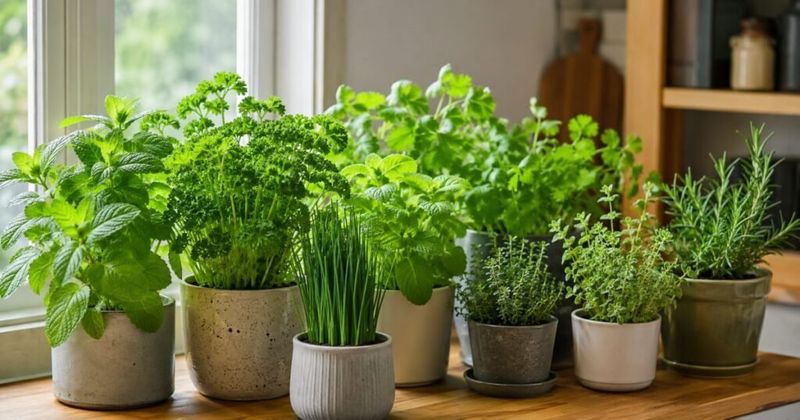
Wisconsin winters are long, gray, and short on sunshine, but that does not mean your kitchen has to go without fresh herbs. Some plants are surprisingly happy on a dim windowsill and keep growing even when the sky stays cloudy for days.
This list covers seven herbs that actually put up with low light and give you flavor all season. Grab a few pots and get ready to snip fresh leaves in January.
1. Wisconsin Chives for Low-Light Windowsills
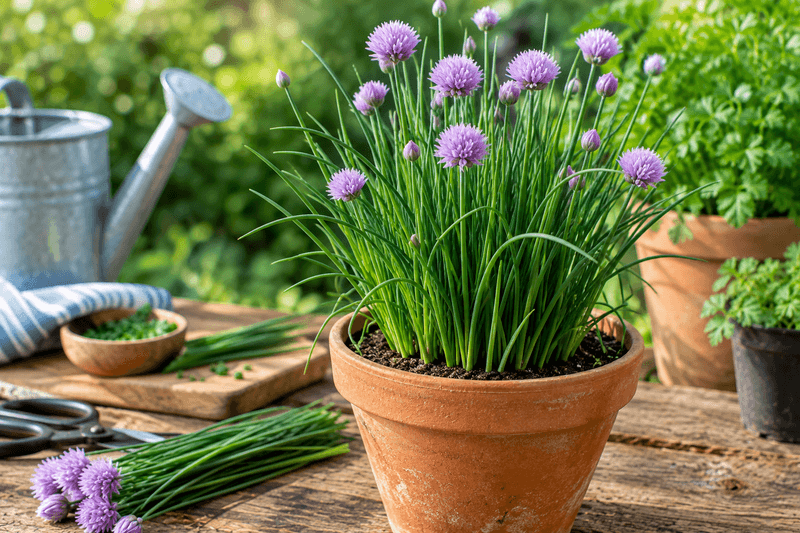
Snip a handful of chives over your morning eggs and you will understand why so many Wisconsin cooks keep a pot going all winter. These slim green stalks are tough, low-maintenance, and forgiving of the dim light that fills most homes here from November through March.
Chives do best with around 12 hours of moderate light and steady moisture, which is easy to manage on a sun-facing Wisconsin windowsill. They are not fussy about warmth either, making them a great match for the average Wisconsin home.
Here is a neat trick many Wisconsin gardeners use: dig up a clump from your outdoor garden in fall, let it sit through a short cool spell, then replant it in a pot and bring it inside. That brief chill mimics winter and wakes the plant up for a fresh indoor harvest, giving Wisconsin folks green shoots long after the ground freezes.
2. Wisconsin Mint for Indirect Light
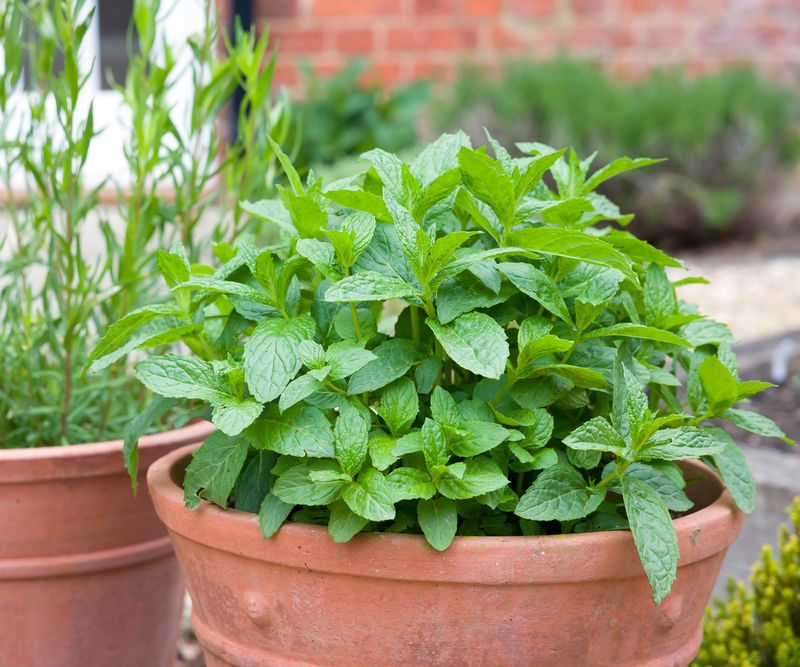
Mint practically begs to be grown, spreading fast and bouncing back even when you forget about it. That eagerness makes it a champion for the softer, indirect light of a Wisconsin winter windowsill.
Unlike sun-loving herbs, many mint varieties actually prefer partial shade outdoors, so the reduced daylight in a Wisconsin home suits them just fine. Bright, indirect light near an east or north window is often all they need to stay leafy and fragrant.
Start mint from seed in well-draining, fertile soil and keep it moist but never soggy. A single pot on a Wisconsin windowsill can supply enough leaves for tea, desserts, and cocktails through the coldest weeks, and pinching it often only makes it bushier.
3. Wisconsin Parsley for Part-Shade
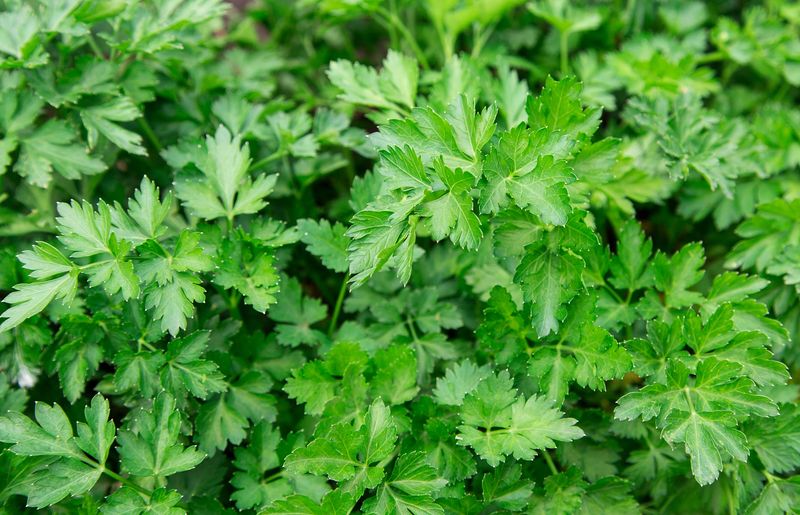
Flat or curly, parsley is the quiet workhorse of the herb world, and it handles shade better than most people expect. For a Wisconsin windowsill that only catches a few hours of weak sun, parsley keeps chugging along at a slow but steady pace.
An east or west-facing window works well, and parsley will still grow there even when the Wisconsin sky refuses to clear. It likes cooler indoor temperatures, roughly 60 to 70 degrees Fahrenheit, which matches many Wisconsin homes in winter.
Plant it from seed and be patient, because parsley takes its time to sprout. Once it settles in, it asks for little more than 12 to 14 hours of light, which you can stretch with an inexpensive grow light if your Wisconsin windowsill runs dark.
From there, you will have a reliable source of fresh green flavor for soups and stews all season.
Your Wisconsin Garden Changes Every Week. Your Plan Should Too.
Gardening in Wisconsin changes quickly throughout the season. Every Friday you’ll receive a simple weekly plan showing exactly what to plant, prune, fertilize, harvest, and protect so you never miss the right timing.
4. Wisconsin Chervil for Consistent Temperatures
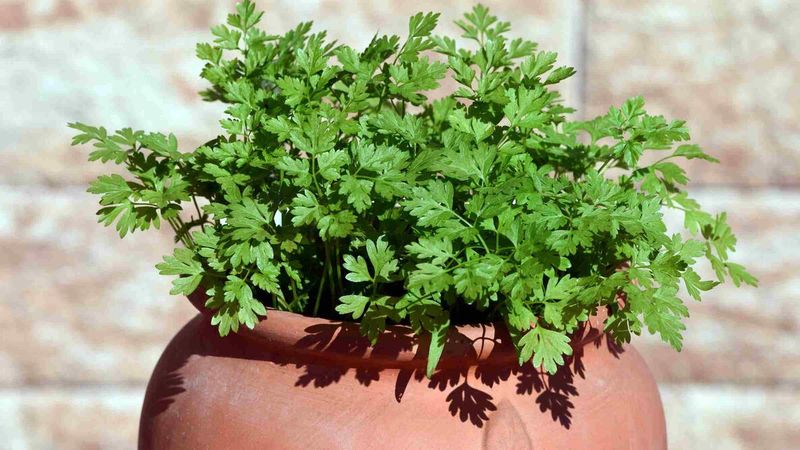
Often called French parsley, chervil carries a delicate flavor with hints of anise that dresses up eggs, fish, and salads beautifully. Its love of low light makes it a smart, if underrated, pick for a Wisconsin windowsill during the darkest months.
What sets chervil apart is its fondness for steady warmth. It grows best when indoor temperatures stay consistently between 65 and 70 degrees Fahrenheit, so Wisconsin gardeners should keep it away from cold, drafty glass and chilly corners.
Because it dislikes big swings, chervil rewards a little attention to placement. Tuck it into a stable, gently lit spot in your Wisconsin kitchen and you will enjoy its lacy leaves when almost nothing else is growing outside.
5. Wisconsin Lemon Balm for Bright, Indirect Exposure
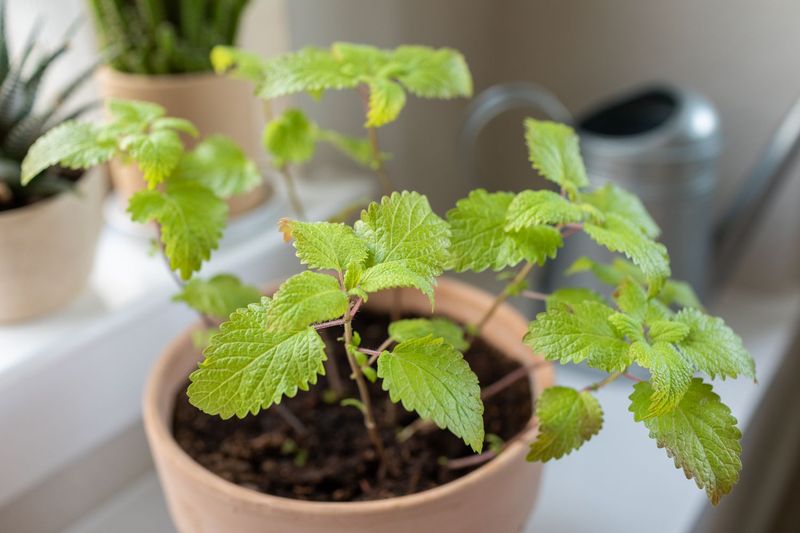
Crush a leaf of lemon balm between your fingers and the citrusy scent alone is worth the pot space. Better yet, this shade-tolerant herb thrives on very little, flourishing with as few as 3 to 5 hours of sun or simply bright indirect light.
That easygoing nature makes lemon balm ideal for a Wisconsin windowsill, where steady bright light can be hard to come by all winter. It shrugs off the dimmer conditions and keeps offering fragrant foliage for tea and cooking.
A member of the mint family, lemon balm grows quickly and forgives the occasional missed watering. For Wisconsin residents craving a bright, lemony lift on a snowy day, few herbs deliver so much for so little fuss.
6. Wisconsin Arugula as Microgreens for Quick Harvests
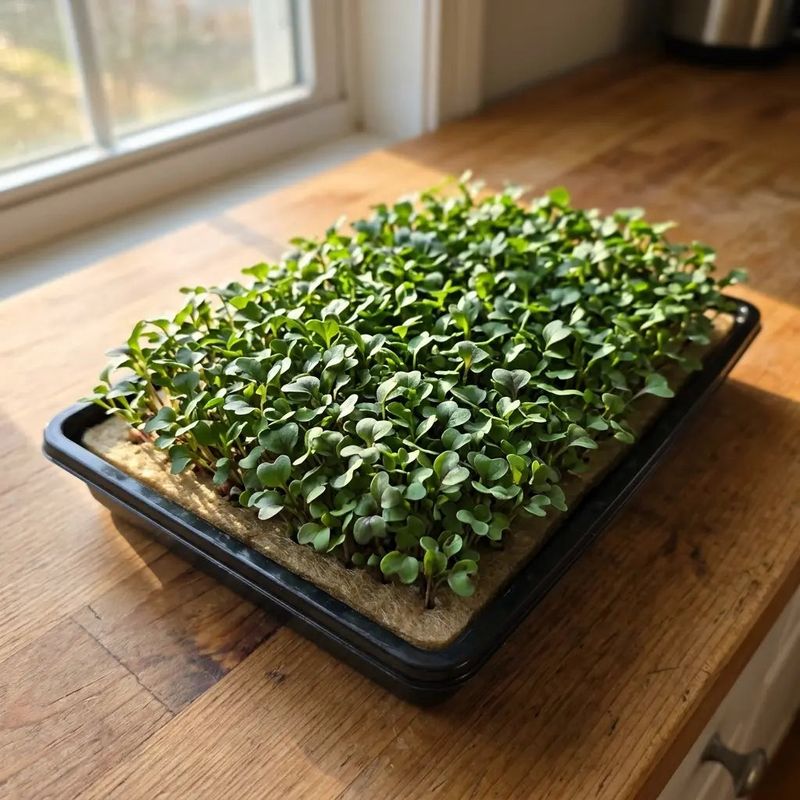
Craving speedy results? Growing arugula as microgreens turns a low-light Wisconsin windowsill into a fast little harvest machine.
Instead of waiting for mature plants that demand full sun, you snip the peppery seedlings while they are young and tender.
Grown this way, arugula produces a surprisingly generous crop even in partial shade, which fits the modest light of a Wisconsin winter. Scatter seeds across a shallow tray of soil, keep them moist, and watch the spicy green shoots pop up within days.
The real magic is continuous sowing. Start a new tray every week or two and your Wisconsin windowsill can churn out zesty greens for salads and sandwiches straight through fall and winter, with almost no waiting.
7. Wisconsin Watercress for Indoor Growing
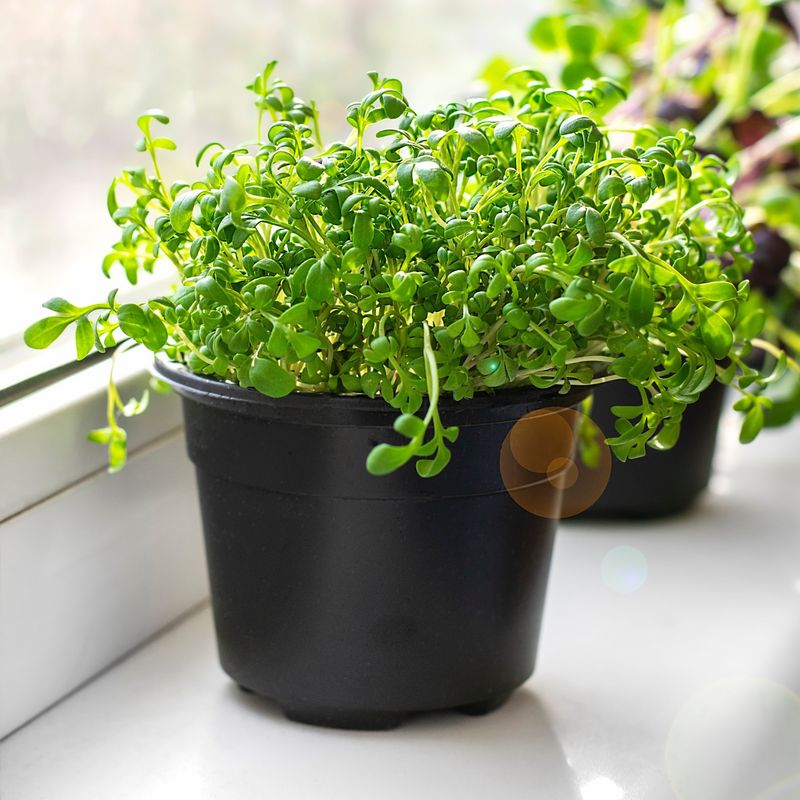
Watercress rounds out the list as one of the most reliable low-light performers you can grow indoors. It earns a spot precisely because it handles the dimmest stretch of a Wisconsin winter, when natural light drops to its lowest point.
This peppery green loves moisture, so it does well in a container kept consistently wet or even in a shallow tray of water. That water-loving habit makes it a bit different from the other herbs here, which prefer their soil on the drier side.
For Wisconsin residents, watercress offers a crisp, tangy bite for salads and sandwiches when the garden is buried under snow. Set it in a low-light window, keep it damp, and it will keep producing fresh leaves through the season.