The One Thing You Must Do To Michigan Blueberry Bushes Before September Ends
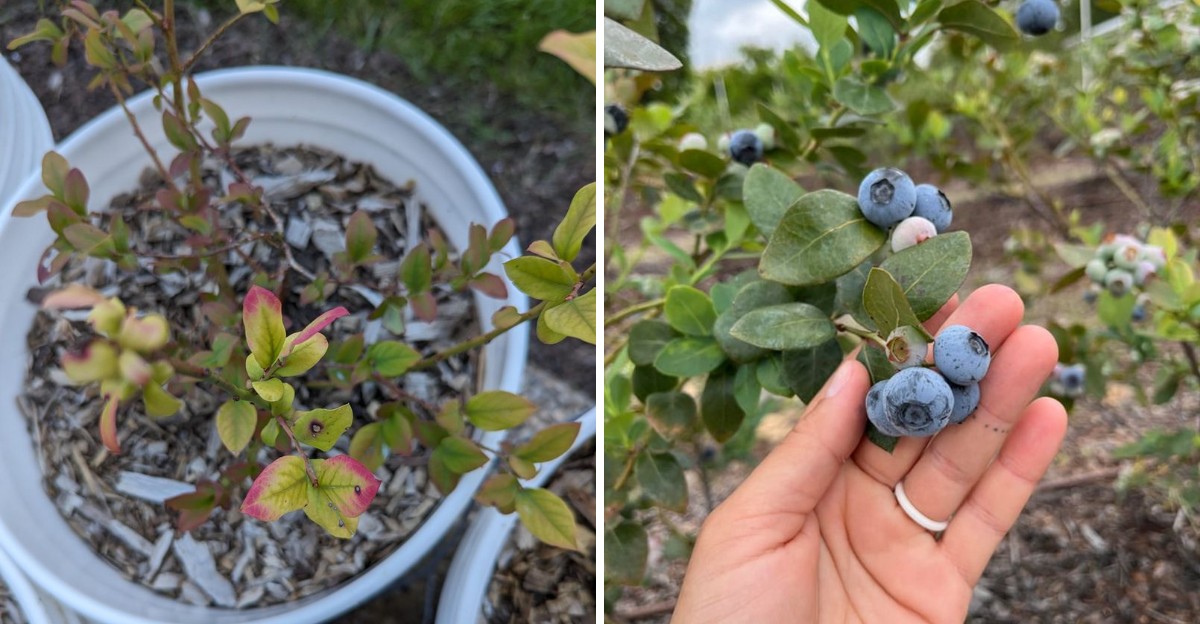
The last berries get picked, the freezer bags go full, and a gardener finally sits down on the porch with a cold drink and a solid sense of accomplishment.
Out in the row, though, nobody told the blueberry bushes the season’s over.
They’re still working, quietly shaping the flower buds that will become next summer’s entire crop, right while everyone’s attention has already drifted elsewhere.
That’s the trap. Late August is exactly when most people stop paying attention to their bushes, and that’s exactly when a dry spell can quietly steal berries nobody will miss until next spring’s harvest comes up short.
That gap between effort and payoff is exactly why this task gets skipped so often, and exactly why it shouldn’t be.
Keep Soil Moisture Steady Through Fall
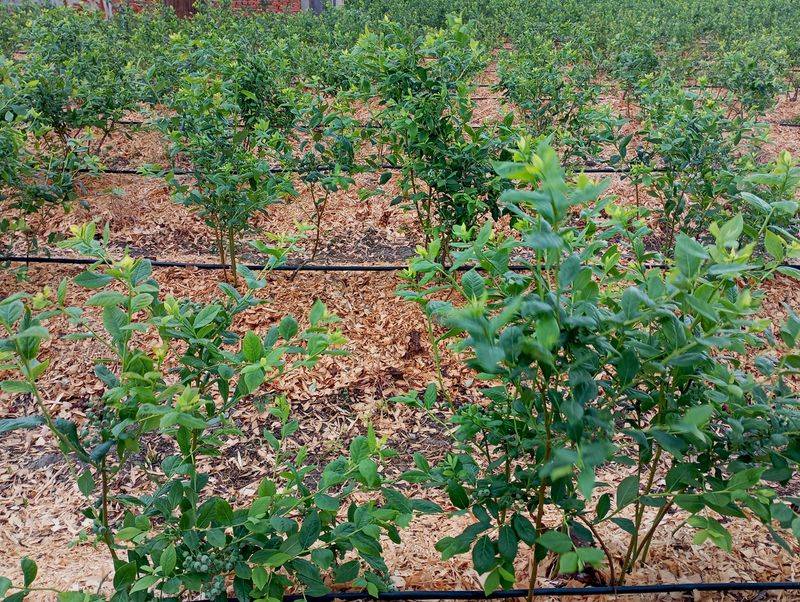
The instruction is straightforward enough to remember without writing it down: keep soil moisture steady straight through August and September, not just during the weeks you’re actually out there picking.
Inside those shoot tips right now, next year’s flower buds are quietly being built.
Michigan State University Extension points to this exact window as the make-or-break moment for the following season’s crop, which makes it a strange time for gardeners to check out mentally.
Highbush blueberries have shallow, fine roots with no root hairs, so they dry out fast, especially in sandy Michigan soil. When they get thirsty now, bud formation slows down, and fewer blossoms open next spring as a direct result.
MSU Extension generally points to roughly a half inch or more of water per week during this period, adjusted for whatever rain actually falls.
A cheap rain gauge near the bushes makes this easy to track. Just top off the difference between what fell and what’s needed.
Soaker hoses or drip lines work better than overhead sprinklers here, since they soak the root zone directly without wetting the leaves and inviting fungal problems.
Everything else in this list builds on that single habit. Why the timing matters so much, how to actually deliver water well, and what else belongs in the routine alongside it before the ground freezes for the season.
Why Late Summer Decides Next Year’s Bloom Count
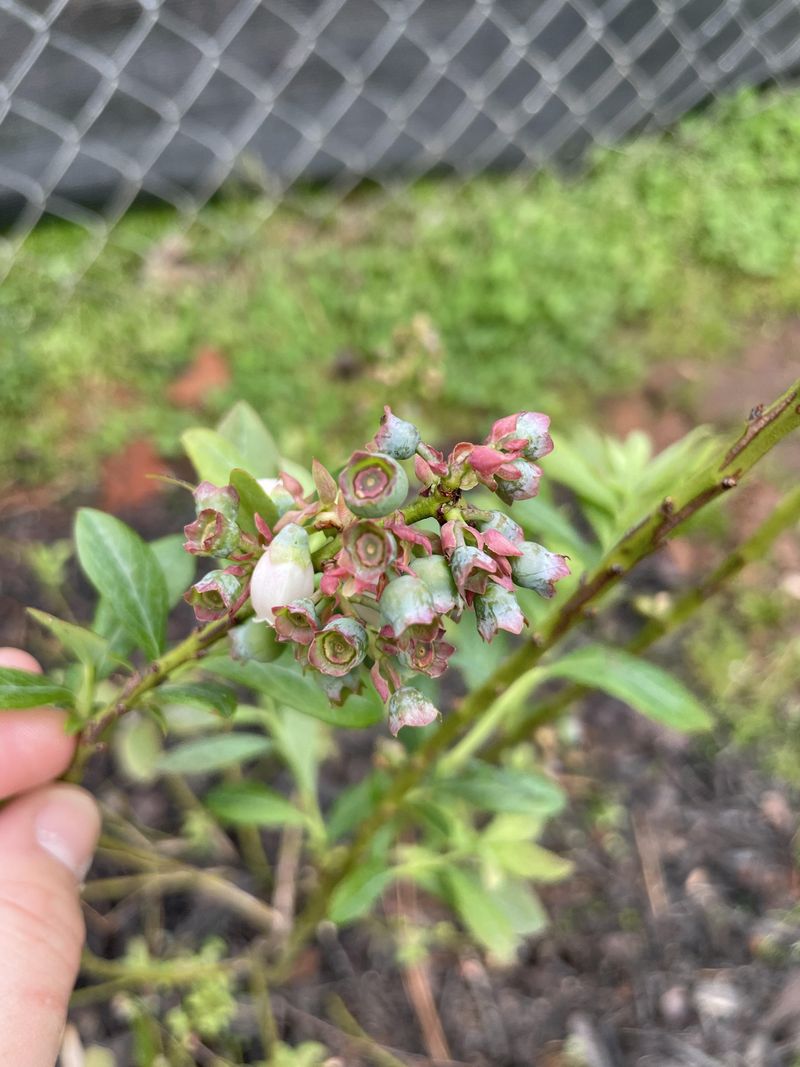
Blueberry bushes don’t build next year’s flowers in spring. They build them now, in the shoot tips, weeks before anyone’s thinking about berries again.
This process, called bud initiation, happens during late summer and early fall, and it’s directly tied to how well the plant is doing at that exact moment.
A bush under drought stress during this window doesn’t just look a little wilted for a few days and bounce back fine.
It forms fewer flower buds, and that shortfall doesn’t show up until next June, when the harvest comes in noticeably lighter than expected.
That delay is what makes this task easy to skip. There’s no visible consequence in September. The bush looks the same whether it’s getting adequate water or not, at least at first glance.
Your Michigan Garden Changes Every Week. Your Plan Should Too.
Gardening in Michigan changes quickly throughout the season. Every Friday you’ll receive a simple weekly plan showing exactly what to plant, prune, fertilize, harvest, and protect so you never miss the right timing.
The actual bill doesn’t arrive until months later, at which point there’s nothing left to do about it.
Michigan’s late summer weather doesn’t always cooperate either.
Dry stretches in August and September are common enough that relying on rainfall alone is a gamble most years, particularly on sandy soils that drain fast and hold onto very little moisture between storms.
Understanding this timeline is really the whole argument for the task. It’s not about this year’s berries at all. It’s about protecting a harvest that’s still ten months away and completely invisible right now.
How To Water Without Overdoing It
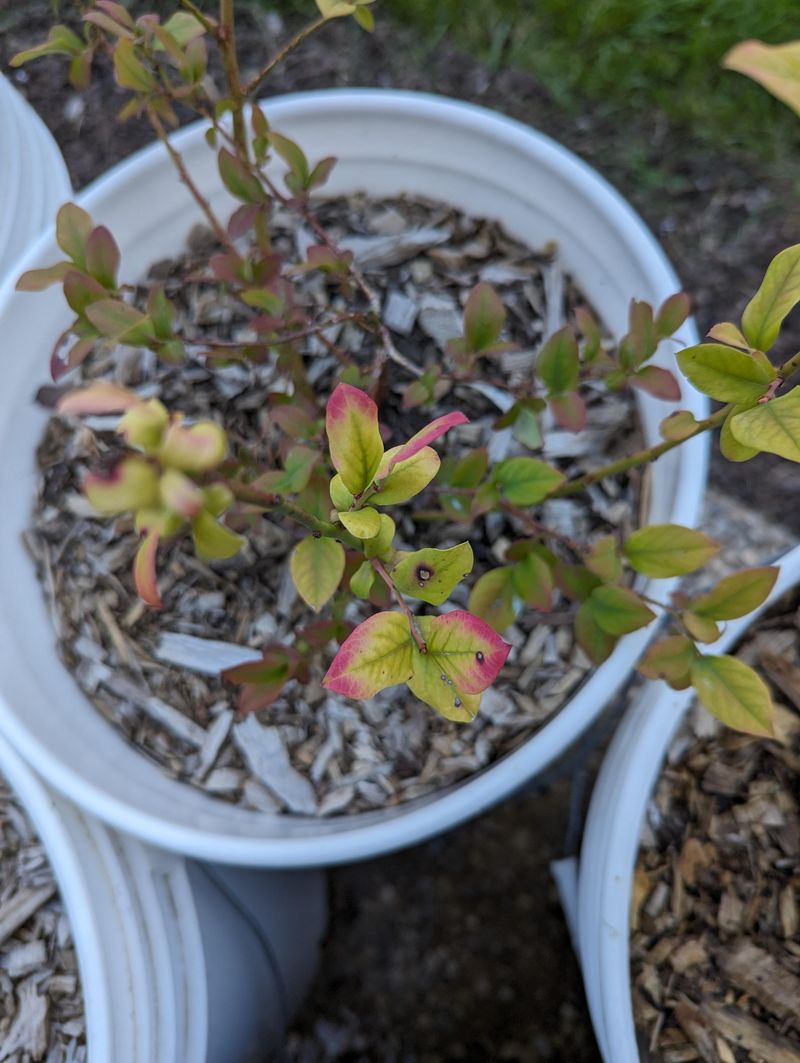
Consistent moisture doesn’t mean constant moisture, and getting that balance right matters as much as remembering to water in the first place.
A soaker hose or drip line laid along the base of the row delivers water directly to the root zone, which sits shallow in blueberries compared to a lot of other shrubs.
Running it for a longer, slower stretch beats a quick blast from a hose, since slow water actually has time to soak in rather than running off the surface.
A rain gauge takes the guesswork out of the equation. Checking it weekly and comparing the total to roughly a half inch of combined rain and irrigation gives a clear target, rather than watering on a hunch or a fixed calendar schedule regardless of conditions.
Morning watering beats evening, since it gives any incidental moisture on the leaves time to dry out before nightfall, reducing the chance of fungal issues taking hold in humid Michigan air.
Overwatering carries its own risk, particularly in soil that doesn’t drain well.
Blueberries dislike standing water almost as much as they dislike drought, so the goal is genuinely steady moisture, not a saturated bed that never has a chance to dry between waterings.
Checking soil a few inches down with a finger or a trowel before watering helps confirm it’s actually needed, rather than watering purely out of habit regardless of what the ground is doing underneath.
Why Mulch Makes The Whole Job Easier
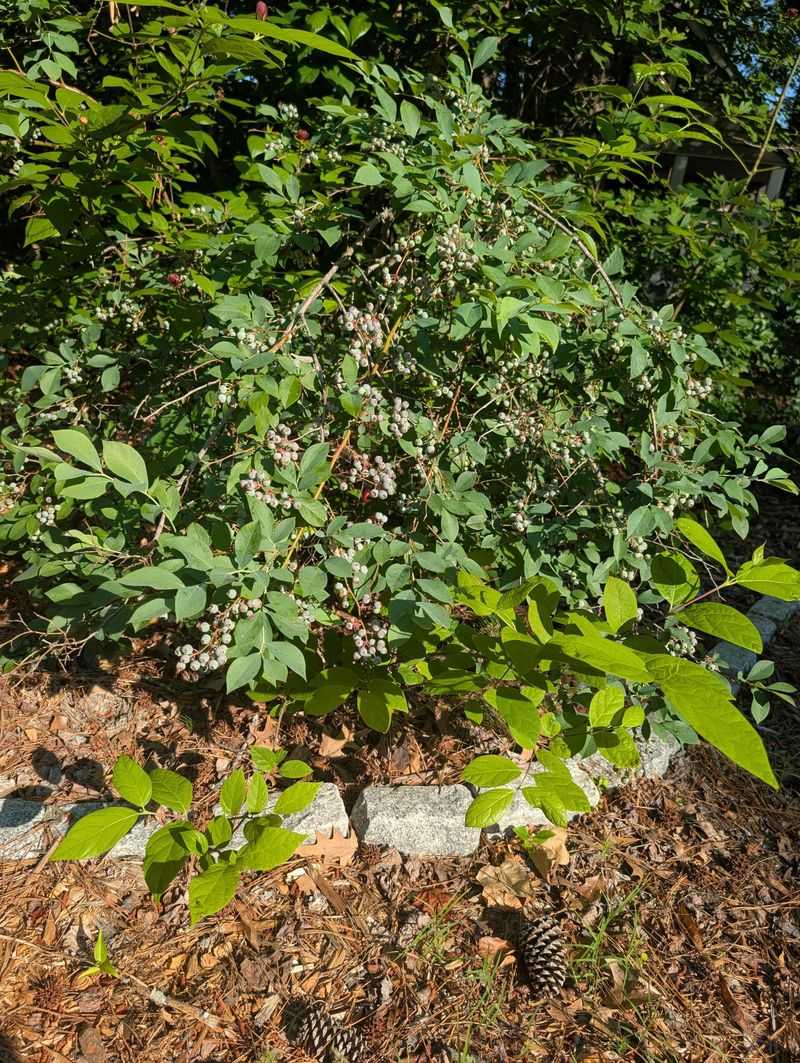
A layer of mulch does a lot of the watering work without anyone lifting a finger between soakings.
Two to four inches of pine bark or sawdust spread around the base of each bush slows evaporation dramatically, keeping the soil moist for longer stretches between waterings.
On sandy Michigan soil, where water tends to drain through fast, that extra buffer matters more than it might on heavier ground.
Mulch also keeps roots cooler through any remaining warm September days, which matters given how shallow and fine blueberry roots are compared to most other shrubs in a yard.
Cooler, more consistently moist soil gives those roots a more stable environment to keep working in through the bud-formation window.
There’s a weed benefit too, even though it’s a secondary one here. A solid mulch layer suppresses competing weeds that would otherwise pull moisture and nutrients away from the blueberry roots at exactly the time they need both the most.
Refreshing mulch that’s thinned out over summer is worth doing now if it hasn’t been topped up in a while.
Pine bark and sawdust both break down gradually, and a layer that’s compressed to an inch isn’t doing nearly as much work as it did when first applied.
Keep mulch pulled back slightly from the base of each stem rather than piled directly against it, since bark and sawdust held tight against the stem can trap moisture in a way that invites rot rather than preventing drought stress.
What Not To Pair With This Task
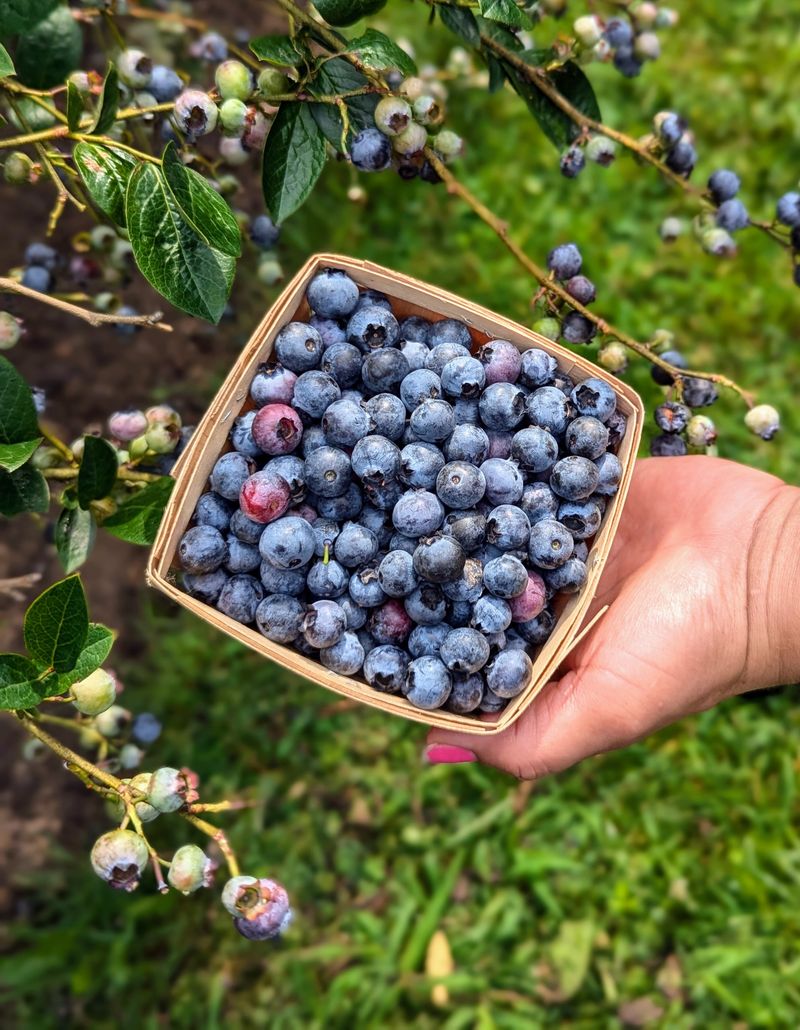
Keeping soil moisture steady is the priority, but a few other fall habits can quietly work against that same goal if they sneak into the routine alongside it.
Fertilizer is the biggest one. Late-season feeding, especially anything nitrogen-heavy, pushes soft new growth right as the bush should be slowing down and hardening off for winter.
That tender new growth is far more vulnerable to cold injury, and the energy spent producing it doesn’t help next year’s berry crop in any meaningful way.
Pruning falls into a similar category. Major cuts made in late summer or early fall stimulate new growth in the same way fertilizer does, and that timing works against the bush’s natural slowdown rather than supporting it.
Heavy foot traffic or equipment near the root zone deserves some caution too, since blueberry roots sit shallow and close to the surface, and soil compaction from repeated walking can restrict the very root function this whole task is trying to support.
The theme running through all of it is consistency without added stress. Water steadily, then otherwise leave the bush alone to do what it’s already doing on its own schedule.
Fall isn’t the season for encouragement or intervention. It’s the season for quietly staying out of the way while providing the one thing actually in short supply.
When To Stop Watering For The Season
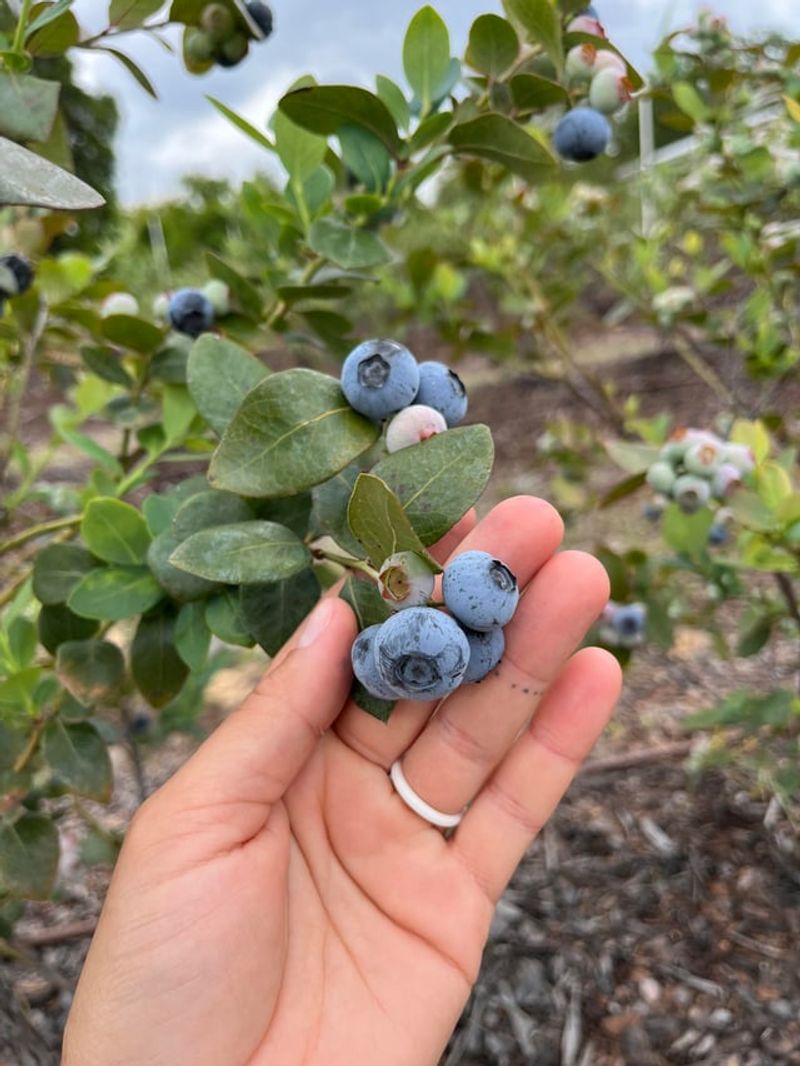
Steady moisture matters right up until the ground actually freezes, not until some fixed date circled on a calendar that may or may not match the weather that year.
Michigan falls vary enough year to year that a hard cutoff date rarely lines up with reality. Some years the ground stays workable well into November.
Other years an early cold snap locks things down much sooner. Checking the soil directly, rather than relying on the date, gives a more reliable signal than the calendar ever will.
Once the ground does freeze solid, roots stop taking up water regardless of how dry the soil above might look, which means continued watering past that point does essentially nothing useful for the plant.
A final deep watering right before that freeze sets in gives roots one last reserve of moisture heading into the coldest stretch of the year, which matters more for younger bushes with less established root systems.
Removing hoses, drip lines, and any exposed watering equipment before hard freeze arrives protects that equipment from cracking or bursting, which is a small practical task worth remembering alongside the bigger goal.
Once winter fully sets in, the job is done for the year. All that’s left is waiting for spring, when the payoff for a properly watered fall shows up in the bloom count on every bush in the row.