Why You’re Suddenly Seeing More Giant Desert Spiders Around Arizona Homes This Fall
Every fall, Arizona homeowners spot large spiders crossing patios, dangling from porch lights, or anchoring impressive webs between cacti and door frames. The good news is that most of what you’re seeing reflects normal seasonal behavior, not a dangerous invasion.
Understanding which spiders appear and why can help you respond calmly and make smart choices for your family and your home.
Why late summer and fall sightings can overlap
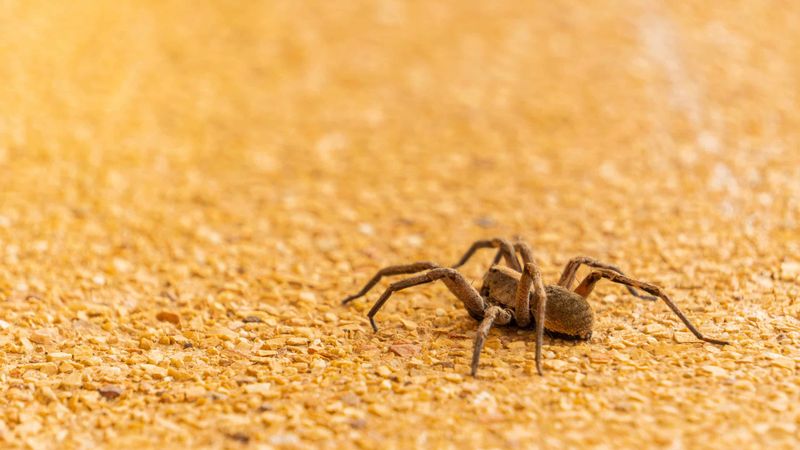
Arizona’s spider sightings in late summer and early fall don’t follow a single tidy schedule. Several overlapping seasonal patterns can make encounters feel more frequent during the same few months, and separating those patterns helps explain what’s actually happening around your home.
The first thing to understand is timing. University of Arizona Extension’s monsoon resources confirm that Arizona’s official monsoon season runs from June 15 through September 30, so a spider you notice in mid-September is technically still appearing during monsoon conditions, even if it feels like fall.
Sightings in late September and October can overlap with the tail end of monsoon weather and the beginning of cooler temperatures.
Three distinct patterns contribute to the busy spider period. Mature male tarantulas wander in search of mates from June through October.
Some outdoor spiders, including wolf spiders, may shift closer to buildings as fall changes prey availability. Web-building species such as labyrinth spiders and funnel-web spiders remain active through October and may build webs in vegetation, grasses, and building corners throughout that window.
Rain, warmth, and vegetation growth may make encounters more noticeable, but the available evidence supports seasonal activity and visibility, not a measurable statewide surge in spider numbers around homes. Knowing that these are separate species responding to different cues makes the whole picture less alarming.
Mature male tarantulas are conspicuous seasonal wanderers
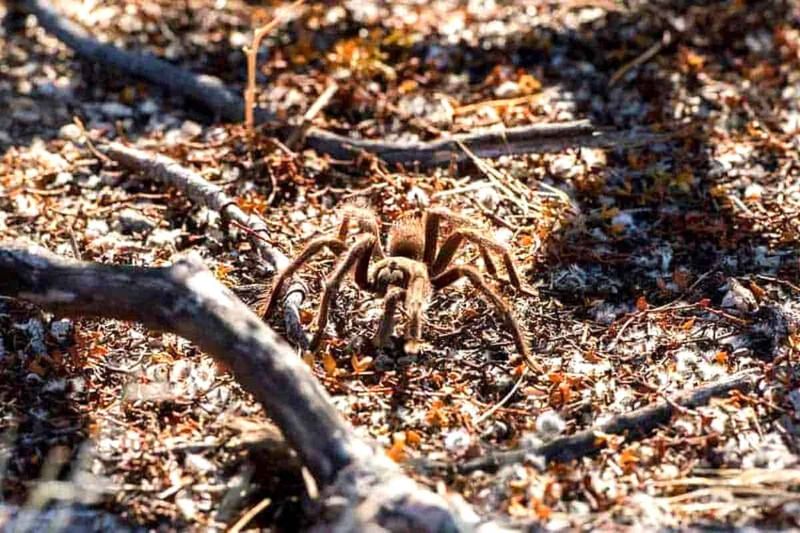
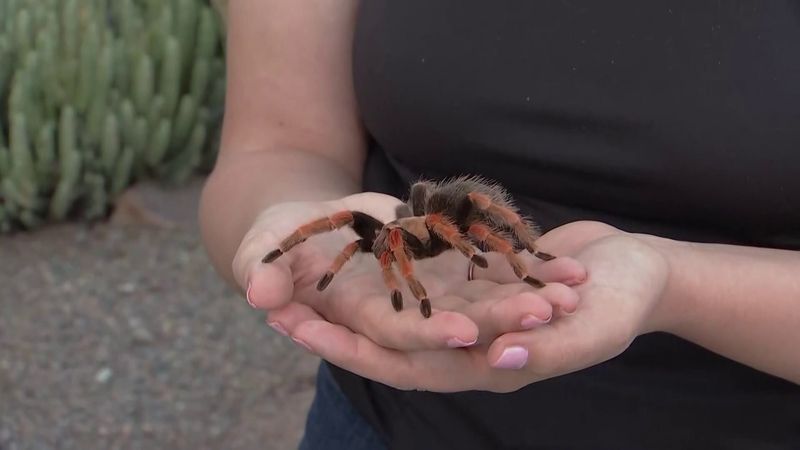
Spotting a tarantula ambling across your driveway on a warm September evening is one of the more striking wildlife encounters an Arizona homeowner can have. That spider is almost certainly a mature male on the move, and his timing is entirely predictable.
According to University of Arizona Cooperative Extension’s tarantula guide, male tarantulas reach maturity at roughly 8 to 10 years and then begin wandering in search of females between June and October. Females generally stay close to their burrows, which is why the conspicuous wanderers crossing roads and patios are almost always males.
The Arizona-Sonora Desert Museum similarly reports that tarantulas seen on roads during the July through September summer rains are typically males searching for mates.
A tarantula crossing your yard is a fundamentally different situation from a large web appearing on your porch. Tarantulas are ground-dwelling, burrowing spiders.
They don’t build the kind of circular orb webs that show up around entryways and porch lights. If you’re seeing a wandering spider with a stocky, hairy body, that’s a tarantula behaving exactly as it should during mating season.
Mating-season wandering is the primary driver of tarantula visibility, not monsoon rain pushing them from their burrows. Rain and warmer temperatures may coincide with the June through October window, but the wandering is tied to reproductive biology, not weather alone.
Your Arizona Garden Changes Every Week. Your Plan Should Too.
Gardening in Arizona changes quickly throughout the season. Every Friday you’ll receive a simple weekly plan showing exactly what to plant, prune, fertilize, harvest, and protect so you never miss the right timing.
Web shape and location help separate Arizona spider types
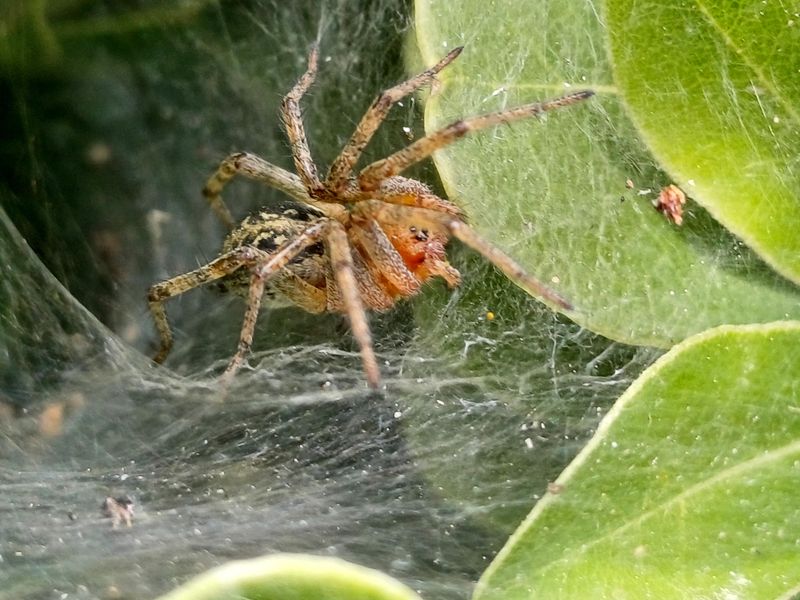
Size alone won’t tell you much about which spider built a web or how much risk it poses. Web structure and location are far more useful clues, and learning to read them takes only a few minutes.
Ground-wandering spiders, including tarantulas and wolf spiders, don’t build the large suspended webs that catch your eye near entryways. Wolf spiders hunt actively and may wander closer to buildings in fall as insect prey shifts.
When you see a hairy spider moving across the floor of a garage or patio rather than sitting in a web, you’re likely looking at one of these ground hunters.
Web-building species are a different category entirely. Orb-weavers construct the classic circular, spoked webs most people picture when they think of a spider web.
The Arizona labyrinth spider builds something more complex: an orb web combined with a tangled retreat, commonly tucked between prickly-pear pads or in dense vegetation. According to the Arizona-Sonora Desert Museum, labyrinth spiders are active from March through October and use their webs for both hunting and mating during the rainy season.
Funnel-web spiders build sheet-like webs with a funnel-shaped shelter at one end, often in grasses, leaf litter, stones, and building corners. The Desert Museum lists several funnel-web species as common in southern Arizona, also active from March through October.
As University of Arizona Extension notes, a large web does not automatically signal a dangerous spider. Identifying the web type and location narrows the possibilities far more reliably than size.
Tarantulas are usually low risk, but not every Arizona spider is
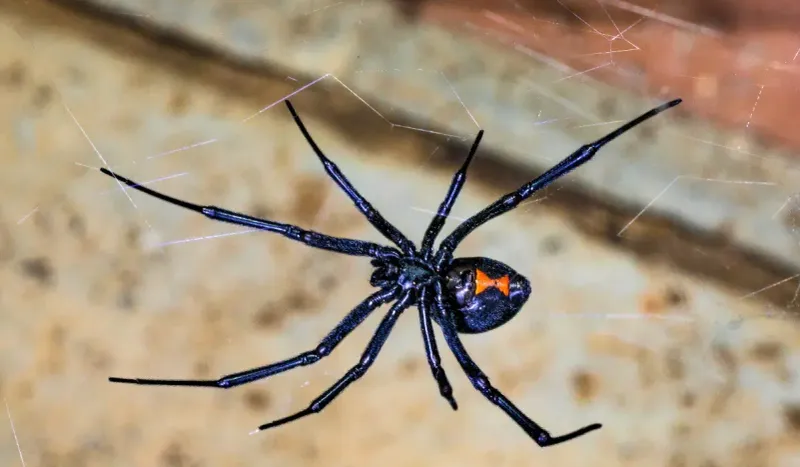
Proportion matters when talking about spider risk in Arizona. Most of the large spiders homeowners encounter during late summer and fall pose little medical threat, but that reassurance shouldn’t be extended to every species in the yard.
Arizona tarantulas fall into the low-risk category for people. University of Arizona Cooperative Extension states that there are no records of serious human harm from Arizona tarantula bites, and the Arizona Poison and Drug Information Center notes that bites are unlikely to cause problems beyond local pain.
That said, tarantulas are not completely harmless. A provoked tarantula can bite, and it may release urticating hairs from its abdomen that irritate skin, eyes, and mucous membranes.
The appropriate response is to give them space, not to handle them.
Two species deserve more caution. The western black widow is found throughout Arizona and produces venom that can cause significant muscle pain, cramping, and other systemic symptoms.
The Arizona brown spider is the other local concern. University of Arizona Extension and pest-proofing resources identify these two as the principal medically important spiders in the state.
A common misconception is that a violin-shaped marking on a spider’s body confirms a brown recluse. True brown recluse spiders are not established Arizona residents.
They occasionally appear after accidental introduction in luggage or belongings, but Arizona brown spiders and other species can look similar. Reliable identification often requires an expert, not a photograph or a field mark alone.
How to handle a spider or web without handling the spider
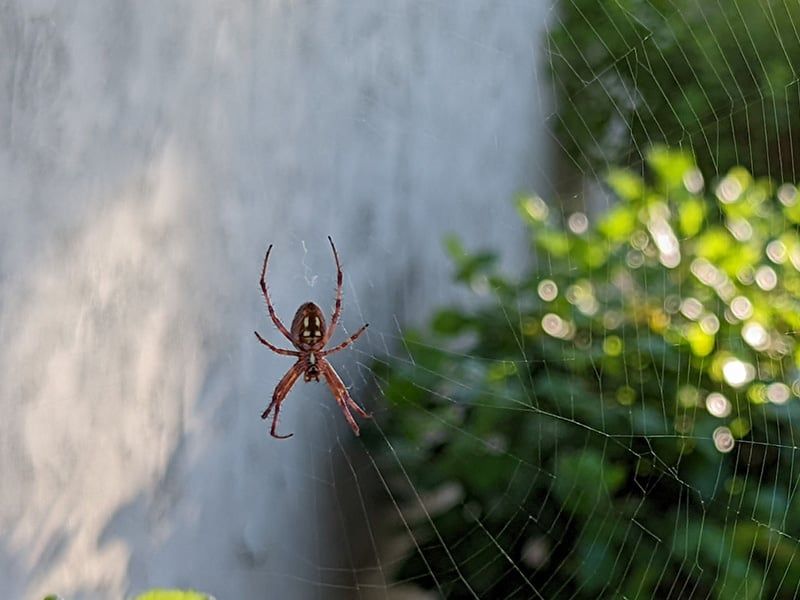
Running into a large spider or an impressive web near your front door doesn’t require a dramatic response. A few calm, practical steps keep you safe without putting the spider at unnecessary risk or you in unnecessary contact.
The first rule is straightforward: don’t pick up, provoke, or try to photograph spiders at close range. Tarantulas can bite when handled and may release irritating urticating hairs.
Other species, including widow spiders, can bite when they feel threatened. Keeping a safe distance protects both you and the spider.
To move a web or guide a spider away from a walkway, use a long-handled broom or brush rather than your hands. This keeps you at a comfortable distance and lets you redirect the spider without provoking it.
University of Arizona Cooperative Extension recommends considering relocation outdoors for wolf spiders in particular, since they are beneficial predators of insects.
Storage areas deserve extra attention. Shoes, gloves, work clothing, and equipment stored in garages, sheds, closets, or other undisturbed spaces can harbor spiders that have moved in over days or weeks.
The Arizona Poison and Drug Information Center and the UA fall pest checklist both recommend shaking out these items before putting them on or using them, especially after they’ve been sitting for a while.
Gloves and long sleeves are the right choice any time you’re moving firewood, debris, or stored materials where spiders might be hiding.
Reduce indoor encounters with exclusion and cleanup
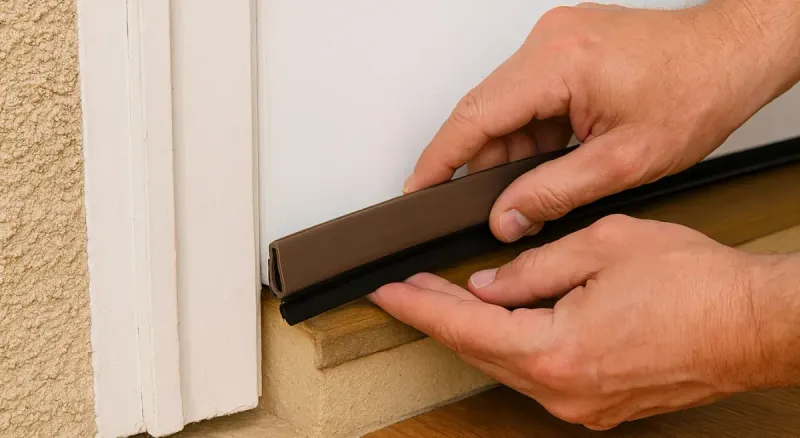
Keeping spiders from becoming a regular indoor presence is mostly a matter of reducing the ways they can get in and the conditions that make your home attractive once they’re nearby.
Gaps around doors, windows, and utility penetrations are the most common entry points. University of Arizona’s pest-proofing guidance recommends sealing these gaps with caulk, foam, or weatherstripping, and repairing or replacing damaged screens.
A door sweep on the garage door closes one of the largest openings in many Arizona homes. These steps reduce spider access without any chemical treatment.
Inside the home, clutter and undisturbed storage areas give spiders places to settle and hide. Reducing stacked boxes, clearing out corners in garages and closets, and keeping firewood stored away from the house wall all make the environment less hospitable.
Moving firewood, rocks, and garden debris away from the foundation eliminates some of the sheltered spots where spiders prefer to build webs or wait for prey.
University of Arizona Cooperative Extension describes spiders broadly as useful predators of insects, and that framing matters for how you respond. Spraying every web you find is not the recommended first step.
Exclusion, cleanup, and targeted removal of webs in high-contact areas are better starting points. Pesticide treatment, when it’s warranted at all, works best as a targeted measure in specific locations rather than a blanket application across an entire yard or porch.
Treat suspected bites as a medical question, not a species diagnosis
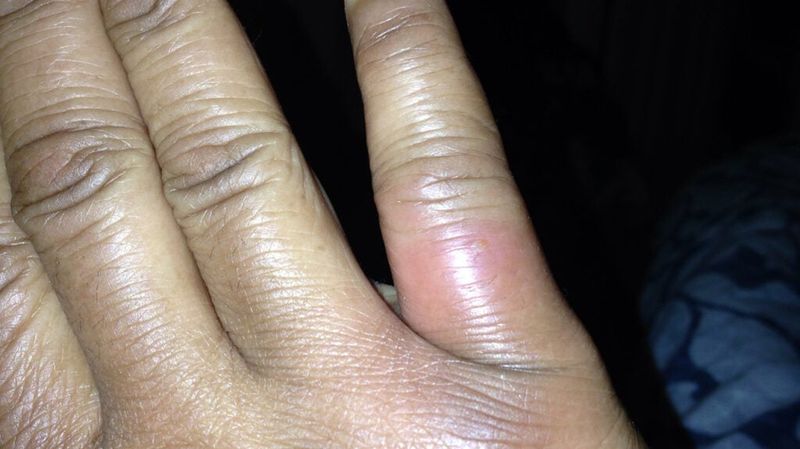
A red or swollen spot on your skin after spending time outdoors does not automatically mean a spider bit you. Many skin reactions attributed to spiders turn out to be caused by other insects, bacterial infections, allergic reactions, or unrelated medical conditions.
Starting with a species assumption can lead to delayed or incorrect treatment.
If you think you may have been bitten, the first steps are straightforward. Wash the area gently with soap and water, apply a cool compress to reduce swelling and discomfort, and elevate the affected limb when practical.
Watch for how symptoms develop over the next hour or two rather than assuming the worst immediately.
Seek medical attention if you experience significant or worsening pain, symptoms that spread beyond the bite site, difficulty breathing, severe muscle cramps, or any sign that the wound is not healing normally. These are the situations where professional evaluation matters, particularly if you have reason to think a black widow or Arizona brown spider was involved.
CDC guidance for venomous spider exposures similarly emphasizes symptom-based evaluation rather than assuming a diagnosis from appearance alone.
For questions about a potential bite or exposure, the Arizona Poison and Drug Information Center is available at 1-800-222-1222. Poison center staff can help assess symptoms and advise on whether a medical visit is needed.
They cannot identify a spider from a skin lesion description, and neither can an article. When in doubt, call before drawing conclusions.
Seasonal visibility calls for identification, not panic
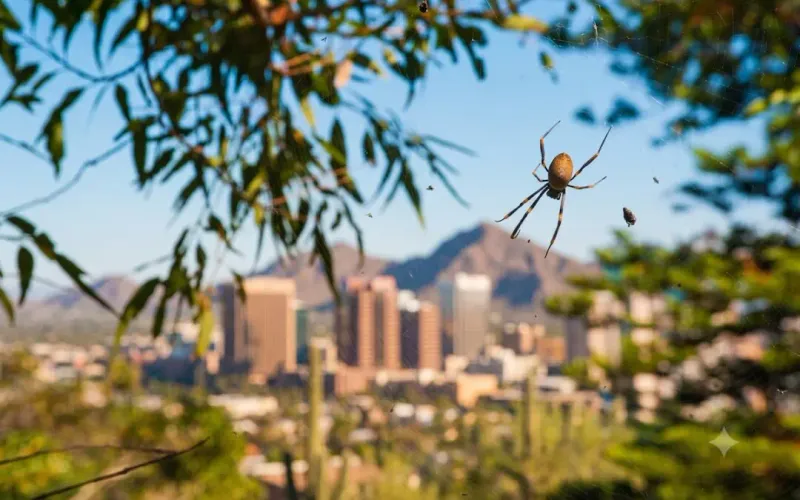
Late summer and fall in Arizona bring a genuine overlap of spider activity, but the explanation is grounded in biology, not a sudden infestation. Male tarantulas wander from June through October looking for mates.
Some outdoor spiders, including wolf spiders, shift closer to buildings as fall changes the availability of prey. Web-building species such as labyrinth and funnel-web spiders remain active through October and continue building in vegetation, grasses, and building corners throughout that period.
None of these patterns represent a statewide population explosion or a weather-driven surge. They represent different species following their own schedules, and those schedules happen to overlap during a two-to-three month window when Arizona homeowners are also spending time outdoors after the worst of the summer heat.
The practical takeaway is to identify before reacting. A hairy spider crossing your patio is almost certainly a tarantula or wolf spider, not a web-builder.
A circular web near your porch light belongs to an orb-weaver, not a tarantula. Behavior and web structure tell you far more than size.
Avoid handling spiders, reduce entry points into your home, and contact the Arizona Poison and Drug Information Center at 1-800-222-1222 if a bite produces symptoms that concern you. Most of what you’ll see this fall is part of the desert doing exactly what it does every year.