What Michigan Gardeners Should Do With Black Eyed Susans After They Finish Blooming
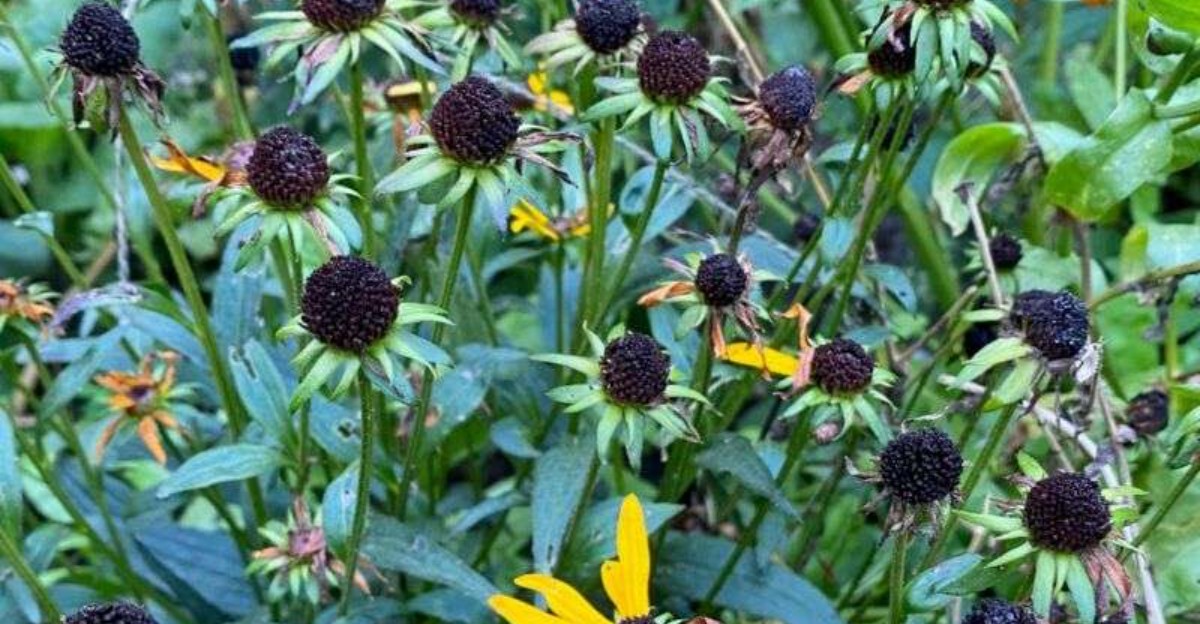
Black-eyed Susans put on a strong, cheerful show all summer in Michigan gardens, but once the blooms start fading, many gardeners aren’t sure what comes next.
Leaving the spent flower heads in place actually benefits the garden, since the seed heads provide food for finches and other birds well into winter.
These plants also self-seed readily, so leaving some heads intact can mean a fuller patch of blooms returning naturally next year without any extra planting.
For gardeners who prefer a tidier look, deadheading through the season can extend blooming, but by fall it’s generally better to let the plant finish its natural cycle.
A little restraint after bloom time can pay off in both wildlife value and next year’s display.
1. Leave Seed Heads If You Want Wildlife Benefits
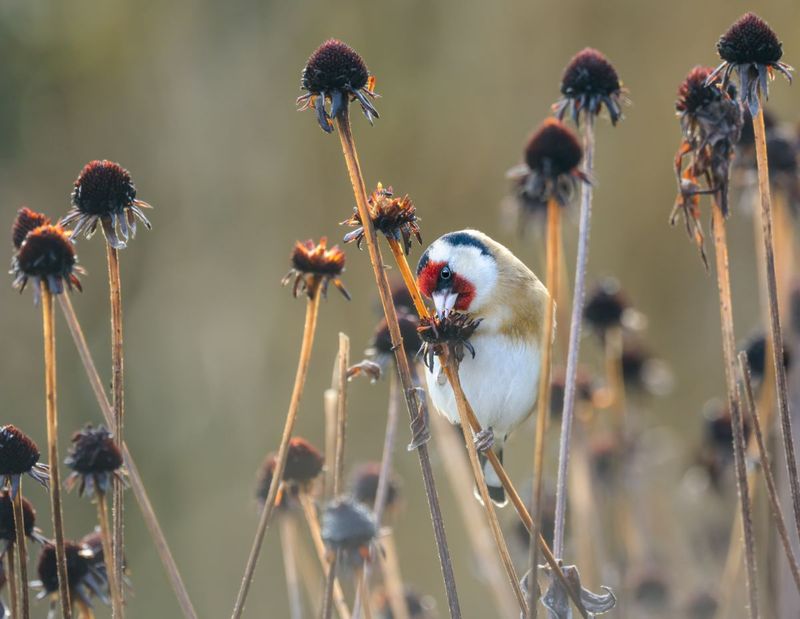
Those brown, dome-shaped centers left behind after the petals fade are packed with tiny seeds that birds absolutely love. Goldfinches, chickadees, and sparrows will visit your garden all winter to snack on them.
By leaving the seed heads standing, you turn your flower bed into a natural bird feeder. Michigan winters can be tough on wildlife, so this free food source really matters during the cold months when other snacks are hard to find.
Standing stems also add something special to a sleeping garden. When frost coats them and snow piles around their bases, they create texture and shape that keeps your yard from looking bare and flat.
The stems catch snow and give your garden a sculpted, wild look that many people find beautiful. You get winter interest without any extra work or planting.
There is a bonus for the plants themselves too. The old stems provide winter interest and can offer habitat for insects and wildlife.
If you enjoy watching birds from your window, this simple choice pays off in cheerful visitors all season. Grab a warm drink and enjoy the show.
Come early spring, you can trim everything back once the birds have finished feeding. Waiting rewards both your feathered friends and your future flowers, making it one of the easiest ways to support nature right in your own backyard.
2. Wait Before Cutting Healthy Foliage

It can be tempting to grab your shears the moment the flowers fade, but hold on. Those green leaves are still doing important work for your plant.
Even after blooming stops, the foliage keeps soaking up sunlight and turning it into energy. That energy travels down to the roots, where it gets stored for next spring’s growth.
Cutting green leaves too early is like taking away the plant’s lunch before it finishes eating. The roots need that fuel to build a strong start when warm weather returns.
In Michigan, the fall growing season gives plants a valuable stretch of time to store up reserves before the ground freezes. Every extra week of healthy leaves helps.
A good rule is to watch the leaves closely. As long as they stay green and firm, leave them alone and let them keep working.
Your Michigan Garden Changes Every Week. Your Plan Should Too.
Gardening in Michigan changes quickly throughout the season. Every Friday you’ll receive a simple weekly plan showing exactly what to plant, prune, fertilize, harvest, and protect so you never miss the right timing.
Once the foliage naturally turns brown and flops over, you will know the plant has finished storing energy for the year. That is the signal that cutting back is fine.
Patience here really pays off. Plants that keep their leaves through fall often come back thicker, taller, and covered in more blooms the following summer.
So resist the urge to tidy up too soon. Giving your black-eyed Susans time to finish their natural cycle is one of the kindest things you can do for them.
Think of it as trusting the plant to know its own schedule. Nature has a rhythm, and following it leads to happier, healthier flowers.
3. Remove Diseased Leaves And Stems
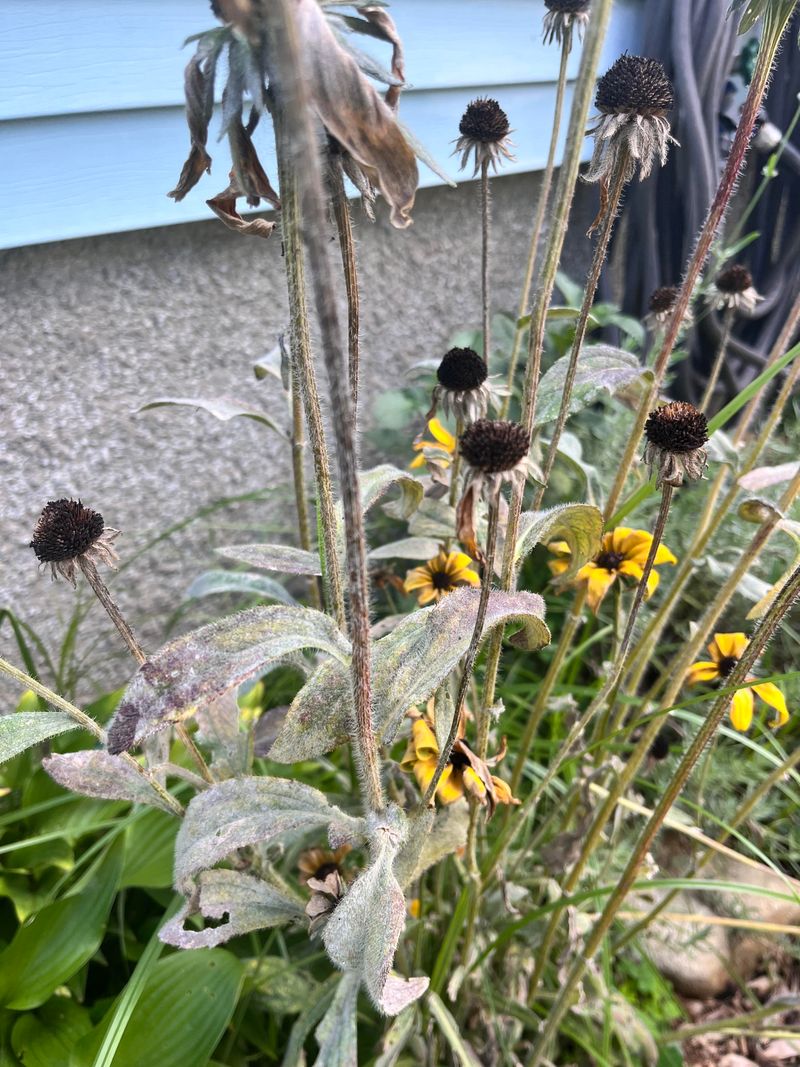
Sometimes black-eyed Susans pick up trouble like leaf spots, powdery mildew, or browning that spreads across the plant. When you spot these signs, it is time to act.
Trimming away sick leaves and stems keeps the problem from spreading to healthy parts of the plant or to nearby flowers. A little cleanup now saves you bigger headaches later.
Many plant illnesses hide in fallen leaves and old stems through winter, then jump back onto fresh growth in spring. Removing that infected material breaks the cycle.
Look for leaves covered in dark spots, a white dusty coating, or yellowing that seems to be creeping outward. These are the pieces you want to snip off and clear away.
Avoid composting diseased plant material unless you are sure your compost reaches temperatures high enough to break down pathogens.
Instead, bag the affected material and throw it in the trash. Keeping it far from your beds is the safest choice.
Clean your pruning tools with a little rubbing alcohol between cuts too. That simple step stops you from accidentally spreading germs from one plant to another.
Good airflow also helps prevent future issues, so clearing crowded, sickly growth lets fresh air move through the plant. Healthy circulation keeps leaves drier and less likely to develop problems.
Staying on top of disease each fall means your black-eyed Susans start the new season fresh and strong. A quick check and trim go a long way toward a thriving, colorful garden.
4. Decide Whether You Want Self-Seeding

Black-eyed Susans are famous for spreading themselves around, and how you handle the faded flowers decides how much they multiply. It all comes down to those seed heads.
Leaving the seed heads in place lets the plants drop their seeds naturally. Come spring, you might find brand-new baby plants popping up all over your garden.
For gardeners who love a full, wild, cottage-style look, this free spreading is a delightful gift. Your flower patch grows bigger each year without you spending a single dollar.
On the other hand, too many volunteers can crowd out other plants you love. If you like a neat and controlled garden, that surprise spreading might feel like a bit much.
To keep things in check, snip off the spent flowers before they scatter their seeds. This simple move called deadheading stops most of the self-seeding.
You can also strike a happy middle ground. Leave a few seed heads for the birds and remove the rest to limit how far the plants travel.
Another option is to collect the seeds yourself. Shake the dried heads into a paper bag, store them somewhere cool and dry, then plant them exactly where you want new flowers.
Thinking ahead about your garden’s style helps you make the right call. There is no wrong answer, just a choice that fits how you like your space to look.
Whether you welcome the spread or keep it tidy, understanding this habit puts you in charge of your garden’s future.
5. Avoid Heavy Fall Fertilizer
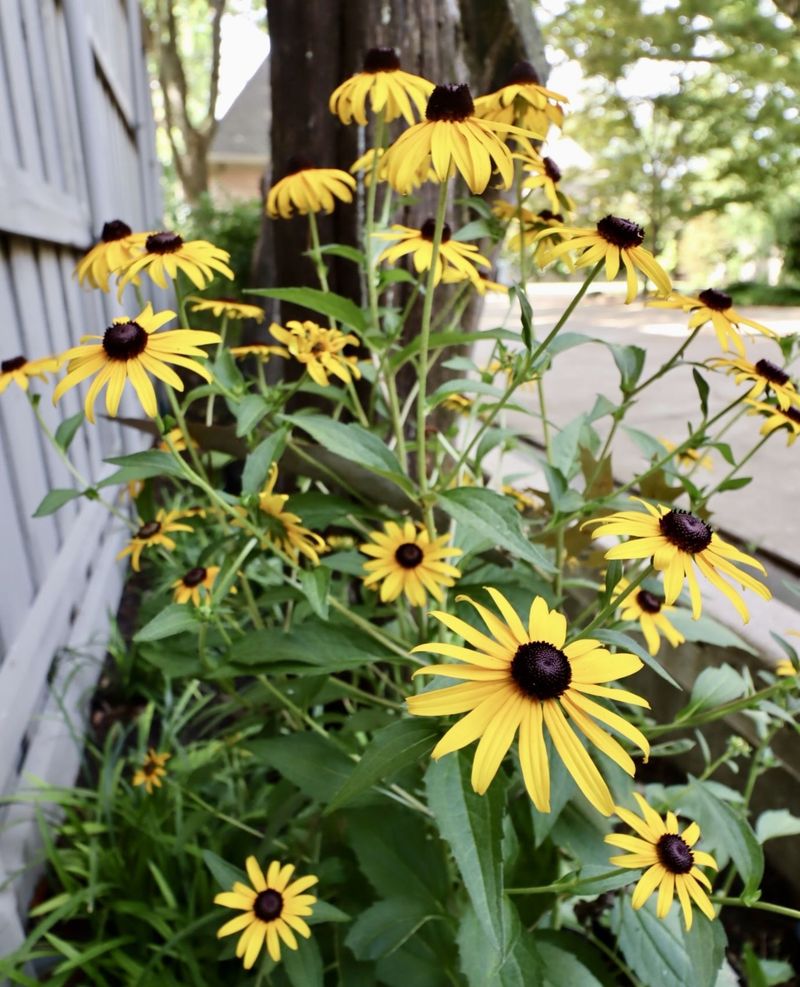
You might think a big scoop of fertilizer helps your black-eyed Susans finish the year strong, but fall is actually the wrong time for that. These tough plants do just fine without it.
As the season cools, your plants are naturally slowing down and getting ready to rest for winter. Feeding them now can confuse that process.
Heavy fertilizer pushes out tender new growth right when the plant should be winding down. That fresh, soft growth cannot handle Michigan’s freezing temperatures and often gets damaged.
What your black-eyed Susans really need in fall is strong roots and a smooth slide into dormancy. Forcing new leaves works against both of those goals.
Black-eyed Susans are naturally low-maintenance and rarely need much feeding at all. They thrive in average soil and often perform best when you leave them alone.
If your soil is truly poor, a light layer of compost in spring gives all the nourishment they need. Save the feeding for the growing season, not the resting one.
Skipping fall fertilizer also saves you money and effort. Fewer chores in autumn means more time to enjoy the changing leaves and cooler days.
Focus instead on gentle steps like clearing debris and letting the plant settle in. A calm, well-rested plant returns full of energy when warmth comes back.
Trusting your black-eyed Susans to prepare on their own is often the smartest move. These reliable bloomers know how to get ready for winter without a push from the fertilizer bag.
6. Check For Overcrowded Clumps

After a few good years, black-eyed Susans grow into big, packed clumps. While that sounds great, too much crowding can actually slow them down.
When roots get squished together, plants compete for water, food, and space. The result is often fewer flowers and weaker, floppy stems.
Crowded clumps also trap moisture and block airflow, which invites diseases like mildew to move in. Giving your plants room to breathe keeps them healthier.
The fix is simple and even gives you free plants. Dividing the clump into smaller pieces refreshes the whole patch.
Every three to four years is a good schedule for splitting them up. You will know it is time when the center looks bare or blooming drops off.
To divide, dig up the whole clump and gently pull or cut it into sections, each with roots and shoots. Then replant the pieces with space between them.
Early fall or spring works best for this job in Michigan, giving roots time to settle before harsh weather arrives. Water the new divisions well to help them adjust.
You can plant the extras in other spots around your yard or share them with friends and neighbors. Everyone loves a free flowering gift.
Dividing may feel like a big task, but the payoff is huge. Your refreshed plants will reward you with stronger stems, better airflow, and loads more cheerful golden blooms next summer. A little digging now sets up years of gorgeous color ahead.
7. Prepare The Garden Bed For Spring
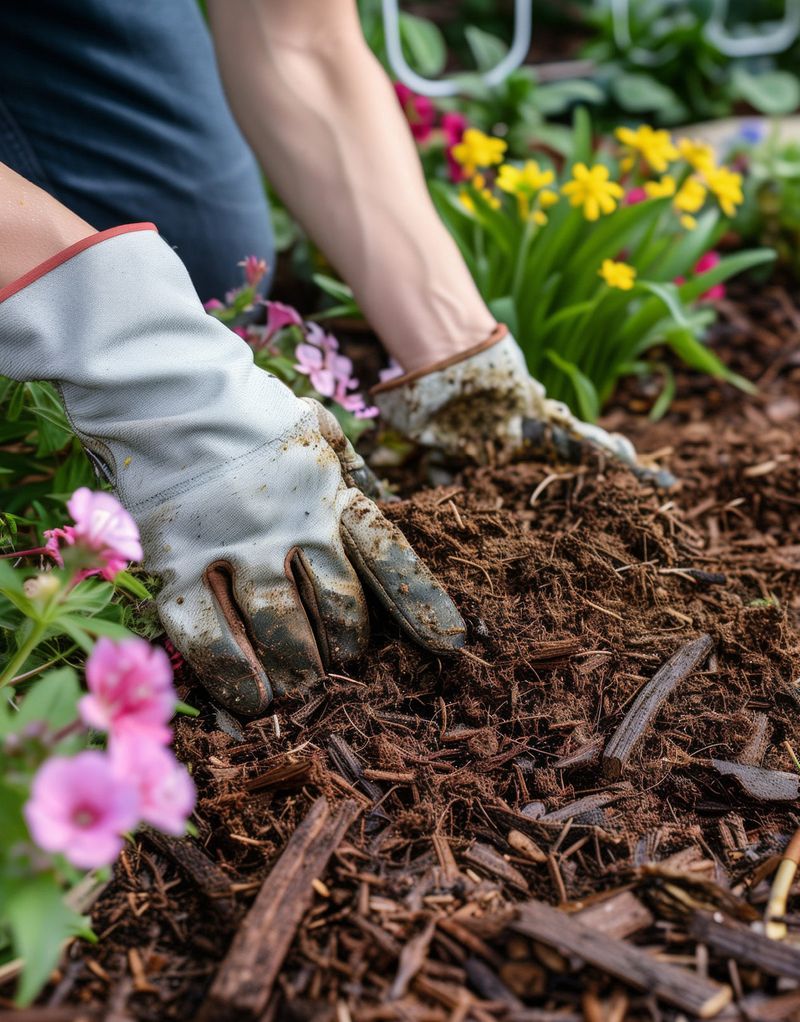
Getting your garden bed ready in fall is like tucking your plants in for a long winter nap. A little care now means a big payoff when spring rolls around.
Start by clearing out any problem debris, like diseased leaves or messy piles of old stems. A clean bed gives fewer hiding spots for pests and plant troubles.
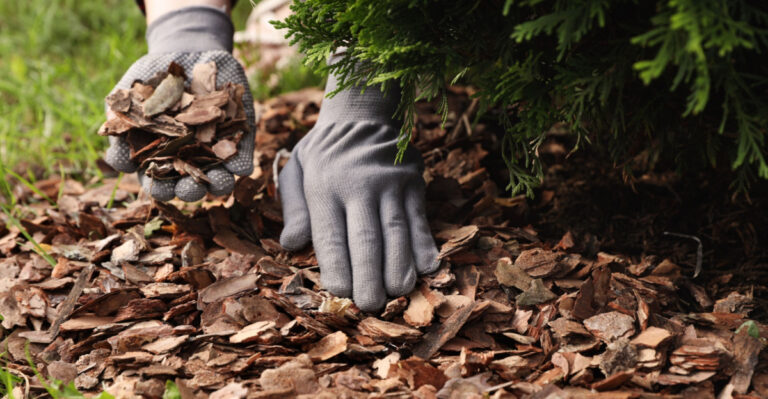
Next, think about mulch. A layer a couple inches thick helps hold moisture and shields roots from Michigan’s freezing and thawing cycles.
Be careful not to pile mulch right against the plant’s crown, which is the spot where stems meet the roots. Smothering that crown can cause rot and weaken the plant.
Leave a small gap around the base so the crown can breathe. This little detail makes a real difference in how well your plants survive winter.
Good mulch choices include shredded leaves, bark, or straw. These natural materials break down slowly and feed your soil over time.
Take a moment to check the soil too. If it feels dry before the ground freezes, give your plants one last deep drink of water.
Clearing weeds now also saves you work later, since fewer weeds in fall means fewer battles in spring. A tidy bed starts the new season on the right foot.
With these simple steps done, your black-eyed Susans are set up to bounce back beautifully. When the snow melts and the sun returns, you will be rewarded with strong, healthy plants ready to burst into golden color once again.