Michigan Gardeners Can Use These 8 Tips To Trigger Christmas Cactus Blooms
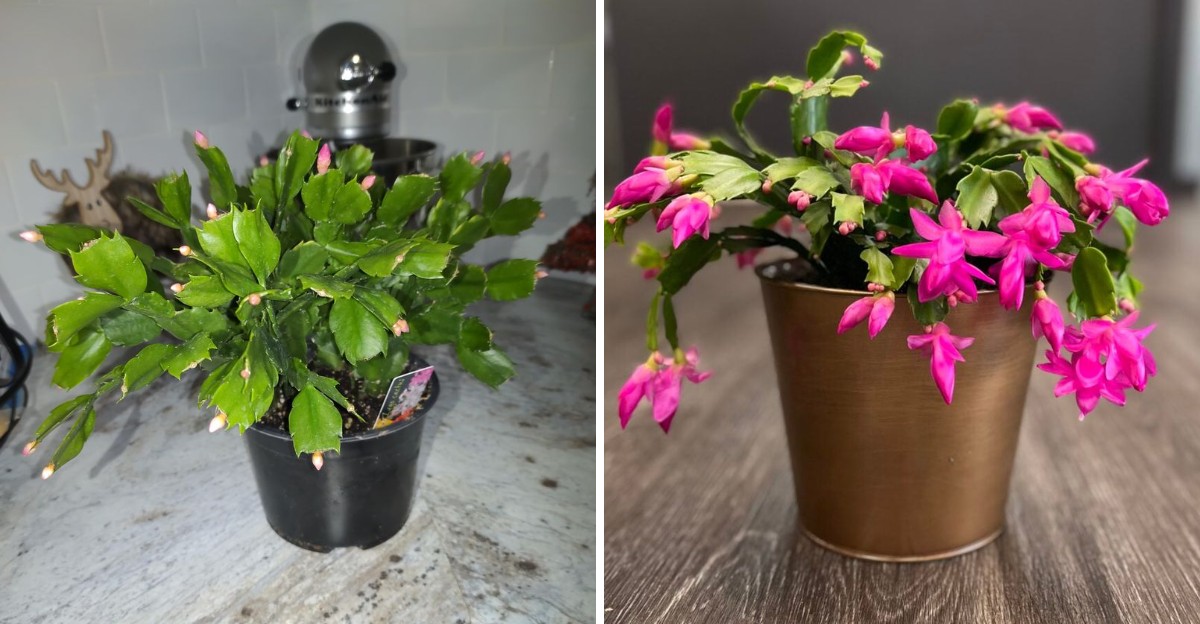
A Christmas cactus can look pretty smug in October. It sits on the windowsill, healthy and green, doing nothing, while you wait for the holiday show you were promised.
Here is the plot twist: the plant is not being lazy. It is waiting for instructions.
Long dark nights, cool air, a little less water, and a steady spot tell it that winter is coming, which is its cue to make buds. Skip those signals and you may get a lovely green plant with no flowers.
Give them, and buds can show up within a few weeks, with blooms following in time to brighten a gray Michigan afternoon. The eight tips below cover each signal, plus a few habits that keep the buds from dropping.
Time to treat that cactus like the diva it clearly is.
1. Give Your Plant Long, Dark Michigan Nights
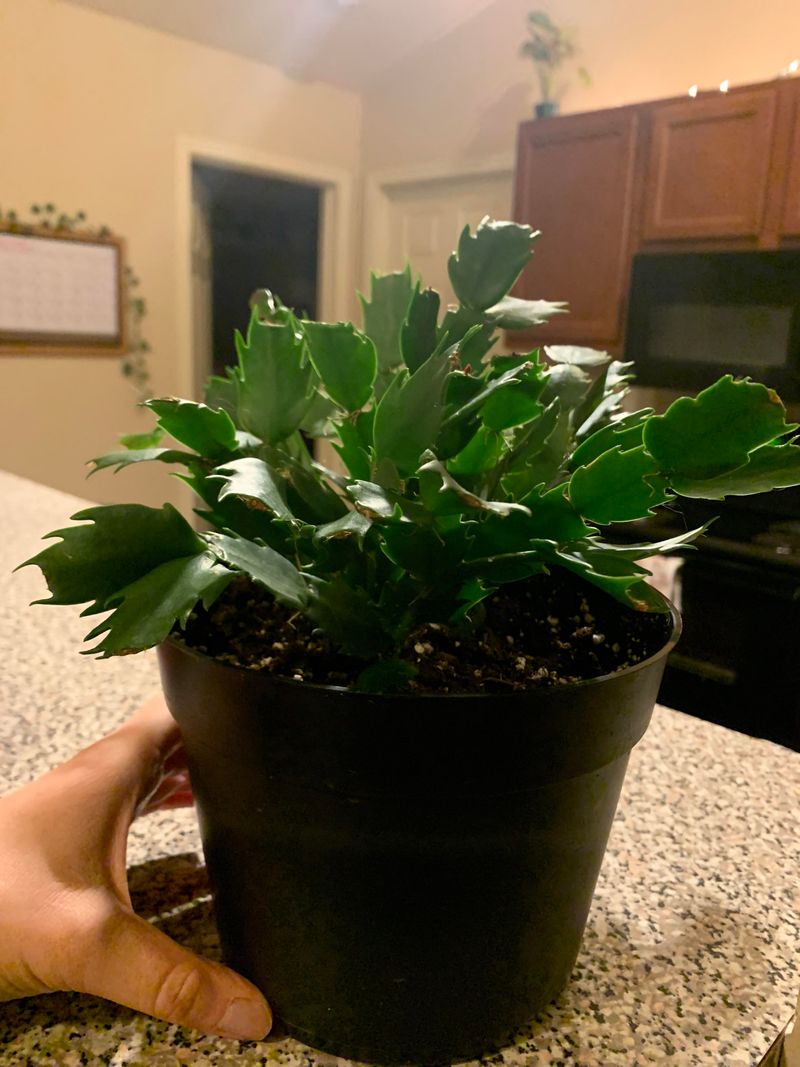
Darkness is the secret switch that tells a Christmas cactus to bloom. Starting in late September or early October, your plant needs long, uninterrupted nights, at least 12 to 14 hours of darkness.
Some extension sources, including the University of Georgia and Clemson, call for 13 to 16 hours, so the longer end is a safer target.
Michigan helps here, since fall nights stretch out fast across the state. The catch is indoor lighting, which can confuse your plant without you noticing.
A lamp clicking on at 9 p.m. counts as daytime to the cactus. Even a TV glow or a hallway nightlight can interrupt its rhythm and delay buds.
University of Georgia Extension notes that as little as two hours of interrupted light can hold back bud set.
Try moving the pot to a spare bedroom, a quiet guest room, or a closet with a door that stays shut. Some gardeners simply cover the plant with a cardboard box each evening and lift it off in the morning.
Plan on about six to eight weeks of this routine. Tiny buds often show up around the four-week mark, looking like little pink or red beads at the tips of the stems.
Keep going anyway. Extension guidance says the long nights should continue for at least six continuous weeks so the plant can finish setting buds.
After that, your plant can return to its regular spot and a normal evening routine.
A simple trick helps you stay on track. Set a phone reminder for cover time and uncover time, so busy evenings don’t throw off the plan.
2. Let Cool Fall Temperatures Work For You
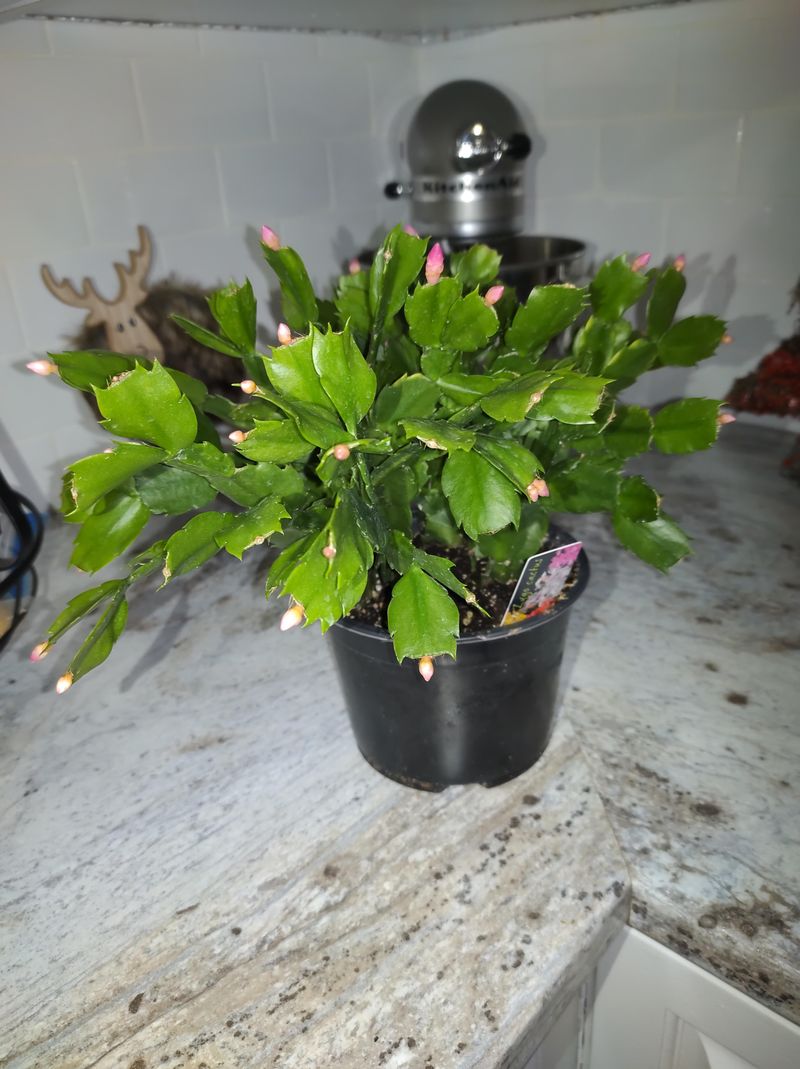
Cool air acts like a wake-up call for buds. A Christmas cactus loves nights between 50 and 60 degrees Fahrenheit during early fall.
Luckily, Michigan autumns deliver that kind of chill almost by default. A sunroom, an enclosed porch, or a cool basement window can be a perfect setup.
Warm homes are a common reason plants refuse to flower. If your thermostat sits at 72 all day, buds may stay hidden or simply refuse to form.
Here is a helpful rule of thumb. Cooler nights can sometimes trigger blooms even when darkness isn’t perfect, so temperature gives you a backup plan.
Your Michigan Garden Changes Every Week. Your Plan Should Too.
Gardening in Michigan changes quickly throughout the season. Every Friday you’ll receive a simple weekly plan showing exactly what to plant, prune, fertilize, harvest, and protect so you never miss the right timing.
Watch out for frost, though. Anything below 45 degrees can harm the leafy segments, and an early October cold snap in northern Michigan can sneak up fast.
Keep a cheap thermometer near the plant to track readings. Many gardeners are surprised to learn their “cool” room is actually warmer than they thought.
Drafts matter too. Avoid spots right next to heating vents or a front door that opens all day, since sudden swings in temperature can cause buds to drop.
Think steady and cool, not freezing. Your plant will reward that calm, crisp environment with plenty of flowers.
3. Ease Up On Watering Before Winter Arrives
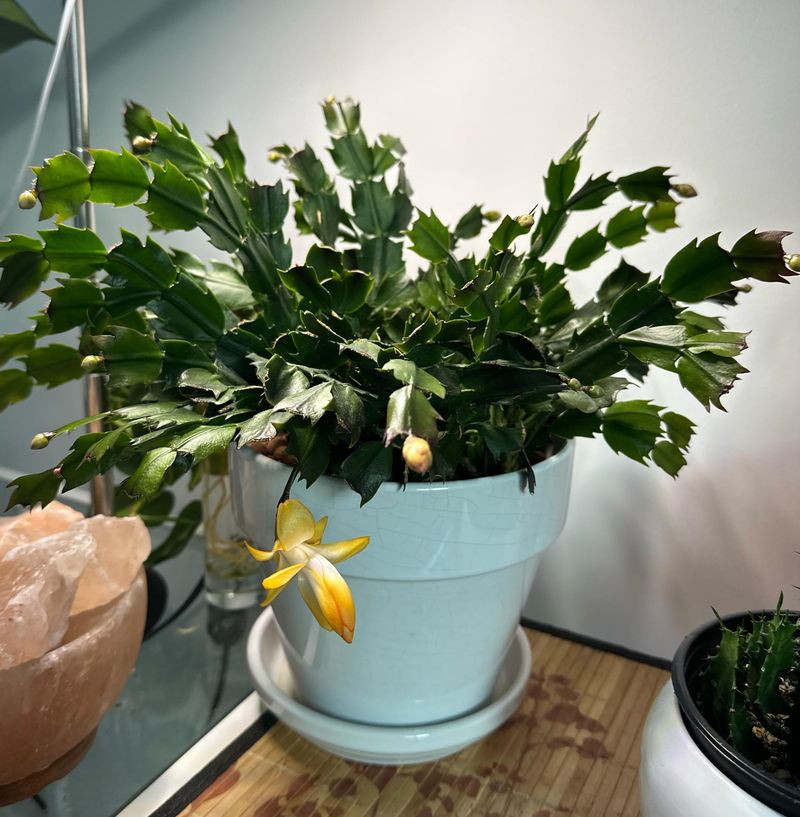
Funny enough, a little thirst can push your plant toward blooming. During October, cut back on watering so the top inch of soil dries out between drinks.
This short dry spell signals that the growing season is wrapping up. The plant shifts its energy from making new stems to producing flowers.
Don’t let the soil turn bone dry for weeks, though. Shriveled, limp segments mean your cactus is asking for a drink.
A finger test works great. Push your finger into the soil, and if it feels dry to the first knuckle, give it a moderate watering.
Michigan homes get dry once furnaces kick on in late fall. Indoor air can drop to low humidity levels, which pulls moisture from soil faster than in summer.
Because of that, check the pot more often once the heat runs daily. Your watering schedule may need small adjustments from week to week.
After buds form, return to regular watering. Steady moisture during flowering helps keep those buds from falling off before they open.
Always let extra water drain out of the pot. Soggy roots sitting in a saucer can lead to rot, which is one of the biggest problems these plants face indoors.
4. Find Bright, Indirect Sunlight
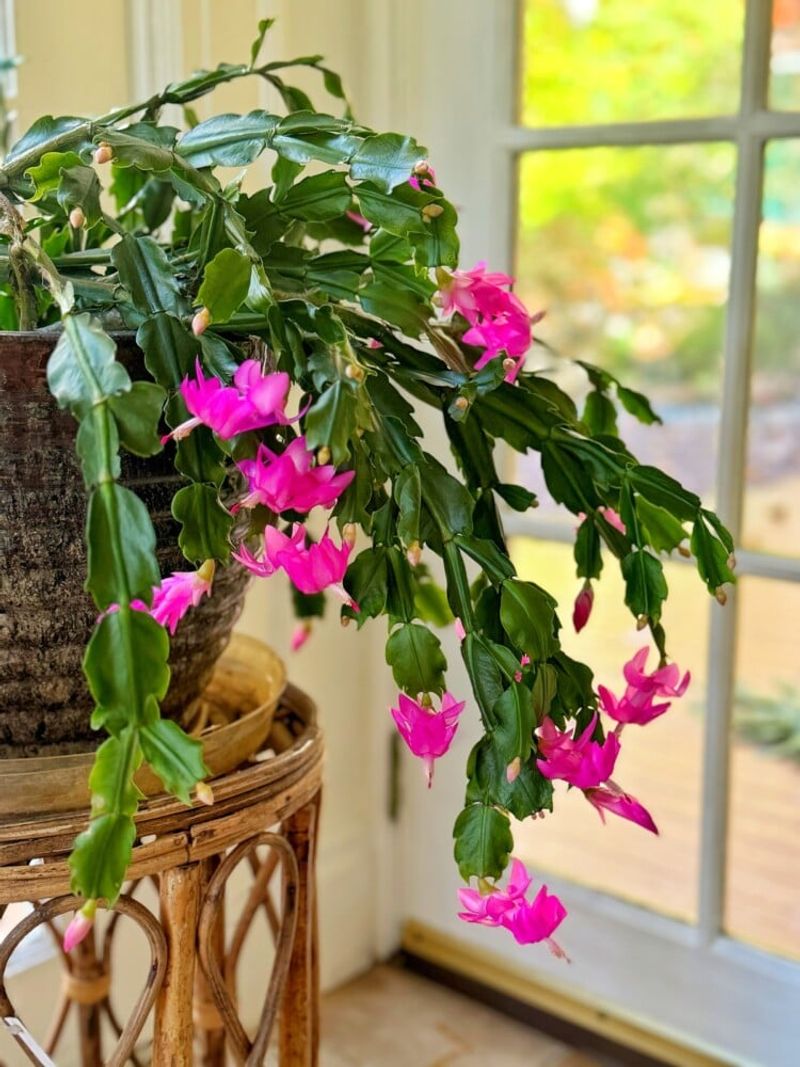
Here’s a plant that grows wild on tree branches in Brazilian rainforests. That background explains why it prefers filtered light instead of harsh, direct sun.
An east-facing window is a great choice in most homes. Morning light is gentle, and the plant gets a nice boost without scorching.
South or west windows can work too with a sheer curtain. Too much hot afternoon sun can turn the leaves reddish or pale.
Michigan winters bring short days and plenty of cloudy skies, especially near the Great Lakes. Lake-effect clouds can block the sun for days in places like Grand Rapids and Traverse City.
During those gray stretches, move your plant closer to the brightest window you have. Daytime light still matters, even while you protect its nighttime darkness.
A balance between bright days and dark nights is the goal. Think of it like a regular sleep schedule for your cactus.
Rotate the pot a quarter turn every week or so before buds form. That keeps growth even and helps flowers appear all around the plant.
Once buds show up, stop rotating. Turning the pot too much at that stage can cause some buds to drop.
5. Feed Smart Through The Growing Season
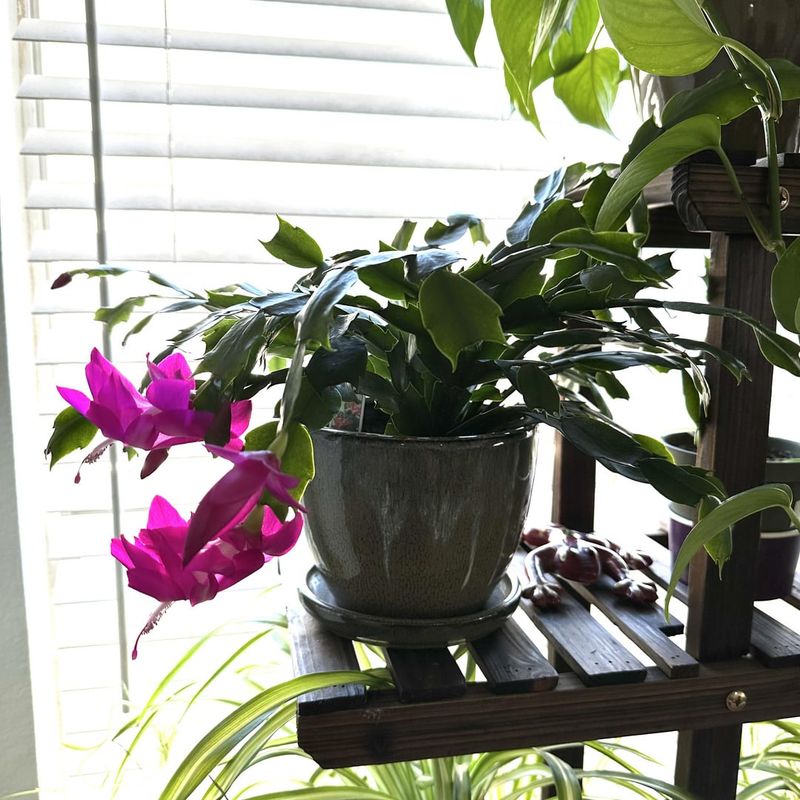
Strong blooms in December begin with good meals back in spring and summer. Feeding builds healthy stems that later carry plenty of flowers.
From April through August, use a balanced houseplant fertilizer at half strength. Once or twice a month is plenty for most plants.
Some growers like a blossom-boosting formula in late summer. These mixes contain more phosphorus, which supports flower development.
Many Michigan gardeners also set their plants outside in a shady spot during summer. Warm July air and fresh breezes can make them grow lush and full.
Bring them indoors before temperatures dip under 50 degrees. In the Upper Peninsula, that might mean late August or early September.
Stop fertilizing around the end of summer. Feeding into fall encourages new leafy growth instead of buds, which works against your goal.
Here’s a fun tip some longtime growers swear by. A pinch of Epsom salt dissolved in water once a month during summer can provide magnesium, which these plants seem to enjoy.
Don’t overdo it, though. More fertilizer isn’t better, and too much can burn roots and leave crusty white buildup on the soil.
6. Keep Your Plant Snug In Its Pot
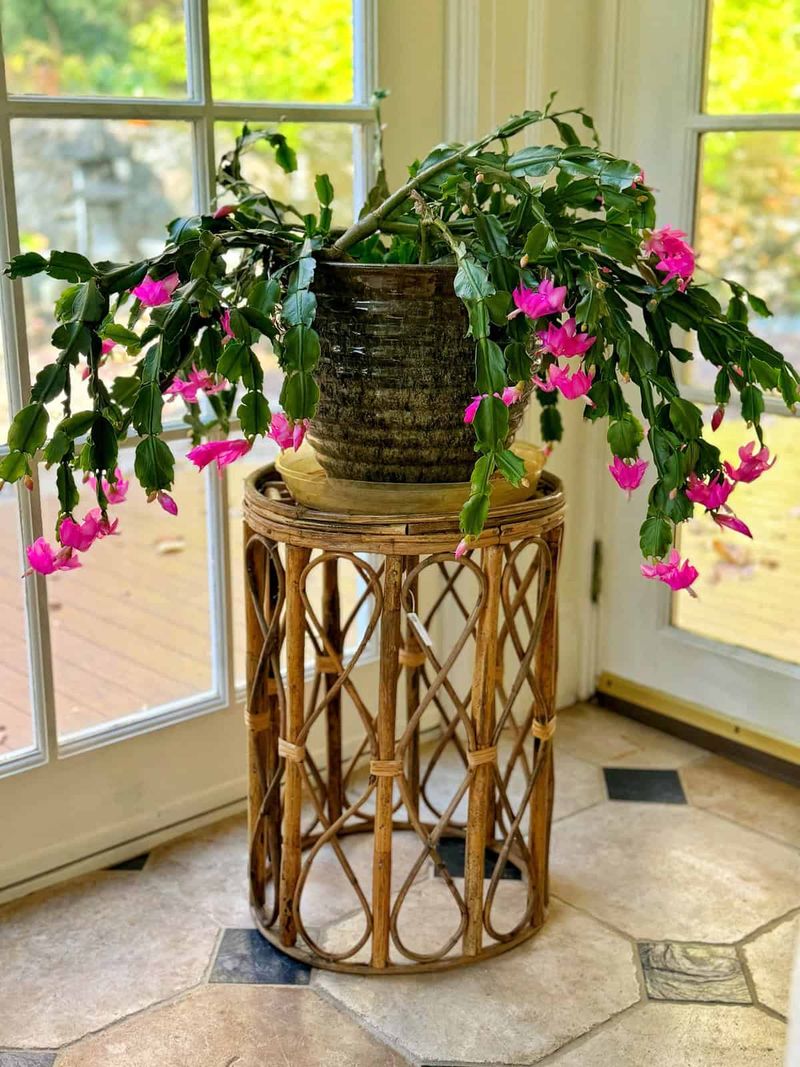
Grandma’s old Christmas cactus that bloomed year after year in the same pot wasn’t just lucky. These plants actually like being a bit crowded.
A slightly root-bound plant often flowers better than one in a roomy container. Tight roots seem to nudge the plant toward blooming instead of spreading out.
Repot only every three years or so. When you do, move up just one pot size, about an inch or two wider.
Choose a pot with drainage holes every time. Terracotta works well because it breathes and helps soil dry evenly.
For soil, mix regular potting soil with perlite or orchid bark. A cactus blend also works, giving roots the airy texture they love.
The best time to repot is after the blooms fade, in late winter or early spring. Avoid repotting in fall or while buds are on the plant, since disturbing the roots at that stage can stress it and may cost you buds.
Cuttings root easily, so passing a piece along to a friend or relative is simple. Keeping your plant snug and happy helps continue that tradition.
Who knows, your cactus might become a family treasure someday too.
7. Prune In Late Spring For Fuller Blooms
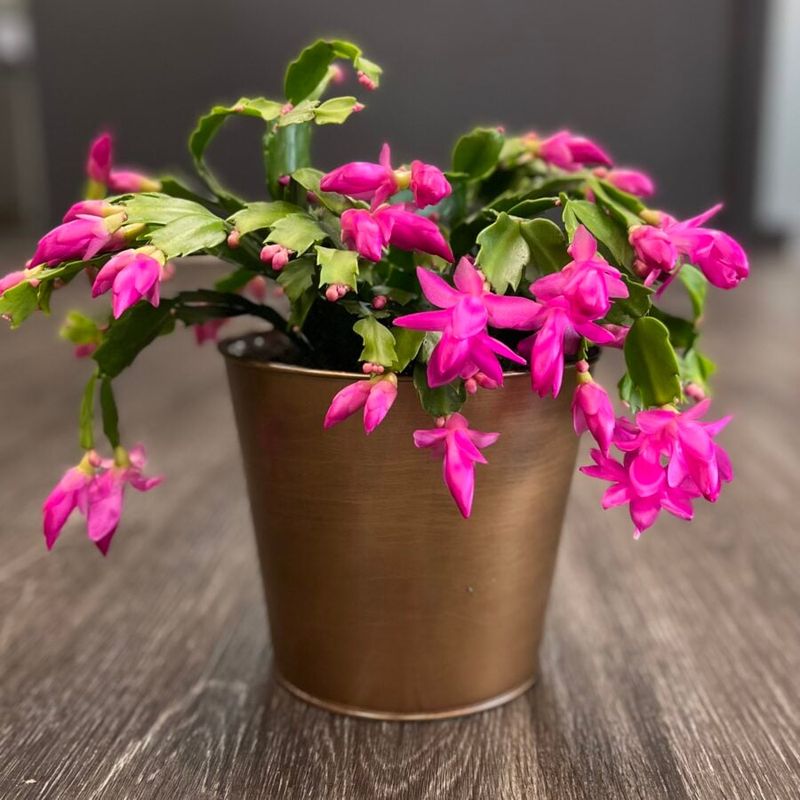
More stem tips usually mean more flowers. Each bloom forms at the end of a segment, so a bushier plant can give you a bigger show.
The best time to prune is after flowering wraps up and before new spring growth begins. In many Michigan homes, that falls in late winter, roughly late January into March, depending on when your plant finished blooming.
Skip pruning while buds or flowers are still on the plant.
Simply twist off one or two segments from the ends of each stem. Use clean fingers or small scissors, making the break right at a joint.
Pruning encourages the plant to branch out. Within weeks, you may notice new little segments popping up where you trimmed.
Pruning is optional, though, so don’t worry if you skip a year. A plant left alone can still bloom well.
Don’t toss those trimmings. Let them sit out of direct sun for two or three days so the cut ends can callus over, then tuck them into moist potting mix to grow brand new plants.
Rooting usually takes about four to six weeks.
Cuttings make fantastic gifts for neighbors, teachers, or friends.
A balanced, rounded shape also looks nicer on a table or shelf. Trimming helps keep long, floppy stems from drooping over the side.
Think of it like a winter haircut that sets up next year’s holiday show.
8. Protect Buds From Sudden Changes
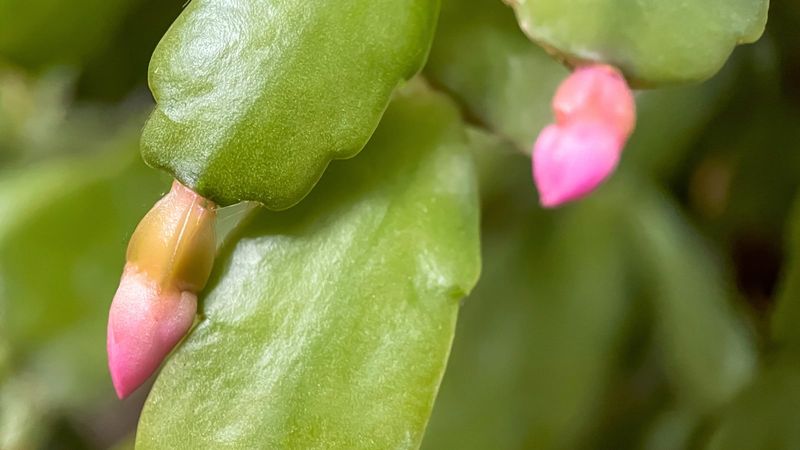
Nothing stings quite like watching dozens of buds drop to the floor overnight. Bud drop is the most common frustration growers face.
The usual cause is change. Moving the plant, a blast of cold air, or a sudden warm spot can all stress it.
Once buds form, pick a permanent spot and leave it there. Your cactus prefers a calm, steady routine during its big moment.
Michigan holidays bring lots of activity, with doors opening for guests and furnaces working overtime. Keep the plant away from entryways, fireplaces, and heat vents.
Steady watering matters too. Letting soil dry completely while buds are swelling can make the plant shed them.
Humidity helps as well. Set the pot on a tray of pebbles with a little water, keeping the pot above the waterline.
Shopping for a new plant at a Michigan garden center in winter? Have it wrapped well for the ride home, since even a short trip in freezing air can shock the buds.
With patience, your reward arrives in shades of pink, red, white, or purple. Flowers can last for weeks, brightening even the gloomiest snowy afternoon.