The Yellow Texas Native You’ll Start Seeing Everywhere As Fall Approaches
There’s a shift that happens in the Texas landscape as summer heat finally begins to ease and fall approaches.
The colors that dominated through the long hot months start giving way to something different, and one native Texas plant leads that transition more visibly and more reliably than almost anything else in the late season landscape.
It’s yellow. Boldly, unmistakably yellow. This native blooms in the window between summer and fall with a generosity that makes it impossible to overlook once you know what you’re looking at.
Roadsides, open fields, the edges of gardens, and increasingly the intentional plantings of Texas homeowners who have discovered what this plant delivers at exactly the moment when the rest of the landscape is starting to look tired and faded.
You’re going to start seeing it everywhere as fall approaches. Here’s what it is, what it does for Texas wildlife, and why your yard should have some of it too.
The Fall Wildflower Covering Texas Landscapes
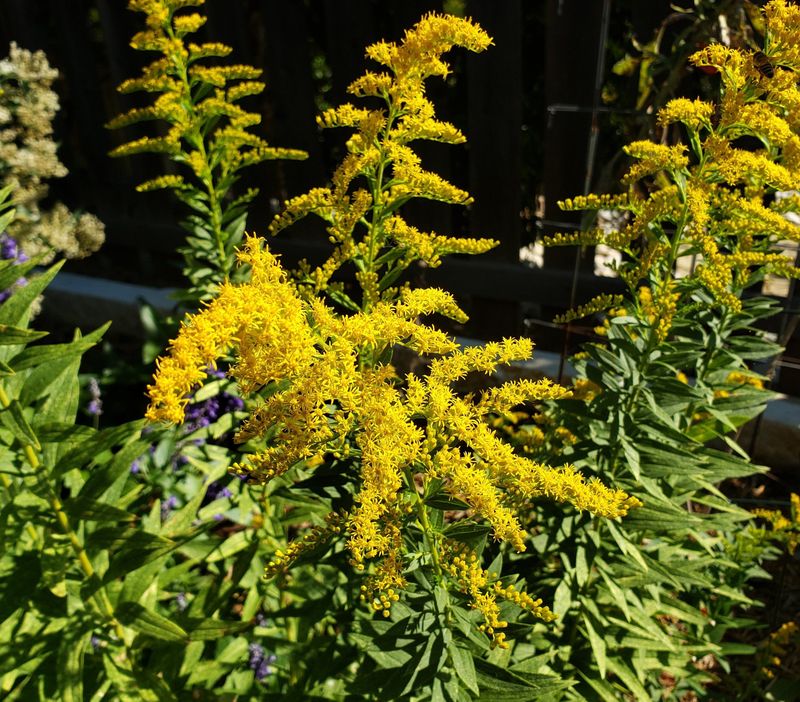
Picture driving down a Texas country road in early fall. Suddenly, waves of golden yellow flowers seem to line every ditch and field.
That eye-catching plant is goldenrod, and it is one of the state’s most reliable native wildflowers.
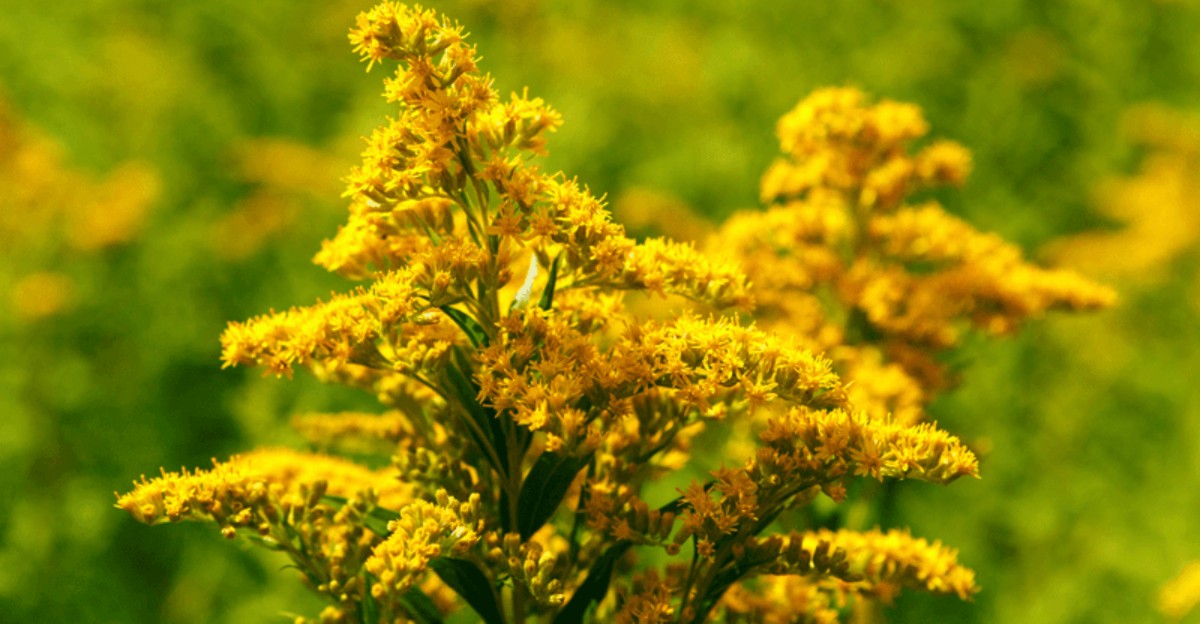
Goldenrod belongs to the aster family, the same group that includes sunflowers and daisies. Its tall stems hold clusters of tiny yellow blooms that gather at the top like a fluffy plume. Some plants grow low and bushy, while others stretch taller than a person.
What makes goldenrod special is its timing. When summer heat starts to slow down other flowers, goldenrod comes alive. It fills the gap and keeps the land colorful when green grasses are turning brown and dry.
Texas is home to several native goldenrod species. You might see tall goldenrod, gray goldenrod, or Gulf goldenrod depending on where you live. Each one shares that same warm, sunny shade of yellow.
Because it is native, goldenrod is built for Texas weather. It handles heat, poor soil, and dry spells without much fuss. That toughness helps it thrive where fancy garden flowers would struggle.
Farmers, hikers, and photographers all notice goldenrod once fall arrives. Its bright blooms become a signal that cooler days are on the way. For many people, spotting the first goldenrod feels like a natural welcome sign for autumn.
Learning to recognize this plant opens your eyes to the changing seasons. Once you know what goldenrod looks like, you will start seeing it in fields, along fences, and near creek beds all across the state.
Why Goldenrod Appears In Late Summer And Fall
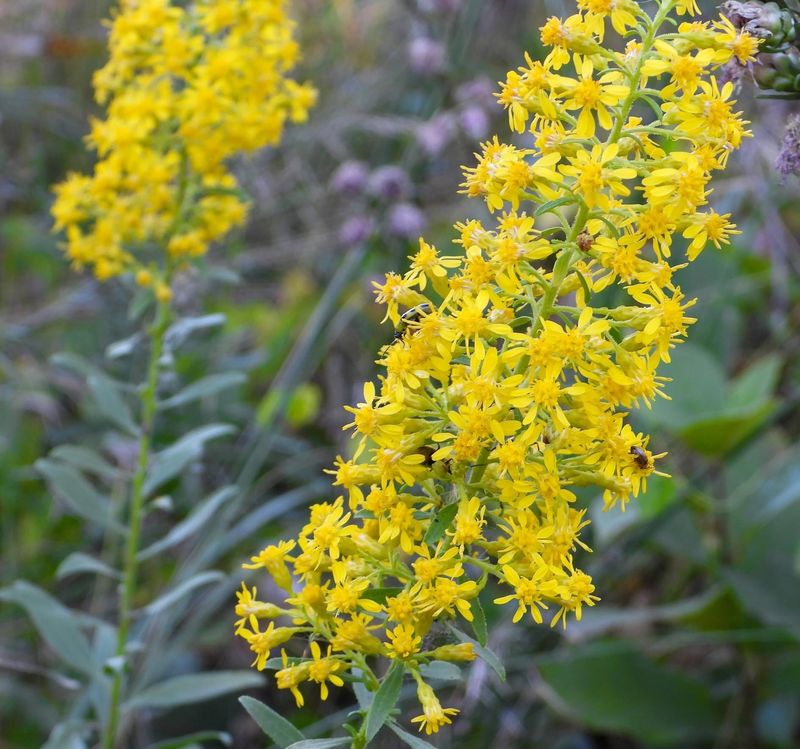
Ever wonder why goldenrod waits until the end of the year to put on its big show? The answer lies in how the plant reads the changing seasons.
As days grow shorter and nights get longer, goldenrod senses the shift and begins to bloom.
Most goldenrod plants flower between late August and October. During spring and summer, they spend their energy growing tall stems and strong roots. Only when the light changes do they burst into that famous yellow color.
Your Texas Garden Changes Every Week. Your Plan Should Too.
Gardening in Texas changes quickly throughout the season. Every Friday you’ll receive a simple weekly plan showing exactly what to plant, prune, fertilize, harvest, and protect so you never miss the right timing.
This timing is no accident. Blooming late helps goldenrod avoid competing with the crowd of spring and summer wildflowers. By flowering after others fade, it gets more attention from hungry insects.
Cooler weather also plays a part. Goldenrod handles the shift into autumn better than many plants. Its blooms can last for weeks, holding their color even as temperatures start to drop.
The plant’s late schedule makes it a valuable source of color. When fields turn brown and trees begin to change, goldenrod keeps the landscape looking alive and cheerful.
This burst of yellow also acts like nature’s calendar. Seeing goldenrod spread across the land tells you that fall has truly begun.
It marks the bridge between the sizzling summer months and the quieter, cooler days ahead.
For gardeners and nature lovers, understanding this cycle is helpful. If you plant goldenrod, you can expect it to shine right when your other flowers are winding down.
That makes it a smart pick for keeping your yard colorful longer. Its perfect timing is one reason goldenrod feels so special every single fall season.
Goldenrod Supports Late-Season Pollinators
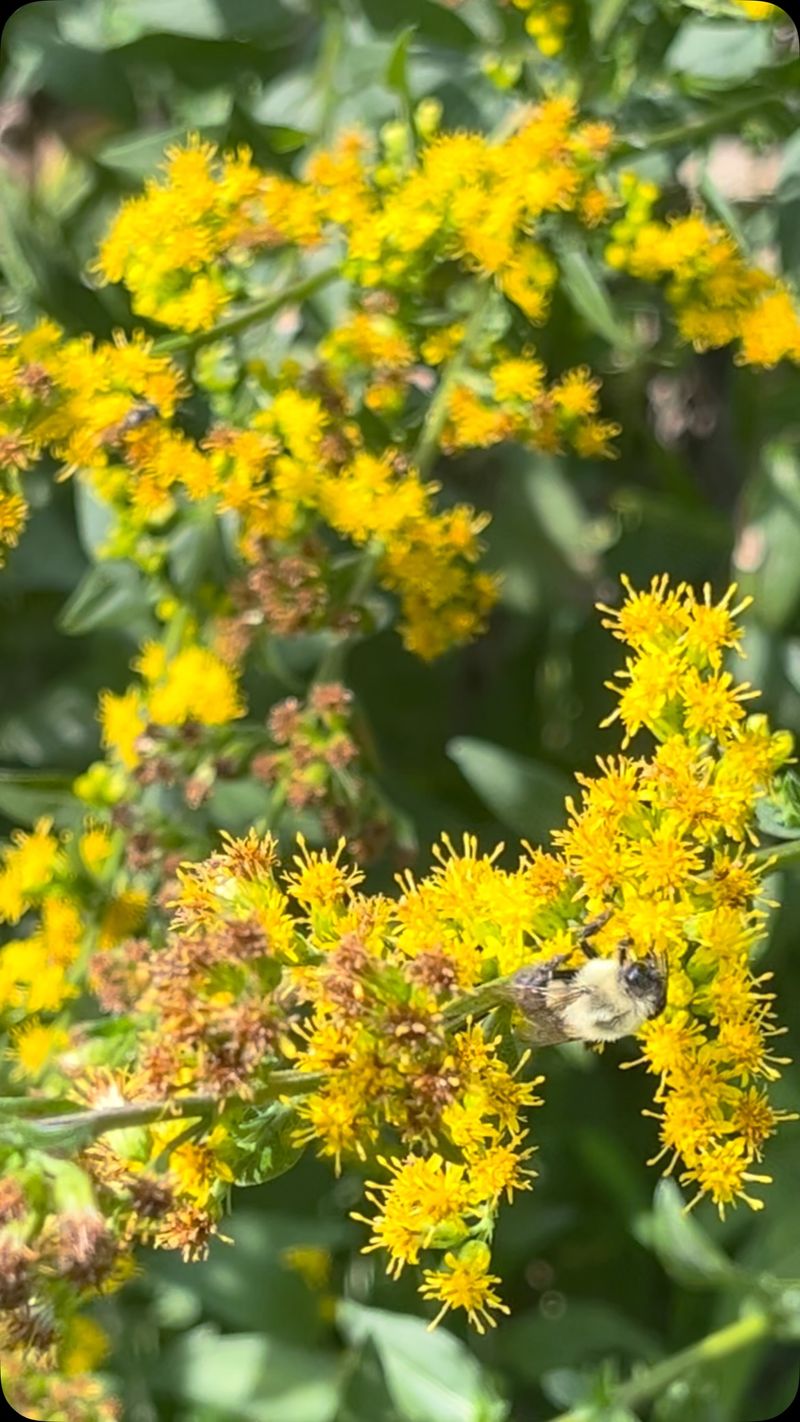
Buzzing bees and fluttering butterflies have a big reason to love goldenrod. When most flowers have finished blooming, goldenrod becomes one of the last big meals available. Its nectar and pollen give pollinators the fuel they need before winter arrives.
Bees are some of goldenrod’s biggest fans. Honeybees and native bees visit the golden blooms again and again, gathering pollen to store in their hives. This late-season food helps colonies stay strong through the colder months.
Butterflies also flock to goldenrod. Monarch butterflies passing through Texas on their long journey south stop to sip its nectar. That quick energy boost helps them keep flying toward warmer places.
Beyond bees and butterflies, goldenrod welcomes many other helpful insects. Beetles, wasps, and flies all visit the flowers.
Some of these bugs even help control garden pests, making goldenrod a friend to farmers and gardeners alike.
Because goldenrod blooms so late, it fills an important gap. Many plants stop offering food by early fall, leaving pollinators hungry. Goldenrod steps in right when they need help the most.
Supporting pollinators matters more than you might think. These insects help plants make seeds and fruits, which feed birds, animals, and even people. A healthy pollinator population keeps the whole outdoor world in balance.
By keeping goldenrod around, you give bees and butterflies a fighting chance late in the year. Whether it grows wild or in your yard, this plant acts like a busy roadside diner for tired, hungry insects.
Next time you see goldenrod, look closely. You will probably spot dozens of tiny visitors enjoying its golden treat.
Where Goldenrod Grows Across Texas
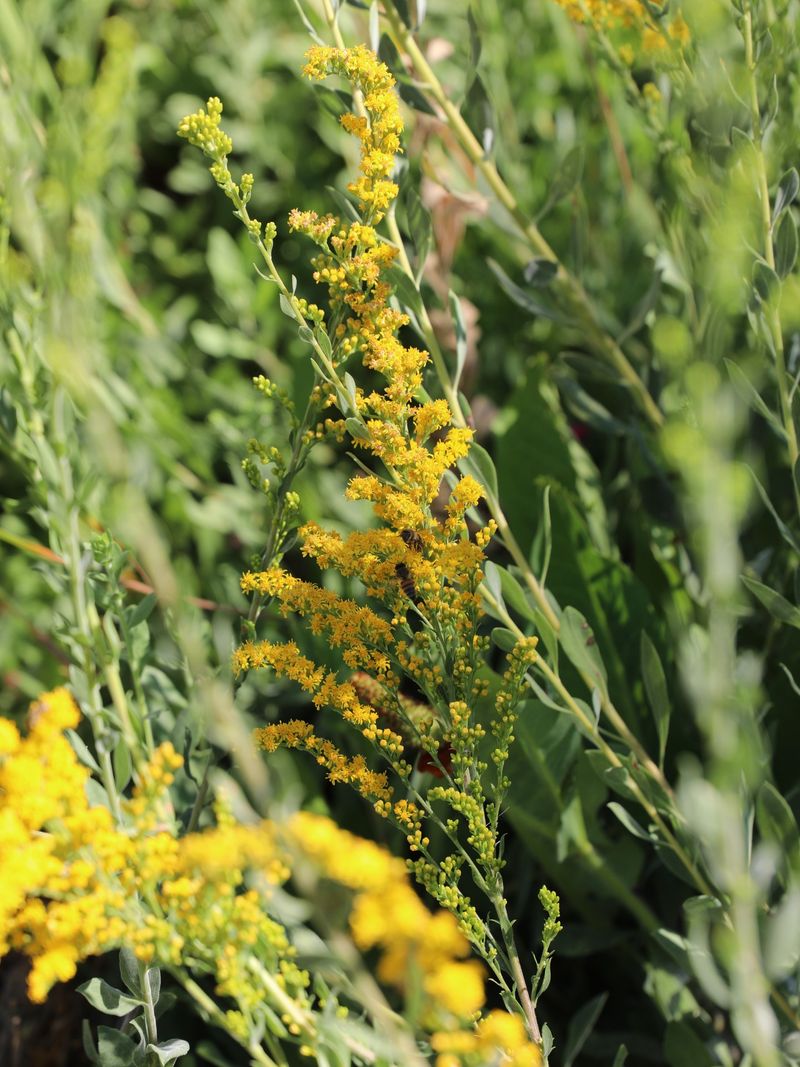
Goldenrod is not picky about where it puts down roots. From wide open prairies to dusty roadsides, this tough plant finds a way to grow almost anywhere in Texas. That flexibility is part of what makes it so common each fall.
Prairies are one of its favorite homes. In these grassy open spaces, goldenrod mixes with native grasses and other wildflowers. Together they create a colorful patchwork that feeds wildlife and holds the soil in place.
You will also spot goldenrod along highways and country roads. The disturbed soil near roadsides gives it plenty of room to spread.
Those golden strips of color make long drives a little more beautiful in autumn.
Open fields and abandoned lots are another common sight. Goldenrod moves quickly into empty spaces where the ground gets full sun. It often becomes one of the first bright plants to fill in bare patches.
Natural areas like parks, meadows, and creek edges also support goldenrod. It can handle both dry ground and slightly moist spots, depending on the species. This range lets it thrive across many parts of the state.
Texas is a huge place with many different regions. Goldenrod grows in the eastern woodlands, the central hills, and the coastal plains. Each area may have its own special type of goldenrod suited to the local conditions.
Because it grows in so many places, goldenrod is easy to find on a fall walk. Keep your eyes open near sunny, open ground.
Wherever the soil is warm and the light is bright, this cheerful yellow native usually is not far away.
Don’t Mistake Goldenrod For A Problem Plant
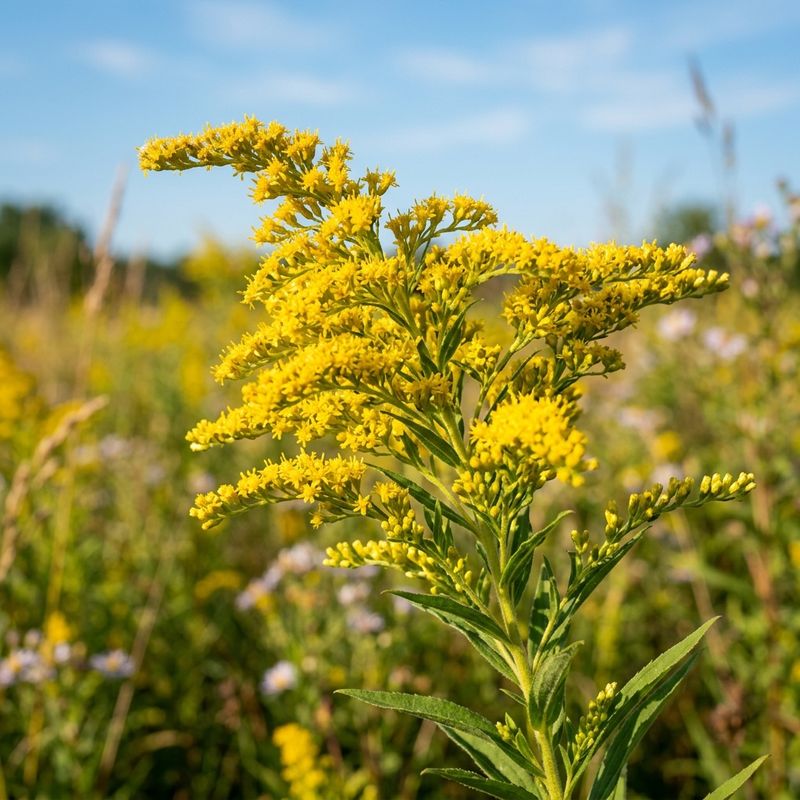
Here is a surprising fact that trips up a lot of people. Goldenrod often gets blamed for fall allergies, but it is usually innocent. The real troublemaker is a very different plant called ragweed.
The mix-up happens because both plants bloom at the same time. Goldenrod is tall and bright yellow, so it stands out and catches the blame. Ragweed, on the other hand, has small green flowers that are easy to miss.
The key difference is in how each plant spreads its pollen. Goldenrod has heavy, sticky pollen that clings to insects. Bees and butterflies carry it from flower to flower, so it rarely floats through the air.
Ragweed works in a completely different way. Its light, dusty pollen drifts on the wind for miles. That airborne pollen is what makes noses run and eyes itch during allergy season.
Because goldenrod is so showy, people point fingers at it while ragweed hides nearby. The truth is that goldenrod pollen is simply too heavy to cause most sneezing fits.
Understanding this difference helps clear goldenrod’s bad name. There is no reason to pull it up or avoid it out of fear. In fact, keeping goldenrod around helps the pollinators that keep our world healthy.
If allergies bother you in the fall, look for ragweed instead. Learning to tell the two plants apart can save goldenrod from an unfair reputation.
So the next time someone blames those pretty yellow flowers for their sniffles, you can set the record straight. Goldenrod is a helpful friend, not a sneaky allergy villain hiding in the field.
How To Add Goldenrod To A Texas-Friendly Garden
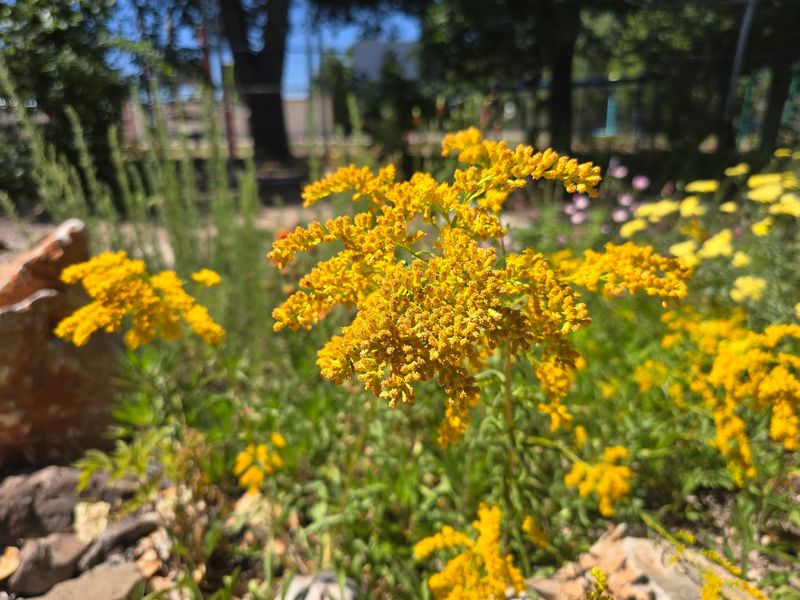
Ready to bring a little golden sunshine to your own yard? Goldenrod makes a wonderful addition to any Texas-friendly garden. It is easy to grow, needs little care, and rewards you with weeks of bright fall color.
Start by picking a sunny spot. Goldenrod loves full sun and does best with at least six hours of light each day.
It also prefers soil that drains well, though it can handle poor ground better than most plants.
Native landscapes are a perfect match for goldenrod. Pair it with other natives like asters, sunflowers, and native grasses. Together they create a natural look that feels right at home in the local climate.
Wildflower areas are another great choice. Scatter goldenrod among a mix of blooms to build a meadow that changes through the seasons. The late yellow flowers will shine after summer plants fade away.
If you want to help wildlife, plant goldenrod in a pollinator garden. Its blooms will draw bees, butterflies, and other helpful insects right to your yard. Watching them visit is a fun bonus for the whole family.
Goldenrod does not need much water once it settles in. After the first season, it can usually survive on rainfall alone. That makes it a smart, water-wise pick for busy gardeners.
Do keep an eye on its spreading habit. Some types grow fast, so plant them where they have room or trim them back to stay tidy.
With just a little planning, goldenrod can turn your garden into a cheerful, pollinator-packed autumn showstopper year after year.