The Bird Feeder Height Mistake That Brings Both Rats And Snakes Into Florida Yards
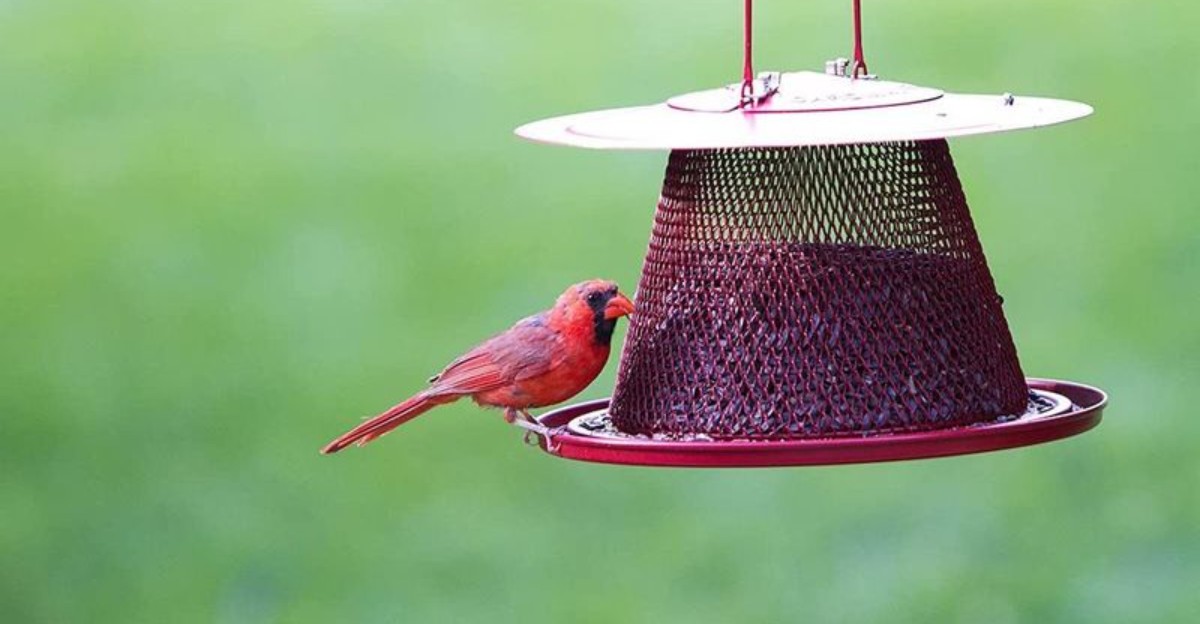
A feeder hanging low enough to fill easily seems harmless, maybe even convenient. That same height, though, is exactly what turns a bird feeder into something else entirely once the sun goes down.
Spilled seed piles up underneath low feeders faster than most people notice, and that pile becomes a reliable food source for rats looking for an easy meal. Rats showing up in numbers rarely stay a rat problem for long in Florida.
Snakes follow the food, and a feeder drawing in rodents night after night can end up drawing in exactly what feeds on them too.
A few inches of height makes a bigger difference than it seems like it should, both in how much seed piles up and in how easily ground-level animals can reach it.
Getting the height right doesn’t take much effort, but plenty of Florida yards are unknowingly running the setup that invites both problems at once.
1. Hang Your Bird Feeder At The Right Height To Block Rats
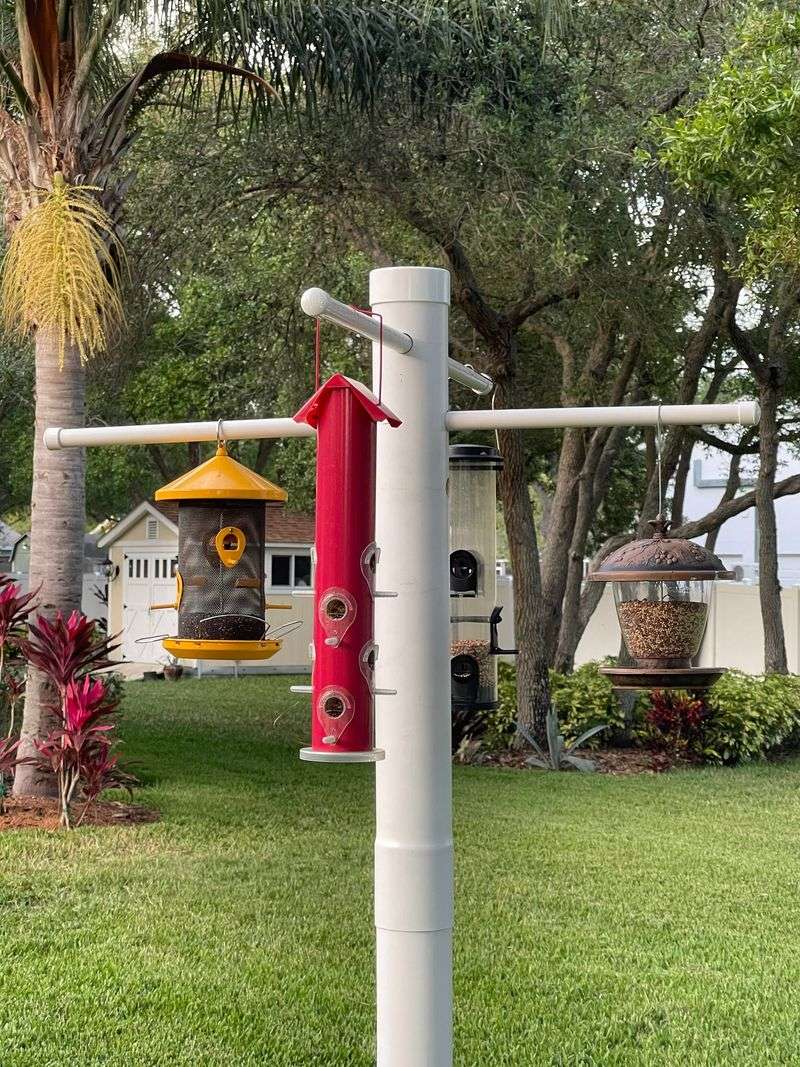
Measuring tape in hand beats guesswork every single time. Height is the first line of defense between your seed supply and the neighborhood rodent population, and most backyard feeders sit far too low.
Keeping feeders several feet off the ground makes access harder for many ground animals, especially when combined with other deterrents. The popular 5-7-9 rule for squirrel control starts with that same idea, placing feeders five feet above the soil.
Florida Fish and Wildlife Conservation Commission recommendations go higher still, advising at least ten feet in regions where bears wander through neighborhoods.
Rats are surprisingly athletic, though they prefer easy routes. A feeder dangling three feet up on a shepherd hook is basically a snack bar with a step stool attached.
Hang your feeder from a sturdy branch or a tall pole, then step back and look at it from a rat’s point of view. If you can imagine a small climber reaching it in one bound, raise it higher.
Rats are capable climbers and jumpers, which is why removing easy access points matters.
2. Keep Feeders Away From Jumping Spots And Tree Branches
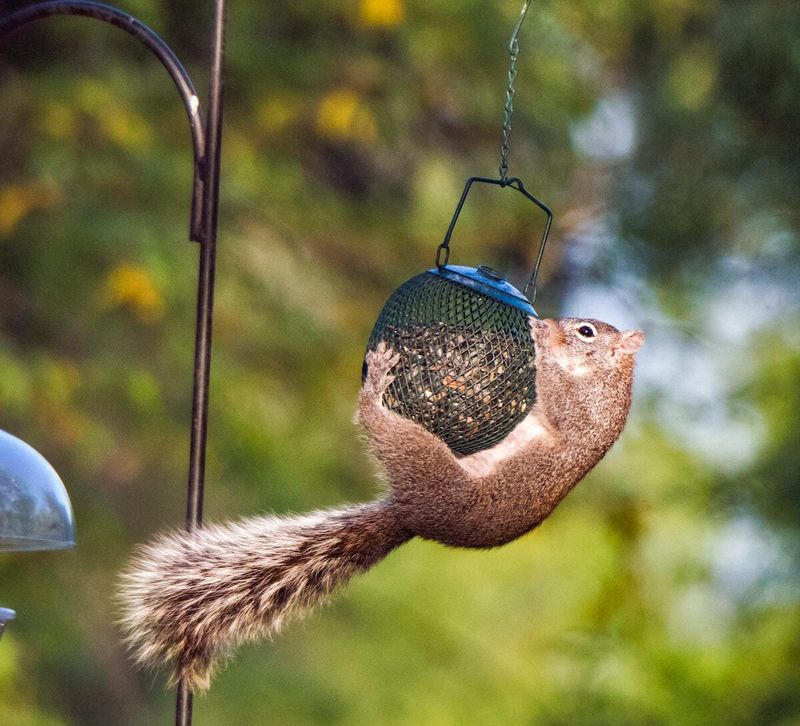
Height alone will not save you if the feeder hangs next to a launchpad. Rodents and squirrels treat fences, roof edges, and low limbs as springboards, and they are remarkably good at judging distance.
Experts suggest positioning feeders at least eight to ten feet from any structure, fence, or trunk a climber could scale. Some sources push that to ten or fifteen feet from tree trunks and overhanging limbs, since squirrels can cover about ten feet in a single jump.
The 5-7-9 rule fills in the rest: seven feet from structures and nine feet below anything overhead.
The Florida Museum of Natural History has noted that nearby trees serve as ready-made launch pads, which explains why so many well-hung feeders still get raided.
Walk your yard before installing anything. Look up at branches, over at the privacy fence, and behind you at the shed roof, then pick the spot with the widest open space around it.
Your Florida Garden Changes Every Week. Your Plan Should Too.
Gardening in Florida changes quickly throughout the season. Every Friday you’ll receive a simple weekly plan showing exactly what to plant, prune, fertilize, harvest, and protect so you never miss the right timing.
Trimming a few overhanging limbs can turn a problem location into a workable one. Florida oaks grow fast, so recheck that clearance every few months.
Rats follow the same routes squirrels do, usually after dark. Cutting off the aerial highway removes half their commute and makes your feeder far less rewarding.
3. Stop Spilled Seed From Turning Into A Rodent Buffet
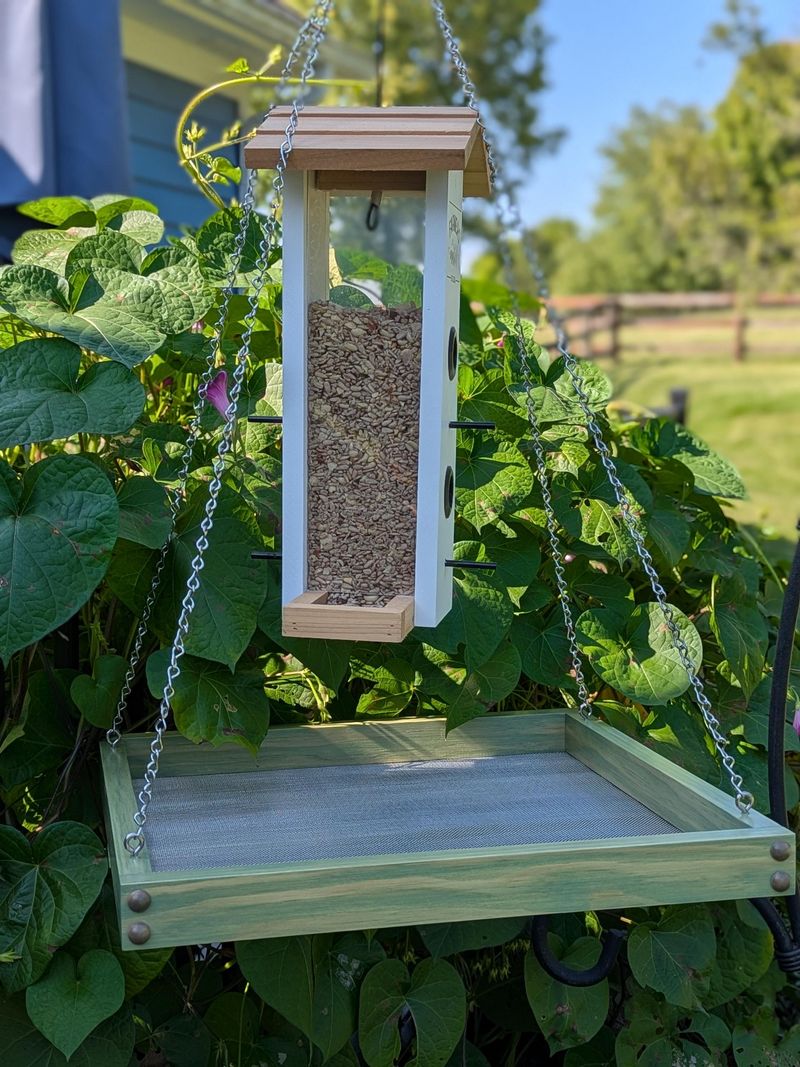
Here is the part nobody mentions at the garden center: birds are messy eaters. They sort through mixed seed like picky toddlers, flicking anything they dislike onto the grass below.
All that discarded seed becomes an overnight feast for nocturnal rats, who show up long after the last cardinal has gone to roost. One sloppy feeder can feed a rodent family for weeks.
Seed catchers and wide trays mounted beneath the feeder solve much of this. They catch the rejects, keep the lawn clean, and give ground-loving birds a tidy place to snack during daylight hours.
Food choice matters just as much. Shelled seeds, such as sunflower hearts, leave behind no husks, and single-seed offerings give birds less reason to toss anything aside.
Cheap mixes packed with red milo and cracked corn are usually the biggest offenders.
Resist the urge to fill the feeder to the brim. Overfilled ports spill with every gust of wind and every landing bird, and afternoon storms will empty the rest onto the ground.
Try filling only what your birds finish in two or three days. Less standing seed means fewer leftovers, less mold in the humidity, and a lot less reason for uninvited guests to memorize your address.
4. Use Baffles To Keep Unwanted Visitors Off Feeders
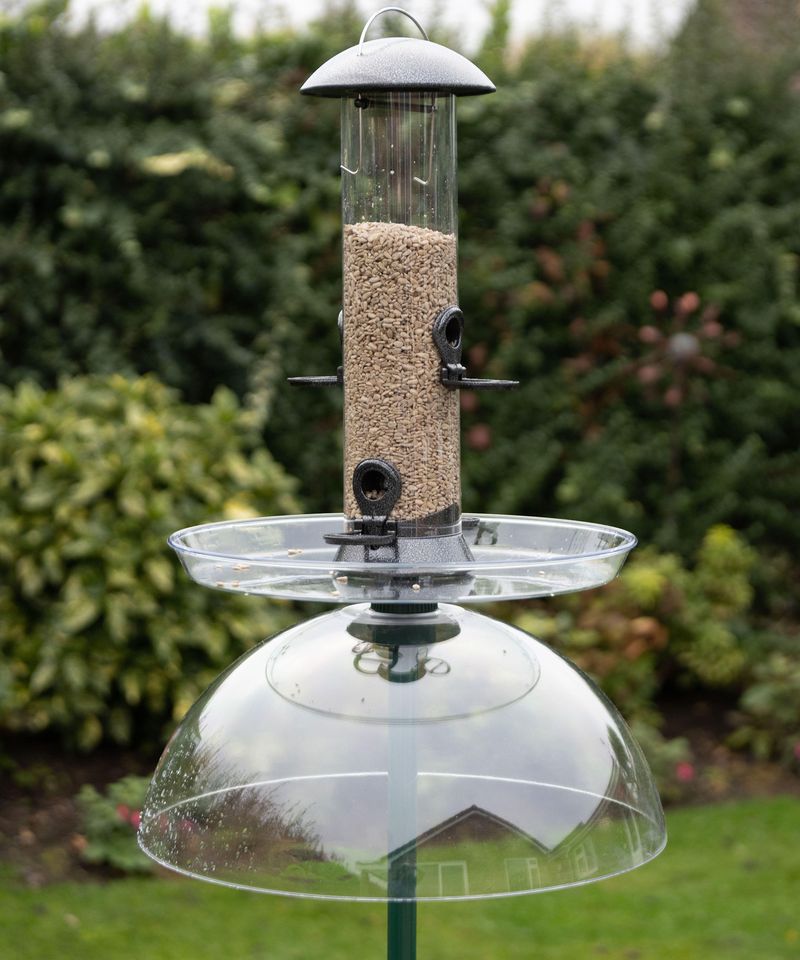
Think of a baffle as a slippery roadblock bolted right onto the pole. Climbing pests reach it, lose traction, and slide back down without much drama.
Two main styles exist. Cone or dome baffles mount on poles to block anything coming up from below, while dome baffles hung above a feeder stop climbers descending from a branch or wire.
Size and position decide whether the thing works or becomes yard decoration. Install a properly sized baffle according to the manufacturer’s instructions and place it where climbing animals cannot bypass it.
Narrow baffles are the most common disappointment. Wrap-around models measuring fifteen inches or more across tend to perform far better than the little metal cones sold in bargain bins.
Metal outlasts plastic in sun and salt air, and it will not crack after two summers of UV exposure. Give the baffle a spin test after installing, since a wobbly one is easier for climbers to defeat.
Pair a proper baffle with correct height and good spacing, and you have three obstacles stacked together. Rodents are practical creatures, and when a food source gets difficult, they generally look for something easier nearby.
5. Move Feeders Away From Hiding Places For Better Results
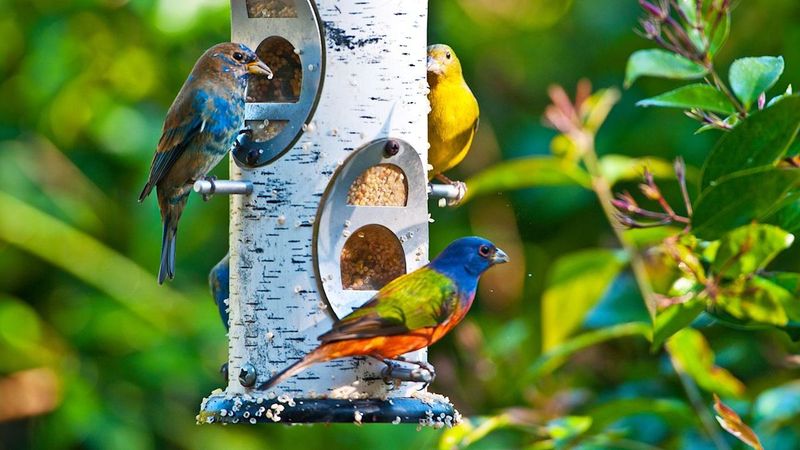
Dense shrubbery near a feeder does double duty, and not in a good way. It shelters rodents during the day and gives outdoor cats and other predators a front-row ambush seat.
Open placement changes the whole dynamic. Birds can spot movement, rodents feel exposed, and you get a clear view of who is visiting.
Balance is the trick here. Feeders set roughly five to ten feet from shrubs or trees give birds a quick escape route without letting anything lurk within pouncing distance.
Some guidance suggests stretching that gap to ten or fifteen feet from truly thick cover.
Florida yards often feature heavy ground plantings, thick jasmine mats, and overgrown hedges. Rodents love that kind of cover because it lets them travel unseen from burrow to buffet.
Thinning low growth around the feeding area does more than you might expect. Trim the bottoms of shrubs so you can see beneath them, and clear away leaf litter piles that make cozy tunnels.
A helpful mental test: stand where the feeder will go and ask whether anything could reach it without crossing open ground. If the answer is yes, shift the feeder or open up the landscape.
Your birds will feel safer, and the sneaky visitors will feel considerably less comfortable.
6. Clean Up Fallen Seed Before Rats Find It
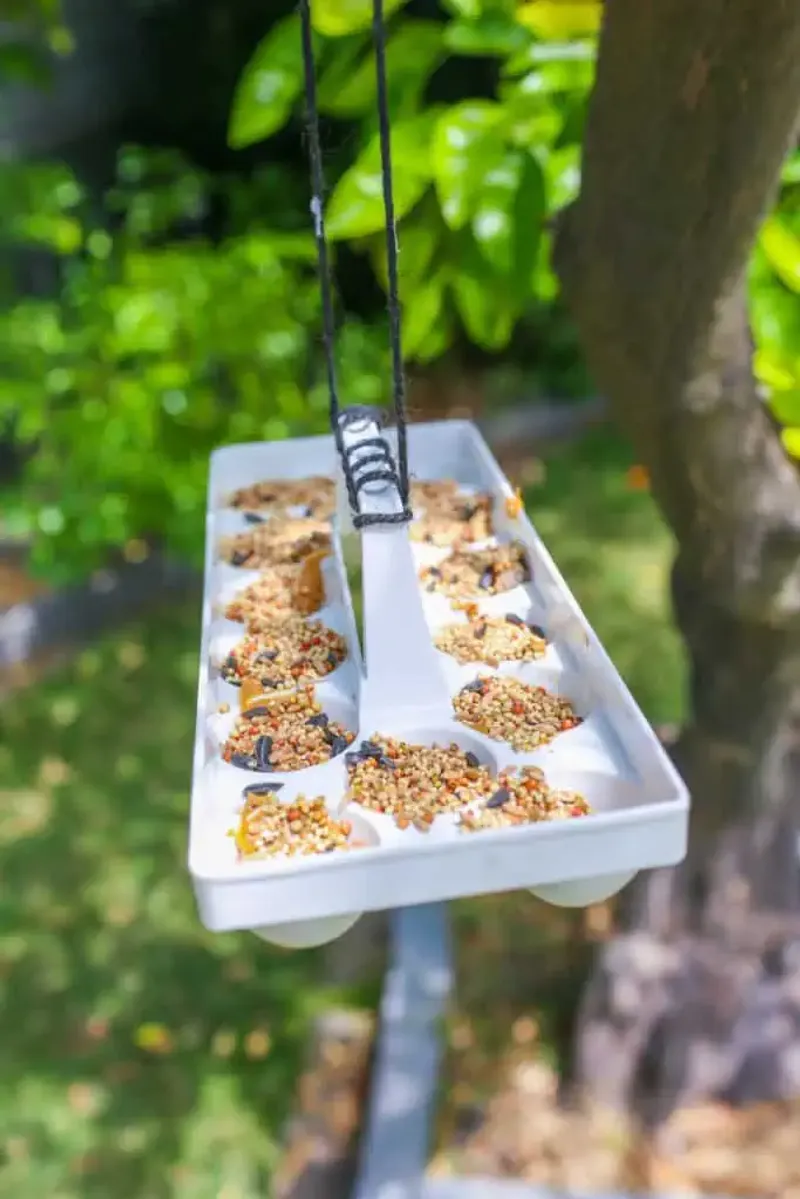
Five minutes with a rake beats five months of rodent trouble. Whatever hits the ground during the day becomes dinner for something else after sunset, and rats do their shopping in the dark.
Daily sweeping or raking under the feeder keeps that late-night menu empty. Husks, hulls, and dropped kernels add up faster than most people realize, especially with a busy feeder.
Placing the feeder over a hard surface makes the job almost effortless. Pavers, a concrete slab, or even a removable stone pad let you sweep everything into a dustpan instead of picking seed out of St. Augustine grass.
Humidity adds another reason to stay on top of it. Wet seed molds quickly, and moldy piles can sicken the very birds you are trying to help.
Storage counts too. Keep bags of seed in sealed metal containers rather than the original paper sack in the garage, because rodents chew through plastic bins and cardboard with ease.
Set a routine you can actually keep, like a quick pass every evening before dark. Consistency matters more than intensity here.
Homeowners who tidy nightly often report their rodent sightings fading within a couple of weeks. Same feeder, same seed, different outcome, all because the ground stopped being a free buffet.
7. Create A Safer Feeding Zone For Florida Birds
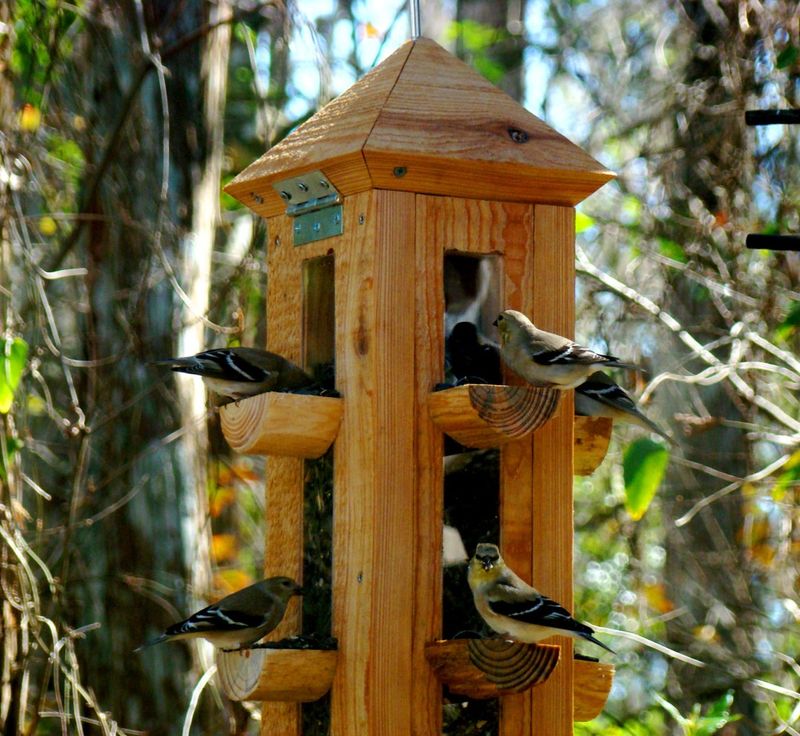
Florida’s climate is generous to plants, birds, and unfortunately, mold. Heat and humidity speed up bacterial growth inside feeders, which is why cleaning schedules matter more here than up north.
Wash feeders every two to three weeks as a baseline, and step that up during especially warm or rainy stretches. Warm soapy water, a good scrub brush, and a thorough drying session before refilling will handle most of it.
Variety adds another layer of value. Hanging different feeder types at different heights spreads the crowd out, reduces squabbling, and invites species you may not have seen before, from chickadees to woodpeckers.
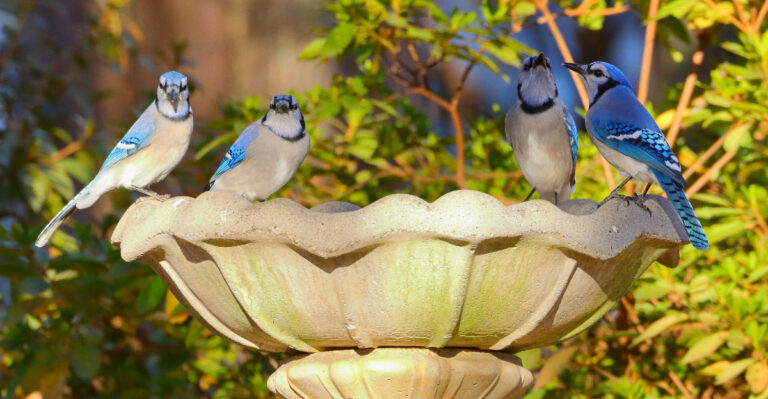
A shallow birdbath rounds out the setup nicely. Florida birds appreciate fresh water year-round, though the basin needs rinsing and refilling regularly so mosquitoes cannot use it as a nursery.
Spreading birds across several stations also means less seed piling up in one spot. Concentrated messes attract concentrated attention from ground-level visitors.
Position everything where you can see it from a window. Regular observation helps you notice problems early, whether that is a chewed feeder port or unusual activity at dusk.
A well-planned feeding zone is genuinely better for the birds. Clean gear, smart spacing, and fresh water make your yard a healthy stopover rather than a risky one.
8. Reduce Rat Activity To Make Your Yard Less Appealing To Snakes
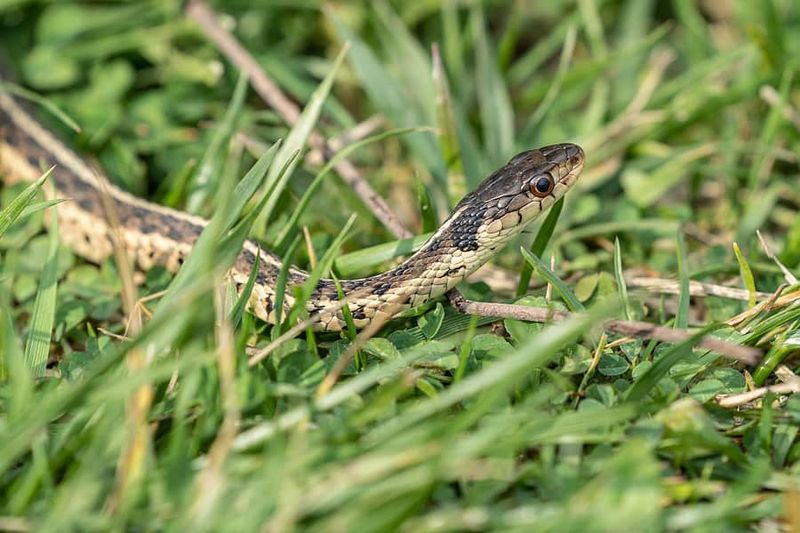
Snakes are not drawn to birdseed. They are drawn to whatever is eating the birdseed, which puts your feeder at the start of a very short food chain.
Reducing rodents makes your yard less attractive to hunting snakes, although many snake visitors are harmless and beneficial.
Start by cutting off food. Sweep spilled seed nightly, store birdseed and pet food in sealed metal, rodent-proof containers, and bring pet bowls indoors after meals.
Next, remove shelter. Brush piles, stacked firewood, scattered debris, and thick ground covers all give rodents places to nest, and those same spots make comfortable snake hideouts.
If rodents become persistent, temporarily removing the food source can help break the pattern while you correct the setup. Rodents move on when the reliable food source disappears, and the snakes usually follow them elsewhere.
Keep grass trimmed and seal gaps around sheds, crawl spaces, and utility openings. Small entry points are open doors to a determined rodent.
Worth remembering: most Florida snakes that show up chasing rats are non-venomous and actually helpful.
Still, few homeowners want them coiled beside the patio, and the simplest way to skip that surprise is keeping the rodent population low from the start.
9. Fix This Feeder Mistake Before Wildlife Problems Start
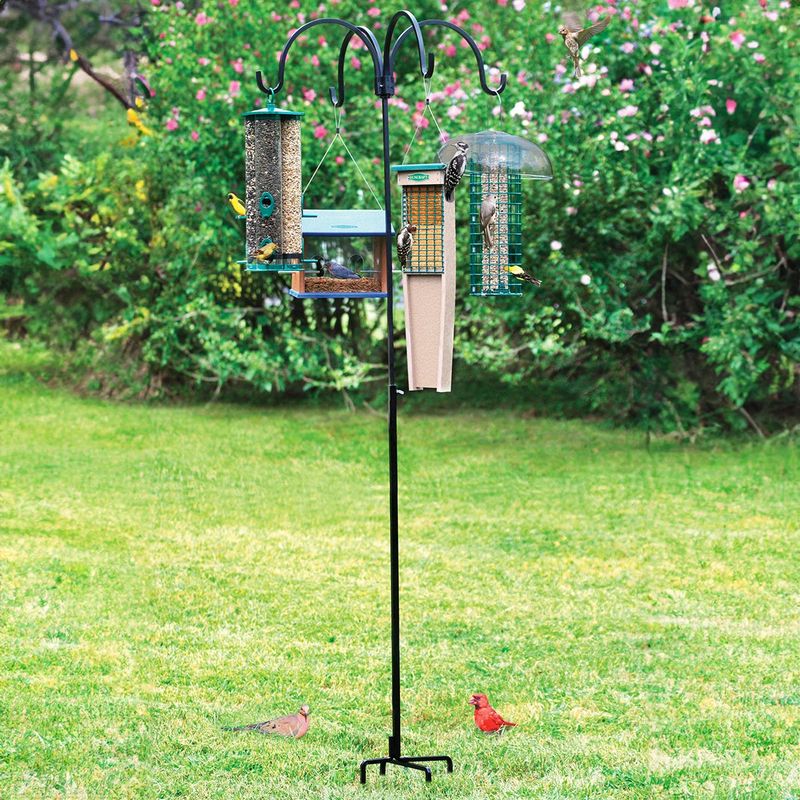
Prevention takes an afternoon. Undoing an established rodent situation can take an entire season, plus a fair amount of frustration.
Go outside this weekend and audit the setup honestly. Measure the height, pace out the distance to the nearest fence or trunk, and check whether a baffle is doing its job or just hanging there.
Small corrections deliver big results. Raising a feeder two feet, sliding it five feet farther from an oak, and swapping cheap mix for shelled sunflower can change everything about who visits after sunset.
Watch for early warning signs as well. Chew marks on the feeder, seed disappearing overnight, narrow trails worn through the grass, and droppings near the base all suggest something is already treating your yard as a diner.
Catching those clues early keeps a minor nuisance from growing into a household problem that spreads toward the attic and garage.
Florida yards can absolutely support beautiful bird activity without side effects. Proper placement, routine cleaning, secure storage, and a tidy ground surface handle the vast majority of issues.
Fix the height mistake first, since that single measurement influences everything downstream. Your cardinals keep their breakfast spot, your evenings stay uneventful, and your yard goes back to being the peaceful place you designed it to be.