Georgia Gardeners Should Think Twice Before Cutting These Flowers Down This Fall
Fall cleanup feels satisfying when tired stems disappear and flower beds suddenly look neat again. But some fading plants still have important work left to do.
Their usefulness does not end simply because the petals have dropped and fresh blooms are finished.
Standing flower heads can continue offering seeds, shelter, and structure as the seasons change. In Georgia gardens, leaving selected plants alone can support wildlife while keeping winter beds from looking completely bare.
The trick is knowing which flowers deserve to stay and which can come down.
Look beyond appearance before making every stem part of the cleanup pile. What seems untidy to you may still serve a purpose outside in colder weather.
Choose your cuts carefully this fall, and the garden can keep giving long after flowering ends.
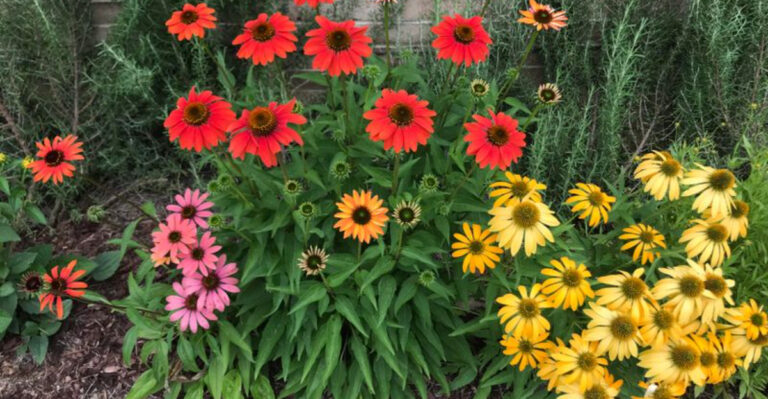
1. Purple Coneflowers Can Stay Standing After Their Petals Drop
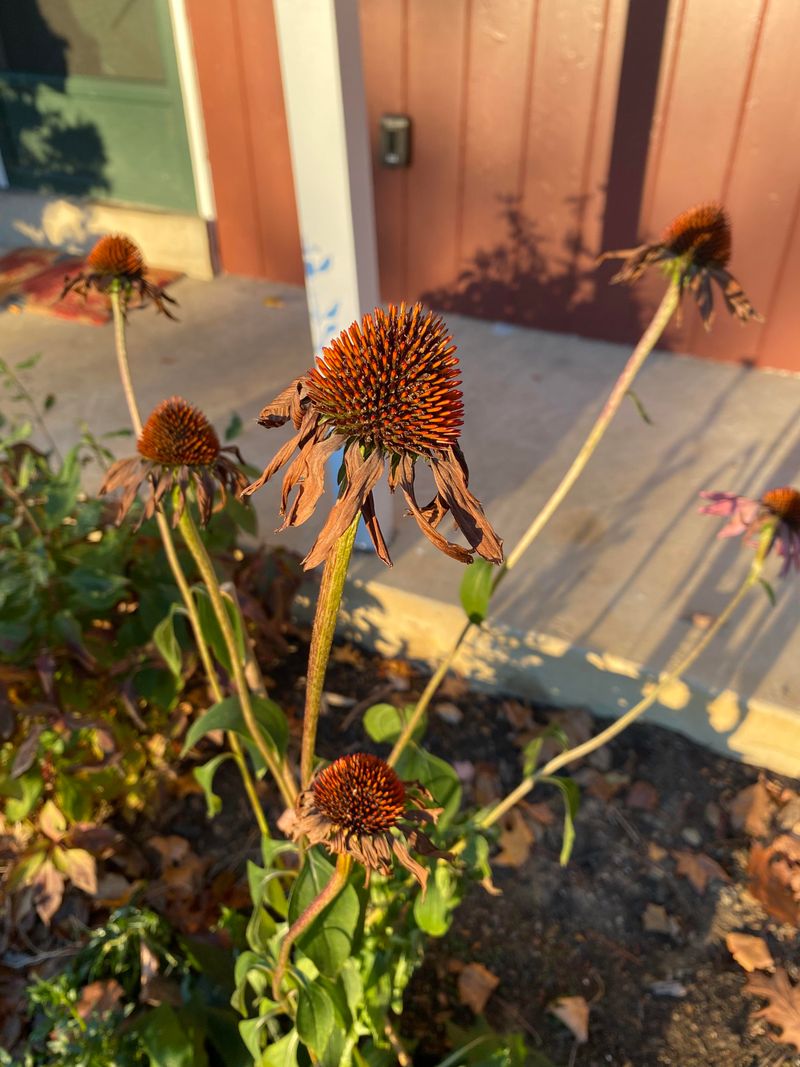
Those spiky brown cones left behind are basically bird feeders on stems. Goldfinches work them over through late fall and winter in Georgia gardens, especially in open, sunny beds.
Echinacea holds its shape well once the petals drop. The stiff stems rarely flop, so the bed still looks intentional rather than neglected.
Cutting them in September removes food and structure at the same time.
Seed heads also drop volunteers around the parent plant. Some gardeners love the free seedlings, while others find them crowded, so thin them in spring if they get thick.
Wait to trim until you see new basal growth pushing up at the crown.
One thing to watch is aster yellows, an uncommon problem that causes strange green, distorted flowers. Affected plants should be removed rather than left standing, and the debris tossed out instead of composted.
Powdery mildew shows up on coneflower leaves during humid summers, and heavy infections are worth clearing.
Otherwise, leave the stalks alone and let winter weather knock them down naturally. Rain and ice will soften them, making a late February cutback quick and easy.
Snip stems at different heights when you do cut, since hollow pieces left standing eight to twelve inches can host small native bees.
The birds notice long before you do, which is half the fun of skipping fall cleanup.
2. Black Eyed Susans Do Not Need An Immediate Fall Cutback
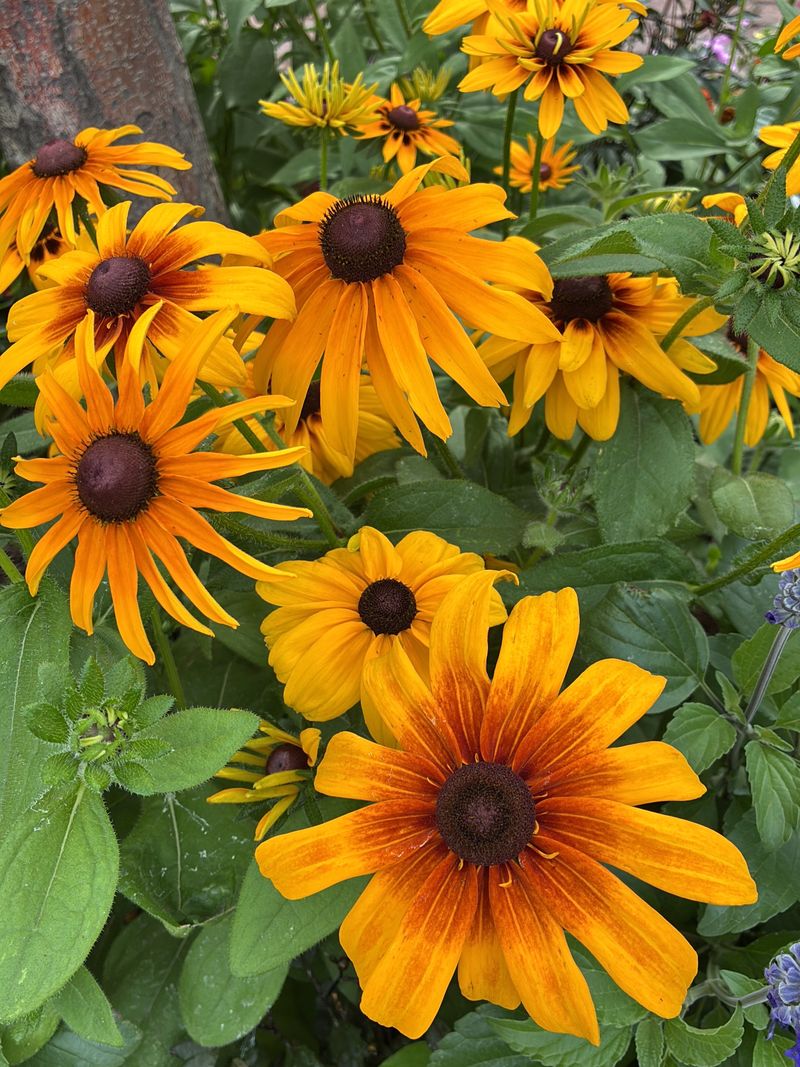
Skip the shears here and you get a free winter bird buffet. Rudbeckia seed heads turn nearly black and hold tight to their stems for months.
Chickadees, sparrows, and finches pick at them steadily once other food gets scarce.
Rudbeckia hirta behaves like a short-lived plant in much of the state, often lasting two or three seasons. Letting seed drop is the simplest way to keep a patch going without buying new plants every spring.
Volunteers usually appear a few feet from where the parent grew.
Across north Georgia, the dark cones look sharp against frost and pale winter grasses. Pair them with little bluestem or muhly grass for a bed that still reads as a garden in January.
Leaf spot is common on black eyed susans by late summer, especially in humid spots with crowded plantings.
Your Georgia Garden Changes Every Week. Your Plan Should Too.
Gardening in Georgia changes quickly throughout the season. Every Friday you’ll receive a simple weekly plan showing exactly what to plant, prune, fertilize, harvest, and protect so you never miss the right timing.
Rake up and discard badly spotted foliage while leaving the clean stems standing. That balance keeps disease pressure down without erasing the seed supply.
Cut stems back in late winter, before new rosettes get tall enough to nick with pruners.
Stems that snap easily in your fingers are ready to go. Anything still firm can wait another few weeks with no downside.
Divide crowded clumps in early spring instead of fall, since roots settle better with cool soil and steady rain.
3. Sunflower Heads Are Worth Leaving In Place After Blooming
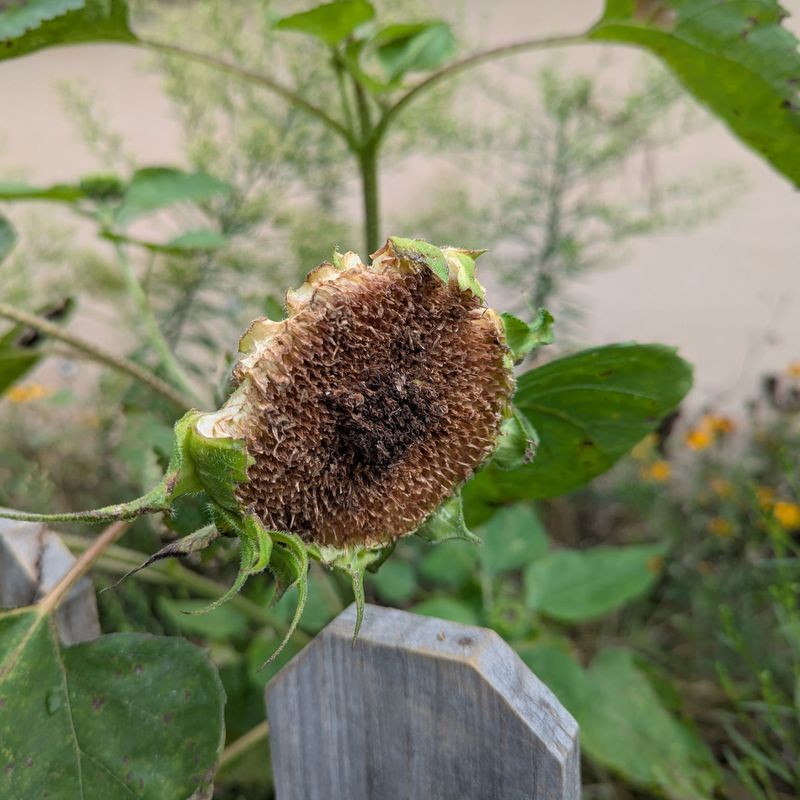
A spent sunflower head is one of the richest seed sources in the whole yard. Cardinals, titmice, and nuthatches all work the disk once seeds firm up.
Leaving a few stalks standing costs nothing and keeps the feeding going for weeks.
Heads droop as they ripen, which actually helps shed rain. Seeds stay drier and last longer than most people expect.
Squirrels will find them too, so plan on sharing.
Humid fall weather in Georgia can cause mold on heavy heads, particularly after long stretches of rain. Cut and toss any head that turns soft, dark, or smells sour.
Gardeners who want to save seed for planting should cut heads early and dry them indoors on screens.
Thick stalks are the main cleanup issue, since they stay woody and take a long time to break down. Lopping shears handle them faster than pruners, and chopping stalks into short pieces speeds composting.
Hollow sunflower stalks left standing through winter sometimes shelter small cavity nesting bees.
Annual sunflowers will not return from the roots, so anything you leave is purely for wildlife and looks. Volunteers from dropped seed are common in loose, sunny soil.
Pull the last stalks in late winter, then rake the area before spring planting to keep old debris out of new beds.
4. Zinnias Can Wait Until Their Season Is Truly Finished
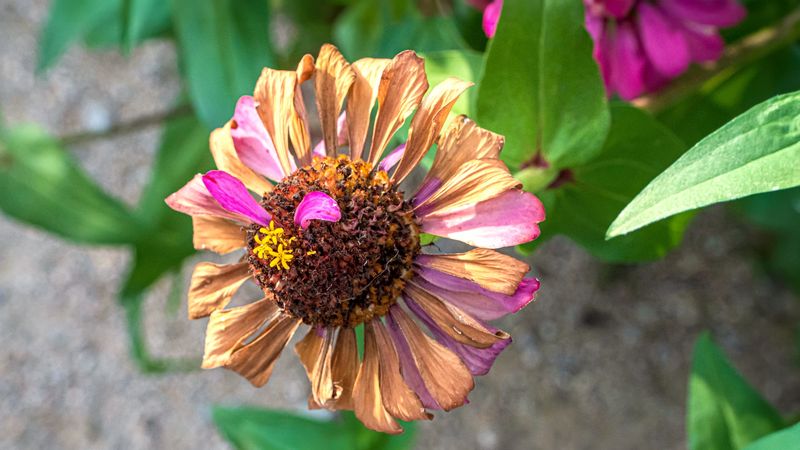
Zinnias often keep flowering into November when frost holds off. Pulling them in early October means giving up weeks of color and pollinator visits for no real reason.
Bumblebees and late migrating butterflies still work the open blooms.
Zinnias are annuals, so they will not come back from the roots. Everything you leave standing is for looks, seed, and whatever insects are still active.
Dried heads shatter into papery seeds that fall right where they grew.
Volunteers show up the following spring in warmer parts of Georgia, though results vary with soil temperature and mulch depth. Seed from hybrid varieties rarely matches the parent plant.
Save seed by letting a few heads brown fully on the stem, then rubbing them apart into a paper bag.
Powdery mildew is nearly guaranteed on zinnias by late season here, showing up as gray film on lower leaves. Badly coated plants are worth pulling and discarding rather than composting.
Clean stems with little disease can stay a bit longer.
Pull spent plants after the first hard freeze, roots and all, since annual stems collapse into mush anyway.
Rake the bed afterward and space next year’s planting wider. Better airflow between plants makes a real difference in how long the flowers hold up through humid weather.
Rotating zinnias to a different sunny spot can also help reduce disease pressure the following season.
5. Coreopsis Does Not Always Need To Be Cut Back In Fall
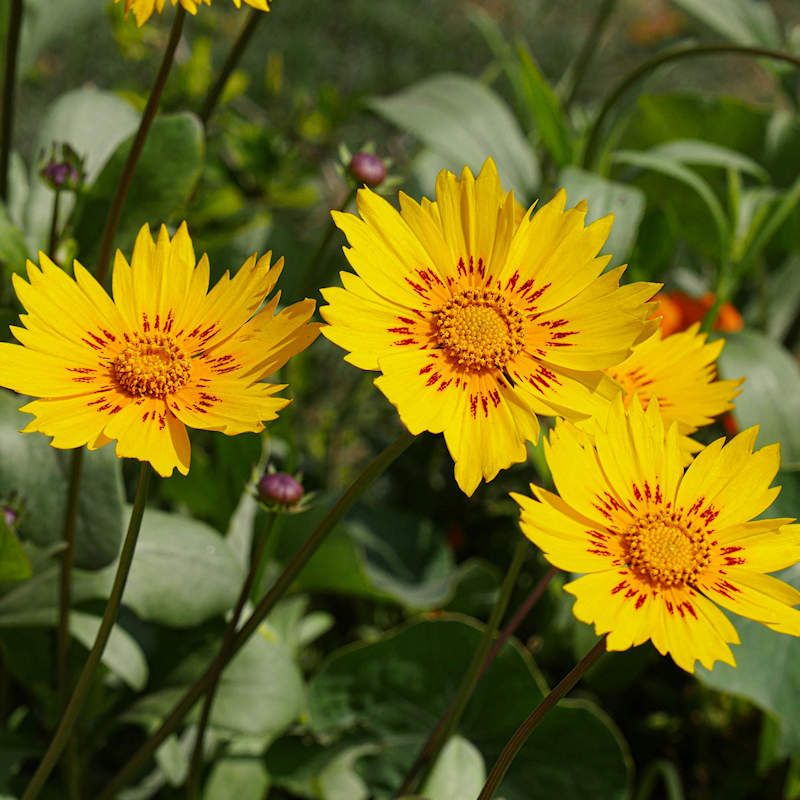
Fine, wiry stems make coreopsis easy to overlook during cleanup. Those tiny round seed heads still draw goldfinches and small sparrows through the cold months.
Threadleaf types turn a soft tan that reads well next to evergreens.
Foliage on some coreopsis stays partly green through mild Georgia winters, so cutting to the ground removes living growth. Check the crown before you reach for pruners.
Light shearing in late summer encourages a second flush of blooms without stripping the plant.
Crown rot is the bigger risk with tickseed, and it usually comes from wet, heavy clay rather than cold. Improve drainage before blaming the weather.
Plants sitting in soggy ground often thin out after a wet winter.
Coreopsis lanceolata and Coreopsis tinctoria both seed themselves freely in sunny spots. Leaving heads standing gives you replacements as older clumps lose vigor.
Cut old stems in late winter once new growth appears at the base.
Trim above the fresh green rather than flush with the soil, which protects the crown from damage. A hand shear works better than loppers on these thin stems.
Divide crowded clumps every few years in early spring to keep flowering strong.
Skip heavy mulch right against the crown, since trapped moisture causes more trouble than freezing temperatures do in this part of the country.
A thin layer kept slightly away from the crown gives the roots protection without holding excess moisture around the plant.
6. Goldenrod Stems Can Stand Through The Colder Months
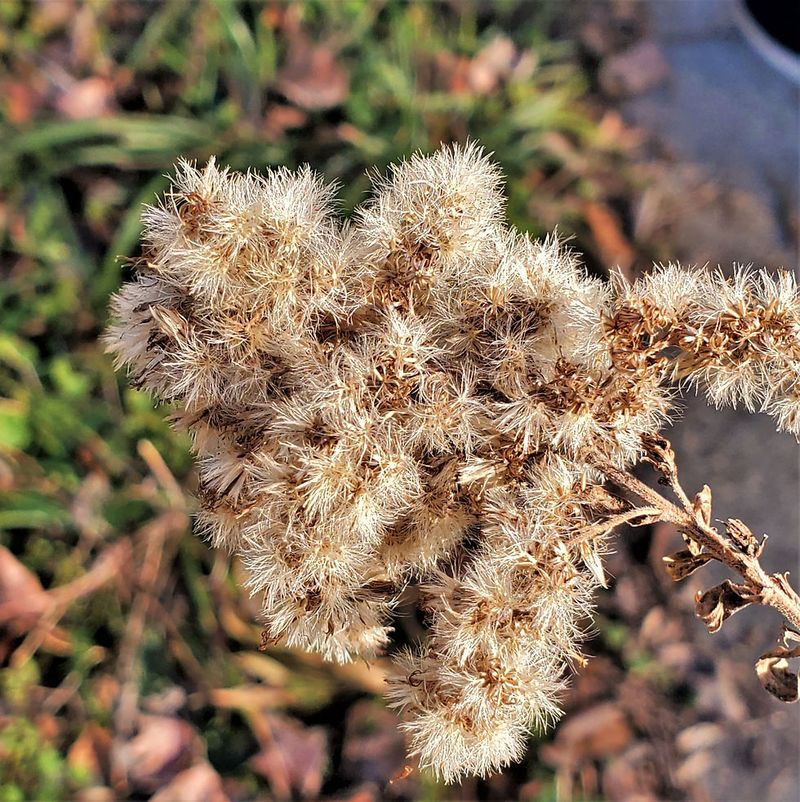
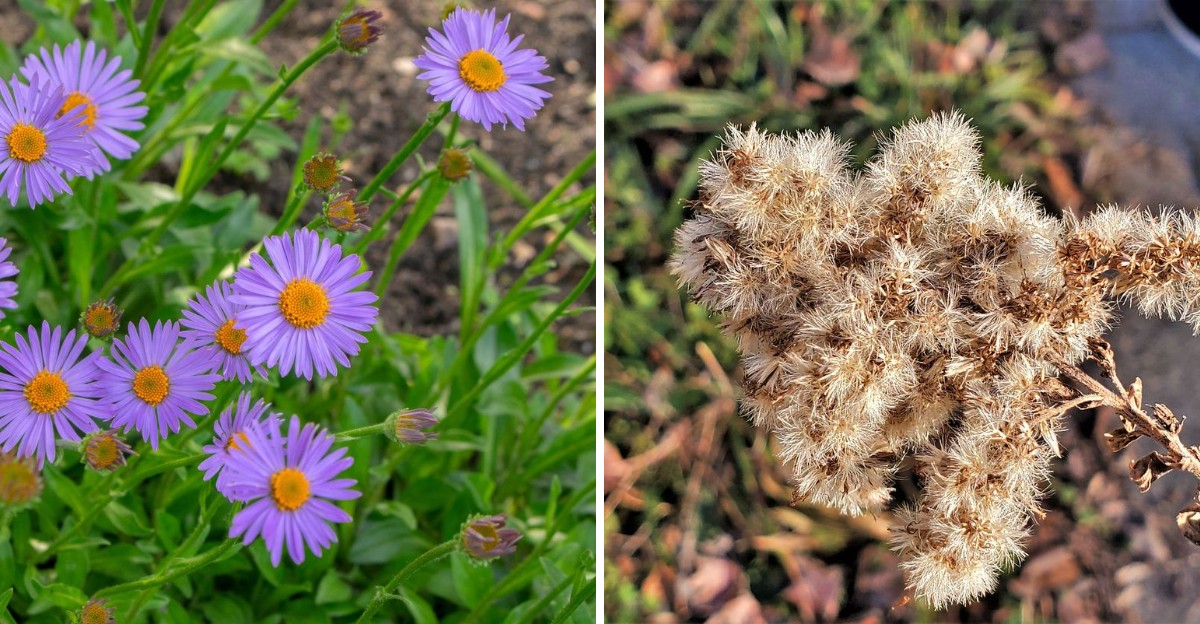
Goldenrod gets blamed for allergies it does not cause, and ragweed is the real culprit. Left standing, those tan seed plumes feed small birds and hold up surprisingly well in wind.
Stems stay stiff enough to catch frost, which looks better than bare mulch.
Native goldenrods support a huge range of insects, including many small native bees and beneficial wasps.
Some species spread by underground runners and can take over a bed fast. Solidago rugosa and its cultivars are common culprits, so dig out wandering shoots each spring if you want tidy edges.
Clumping types like wreath goldenrod stay much better behaved in shade.
Hollow stems become winter shelter for insects, and cutting them in October removes that option before it ever gets used.
Georgia roadsides and field edges show how tough these plants are, thriving with no help at all.
Trim stems back in late winter and leave a portion standing at knee height. Cut pieces can be laid at the back of a bed rather than hauled away.
Seed spreads readily, so deadheading half the stems is a reasonable middle ground.
Skip fertilizer entirely, since rich soil makes goldenrod stretch tall and flop. Lean ground and full sun give you sturdier stems that stand through most of winter without staking.
Dividing crowded clumps in spring also helps control their spread while keeping the strongest growth where you want it.
7. Asters Still Have Value After Their Final Blooms Fade
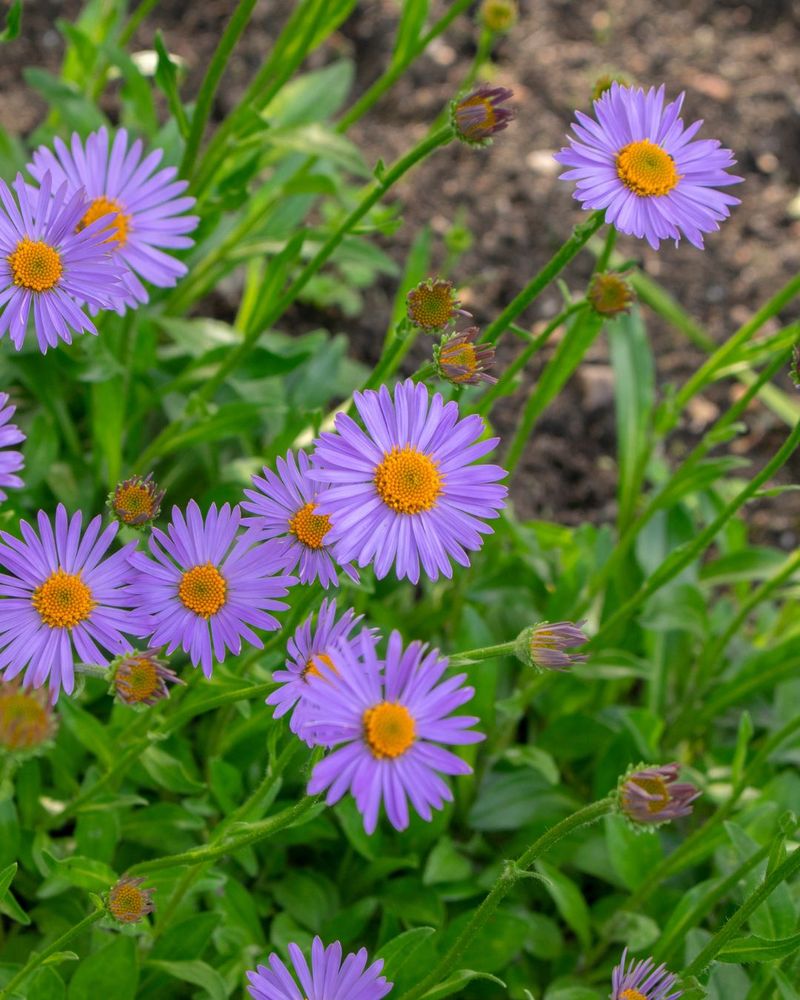
Asters are the last real nectar source many pollinators get. Once those purple petals fade, fluffy seed heads take over and feed small birds well into winter.
Silvery seed clusters catch frost in a way photos never quite capture.
Some butterflies and moths overwinter in leaf litter and stem debris around aster clumps. Clearing every scrap in October removes that cover right when it matters.
Leave fallen leaves in place at the base if the bed allows it.
New England and aromatic asters both hold their stems upright longer than many perennials.
Tall varieties do flop after heavy rain, and sprawling stems can smother nearby plants. Cut those back rather than leaving a tangled mess on the ground.
Pinching stems in June helps keep Georgia asters bushier and less likely to lean by fall.
Powdery mildew hits lower aster foliage most years in humid conditions. Removing the worst affected leaves while leaving upper stems standing is a fair compromise.
Cut old growth back in late winter, before new shoots crowd the base.
Divide clumps every three years or so in early spring to prevent the hollow center problem. Replant the outer sections, which are almost always the strongest, and share the extras with a neighbor.
Those younger divisions usually establish faster and produce fuller growth by the following fall.
8. Sedum Stems Add Structure To Beds Well Into Winter
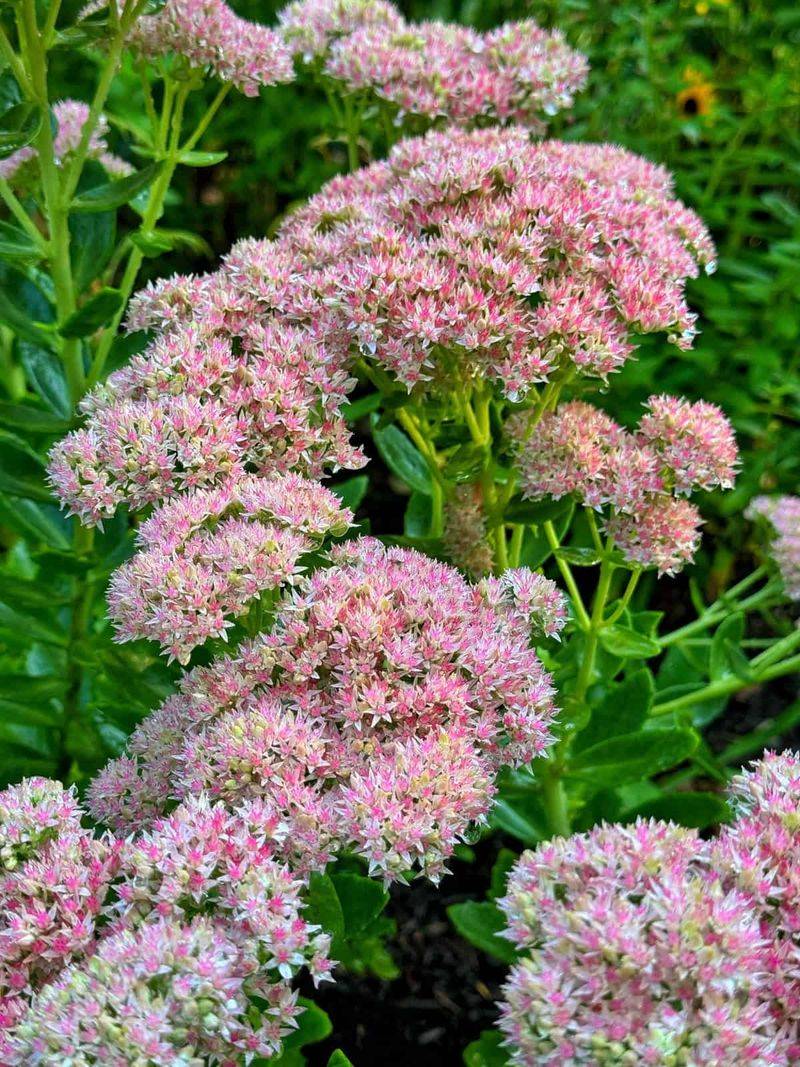
Few perennials hold their shape in winter like sedum. Those flat, rusty brown flower clusters stay upright through rain, wind, and light snow.
Autumn Joy is the variety most gardeners recognize, and it earns its reputation.
Stems stiffen as temperatures drop, giving beds real structure when everything else has flattened. Frost settles on the flower heads and makes an ordinary border worth looking at.
Cutting them in September leaves a bare patch for four solid months.
Tall sedums sometimes split open in the middle by late summer, especially with too much water or shade. Pinching stems back by half in late spring keeps growth more compact.
Georgia clay holds moisture, so plant sedum in raised beds or amended soil to prevent root problems.
Seed heads offer little food compared to coneflowers, so the main benefit here is winter interest. Some small insects do shelter in the hollow stems.
Snap old stems off in late winter once new rosettes appear at soil level.
Stems break cleanly by hand, so pruners are optional. Any pieces you pull can go straight into the compost pile.
Divide clumps in early spring every three or four years, and stick the extra pieces in dry, sunny spots where little else survives.
These divisions usually settle in quickly and can fill out bare areas without needing much attention.