The One Thing Pennsylvania Boxwood Needs In September To Reduce Winter Burn
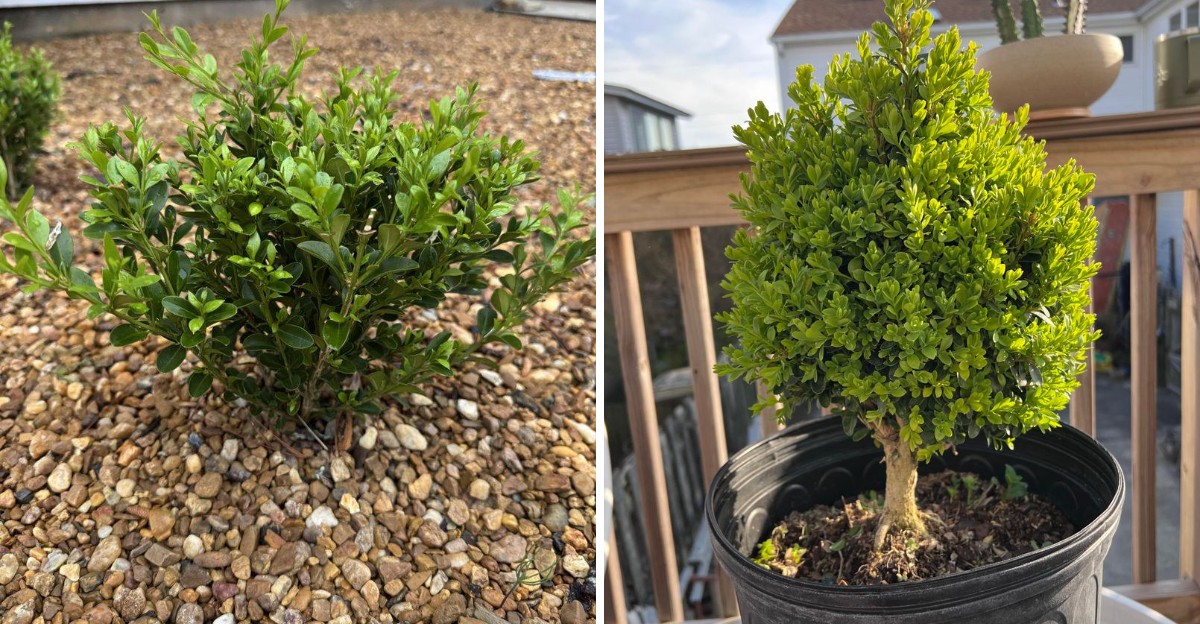
A boxwood can look perfectly fine walking into November. Deep green, full, exactly the shrub everyone expects to see foundation plantings.
By February, that same shrub can turn orange-brown and scorched, like something reached in and drained the color out overnight.
Nothing happened overnight though. That damage started months earlier, quietly, back in September when nobody was thinking about winter yet.
Pennsylvania gardeners keep missing this window every single year. Mulch gets added, wind screens go up, but the one thing that actually matters most gets skipped entirely.
Evergreen leaves do not stop working just because it gets cold. They keep losing water all winter long, and dry fall soil leaves roots with nothing left to replace what those leaves are losing.
One habit in September changes that whole outcome. Stick around, because skipping it is exactly how a healthy-looking boxwood turns into a scorched one by the time spring finally shows up.
Deep Watering Prevents Winter Desiccation
By late winter, plenty of Pennsylvania boxwoods turn that unmistakable orange-brown, and the reason traces back further than most people assume.
Evergreen leaves keep losing water even in cold weather, working right through the season instead of shutting down like deciduous trees do.
When fall soil runs dry, or freezes solid later on, roots simply cannot replace that lost moisture fast enough. The leaves keep asking, and the roots have nothing left to give.
Penn State Extension points to fall moisture as the strongest defense against this whole problem.
Mulch, wind screens, and anti-desiccant sprays still help around the edges, but they mostly play backup roles compared to water sitting deep in the root zone before the ground locks up.
Soak the root zone thoroughly through September, then keep at it during any dry spells right up until the ground actually freezes.
That window matters more than people expect, since roots need real time to pull in that moisture before cold weather shuts things down completely.
A quick surface sprinkle will not cut it here. Water needs to reach several inches down where boxwood roots are actually doing their work, not just dampen the top layer and evaporate by afternoon.
Skipping this step in a dry fall is basically setting up a stressed plant before winter even arrives. Get the water in now, and that same boxwood has a real shot at staying deep green straight through to spring.
Check Soil Moisture Before Assuming Rain Handled It
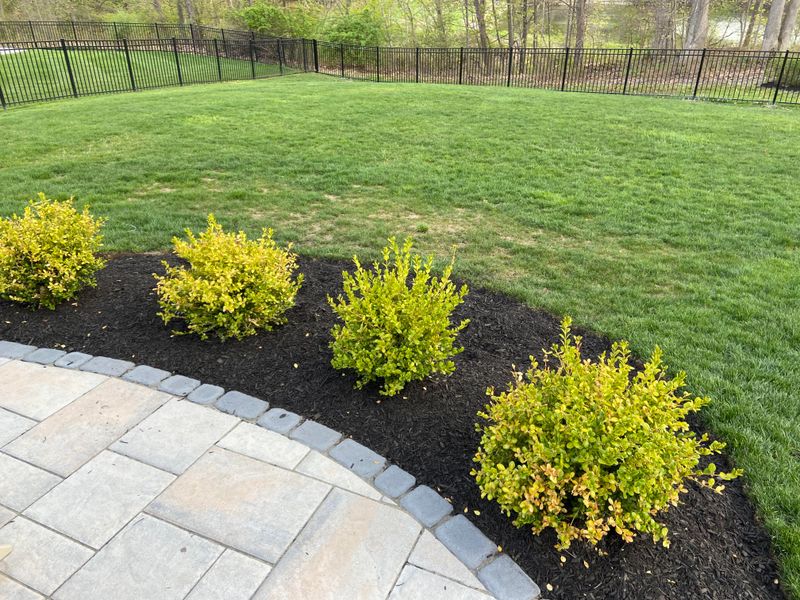
Fall rain feels like it should solve everything automatically, but a few scattered showers rarely deliver what a boxwood’s root zone actually needs heading into winter.
Light rain often wets only the top inch or two of soil before evaporating or running off. Meanwhile, boxwood roots sit several inches down, completely unaffected by that quick surface moisture passing through.
Here is a simple check worth doing before assuming the job is done. Push a finger, a screwdriver, or a soil probe a few inches into the ground near the root zone. Dry soil at that depth means rain has not been doing the real work yet.
Your Pennsylvania Garden Changes Every Week. Your Plan Should Too.
Gardening in Pennsylvania changes quickly throughout the season. Every Friday you’ll receive a simple weekly plan showing exactly what to plant, prune, fertilize, harvest, and protect so you never miss the right timing.
Do this check every week or two through September and into October, especially during any stretch without a real soaking rain. Pennsylvania fall weather can swing between damp spells and dry ones without much warning.
If the soil feels dry at root depth, that is your cue to water regardless of what the sky did earlier that week. Assuming rain covered it is one of the easiest ways to accidentally skip the most important step of the whole season.
A five-minute check beats guessing every time. Boxwood roots cannot tell you they are thirsty until the damage already shows up months later, so a little proactive checking now saves a lot of scorched foliage later.
Water Slowly So Moisture Actually Reaches The Roots
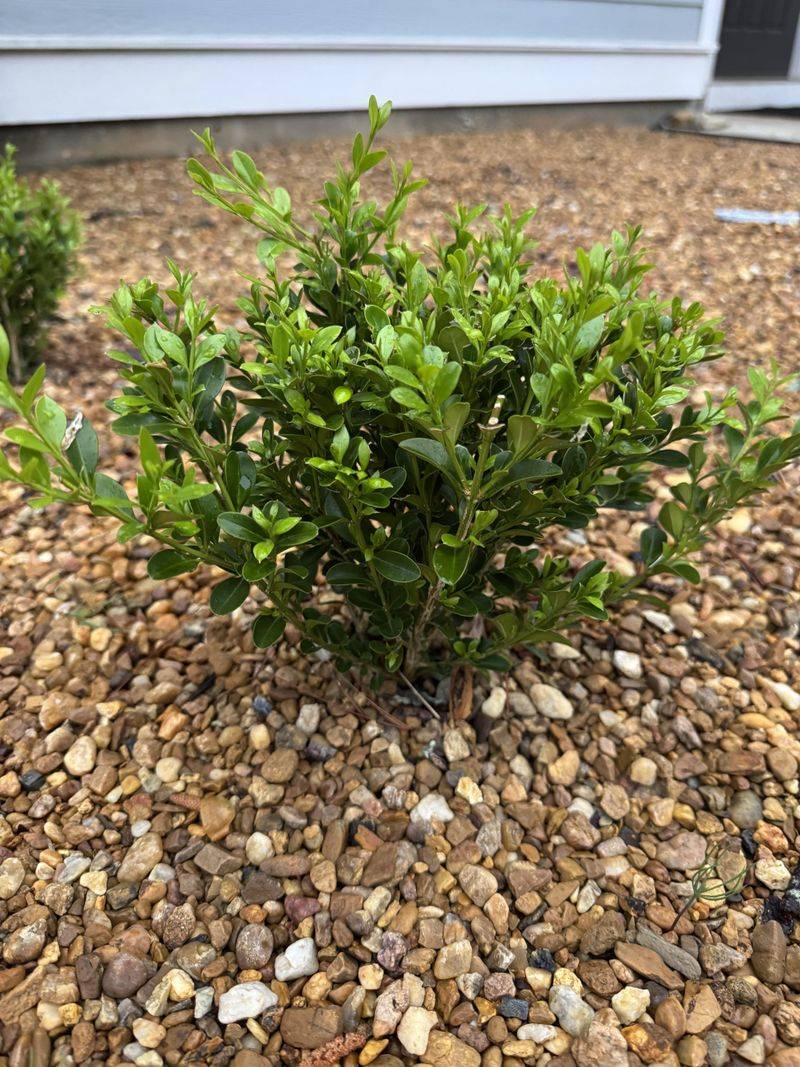
Not all watering accomplishes the same thing, and a fast blast from the hose often does less than gardeners assume. Boxwood roots need moisture that soaks down deep, not water that runs off before it ever gets there.
Quick, heavy watering on compacted or clay-heavy soil tends to pool on the surface, then run off toward the nearest low spot instead of soaking downward where roots are actually waiting.
Slow, steady watering solves that problem far better. A soaker hose or drip line left running for an extended stretch gives water time to move down through the soil profile instead of racing across the top and disappearing.
For an established boxwood, aim for a slow soak that lasts long enough to reach six to eight inches deep, the zone where most of the plant’s active roots are doing their work.
That usually takes longer than people expect, sometimes an hour or more depending on soil type.
Sandy soil drains faster and may need more frequent watering sessions. Clay soil holds water longer but drains slowly, so a slower trickle over time works better than one heavy dose that just pools and runs off.
Mulch can help here too, slowing evaporation once that moisture finally makes it into the ground. Just keep mulch a few inches back from the trunk itself.
Getting water to actually reach the roots matters more than how much water goes down in total. Slow and steady wins this particular race every single September.
Keep Watering Right Up Until The Ground Freezes
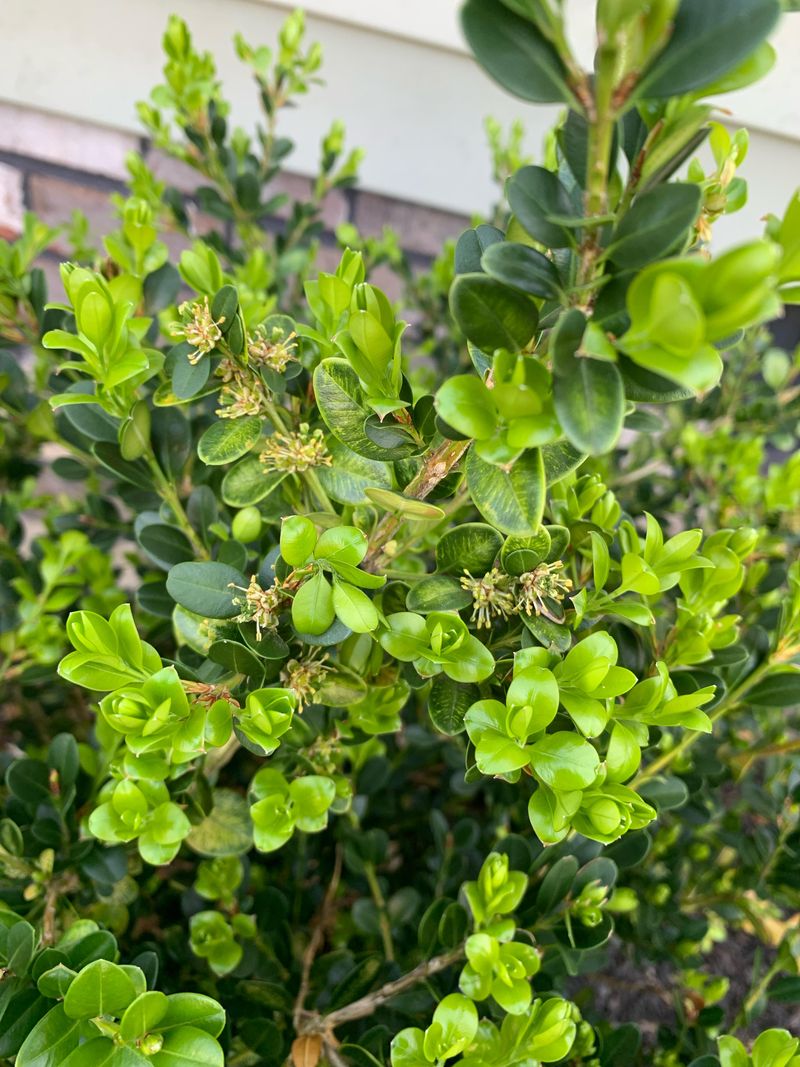
September watering matters, but stopping too early can undo a lot of that early effort. Boxwood roots keep working right up until the soil actually freezes solid, and Pennsylvania’s ground often stays workable well into November most years.
A lot of gardeners quietly wind down their watering routine once cooler weather arrives, assuming the season is basically over.
Boxwood does not really follow that same calendar though, since its evergreen leaves keep losing moisture on any mild, sunny day well into late fall.
Keep checking soil moisture through October and into November, especially during dry, mild stretches that do not feel like typical watering weather anymore.
Those in-between days are exactly when roots still need support, even as everything else in the yard starts slowing down for winter.
Once the ground actually freezes solid, watering becomes pointless since roots can no longer take up moisture regardless of what you add.
Before that freeze though, every dry week without extra water is a missed opportunity to build up the reserves boxwood needs.
A late-season warm spell can also dry soil out again even after a good soak earlier in fall. Watch the forecast rather than assuming one thorough September watering covers the whole season on its own.
Pennsylvania winters do not arrive on a fixed date every year. Let the ground, not the calendar, tell you when this particular job is finally finished.
Water In The Morning For Better Absorption
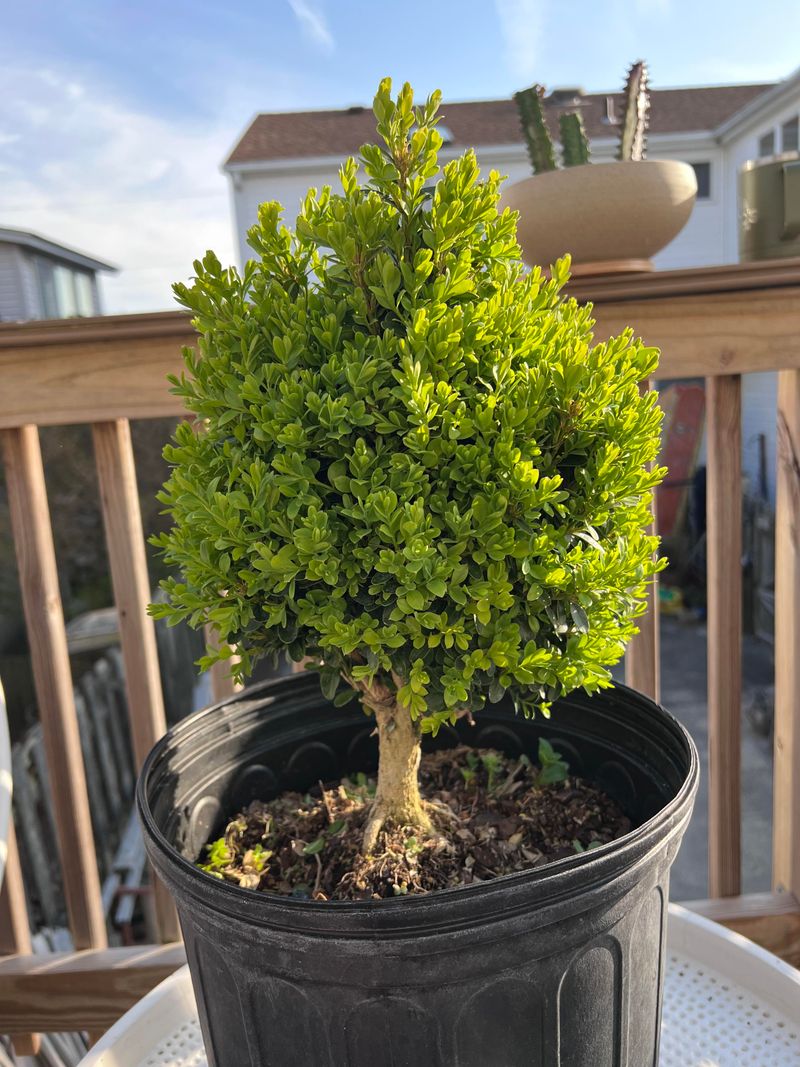
Timing water within the day sounds like a minor detail, but it actually changes how much moisture makes it down to boxwood roots before evaporation or cold nights interfere.
Morning watering gives soil the whole day to absorb moisture before nighttime temperatures drop and slow everything down.
Water applied earlier has more time to soak in deeply rather than sitting near the surface where it can freeze or evaporate before roots get much benefit.
Evening watering in fall carries its own small risk too. Cooler nighttime temperatures combined with damp soil and foliage can occasionally encourage fungal issues, something boxwood already deals with often enough without extra help.
Aim for watering sometime in the morning hours, giving the soil a full day of milder temperatures to pull that moisture downward toward the root zone where it actually matters.
This timing detail will not undo the benefit of skipping water altogether, so do not stress over hitting a perfect hour every single time.
It is simply one more small adjustment that stacks the odds a bit further in your boxwood’s favor heading into winter.
Combine morning watering with the deep, slow soaking approach already mentioned, and moisture has the best possible shot at reaching those roots before cold weather locks everything in place for the season.
Newly Planted Boxwood Needs Even More Attention
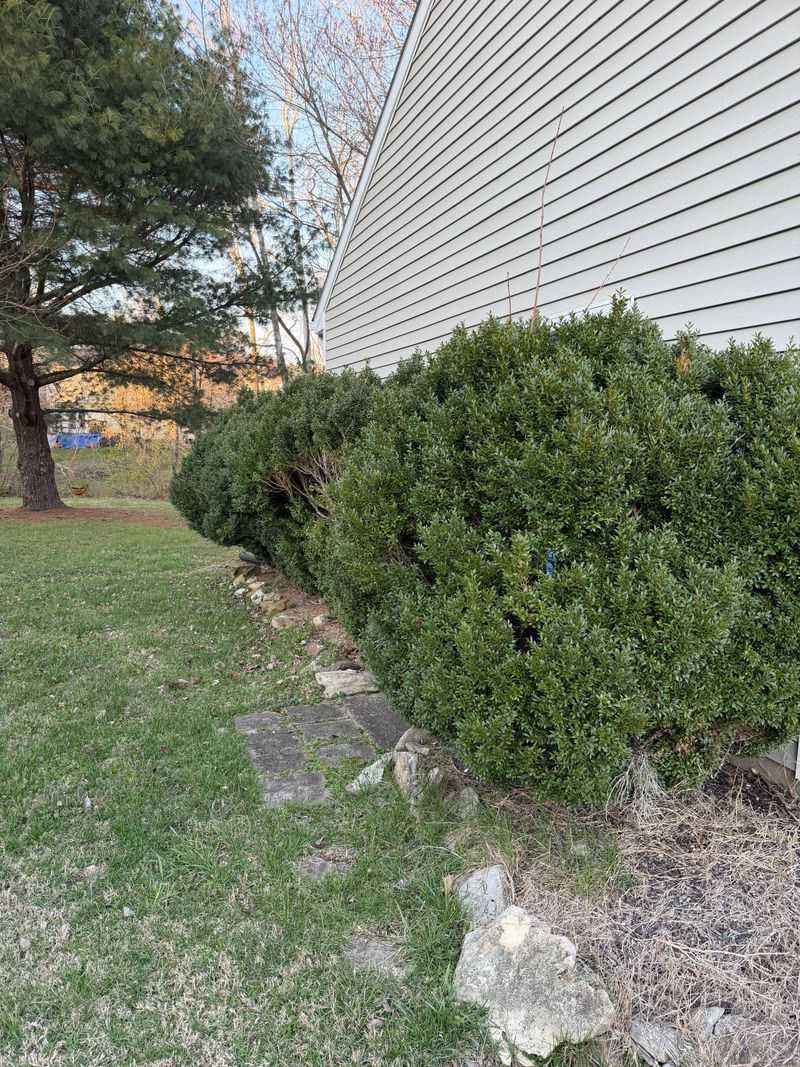
Established boxwood handles fall dry spells reasonably well once its root system has spread out over a few seasons. A newly planted shrub does not have that same cushion yet, and September watering matters even more for it.
Young boxwood roots are still confined to a fairly small area right around the original root ball, without the wider reach an older plant has built up over time.
That smaller root zone dries out faster and has less overall reserve to draw from during dry stretches.
Check soil moisture around new plantings more frequently than you would for established shrubs nearby, since that limited root zone can dry out within just a few days during warm, dry September weather.
Water new boxwood slowly and directly at the base, focusing moisture right where that young root ball actually sits rather than spreading it across a wider area the roots have not reached yet.
Mulch helps new plantings particularly well here, holding moisture in that smaller root zone longer between waterings.
A few inches of mulch, kept back from direct contact with the stem, makes a real difference for a young plant still finding its footing.
A newly planted boxwood going into its first Pennsylvania winter needs extra insurance, not less. Give it the closest attention this September, since it has the least built-in resilience of anything in the whole bed to fall back on.