What’s Attracting Yellowjackets To North Carolina Trash Cans And Compost This September
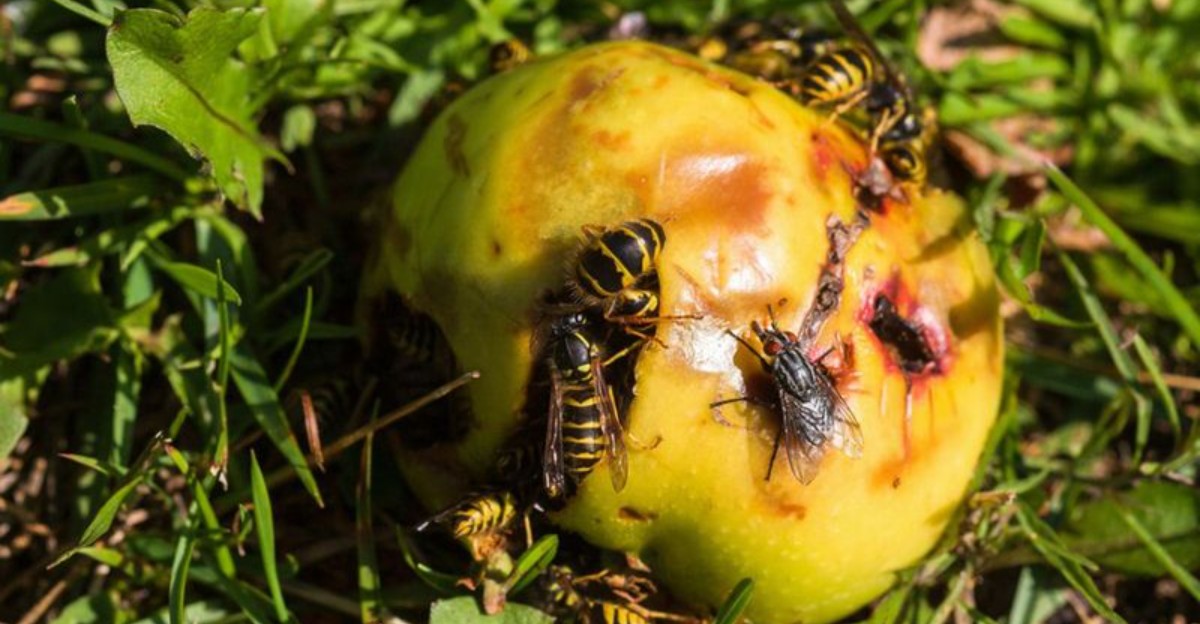
Yellowjacket colonies reach their largest size of the year by late summer, and September finds these insects more aggressive and more desperate for food than at almost any other point in the season.
With natural nectar sources starting to dwindle, yellowjackets turn their attention toward easier meals, and trash cans and compost piles offer exactly that in the form of sugary residue, rotting fruit, and discarded protein scraps.
Uncovered bins or piles left open to the air practically advertise themselves to nearby colonies searching for a quick food source.
Because these insects can become defensive when disturbed while feeding, an unexpected encounter near a trash can or compost pile can turn painful fast.
Understanding what’s drawing them in this time of year makes it much easier to keep both trash and compost areas from becoming a magnet for stinging visitors.
1. Fermenting Fruit Creates A Powerful Attraction
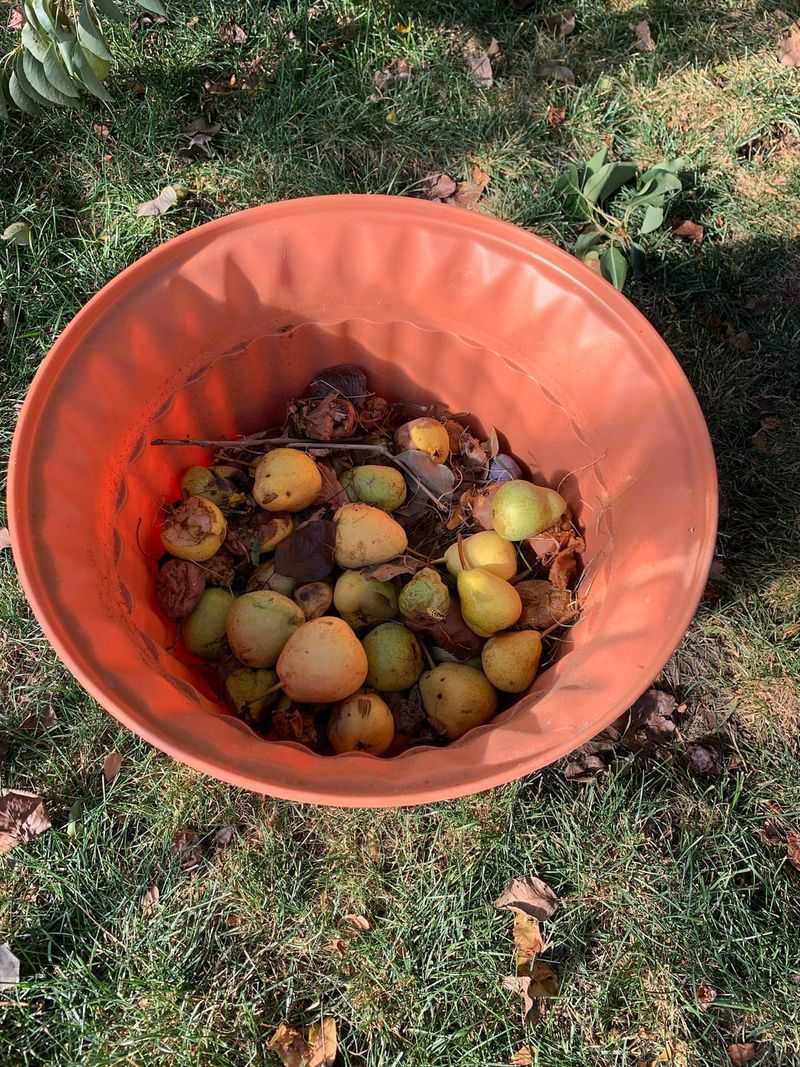
Picture a peach that slipped off the branch and landed in the grass a few days ago. As it softens and breaks down, it starts to ferment, and that sweet, boozy smell drifts through the air.
Yellowjackets have an amazing sense of smell, and fermenting sugar is like a dinner bell to them. In North Carolina, September is prime time for fallen apples, figs, berries, and peaches to pile up under trees and inside compost bins.
When fruit ferments, it releases sugary juices and strong scents that travel far. A single wasp can find that odor, feed, and then guide others back to the same spot. Before long, you have a steady stream of visitors around your yard.
Compost piles make this worse when fruit scraps sit on top without any cover. The exposed sugars keep the buffet open all day long, and warm afternoons make the smell even stronger.
You can slow this down by picking up fallen fruit every couple of days. Toss it deep into a sealed bin or bury it under dry leaves and soil in your compost.
Rinsing out juicy containers and keeping ripe produce covered also helps a lot. The less fermenting fruit sitting in the open, the fewer wasps that decide your yard is worth visiting.
Small habits like these make a big difference during peak season, letting you enjoy your garden with far less buzzing around your feet and food.
2. Sweet Food Residue Draws Workers In
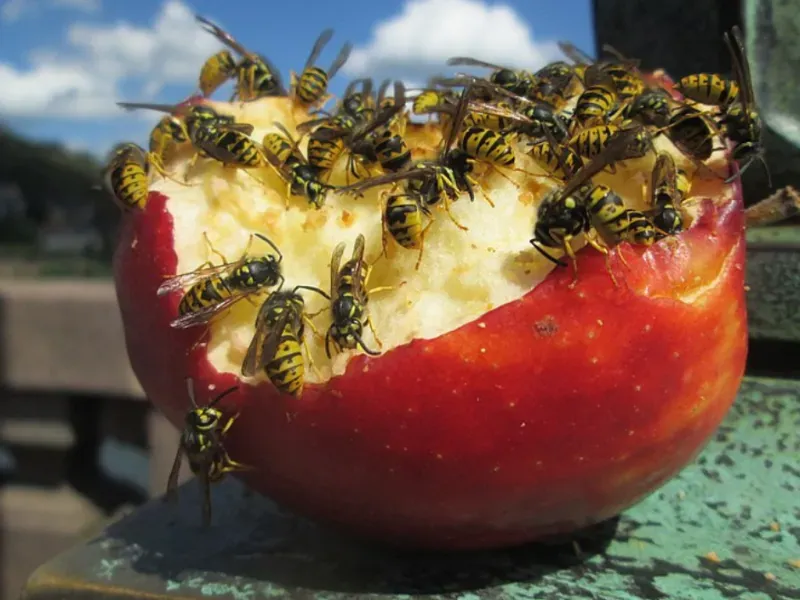
Ever notice how a spilled soda can turn into a wasp magnet within minutes? That sticky puddle is packed with easy sugar, and yellowjackets zero in on it fast.
Inside trash cans, leftover juice, syrup, melted candy, and half-empty drink bottles create the same effect. All that sugary residue smells like a free meal to a hungry worker wasp searching your neighborhood.
September is a busy feeding time, so any sweet leftovers become prime targets. A can that once held cola or a wrapper coated in chocolate gives them exactly what they crave.
The tricky part is that wasps remember good food spots. Once they find a sweet trash can, they keep coming back and often bring company along.
Your North Carolina Garden Changes Every Week. Your Plan Should Too.
Gardening in North Carolina changes quickly throughout the season. Every Friday you’ll receive a simple weekly plan showing exactly what to plant, prune, fertilize, harvest, and protect so you never miss the right timing.
Rinsing sticky containers before tossing them makes a huge difference. A quick splash of water washes away the sugar that draws them in.
It also helps to seal sweet trash inside a bag before it goes in the bin. That way, the smell stays trapped instead of floating out to every wasp nearby.
Keeping drink bottles and candy wrappers out of open recycling bins matters too, especially on warm afternoons. Wasps cannot resist an easy sugar source sitting in the sun.
By cleaning up sweet residue and sealing your trash tightly, you cut off one of their favorite food supplies. Fewer sugary rewards means fewer yellowjackets deciding to hang around your back door all September long.
3. Compost Can Provide Multiple Food Sources
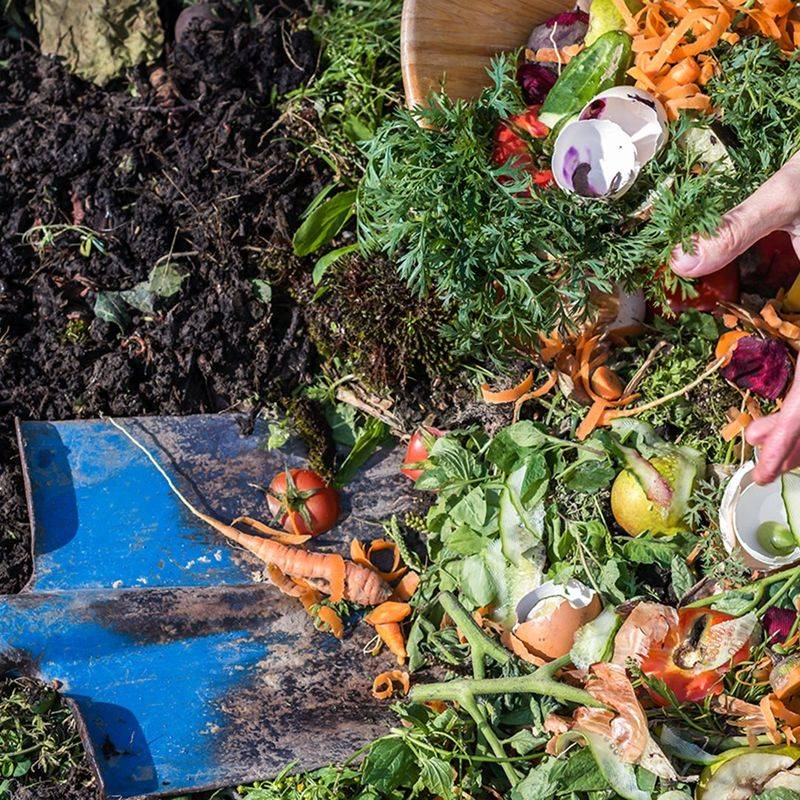
A compost pile is basically a treasure chest of food for yellowjackets. Fruit peels, veggie trimmings, and leftover scraps all sit together, offering plenty to snack on.
When these materials stay exposed on top, the smells rise into the air and invite wasps from all around. One open pile can feed dozens of them throughout the day.
The problem grows when compost lacks enough dry carbon material like leaves or shredded paper. Without that cover, wet food scraps stay uncovered and easy to reach.
North Carolina gardens produce a lot of soft scraps in late summer, from tomato ends to melon rinds. All of that sweetness and moisture keeps the buffet stocked for busy foragers.
Balancing your pile is the smart fix. Every time you add kitchen scraps, cover them with a thick layer of dry leaves, straw, or finished compost.
This simple step hides the odors that wasps follow. It also speeds up healthy composting, so you get better soil for your garden beds.
Turning the pile now and then helps too, since it mixes fresh scraps deeper where wasps cannot easily reach them. A well-managed bin smells earthy instead of sweet.
When you keep the right balance of greens and browns, your compost stops acting like an open snack bar. Fewer exposed scraps means far fewer wasps circling your yard, and you still get rich compost for next season’s plants.
4. Meat And Protein Scraps Are Another Attraction
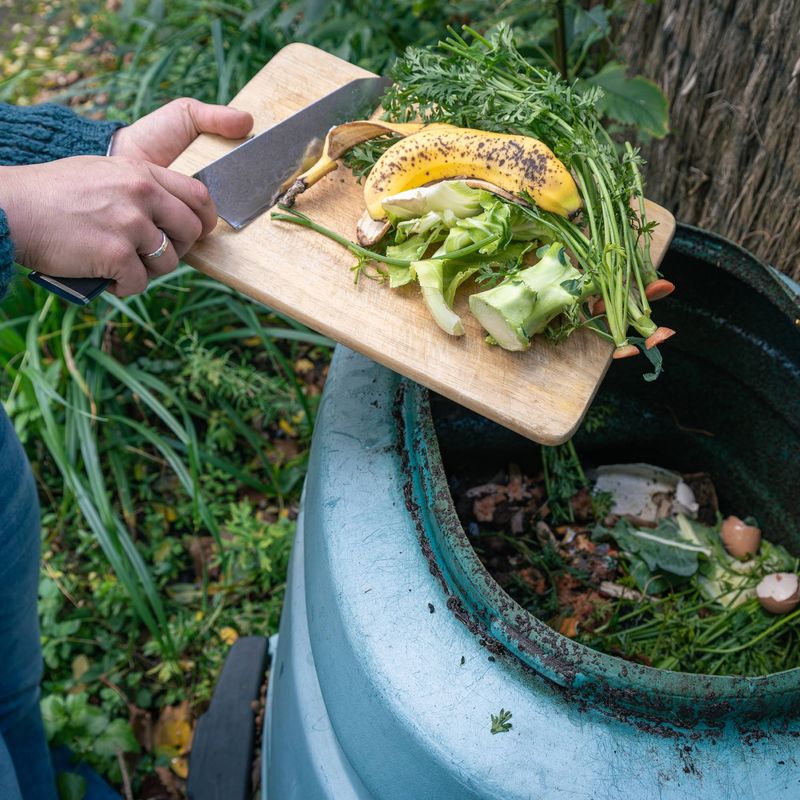
Sweet stuff is not the only thing wasps hunt for. Protein is a huge draw, especially when a colony is feeding its growing young.
Yellowjackets bring bits of meat and other protein back to the nest to feed their larvae. That is why leftover chicken, hamburger scraps, or bits of fish in your trash catch their attention so fast.
Pet food left outside works the same way. A bowl of kibble or wet food on the porch smells like an easy protein source to a searching worker wasp.
September colonies are large and hungry, so protein hunting kicks into high gear. Any meat scraps sitting in an open bin become a busy pickup spot for foragers.
You can cut this off by wrapping meat scraps tightly before tossing them. Sealing them in a bag keeps the smell from spreading across your yard.
Feeding pets indoors, or picking up their bowls right after mealtime, removes another easy target. Do not leave food dishes sitting out in the warm afternoon.
Taking meat-heavy trash out on collection day, rather than letting it sit for days, also helps a lot. The fresher your bin stays, the fewer protein smells escape.
By managing meat and pet food carefully, you remove a food source many people forget about. Wasps looking for protein will move on to hunt elsewhere, leaving your patio and trash area much calmer during the busiest weeks of the season.
5. Open Containers Make Access Easy
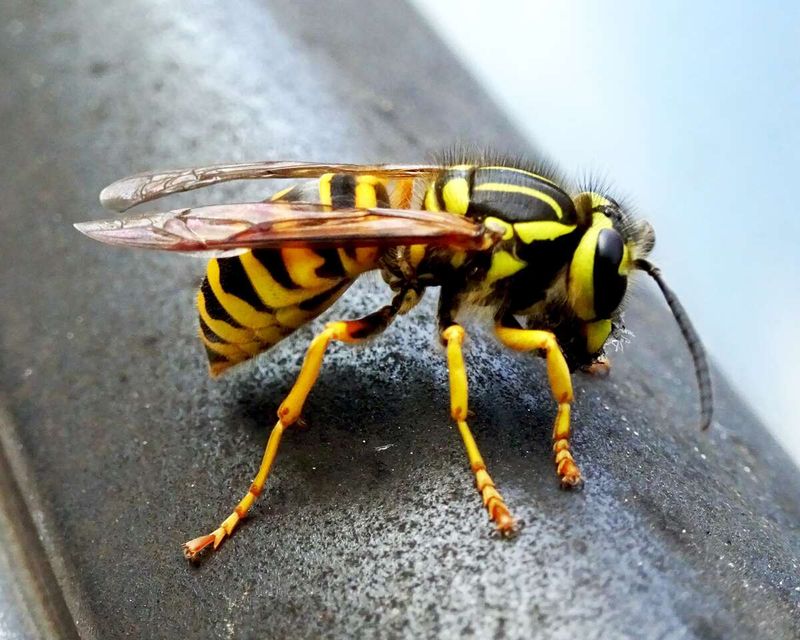
A trash can without a good lid is basically an open invitation. Wasps slip right inside, find the food, and buzz back out with ease.
Loose or cracked lids leave gaps that let smells escape and let yellowjackets crawl in. Once they discover the way in, they treat that bin like their personal pantry.
Exposed compost works the same way. When scraps sit uncovered, wasps land, feed, and quickly memorize the spot for return trips.
The scary part is how fast they spread the word. A single wasp that finds an open container can lead many others straight to it within hours.
Tight-fitting lids solve a big chunk of the problem. Make sure your trash and recycling bins close all the way with no gaps around the edges.
If your lid is warped or broken, replacing it is worth the small cost. A sealed container blocks both the smell and the entry point at the same time.
For compost, keep a cover of leaves, soil, or a bin lid over fresh scraps. Hidden food is much harder for wasps to reach.
Checking that lids latch properly before trash day keeps things secure even on windy afternoons. A little effort here goes a long way.
When containers stay closed and compost stays covered, wasps lose their easy access. Without a simple way in, they give up and search somewhere else, leaving your outdoor space far more peaceful all through September.
6. September Colonies Are At Peak Activity
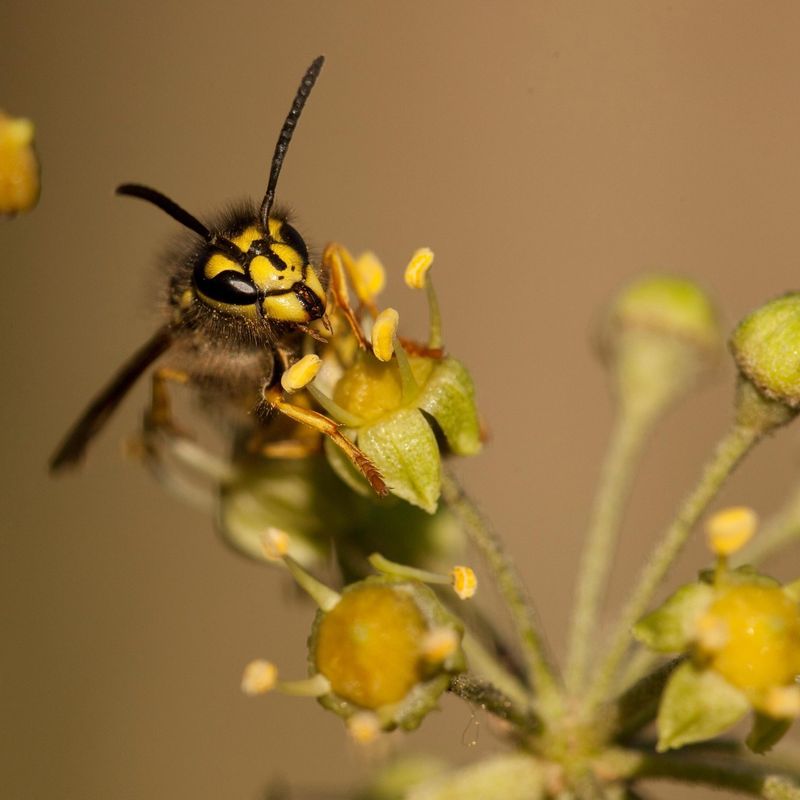
There is a reason wasps seem extra bold this time of year. By September, their colonies have grown huge, packed with hundreds of hungry workers.
All those wasps need food, so more of them spend the day out searching. That means you notice them buzzing around trash and compost far more than in early summer.
As the season shifts, the colony’s usual food supply starts running low. Workers get more determined and will travel farther to find anything sweet or protein-rich.
This is why September wasps can seem pushy near your soda or picnic plate. They are simply working harder to gather food during the colony’s busiest stretch.
Cooler weather ahead will slow the colony down naturally, so this peak does not last forever. Knowing that helps you stay patient during the buzziest weeks.
In the meantime, you can lower the draw by keeping food and drinks covered outdoors. A closed cooler and sealed containers give them less to find.
Eating away from open trash areas also helps, since wasps gather where food smells linger. Move your snacks to a cleaner part of the yard.
Staying calm around them matters too. Swatting makes wasps defensive, while slow, steady movements let you go about your day safely.
Understanding this seasonal rhythm takes away a lot of the worry. Once you know why they are so active, you can plan around it and enjoy your outdoor time with far less stress.
7. Compost Management Can Reduce Yellowjackets
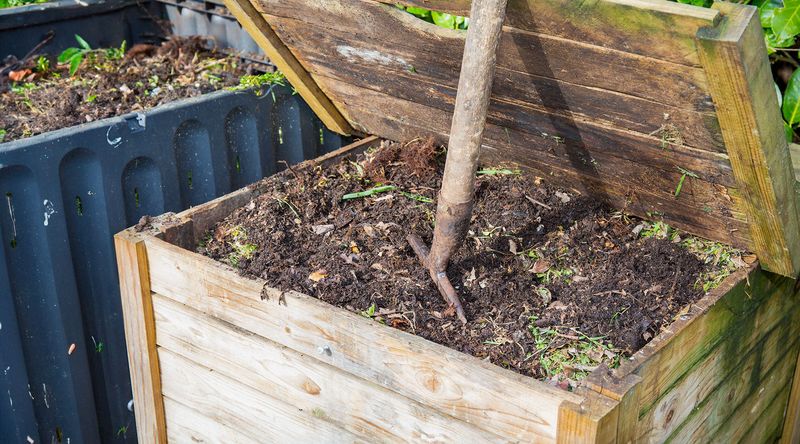
Good compost habits are one of your strongest tools against wasps. The trick is hiding those tempting food smells before they ever reach the air.
Whenever you add fresh scraps, cover them right away with a layer of dry leaves, shredded paper, or soil. A scoop of finished compost works great too.
This cover acts like a blanket that traps odors underneath. Without the smell drifting out, wasps have nothing to follow to your bin.
Layering also keeps your compost healthy and balanced. Mixing wet greens with dry browns speeds up the breakdown and cuts down on foul smells.
A bin with a lid gives even more protection, since it blocks both scent and access. Closed systems tend to attract far fewer flying visitors.
Turning your pile every week or so buries fresh scraps deeper inside. That extra step keeps sweet, juicy bits away from the surface where wasps land.
Keep a small stash of dry material right next to your compost area. Having leaves or paper on hand makes covering scraps quick and easy every single time.
Avoid tossing large amounts of fruit on top all at once. Spreading scraps out and covering them keeps the buffet closed.
With these simple routines, your compost stays productive without becoming a wasp hangout. You still build rich soil for your garden, and you do it without inviting a swarm of hungry foragers to gather near your home this September.
8. Clean Up Around Trash And Compost Areas
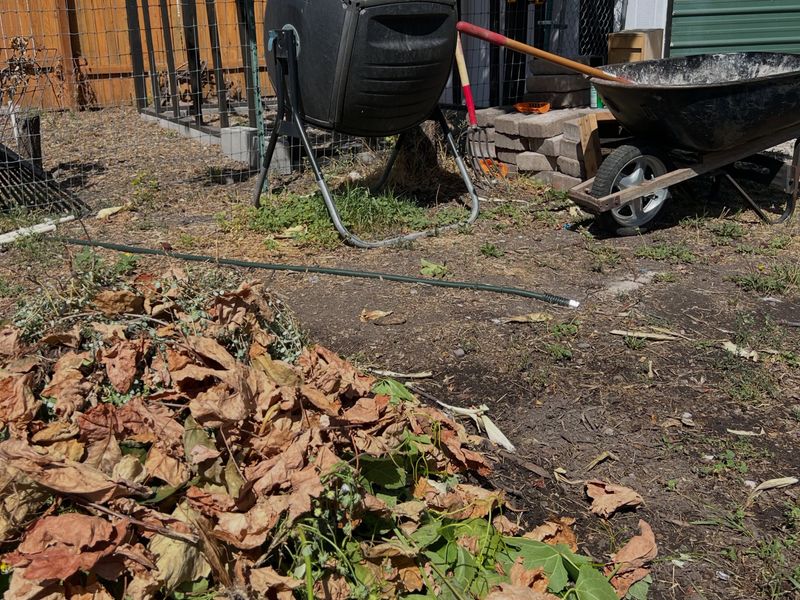
A tidy trash zone is your best defense once the buzzing starts. Wasps love mess, so cleaning up removes the very things that attract them.
Start by rinsing sticky trash cans with a hose now and then. Washing away old juice, syrup, and food residue erases the sweet smells that pull wasps in.
Securing your garbage lids tightly keeps both odors and wasps out. Check that every bin closes fully, with no gaps for a curious forager to squeeze through.
Raking up fallen fruit under trees makes a big difference too. Those soft, fermenting pieces are some of the strongest wasp magnets in your whole yard.
Keeping your compost in North Carolina balanced ties it all together. Cover fresh scraps, mix in dry material, and turn the pile so nothing tempting sits exposed.
Wiping down outdoor tables and grills after meals helps as well. Leftover crumbs and sauces can draw wasps just like an open trash can.
Emptying bins on collection day, instead of letting them overflow, keeps smells from building up over time. A fresh, empty can is far less interesting to them.
Sweeping up spilled drinks or food near your patio removes little snack spots you might not even notice. Wasps do notice, though.
When you combine these easy cleanup habits, you take away nearly every reason for wasps to gather. Your trash and compost areas stay fresh, your yard stays comfortable, and you can enjoy those last warm days of September in peace.