Raccoon, Armadillo, Or Opossum? How To Tell Who’s Digging Through Your Florida Beds
The flower bed looks like it lost a fight overnight. Mulch scattered across the walkway, a few plants uprooted, holes punched into the soil in a pattern that doesn’t look random once you actually look closely.
Whatever did this wasn’t just passing through. Three animals are responsible for most of this damage in Florida yards, and they leave surprisingly different clues behind if you know where to check.
Hole shape, depth, what’s missing versus what’s just knocked over, even the time of night the damage tends to happen all point toward one culprit over the other two.
Guess wrong and whatever fix gets tried usually misses the actual problem entirely, since what stops one of these animals does nothing to slow down the other two.
Reading those clues correctly turns a frustrating mystery into an obvious answer, and most of what’s needed is already sitting right there in the dirt.
1. Spot Raccoon Damage From Flipped Soil And Nighttime Digging

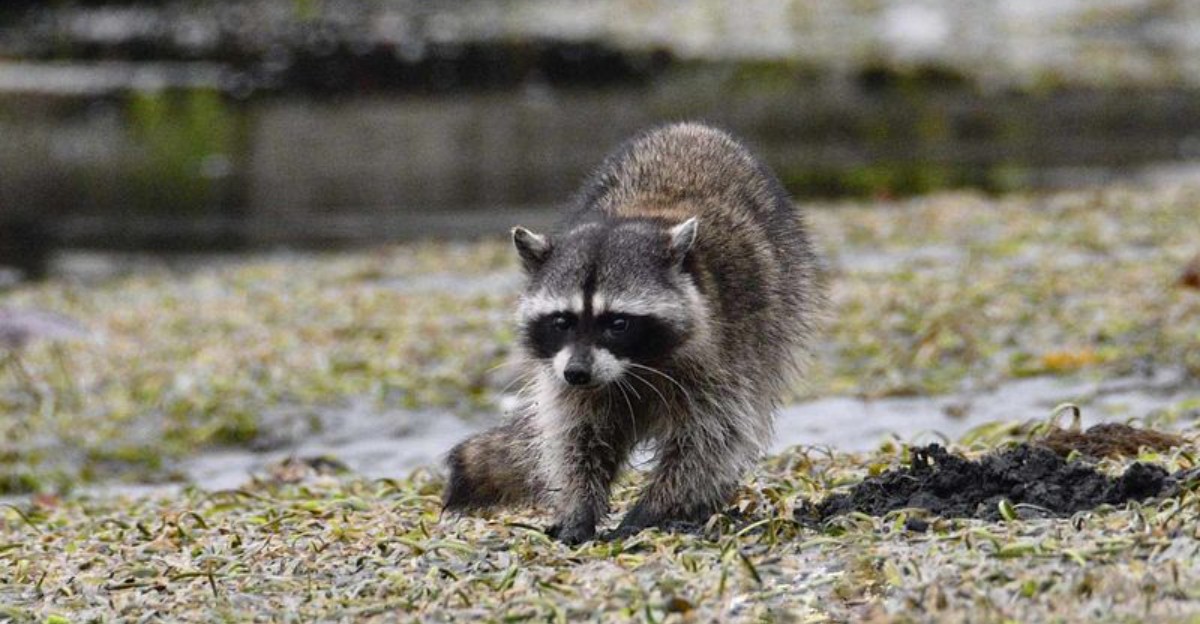
Picture a burglar with nimble little hands and a permanent bandit mask. That is basically what happens when a raccoon decides your flower bed is a buffet.
Raccoons work mostly after dark, hunting grubs, worms, and insects hiding just under the surface. Instead of drilling neat holes, they grab chunks of sod or mulch and peel them back like someone pulling up carpet.
Wake up to rolled-back grass, tossed mulch, and shallow scooped areas, and you can put raccoons near the top of your suspect list. Their clever front paws leave soil pushed aside in clumps rather than sprayed around loosely.
Hunger does not stop at bugs, either. Raccoons happily sample sweet corn, tomatoes, melons, and berries, often taking a bite or two and abandoning the rest.
Other giveaways show up around the yard. Knocked-over bird feeders, tipped potted plants, rifled trash cans, and muddy smudges on lids all point the same direction.
If the mess covers a wide area overnight, you may be hosting a family group rather than one hungry wanderer. Mothers with young ones can turn a tidy bed into chaos in a single evening.
Checking the damage early in the morning gives you the freshest clues before sprinklers and sunshine erase the evidence.
2. Identify Armadillo Holes From Their Shallow Lawn Searches
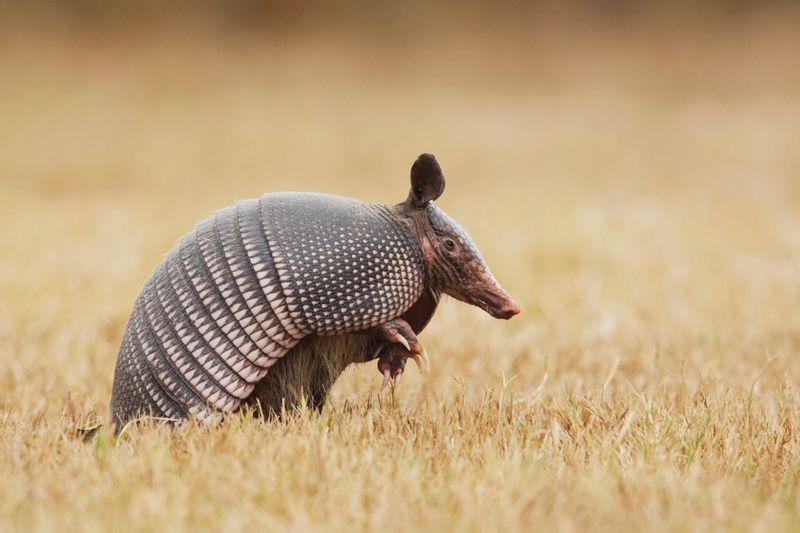
Florida’s armored tourist wears a shell, snuffles like a piglet, and treats your lawn like an all-night snack bar. Armadillos hunt insects, larvae, and worms sitting just an inch or two below the surface.
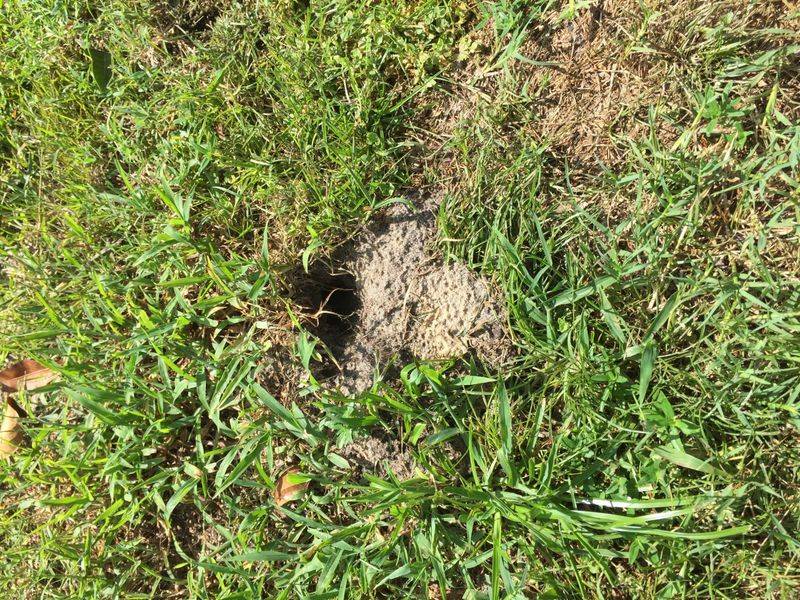
Their calling card is a scatter of small, cone-shaped pits spread across grass, mulch beds, and flower borders. Most measure roughly 1 to 3 inches deep and 3 to 5 inches wide, shaped by a busy snout and stubby claws.
Damp ground makes digging easier, so irrigated Florida yards and shady beds get hit hardest. After a rainy stretch, you might count a dozen fresh pits by breakfast.
Bigger openings tell a different story. Burrows used for shelter run about 7 to 10 inches across, often round or shaped like an upside-down U.
Your Florida Garden Changes Every Week. Your Plan Should Too.
Gardening in Florida changes quickly throughout the season. Every Friday you’ll receive a simple weekly plan showing exactly what to plant, prune, fertilize, harvest, and protect so you never miss the right timing.
Look for those tunnels tucked beside foundations, sheds, decks, patios, and brush piles where soil stays cool. A burrow near concrete deserves attention, since digging can loosen the ground underneath.
Fun detail worth knowing: nine-banded armadillos moved into Florida over the past century and now roam nearly the whole state.
Damage from these diggers tends to appear suddenly and spread fast, so catching the first few pits helps you act before the whole bed looks pockmarked.
3. Recognize Opossum Activity Around Fallen Fruit And Debris
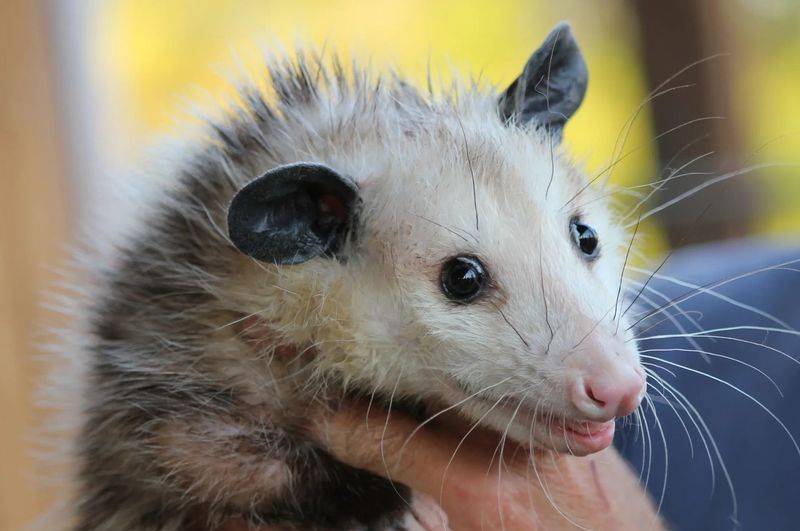
Here is a twist that surprises most gardeners: your local opossum probably is not the one making holes. North America’s only marsupial prefers easy pickings over hard labor.
Opossums scavenge, which means they nose through whatever is already loose, spilled, or lying on the ground. Fallen citrus, dropped mangoes, squishy tomatoes, and open compost draw them in fast.
Signs usually cluster around food rather than plants. Tipped garbage cans, emptied pet bowls left on the lanai, and rummaged compost heaps are classic opossum handiwork.
Occasionally they nibble strawberries or low fruit, but wholesale garden destruction is not their style. If your beds look poked at rather than plowed, this scavenger fits the profile.
Nesting is another clue. Opossums gather leaves and shredded material under decks, sheds, porches, and inside crawl spaces, dragging bedding with their tails.
Scratching or rustling sounds overhead at night can also mean one has found a way into an attic or wall void.
Worth remembering: opossums eat ticks, roaches, snails, and beetles by the hundreds, so a visiting one offers real benefits. Clean up the fallen fruit and secure the trash, and most will move along on their own without any fuss from you.
4. Check The Size And Shape Of Fresh Garden Holes
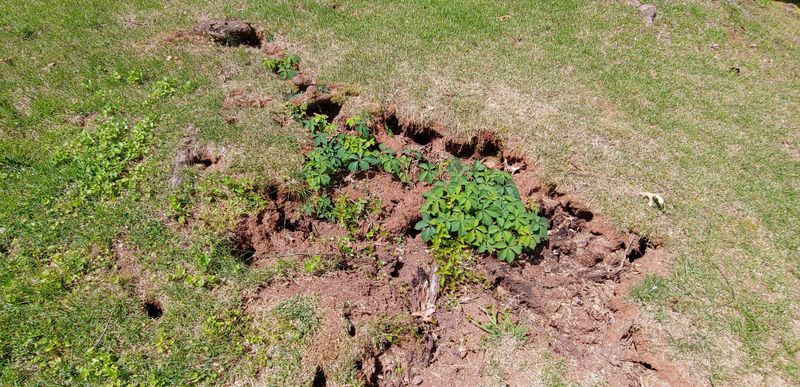
Measure before you guess. A tape measure and two minutes of squinting will settle most backyard mysteries faster than any guessing game.
Armadillo foraging pits come in bunches, cone-shaped and modest, about 1 to 3 inches deep and 3 to 5 inches wide. You will usually find several scattered across a lawn or bed rather than one lonely divot.
Their shelter burrows are a whole different scale. Those openings run 7 to 10 inches wide, look round or like an upside-down U, and the tunnel behind them can stretch fifteen feet.
Raccoon holes read messier. Expect torn flaps of turf peeled backward, plus shallow funnel-shaped scoops roughly 3 to 5 inches across where paws probed for grubs.
Edges tell a story too. Raccoons leave ragged, pulled-up borders, while armadillo pits have smoother, snout-shaped walls.
Opossums rarely start fresh holes at all. When one has been around, you will see rooting through existing loose soil, mulch, or compost instead of new excavation.
Snap a phone photo with a coin or ruler beside the hole for scale. Comparing shots over several mornings shows whether the digging is spreading, staying put, or fading away on its own.
5. Follow Tracks To Find Your Backyard Digger
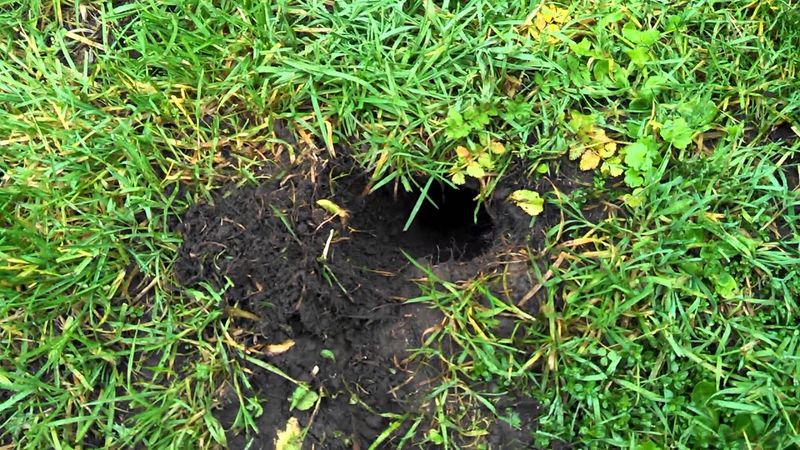
Soft, damp soil is nature’s notepad, and Florida mornings hand you plenty of it. Check bare dirt, sandy edges, and the muddy rim around sprinkler heads.
Raccoon prints look startlingly like tiny human hands. Front paws show five long, spread toes, roughly 2 to 3 inches long, while hind prints stretch 3 to 4 inches with a long heel pad.
Raccoons also tend to walk with front and hind prints landing side by side, creating a paired pattern along their route.
Armadillo tracks are blunter and clawed. You will usually see two or three thick toe marks up front and three behind, punched deep into soft ground.
The giveaway is the drag line. A steady groove runs down the middle of the trail where the tail sweeps the dirt.
Opossum prints star in their own category. Five splayed toes make a star shape, and the hind foot carries an inner toe that sticks out sideways like a thumb.
Front prints measure about 1.5 to 2 inches, hind prints closer to 2, sometimes with a patchy tail smudge between them.
Try smoothing a small patch of soil near the damage before bed. Morning prints will name your visitor without any guesswork.
6. Look For Clues Before Blaming The Wrong Animal
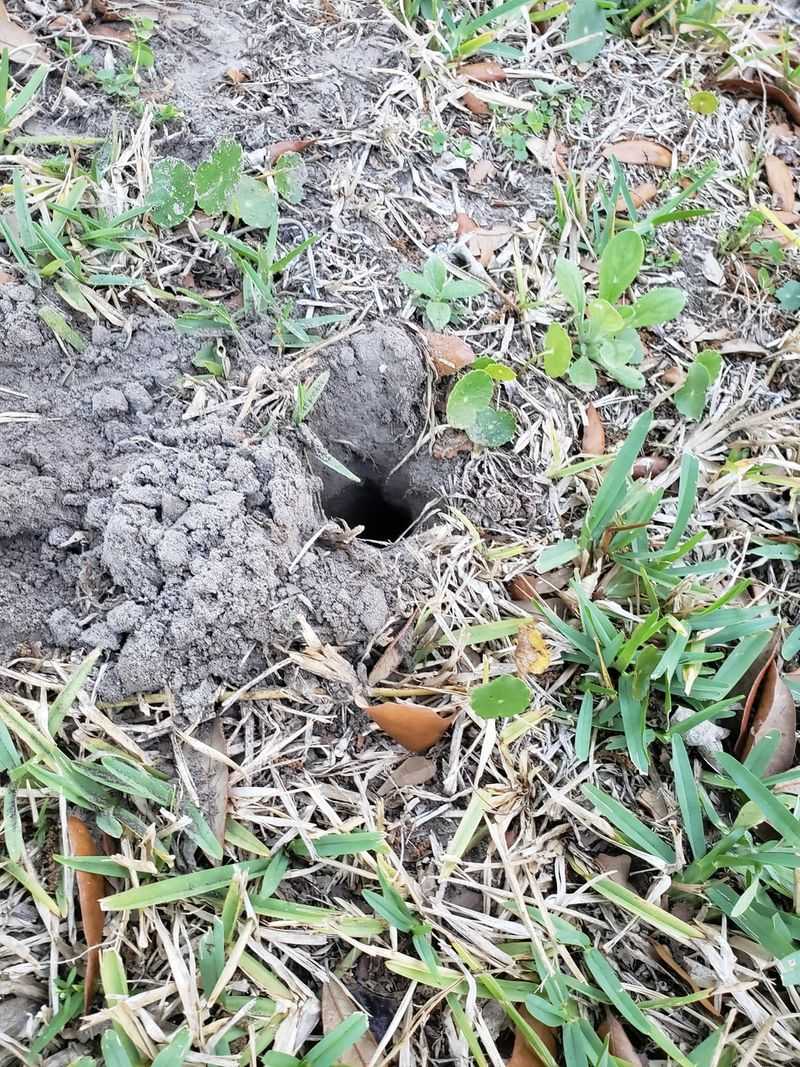
Blaming the wrong critter wastes money and effort, and the real digger just keeps working. Gather a few extra clues before you commit to a plan.
Raccoon evidence stretches beyond soil. Tipped trash and compost bins, corn stalks knocked flat, and half-eaten vegetables all fit the pattern.
Their droppings are blunt on both ends, fairly uniform at about an inch thick, and often speckled with berry seeds. Handle nothing directly, since raccoon waste can carry parasites.
Armadillo trouble tends to show up overnight and worsen quickly. Think scattered shallow pits, torn-up flower beds, mulch flung onto sidewalks, and soft or sunken soil near patios and foundations.
Opossum clues lean toward scavenging and scent. Missing pet food, raided garbage, and a musky odor near a deck usually mean one is nesting close by.
Their scat is dark and tubular with tapered ends, sometimes holding seeds or insect bits, which sets it apart from blunt raccoon droppings.
A cheap trail camera aimed at the damaged bed removes all doubt within a night or two. Many gardeners discover their suspect list was wrong the whole time, and the footage often turns into the funniest thing on their phone.
7. Protect Garden Beds Without Harming Wildlife
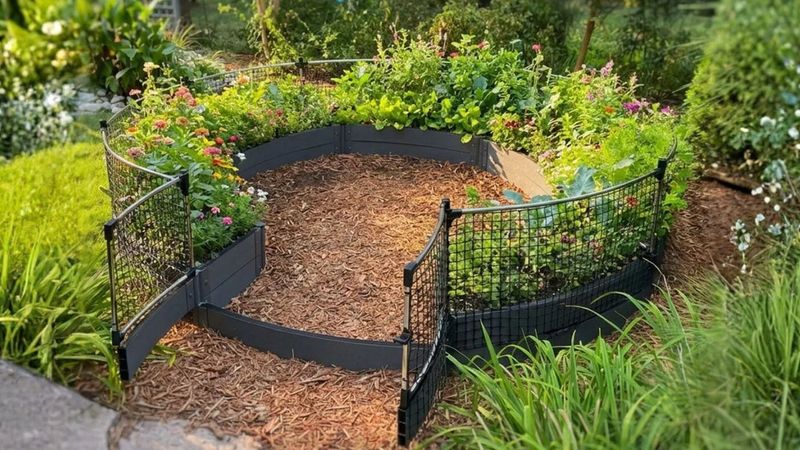
Good news for tender hearts: you can defend your beds and still be a decent neighbor to local wildlife. Barriers and mild deterrents handle most situations.
Hardware cloth is your workhorse against burrowers. Use buried mesh barriers where digging pressure is severe, and adjust depth based on the animal and situation.
Raccoons need a taller answer since they climb like little acrobats. Properly installed low electric fencing can deter some wildlife.
Motion-activated sprinklers earn their keep in Florida yards. A sudden burst of water startles raccoons, armadillos, and opossums without causing any injury.
Scent works too, at least for a while. Physical barriers and removing attractants work much more reliably than scent-based remedies.
Scattering citrus peels helps in some yards, and a homemade spray of dish soap, water, and crushed garlic around the perimeter may discourage armadillo probing.
Rotate your methods every couple of weeks so nobody gets comfortable. Animals learn quickly, and a sprinkler that never moves eventually becomes background noise rather than a warning.
8. Remove Food Sources That Attract Florida Visitors
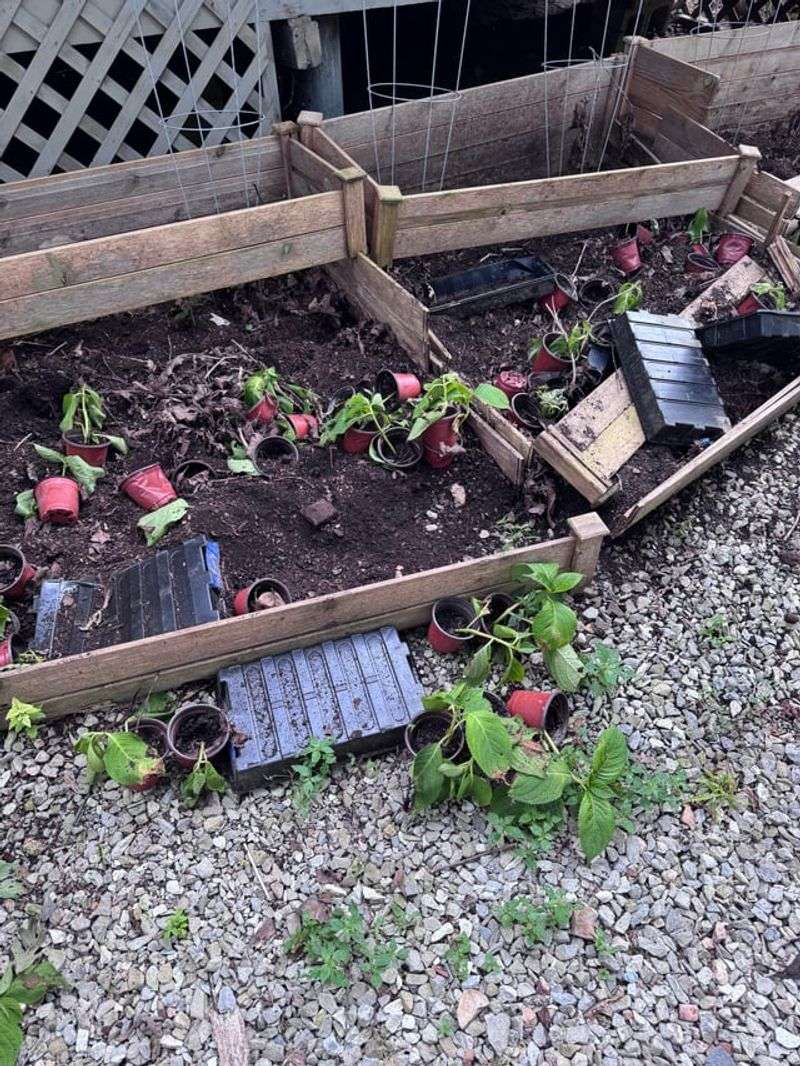
Every uninvited digger showed up for one reason: groceries. Cut the menu, and the crowd thins out on its own.
Start with trash. Tight-fitting lids, bungee straps, or weighted tops keep raccoons and opossums from turning your bin into a drive-through.
Pet food belongs indoors, full stop. Bowls left on a porch overnight are practically a dinner invitation with your address on it.
Rake up fallen mangoes, citrus, avocados, and nuts a few times a week during fruiting season. Florida yards drop a lot of sweetness, and scavengers notice within hours.
Armadillos chase a different menu entirely. Their meals live in the soil, so soggy ground full of grubs keeps them coming back night after night.
Dialing back irrigation lets the top inch of soil dry between waterings, which makes probing harder and less rewarding. Treating a real grub problem in the lawn removes the main draw for both armadillos and raccoons.
Feeding wildlife on purpose backfires fast, since animals return with friends and lose their natural caution around people.
Give it two or three weeks of consistent cleanup, and most gardeners notice the nightly digging drops off without a single trap.
9. Keep Your Beds Safe From Unwanted Digging Guests
A tidy yard is quietly one of the best deterrents around. Clutter offers cover, and cover makes a backyard feel safe to explore.
Clear brush piles, stacked lumber, and leaf heaps that give animals a place to hide during daylight. Secure compost bins with latching lids so the aroma stays inside.
Next, close the doors you did not know were open. Seal crawl spaces, vents, sheds, and attic gaps with sturdy materials rather than quick patches.
Screen the space under decks and porches with buried mesh so nobody sets up a den beneath your feet. Check fence lines for gaps worn open at ground level.
Trim tree limbs and tall shrubs that reach your roofline. Raccoons and opossums treat overhanging branches like a staircase straight to the attic.
Walk the property once a month with fresh eyes, since Florida’s growing season closes gaps and opens new ones quickly.
Keep up the food cleanup and the barriers together, because one without the other rarely holds for long.
Stay consistent and your nighttime visitors will drift toward wilder ground, leaving your mulch smooth, your bulbs in place, and your morning coffee peaceful again.