The September Pruning Mistake That Can Cost You Next Spring’s Flowers In Ohio
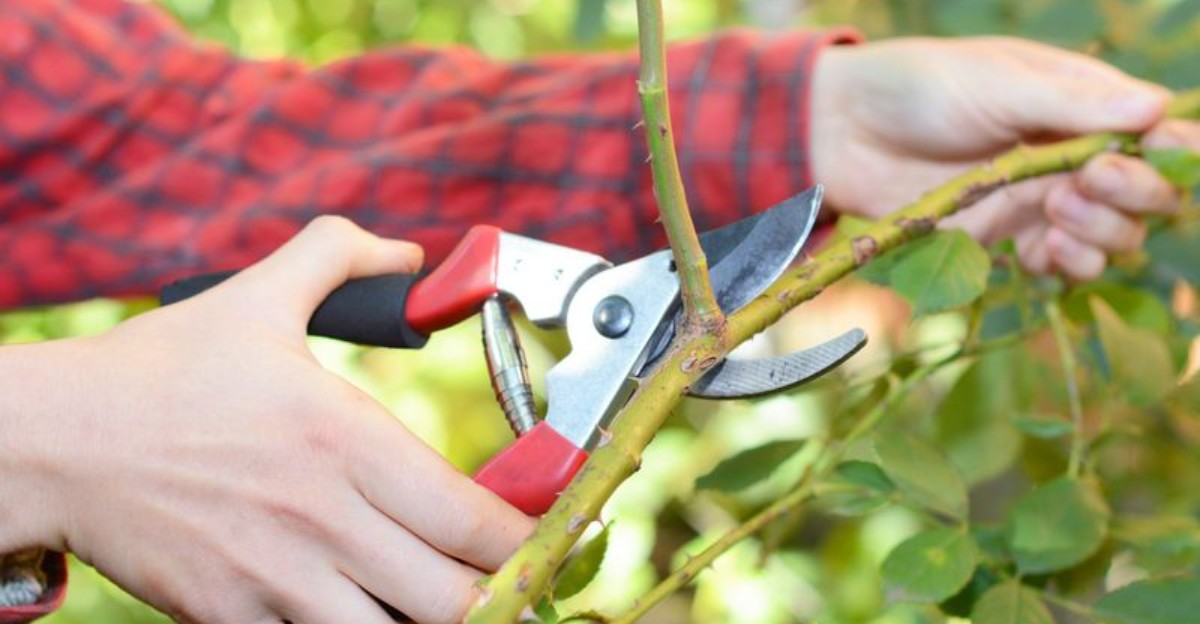
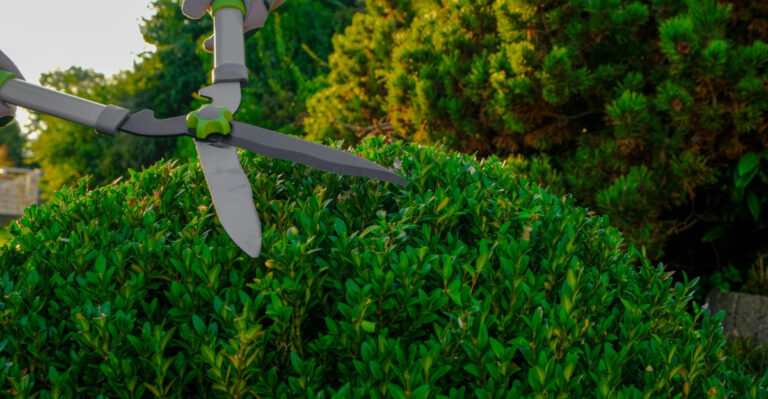
That trim you’re eyeing this weekend, the one that would finally clean up an overgrown shrub before company comes over, might be aimed at exactly the wrong plant.
September pruning doesn’t work the same way it does in June, and a handful of shrubs are already holding next year’s flowers inside wood that looks completely done for the season.
Cut into that wood now and the buds go with it, no matter how healthy the rest of the plant looks afterward. There’s no immediate sign anything went wrong.
The shrub leafs out fine next spring, grows normally, just skips the blooms almost entirely, and by then it’s too late to undo the mistake or even trace it back to a single afternoon with the shears.
Ohio’s cooling weather makes September feel like the natural time to tidy everything up in the yard.
For a few specific shrubs, that instinct is exactly what wipes out spring color before it ever gets the chance to show up.
1. Stop Cutting Back Spring Blooming Shrubs
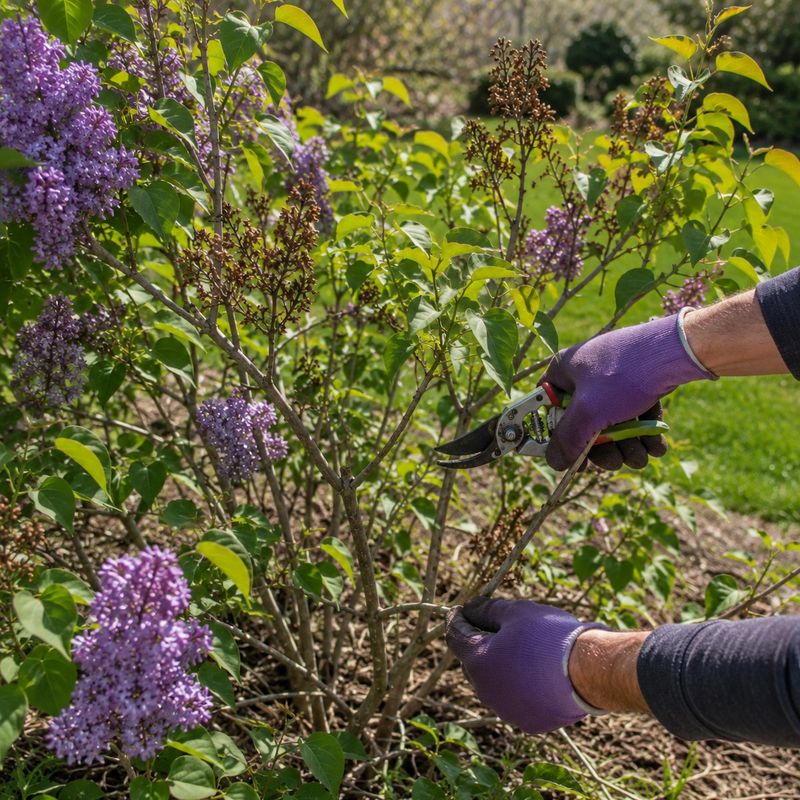
Picture a gardener in Columbus, coffee in hand, eyeing a shaggy lilac and thinking, “Time for a trim.” That single decision in September is the reason plenty of Ohio yards look flower-shy come May.
Spring-blooming shrubs build their flowers on old wood, meaning the stems that grew during the previous season. Those stems already carry the buds for next year, tucked tight against the bark.
Cut them off in September and there is nothing left to open when the robins return. The shrub itself stays green and leafy, which fools people into thinking the trim went fine.
Most spring bloomers prefer a haircut right after their petals fade in late spring or early summer. At that point, the plant has months of warm weather to push fresh growth and set new buds.
If your lilac or forsythia looks messy right now, try to make peace with it for a few more months. A little wildness through fall and winter is a fair trade for a wall of blossoms.
One helpful trick is a calendar reminder set for the week your shrub finishes blooming. Write the plant name on it so future you knows exactly what gets the clippers and when.
2. Protect Next Year’s Flower Buds Now
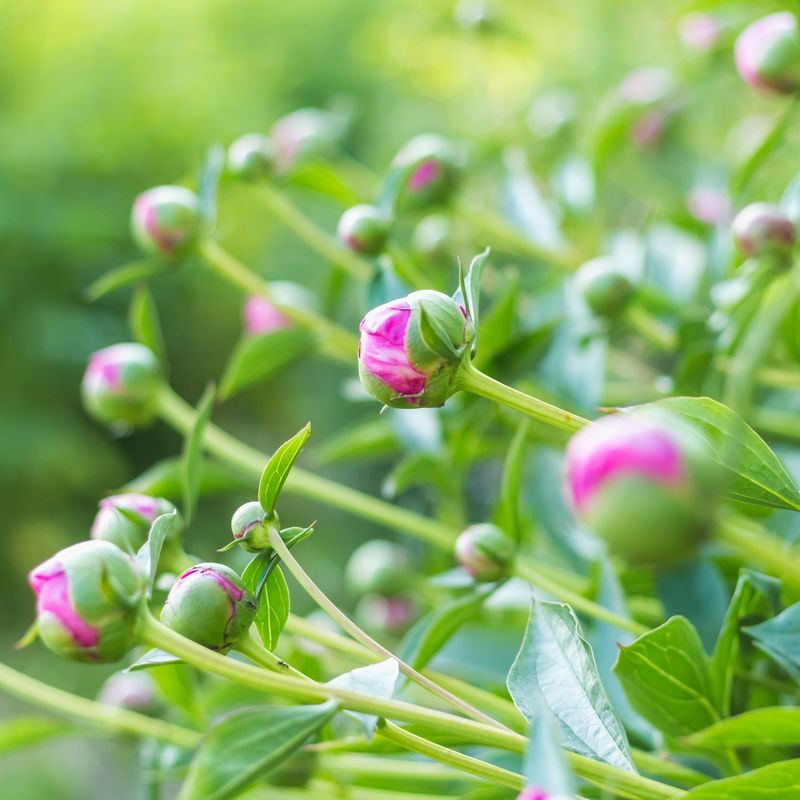
Those buds you are about to snip did not show up last week. They formed quietly during the hot stretch of July and August while you were watering the tomatoes.
By September, the shrub has already made its plan for spring. The energy is packed away in tiny bumps along the stems, sealed up and waiting for cold weather to pass.
Any late-summer or fall trimming pulls those packages right off the plant. The shrub cannot rebuild them, because bud-setting season has come and gone for the year.
Protecting them is refreshingly simple. Put the pruners in the shed and give the plant water during dry spells, plus a layer of mulch a few inches from the trunk.
Your Ohio Garden Changes Every Week. Your Plan Should Too.
Gardening in Ohio changes quickly throughout the season. Every Friday you’ll receive a simple weekly plan showing exactly what to plant, prune, fertilize, harvest, and protect so you never miss the right timing.
Fall is a fine time to feed the soil, clear fallen leaves, and pull weeds crowding the base. All of that helps the roots without touching a single bud.
Here is a habit worth borrowing from Ohio nursery crews: walk your beds in September with a notebook instead of tools. Jot down what needs shaping, then act at the proper season.
Come April, when neighbors wonder why your shrubs are loaded with color, you can smile and say you simply left them alone.
3. Know Which Plants Bloom On Old Wood
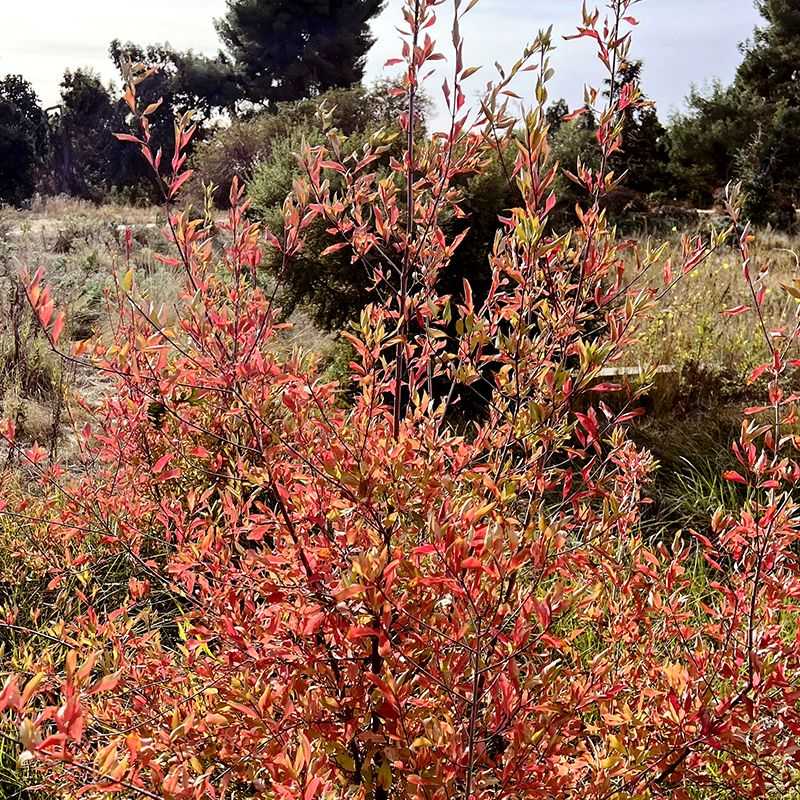
Sorting your shrubs into two teams makes this whole topic click. Team Old Wood flowers on last year’s stems, and Team New Wood flowers on growth from the current season.
Old wood bloomers include lilac, forsythia, azalea, rhododendron, viburnum, magnolia, weigela, mock orange, deutzia, flowering almond, oakleaf hydrangea, aronia, and flowering currant. Those are the ones that deserve a hands-off September.
New wood bloomers act differently. Butterfly bush, rose of Sharon, smooth hydrangea, and panicle hydrangea all flower on stems that sprout in spring, so they tolerate late-winter trimming.
A quick memory helper: if the plant flowers before summer really heats up, it built those buds last year. If it flowers in July, August, or September, it made them fresh.
Not sure what you have? Snap a photo when it blooms and take it to a local garden center, or check the plant tag stuffed in a kitchen drawer.
Ohio yards often hold a mix of both types planted by previous owners decades ago. Mapping them once saves years of guesswork and disappointing springs.
Fun detail: forsythia buds are already there in fall, small and dark, hugging the stems. Slide your finger along a branch and you can feel the little bumps.
4. Avoid Removing Hidden Spring Flowers
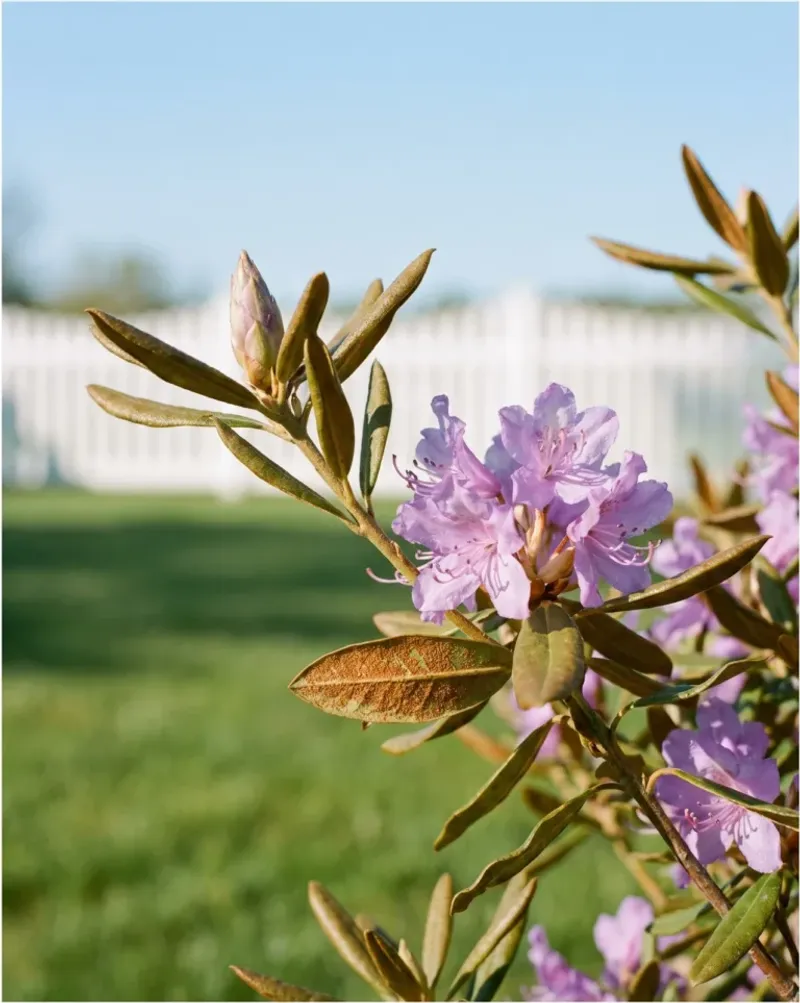
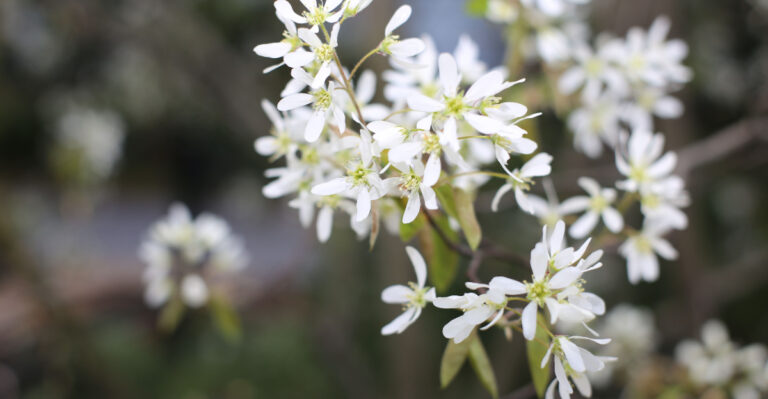
Spring flowers hide in plain sight during autumn. They are not colorful yet, just modest knobs that blend into the bark and get overlooked by almost everyone.
Rhododendrons make it a little easier, since their buds are plump and pointed at branch tips. Azaleas and viburnums keep theirs smaller and sneakier.
Because the buds look like nothing special, they end up in the yard waste bag without a second thought. The gardener feels productive, and the shrub quietly loses its spring wardrobe.
Slow down and look closely before any cut. Run your hand down a stem and compare the tips to the middle sections, and the bumps start to stand out.
If you find buds, mark that shrub with a scrap of ribbon as a reminder to leave it be. Simple visual cues beat memory every time, especially in a busy fall.
Storm damage is a fair exception. A cracked or hanging branch can come off any month, since safety matters more than a handful of blossoms.
Otherwise, treat those branch tips like wrapped gifts under a tree. Peeking is fine, but opening them early ruins the whole surprise you have been waiting on since last winter.
5. Wait Until The Right Pruning Season
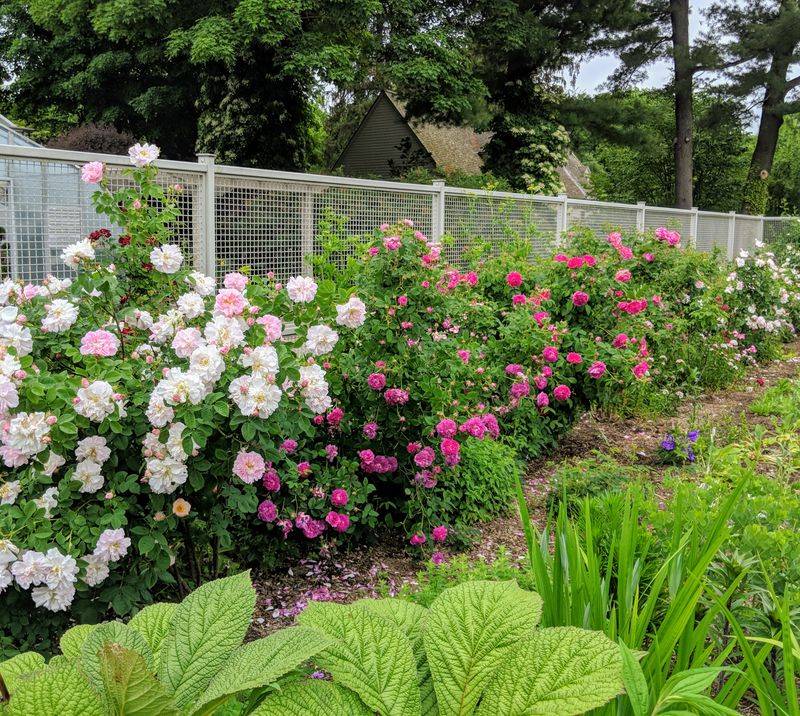
Timing does more for flowers than any fertilizer on the shelf. With old wood bloomers, the window opens the moment the petals start to brown and close.
Late spring or early summer trimming gives the plant a long runway. It pushes new shoots through June and July, then loads those shoots with buds by late summer.
Wait until September and you reverse the whole process. The cuts land on stems that already finished their homework, so the reward simply disappears.
For Ohio gardeners, that usually means lilacs get shaped in late May or early June, right after the fragrance fades. Forsythia follows a similar rhythm in April or May.
Aim to remove no more than about a third of the plant at once. Take out the oldest, thickest canes near the base to open up light and air.
Overgrown shrubs can be renewed gradually over two or three seasons instead of one drastic haircut. Slower work keeps the shrub flowering while it gets back in shape.
Keep blades sharp and clean, too. Crisp cuts heal faster than crushed ones, which matters when Ohio humidity rolls in and fungal troubles come looking for openings.
6. Save Buds Before Winter Arrives
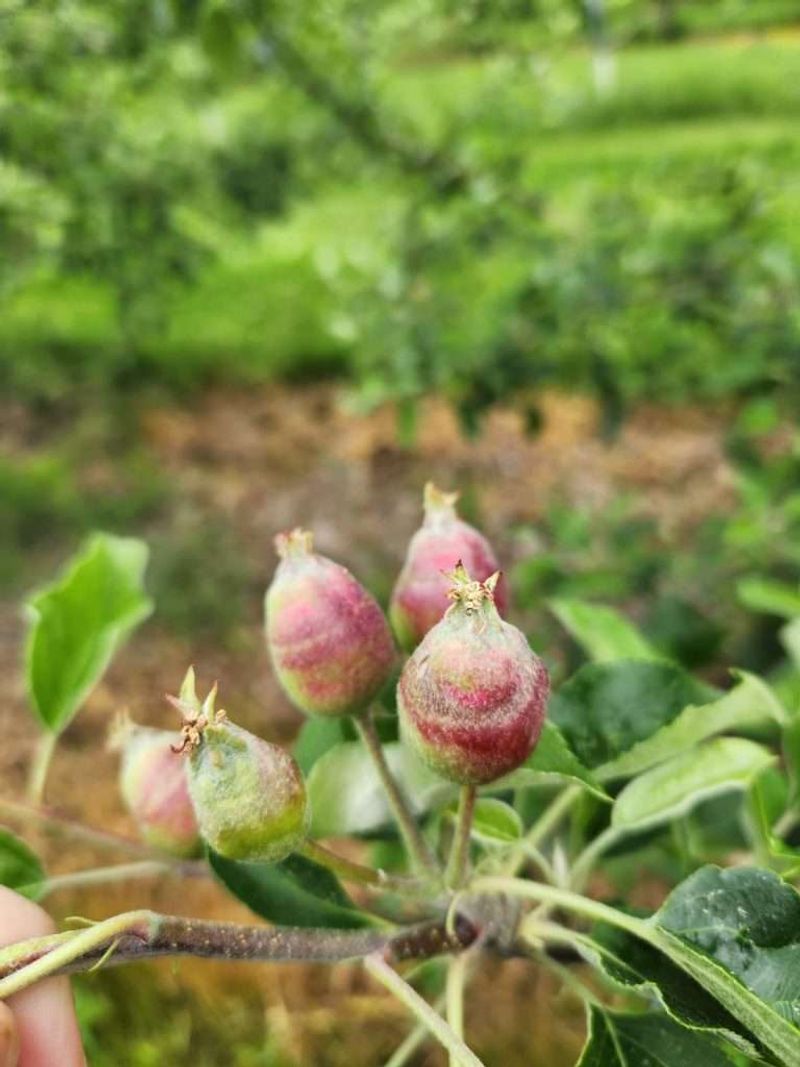
There is a second problem with September cuts, and it has nothing to do with flowers. Fresh pruning wakes a plant up and tells it to grow, which is bad advice in autumn.
New shoots pushed in September stay soft and watery. Ohio frosts often arrive in October, long before that growth toughens up for the season.
Soft shoots take cold damage easily, and damaged tips drain energy the shrub wanted for its roots. The plant enters winter a little weaker than it should be.
Left alone, shrubs shift gears on their own. They harden their stems, drop their leaves, and send sugars downward to store until the ground thaws.
Support that natural process instead of interrupting it. Water deeply if September turns dry, then spread two or three inches of mulch once the soil cools in October.
Hold off on heavy nitrogen feeding this time of year as well, since that also pushes tender growth. A soil test in fall gives you better information for spring anyway.
Think of your shrubs as packing for a long trip. Grabbing the pruners now is like unpacking their suitcase the night before they leave.
7. Recognize Fall Cuts That Hurt Blooms
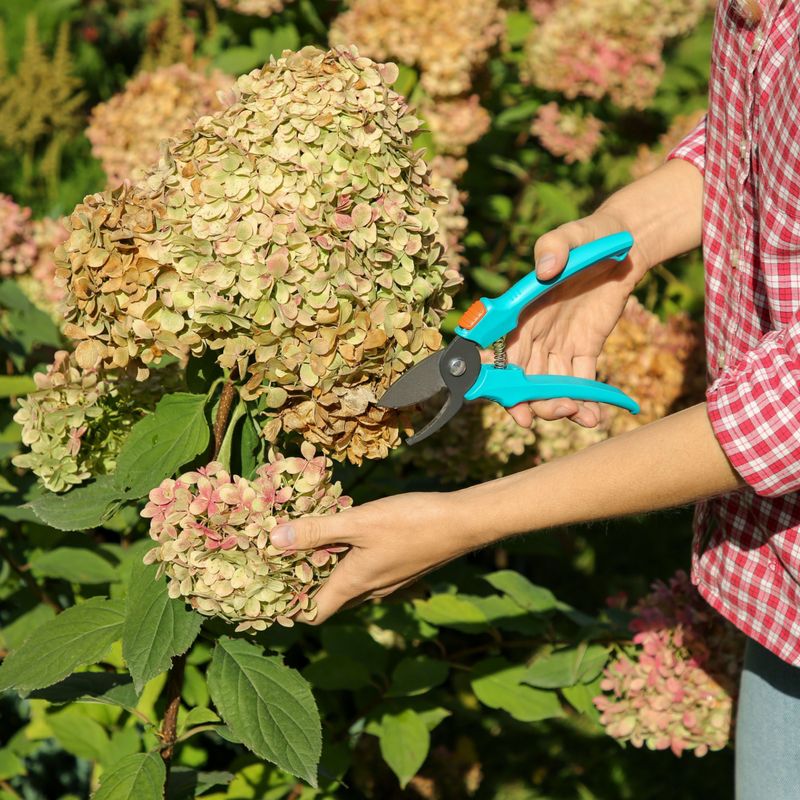
“I was just tidying up” might be the most common line in fall gardening. Tidying feels harmless, yet it is often how spring blossoms go missing.
Shearing a lilac into a neat ball counts. Shortening leggy azalea shoots counts.
Buzzing a viburnum hedge with a power trimmer definitely counts.
Even light shaping strips the outer branch tips, and that is exactly where most flower buds sit. The plant looks sharp in October and bare in April.
A few fall tasks stay perfectly safe, though. Snipping off broken limbs, clearing suckers at the base, and removing a branch rubbing against a window will not cost you flowers.
Raking leaves away from crowded stems helps air move and lowers disease pressure through Ohio’s damp winters. Weeding around the drip line also gives roots less competition.
Save the real shaping for after bloom time and let the shrub look a bit relaxed for now. Winter branch patterns have their own quiet charm against snow.
Worth remembering: birds appreciate the shelter of an untrimmed shrub during cold snaps. Cardinals tucked into a thick forsythia are a pretty solid consolation prize.
8. Leave These Branches Alone This Month
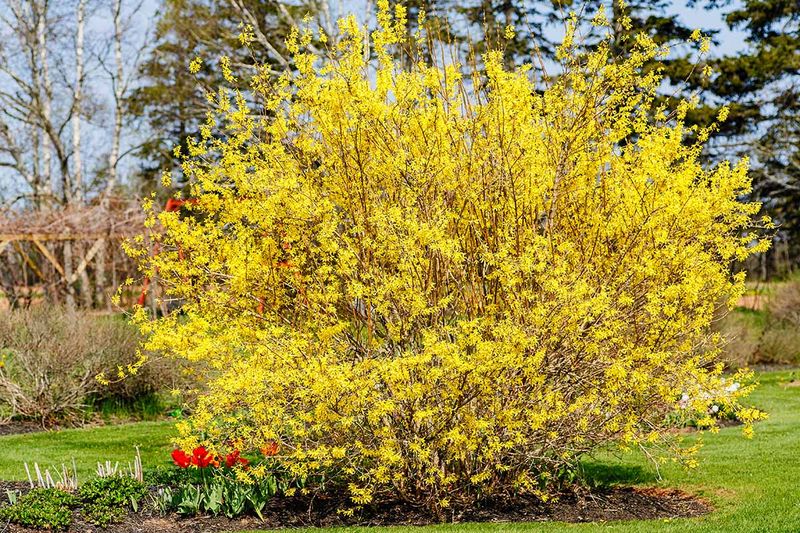
Make a short do-not-touch list and tape it inside the shed door. Lilac, forsythia, azalea, rhododendron, viburnum, and magnolia belong at the top.
Add weigela, mock orange, deutzia, flowering almond, oakleaf hydrangea, aronia, and flowering currant right below. Every one of those holds next spring’s buds on branches standing in your yard today.
Big-leaf hydrangeas with blue or pink mophead flowers also set buds early, so leave their stems standing through winter. Resist the urge to cut them down for neatness.
Spring bulbs deserve a mention as well. If daffodil or tulip foliage already died back, that is fine, but do not dig around blindly and slice into the bulbs.
What can you do this month? Plant new shrubs, since fall soil in Ohio stays warm enough for roots to settle in before frost.
Divide crowded perennials, mulch bare beds, and clean your tools with rubbing alcohol so they are ready next season. Plenty of satisfying work exists without touching flower buds.
Curious thing about magnolias: their fuzzy gray buds are genuinely soft, almost like a kitten’s ear. Give one a gentle touch and you will understand why they are worth saving.
9. Prune At The Time Plants Need Most
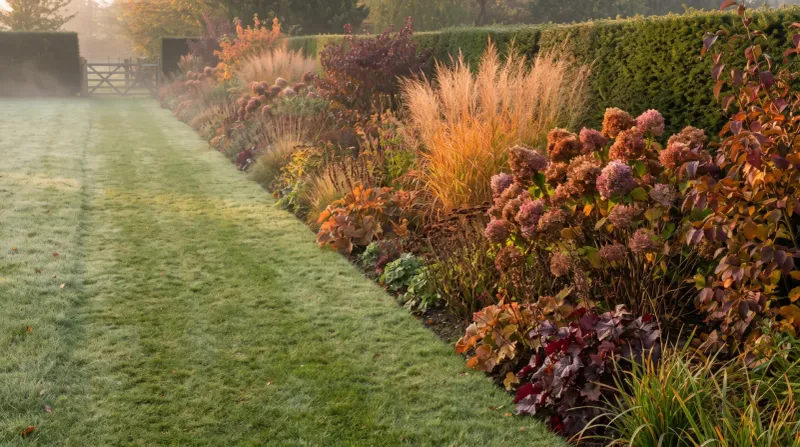
Every shrub in your yard keeps its own schedule, and learning those schedules is the whole game. Once you match the cut to the calendar, flowers show up on their own.
Old wood bloomers get trimmed shortly after flowering, giving them the rest of summer to prepare for next year. That single rule covers most spring favorites in Ohio.
New wood bloomers such as butterfly bush, rose of Sharon, smooth hydrangea, and panicle hydrangea prefer late winter or very early spring. Cutting them back in March still leaves plenty of time for buds.
Shade trees and many evergreens also handle dormant-season work well, when structure shows clearly and sap flow slows down. Oaks and elms in particular do better with winter attention.
Build a simple one-page chart listing each plant, its bloom season, and its pruning month. Tape it to the garage wall where you keep the pruners.
Ohio State Extension offices and local independent nurseries offer free guidance if you get stuck on an unfamiliar plant. A quick question beats a guess you regret in spring.
Gardening rewards patience more than effort. Put the clippers down this month and let April do the bragging for you.