What It Means When You Find A Praying Mantis Egg Case In Your Michigan Garden
Late autumn cleanup in a Michigan garden often turns up odd little souvenirs among the frostbitten stems. Most of them get tossed in the yard waste bag without earning a single second glance.
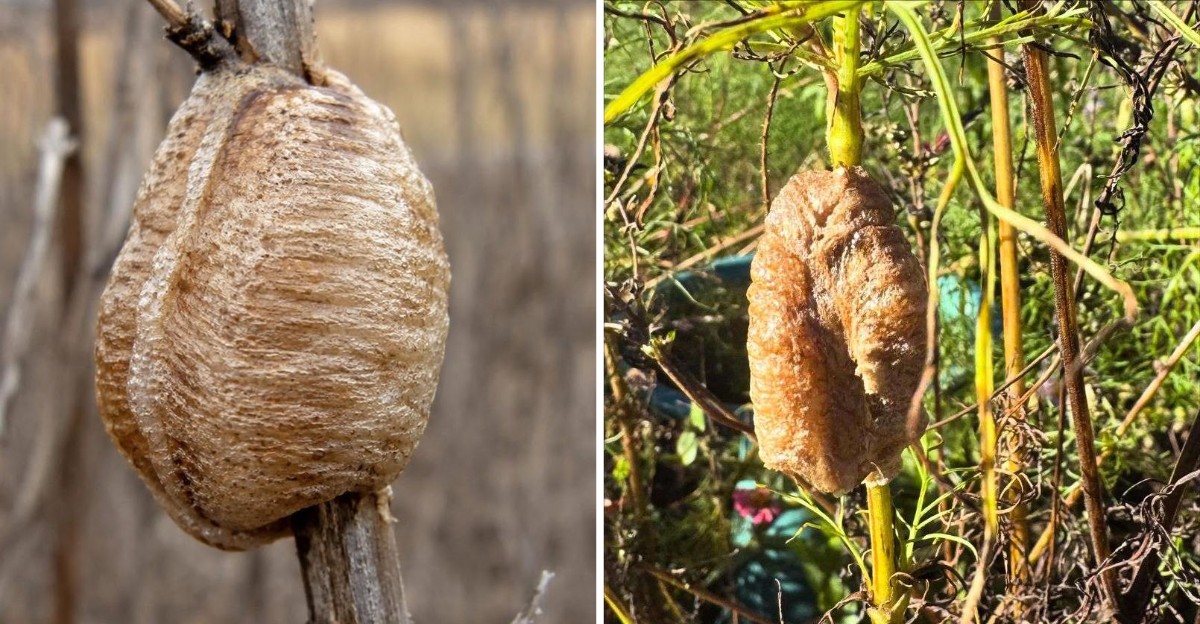
Then your glove brushes something tan and foamy, glued to a stiff stem like hardened spray insulation. You tug once, it refuses to move, and suddenly the whole cleanup routine feels slightly suspicious.
That crusty little lump is not garbage, not a gall, and not some strange shelf fungus. Something small and patient is sealed inside, quietly waiting out the long Michigan winter until spring arrives.
Gardeners across Michigan stumble onto these every fall, usually minutes before the compost bin gets its final load. Congratulations, your pruners just knocked on a tiny apartment building with hundreds of tenants and no doorbell.
A Foam Nest Left Behind By Last Summer’s Hunters
Finding one of these lumps means a female mantis spent her final weeks right in your yard. She picked your beds because the hunting was good and the shelter suited her needs.
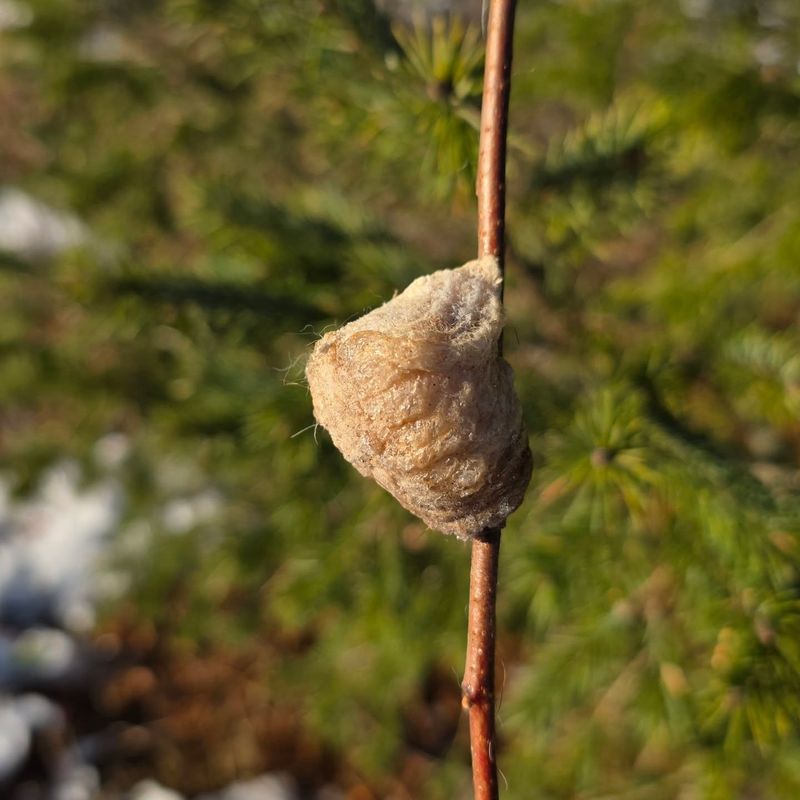
The tan case is called an ootheca, a frothy protein foam she whipped up with her abdomen. Air bubbles harden into a tough shell that shrugs off rain, wind, and hungry beaks.
Inside sit roughly one hundred to four hundred eggs, stacked in neat rows like tiny apartments. Each egg waits in its own chamber with a built-in escape hatch for spring.
Michigan hosts two common mantis species, the European mantis and the noticeably larger Chinese mantis. Both arrived from overseas long ago and settled into farms, meadows, and backyard vegetable plots.
European cases look slim and slightly pointed, often stuck low on grass stems or fence wire. Chinese cases are rounder, bigger, and usually sit on shrub branches at knee height.
The presence of a case is a good sign your garden went easy on heavy broad-spectrum sprays last season. Mantises vanish fast from yards soaked in chemicals, so consider the foam a quiet compliment.
The mother’s work was finished by the first hard frost, which is normal for her kind. Her whole future now rests inside that single weatherproof packet clinging to your stem.
Leaving it undisturbed costs you nothing and hands next summer’s garden a free patrol squad. Mark the spot with a bright ribbon so nobody prunes it away by accident next spring.
Late Summer Egg Laying And The Michigan Freeze Clock
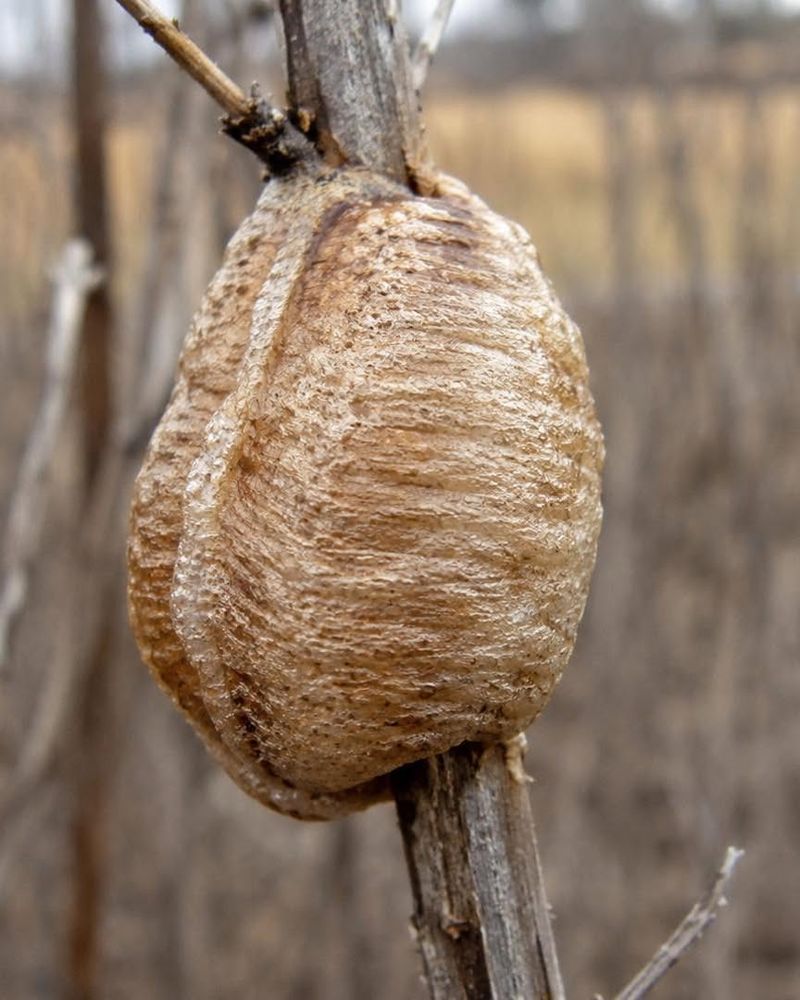
Mantis mothers in Michigan lay their cases from late August through early October, depending on weather. Warm falls stretch that window, while an early cold snap in the Upper Peninsula shortens it.
The foam stays soft and creamy for about an hour, then cures into a rigid shell. By the time you spot one in November, it has already weathered several hard frosts.
Cold weather is not the enemy here, and Michigan winters actually serve an important purpose. The eggs need a long chilling period, called diapause, before they respond to spring warmth.
Cases tucked in a heated garage often hatch in February, which leaves the nymphs with nothing to eat and nowhere to go. Hundreds of tiny nymphs emerge with no aphids, no sunshine, and no way back outside.
Your Michigan Garden Changes Every Week. Your Plan Should Too.
Gardening in Michigan changes quickly throughout the season. Every Friday you’ll receive a simple weekly plan showing exactly what to plant, prune, fertilize, harvest, and protect so you never miss the right timing.
Hatching outdoors usually happens between late May and mid June across the Lower Peninsula gardens. Northern counties and the U.P. often run one to three weeks behind that schedule.
Sustained daytime temperatures near seventy degrees trigger the release, not a single warm afternoon. That patience protects nymphs from Michigan’s famous April teases and those surprise snow showers in May.
Knowing the calendar changes when you prune, rake, and haul brush out to the curb. Fall and winter cleanup is exactly when cases are sitting there, hard and easy to miss.
Check stems before cutting anytime between October and May, since the case looks like dried foam. A two-second glance saves a whole generation of helpful garden hunters.
The Cleanup Mistake That Costs You Hundreds Of Hatchlings
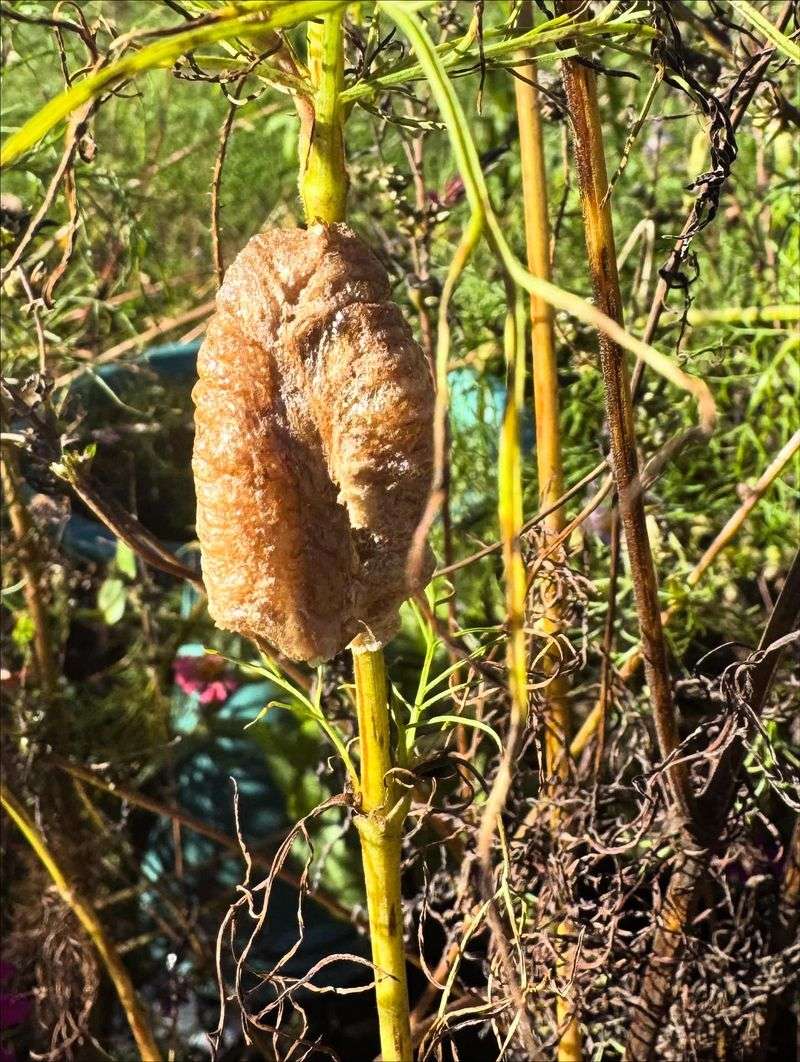
Every spring, someone posts a photo of a strange foam blob they scraped off a rosebush. The helpful comments arrive too late, and the blob is already sealed in a landfill bag.
Tossing an egg case into yard waste is the most common slip Michigan gardeners make. Municipal compost piles heat far beyond anything the eggs sealed inside can possibly tolerate.
Scraping a case off with a knife also causes hidden damage you cannot see from outside. The base holds the anchor threads, and a torn base lets moisture seep into every chamber.
Bringing the case indoors for a closer look ranks a close second on that list. Furnace heat convinces the eggs that spring arrived, and nymphs pour out across the kitchen counter.
Power washing siding and fences knocks cases loose without anyone noticing the tan lump. Walk the perimeter first and flag anything that looks like hardened beige foam on siding.
Burning brush piles in April is another quiet setback for backyard mantis populations statewide. Old goldenrod stalks and raspberry canes are prime real estate for late-season egg laying.
Mowing tall grass edges in late fall flattens cases attached low on sturdy weed stems. Leaving a strip unmowed along a fence line protects them and looks intentional enough.
Each mistake sounds small until you multiply it by three hundred missing hatchlings per case. Slow down during cleanup, and your aphid problem shrinks without a single spray bottle involved.
Safe Relocation For Cases On Stems You Must Cut
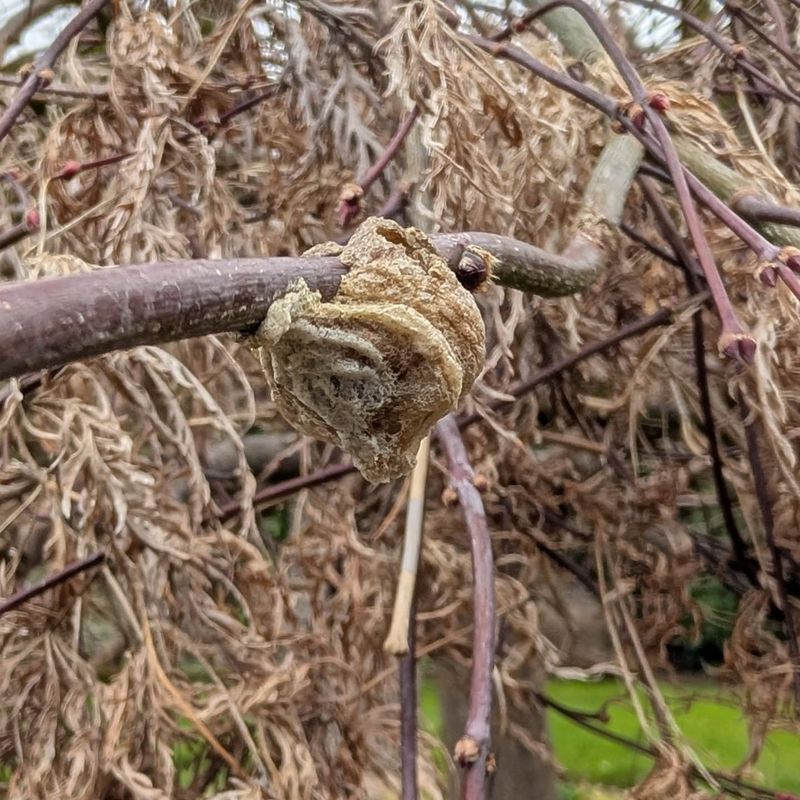
Not every egg case lands in a convenient spot, and some cling to branches that must go. Relocation works fine when you handle the whole stem instead of touching the foam itself.
Snip the stem several inches below and above the case, keeping the foam fully attached. Avoid prying the ootheca loose with fingernails, because the base tears more easily than expected.
Tie the cut stem onto a shrub branch in a quiet corner, two to four feet high. Use garden twine or a twist tie, and point the case sideways or slightly downward.
Height matters because ground level cases attract mice, shrews, and curious neighborhood dogs. Hanging it too high leaves nymphs stranded far above the plants they need on hatch day.
Pick a spot with morning sun and some afternoon shelter from Michigan’s steady spring wind. Near a vegetable bed, berry patch, or perennial border gives hatchlings instant food options nearby.
Skip the garage, shed, and unheated porch, even though those spots feel protective. Egg cases handle snow and ice outdoors far better than they handle dry indoor air.
Handling the case gently is fine, and the tough shell will not hurt your skin. Wash your hands afterward and keep the case away from small children’s curious pockets.
A single relocated case can seed a whole yard with patient hunters by early July. Snap a photo of the new location, because that tan lump blends in shockingly well.
Spring Hatch Day And The Chaos That Follows
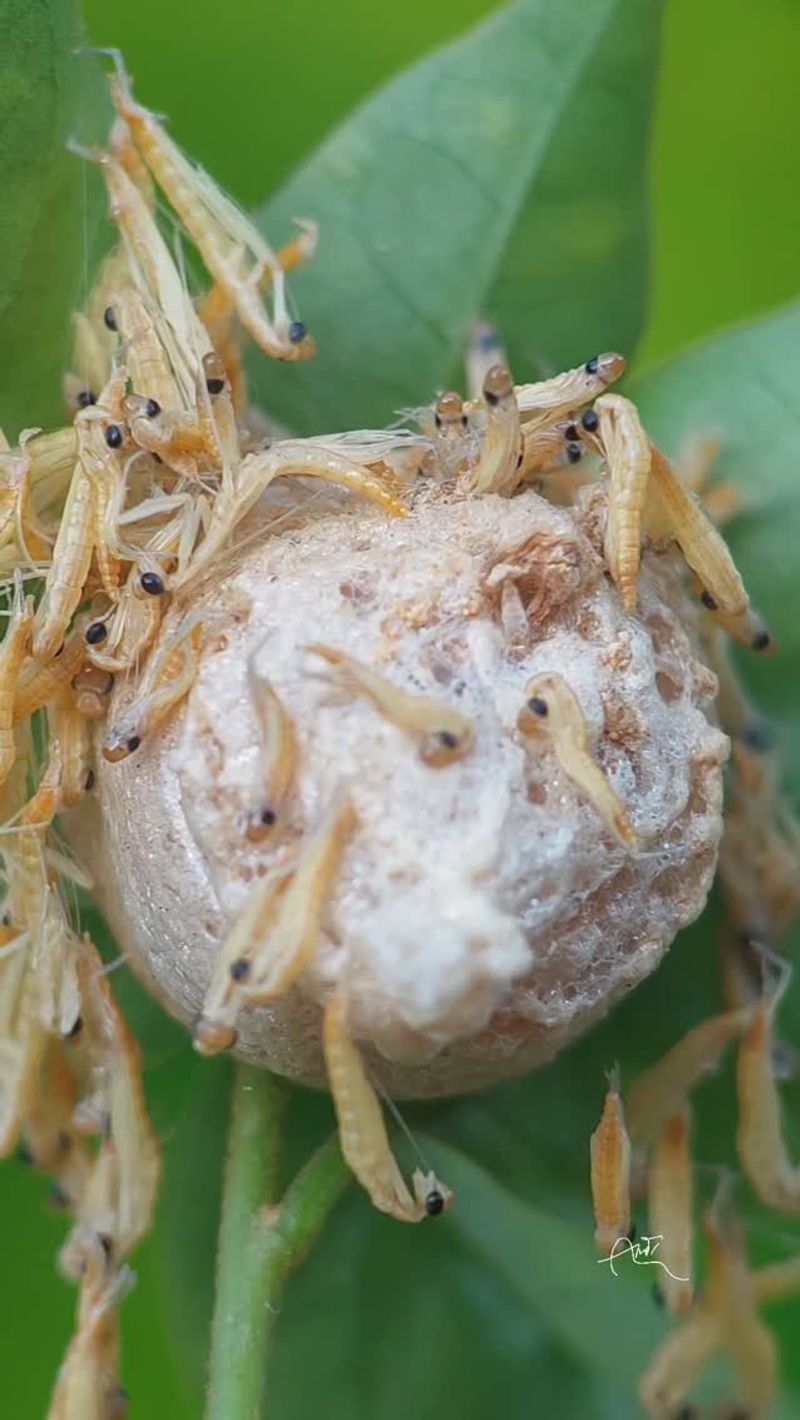
Hatch day arrives without warning on a warm morning in late May or early June. Nymphs squeeze out one at a time, dangling from thin silk threads like tiny acrobats.
The whole event lasts under an hour, so most gardeners walk right past the show. Two hundred pale hatchlings can empty a single case before your coffee cools on the railing.
Each nymph is smaller than a mosquito and looks a lot like a walking comma. They darken within a day and start hunting almost immediately, mostly aphids and fungus gnats.
Family loyalty is not a mantis trait, and hungry siblings quickly scatter to avoid each other. Only a small handful from each case reach adult size by the end of August.
Survivors grow through several molts, shedding old skins on fences, tomato cages, and porch rails. By July they reach finger length, and by September the females look genuinely intimidating.
Their menu includes aphids, leafhoppers, flies, cabbage worms, grasshoppers, and the occasional unlucky wasp. Mantises are not picky, so a few beneficial insects end up on the plate too.
Honeybees and small pollinators sometimes get caught near flowers, which surprises brand new mantis fans. The overall balance still tilts toward your vegetables, especially in a mixed Michigan garden.
Kids love watching hatch day, so check your marked cases each morning in late spring. Bring a magnifying glass, stand back, and let the tiny tenants move out on schedule.
Garden Habits That Keep Egg Cases Coming Back

Attracting mantises has less to do with gadgets and more to do with leaving some mess. A perfectly tidy garden in November is a garden with nowhere left to lay an ootheca.
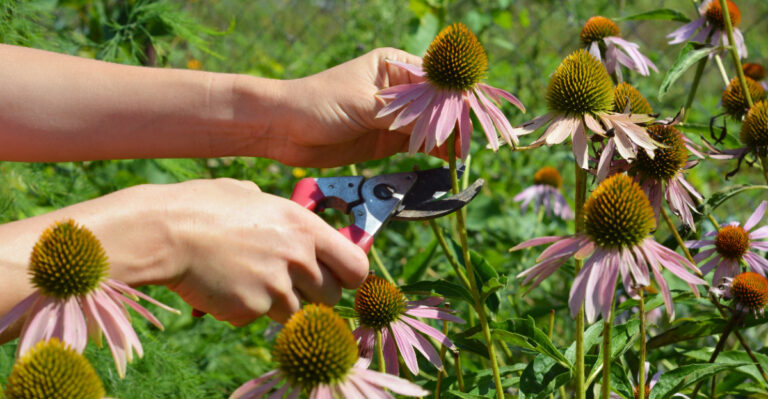
Leave ornamental grasses, coneflower stalks, and goldenrod standing in place until the middle of spring. Those stiff stems are the preferred nurseries for both mantis species commonly found in Michigan.
Skip broad-spectrum insecticides, which wipe out the aphids and small moths that feed hungry nymphs. Spot treatments and simple hand picking keep the food chain intact in a small yard.
Plant dill, cosmos, yarrow, and tall marigolds to pull in the insects that mantises chase. Dense shrubs and raspberry rows give hunting adults cover from hungry birds during the day.
Water features help more than most people expect, since mantises drink from dew and puddles. A shallow dish filled with pebbles near the vegetable beds works perfectly well for them.
Buying egg cases online sounds tempting, though the results are hit or miss in Michigan. Purchased Chinese mantis cases often hatch early indoors or wander off before your garden benefits.
Encouraging the mantises already living nearby beats mail order deliveries every single season. Word spreads slowly in the insect world, but good habitat fills up within a couple seasons.
Keep a short note on your phone listing where cases turned up each fall. Patterns appear fast, and soon you will know exactly which stems to spare come next spring.