What Happens To Georgia Garden Soil After Months Of Summer Heat
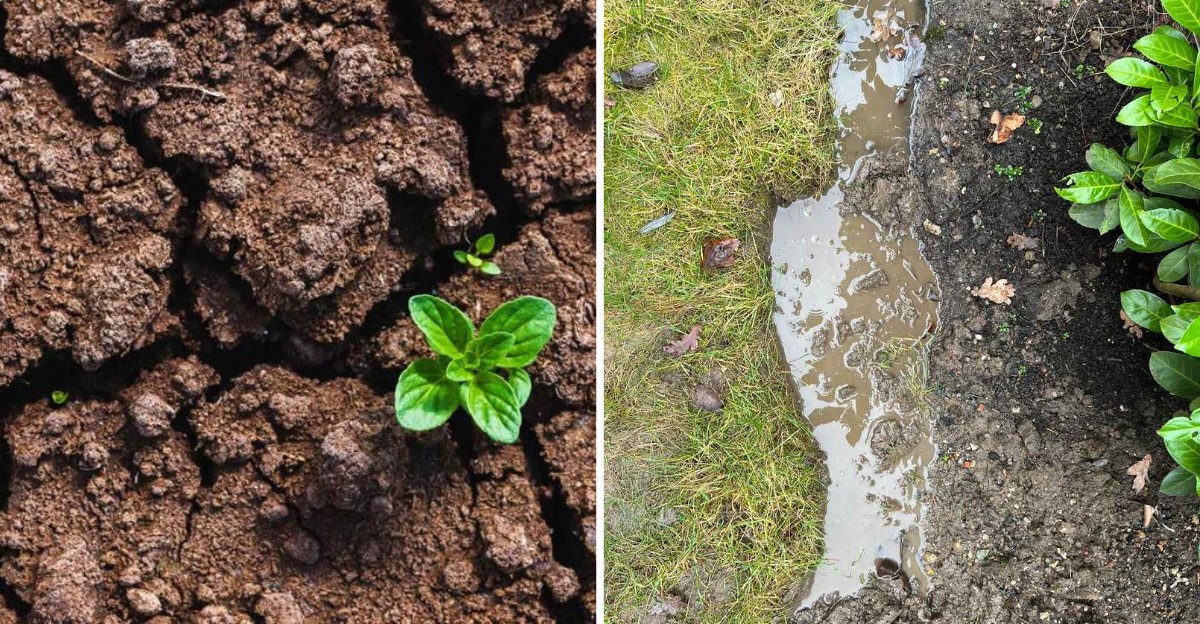
By September, a Georgia garden looks like it survived a very long argument with the sun. Leaves droop, hoses lie tangled in the grass, and the ground underfoot feels strangely unfamiliar.
Everything above ground gets the attention, because that is where the wilting happens in plain sight. Yet the real story of a southern summer plays out a few inches below your shoes.
Months of ninety degree afternoons change what is happening down there in ways you cannot see. Some changes fade away with the first cool rain, while others stick around until spring planting.
Gardeners in Macon, Marietta, and Savannah all notice the same tired ground come early September. The dirt, apparently, also wants a long vacation and a very large glass of sweet tea.
1. Moisture Disappears Deep Below The Surface
Push a trowel into an August flower bed and you might hit ground packed almost as tight as a driveway. Georgia heat pulls water out of soil long before hungry roots ever get a decent sip.
Evaporation dries the surface from above while thirsty plants draw moisture upward from deeper layers below. After three brutal months of both forces, dryness can easily reach a foot down or more.
Really dry soil sometimes turns water repellent, a strange condition gardeners describe as hydrophobic. Sprinkler water beads on top, runs sideways, and vanishes down the driveway instead of soaking in.
Test yours by watering ten minutes, waiting an hour, then digging a small hole with a trowel. If the bottom feels dusty and pale, the water barely traveled past that first inch.
Slow, deep soaking helps far more than quick daily sprinkles that only wet the very top. Drip lines and soaker hoses give every drop enough time to travel toward the root zone.
A squirt of mild dish soap in a full watering can helps stubborn spots accept moisture again. Two inches of pine straw mulch keeps that fragile top layer from baking a second time.
Autumn rains soften the ground, though counting on them alone leaves your plants gambling all season. Your finger, pushed knuckle deep into a bed, still beats any moisture gadget sold online.
Deep watering twice weekly beats shallow sprinkles every single evening during long dry stretches. Roots follow moisture downward, so give them a good reason to travel.
2. Crust Seals The Top Of Beds
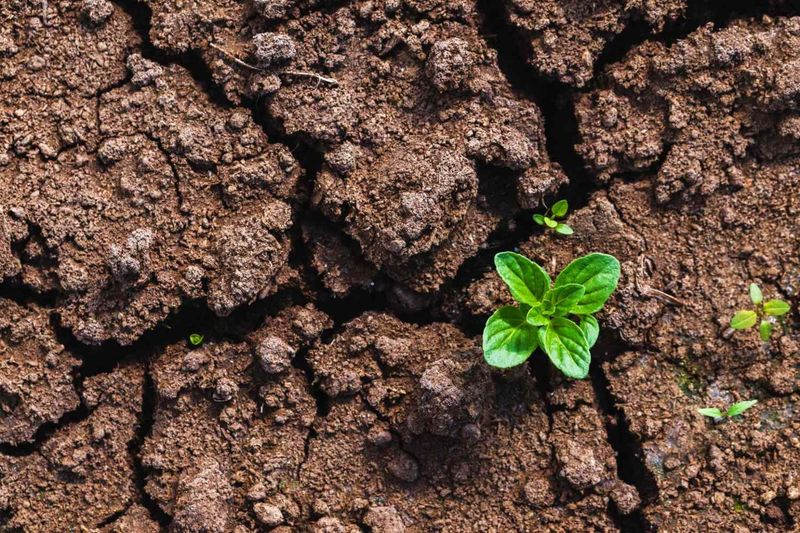
Pounding thunderstorms, blazing sun, and bare ground team up to form a hard gray crust. Tap that surface with a knuckle and it sounds almost like an old dinner plate.
Crusting starts when raindrops smash soil clumps apart and fine particles settle into a tight seal. Sunshine then bakes that layer until it hardens like thin concrete across your beds.
Tiny seedlings struggle to push through, and irrigation water slides toward the nearest low spot. Air has trouble reaching roots too, which matters far more than most gardeners expect.
Break the seal gently with a hand cultivator, scratching only the top inch of ground. Digging any deeper wakes up weed seeds that have waited patiently since early spring.
Your Georgia Garden Changes Every Week. Your Plan Should Too.
Gardening in Georgia changes quickly throughout the season. Every Friday you’ll receive a simple weekly plan showing exactly what to plant, prune, fertilize, harvest, and protect so you never miss the right timing.
Mulch works like a helmet, absorbing raindrop impact before it ever reaches bare dirt. Shredded leaves, pine straw, and fine bark all handle that job nicely in Georgia gardens.
Cover crops such as crimson clover or cereal rye shield the surface through cool months. Their roots leave behind tiny channels that help autumn rain sneak downward instead of running off.
Compost spread half an inch thick softens crust and feeds creatures that rebuild soil structure. Earthworms treat that layer like a buffet and mix it in without charging you anything.
A crusted bed looks neat and tidy, yet it behaves more like a roof. Your plants would happily trade that tidy look for a shaggy blanket of mulch.
3. Red Clay Cracks Into Wide Splits
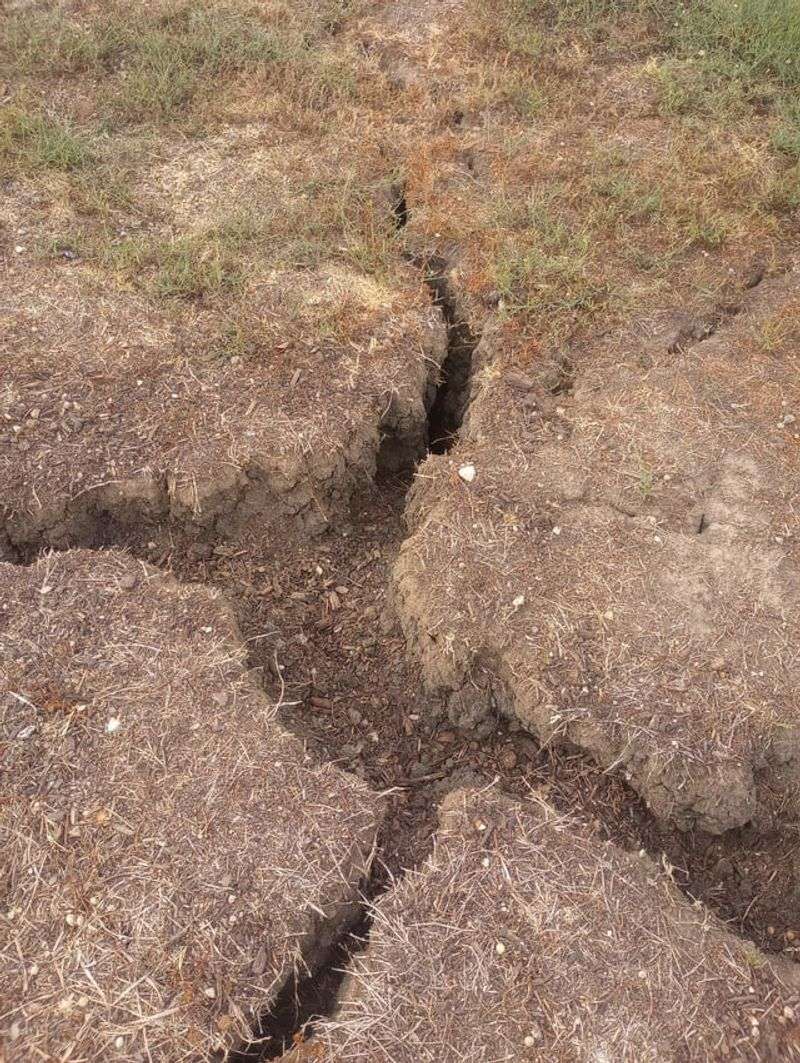
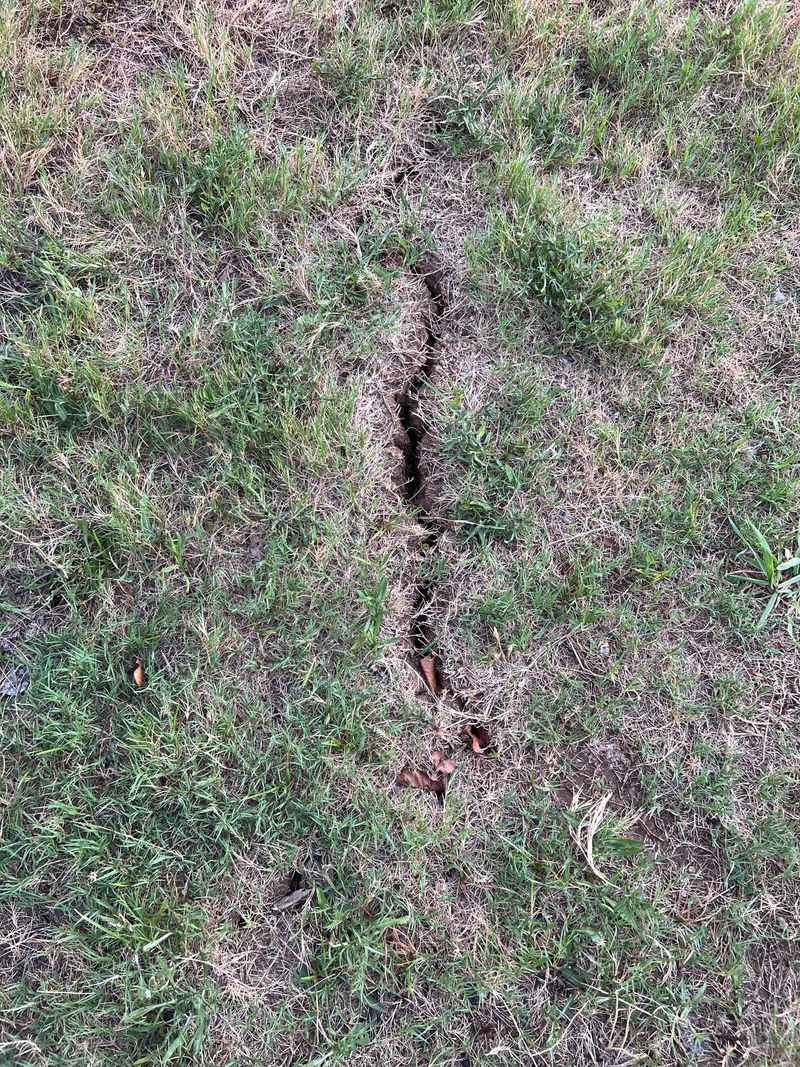
Georgia red clay shrinks as it dries, opening cracks wide enough to swallow a whole pencil. Walk the garden in early September and you can hear those gaps crunch underfoot.
Clay particles hold thin films of water between them like sponges stacked in a tight column. When that moisture leaves, the whole stack collapses and the ground physically shrinks downward.
Cracks are not entirely bad news, since they let air and rain reach deeper layers quickly. Trouble starts when fine roots get torn as the soil pulls apart around them.
Open cracks also let moisture escape from below, drying the root zone even faster. Hot afternoon wind travels down those openings like a chimney working in reverse.
Filling cracks with loose dry soil rarely helps and often creates compaction problems later on. A smarter move is covering the surface with mulch so shrinking slows way down.
Steady moisture prevents the wild swelling and shrinking cycle that stresses clay soil badly. Soaker hoses buried under mulch keep the ground evenly damp without wasting much water.
Adding compost year after year gives clay more crumb structure and much less brick behavior. Gypsum gets recommended often, though it mostly helps sodium problems rather than typical Georgia clay.
Fall is the season those cracks finally close as steady rain returns to the Piedmont. Clay forgives quickly, which seems generous for something so stubborn back in July.
4. Organic Matter Burns Off Much Faster
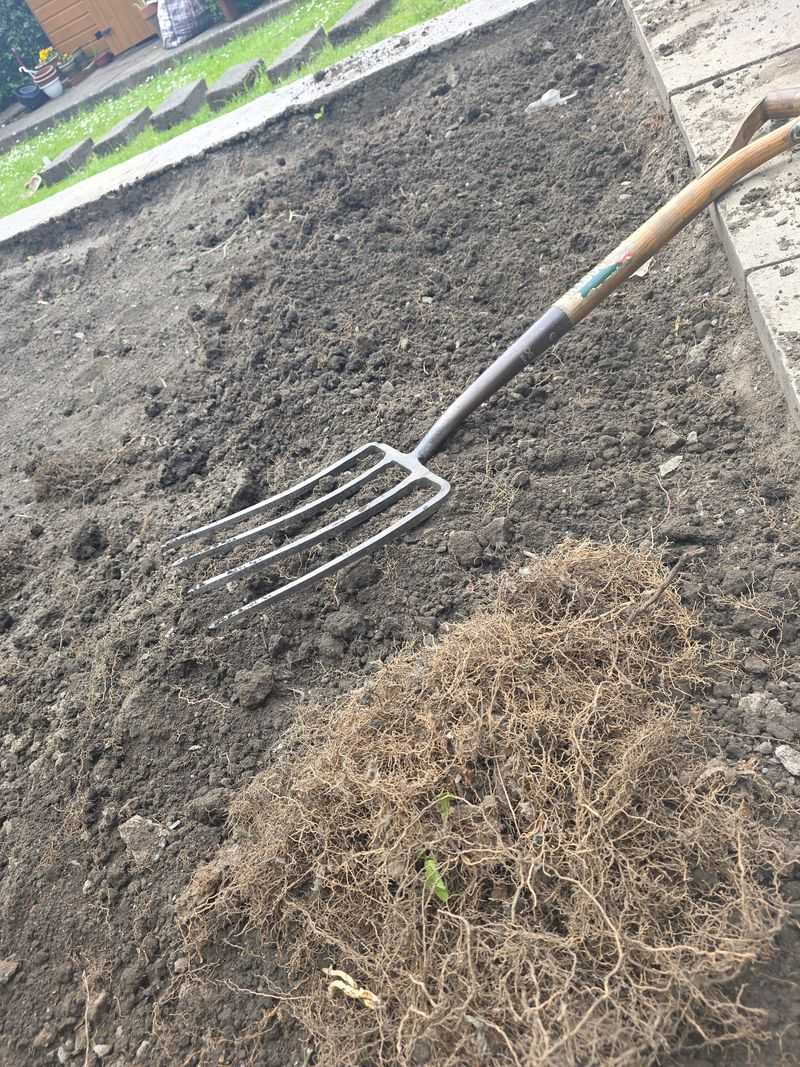
Compost you carefully dug in last March can nearly vanish by Labor Day weekend. Heat takes most of the blame, since warm soil turns microbes into very hungry eating machines.
Southern gardens lose organic matter roughly twice as fast as gardens in cooler northern states. Every ten degree jump in temperature can nearly double the speed of decomposition underground.
Organic matter holds water, feeds microbes, and keeps heavy clay from behaving like fired brick. Losing it feels invisible until beds suddenly need watering twice as often as before.
Frequent tilling makes the problem worse by pumping oxygen into the ground like a bellows. Microbes go into a feeding frenzy with that oxygen and burn through your compost quickly.
Adding an inch of compost each fall helps replace whatever the long summer used up. Leaf mold made from October oak leaves works beautifully and costs nothing but a rake.
Mulch counts too, since it slowly feeds the surface while shading the ground underneath. Pine straw breaks down gradually, which suits Georgia beds and Georgia budgets alike.
Cover crops add roots and stems that decompose more slowly than fluffy finished compost does. Cereal rye planted in October leaves plenty of useful material behind by April.
Think of organic matter as a bank account that summer withdraws from every single week. Autumn is your chance to make a deposit before the next hot season arrives.
5. Soil Microbes Slow Down And Stall
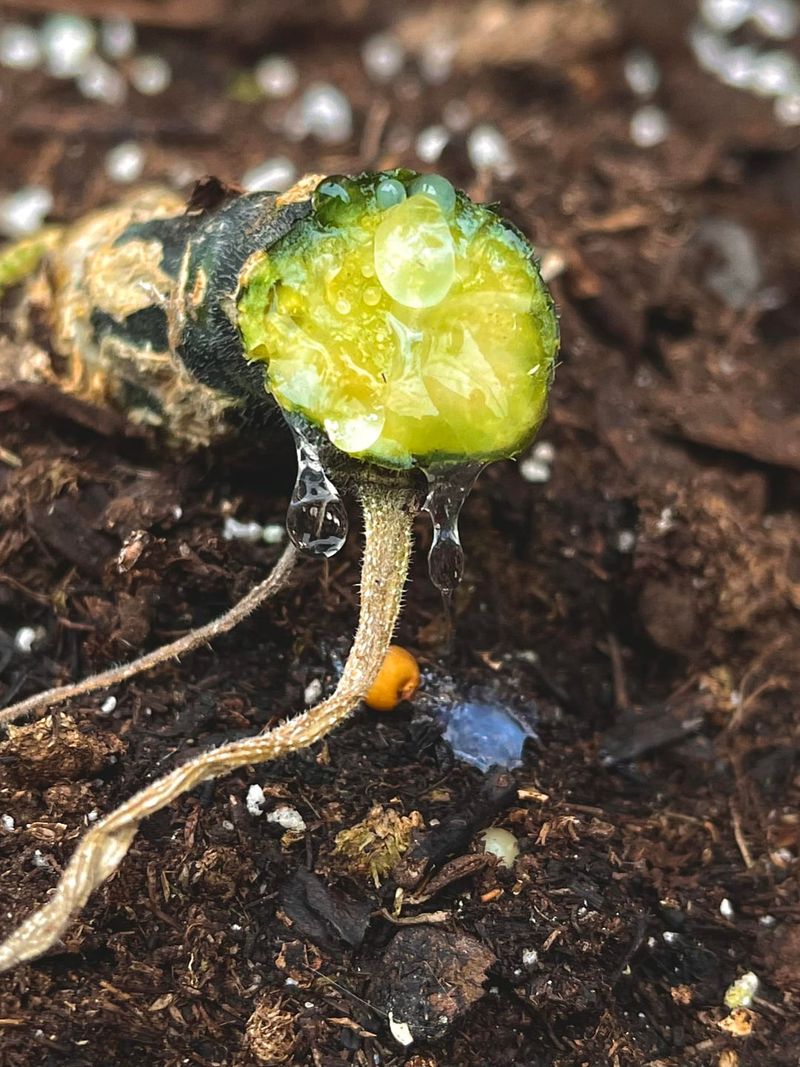
Underneath your tomatoes lives a crowd of bacteria and fungi larger than Georgia’s human population. When soil bakes and dries for weeks, most of that crowd hits the snooze button.
Bacteria need water films around soil particles in order to move, feed, and multiply properly. Take the water away and they curl into dormant forms until better days arrive.
Fungal threads shrink back during drought, including the helpful ones attached to plant roots. Those threads normally stretch a plant’s reach for phosphorus and moisture by a wide margin.
With the microbe crew resting, nitrogen release from organic matter slows down to a crawl. Plants can look hungry even though nutrients sit nearby, locked inside undigested material.
Cooler September rain wakes everything up, sometimes causing a quick flush of released nitrogen. Gardeners often notice grass and greens suddenly perking up without any fertilizer applied.
Mulch keeps summer soil temperatures ten or more degrees lower than bare exposed ground. That single difference keeps far more microbes active through the worst August stretch.
Living roots feed soil life directly through sugars leaked out underground all season long. Planting something green, even a scrappy cover crop, keeps that cafeteria line open.
Heavy salt fertilizers applied to parched ground stress microbes further, so wait for moisture first. Your underground workforce returns willingly, provided you offer water, shade, and a little patience.
6. Nutrients Wash Away In Summer Storms
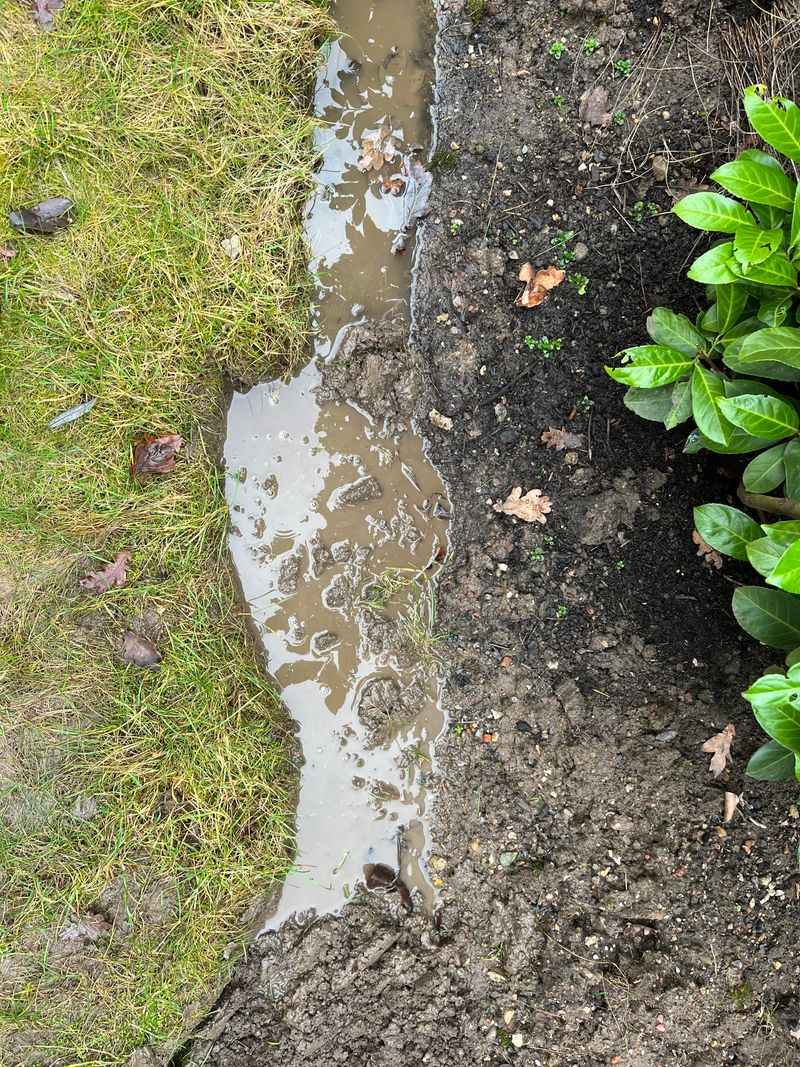
Georgia summers deliver an odd combination: long dry spells broken by sudden violent downpours. Those downpours push nitrogen straight past root zones and toward the nearest neighborhood creek.
Nitrate carries a negative charge and soil particles carry one as well, so they repel. Almost nothing holds nitrate in place, which makes it the first nutrient to disappear.
Sandy Coastal Plain gardens near Tifton or Valdosta leach nutrients quicker than Piedmont clay does. Two inches of rain in one hour can flush a light fertilizer application away.
Heat causes losses in another direction too, moving fertilizer straight up into the air. Urea spread on warm dry surfaces releases ammonia gas within a day or two.
Splitting fertilizer into smaller doses every few weeks beats one heavy application in spring. Plants get steady meals and storms have less material sitting around to carry off.
Slow release products and compost hold nutrients in forms that rainfall cannot grab easily. Organic matter acts like a sponge full of pockets, saving nutrients for later use.
Cover crops planted in fall grab leftover nitrogen and store it inside their green tissue. Come spring, that stored nitrogen returns to your vegetables as the residue breaks down.
A soil test through your county Extension office costs little and prevents expensive guessing games. Feeding blindly after a stormy summer usually wastes money and irritates the local watershed.
7. Soil Chemistry Drifts Out Of Balance
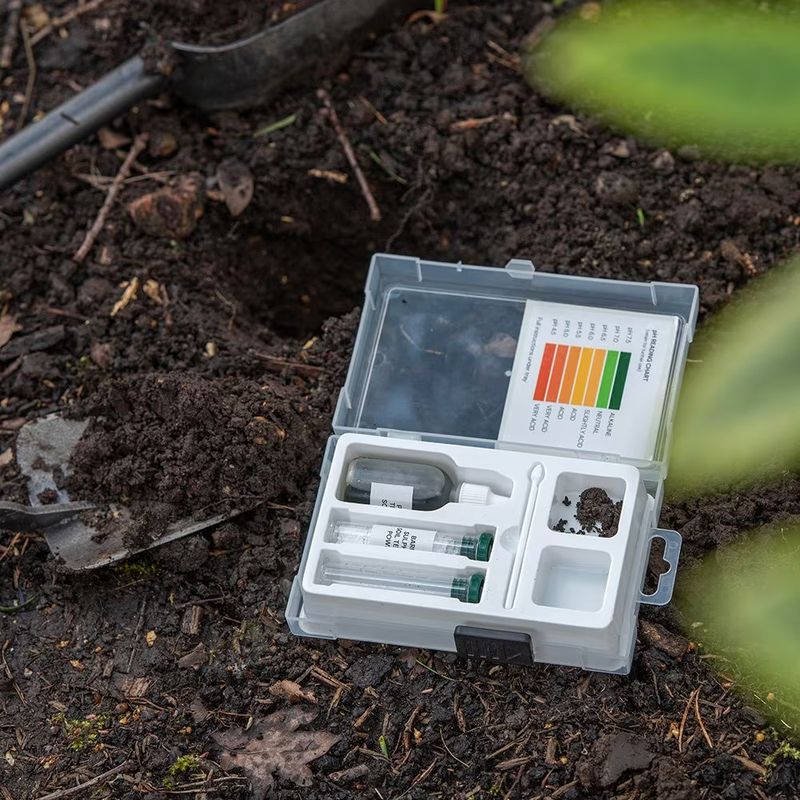
Pull a pot off the porch in September and you might spot white crust around the rim. Salts left by fertilizer and tap water build up whenever evaporation outpaces rainfall.
Container gardens suffer most because water leaves quickly and little rain flushes those salts downward. Leaf edges turn brown and crispy, which gardeners often mistake for simple thirst.
In-ground beds shift as well, usually toward the acidic side thanks to Georgia’s naturally sour clay. Heavy summer rain also strips calcium and magnesium out of the upper few inches.
Most vegetables prefer a pH between six and six point five for good nutrient uptake. Blueberries are the rebels, happily thriving down around four point five to five.
Fall is prime time for a soil test, since lime needs months to work properly. Applying lime in September gives it until spring to adjust the pH gently.
Flush containers by watering heavily until liquid pours freely from the drainage holes below. Doing that twice a season keeps salt levels from creeping upward unnoticed.
Wood ash raises pH quickly, though a small amount goes a very long way indeed. Dumping a full bucket on one bed can swing chemistry harder than you intended.
Guessing about pH is like seasoning soup blindfolded and hoping your guests stay polite. A ten dollar test removes the mystery and saves several seasons of frustration.
8. Roots Retreat And Growth Slows Down
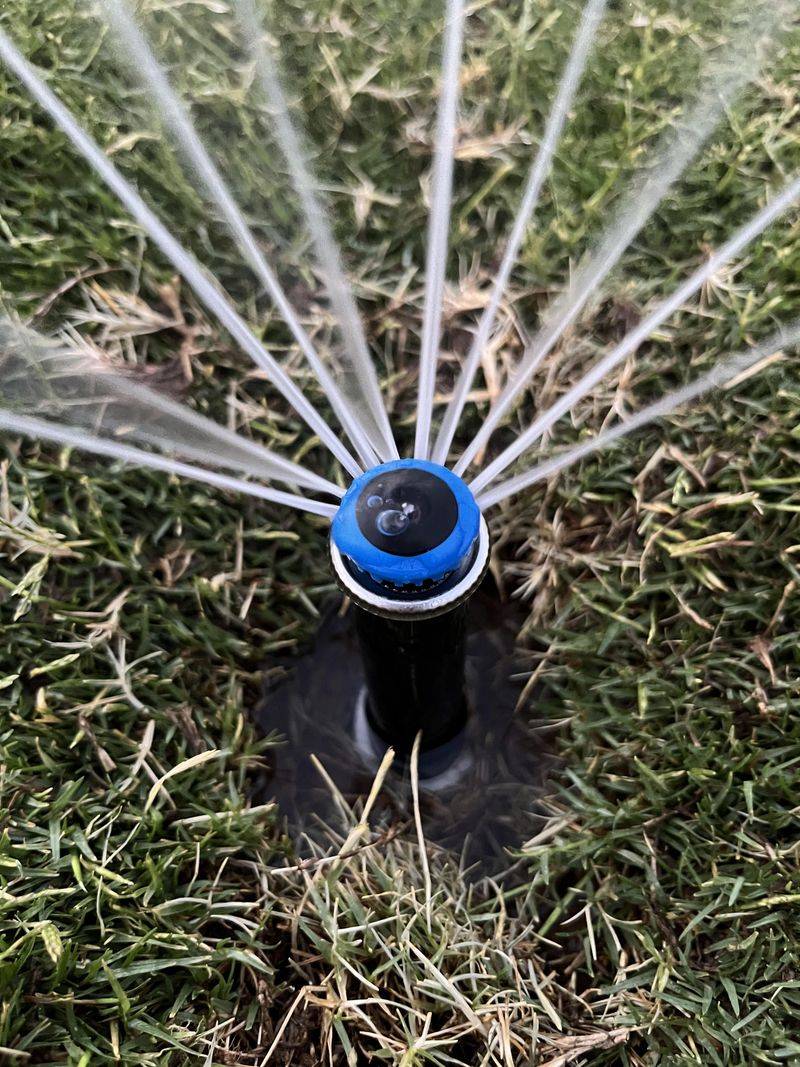
Plants build roots best when soil sits between roughly sixty and eighty five degrees Fahrenheit. Push past that range for weeks and root growth mostly puts itself on hold.
Shallow watering trains roots to stay near the surface where summer heat hits hardest. Those surface roots then suffer whenever a hose gets forgotten for a couple of days.
Bare Georgia soil can reach a hundred thirty degrees on a still July afternoon. Roots near that surface simply stop working, no matter how green the leaves look.
Foot traffic on dry clay compacts the ground faster than most gardeners ever realize. Each step squeezes air pockets shut, leaving roots without room to breathe or spread.
Defined paths and stepping stones protect beds from the same weight landing over and over. Keeping shoes off growing areas is one of the cheapest improvements available anywhere.
A broadfork loosens compacted ground in autumn without flipping the soil layers upside down. Roots, worms, and water all travel more freely once those channels open again.
Fall planting works well in Georgia partly because cooling soil invites fresh root growth. Garlic, lettuce, and shrubs settle in quickly while the ground stays warm but gentle.
Roots remember comfort, and September is when they finally stretch out once more. Give them loose ground and steady moisture, and spring arrives with a head start.