9 Flowering Bulbs You Can Force in Water on a Wisconsin Sill for Winter Blooms
When the snow piles up outside and the days feel short, a windowsill full of blooming flowers can lift your whole mood. Forcing bulbs in water is a simple, no-soil way to grow bright flowers indoors during a long Wisconsin winter.
All you really need is a glass container, some pebbles, and a sunny sill. Here are seven fantastic bulbs that will trick winter into feeling a little more like spring.
1. Paperwhite Narcissus
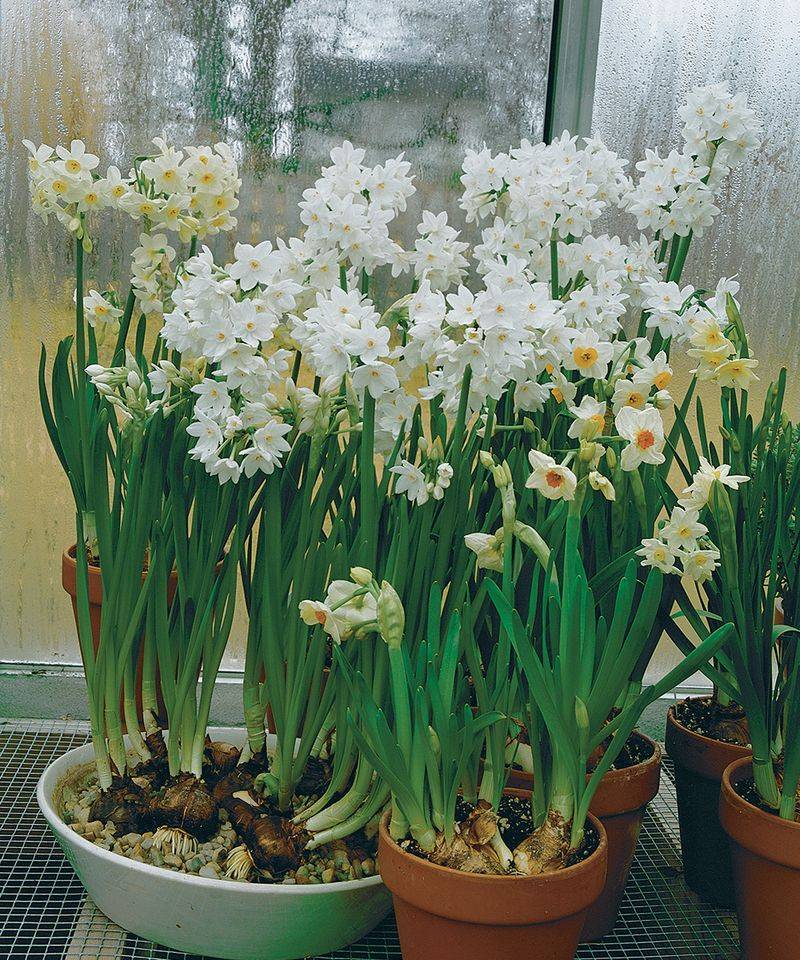
If you want fast results with almost zero fuss, paperwhites are the champions of the group. They skip the chilling step entirely, so you can plant them the same day you buy them and watch shoots appear within days.
Set the bulbs flat-end down in a shallow bowl of pebbles, letting only the very bottom touch the water. In about three to five weeks, you will have tall stems topped with fragrant white blossoms, perfect for a gray Wisconsin January when nothing outside is green.
Fair warning: their scent is strong and not everyone loves it. If you are sensitive to fragrance, place them in a spare room rather than the kitchen.
A quirky trick some Wisconsin gardeners swear by is adding a splash of alcohol to the water to keep the stems from growing too tall and flopping over.
2. Hyacinths
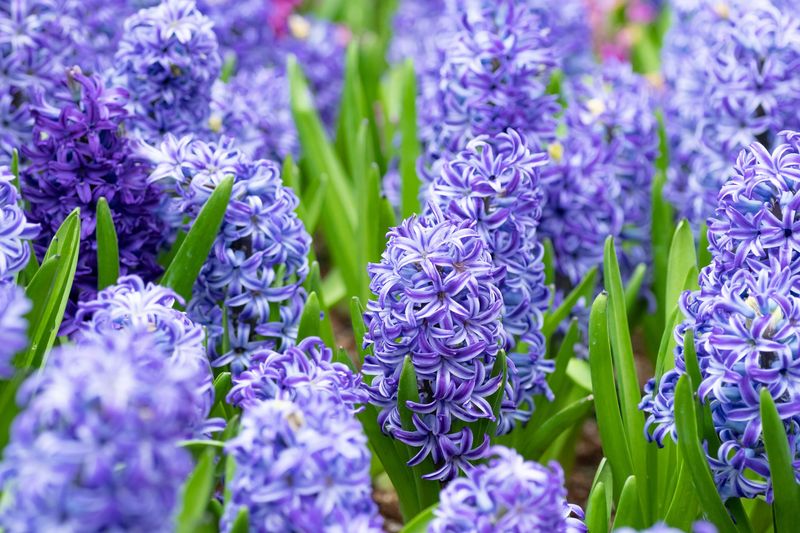
Few flowers deliver a punch of perfume quite like a hyacinth in full bloom. Watching one flower inside a special hourglass-shaped forcing vase is half the fun, since the roots dangle in the water while the flower spike rises above.
Hyacinths do need patience. Give them roughly 10 to 12 weeks of cold in the refrigerator or an unheated Wisconsin garage before you bring them into the light.
Keep them away from ripening fruit during chilling, since the gases can ruin the flowers.
Once chilled and moved to a warm, bright spot, they burst into bloom in about three to four weeks. The reward is a dense column of waxy florets in pink, blue, white, or deep violet that can scent an entire room.
3. Crocus
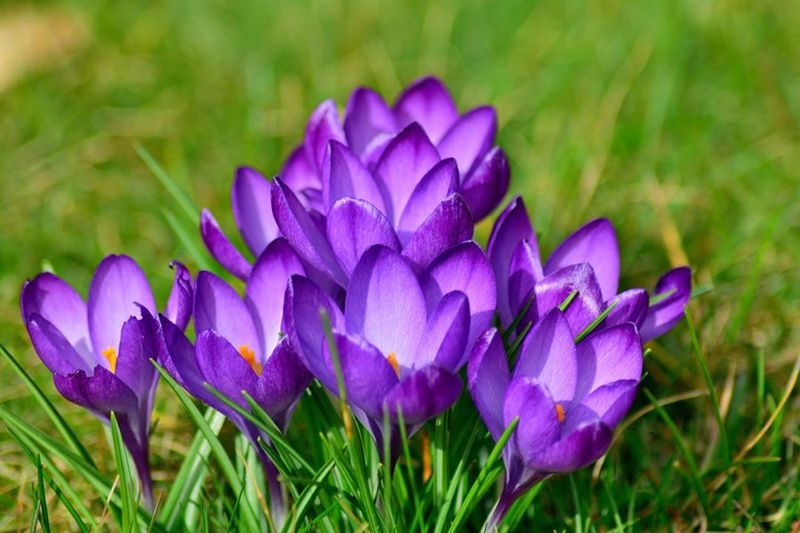
Nothing says early spring like a crocus, and you can enjoy that cheerful pop of color months ahead of schedule indoors. Their small size makes them ideal for tiny jars and teacups lined up along a narrow sill.
Plan for eight to 15 weeks of chilling before these little bulbs are ready to wake up. Rest them on a bed of decorative stones with the base just kissing the water surface.
Crocus can be a touch less reliable in water than paperwhites, so plant a few extra to guarantee a good showing. When they open on a cold Wisconsin morning, the goblet-shaped blooms of purple, gold, and white feel like a tiny promise that spring really is coming.
4. Daffodils
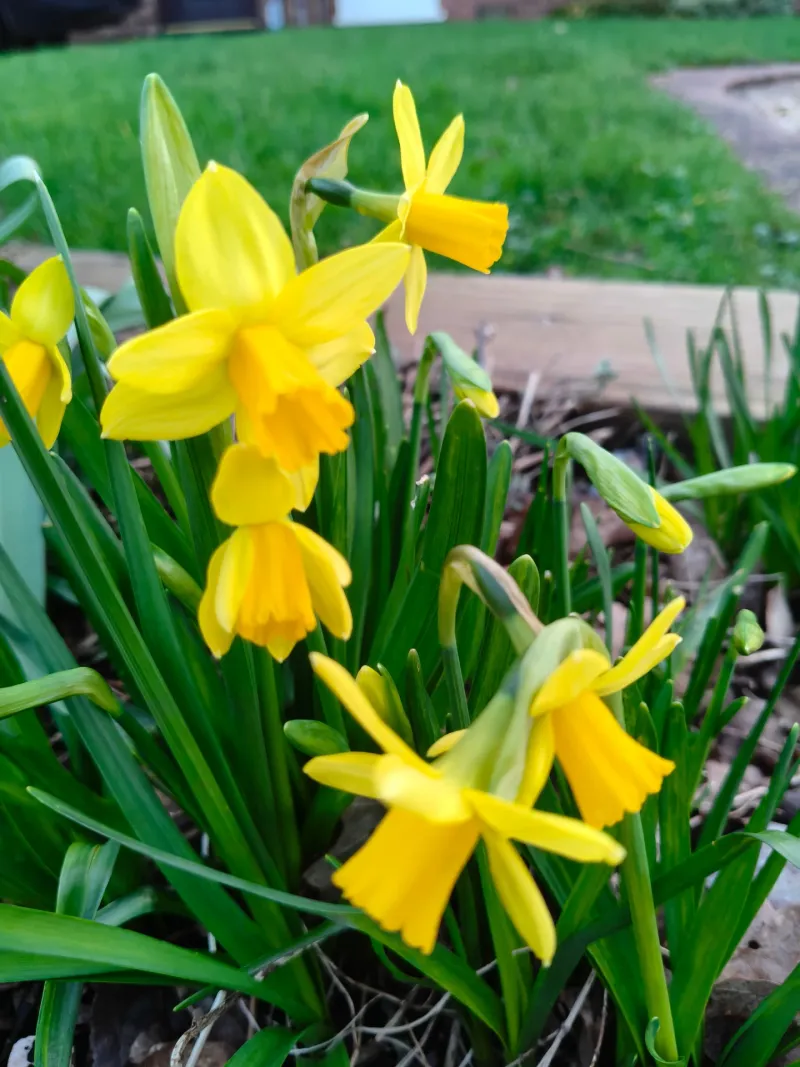
Sunny and unmistakable, daffodils bring a splash of golden optimism to the darkest stretch of the year. The full-size types can be finicky in water, so miniature varieties like ‘Tete-a-Tete’ are your best bet for a Wisconsin sill.
Your Wisconsin Garden Changes Every Week. Your Plan Should Too.
Gardening in Wisconsin changes quickly throughout the season. Every Friday you’ll receive a simple weekly plan showing exactly what to plant, prune, fertilize, harvest, and protect so you never miss the right timing.
These need a long rest, usually 12 to 15 weeks of chilling, before they are coaxed into growth. Use a container holding four to six inches of water and let only the base of each bulb make contact so the bulb itself stays dry and rot-free.
About three to four weeks after moving them into warmth and light, cheerful trumpet flowers appear. Their compact stems hold up better than the taller kinds, making them a tidy choice for a crowded windowsill.
5. Tulips
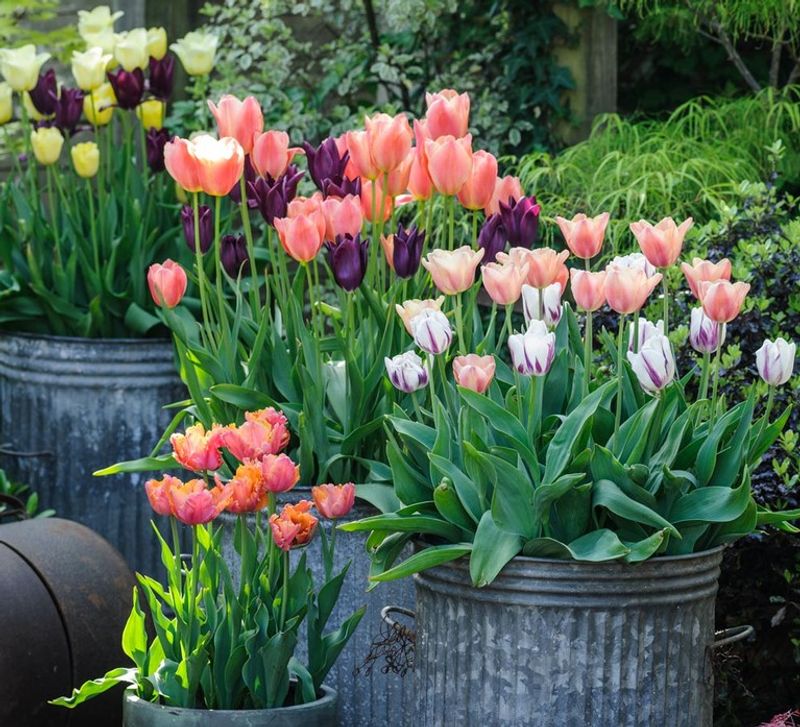
Tulips are the showstoppers many gardeners dream about, though they demand a bit more devotion to force in water. Think of them as the challenge project that pays off with elegant, cup-shaped blooms in nearly every color you can name.
Give them a solid 10 to 16 weeks of cold before starting. The trick is a container that keeps the bulb high and dry while allowing only the roots to reach the water below.
Once you move them into bright, indirect light, expect flowers within a few weeks to a month. Results can be inconsistent, so a Wisconsin gardener chasing a full vase of tulips should start several bulbs and celebrate every one that opens.
6. Soleil d’Or Narcissus
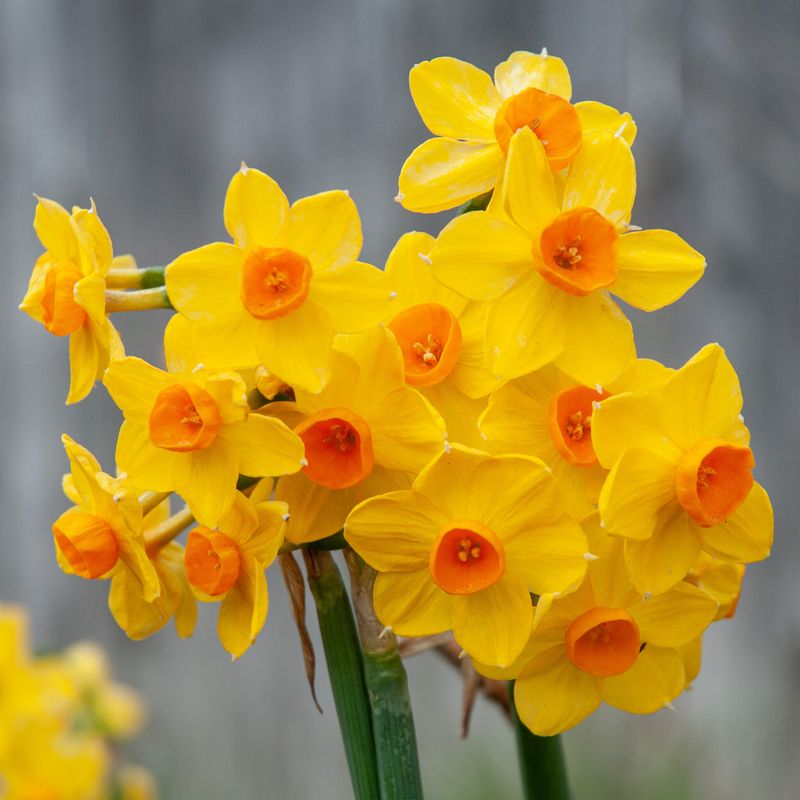
Meet the sunnier cousin of the paperwhite. ‘Soleil d’Or’ offers the same easygoing, no-chill personality but trades white petals for warm gold cups with a softer, sweeter fragrance many people prefer.
Nestle the bulbs up to their necks in stones or marbles and keep the water level right at the root base. No refrigerator time is needed, which makes them a relaxed pick for beginners.
Flowers typically arrive around eight to 10 weeks from planting, so start a batch in early winter for late-season color. On a snowy Wisconsin afternoon, their golden clusters look like little bursts of captured sunlight.
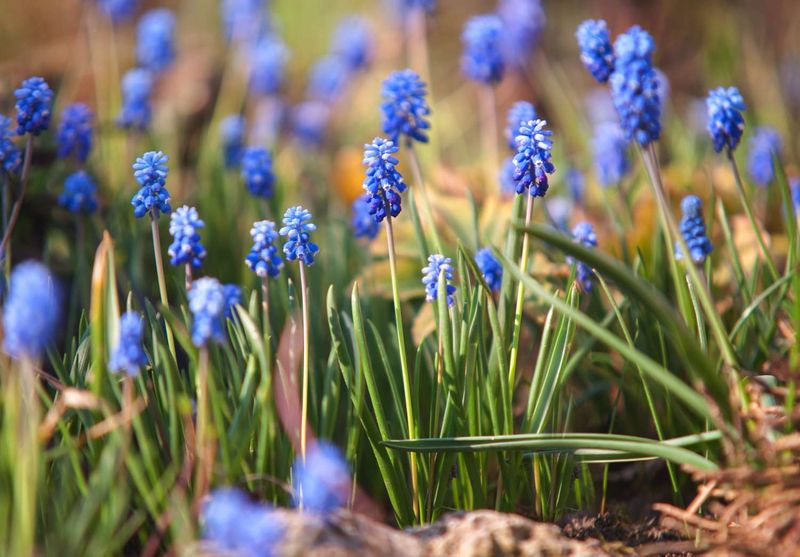
7. Grape Hyacinths
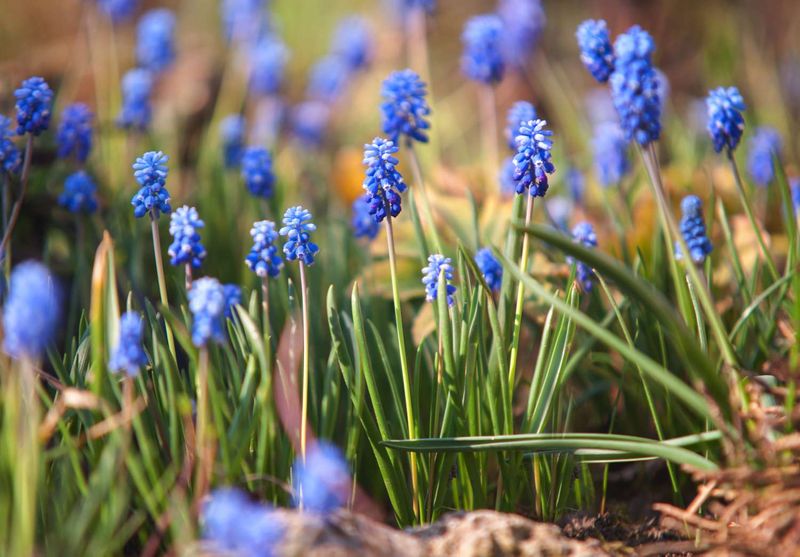
Do not let the small stature fool you, because grape hyacinths pack a whole lot of charm into a tiny package. Their spikes of clustered blue bells look like miniature bunches of grapes, and a row of them in little jars is downright adorable.
Plan on eight to 15 weeks of chilling to prepare these bulbs. Prop them up on stones or marbles so the base just touches the water, the same gentle approach that works for other small bulbs.
Muscari force reliably and make a wonderful companion planting alongside white paperwhites for a two-tone display. For a Wisconsin windowsill short on space, these petite bloomers deliver big personality without crowding everything out.