The One Plant Texas Gardeners Are Putting Along Every Walking Path To Deter Ticks
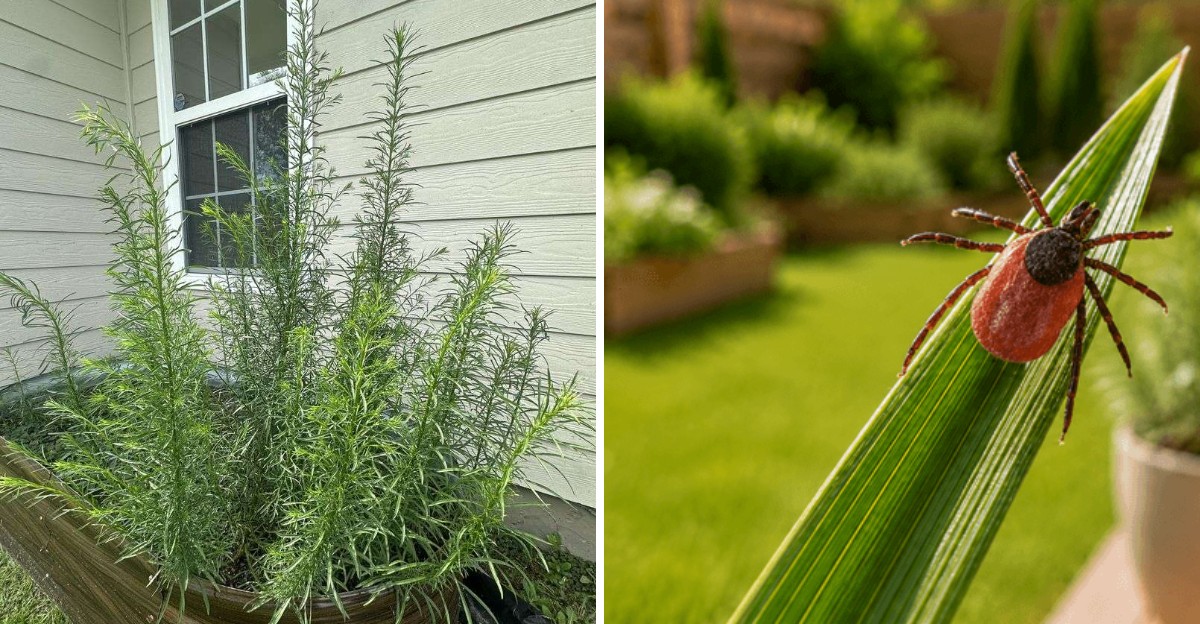
A gardener in Round Rock steps down a flagstone path in late June, and her jeans graze a waist-high shrub with stiff, needle-like leaves lining the walkway.
The air suddenly smells like pine, lemon, and Sunday roast all at once.
Two houses down, the same silvery-green plant lines the mailbox walk. Three streets over, it edges a gravel trail leading to a chicken coop.
Rosemary has quietly become the border plant of choice across Central and South Texas, and plenty of folks are planting it because they heard it fends off ticks.
That rumor has real roots in the plant’s chemistry, and once you understand what rosemary actually does, the reputation makes a lot more sense.
Here is what makes this fragrant, drought-tough shrub worth planting along every path on the property, tick concerns included.
Meet Rosemary
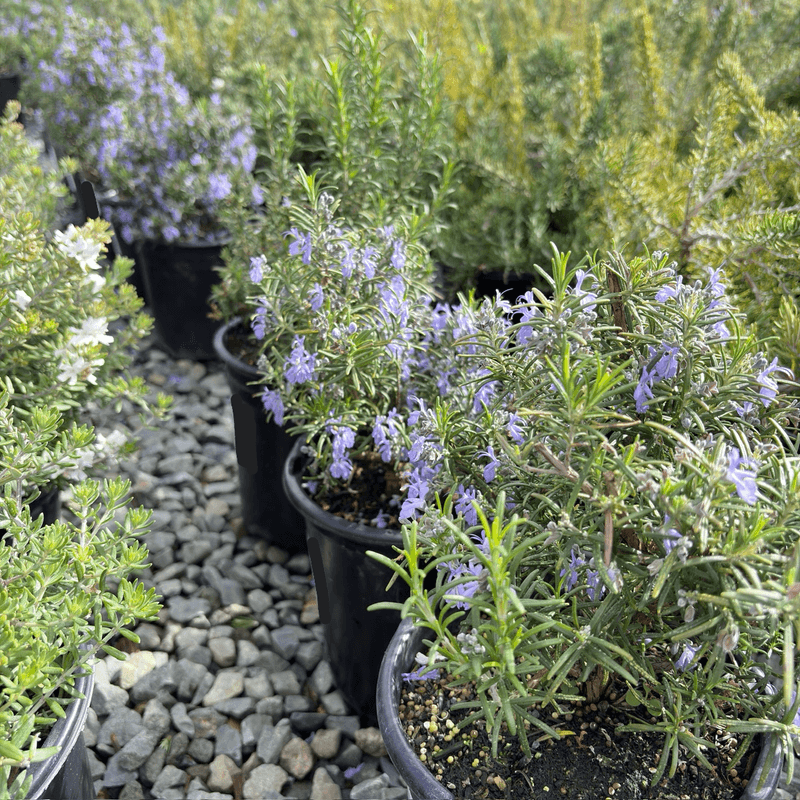
Brush against a rosemary hedge on a hot July afternoon, and the whole path smells like a roasted chicken dinner cooking somewhere nearby.
That piney punch comes from camphor and 1,8-cineole, two aromatic compounds packed into the needle-like leaves. Rosemary hails from the Mediterranean, not Texas, but it handles Central and South Texas heat, rocky soil, and drought better than most herbs sold as tick fighters.
A 2021 study by Wong and colleagues in Pest Management Science tested 16 individual essential oil components against American dog ticks in a lab dish.
Terpinolene, a rosemary constituent, ranked among the compounds outperforming DEET in that direct comparison, alongside two nutmeg-derived compounds.
That result gave the rosemary rumor real scientific footing, even if the concentration tested was higher than what a brushed leaf releases outdoors.
The takeaway is not that a hedge builds an invisible wall. It is that the plant’s own chemistry contains a genuinely tick-repellent compound, which is more than most ornamental border plants can claim.
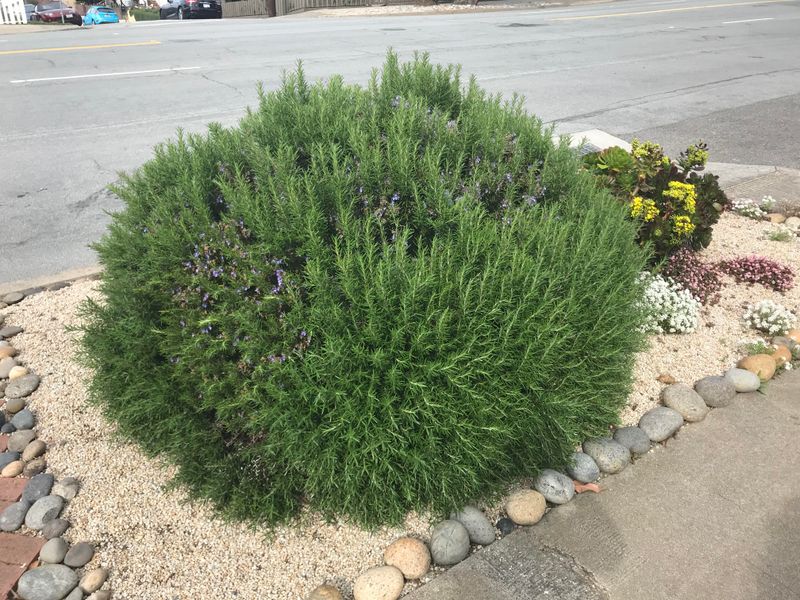
Plant it in full sun with sharp drainage, and skip heavy irrigation, since soggy roots are its one true weakness. Upright types like Arp shrug off cold snaps.
What Terpinolene Actually Does To A Tick
Terpinolene belongs to a class of compounds called monoterpenes, chemicals plants produce partly as a natural defense against insects and other pests that might otherwise chew through their leaves.
In the Wong study, terpinolene disrupted tick behavior at the sensory level, interfering with the way ticks detect and respond to a nearby host. Ticks rely heavily on scent and vibration to locate something to latch onto, and a strong competing scent muddies that signal.
That mechanism explains why brushing against a rosemary shrub, rather than just walking near one, produces the strongest effect. Crushing or disturbing the leaves releases a denser concentration of the oil than simply standing nearby ever would.
Texas heat actually works in rosemary’s favor here. Warm temperatures increase the rate at which aromatic oils volatilize off the leaf surface, meaning a rosemary border does more of its releasing work precisely during the hottest months when ticks are also most active.
This is a real, chemically grounded reason rosemary keeps showing up in pest-deterrent conversations, distinct from plants recommended purely on folklore or scent preference alone.
Your Texas Garden Changes Every Week. Your Plan Should Too.
Gardening in Texas changes quickly throughout the season. Every Friday you’ll receive a simple weekly plan showing exactly what to plant, prune, fertilize, harvest, and protect so you never miss the right timing.
Positioning A Rosemary Border For Maximum Effect
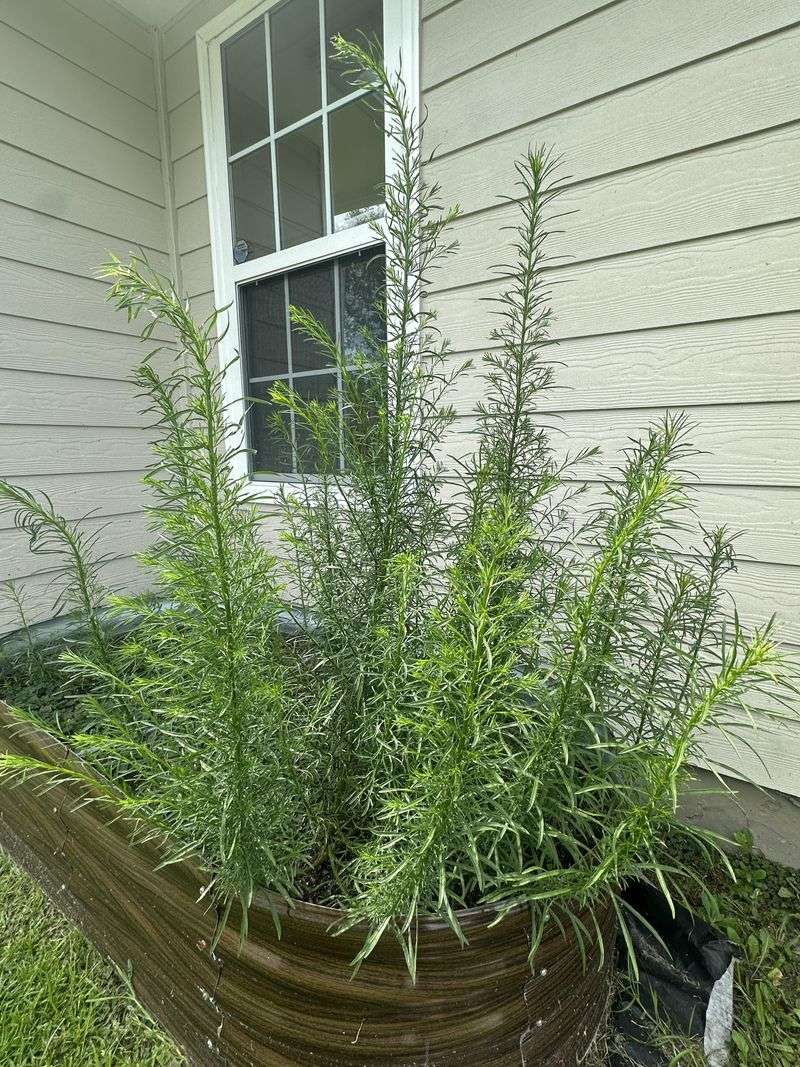
Getting real benefit from rosemary’s tick-deterrent properties comes down partly to where and how it gets planted, not just whether it exists somewhere in the yard.
Lining a rosemary hedge directly along the edge of a walking path, rather than tucking it into a distant corner bed, puts foot traffic in regular contact with the foliage. Each brush against the leaves releases fresh oil into the immediate air.
Planting it at the transition zone between mowed lawn and taller grass or brush targets exactly the spot where ticks most often wait to latch onto a passing host. That placement puts the plant’s chemistry to work precisely where it matters most.
Spacing plants close enough that their branches slightly overlap the path edge, without blocking passage, maximizes incidental contact during normal walking. A hedge set back two feet from the path does far less work than one brushing against pant legs directly.
Height matters too. Ticks questing for a host typically climb only 18 to 24 inches up grass or brush before waiting, so a rosemary planting at knee height intercepts them at almost exactly the zone where they are reaching for a target.
Pairing Rosemary With Other Aromatic Deterrents
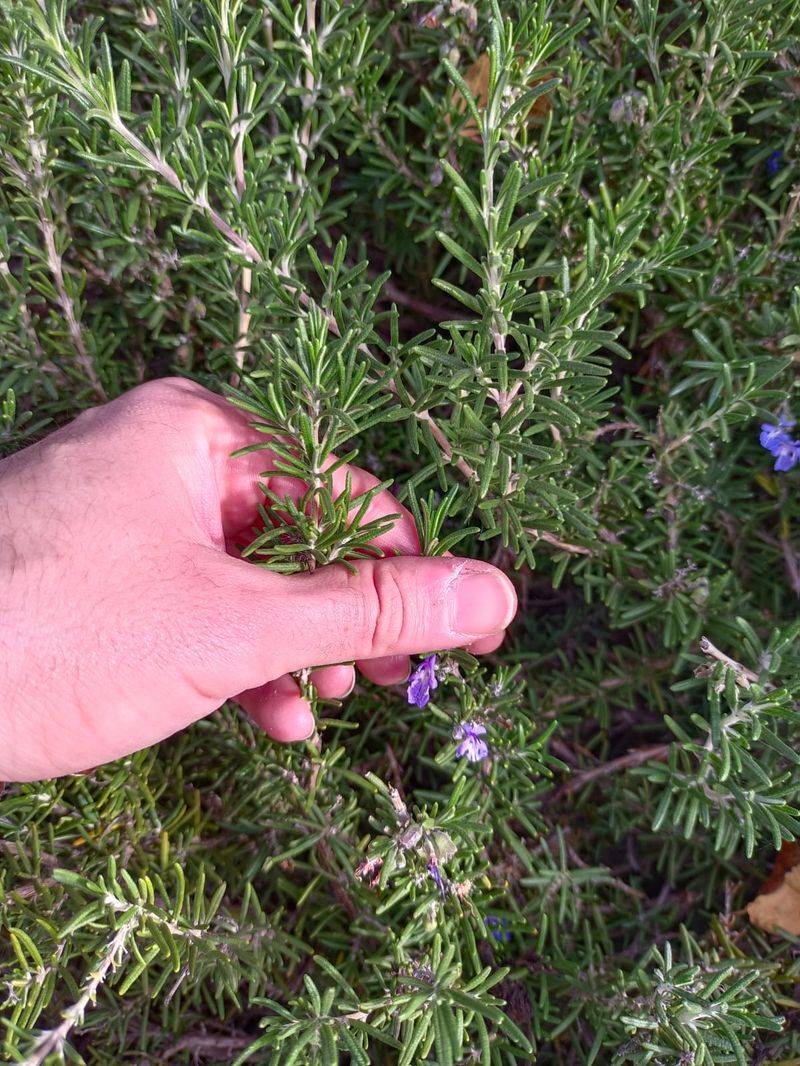
Rosemary rarely works alone in the gardens where people report the best results, and pairing it with other aromatic plants appears to compound the effect rather than simply repeat it.
Lavender, another Mediterranean native thriving in the same hot, dry Texas conditions rosemary prefers, contains linalool, a separate compound also studied for insect-repellent activity. Planting the two together layers overlapping scent profiles along the same path.
Texas sage, or cenizo, adds another aromatic layer well suited to the same growing conditions, contributing its own volatile compounds to the mix without asking for different soil or water than rosemary already needs.
This layered approach mirrors how commercial essential oil repellent blends work, combining several plant-derived compounds rather than relying on one alone, since ticks and other pests do not habituate to a mixed scent as easily as a single note.
A path bordered by rosemary, lavender, and Texas sage in rotation creates a more complex chemical environment than any single species could manage alone, while still asking for the same full sun and sharp drainage all three plants already want.
This combination also solves a practical problem, since it spreads bloom time and visual interest across the year rather than relying on rosemary’s more subdued flowering alone.
Harvesting And Crushing Leaves For An Extra Boost
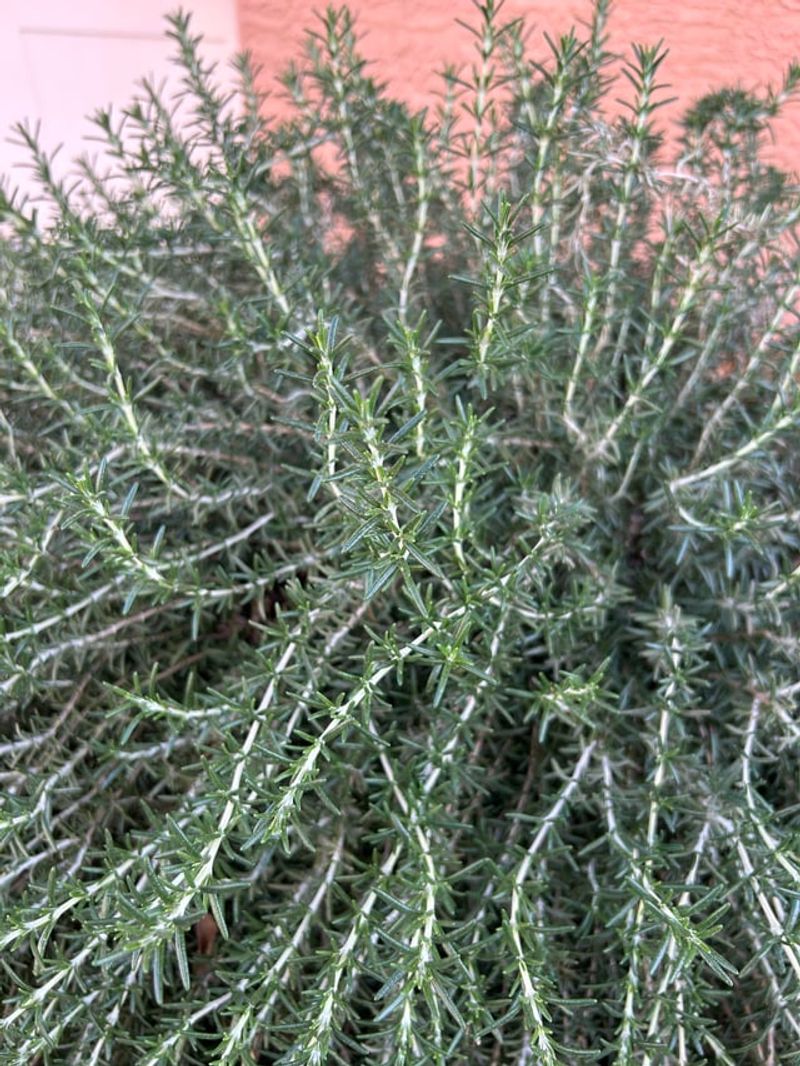
Beyond simply planting rosemary and waiting, a few active habits meaningfully increase how much repellent compound actually reaches the air around a path.
Regular harvesting for kitchen use does double duty here. Snipping sprigs for cooking naturally crushes and bruises nearby foliage, releasing a burst of aromatic oil that a fully undisturbed shrub would not produce on its own.
Running a hand along the hedge while walking past, deliberately brushing the needles, releases noticeably more scent than passive proximity alone. Many Texas gardeners report doing this instinctively once they notice the effect.
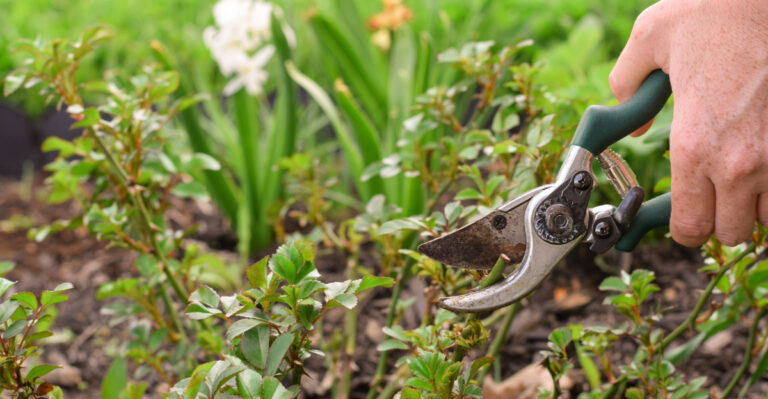
Light pruning every few weeks during the growing season, beyond what cooking alone requires, keeps the plant continuously producing fresh growth, and new growth tends to carry a higher concentration of aromatic oils than older, woodier stems.
Crushing a few leaves and rubbing them lightly on exposed ankles or shoes before a walk through taller grass extends the effect beyond just the planted border itself, essentially borrowing the plant’s own chemistry as a supplemental application.
None of this replaces a proper EPA-registered repellent for serious tick exposure in heavy brush, but for a maintained garden path, these small habits meaningfully increase what the plant is already offering.
Growing Rosemary Well So It Keeps Working
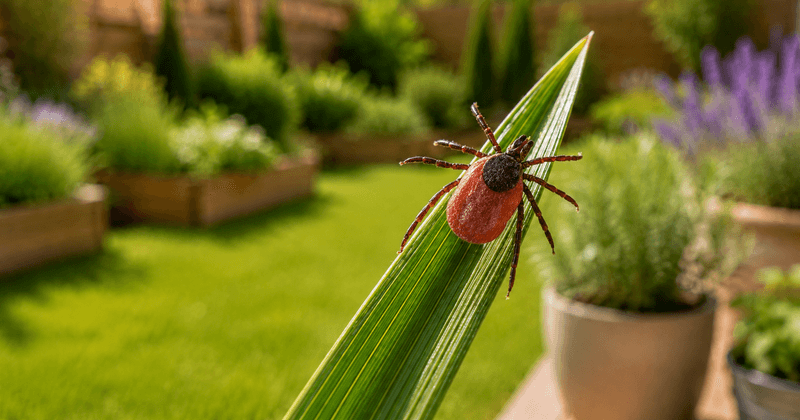
A stressed, struggling rosemary plant produces less aromatic oil than a healthy one, which means proper care is not just about survival but about keeping its natural deterrent properties strong.
Full sun and sharp drainage remain non-negotiable. Rosemary evolved on rocky Mediterranean hillsides, and a plant fighting soggy roots puts its limited energy into survival rather than robust foliage production.
Established plants need remarkably little supplemental water once their root system matures, and overwatering is far more likely to weaken a rosemary border than Texas drought ever will.
Upright cultivars like Arp and Tuscan Blue handle occasional cold snaps better than trailing types, making them the safer long-term choice for a path border expected to thrive for years rather than one season.
Refreshing the planting every five to seven years, since rosemary shrubs can eventually turn woody and sparse at the base, keeps the hedge dense and fragrant rather than leggy and thin.
A thriving, regularly harvested rosemary border does everything the plant is chemically capable of doing, feeding pollinators, flavoring the kitchen, and releasing genuinely tick-disruptive compounds every time a pant leg brushes past.