Don’t Blow Fallen Leaves Into These Parts of Your Ohio Yard – You May Be Creating Better Tick Habitat
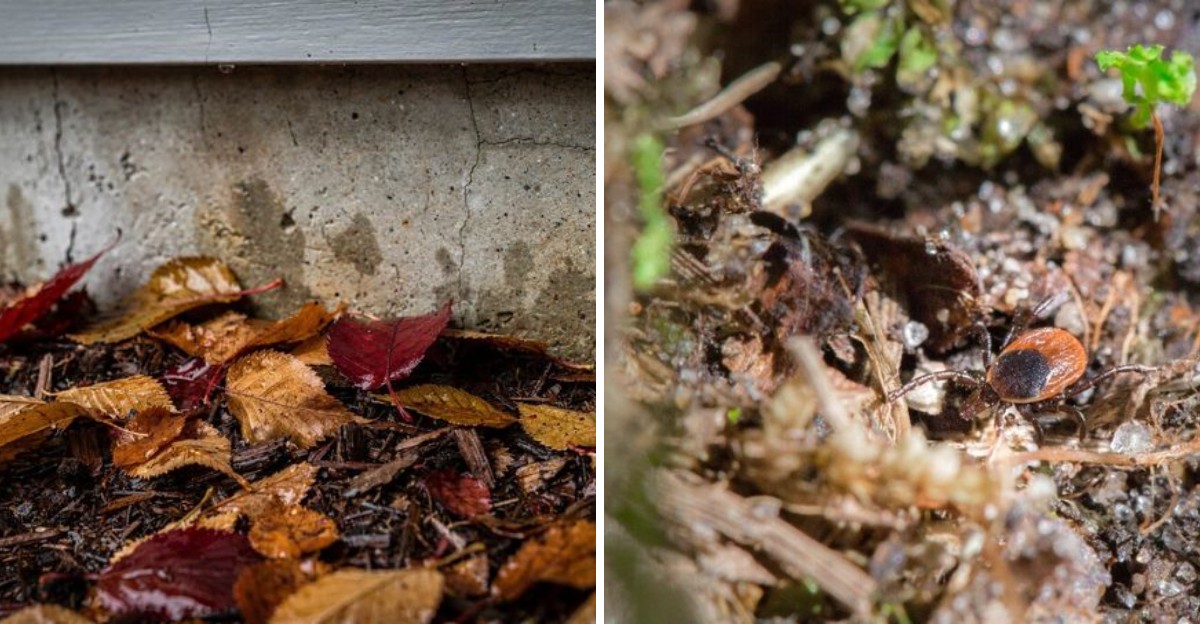
Blowing every leaf into one tidy pile against the fence feels like the responsible move. The kind of fall cleanup that makes a yard look cared for.
That same pile might be doing something nobody intended.
Ticks need cover to survive an Ohio winter. A thick, undisturbed layer of leaves against a fence, foundation, or wood pile gives them exactly that.
Pile leaves where people actually walk, a garden bed along a path, the edge of a patio, the base of a swing set, and that convenient cleanup spot turns into tick habitat a few feet from where everyone spends the most time.
The leaves aren’t the problem. Where they land is.
A few small changes to where those leaves get piled cuts down on exactly the kind of spot ticks need to make it through to spring.
1. Keep Leaf Piles Away From Wooded Edges And Brushy Borders
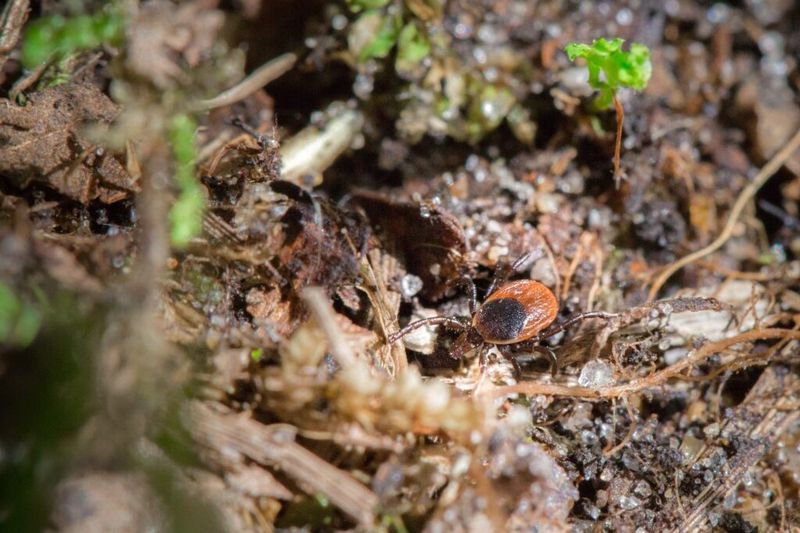
The strip where your mowed grass surrenders to trees is the single busiest crossroads in the whole yard. Researchers who count young ticks find the highest numbers right there, in the leaf litter on the woodsy side of that transition zone.
Blacklegged ticks, which keep spreading across Ohio counties, love it for good reason. Decaying leaves trap moisture like a sponge, and that dampness helps ticks ride out heat waves and cold snaps alike.
Scattered undergrowth makes the spot even more appealing. Add a blown-in mound of maple and oak leaves, and you have essentially doubled the insulation.
Mice and chipmunks burrow into those piles for shelter through winter. Since rodents are the main hosts that ticks feed on early in life, every mouse condo you build raises the odds of a larger tick population next spring.
Deer wander the same edges, browsing and dropping off adult ticks as they go. Clearing leaf litter from the border removes both the cover and much of the invitation.
Rake or blow leaves away from that line rather than toward it. A cleaner, thinner edge dries faster in the sun and wind, which makes the zone far less comfortable for anything waiting on a grass blade for a passing leg.
2. Clear Accumulated Leaves From Around Sheds And Outbuildings
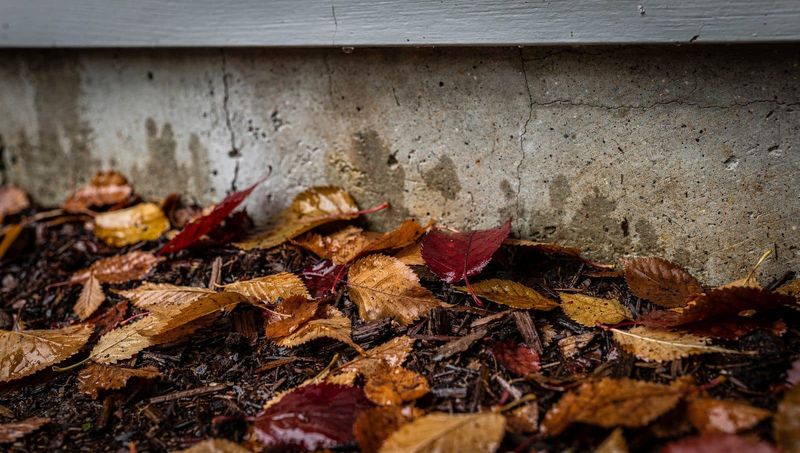
Sheds have a sneaky habit of collecting leaves without anyone noticing. Wind swirls around the corners, drops its cargo against the siding, and by Thanksgiving there is a soggy berm hugging the foundation.
Those banked-up leaves stay wet for weeks at a time. Shade from the building means sunlight rarely touches them, so the humidity underneath holds steady even when the rest of the lawn has dried out.
Ticks need that humidity to stay active, and a shaded foundation line delivers it reliably. Rodents appreciate the arrangement too, since a wall at their back and a leaf blanket overhead is about as secure as burrows get.
Woodpiles stacked against outbuildings compound the problem. Loose, damp stacks sitting directly on soil attract mice, and mice bring passengers.
Try pulling leaves back at least a couple of feet from every wall, including the garage, the pump house, and that old playhouse nobody uses anymore. Raise woodpiles onto racks so air circulates underneath, and keep them well away from doors and walkways.
Your Ohio Garden Changes Every Week. Your Plan Should Too.
Gardening in Ohio changes quickly throughout the season. Every Friday you’ll receive a simple weekly plan showing exactly what to plant, prune, fertilize, harvest, and protect so you never miss the right timing.
A quick walk-around every few weeks during leaf season handles most of it. Ten minutes with a rake beats discovering a thriving rodent neighborhood when you go looking for the snow shovel in January.
3. Avoid Piling Leaves Where Pets Rest And Roam

Every dog owner knows the look: ears perked, tail going, eyes locked on a fresh leaf pile. The leap is inevitable, and honestly it is one of the great joys of fall.
Trouble is, pets pick up ticks more easily than we do. They move low through grass and brush, they nose into shaded corners, and their fur gives a tick plenty to grab onto.
Dark, damp leaf litter is exactly where ticks wait. A dog rolling through a pile is essentially running a sweep of the best habitat you accidentally built.
Think about where your animals actually spend their time. If the shady spot under the deck stairs doubles as the dog’s summer lounge, that is a poor place to stack leaves.
Move outdoor bedding away from heavy brush and fence lines. Wash blankets and cushions regularly, and give your pets a quick once-over after they come inside, checking ears, armpits, toes, and the base of the tail.
Talk with your veterinarian about year-round preventive products, since Ohio winters are mild enough that ticks stay active on warmer days. Redirect the leaf-jumping fun to a fresh pile in the open, sunny part of the lawn, then spread it out afterward instead of letting it sit.
4. Keep Play Areas, Patios, And Deck Edges Free Of Leaf Litter
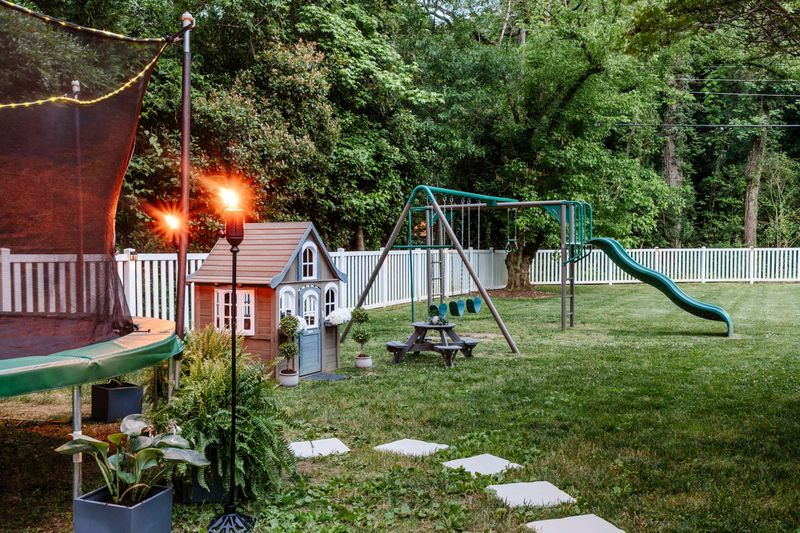
Swing set posts, sandbox corners, and the shadowy gap beneath a deck all act like leaf magnets. Kids then spend hours in exactly those spots, hands in the dirt, knees on the ground.
Leaves gathered around play equipment hold the shade and moisture ticks depend on. Garden beds edging a patio can do the same thing when the mulch and leaf mix stays dense and soggy.
Position matters more than most people realize. Swing sets and picnic tables parked right against a tree line sit inside the zone where tick numbers peak, while the same equipment out in open sun sits in a far less friendly environment.
Consider shifting play structures and seating toward the middle of the lawn. Sunlight and airflow do a lot of quiet work there.
Ringing those areas with wood chips or pea gravel creates a dry strip that ticks tend not to cross. The same trick works along fences and around the grill area.
Sweep deck boards and blow leaves out from under stairs before winter settles in. It takes one afternoon, and it turns the places your family uses most into the least appealing corner of the yard for anything hoping to hitch a ride indoors.
5. Keep Tall Grass And Brush From Crowding The Lawn
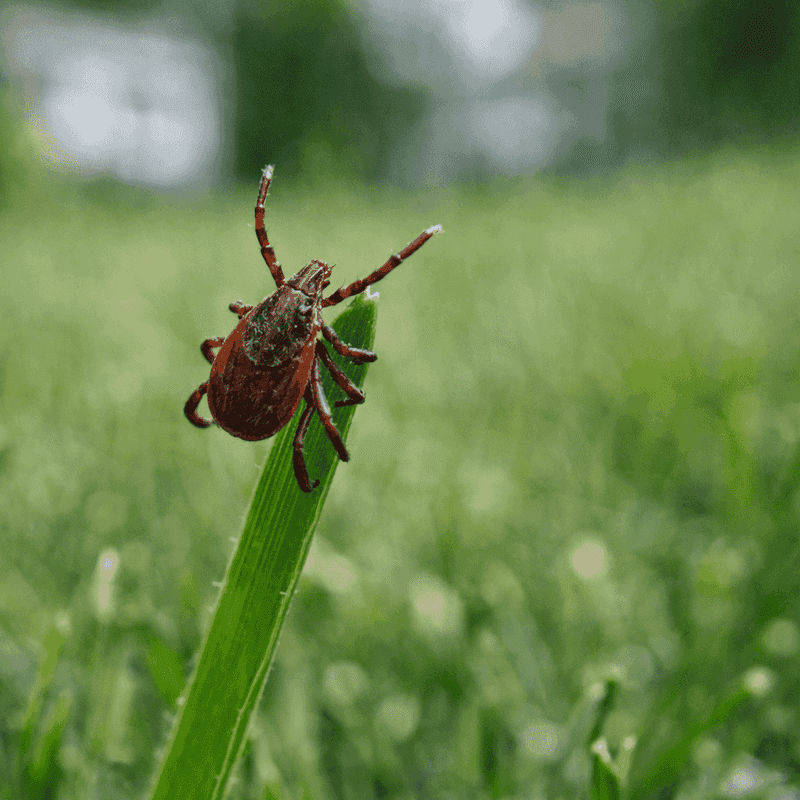
Tall grass and dense brush give ticks more shaded vegetation to occupy and make the transition between lawn and woodland harder to manage.
Keeping that edge trimmed creates a clearer boundary and reduces the amount of sheltered vegetation immediately beside areas where people spend time.
Leaves caught among tall stems can make the situation worse by holding moisture close to the soil. Keeping vegetation shorter and clearing accumulated leaf litter makes the edge more open to sunlight and airflow.
Fencerows are notorious for this. Mowers cannot quite reach, leaves pile against the wire, and the strip turns into a shaggy ribbon of habitat running the length of the property.
Regular mowing through fall goes a long way. Keeping grass shorter lets sun and wind reach the soil surface, which dries things out fast.
Trim back overgrown shrubs and pull leaf litter out from under low branches. Anywhere that vegetation gets thick and stays shaded deserves attention.
String trimmers handle the awkward strips along fences and around mailbox posts and utility boxes. It is tedious work, but those neglected pockets tend to be where people actually pick up ticks while retrieving a ball or checking the gate.
A tidier transition zone also makes it easier to spot ticks on clothing when you walk through.
6. Use A Three-Foot Buffer Between The Lawn And The Woods
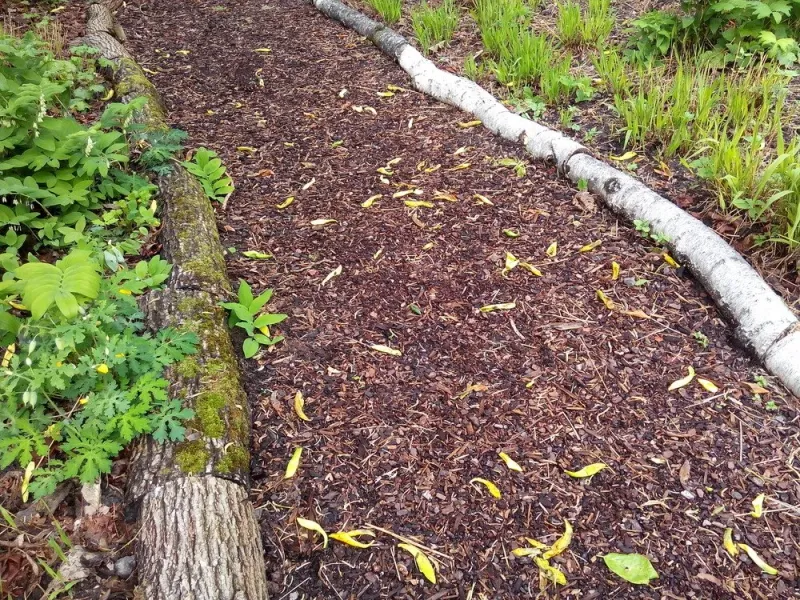
A commonly recommended tick-management strategy is to create a strip of wood chips or gravel between the lawn and wooded areas. The idea is to create a clearer, drier boundary between frequently used lawn and tick-friendly vegetation.
A wider strip creates more separation between the lawn and surrounding vegetation, giving people a clearer boundary to maintain and avoid brushing against plants.
Ticks lose moisture quickly when they leave humid leaf litter. A hot, loose barrier with no shade and no organic sponge underneath acts like a moat.
Building one is a weekend project at most. Rake the strip clear of leaves and debris first, then spread wood chips or crushed gravel several inches deep along the entire border.
Maintenance matters more than perfection. Leaves will blow onto the buffer every autumn, so clearing it once or twice a season keeps it functioning as intended.
The same border doubles as a visual reminder for your family. Everyone learns that stepping past the chips means checking for ticks afterward.
Plenty of Ohio homeowners already have mulch beds along back property lines, so this may be less about new construction and more about widening and cleaning what exists. Either way, it is a low-cost change with a real payoff.
7. Let More Sunlight Reach Damp And Shady Yard Edges
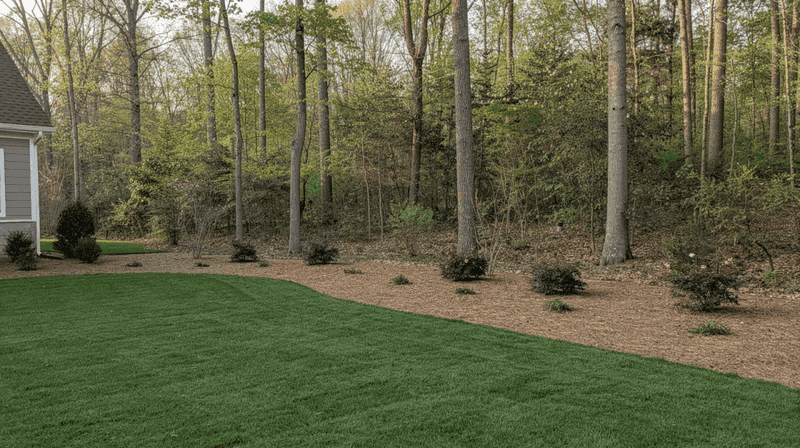
Sunshine turns out to be one of the cheapest tick deterrents available. Open, sun-baked lawn is rough territory for a creature that dries out easily.
Shaggy strips along property lines tell a different story. Ground cover that stays damp, low branches that block light, and leaf litter that never fully dries add up to ideal conditions.
Moist soil plus shaded vegetation plus leaf litter equals a spot where ticks can develop and reproduce comfortably. Break up any one of those three and the math changes.
Grab loppers and thin out low branches that hang over the yard edge. Raising the canopy a few feet lets morning light reach the ground and gets air moving.
Cut back sprawling shrubs that have crept outward over the years. Vinca, ivy, and pachysandra patches that stay soggy under leaf cover are worth thinning or removing.
After pruning, rake out the leaves that collected underneath. Skipping that step leaves the sponge in place.
Homeowners are often surprised how much drier a corner becomes after a single afternoon of trimming. The grass grows better too, which is a nice bonus for a chore you took on for entirely different reasons.
8. Mulch Leaves Into The Lawn Instead Of Building Thick Piles
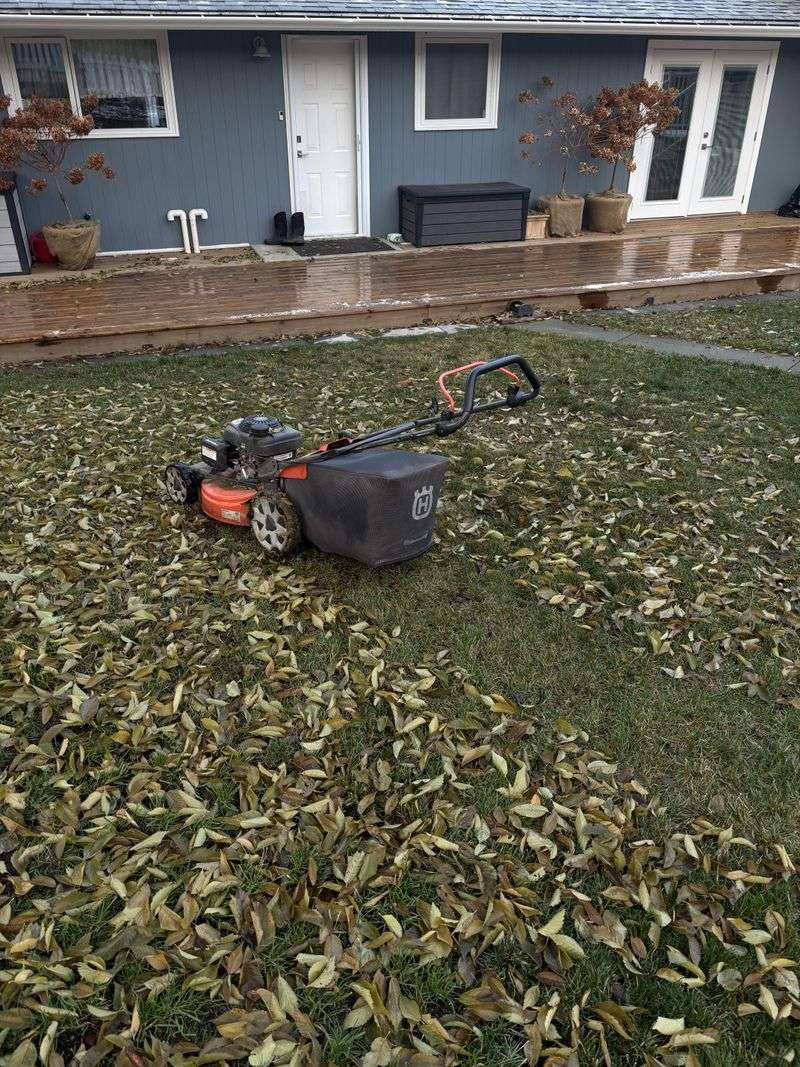
Here is a shortcut that saves your back and your Saturday: run the mower over the leaves instead of raking them. Finely shredded leaf bits filter down between grass blades and feed the soil as they break down.
Shredded mulch behaves very differently from whole leaf litter. The micro-environment it creates runs cooler in humidity and offers far less of the deep, sheltered structure ticks rely on.
Whole leaves stacked several inches thick trap air pockets and hold water. Chopped leaves settle flat, dry out faster, and disappear into the turf within weeks.
Research specifically measuring mulching-in-place against suburban tick counts is still limited. Still, scientists expect reductions based on how dramatically the habitat conditions change.
Make a few passes with a mulching blade, or just mow the same area twice. Aim for pieces roughly the size of a dime so they sift down rather than matting on top.
Avoid doing this when leaves are soaking wet, since they clump instead of shredding. Wait for a dry afternoon.
Your lawn gets free nutrients, your yard waste bags stay empty, and the thick piles that once lined the fence simply never form. Hard to argue with all three.
9. Move Extra Leaves To A Managed Compost Area Away From Busy Spaces
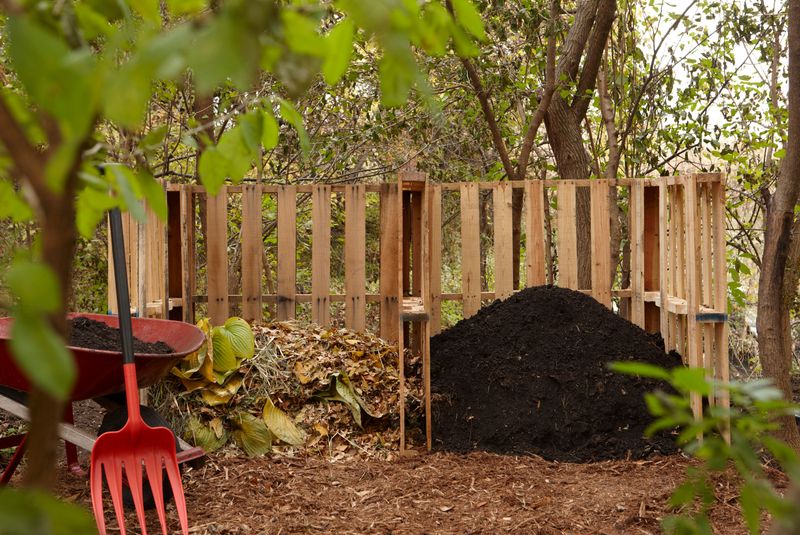
Sometimes there are simply too many leaves for the mower to handle, especially under a mature oak. Composting them is a solid plan, as long as the bin sits in the right spot.
Location is the whole game. A compost area tucked beside the back door or next to the kids’ swing set puts potential tick habitat in a high-traffic zone.
Push it to a far corner instead. Distance from patios, play areas, and walkways means less chance of casual contact.
Watch the rodent question closely if you add food scraps to mulched leaves and grass clippings. Kitchen scraps can attract rodents, and rodents are important hosts for immature blacklegged ticks, so keeping food waste contained makes sense if you’re trying to reduce wildlife activity near the compost area.
Enclosed bins with lids handle food waste far better than open heaps. Turning the pile regularly also discourages anything from settling in permanently.
Keep the surrounding grass mowed short so there is no soft landing pad around the bin. A gravel or chip pad underneath helps too.
Finished leaf compost is genuinely excellent stuff for Ohio garden beds come spring, dark and crumbly and free. Just treat the bin the way you would a woodpile: useful, worth having, and best kept at arm’s length from where everyone hangs out.