Help Your Virginia Yard Bounce Back From Summer Drought With These 8 Steps
Brown grass, dry soil, and bare patches can make your Virginia yard look beyond saving after a long, hot summer.
But drought stress does not mean your lawn is finished. Cooler fall weather gives stressed grass a chance to recover, especially when moisture becomes more consistent.
That makes September and October an important window for getting your yard back on track before winter. A little attention now can help strengthen weakened turf, improve the soil, and give trees and shrubs a better chance to recover from summer stress.
If your yard looks worn out after months of heat and limited rain, fall is the time to give it a fresh start.
1. Give Drought Stressed Grass A Deep, Thorough Watering
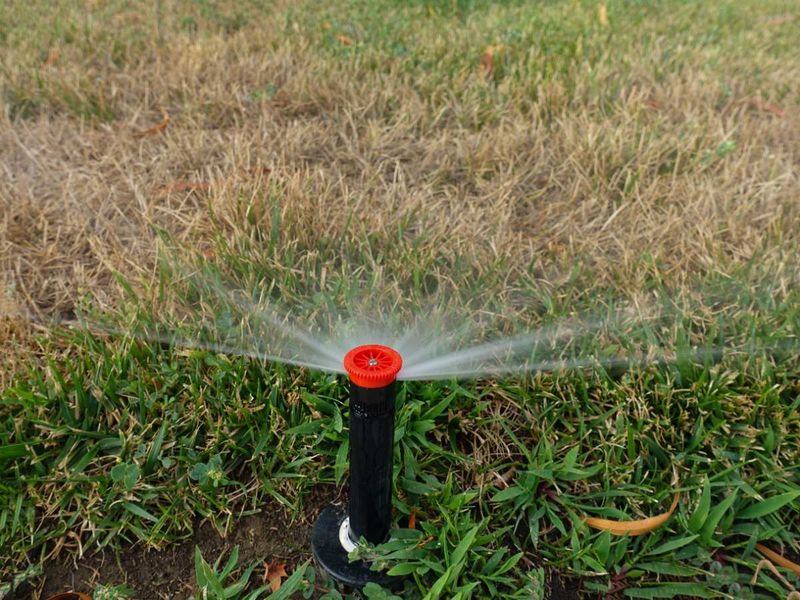
Frequent, shallow watering can encourage a shallower root system, while deeper, less frequent watering encourages roots to use moisture farther down in the soil.
Deep and infrequent soaking is what tired turf actually craves.
Aim to provide roughly an inch of water per week when rainfall is insufficient, adjusting for your soil, grass type, and weather conditions. Set a tuna can on the lawn while the sprinkler runs to measure how long it takes.
Early morning is the sweet spot, ideally between 5 and 9 a.m. Less water evaporates then, and blades dry off before fungus gets comfortable in sticky air.
Midday watering wastes a surprising amount to evaporation. Evening watering leaves grass damp overnight, which invites disease problems you would rather skip.
Wondering if your lawn is thirsty? Walk across it and look back at your footprints. If they stay pressed down instead of springing up, the grass needs a drink.
Color offers another clue. Blades that turn blue-gray or dull tan are signaling stress well before things get serious.
Try the screwdriver test for a quick soil check. Push a long screwdriver into the ground, and if it stops before 3 or 4 inches, or comes out clean and dusty, the root zone is dry.
Many yards sit on fine-textured clay that puddles easily. Break watering into two or three shorter cycles with soak time between them so moisture sinks in instead of running down the driveway.
2. Reseed Thin Lawn Patches Before Winter Arrives
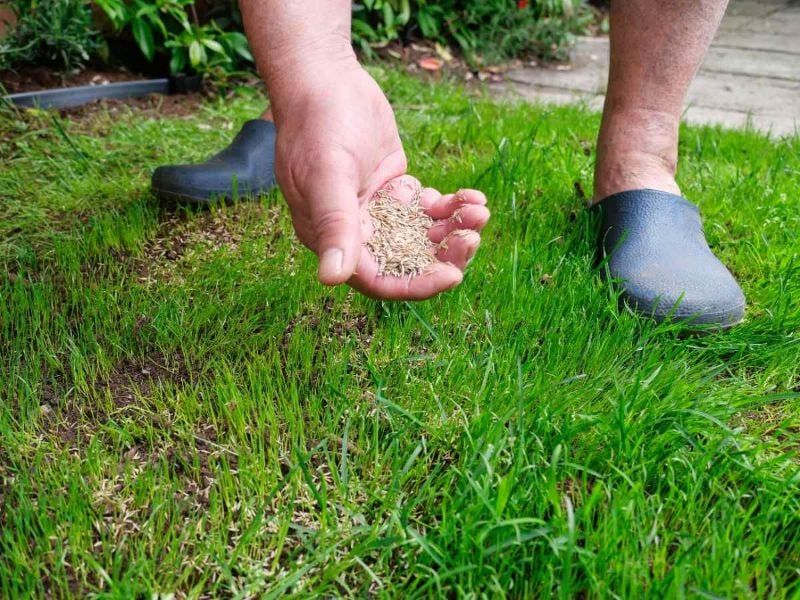
Timing beats effort when it comes to seeding. Toss seed down in the wrong month and you are basically feeding the birds.
Across the state, mid-September through mid-October hits the bullseye for cool-season grasses like tall fescue. Soil still holds summer warmth, which sparks germination, while cooler air keeps young seedlings comfortable.
Seeding in that window gives new grass two to three solid months to build roots before cold weather slows everything down. Thicker turf also crowds out weeds and stands up better to insects and disease next season.
Seed needs to touch soil, not sit on top of decaying thatch. Run a core aerator or power rake over thin spots a couple of times to open up landing zones.
After spreading seed, topdress with a quarter to half inch of quality compost. That thin blanket holds moisture right where tender roots are forming.
Your Virginia Garden Changes Every Week. Your Plan Should Too.
Gardening in Virginia changes quickly throughout the season. Every Friday you’ll receive a simple weekly plan showing exactly what to plant, prune, fertilize, harvest, and protect so you never miss the right timing.
Wheat straw works well as a light mulch, roughly one bale per 1,000 square feet. It keeps seed from washing away during those heavy fall downpours Virginia loves to deliver.
Keep the top inch of soil damp with short, frequent waterings until seedlings appear. Once grass reaches mowing height, shift back to deeper, less frequent watering.
One easy mistake to avoid: weed control products. Check the label for the waiting period, since many block seed from sprouting for weeks.
3. Aerate Compacted Soil To Help Roots Access Water
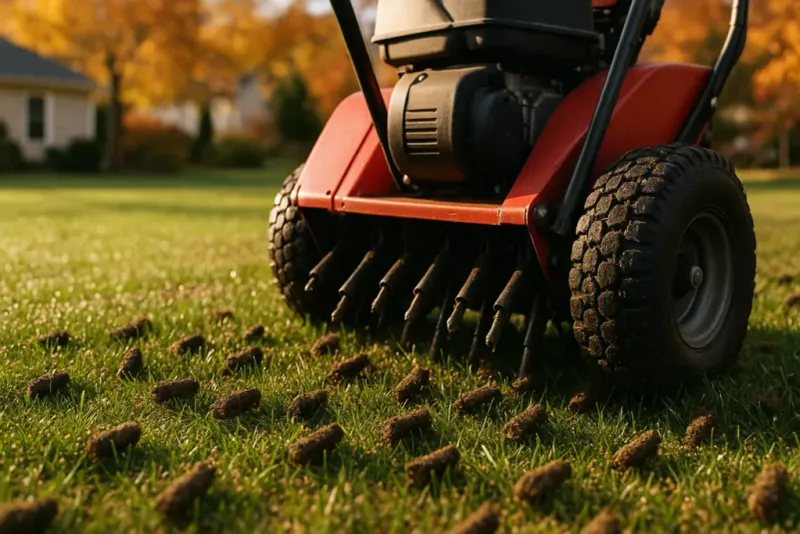
Clay soil is Virginia’s calling card, and it packs down hard as a sidewalk after a dry summer. Water hits it and rolls right off toward the street.
Core aeration fixes that by pulling thousands of small plugs out of the ground. Those open channels let air, water, and nutrients slide straight down to the roots.
High-traffic areas suffer most. Kids’ soccer games, dog paths, and the shortcut everyone takes to the mailbox all squeeze soil particles together until roots can barely push through.
Northern Virginia yards with heavy clay benefit enormously from core aeration rather than spike-style tools. Spikes just shove soil sideways and make compaction worse.
Roots respond to loosened soil by growing deeper and stronger. Deeper roots reach moisture that shallow ones cannot touch, which is exactly what carries a lawn through the next scorching July.
Aeration also cuts down on runoff and helps soil hold onto rainfall. As a bonus, it stirs up soil microbes that chew through excess thatch.
Leave the plugs where they land. They look messy for a week or two, then crumble back into the turf and return organic matter to the surface.
Wait until your grass has perked up before aerating, though. Working a lawn that is still stressed piles on mechanical damage when it needs rest instead.
4. Add Compost To Rebuild Soil After A Dry Summer
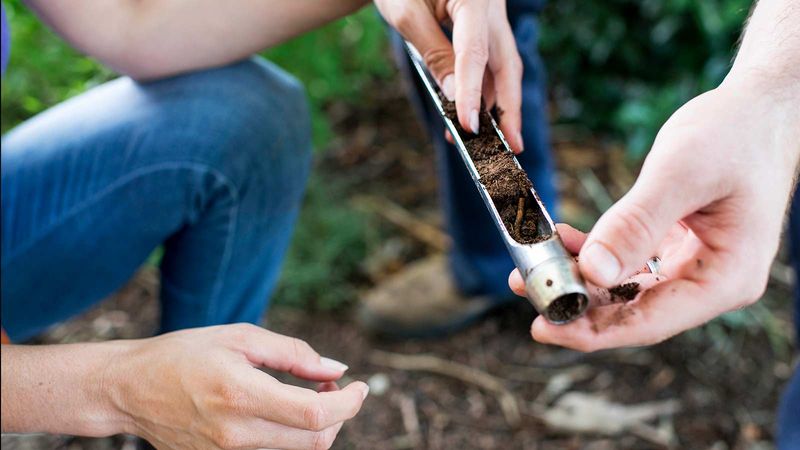
Fertilizer feeds grass. Compost adds organic matter and some nutrients while improving the soil conditions that support healthy turf.
Rich organic matter changes how ground behaves. Organic matter can help sandy soils hold moisture and can improve the structure and workability of clay soils over time.
Compost also wakes up the tiny living things underground. Microbes release nutrients slowly, which builds deeper root systems over months rather than giving one quick green flush.
Lawns dealing with bare patches, packed soil, or leftover drought damage respond especially well. Over a few seasons, you may find yourself reaching for synthetic fertilizer far less often.
Topdressing is the go-to method for grass that already exists. Spread a thin, even layer of finished compost across the lawn using a shovel and the back of a rake.
Keep it between a quarter and a half inch deep. Grass blades should still peek through, otherwise you risk smothering the very turf you are trying to help.
No rain in the forecast? Give the lawn a light watering so the compost settles down into the soil surface.
Starting a lawn from scratch changes the math. Virginia Cooperative Extension recommends tilling roughly 2 inches of compost into the ground before planting, which sets up new turf for years of steady growth.
5. Mow At The Right Height To Reduce Further Stress
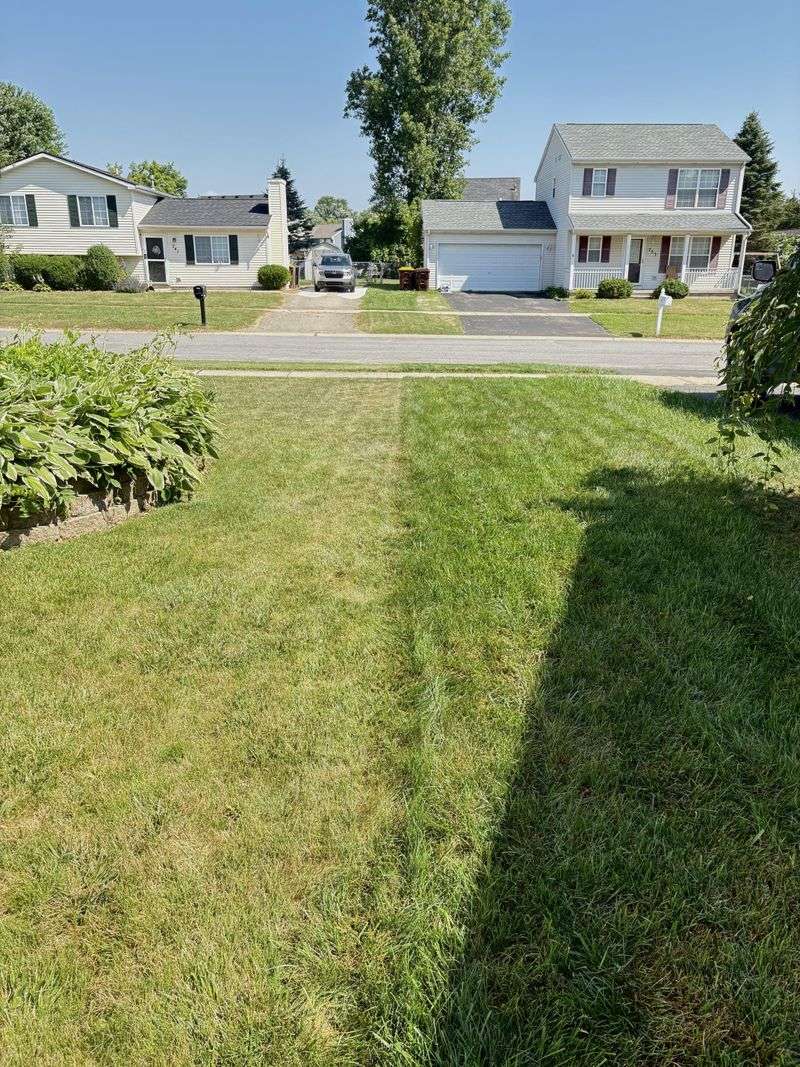
Scalping a stressed lawn is like giving a sunburned person a buzz cut. The damage shows up fast.
Follow the one-third rule and you will avoid most trouble. Remove no more than a third of the blade height in any single pass, even if that means mowing twice in one week.
Short grass grows short roots. Cutting too low weakens the plant, slows recovery, and often leaves behind yellowish, ragged turf.
Taller blades do double duty. They fuel deeper roots that pull moisture from lower soil, and they shade the ground so less water evaporates on hot afternoons.
For tall fescue and other cool-season grasses common across the state, raise the deck to 3 or 4 inches. Many lawn pros settle right around 3.5 inches during warm stretches.
Bermuda and other warm-season grasses handle shorter cuts, roughly 1.5 to 2.5 inches. Bump that up a notch if you notice browning creeping in.
Sharp blades matter more than most people realize. A dull blade tears grass tips, and those frayed ends brown out and lose water quickly.
Schedule mowing for morning or early evening rather than the blazing middle of the day. Grass handles the trim far better when temperatures ease off.
Fun bit of trivia: taller turf also shades out crabgrass seedlings, so your mower height quietly doubles as weed control.
6. Leave Grass Clippings To Return Nutrients To The Soil
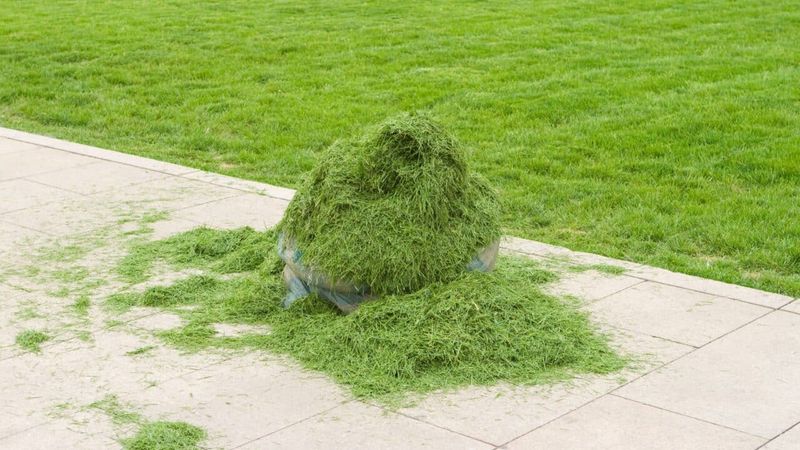
Bagging clippings and hauling them to the curb is like throwing away free fertilizer. Every bag carries nitrogen your lawn just finished making.
Grasscycling simply means letting those clippings fall back where they grew. As they break down, nutrients return to the soil with zero cost and zero effort.
Numbers back it up. Leaving clippings on the lawn returns nitrogen and other nutrients to the soil, which can reduce the amount of supplemental fertilizer the lawn needs.
Clippings also act like a whisper-thin mulch. They shade the soil surface and slow evaporation, a real advantage during steamy summer stretches.
The old thatch worry deserves retirement. Research shows thatch is built mostly from grass roots and stems, not from soft clippings that decompose within days.
Two habits make grasscycling work smoothly. Keep mower blades sharp, and stick to the one-third rule so clippings stay small enough to filter down between blades.
Mulching mowers chop material even finer, though a standard mower does fine when grass is mowed regularly. Overlapping your passes slightly helps spread things evenly.
There are moments when the bag makes sense. If the lawn has a serious disease problem, follow local extension recommendations for that specific disease; in some cases, collecting clippings may be appropriate.
Sky-high grass after a rainy week is another exception. Thick clumps block sunlight and airflow, so rake or bag those and toss them in the compost pile instead.
7. Check Trees And Shrubs For Lingering Drought Stress
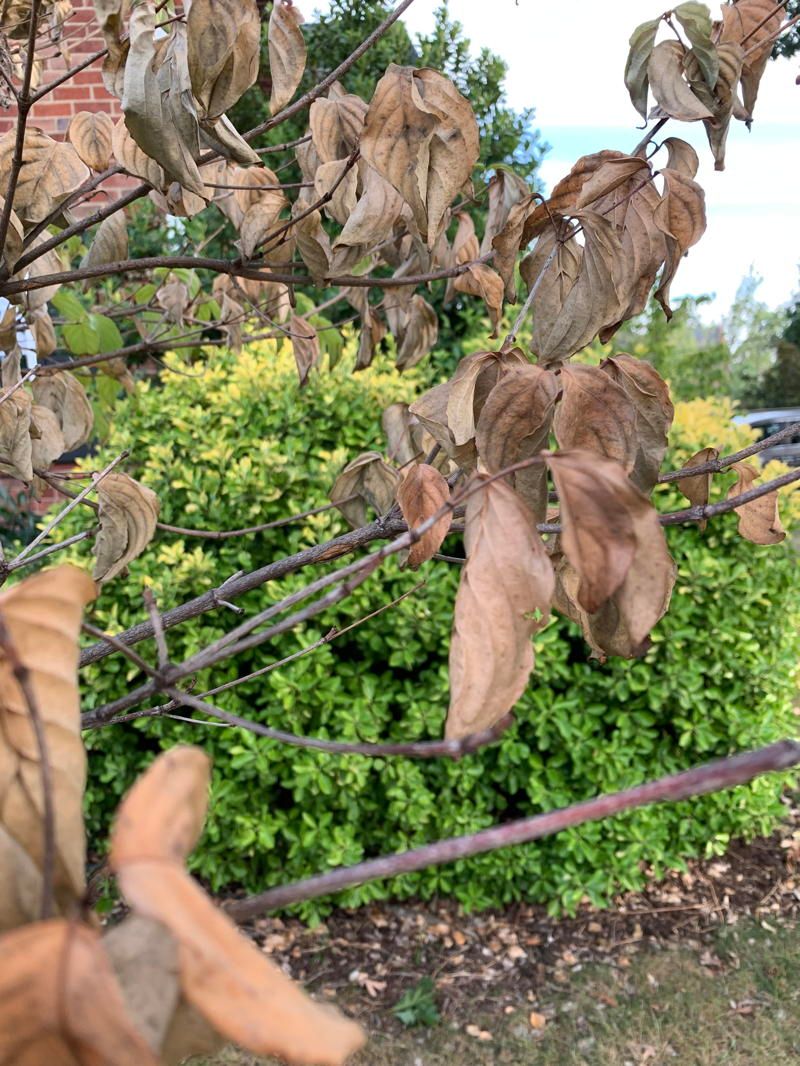
Lawns announce drought stress loudly. Trees and shrubs suffer quietly, sometimes holding onto damage for a year or more before anyone notices.
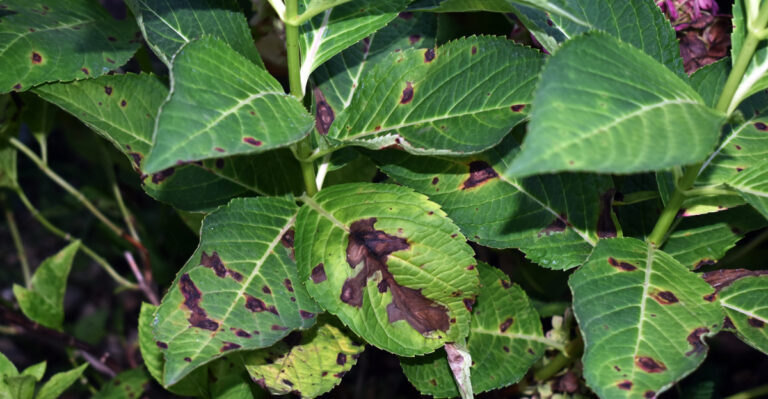
Start with the leaves. Wilting, curling, browned edges, or a scorched look along the margins all point to a plant that ran short on water.
Yellowing foliage and leaves dropping well ahead of autumn are other red flags. A canopy that looks thinner than last year tells a similar story.
Undersized leaves matter too. Smaller-than-usual leaves can also signal drought stress, although nutrient problems, pests, disease, and root damage can cause similar symptoms.
Kneel down and check the ground. Cracked, powdery soil around the base means moisture levels dropped further than roots could handle.
Look up for bare twigs and tip decline. Branch tips that fail to leaf out signal the plant sacrificed its outer growth to protect the trunk.
Recently planted trees and shrubs face the highest risk. Their root balls are small, so a few dry weeks hit hard.
Plants wedged into narrow strips near driveways or sidewalks bake from reflected heat. Give those extra water through fall.
Certain species common in the state’s landscapes are sensitive by nature. Recently planted or drought-sensitive trees such as birch, dogwood, Japanese maple, and some magnolias may need closer attention during prolonged dry periods.
8. Add Mulch Around Plants To Hold Moisture Through Winter
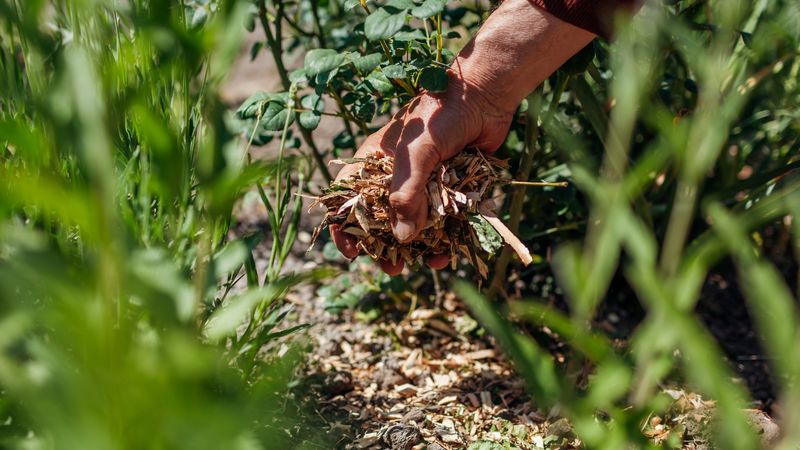
Think of mulch as a cozy quilt for roots. It softens temperature swings, keeps moisture from escaping, and quietly does its job all winter long.
Two to four inches of organic mulch is the target depth. Any less and weeds sneak through, any more and air struggles to reach the soil.
Young trees and ornamental plantings gain the most protection. Steady soil temperatures reduce frost heaving, where freeze-and-thaw cycles push shallow roots right out of the ground.
Weed suppression is a nice side benefit. Fewer weeds means less competition for the water and nutrients your plants worked hard to reach.
Here is the part people get wrong. Pull mulch back several inches from trunks and stems so bark can breathe.
Piling mulch high against a tree creates what arborists jokingly call a mulch volcano. Trapped moisture invites rot, insects, and disease right where a tree can least afford it.
Material choice can match your region. Pine needles work well as a mulch in coastal Virginia, particularly where a loose, well-drained mulch is useful.
Shredded hardwood works well in inland beds and stays put on slopes. Straw is handy in vegetable gardens, just source it carefully so you are not planting a crop of weed seeds.
Refresh mulch each fall and your landscape enters winter far better prepared.