The Full-Sun Arizona Vine That Covers A Hot Fence In Flowers And Barely Drinks
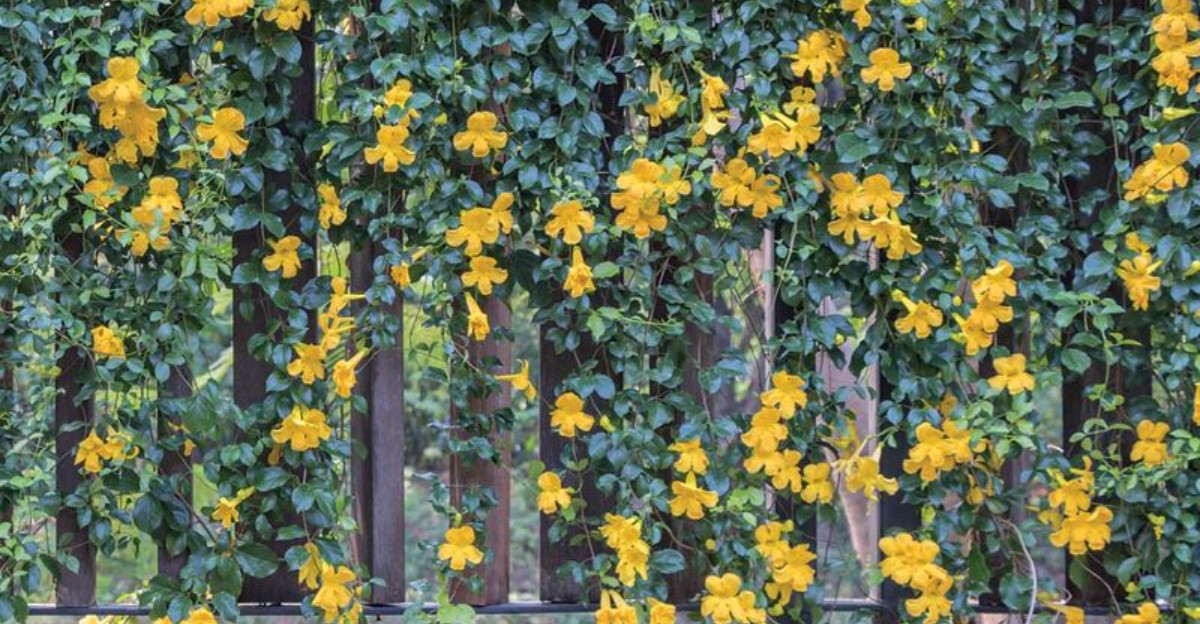
If your backyard fence bakes in full sun all day, most flowering vines will struggle or quit by July. Yellow orchid vine is one plant that actually thrives in that punishment, producing bright yellow blooms on a supported fence while getting by on surprisingly little water once it settles in.
It is not a zero-irrigation miracle, but for Phoenix and Tucson homeowners tired of replacing fried plants, it deserves a serious look.
Yellow orchid vine offers a flowering option for a hot fence
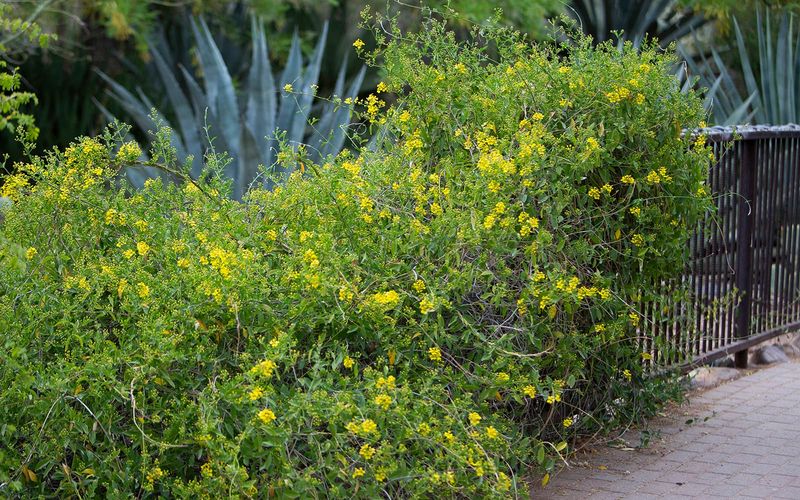
Known botanically as Callaeum macropterumMascagnia macroptera, yellow orchid vine goes by a couple of names you might see on older nursery tags or reference books: is the previous trade name, and yellow butterfly vine is another common label. The Arizona-Sonora Desert Museum plant-care sheet describes it as a vigorous twining vine capable of reaching roughly 30 feet under favorable conditions, preferring full sun, and producing cheerful yellow flowers in spring and fall.
That combination makes it a practical candidate for a lattice, wire fence, or trellis in a Phoenix or Tucson yard that gets hammered by afternoon heat.
The vine is not an Arizona native in the strict botanical sense. AMWUA lists its native range as Baja California and northern Sonora, extending through Mexico and into Central America, which makes it Sonoran-region adapted rather than a local wild plant.
That distinction matters because it helps set realistic expectations: this vine is built for a climate much like ours, not one borrowed from a cooler region.
One thing needs to be said plainly before anything else. Low-water does not mean water-free.
A newly planted vine needs regular irrigation to establish, and even a mature plant may need supplemental watering during the hottest months if you want dense coverage rather than a thin, leaf-dropping survivor.
Full sun gives this vine its best chance in the low desert
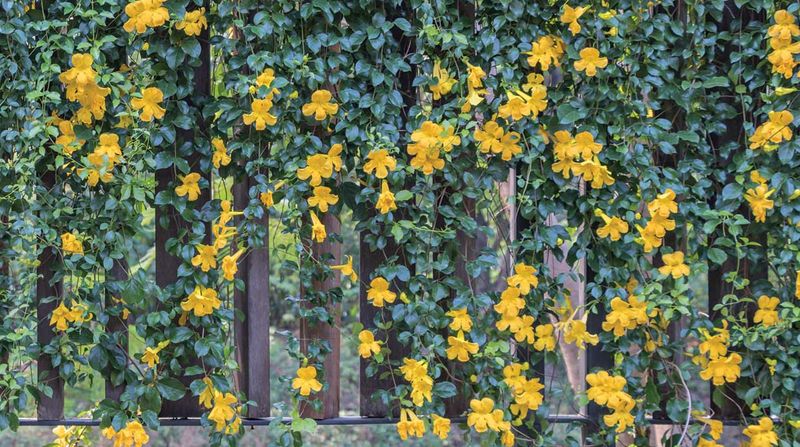
Placement on the sunniest side of the fence is not just acceptable for yellow orchid vine, it is the right call. The Desert Museum’s care guidance notes that the plant does not perform as well in shade, so a south- or west-facing fence that most homeowners dread for its heat is actually where this vine has its best shot at thriving.
Low-desert Arizona gives it the climate profile it is built for. UA Extension’s Arizona climate zone guidance describes Phoenix-area summers regularly pushing past 107 degrees Fahrenheit, conditions that eliminate most ornamental vines from the conversation.
Plants adapted to the Sonoran region handle those temperatures far better than species bred for the Pacific Northwest or the Midwest, and yellow orchid vine fits squarely in that heat-tolerant category.
Full sun alone does not guarantee success, though. The vine still needs a structure to climb, soil that drains properly, water during establishment, and some protection from hard frost.
Think of full sun as the entry ticket, not the whole show. A sunny fence paired with poor drainage, no trellis, and zero irrigation after planting will produce a struggling or dead vine regardless of how well the climate matches.
Your Arizona Garden Changes Every Week. Your Plan Should Too.
Gardening in Arizona changes quickly throughout the season. Every Friday you’ll receive a simple weekly plan showing exactly what to plant, prune, fertilize, harvest, and protect so you never miss the right timing.
Install the climbing structure before planting
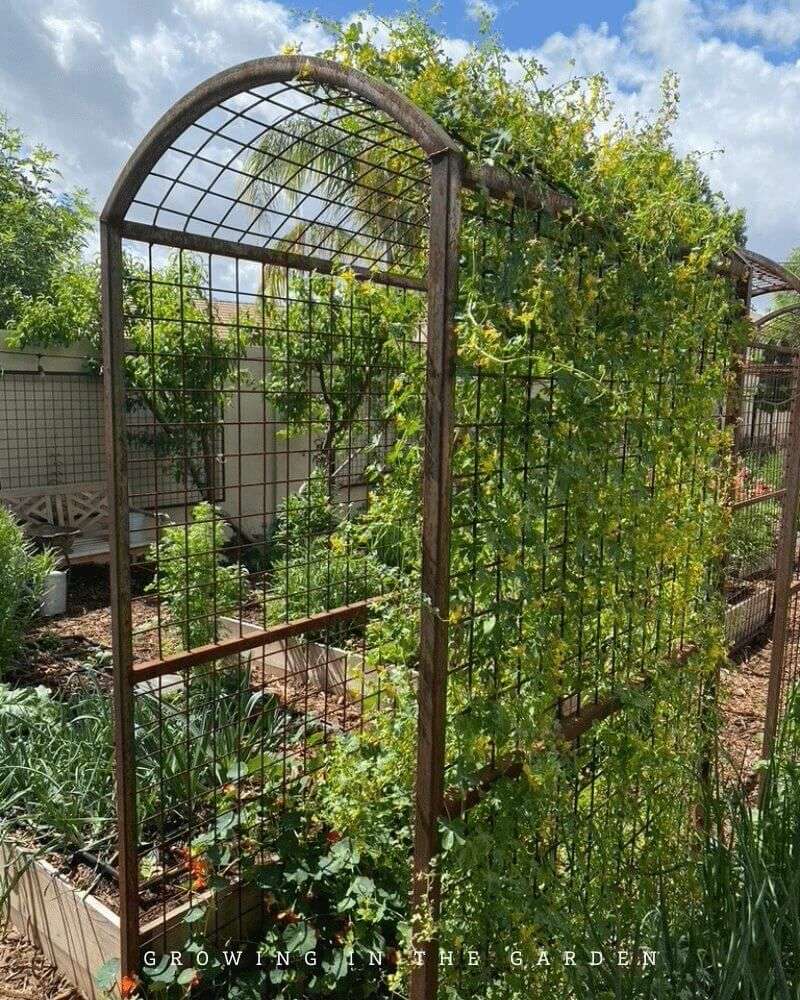
Yellow orchid vine climbs by twining its stems around whatever support it can find. That is an important mechanical detail: unlike cat’s-claw vine or other climbers that use adhesive pads or holdfasts to grip masonry, this plant cannot attach directly to a bare concrete block or stucco wall.
Without something to wrap around, the vine simply sprawls on the ground or flops against the surface without climbing.
A trellis panel, lattice screen, horizontal wire strands, or chain-link fence fabric all give the stems something to grip. The Desert Museum recommends using exactly this kind of support and describes the vine as suited to fence and lattice screening.
Setting up that structure before planting saves you from working around an already-rooted plant and lets you position the support at the right height and width from the start.
The potential 30-foot spread is worth thinking through as a planning number rather than a promise. Actual coverage depends on soil depth, drainage, available water, the size and shape of the support, and how much pruning you do.
A small trellis panel on a narrow fence section will produce a narrower, more contained plant than a long run of wire fence with room to expand. Measure the space, plan for where the vine can reasonably grow, and decide upfront whether you want it to travel laterally along a fence line or concentrate its growth on a single panel.
Spring and fall flowers attract bees
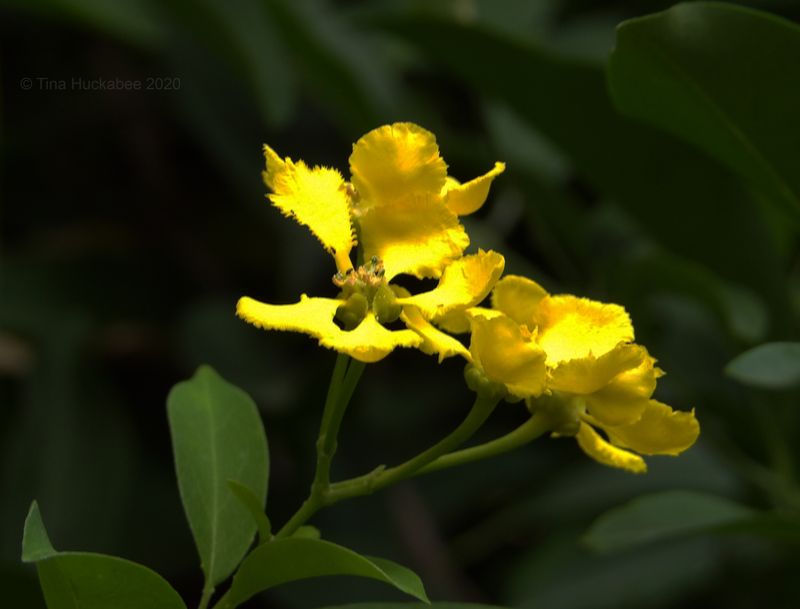
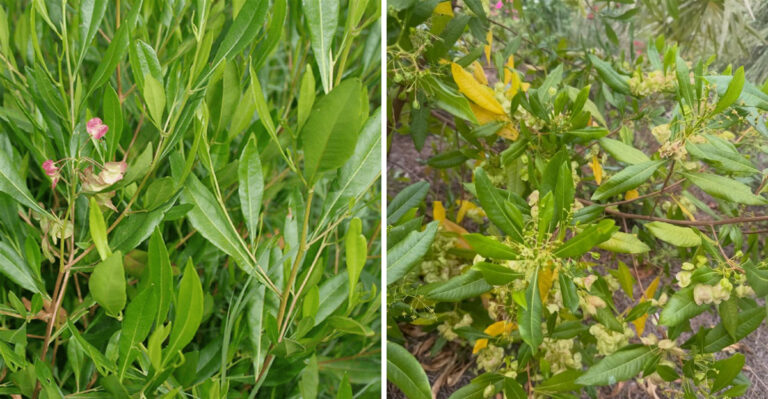
The flowers themselves are a genuine draw. Bright yellow and produced in clusters, they show up in spring and again in fall, giving the vine two distinct display periods rather than one continuous bloom.
After the flowers fade, the plant produces papery, winged fruits that start out in greenish tones and shift toward copper as they mature, adding a second season of visual interest even when no flowers are open.
Flower timing carries one important caveat. A winter freeze can cut into or eliminate the spring display, because cold damage to new growth affects the first bloom cycle of the year.
A warm winter in a protected Phoenix microclimate may leave the vine unscathed and flowering well in spring; a harder cold snap in an exposed Tucson yard could mean waiting until fall for the main show. Do not count on flowers from late spring through summer as a given.
The pollinator value is well documented. The Desert Museum also includes the vine among plants that support backyard biodiversity.
That said, pollinator attraction is the documented wildlife benefit here. The vine does not deter scorpions, repel mosquitoes, or control other household pests, and no reliable source connects it to those outcomes.
Low-water does not mean no irrigation
An established yellow orchid vine can handle periods of dryness better than most flowering vines you would find at a big-box nursery. During a stretch without rain, a mature plant may stay alive on minimal water.
However, staying alive and producing a dense, lush fence screen are two different things.
The Desert Museum is direct about this. Severe dryness can cause the vine to lose leaves or produce thinner growth.
Their practical guidance suggests watering once or twice weekly during the hottest months if vigorous growth is your goal, and that benchmark is conditional, not a calendar to follow blindly.
During establishment, regular irrigation is non-negotiable. A new vine needs consistent moisture at the root zone to develop the root system that will eventually let it tolerate dry spells.
Once established, shift toward deeper, less frequent watering rather than light, frequent sprinkles. Deep watering encourages roots to follow moisture downward into the soil profile, which builds drought tolerance over time.
Monitor the soil, not the calendar. Stick a finger or a soil probe several inches into the ground near the root zone.
If it is still moist, wait. If it is dry and the vine is in active growth during summer heat, water.
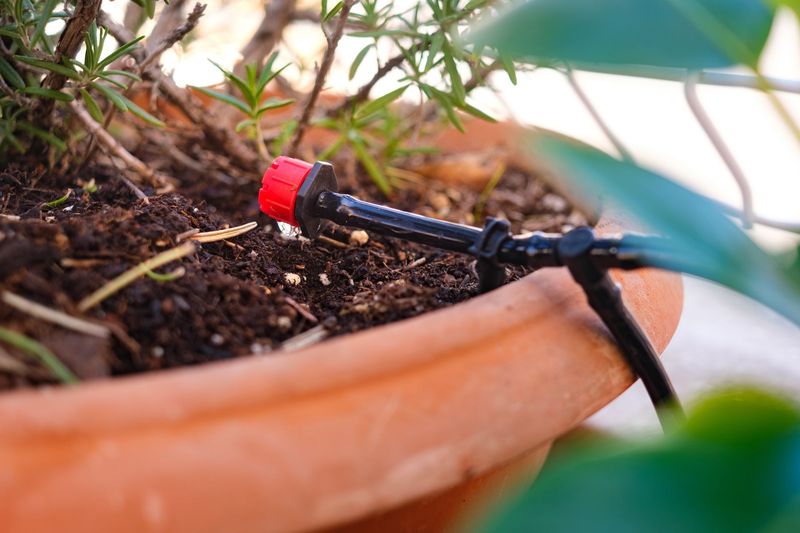
Adjust for how your specific soil drains, how hot the week has been, and how much output your drip emitters actually deliver.
Drainage and planting timing shape establishment
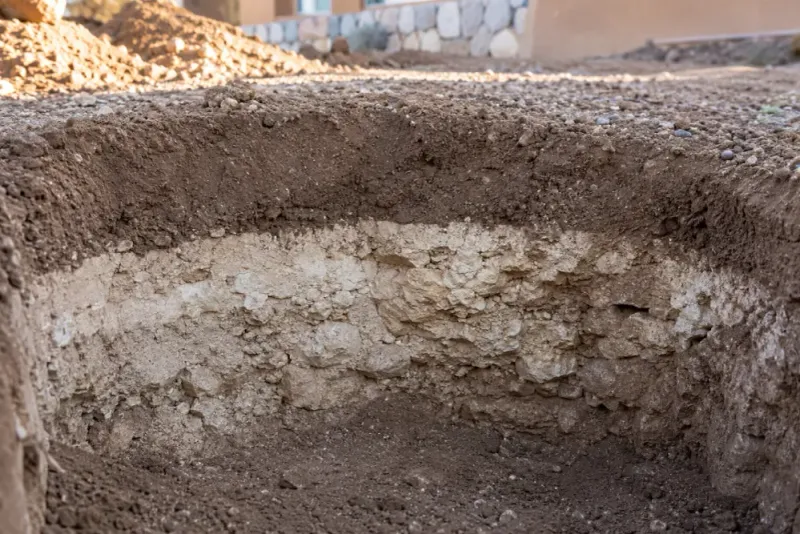
Yellow orchid vine tolerates a range of soil types, but well-drained ground is strongly preferred. In many Phoenix and Tucson yards, that preference runs straight into a common obstacle: caliche.
This hardened calcium carbonate layer sits beneath the surface at varying depths and can prevent water from draining away from the root zone, essentially turning a planting hole into a slow-draining bucket.
Before planting, pour water into the intended hole and watch what happens. If water pools and barely moves after 30 minutes, you likely have a drainage problem.
In spots where neither option works, a raised planting area with amended, well-draining soil can substitute for native ground that simply will not drain.
Timing the planting correctly gives the vine the best chance to establish before it faces its first brutal summer. Fall, roughly October through November, and early spring are the two windows that UA Extension guidance consistently identifies as safer establishment periods for low-desert plants.
Cooler air temperatures reduce stress on a newly planted vine, and the root system has more time to develop before triple-digit heat arrives.
Planting in fall or early spring does not eliminate irrigation responsibility. New vines still need regular supplemental water regardless of the season, because the root system is not yet deep or wide enough to buffer against dry spells on its own.
Pruning keeps the vigorous vine within its boundary
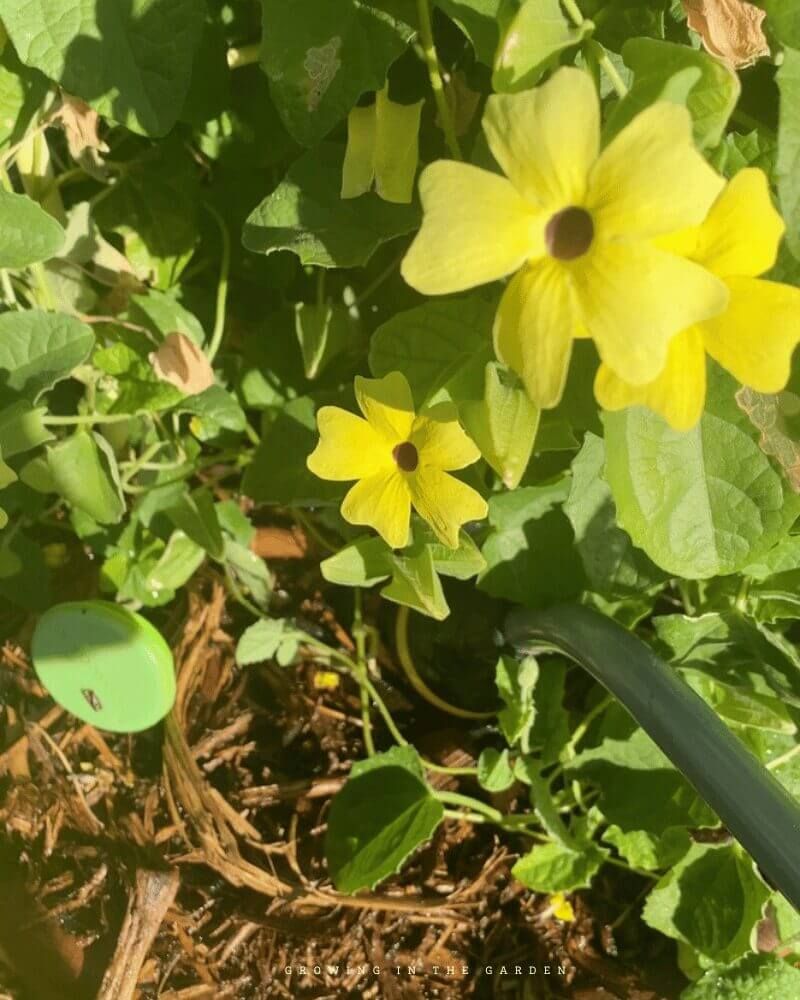
A vine capable of reaching 30 feet will eventually test the limits of its support and start exploring beyond it. Yellow orchid vine is vigorous enough that control pruning once or twice per season is a realistic expectation, not an occasional task.
Plan for it from the beginning so the vine stays on the fence rather than consuming a nearby shrub or reaching toward a roof overhang.
One quirk worth knowing: stems that touch the ground can root where they make contact. That is useful if you want to propagate a new plant, but it can also mean the vine spreads beyond its intended area without you noticing.
Check the base of the plant periodically and redirect or remove any stems that have settled onto the soil.
Frost damage introduces a different pruning situation. The Desert Museum gives a cold-hardiness threshold around 20 degrees Fahrenheit, while AMWUA notes approximately 22 degrees Fahrenheit.
A hard freeze in an exposed yard can kill back stems significantly. Cutting too early can expose tender new growth to a follow-up freeze, compounding the damage rather than limiting it.
Choose it for a low-water screen with realistic limits
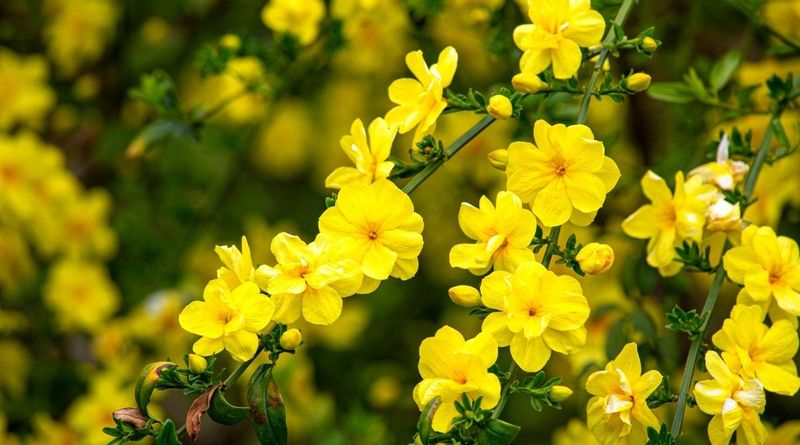
Yellow orchid vine earns its place on a sunny Arizona fence when the right conditions line up: full sun, a genuine climbing structure installed before planting, soil that drains properly, and a homeowner willing to irrigate during establishment and through the hottest months when dense coverage matters most.
The flowering periods in spring and fall bring real color and attract specialized pollinators, including oil-collecting bees, which is a documented benefit rather than a marketing claim. Against that, weigh the honest limitations: bloom timing is weather-dependent and a hard winter can reduce the spring display; the vine needs pruning to stay within bounds; and it is a Sonoran-region adapted plant rather than a strict Arizona native, which matters if native provenance is a priority for your yard.
What it offers, once established, is a low-water screening option for a fence that most other flowering vines cannot tolerate. That is a specific, useful role in a low-desert yard, not a cure-all.
Treat it as one well-matched plant for one difficult spot, give it the support and early irrigation it needs, and it tends to reward that investment with years of yellow flowers on a fence that would otherwise just bake.