Why Arizona Gardeners Water Plants Before a Freeze, Except These
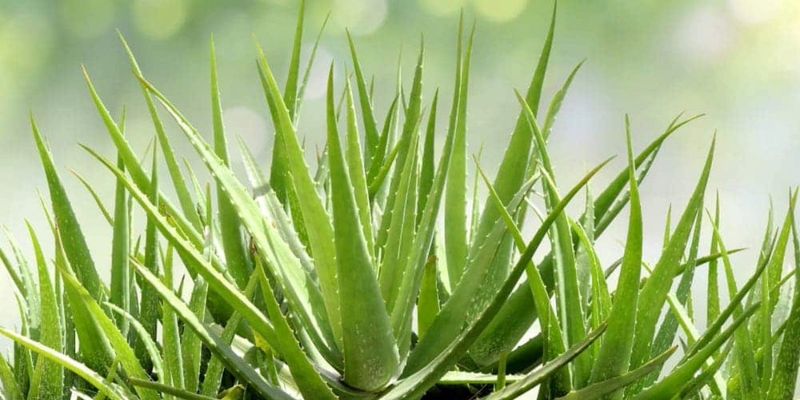
Damp soil soaks up daytime sun and releases that warmth slowly after dark, almost like a buried heating pad. Arizona gardeners lean on that trick every winter when the forecast suddenly drops below thirty-two degrees.
Water even gives off a little heat as it freezes, which helps citrus growers protect their orchards on frosty nights. Well-hydrated leaves also resist the drying sting of cold desert air better than thirsty ones do.
I have to admit that I once soaked my entire yard before a cold snap and felt very proud. A few of my favorite plants turned mushy within a week, and I learned an expensive lesson.
Some of the toughest plants in the Southwest actually handle frost better when their roots stay bone dry. So which residents of your Arizona yard should skip that friendly pre-freeze drink when winter finally arrives?
1. Saguaro Cactus
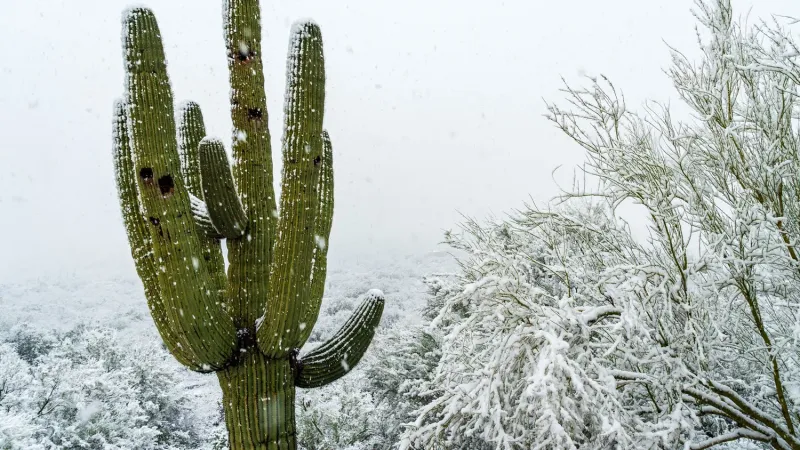
A single mature saguaro can hold hundreds of gallons of water inside its pleated trunk after a good summer rain. Those accordion folds swell and shrink, so you can often see how full the plant is by looking closely.
Here lies the problem with a pre-freeze soak, because extra water means more liquid inside cells that can freeze. When that stored water expands into ice, tissues can rupture and leave soft, discolored scars on the tips and arms.
Established saguaros mostly shrug off typical low desert winters, yet young plants can show frost damage in the low twenties. I like covering the growing tip of a small saguaro with frost cloth or a foam cup on those coldest nights.
October is the right time to taper irrigation, letting the cactus harden off as daytime temperatures finally ease. Dry soil around the roots stays warmer and reduces the risk of rot when winter nights turn long and chilly.
Personally, I love how these giants pay the yard back, since their spring blossoms feed nectar bats and their fruit feeds birds. Arizona even chose the saguaro blossom as its state flower, and honestly, I can see why.
2. Prickly Pear Cactus
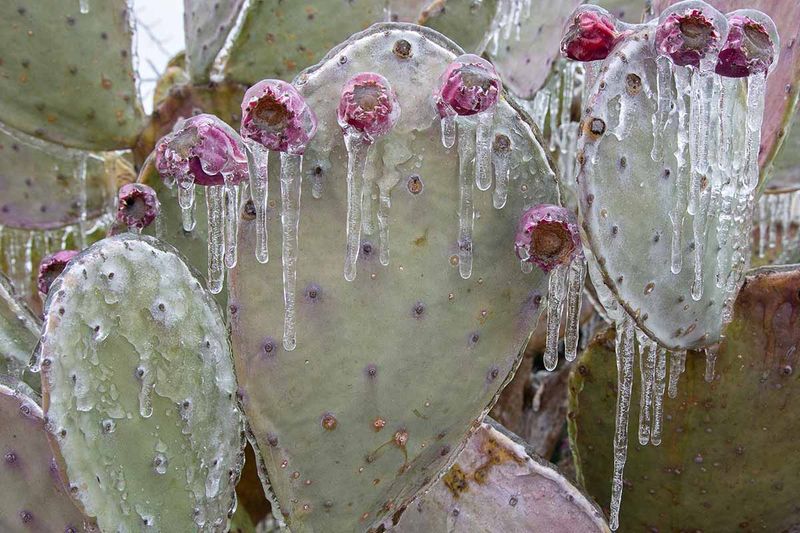
Watch a roadrunner pluck a ripe purple fruit off a prickly pear, and you will understand why this cactus earns its spot. Those flat pads also act like tiny water tanks, which is exactly why they dislike a pre-freeze soak.
Opuntia pads that hold too much moisture can turn limp and translucent after a hard frost hits overnight. Damage often shows up a few days later as yellow or brown patches that slowly soften and droop.
Many native prickly pears handle cold surprisingly well when their soil stays dry through the winter months. You might notice the pads wrinkle and lean during cold spells, and that shriveling is actually a clever protective response.
Shrinking pads concentrate the sugars inside their cells, which lowers the freezing point and helps them tolerate chilly nights. Adding water before a freeze undoes that natural antifreeze, so let the plant stay a little thirsty this season.
I trim off any mushy pads once warm weather returns, using tongs and thick gloves to avoid those sneaky glochids. Healthy pads rooted nearby will quickly fill gaps, giving wildlife plenty of shelter again by spring.
3. Barrel Cactus
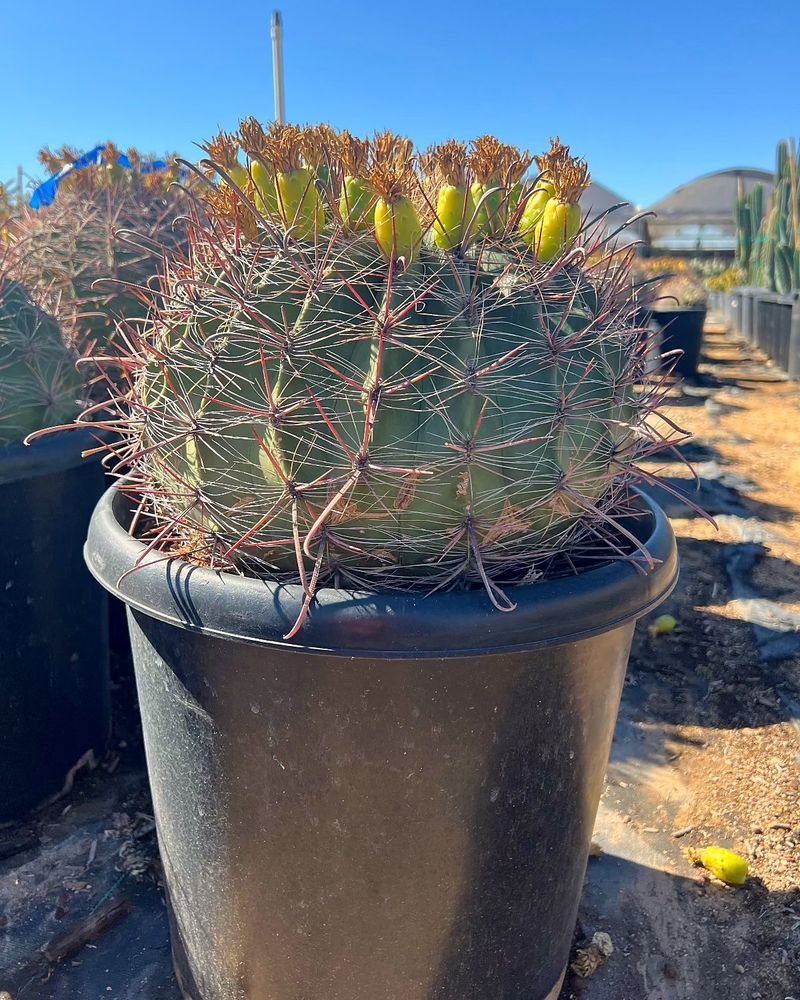
Old desert lore says you can tap a barrel cactus for drinking water, but the bitter, acidic pulp would likely upset your stomach. What that sturdy body really does is store moisture for the plant itself through long dry stretches.
Fishhook barrels, known scientifically as Ferocactus wislizeni, often lean toward the south as they grow over many years. Some folks call them compass barrels, and I still smile every time mine points the way like a prickly signpost.
Because those round bodies are packed with water, a soaking right before frost can make freeze damage much worse. Cold, wet soil also invites rot at the base, which can quietly spread upward before you notice any trouble.
Native fishhook barrels are fairly cold tolerant, though golden barrels from Mexico need more help during hard frosts. You need to throw frost cloth over golden barrels when nights dip into the mid twenties, then remove it by morning.
Fall is a wonderful moment to admire their yellow fruit, which often lingers on top for months like little pineapples. Birds and small mammals nibble those fruits through winter, turning one plant into a dependable snack bar.
4. Cholla Cactus
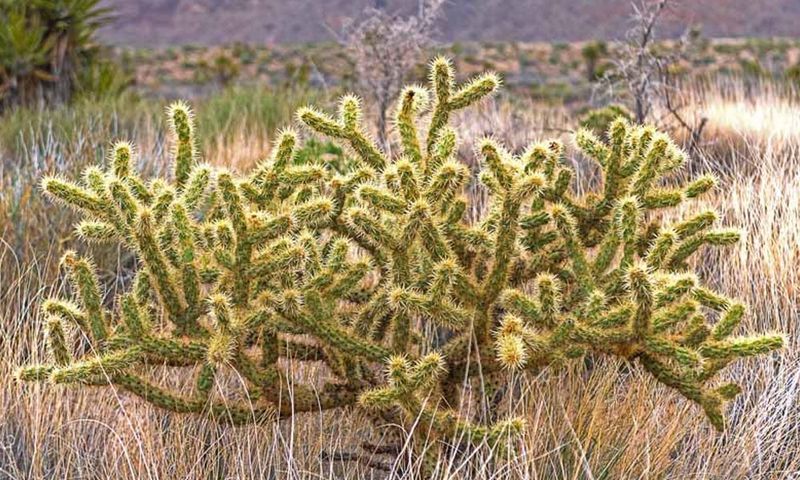
Cactus wrens tuck their football-shaped nests deep inside cholla branches, trusting the spines to guard their eggs from hungry predators. I find it amazing that a plant this prickly doubles as a safe nursery for our state bird.
Chollas grow in jointed segments that snap off easily, which helps them spread when pieces root in new spots. Those segments also carry stored water, so a freeze arriving after heavy irrigation can leave them soft and blackened.
Most native chollas handle desert winters well as long as their soil drains quickly and stays fairly dry. Teddy bear cholla is the touchiest of the group, often showing damage when temperatures drop into the low twenties.
Skip the hose in late fall and let rainfall handle any moisture the plant needs until spring warms things up. Gravel mulch around the base helps rainwater move away quickly instead of pooling around those shallow roots.
Give cholla plenty of elbow room, since its segments love hitching a ride on pant legs and curious pets. Placed along a back fence, it creates wildlife shelter while keeping foot traffic far away from its famously clingy spines.
5. Hedgehog Cactus
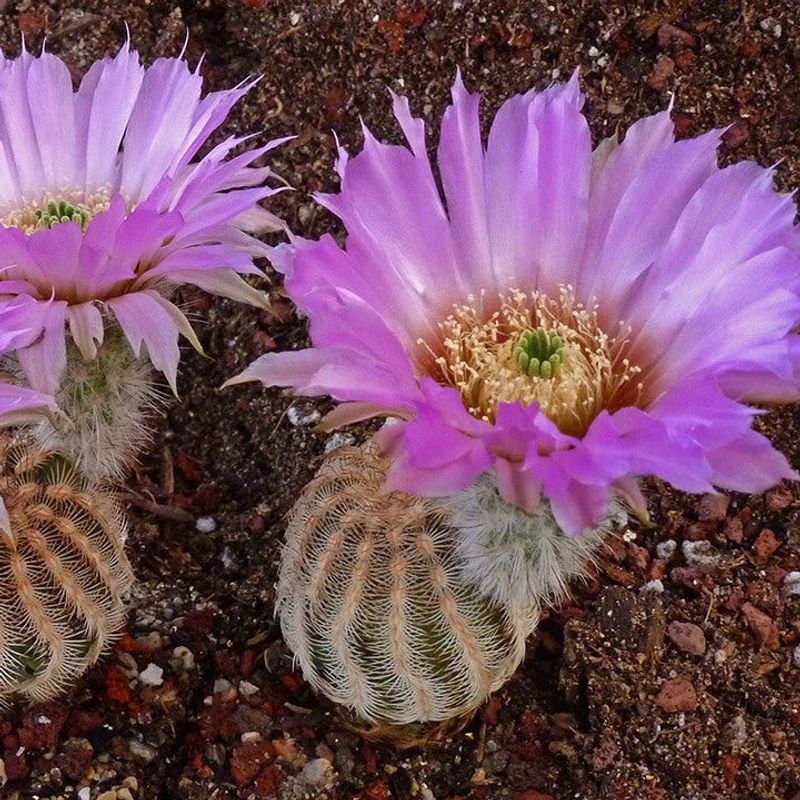
Spring hedgehog blooms are so outrageously pink that people sometimes stop their cars to stare at a tiny clump. I can’t imagine a better reward for a plant that asks so little of you during the rest of the year.
Several Echinocereus species grow wild across the state, from low deserts up into chilly rocky hillsides at higher elevations. Many of them handle snow better than you might expect, provided their roots stay dry instead of sitting in cold mud.
Their small, shallow root systems make them especially vulnerable to rot when winter watering continues out of habit. Cool weather slows evaporation, so a single soak in December may linger in the soil for many days.
October is a smart month to reduce watering and check that your hedgehogs sit in gritty, fast-draining soil. Raised spots or rock gardens work beautifully, because cold air and extra water both drain away from the crown.
Personally, I tuck hedgehogs between boulders, where stones soak up afternoon sun and release a little warmth after dark. Native bees adore those spring flowers, so you get a pollinator magnet that takes up barely any space.
6. Agave
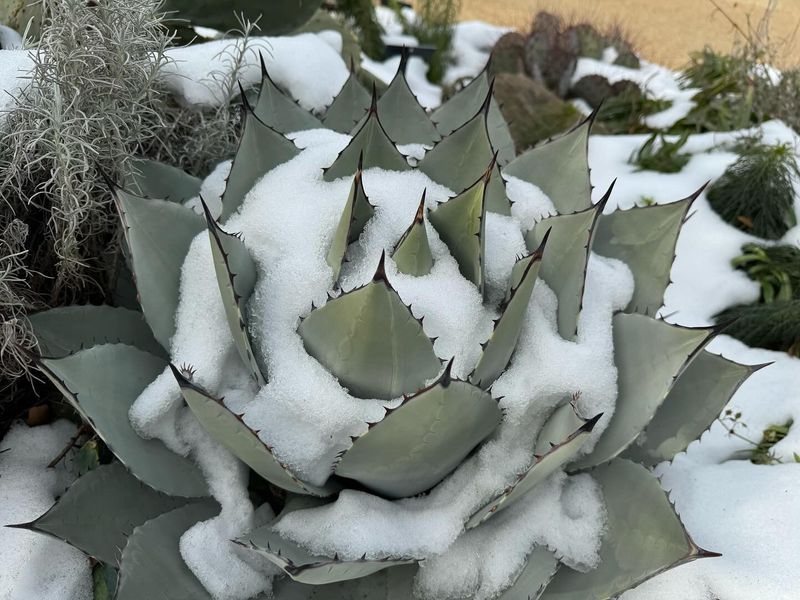
Lesser long-nosed bats travel hundreds of miles each year, following blooming agaves like a nectar trail across the desert. Planting one of these spiky rosettes means your yard could someday feed those important night pollinators.
Thick agave leaves store plenty of water, which serves them well in summer but becomes a liability during frost. Waterlogged tissue can freeze and turn soft, leaving ugly tan patches that remain visible for a long time.
Cold tolerance varies widely, so choosing the right species matters more than any watering trick you could try. Parry’s agave handles serious cold, while century plant and some tropical relatives need frost cloth when nights turn harsh.
Stop regular irrigation by mid fall and let the plant firm up before the first cold snap arrives. If a sudden freeze threatens, cover tender agaves overnight but leave that soil alone instead of reaching for the hose.
What surprises me most is how agaves help with scorpion concerns, since their open structure leaves few damp hiding spots. Space them well apart and keep fallen leaves cleared away, and the area stays less inviting to unwanted guests.
7. Yucca
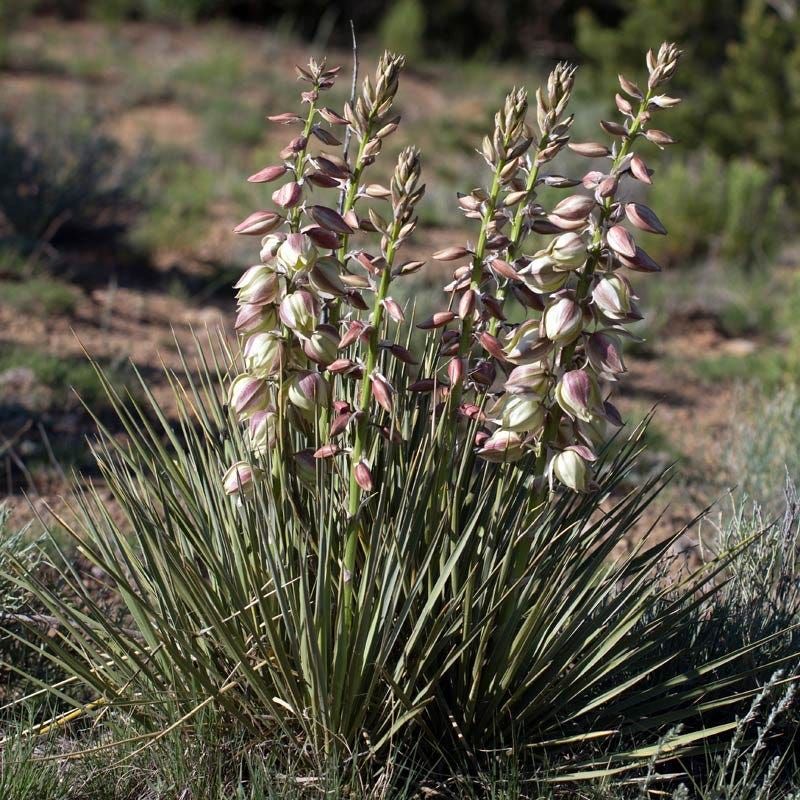
Every yucca on earth relies on a tiny yucca moth for pollination, and the moth relies on yucca seeds to raise its young. That partnership is one of my favorite nature stories, and it happens right in desert backyards.
Yuccas have tougher, more leathery leaves than many succulents, yet their roots still dislike cold and soggy soil. Banana yucca and soaptree yucca grow wild across our deserts and grasslands, shrugging off frost when conditions stay dry.
Too much water heading into winter can lead to root rot, which often shows up as a wobbly trunk. Leaves may yellow from the center outward, and by then the damage underground has usually progressed quite a bit.
Rainfall typically covers an established yucca from late fall until spring, so you can mostly retire the hose now. Newly planted yuccas may need an occasional drink, but only when the soil has dried several inches down.
I love how yuccas pull double duty, feeding native bees with spring flowers and birds with their seeds later. Their upright form keeps leaf litter minimal, which helps reduce the damp debris that scorpions find so appealing.
8. Ocotillo
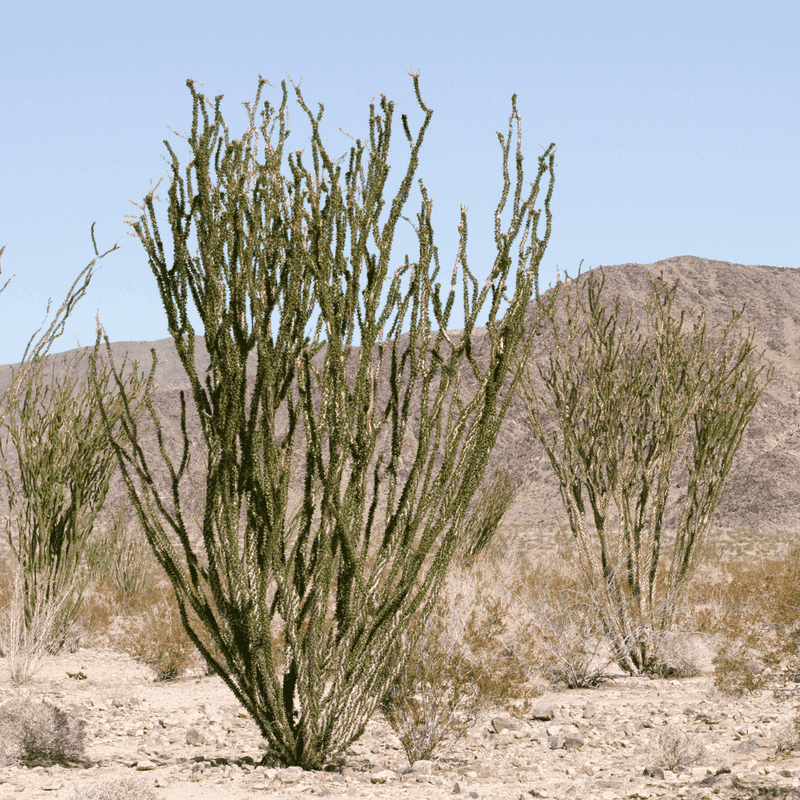
Ocotillo can grow a full set of leaves within days after rain, then drop them again once the soil dries. Watching those bare gray canes turn green almost overnight feels like a small magic trick every single time.
Despite the spines, ocotillo is not a cactus at all, belonging instead to its own family called Fouquieriaceae. It stores water in its stems and spends much of winter resting, so extra moisture does it few favors.
Soggy soil around the base during cold months can encourage rot in the roots, especially in heavy clay. Native ocotillos handle typical desert frost quite well, provided they sit in fast-draining ground with plenty of sun.
You need to resist the urge to water when the canes look bare and sad this fall. Leafless stems are a normal resting stage, and a hopeful soaking will not bring back foliage before a freeze.
Hummingbirds and orioles zip toward those flame-red flower tips once spring arrives, and carpenter bees visit too. Planted along a boundary, a row of ocotillo creates a living fence that feeds wildlife while needing hardly any care.
9. Desert Spoon
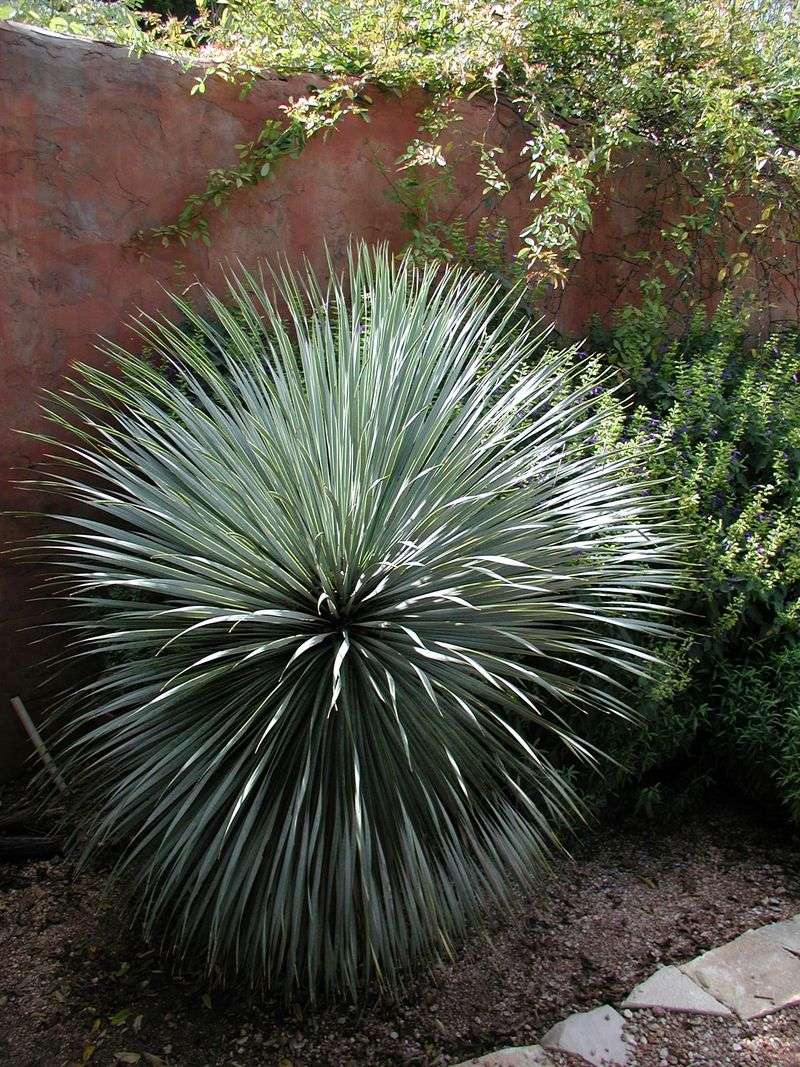
Each leaf of the desert spoon ends in a cupped, spoon-shaped base that people once used as a handy utensil. Gardeners still pick up those dried leaf bases and marvel at how perfectly shaped they are for scooping.
Dasylirion wheeleri grows naturally on rocky slopes in the southeastern part of the state and nearby regions. Its silvery rosette tolerates impressive cold, often handling temperatures near zero when the soil around it stays dry.
Moisture is the real enemy, because wet winter soil can rot the trunk long before frost causes trouble. I have seen desert spoons thrive through snow in rock gardens, while similar plants in soggy beds slowly declined.
October is a great time to check drainage and add gravel around the crown if water tends to collect. After that, let nature handle watering until spring, adding a drink only during unusually long dry spells.
Tall flower stalks appear in late spring or summer, and they attract bees while birds later pick at seeds. The rounded shape adds structure without much litter, so this plant keeps beds tidy and less welcoming to pests.
10. Aloe Vera
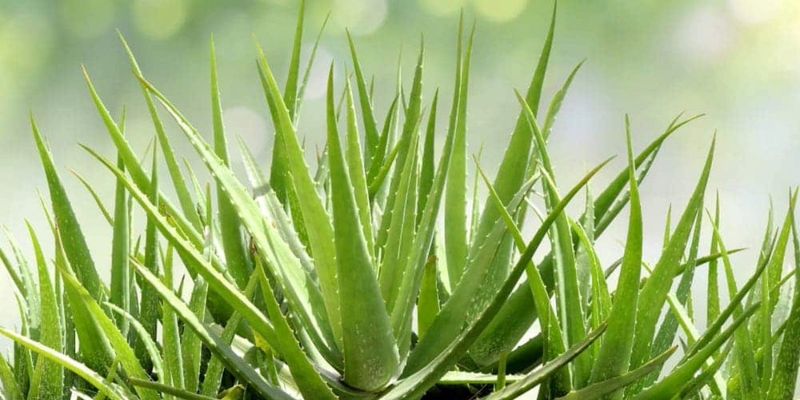
That soothing gel inside an aloe leaf is mostly water, which explains why this plant feels so plump. It also explains why frost turns those juicy leaves into slimy, collapsed strands faster than you might expect.
Aloe vera originated on the Arabian Peninsula and handles heat well, though it struggles once nights dip below freezing. Low desert gardeners can grow it outdoors, yet higher elevations usually need pots that move indoors for winter.
Watering an aloe before frost loads its leaves with even more liquid that can freeze and burst cell walls. Dry soil keeps the plant firmer and reduces the risk of rot when temperatures stay cool for days.
Personally, I move potted aloes against a south-facing wall or under a patio roof when cold nights appear. In-ground plants appreciate frost cloth draped over stakes, removed in the morning so sunlight can warm them again.
Hummingbirds visit aloe flower spikes during cooler months, which makes them a welcome winter snack for local birds. Protect your plant through the chilly stretch, and you may enjoy those coral blooms when few flowers remain.