Why September Is The Best Month To Clean Out Oregon Birdhouses For Next Spring
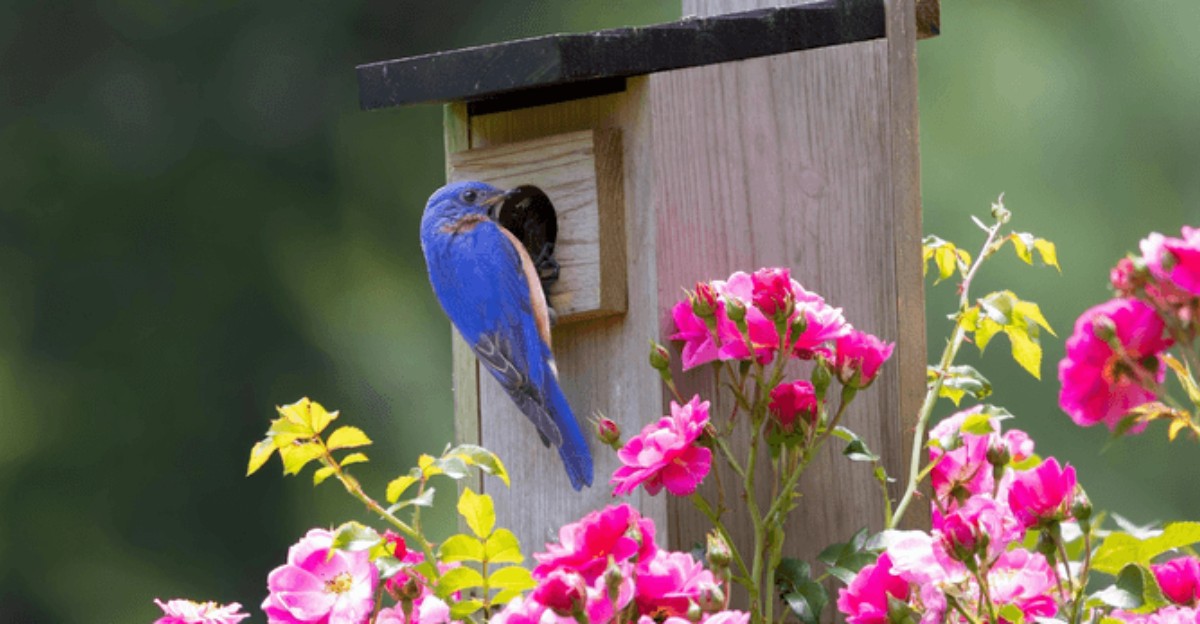
That birdhouse in your Oregon yard may look quiet once summer breeding activity winds down, but there is still a good reason to give it some attention before winter.
Old nesting material, feathers, and debris can build up inside, leaving behind a space that is less inviting for birds when they return next spring.
Cleaning a birdhouse at the right time gives you a chance to remove leftover material and check that the structure is still secure.
You can also look for cracks, loose parts, or drainage problems that could cause trouble later. A quick cleanup now means you will not have to scramble when birds begin searching for nesting spots again.
With a little seasonal maintenance, your birdhouse can be ready for its next visitors and continue serving as a useful part of your backyard habitat.
1. Most Nesting Activity Has Ended By September
By the time September rolls around in Oregon, most birds have finished raising their young. The busy season of building nests and feeding chicks is behind them. That means the boxes in your yard are usually empty and quiet.
This timing matters a lot. If you clean too early in summer, you might disturb a late nest still in use. Some birds raise two broods, so patience pays off.
Waiting until fall keeps families safe.
You can watch your boxes for a few days to be sure. Look for birds flying in and out with food. If the box stays still with no visits, it is likely done for the year.
Oregon has many cavity nesters like chickadees, wrens, and swallows. Most of them wrap up their work by late August. September gives you a clear window to step in without worry.
Working during this calm stretch feels less stressful for everyone. You get to help without rushing or fearing you might scare a parent bird away from eggs.
Getting the timing right sets you up for success. A clean box now has months to air out and dry before the next nesting season begins. That head start helps birds return to a fresh, safe home when warmer days come back around.
2. Old Nest Material Can Be Removed Safely
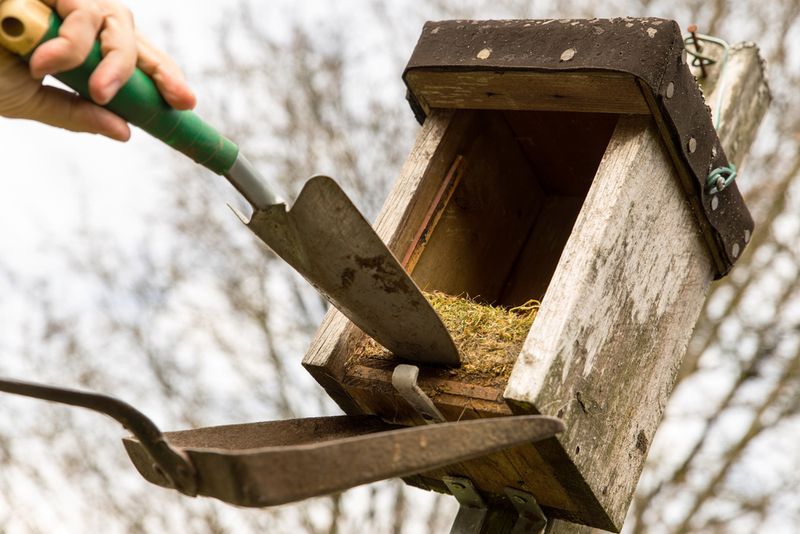
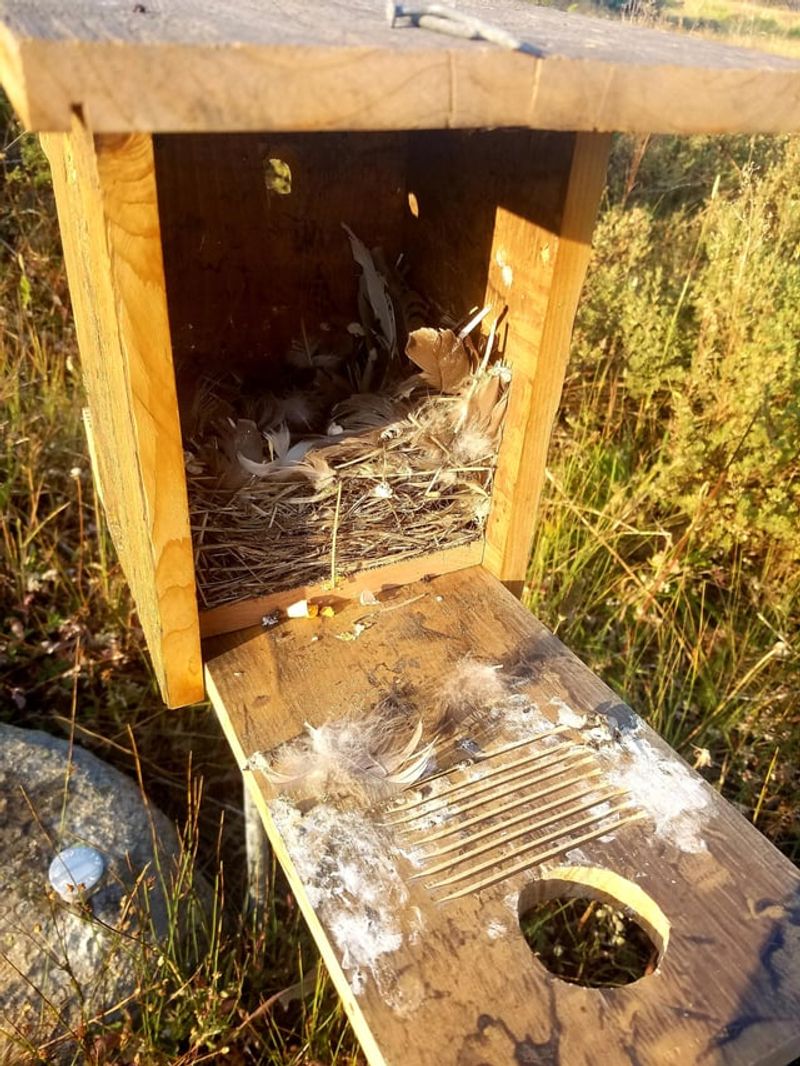
Once the box is empty, you can take out the old nest without harming anyone. Slip on a pair of gloves first. Old nests can hold mites, tiny bugs, and bits of waste you do not want on your skin.
Open the box carefully and scoop out the packed material inside. Grass, feathers, twigs, and mud all need to go. A small scraper or an old spoon works well for stubborn spots.
Why does this help? Leftover nests can trap moisture and pests through winter. Those pests may bother the next family that moves in.
Clearing everything out breaks that cycle.
After removing the nest, brush out the loose bits. Some people rinse the inside with a mild soap and water mix. Just make sure the box dries fully before closing it.
Toss the old material far from the box. Adding it to a compost pile away from your birdhouses works fine. That keeps bugs from crawling right back in.
Your Oregon Garden Changes Every Week. Your Plan Should Too.
Gardening in Oregon changes quickly throughout the season. Every Friday you’ll receive a simple weekly plan showing exactly what to plant, prune, fertilize, harvest, and protect so you never miss the right timing.
Doing this in September gives the wood plenty of time to dry out in the mild fall air. A dry, clean box stays in better shape over the wet Oregon winter.
The task takes only a few minutes per box. Yet it makes a real difference in keeping your yard healthy for birds year after year.
3. Cleaning Gives Birds A Fresh Start Next Spring
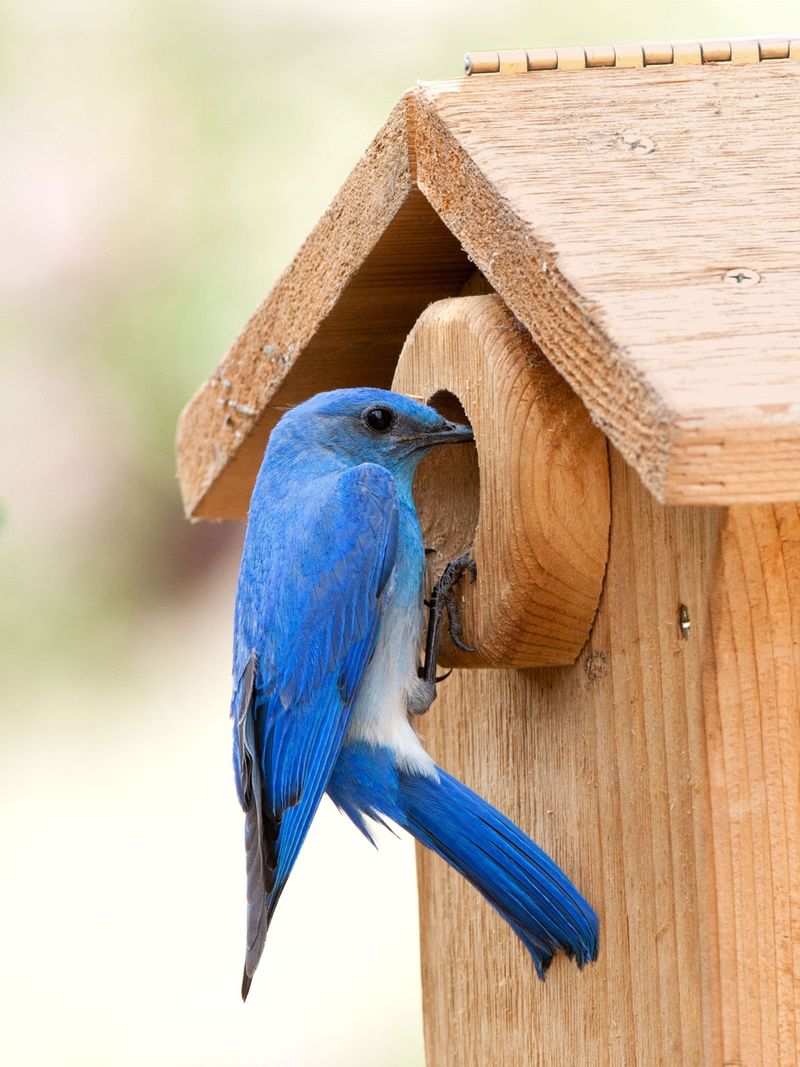
A fresh box is like a welcome mat for spring birds. When they scout for a home, they prefer clean, safe spots. An empty, tidy box tells them it is ready for a new family.
Birds are picky for good reason. A box full of old junk may carry parasites that harm chicks. By clearing it now, you give next year’s babies a healthier place to grow.
Think of it like tidying a room before guests arrive. Nobody wants to move into a messy space. Birds feel the same way about their nesting spots.
There is another bonus here. Some birds return to the same yard each year. If they find a clean box waiting, they are more likely to stay and raise their young close by.
Cleaning in September means the box has all fall and winter to settle. By the time March and April come, it feels natural and inviting, not brand new and strange.
You also get to enjoy more birds. A well-kept box draws chickadees, bluebirds, and wrens back season after season. That means more songs and color in your yard.
Little efforts like this build a bird-friendly habit. Over time, your yard becomes a trusted stop where local birds feel safe returning each spring to start their families fresh.
4. Check The Box For Damage While It Is Empty
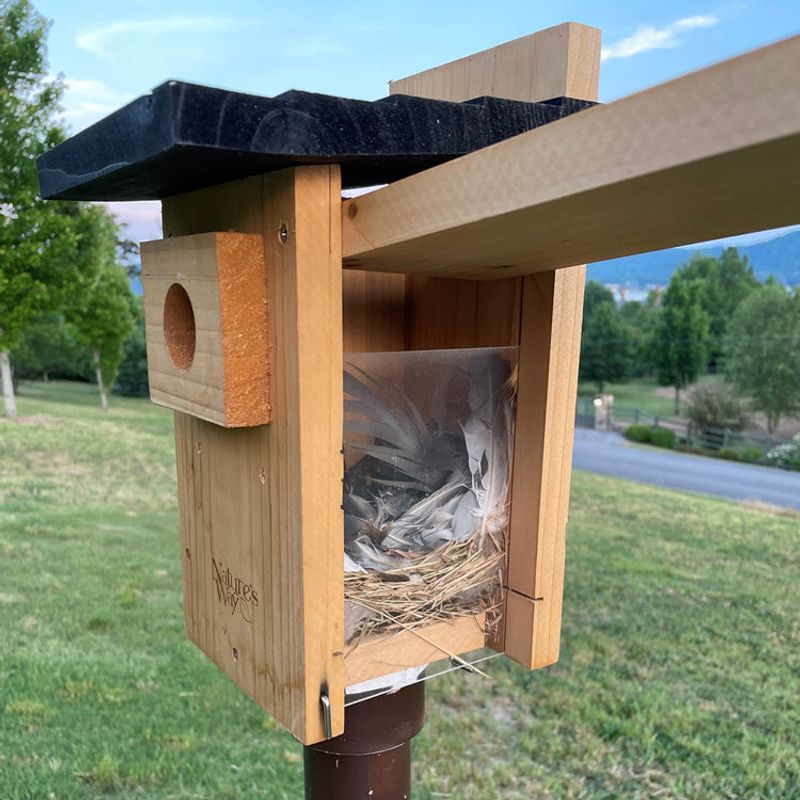
An empty box is the perfect chance to look it over closely. With no birds inside, you can inspect every corner without stress. Fall is a smart time to spot problems early.
Start by checking the roof and walls. Look for cracks, splits, or soft spots where wood has started to rot. Oregon rain can be tough on wooden boxes over time.
Run your hand along the seams. If you feel gaps where water might sneak in, make a note. Small leaks can turn into big trouble during wet winters.
Peek at the floor too. A soggy or crumbling bottom means the box may not hold up much longer. Catching this now saves you a rush repair in spring.
Wobbly boxes are worth checking as well. Give it a gentle shake to see if the walls stay firm. Loose joints can let cold air and rain reach nesting birds.
If you find serious damage, you have plenty of time to fix or replace the box. Waiting until spring puts pressure on you and leaves birds without a home.
A quick inspection each September keeps your boxes in top shape. Healthy, sturdy houses last longer and keep birds safer through every kind of Oregon weather that rolls through your backyard.
5. Replace Loose Screws And Worn Hardware
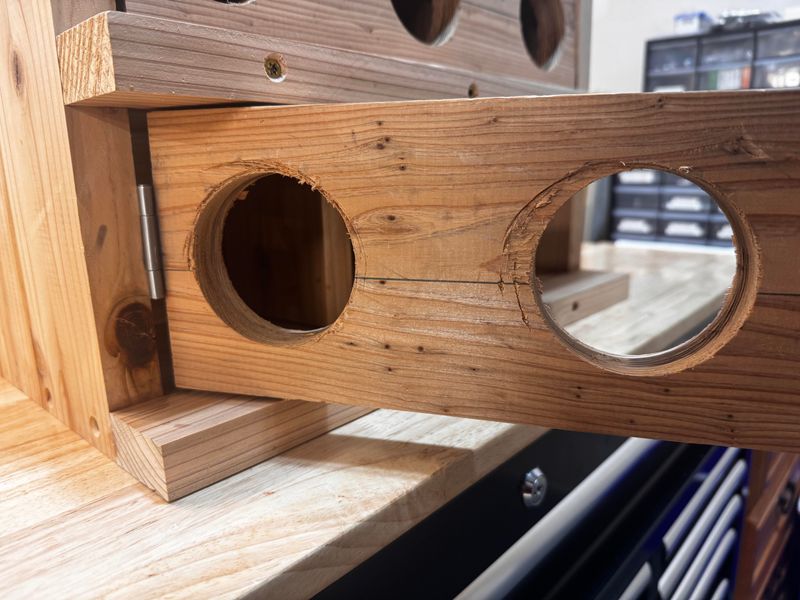
Hardware holds your birdhouse together, so it deserves a check too. Screws, hinges, and hooks can loosen over a year of wind and rain. Tightening them keeps the box solid.
Grab a screwdriver and go over each screw. Turn any loose ones until they feel snug. Do not overtighten, since that can crack older wood around the hole.
Rusty hardware is another thing to watch. Metal that has gone orange and flaky may not last much longer. Swapping it out now beats having it fail later.
Look at the hinges if your box has a door for cleaning. A stuck or broken hinge makes future cleanings harder. Fresh hinges keep the lid opening smoothly.
Check how the box attaches to its post or tree. A loose mount can let the whole house tip or fall. Secure fasteners keep it steady in strong storms.
Using weatherproof screws helps a lot in a rainy climate. Stainless steel or coated screws resist rust and hold up season after season without trouble.
Handling repairs in September gives you room to shop for parts if needed. No hardware store rush during nesting season means less stress for you.
A few minutes with a screwdriver now keeps your birdhouse standing strong and ready. Sturdy hardware means a safe home waiting when spring birds come searching.
6. Make Sure Drainage Holes Are Still Clear
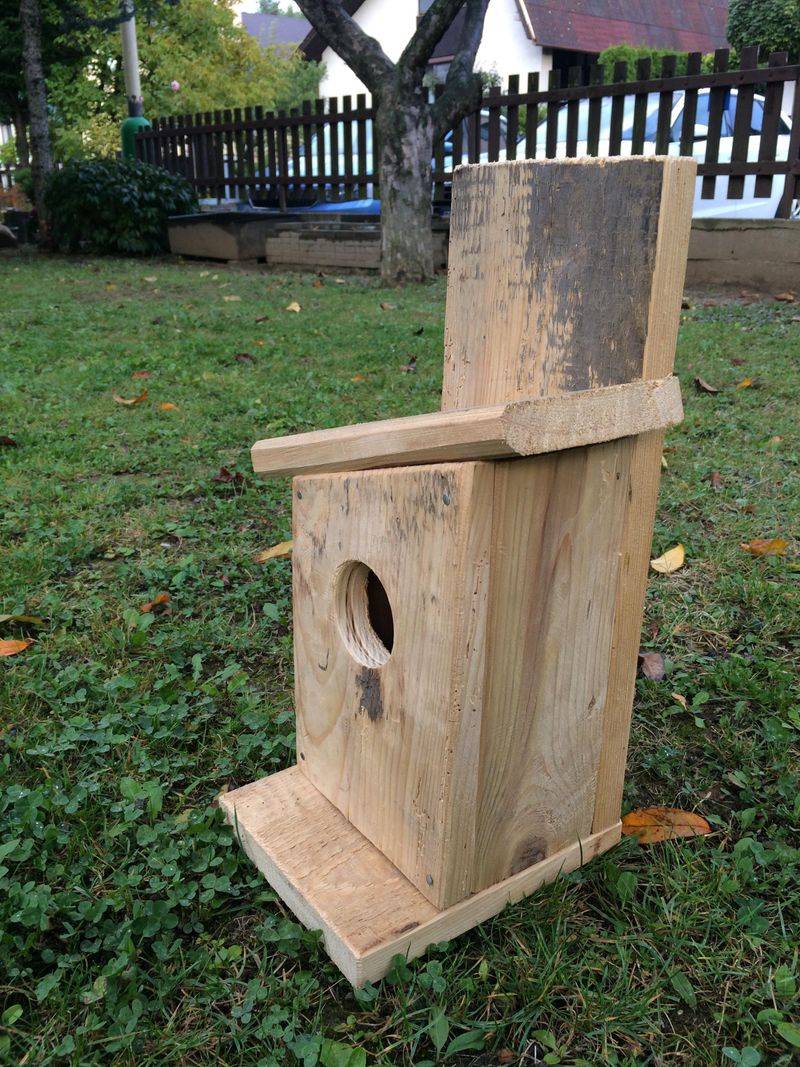
Down at the bottom of most good birdhouses sit tiny drainage holes. These little openings let rainwater escape instead of pooling inside. Keeping them clear is a big deal.
Over a year, these holes can clog with dirt, old nest bits, or debris. When they block up, water stays trapped. A wet box gets moldy and unsafe fast.
Flip the box over and look at the floor. Poke each hole gently with a small stick or wire to clear any gunk. You want water to flow right through.
If your box has no drainage holes, September is a great time to add some. Drill four small holes in the corners of the floor. That simple fix prevents flooding.
Oregon gets plenty of rain, so drainage really matters here. A box that drains well stays dry and cozy even during long stretches of wet weather.
Dry floors keep chicks safe and warm come spring. Damp nests can chill baby birds and invite mold that harms their health.
While you are down there, check for tiny gaps that should not be leaking. Only the drainage holes belong on the bottom, nothing more.
Clear drainage holes are easy to overlook but simple to fix. Spending a moment on them now means a dry, healthy home for next year’s nesting birds.
7. Do Not Add Bedding Materials For Birds
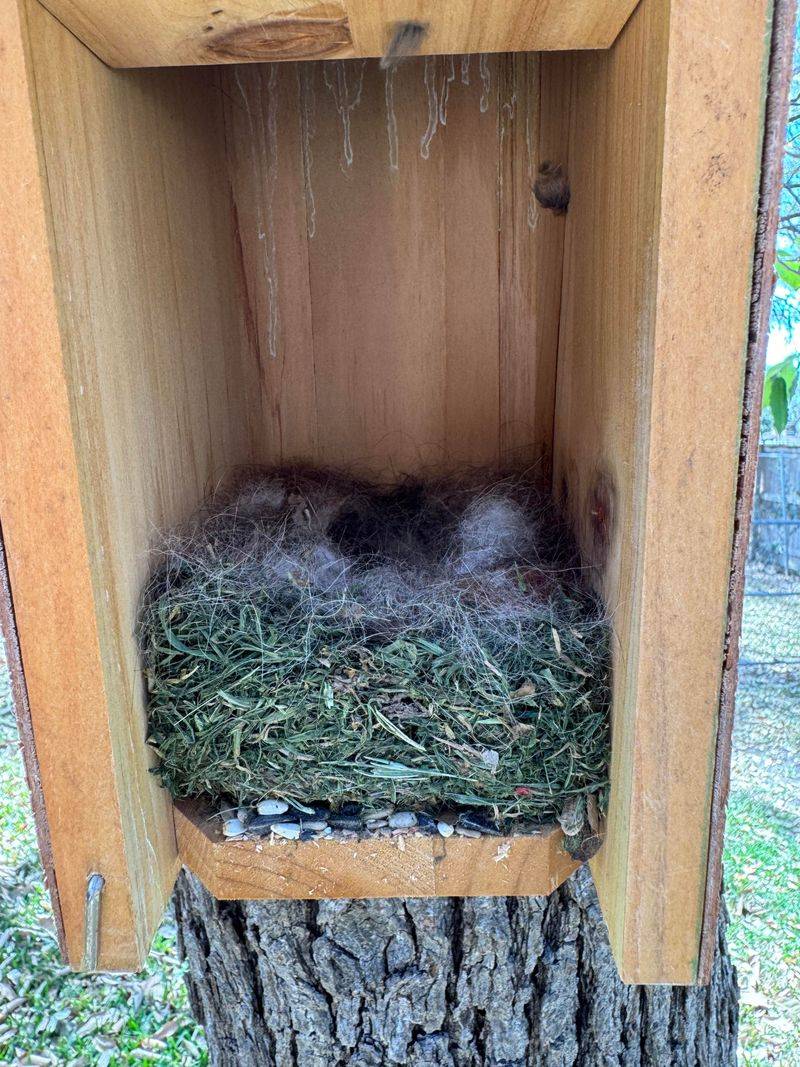
It might feel kind to stuff soft bedding inside a birdhouse. But that is one favor birds do not want. They prefer to build their own nests from scratch.
Wild birds know exactly what they need. They gather grass, twigs, moss, and feathers that suit their species. Store-bought bedding can throw off their natural building.
Added material can also hold moisture. Damp stuffing invites mold and pests before a bird even moves in. An empty box stays cleaner and drier.
Some fluffy materials can even tangle around tiny feet or wings. Cotton and dryer lint may look cozy but can cause real problems for chicks.
Leaving the box bare respects how birds live in the wild. They enjoy the challenge of building and know how to make a nest that fits their family.
When spring arrives, birds will bring their own supplies. You will see them flying in with beaks full of grass and soft bits. That is exactly how it should work.
Your job is to keep the box clean and empty, not furnished. Think of yourself as the landlord, not the decorator.
Skipping the bedding is one of the easiest tips to follow. Just leave the inside plain and let the birds handle the rest when nesting season comes back around.
8. Check That The Entrance Is Still The Right Size
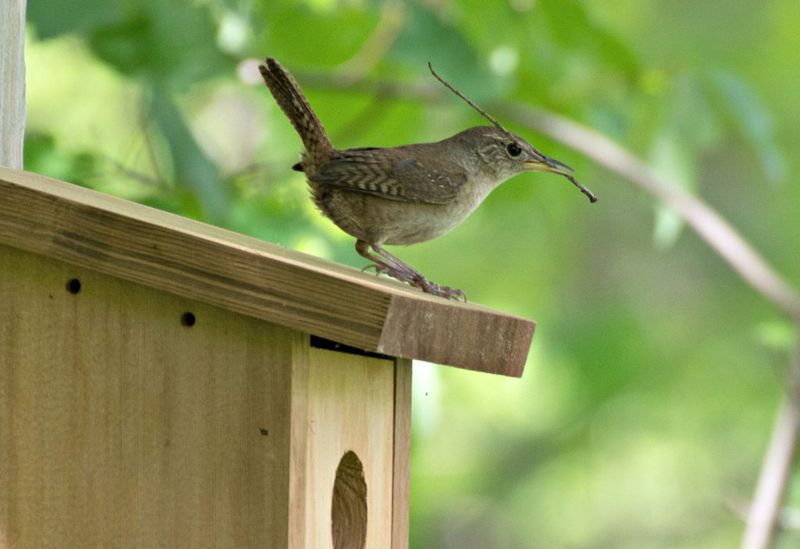
The size of the entrance hole matters more than you might guess. Each bird species needs a hole that fits just right. Too big or too small causes trouble.
Sometimes squirrels or larger birds chew and widen the opening. A stretched hole lets in predators or bigger birds that push out the ones you want.
Take a close look at the entrance this September. If it seems chewed up or ragged, you can fix it. A metal guard plate around the hole helps a lot.
Different birds want different sizes. Chickadees like a small hole about one and one-eighth inches. Bluebirds need it slightly larger, around one and a half inches.
Keeping the right size keeps out unwanted guests. Starlings and other big birds cannot squeeze through a proper small opening, which protects your favorite visitors.
If the hole has been damaged, adding a hole reducer is an easy fix. These simple plates screw right over the front and set the size back to normal.
Matching the hole to the birds you hope to attract is smart planning. Do a little research on which species live near your Oregon home.
A correctly sized entrance means the right birds move in and the wrong ones stay out. Checking it now leaves you ready for a peaceful nesting season next spring.
9. Leave The Box Ready For Early Spring Nesters
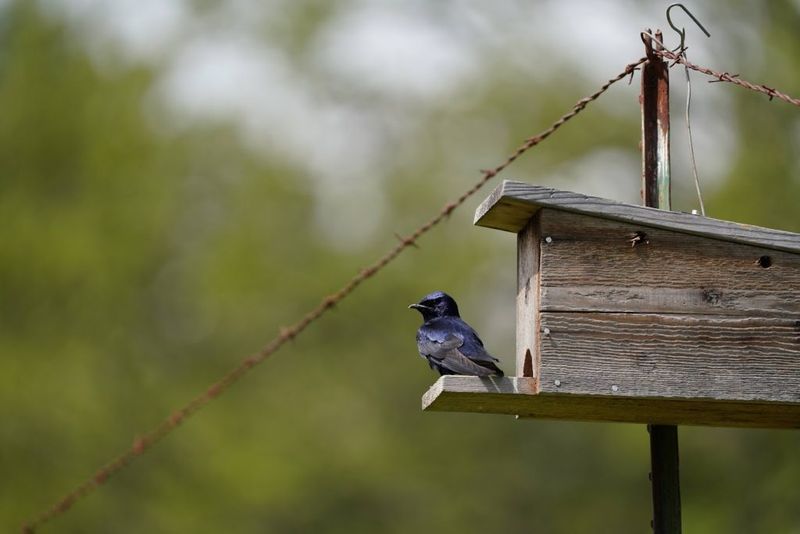
Once your cleaning and repairs are done, the best move is to leave the box in place. Do not take it down for winter. Some birds use boxes for shelter on cold nights.
Early spring nesters start scouting sooner than you think. In Oregon, some birds look for homes as early as February. A ready box gives them a head start.
Having the box up and waiting means no scramble later. You will not need to rush repairs when the first birds arrive looking for a spot.
Chickadees and bluebirds often claim boxes early. If yours is clean and open, you boost your chances of hosting a family right away.
Leaving it out through winter also helps small birds survive chilly nights. They may huddle inside to stay warm when temperatures drop.
Give the box a quick glance now and then over winter. Make sure nothing new has clogged the entrance or blocked the drainage holes.
By spring, your work from September pays off nicely. The box is dry, sturdy, and welcoming without any last-minute effort on your part.
Preparing early takes the pressure off and helps the birds. A little planning in fall means a smooth, happy nesting season when the warm days return to your Oregon backyard.