Rat Repelling Herbs North Carolina Gardeners Can Plant Before Fall
Certain herbs have a reputation for discouraging rats and other rodents, and North Carolina gardeners are increasingly using them as a natural line of defense before fall sends more rodents looking for shelter and food.
These strongly scented herbs are sometimes suggested as natural rodent deterrents, but their effect in a garden is limited and inconsistent.
While these herbs alone won’t guarantee a rodent-free yard, they can meaningfully reduce the appeal of a space when combined with other prevention steps like securing food sources and sealing entry points.
Planting them now, before rodent activity typically increases in fall, gives them time to establish and start providing that natural deterrent effect. A thoughtfully planted herb bed can offer both culinary and practical benefits heading into the colder months.
1. Mint Can Add A Strong-Scented Barrier
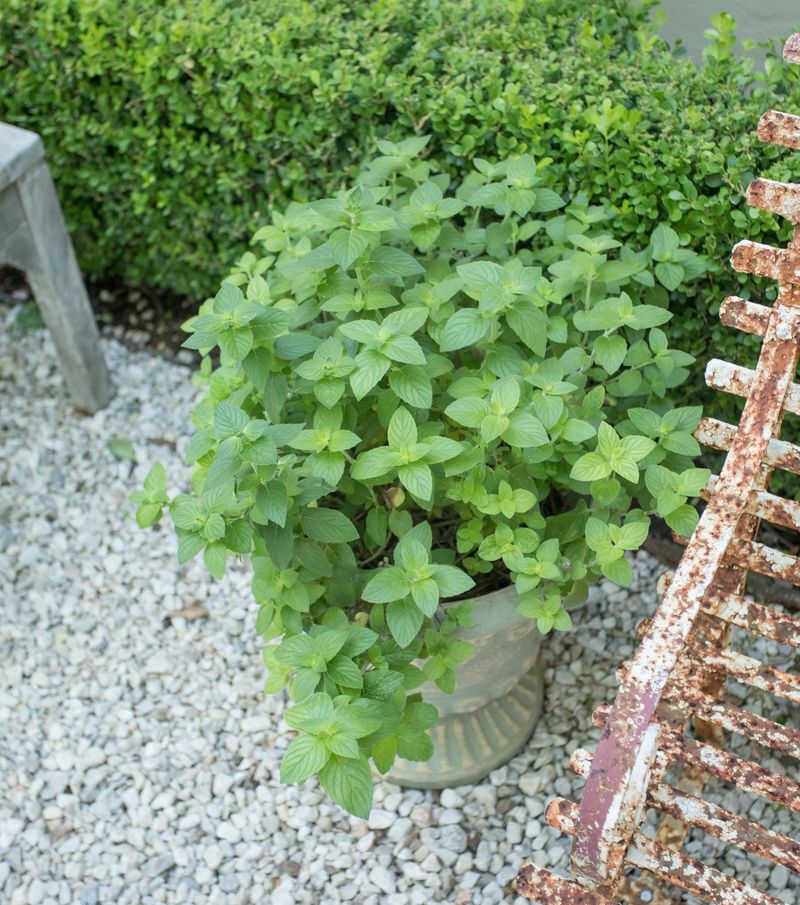
Rub a mint leaf between your fingers and you get a sharp, cool burst that fills the air fast. That bold aroma is exactly why some rodents steer clear of areas where mint grows thick. The scent can cover up the smells that usually draw pests toward a garden.
Mint loves North Carolina’s mix of sun and shade, and it grows with almost no fuss. You can tuck it near doorways, along fences, or close to spots where you have noticed rodent activity.
The stronger the patch, the more scent it puts out during warm afternoons. Here is the catch though. Mint spreads like it owns the place, sending runners underground that pop up everywhere.
If you plant it straight into open soil, it can take over a bed in a single season and crowd out your other plants.
For that reason, most gardeners grow mint in pots, raised planters, or buried containers with the bottom cut out. This keeps the roots trapped while still letting the leaves release their smell. You get the benefit without the headache of endless weeding.
Water it often and pinch back the tips to keep it bushy and full. Fall planting gives the roots time to settle before the coldest days roll in. Come spring, you will have a fragrant, hardworking herb ready to grow again.
Remember that mint is one helper in a bigger plan, not a magic fix. Pair it with clean, tidy garden habits for the best results.
2. Rosemary Adds A Powerful Aroma
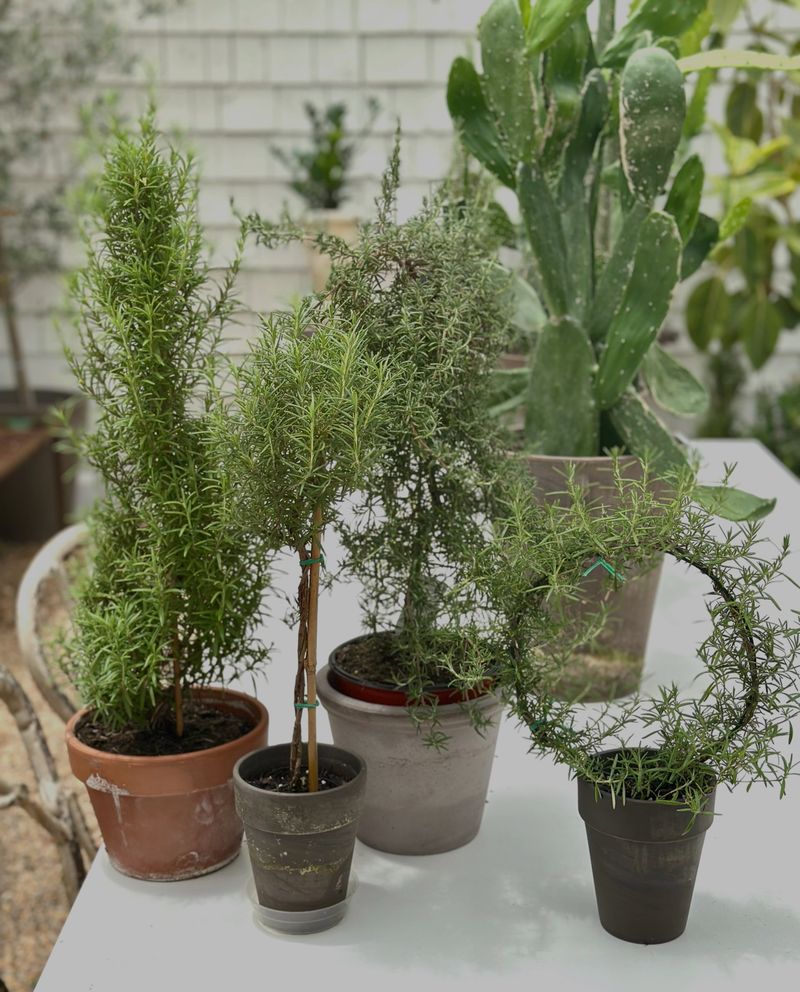
Brush past a rosemary bush and its piney, woodsy scent clings to your clothes for hours. That heavy fragrance does more than flavor your dinner, since it can make a garden corner smell far less inviting to wandering rodents.
The oils packed inside those needle-like leaves are what make the aroma so bold. Rosemary thrives in North Carolina when it gets plenty of sunshine and soil that drains well.
Soggy roots are its biggest enemy, so pick a spot where water never pools after rain. Raised beds and sloped areas work great.
Plant it in the fall in the milder parts of the state, and the shrub can settle in before winter. In colder mountain regions, growing rosemary in a pot lets you move it to shelter when frost threatens. Either way, it rewards you with year-round greenery.
Your North Carolina Garden Changes Every Week. Your Plan Should Too.
Gardening in North Carolina changes quickly throughout the season. Every Friday you’ll receive a simple weekly plan showing exactly what to plant, prune, fertilize, harvest, and protect so you never miss the right timing.
Once established, rosemary barely needs your help. It shrugs off dry spells and keeps its leaves through much of the year, releasing scent every time the wind stirs. A few plants along a walkway create a fragrant, useful border.
Trim it now and then to keep the shape neat and to spark fresh growth. Those clippings are perfect for roasting vegetables or seasoning meats, so nothing goes to waste. The kitchen bonus makes it a favorite.
Keep in mind that rosemary supports your rodent plan rather than solving it alone. Combine its strong scent with sealed food sources and tidy corners for smarter, longer-lasting protection around your yard.
3. Sage Brings Strong Aromatic Oils
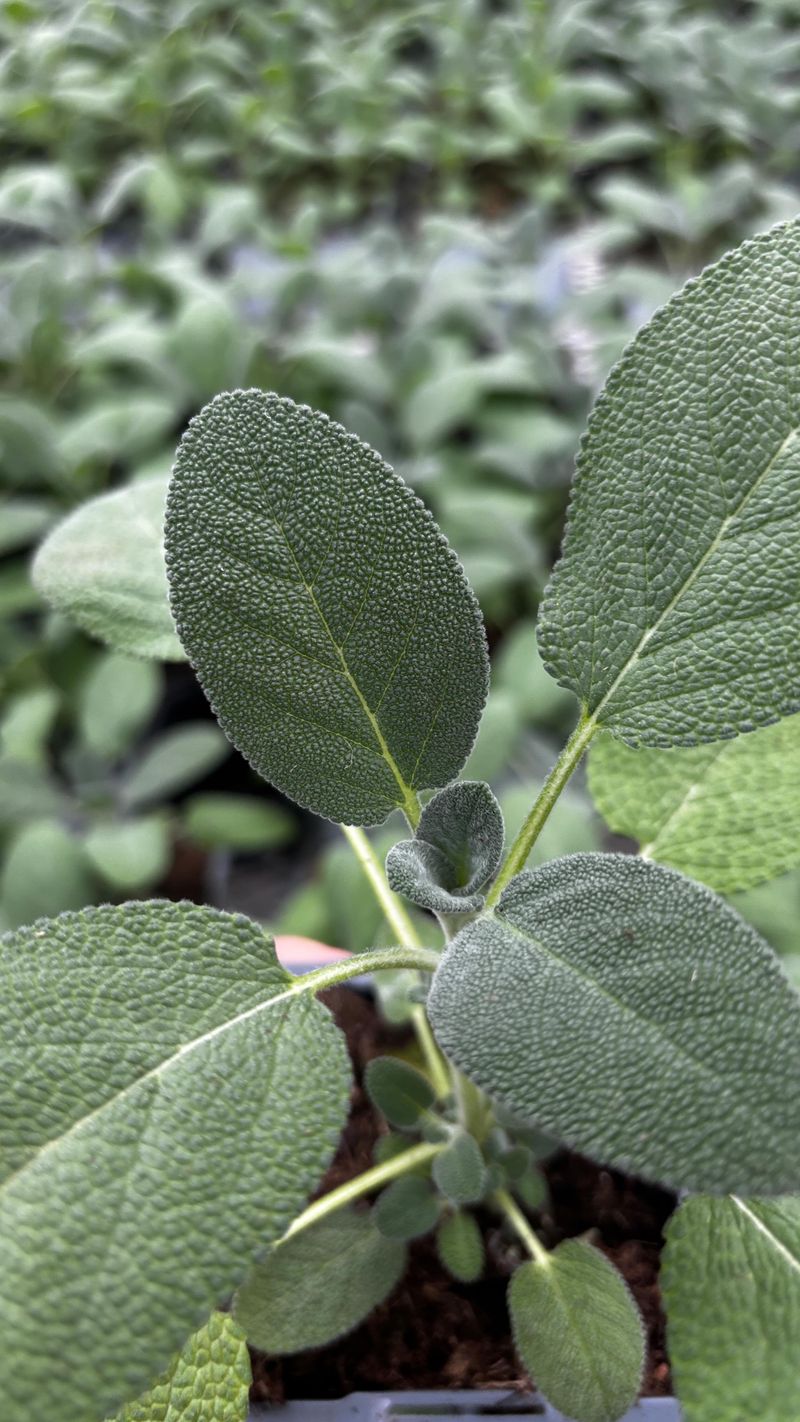
Soft, velvety leaves might look gentle, but sage hides a surprisingly powerful punch of scent. Those fuzzy gray-green leaves are loaded with aromatic oils that fill the air with an earthy, slightly peppery smell.
Many rodents find that heavy fragrance far from appealing. North Carolina gardeners have an easy time with sage because it loves warmth and sunshine.
Give it a spot with six or more hours of daylight and soil that lets water drain quickly. Crowded, damp ground can cause the roots to rot.
Fall is a fine time to plant sage in most parts of the state. The cooler air helps the roots grow strong without the stress of summer heat. By the time warm weather returns, your plant will be full and ready.
You can grow sage in beds, borders, or roomy containers on a patio. Its bushy shape fills gaps nicely and looks pretty next to other herbs. Every time you touch it, the scent lifts into the air.
Snip leaves as you cook, since sage adds cozy flavor to stuffing, soups, and roasted dishes. Regular trimming also keeps the plant tidy and encourages new leaves to sprout. A little care goes a long way here.
Water it only when the soil feels dry a couple inches down, because sage handles drought better than soggy feet. Think of it as one scented tool among many. Pair it with clean habits to make your whole garden less welcoming to unwanted visitors.
4. Lavender Can Make Garden Edges Less Appealing
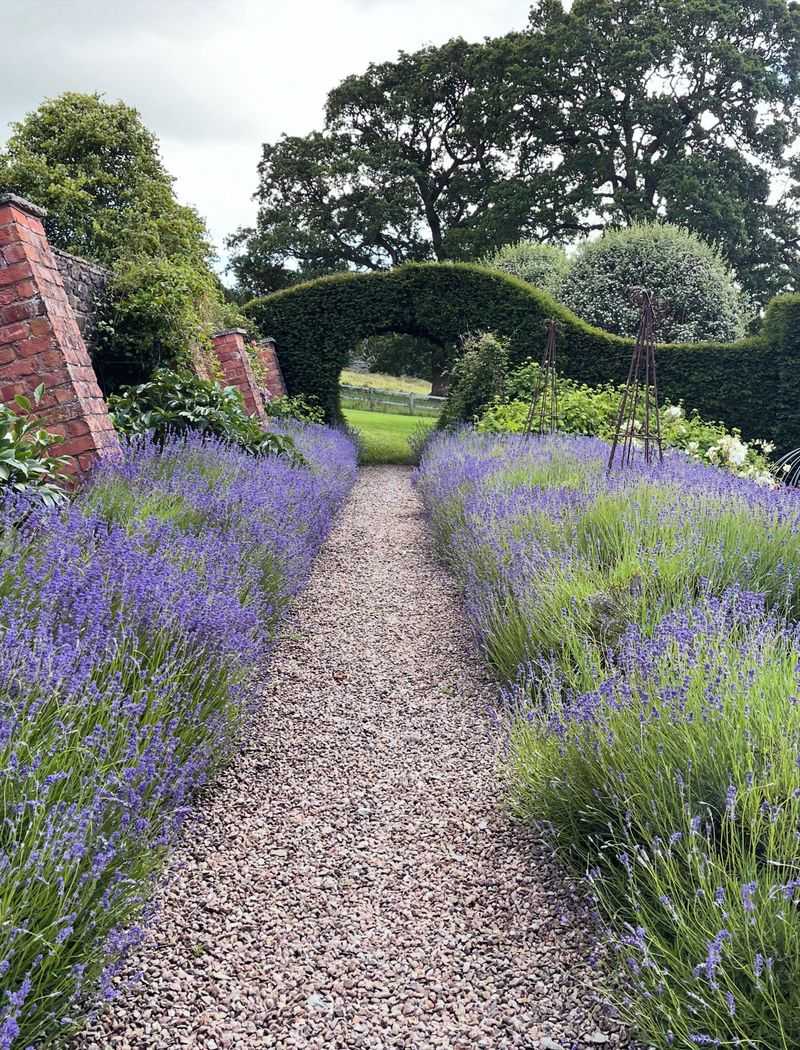
Few plants smell as dreamy as lavender, with its purple spikes swaying in the breeze. People love that calming scent, but many rodents feel the opposite way about it.
The strong perfume drifting off the flowers and leaves can make garden edges seem less welcoming to them.
Lavender does best in North Carolina when it sits in full sun and sandy, well-drained soil. It hates wet roots, so avoid low spots where rain collects. A slightly raised bed keeps the moisture moving away.
Planting it along pathways, borders, or fence lines creates a fragrant band around your yard. The neat mounds look tidy year after year and need little trimming to stay attractive. Bees and butterflies love the blooms too.
Fall planting in the warmer regions gives lavender time to root before cold weather sets in. In cooler areas, choose hardy varieties or grow it in pots you can shelter. Good drainage matters more than almost anything else.
Once settled, lavender asks for very little water and keeps going through dry stretches with ease. Dried flowers can freshen drawers, closets, or homemade sachets around the house. That extra use makes it a garden multitasker.
Be honest with yourself about what lavender can do, since it is not a guaranteed shield against rats. The scent may nudge some pests away, but hungry rodents can ignore it when food is nearby. Lean on it as part of a bigger, well-rounded plan.
5. Thyme Works Well Around Garden Borders
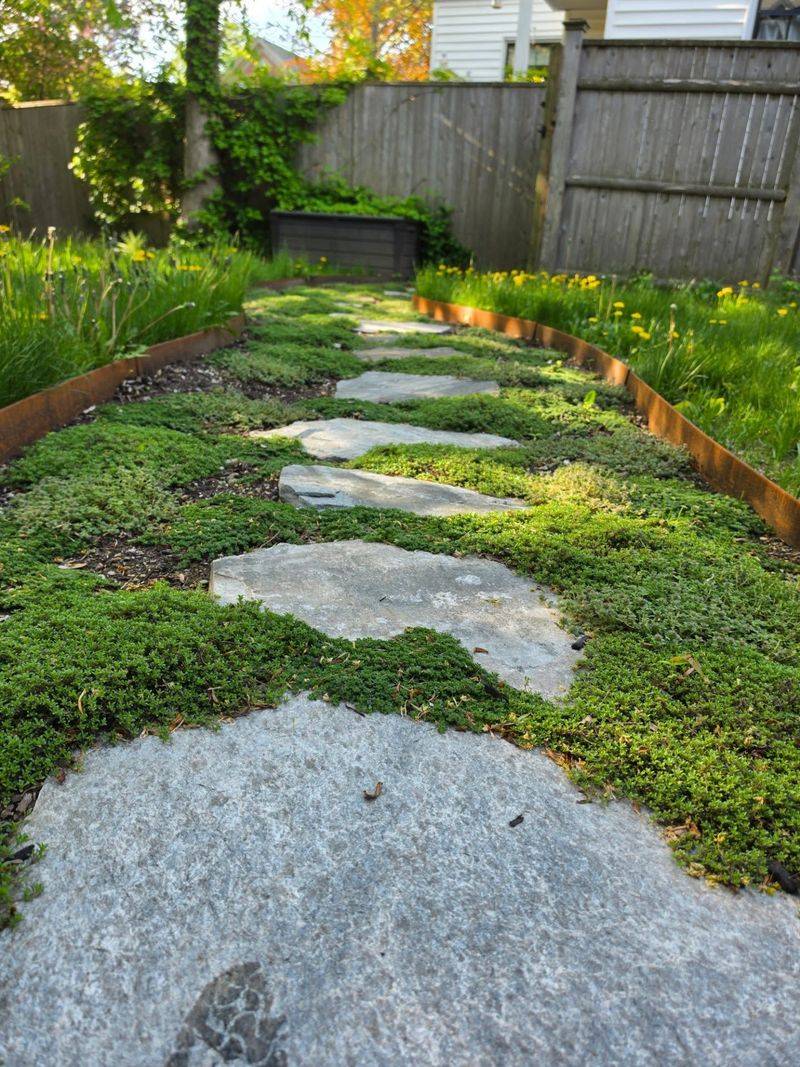
Low and spreading, thyme hugs the ground like a fragrant green carpet. Its tiny leaves pack a surprising amount of scent, releasing a warm, herby smell whenever they get brushed. That aroma can help make garden edges feel less inviting to rodents.
Because thyme stays short and compact, it fits perfectly along borders, pathways, and the spaces between stepping stones. You can even let it creep over the edge of a raised bed for a soft, scented trim. Foot traffic only releases more of its fragrance.
North Carolina’s sunny days suit thyme just fine, especially in soil that drains quickly. It shrugs off heat and dry weather once its roots take hold. Overwatering is the main thing to watch out for.
Fall planting lets thyme settle in during the mild season, so it comes back strong in spring. Many types stay green through much of the year, giving you scent and color even in cooler months. A little goes a long way.
Mixing thyme with taller herbs builds a layered, aromatic planting area that pleases the nose and the eyes. Different smells stacked together may confuse pests looking for an easy meal. Variety is your friend here.
Snip sprigs for soups, roasted potatoes, or homemade seasoning blends whenever you like. Trimming keeps the plant tidy and full. Use thyme as one piece of your pest-conscious garden rather than the whole answer, and pair it with clean, tidy habits.
6. Oregano Adds Another Strong-Scented Herb
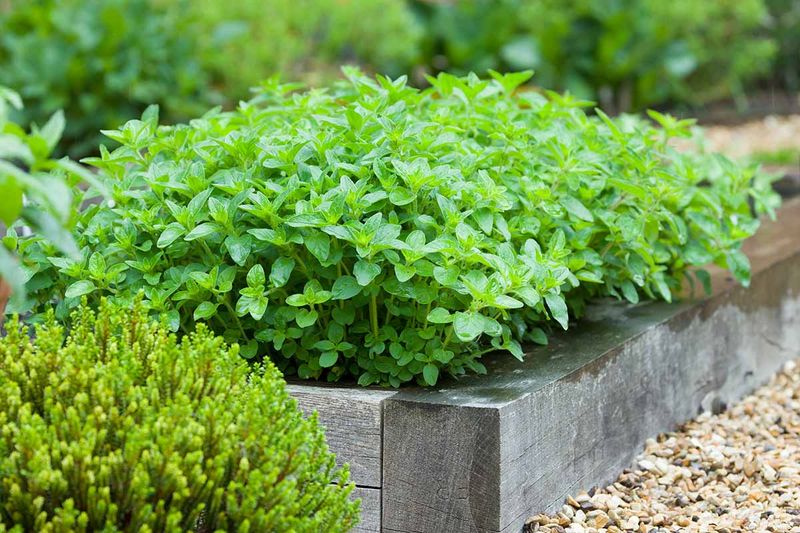
Pizza night gets its signature flavor from oregano, but this herb offers more than kitchen magic. Its pungent leaves give off a sharp, spicy scent that many rodents would rather skip. Planting it adds another layer of fragrance to a pest-conscious garden.
Oregano spreads into a low, bushy mat that fills empty spaces and looks great tumbling over a bed’s edge. It grows easily in North Carolina, loving full sun and soil that drains well. Once rooted, it barely needs attention.
Fall is a good moment to plant oregano so the roots can strengthen before winter. In milder areas it often stays green, while in colder spots it may fade back and return in spring. Either way, it comes back reliably.
Water it lightly, since oregano handles dry soil far better than soggy conditions. Pinch off sprigs regularly to keep it bushy and to enjoy fresh seasoning for sauces, pizzas, and roasted dishes. Frequent trimming keeps the plant productive.
The bold smell may nudge some pests to wander elsewhere, but do not lean on it too heavily. Rats care most about food and shelter, and no herb changes that basic truth. Scent alone will not clear them out.
Cutting off their meals and hiding spots matters far more than any fragrance. Store food tightly, cover compost, and clear clutter where rodents might nest.
Grow oregano for its flavor and aroma, then back it up with these smarter, more powerful habits.
7. Lemon Balm Can Add A Strong Citrus-Like Scent
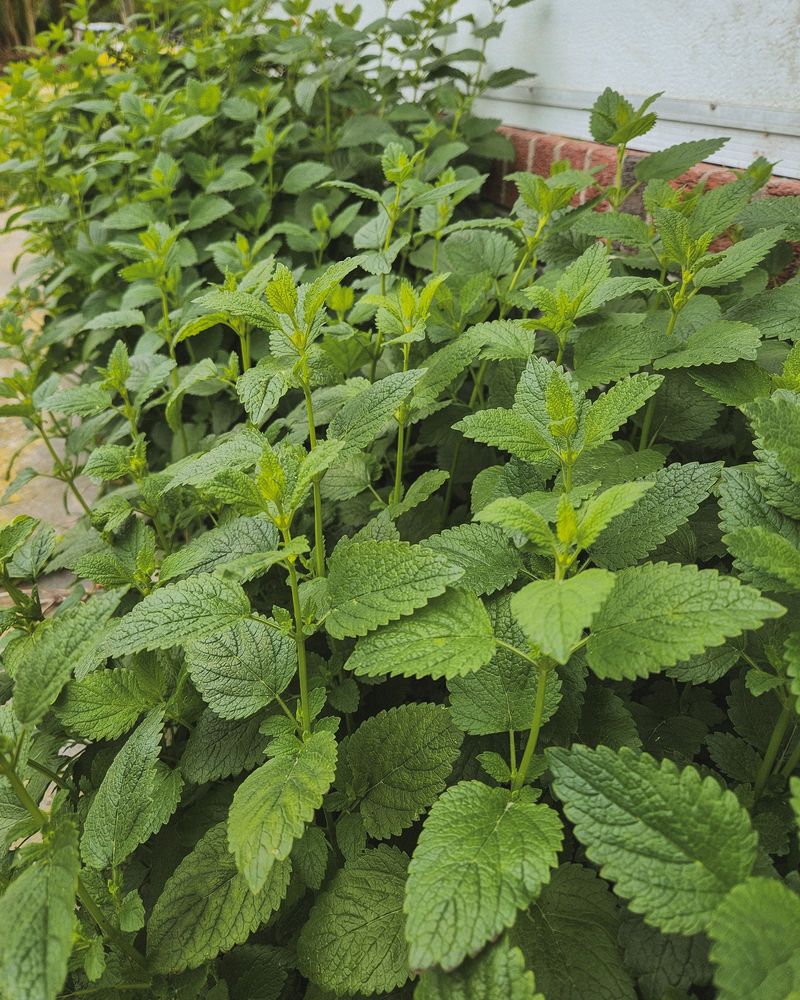
Crush a lemon balm leaf and a bright, citrusy smell jumps out that reminds you of fresh lemons. That zesty fragrance is more than pleasant, since many rodents dislike strong citrus-like scents. Adding it to a garden border brings both aroma and charm.
Lemon balm grows fast and easily in North Carolina, thriving in sun or light shade. It is not picky about soil as long as water does not sit around its roots. Beginners find it one of the simplest herbs to keep alive.
Here is the important part though. Lemon balm belongs to the mint family, which means it spreads with the same eager energy. Left in open ground, it can march across a bed and pop up in places you never planted it.
To keep things under control, grow lemon balm in pots, planters, or buried containers. This traps the roots while letting the leaves release their scent freely. You enjoy the fragrance without the constant weeding battle.
Fall planting gives the roots time to settle before cold weather, setting up strong growth next spring. Snip the leaves for tea, lemonade, or a cheerful garnish that tastes as fresh as it smells. Regular cutting also keeps the plant neat.
Position it near seating areas or along edges where you will brush against it often. Every touch sends up that lively citrus note. Treat lemon balm as one scented helper in a full plan, and combine it with tidy, clean garden habits for real results.